
News & Stories
Filter posts
Filtered results
-
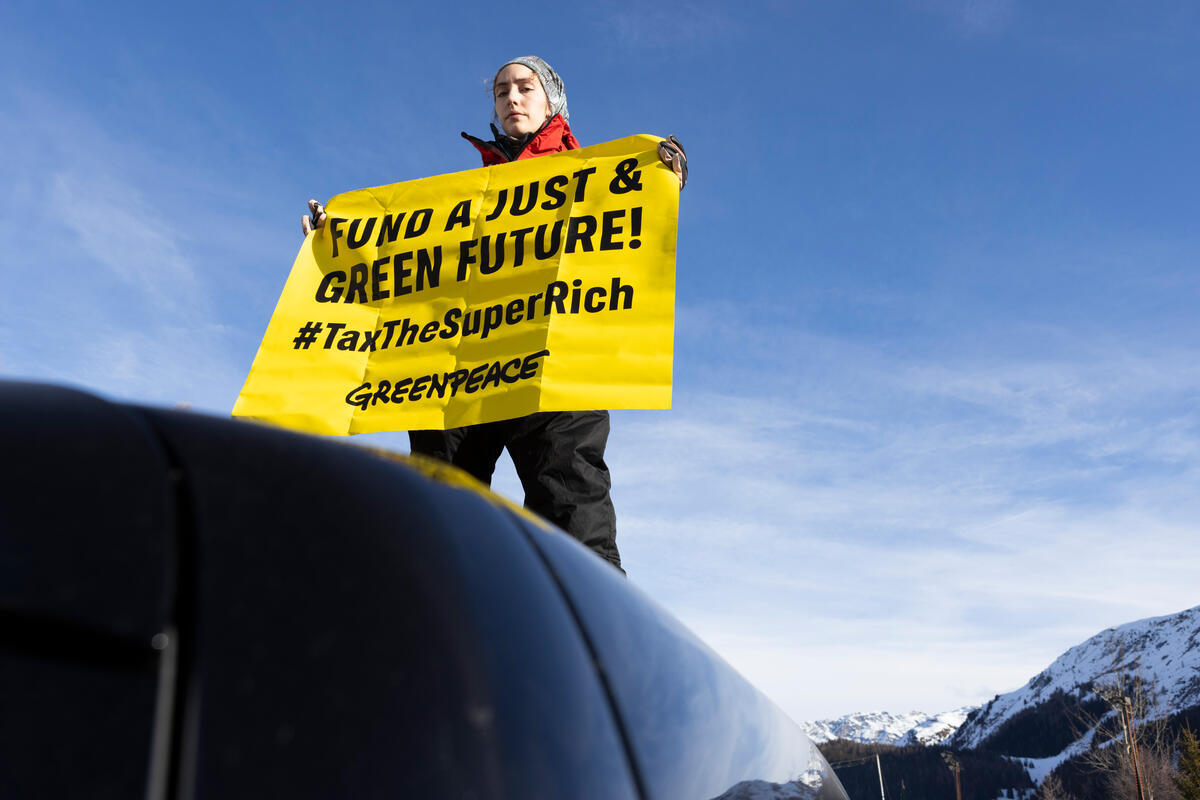
World’s richest 0.01% estimated to have nearly US$1 trillion in annual climate debt – Greenpeace report
“We are learning that the climate impact of extreme wealth is far greater than previously understood. Yet governments often urge ordinary people to carry the burden of climate action while paying far less attention to those with the greatest climate debt"
-
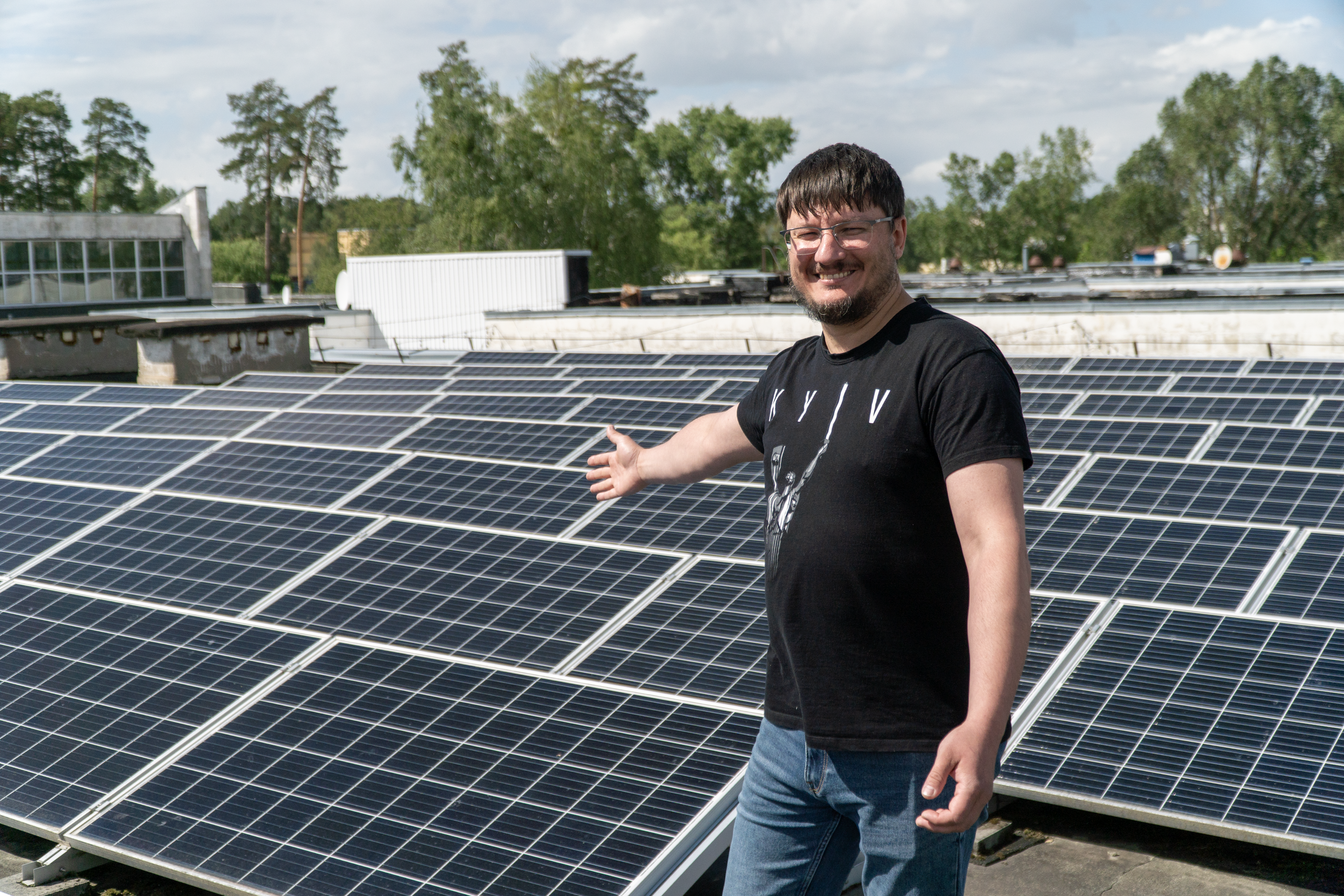
How Ukraine’s decentralised renewables can help end the global fossil fuel crisis cycle
From wartime Ukraine to the Iran energy shock, decentralised renewables are emerging as a real energy security solution. Community solar, local grids and gas‑free cities show how countries can protect households from fossil fuel price spikes, war‑fuelled crises and blackouts – while cutting emissions and ending the global fossil fuel crisis cycle.
-
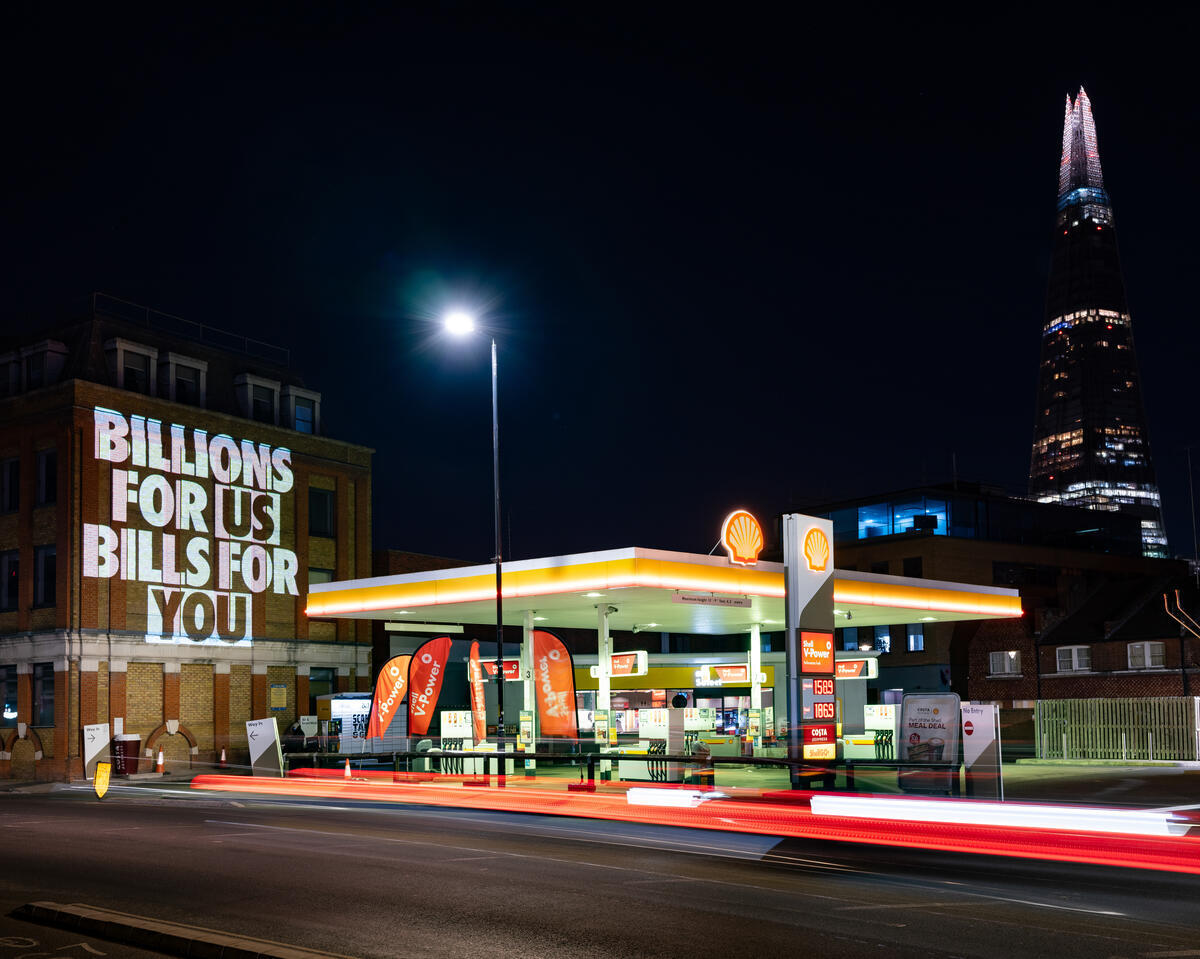
100 days after the attacks on Iran: who is paying, who is profiting, and what needs to happen
One hundred days after the US and Israel launched their war on Iran, families in Iran and across the Middle East are living with bombs, blackouts and water cuts, while people worldwide face higher fuel, food and transport costs. This crisis is not a shock from nowhere but the predictable result of fossil fuel dependency…
-
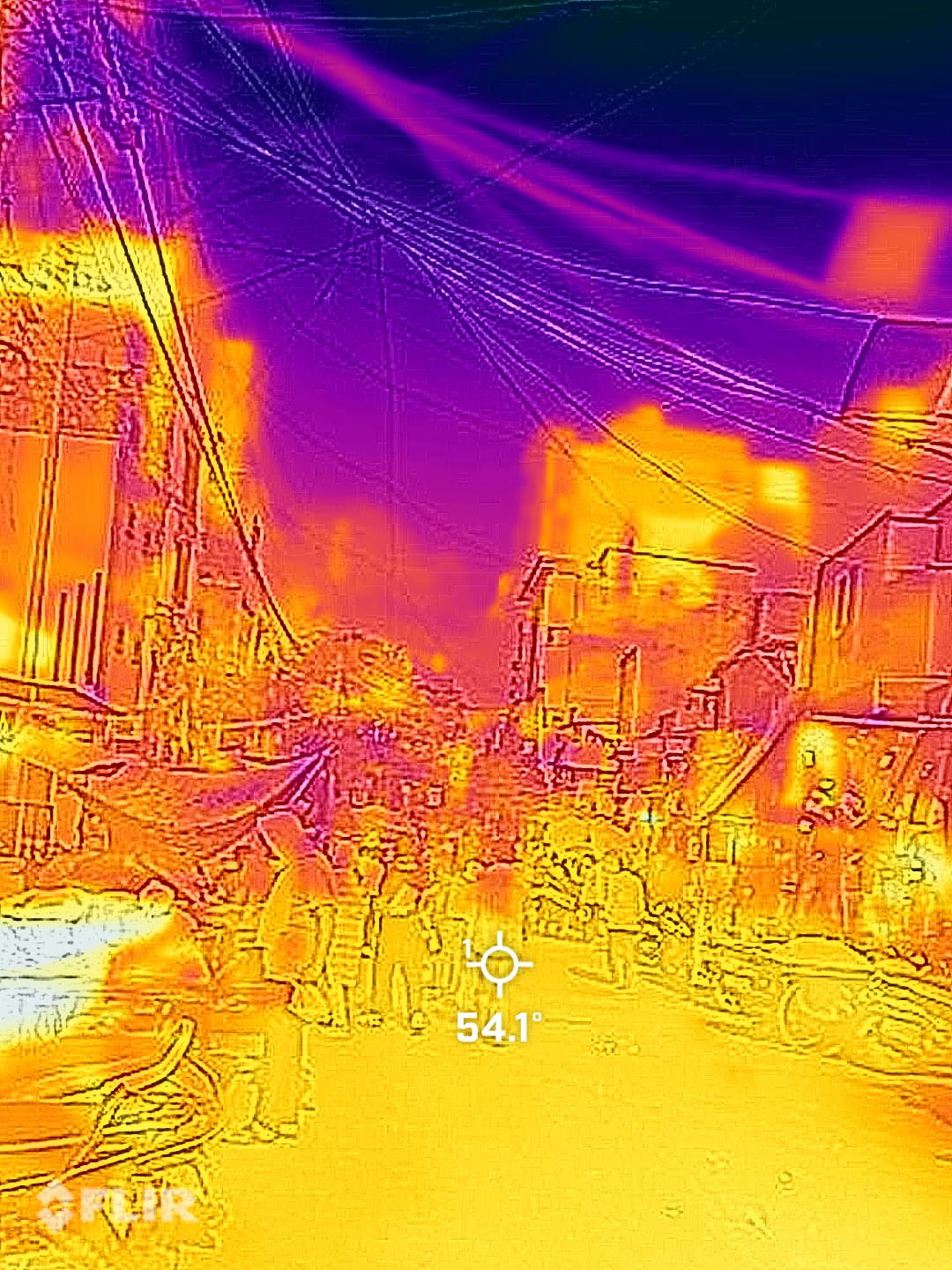
500 metres through the heat: Who pays for the heatwave crisis?
The community heat mapping exercise was not just about measuring temperature. It was about understanding how people experience heat in their everyday lives and questioning why some neighbourhoods continue to remain more vulnerable to extreme heat than others.
-
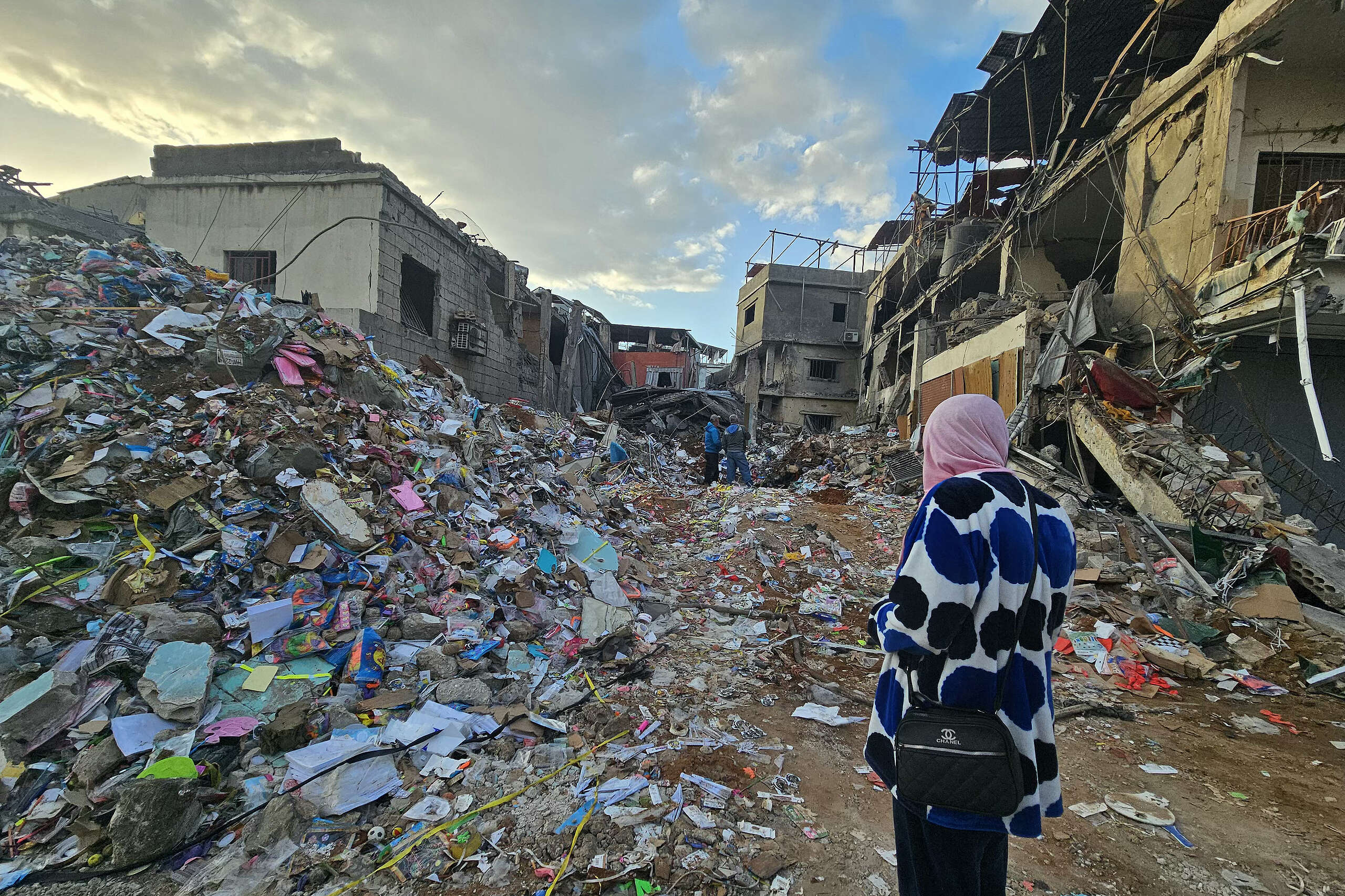
Annihilating South Lebanon: What we know so far about ecocide and urban devastation
Displacement. Agricultural destruction. Toxic rubble. White phosphorus pollution. Woodlands erased. The environmental reality of South Lebanon after Israeli attacks.
-
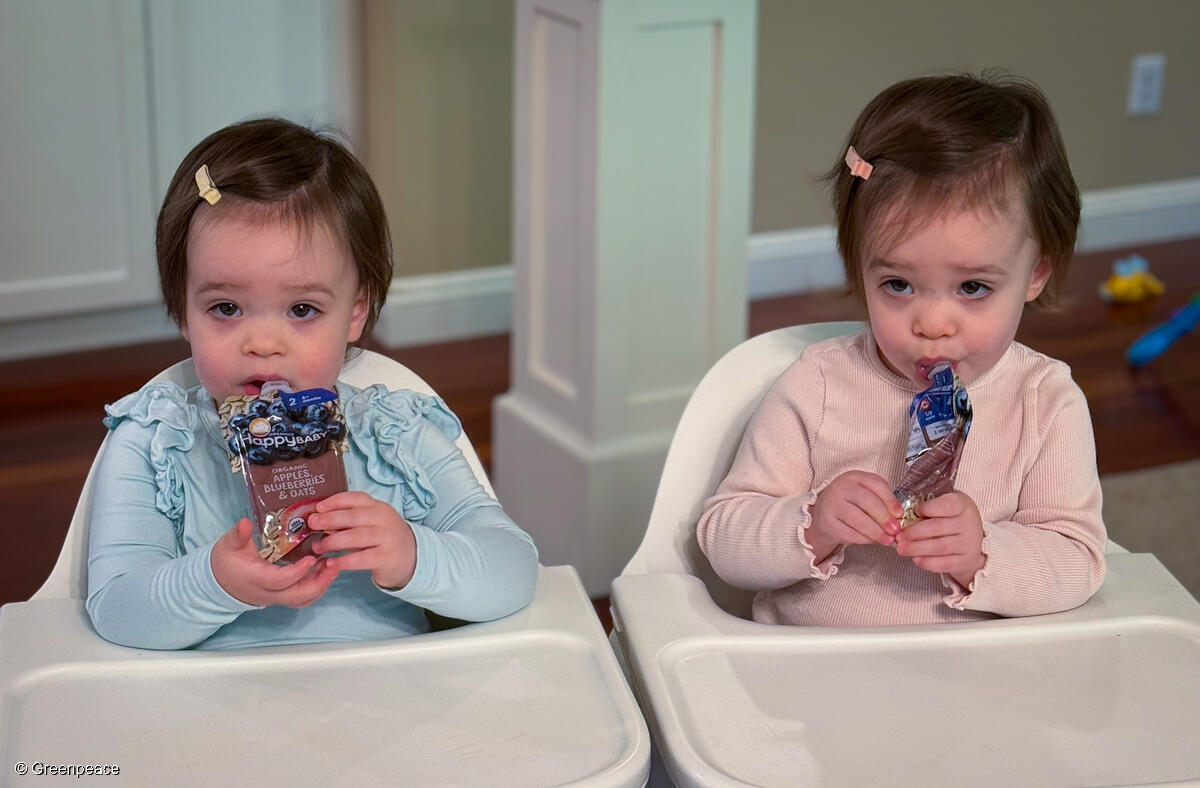
Babies, plastic pouches and microplastics: what parents should know about Nestlé and Danone’s baby food
A new Greenpeace International report presents evidence suggesting that Nestle’s Gerber brand and Danone’s Happy Baby Organics brand plastic pouches release microplastics and chemicals into baby food, and calls for plastic-free, safe options and a strong Global Plastics Treaty.
-
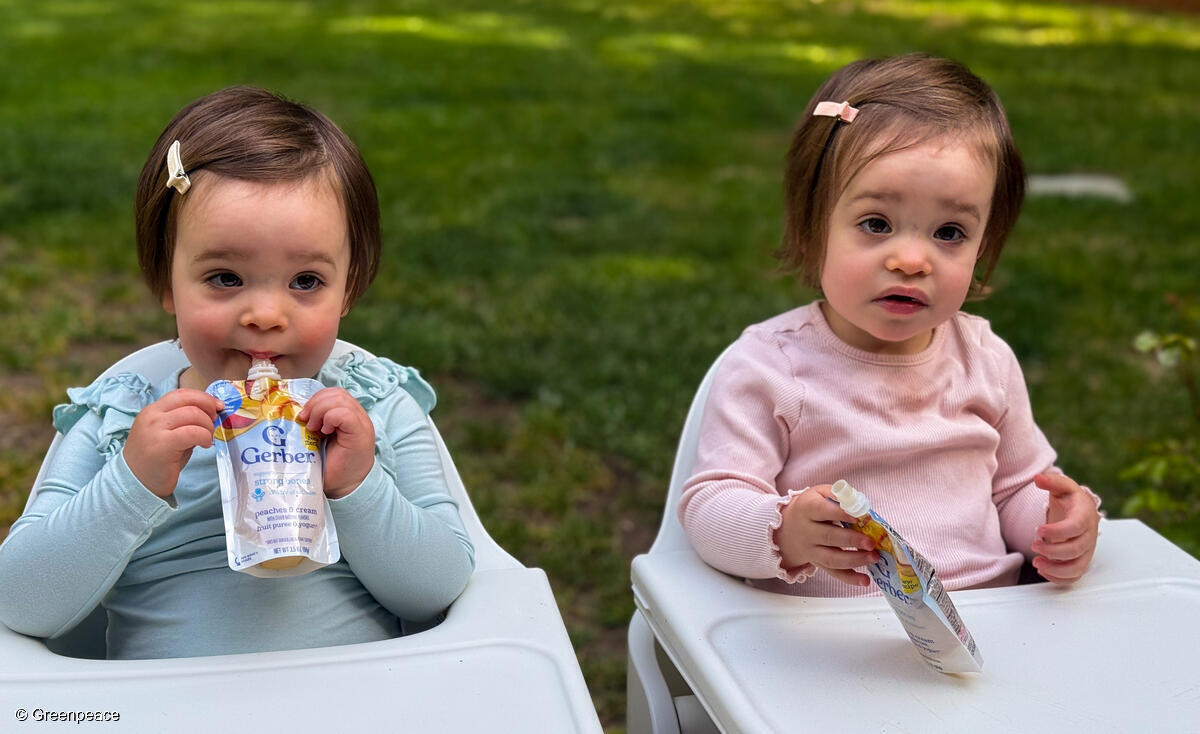
Greenpeace study finds microplastics in Nestlé, Danone baby food sold in plastic pouches, raising alarm for millions of babies
New research commissioned by Greenpeace International has found microplastics in baby food sold in plastic pouches by two of the world’s largest food companies, Nestlé and Danone.
-
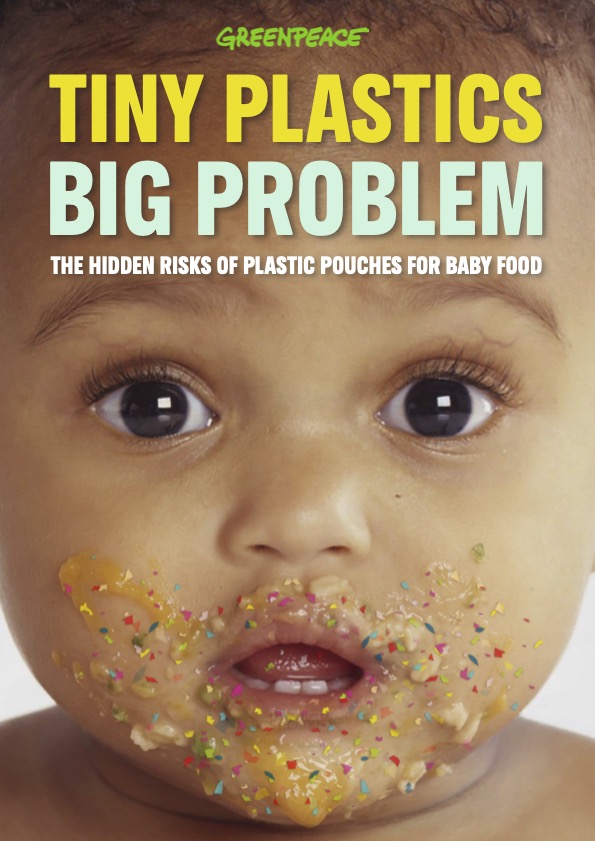
Tiny Plastics, Big Problem
Testing commissioned by Greenpeace International in 2025 found plastic particles in the baby food products of two global consumer goods companies - Danone and Nestlé.
-
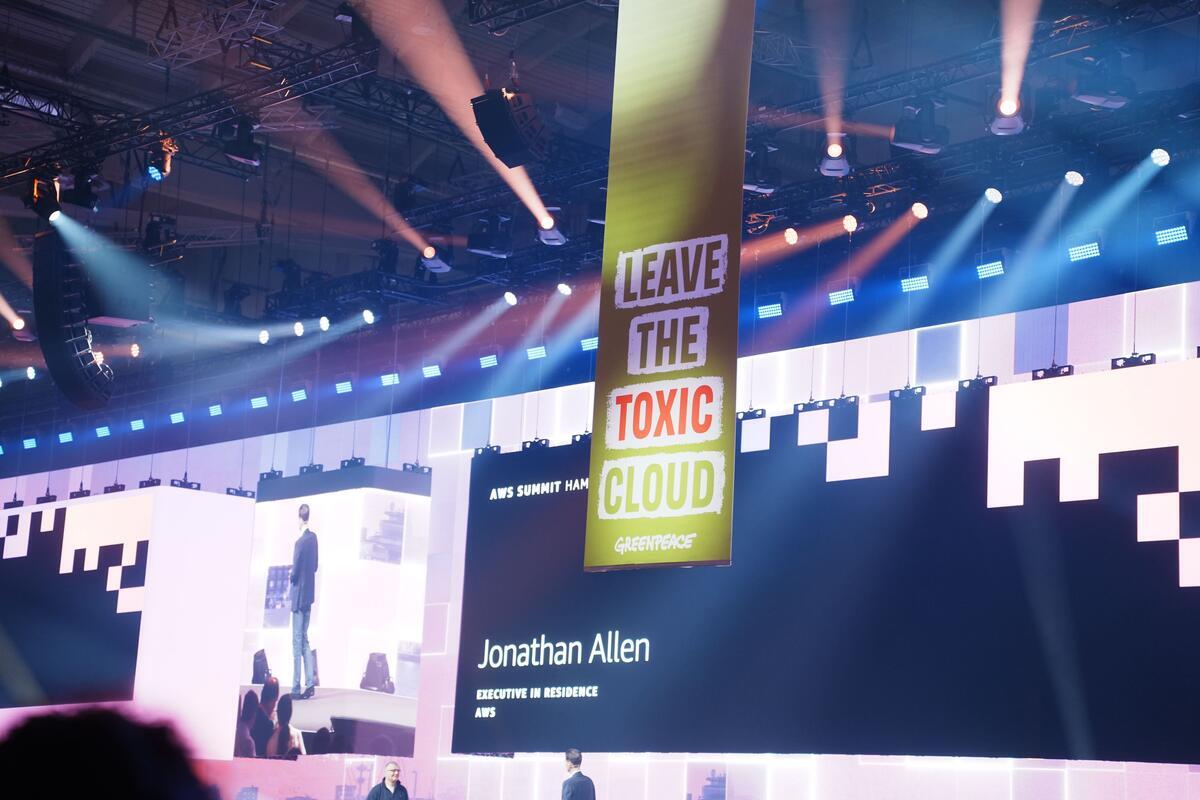
Greenpeace exposes Amazon Cloud’s toxic partnerships and demands an end to Big Tech’s impunity
The new report reveals that the world’s largest cloud provider acts as a critical technological backbone for climate chaos, human rights violations, or attacks on democratic institutions.
-
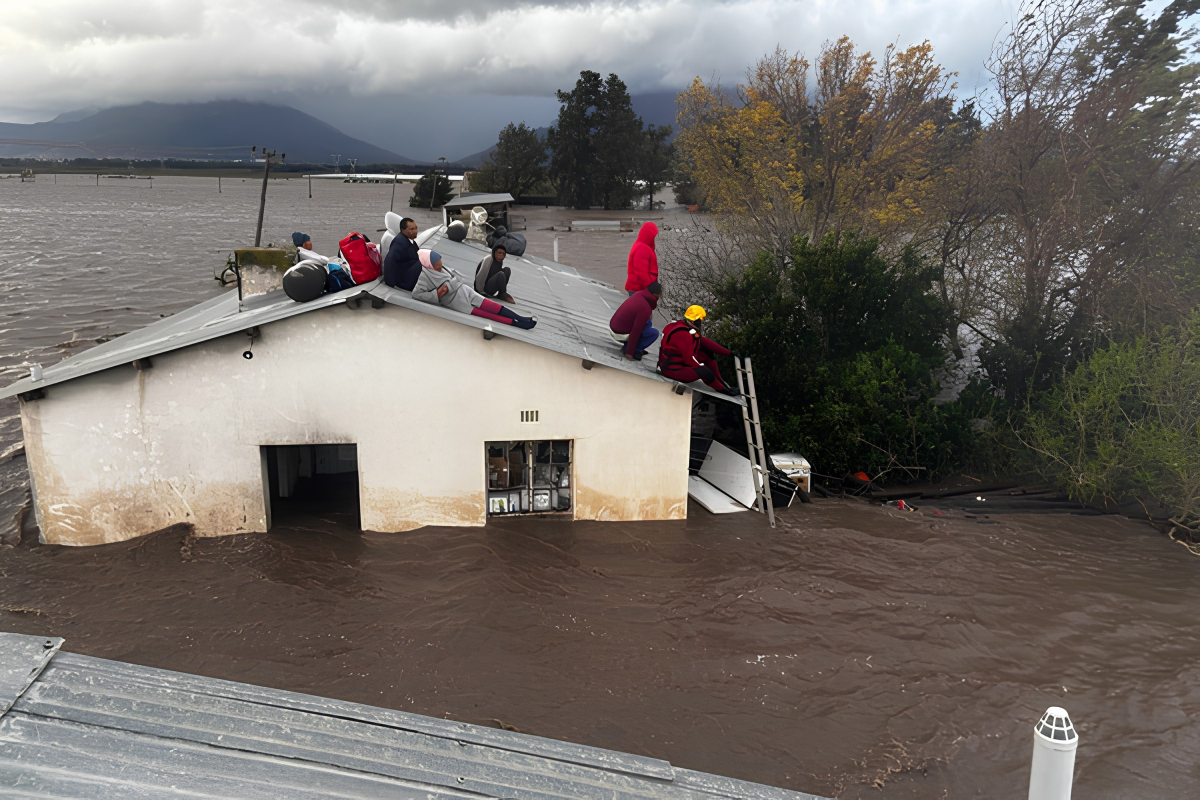
Southern African floods: a disastrous case of climate inequality
Thousands watched their homes, belongings and any sense of security washed away. I watched the weather forecast closely as disaster unfurled in the provinces around mine; wondering when it would hit us.