
All articles
-

Annual report 2011
2011 was the year in which Greenpeace celebrated its 40th anniversary as a campaigning organisation.
-
How Clean is Your Cloud?
How much energy is required to power the ever-expanding online world? What percentage of global greenhouse gas emissions is attributable to the IT sector? This report takes a look at the energy choices some of the largest and fastest growing IT companies are making, as the race to build "the cloud" creates a new era…
-

Dirty Laundry: Reloaded
Water is essential for life, but it is also the world's most threatened essential resource. It is imperative that solutions are found to stop poisoning the precious resources we have left with hazardous chemicals.
-
Dirty Laundry 2: Hung Out to Dry
Research commissioned by Greenpeace International has revealed that clothing and certain fabric-based shoes sold internationally by major clothing brands are manufactured using nonylphenol ethoxylates (NPEs). NPEs -- which are used as surfactants in textile production -- subsequently break down to form toxic nonylphenol (NP). Nonylphenol is a persistent chemical with hormone-disrupting properties that builds up…
-
Dirty Laundry
A new investigative report from Greenpeace, 'Dirty Laundry', profiles the problem of toxic water pollution resulting from the release of hazardous chemicals by the textile industry in China. The investigations focuses on two facilities that were found to be discharging a range of hazardous and persistent chemicals with hormone-disrupting properties. These results are indicative of…
-

Annual report 2010
The year was marked by the devastation that the relentless and reckless pursuit of profit can cause: a human tragedy and enormous environmental, social and economic devastation.
-

Hidden Consequences
Industrial pollution is a severe threat to water resources around the world, particularly in the Global South where the view prevails that pollution is the price to pay for progress.
-
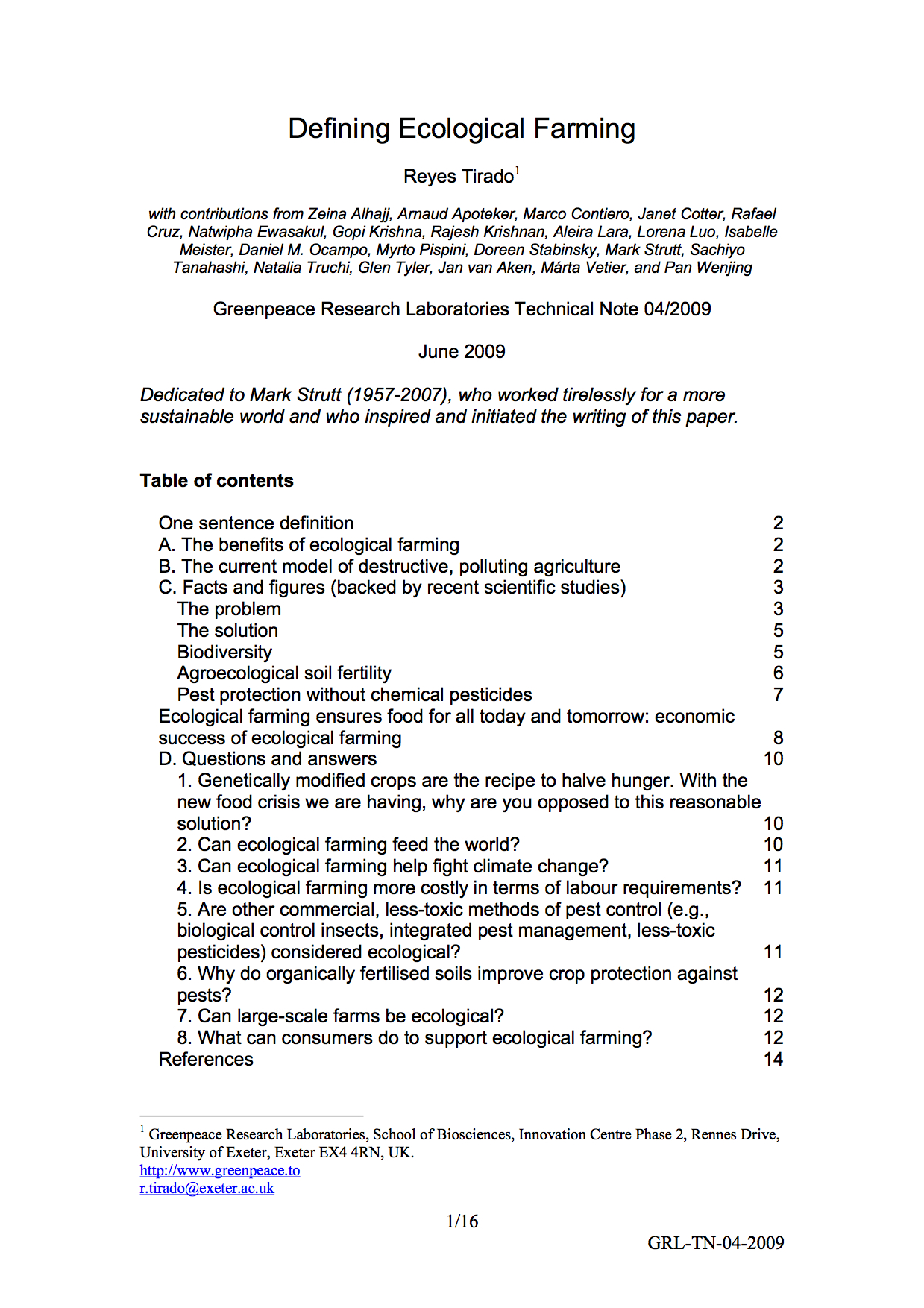
Defining Ecological Farming
Ecological Farming ensures healthy farming and healthy food for today and tomorrow, by protecting soil, water and climate, promotes biodiversity, and does not contaminate the environment with chemical inputs or genetic engineering.
-
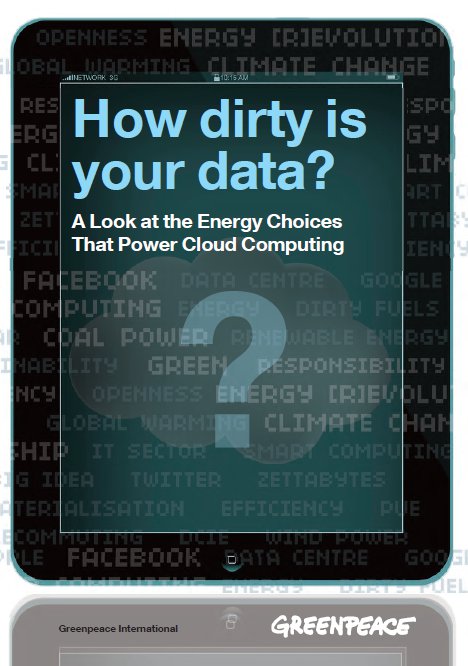
How dirty is your data?
"How Dirty Is Your Data?" is the first ever report on the energy choices made by IT companies including Akamai, Amazon.com (Amazon Web Services), Apple, Facebook, Google, HP, IBM, Microsoft, Twitter, and Yahoo, and highlights the need for greater transparency from global IT brands on the energy and carbon footprint of their Internet infrastructure.
-

Green Electronics Survey #3
Greenpeace congratulates the electronics industry on making progress the many technical hurdles it has been facing - but we also show that the industry hasn't finished finding green solutions just yet.