
All articles
-
Clicking Clean
While there may be significant energy efficiency gains from moving our lives online, the explosive growth of our digital lives is outstripping those gains. Publishing conglomerates now consume more energy from their data centers than their printing presses. Greenpeace has estimated that the aggregate electricity demand of our digital infrastructure back in 2011 would have…
-
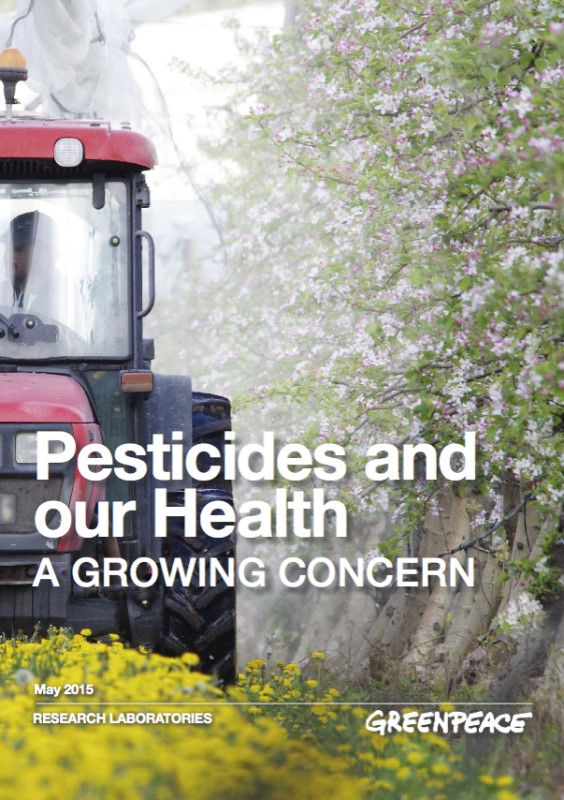
Pesticides and our Health
Since 1950 the human population has doubled, yet the area of arable land used to feed these people has increased by only 10%. There are huge pressures to provide food, at low cost, on land that is becoming more and more degraded as nutrients are stripped from the soil. Reliance on external inputs – fertilisers…
-

Smart Breeding
GE crops are very limited in sophistication, being almost completely dominated by herbicide tolerance and insect resistance traits. Could the numerous tools of biotechnology deliver better outcomes? This report tries to answer that question.
-
Green Gadgets: Designing the Future
Today, more and more people around the world rely on laptops, phones and tablets as an essential part of their everyday lives. However, the rate at which they purchase and discard these devices is having a serious impact on our planet.
-

FSC Case Studies
To keep FSC certification as a credible tool to help protect forests, Greenpeace International is publishing a series of case studies exposing controversial operations that are posing the greatest risk to the FSC’s integrity. We will also be highlighting best practice operations that are meeting and/or exceeding the FSC’s principles and criteria. These case studies…
-

Arctic Sanctuary
Arctic coastal states are keen to lay claim on the valuable resources found beyond their national boundaries, and they have all submitted applications to extend their polar seabeds. Governments and industry see the opening of the Arctic as yet another business opportunity to extract more fossil fuels and fish, placing this unique region – and…
-

Annual report 2013
Campaigning for a peaceful, just and green future is no longer the job of a specialised few, but the common struggle of all.
-
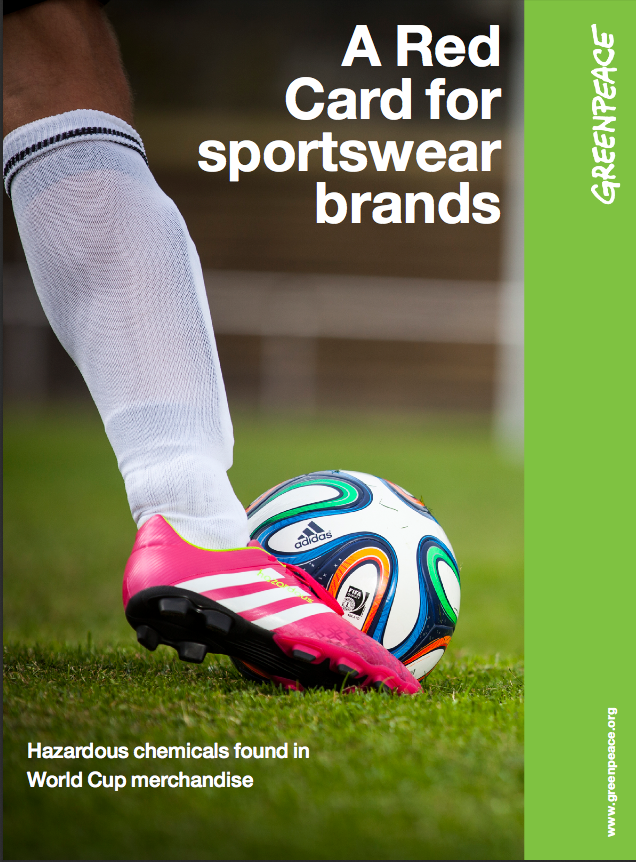
A Red Card for sportswear brands
This study follows on from several previous investigations published by Greenpeace as part of its Detox campaign, which identified that hazardous chemicals are present in textile and leather products as a result of their use during manufacture. This is the first study that has specifically focused on football kit; the products bought were all manufactured…
-
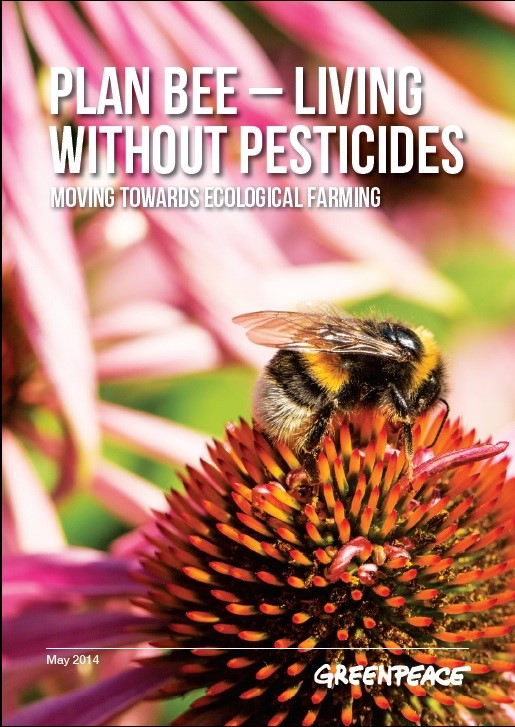
Plan Bee – Living Without Pesticides
The drastic decline of wild and managed bee populations recorded in recent years in Europe and North America is alarming given our reliance on these insect pollinators for biodiversity and global food security.
-
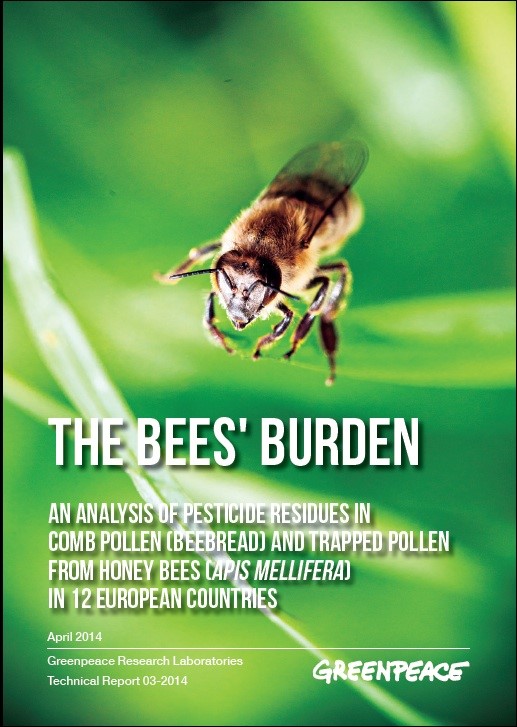
The Bees’ Burden
This study reports concentrations of pesticides found in pollen brought back to hives by foraging bees, and sampled using pollen traps or direct from the comb. This is one of the most extensive studies of pesticides in bee-collected pollen carried out to date.