I grew up in photography reading Robert Capa’s words: “If your photographs aren’t good enough, you’re not close enough”.

It’s a simple statement but really profound. Photographers have understood this statement in their own unique way, similar to what photography as a medium is. It can be personal to the photographer and public at the same time. It is open to conversations and interpretations but true and honest to the photographer and situation.

In the 19th century, photography was born for bearing witness. It was used to capture landscapes, document society in form of portraits – a true archive. Photography was the first medium of bearing witness known to our times.

As time passed on, in the last 200 years, we have seen and accepted the power of a good photograph. We have seen images been accepted as evidence in courts and also inspiring governments and people to stand up and take action. Images have left us all speechless, frustrated and motivated at the same time.

Photography is the best ally to an environmental movement, a medium to speak volumes to cross-cultural audiences in a language that everyone understands.

This is a small selection of iconic images from Greenpeace that have inspired and motivated hundreds and thousands across the world.
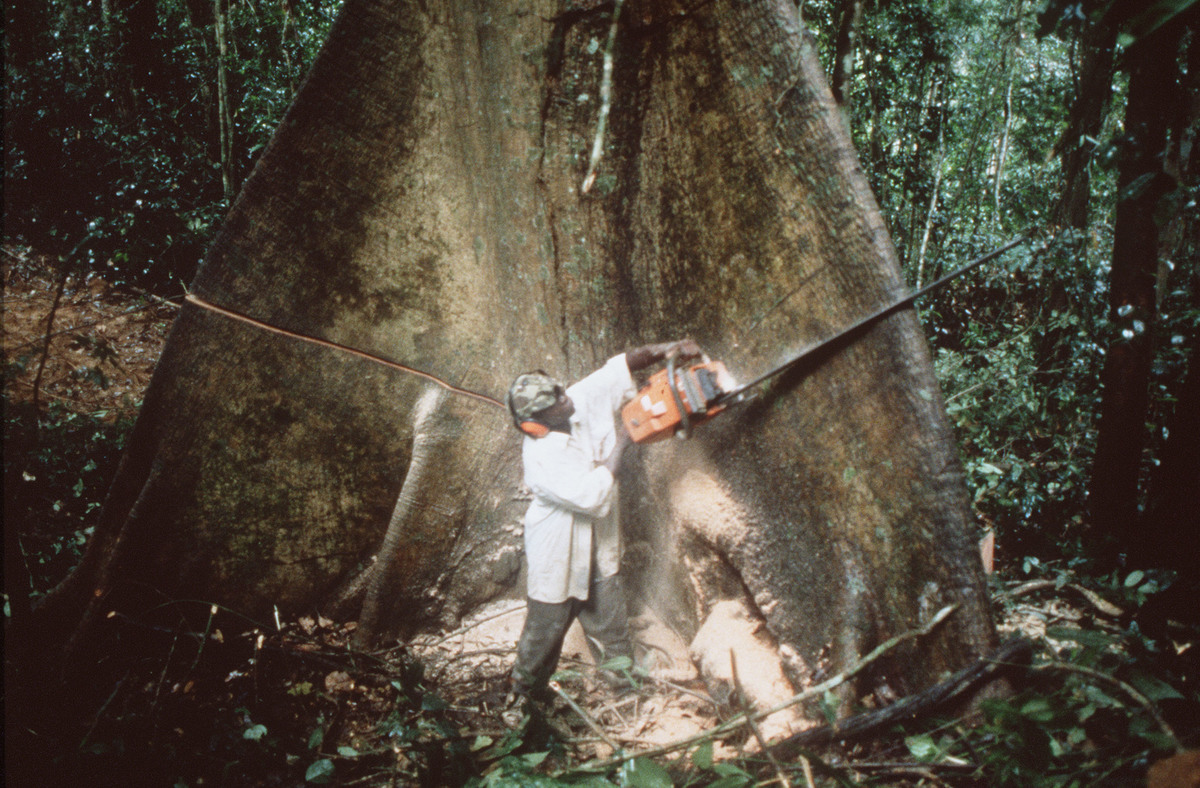
Logger in Cameroon (1999), © Steve Morgan / Greenpeace
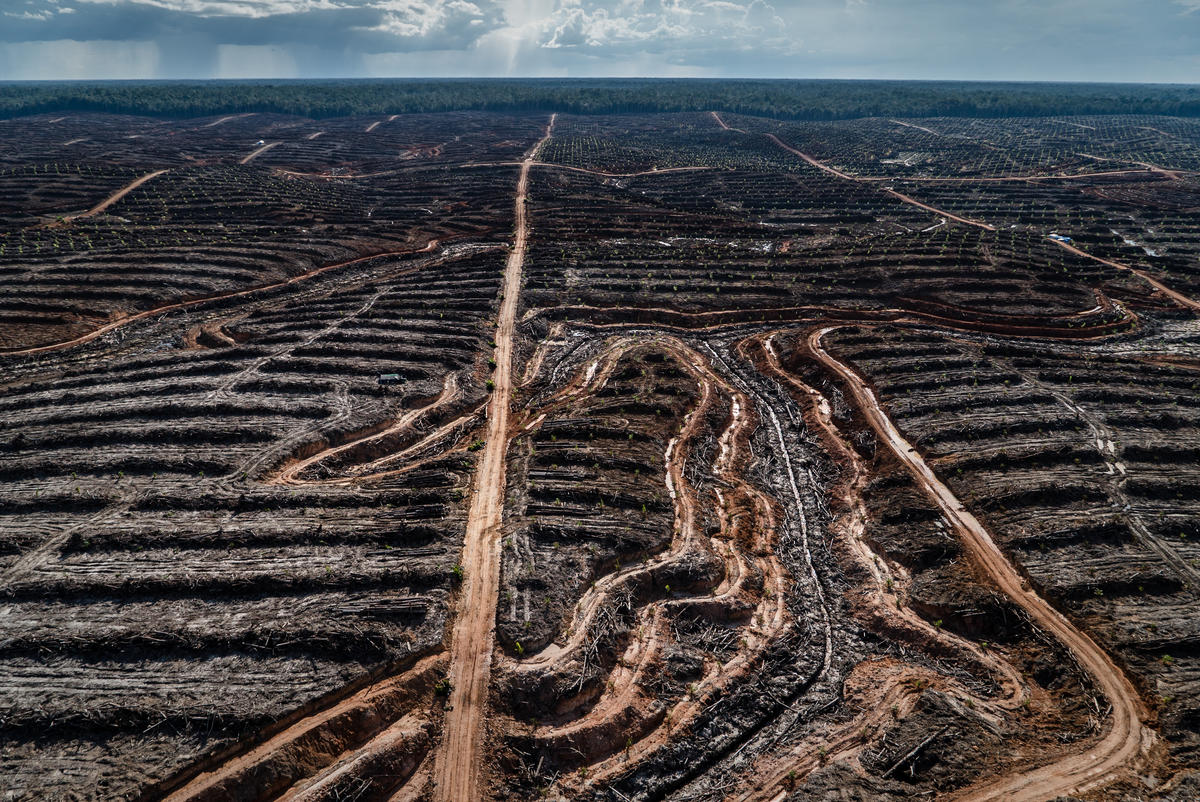
Deforestation in Papua (2018) © Ulet Ifansasti / Greenpeace
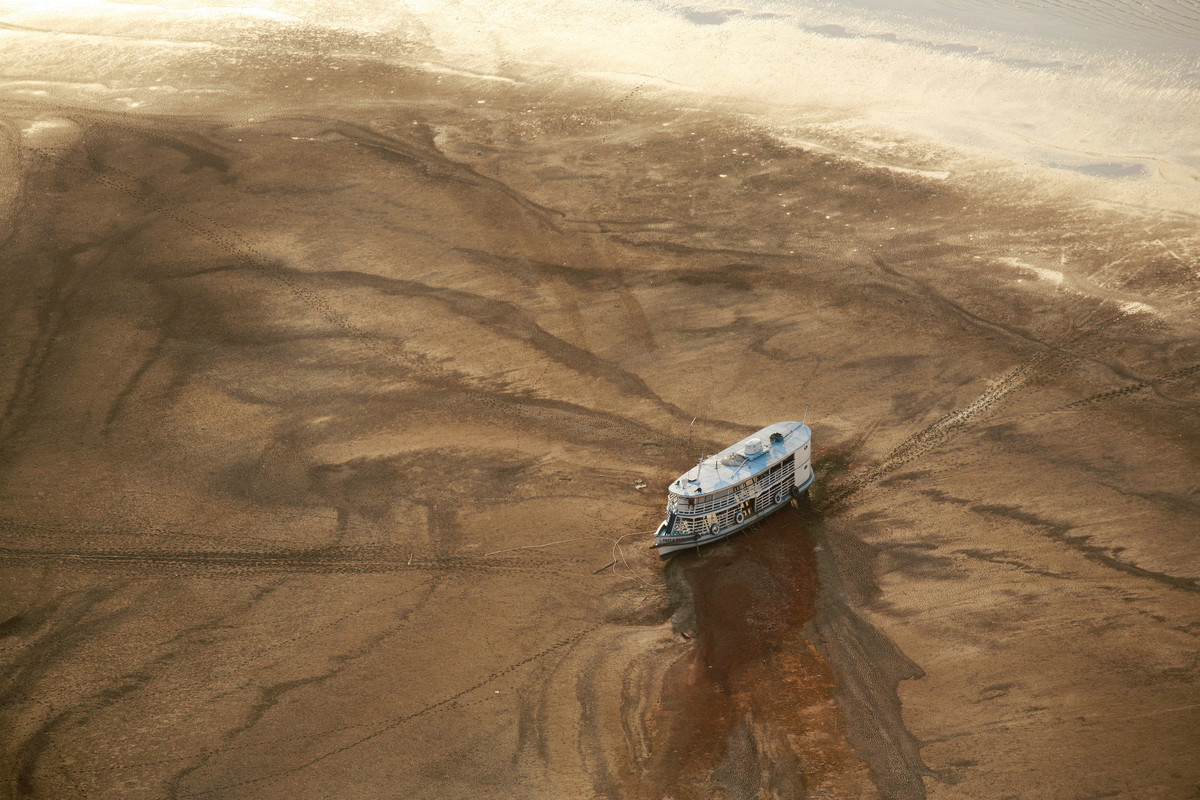
Big river boat trapped on a sand bank East of Barreirinha, during one of the worst droughts ever recorded in the Amazon. (2005), © Daniel Beltrá / Greenpeace
Big river boat trapped on a sand bank East of Barreirinha, during one of the worst droughts ever recorded in the Amazon. © Daniel Beltrá / Greenpeace
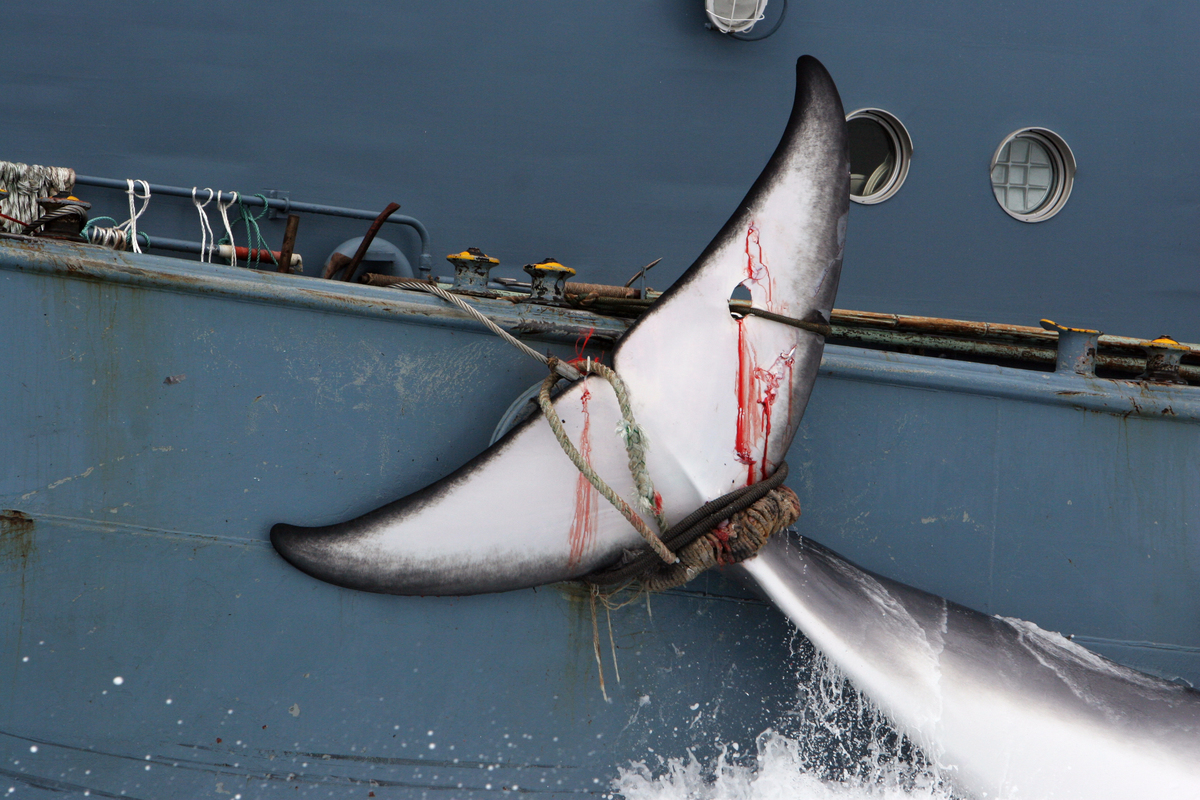
Whale secured alongside the Yushin Maru No.2 catcher ship from the Japanese whaling fleet. (2006), © Greenpeace / Kate Davison
Whale secured alongside the Yushin Maru No.2 catcher ship from the Japanese whaling fleet. (2006). © Greenpeace / Kate Davison
APP APRIL Letter_20 August
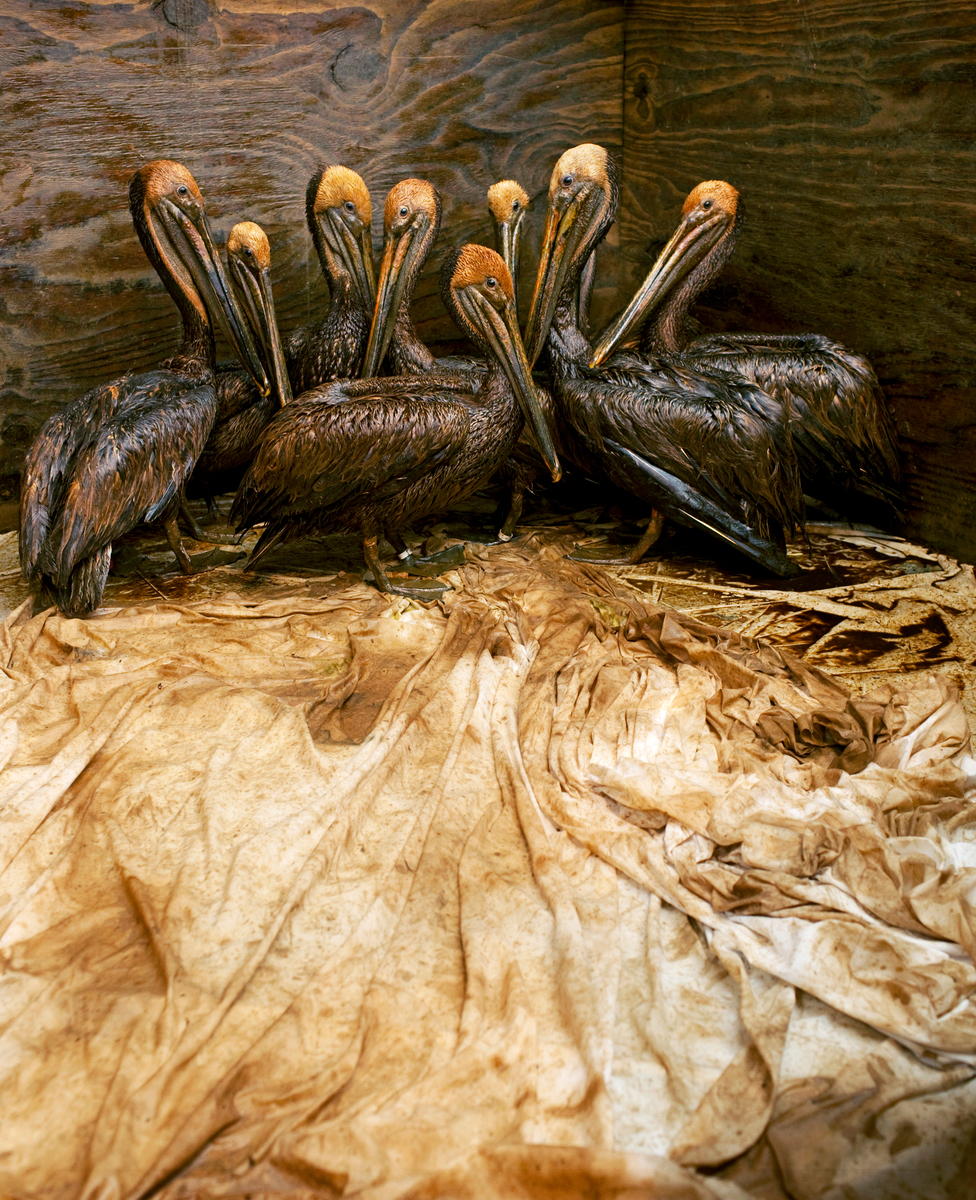
Oiled Brown Pelicans in Louisiana (2010). © Daniel Beltrá / Greenpeace
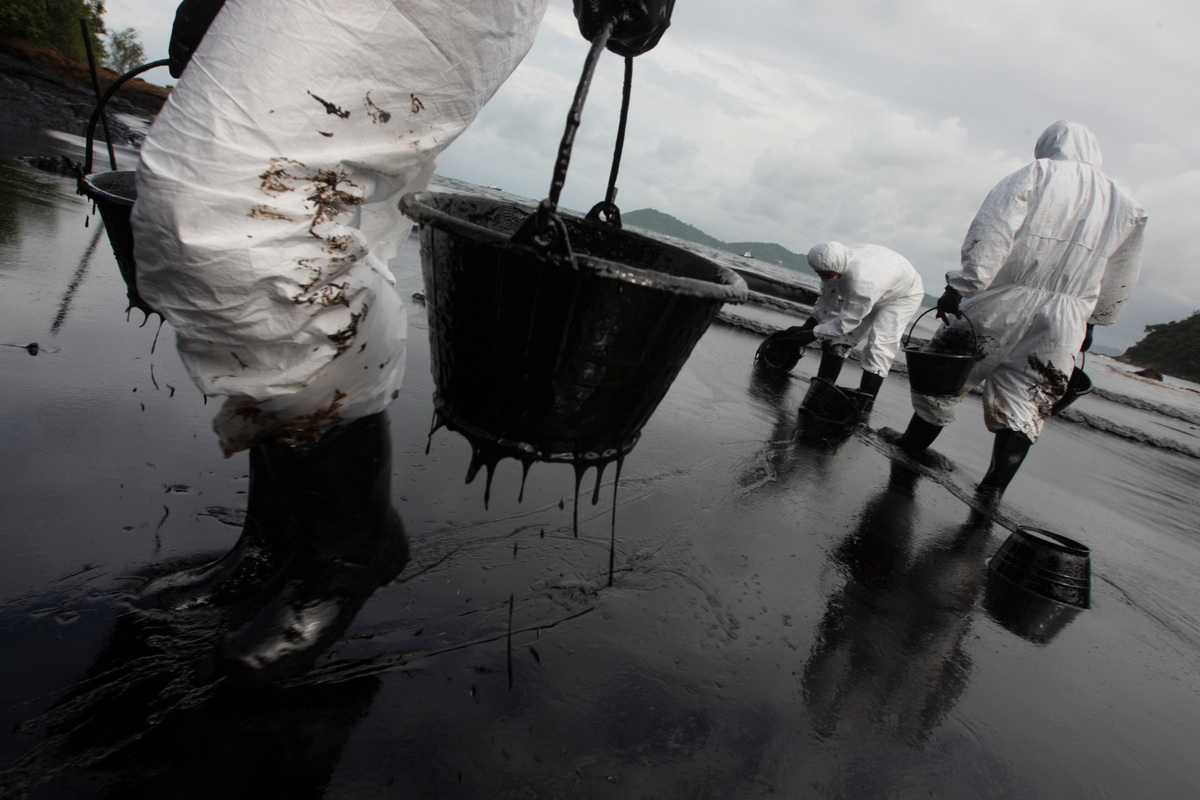
Rescue workers and local volunteers attempt to clean up the oil spill at Ao Phrao beach in Ko Samet, Rayong Province. (2013) . © Roengrit Kongmuang / Greenpeace
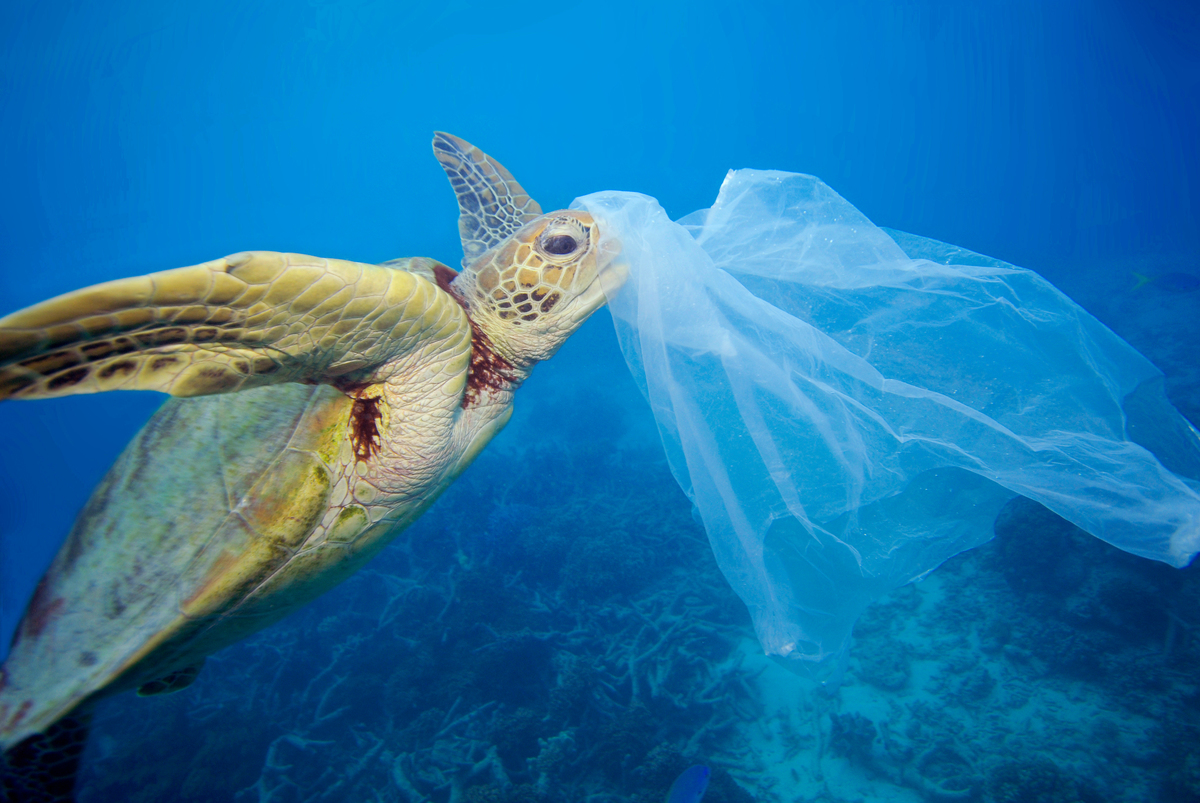
Underwater image of a turtle with plastic on his head. (2006) © Troy Mayne / Oceanic Imagery Publications
Underwater image of a turtle with plastic on his head. (2006) .© Troy Mayne / Oceanic Imagery Publications
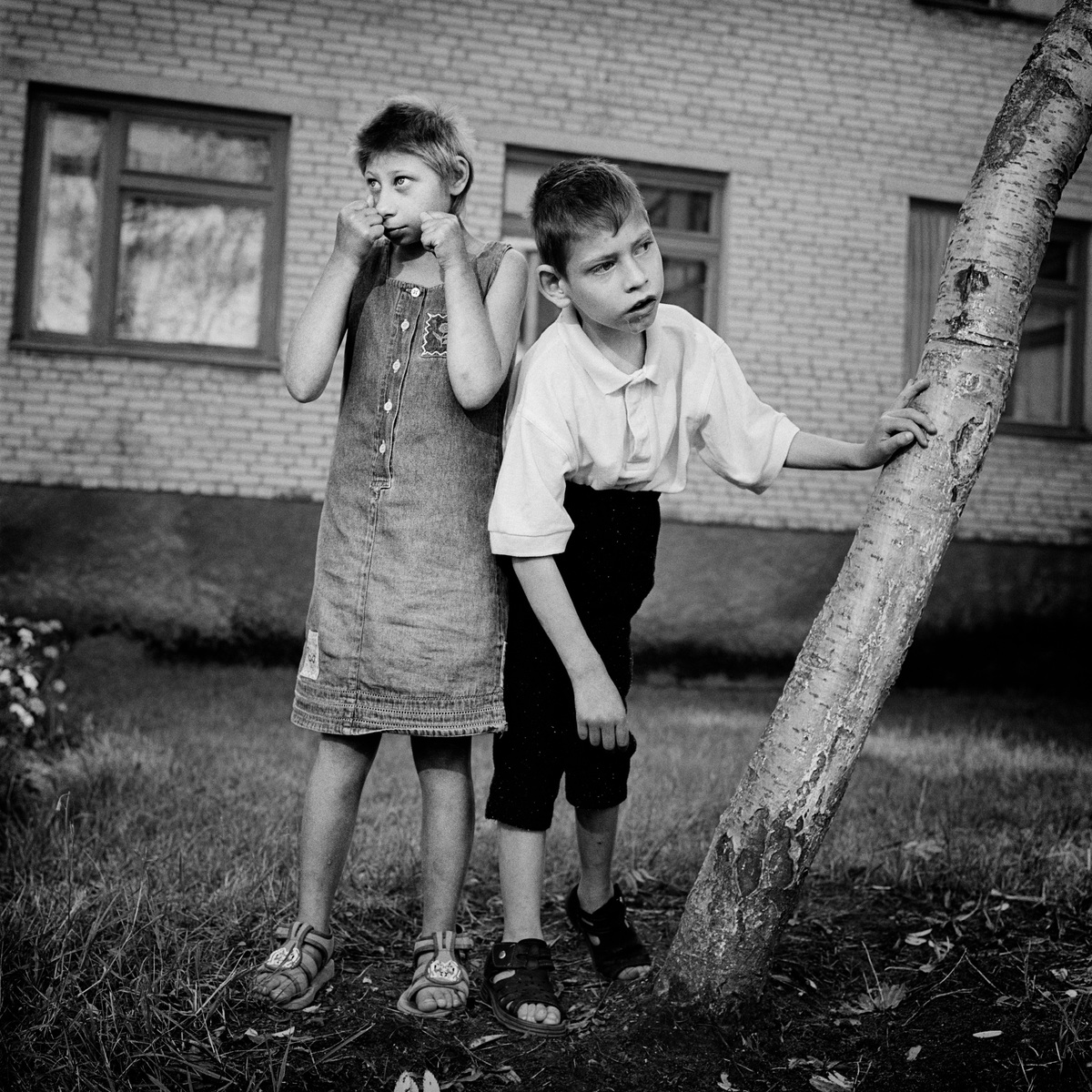
Chernobyl in the Ukraine became the site of the most infamous nuclear disaster accident of all. In 1986 the explosion of the nuclear reactor affected the lives of millions in Western Russia, Belarus and the Ukraine. (2005) © Robert Knoth / Greenpeace
Chornobyl in the Ukraine became the site of the most infamous nuclear disaster accident of all. In 1986 the explosion of the nuclear reactor affected the lives of millions in Western Russia, Belarus and the Ukraine. (2005). © Robert Knoth / Greenpeace
<span style="font-weight: 400;">Humanity has already breached </span><a href="http://www.stockholmresilience.org/research/research-news/2015-01-15-planetary-boundaries---an-update.html"><span style="font-weight: 400;">four of the nine</span></a><span style="font-weight: 400;"> ecological boundaries </span><a href="https://www.nature.com/articles/461472a"><span style="font-weight: 400;">outlined</span></a><span style="font-weight: 400;"> in 2009 by Johan Rockström: climate change, loss of biodiversity, land-system change, and nutrient cycles.</span>

<img class="size-large wp-image-18172" src="https://www.greenpeace.org/static/planet4-international-stateless/2018/08/784a87ba-gp026ic_medium_res-1024x683.jpg" alt="Polluted farm lands in China © Zhao Gang / Greenpeace" width="1024" height="683" /> Polluted farm lands in China

<span style="font-weight: 400;">Most of us are familiar with the threats of declining biodiversity, deforestation, and global heating. However, nutrient cycles remain less well understood by the general public and by environmentalists. </span>

<span style="font-weight: 400;">Nitrogen and phosphorus are the two primary biological nutrients that circulate through Earth's ecosystems. Every living organism on Earth requires both elements to form proteins and vital organic compounds. Both are required for our genetic DNA. Cells require nitrogen and phosphorus to make proteins, enzymes, and other organic compounds essential for life.</span>

<span style="font-weight: 400;">We typically add nitrogen and phosphorus to our gardens and farms in animal manure and synthetic fertilizer. However, human activity has so thoroughly disrupted Earth's natural nutrient cycles that we have degraded soils and created aquatic dead zones.</span>

<b>Human influences </b>

<span style="font-weight: 400;">The </span><a href="https://www.greenpeace.org/international/story/17788/how-much-of-earths-biomass-is-affected-by-humans/"><span style="font-weight: 400;">rapid decimation</span></a><span style="font-weight: 400;"> of large terrestrial mammals was the first step in humanity's disruption of nutrient cycles. Early farming communities and entire civilizations - the Maya and Mesopotamians, for example - collapsed after depleting their soils. Farmers learned about manure, compost, biochar, and crop rotation to help stabilize soils, but the rapid growth of humanity eventually depleted soils throughout the world.</span>

<img class="wp-image-18173 size-large" src="https://www.greenpeace.org/static/planet4-international-stateless/2018/08/7c848f62-gp0stq5j7_medium_res-1024x683.jpg" alt=" Soil and a trowel at a polyculture farm in Bulgaria © Ivan Donchev / Greenpeace" width="1024" height="683" /> Soil and a trowel at a polyculture farm in Bulgaria

<span style="font-weight: 400;">During the nineteenth century, European nations mined potassium nitrate (KNO</span><span style="font-weight: 400;">3</span><span style="font-weight: 400;">) and imported bird and bat guano from Pacific islands to enrich their exhausted soils. As reserves of these nitrogen sources depleted, scientists sought ways to convert atmospheric nitrogen into ammonia. In Germany, </span><a href="https://en.wikipedia.org/wiki/Fritz_Haber"><span style="font-weight: 400;">Fritz Haber</span></a><span style="font-weight: 400;"> succeeded and by 1913, BASF chemical company was producing </span><span style="font-weight: 400;">20 tonnes of ammonia per day. </span>

<span style="font-weight: 400;">Industrial fertilizer has allowed the modern growth of human population. However, as we so often learn in ecology, there exist unintended consequences. </span>

<span style="font-weight: 400;">The use of fertilizer introduces new sources of nitrogen and phosphorus to the ecosystem, and concentrates these nutrients within certain watersheds. Typically, we think of a "nutrient" as a good thing. Nutrients make things grow. However, ecology is never that simple. </span>

<span style="font-weight: 400;">By pulling nitrogen and phosphate out of the environment and concentrating these elements in our agricultural and residential septic run-off, we have overloaded certain watersheds. The annual loading is now about 8.5 million tonnes of phosphorus and 54 million tonnes of nitrogen per year. Typically, if the local plant community cannot take up the added nutrient load, the nutrients move through groundwater, ditches, and streams into lakes and oceans. </span>

<img class=" wp-image-18174" src="https://www.greenpeace.org/static/planet4-international-stateless/2018/08/5659ba29-600-5506313-algae-in-lake-help-save-nature.jpg" alt="Eutrophic lake" width="752" height="481" /> A eutrophic lake, covered in algae

<span style="font-weight: 400;">Throughout the world, lakes and marine shorelines become "over-productive" (eutrophic) where a few plant or bacteria species feast on the nutrients and choke out other lifeforms. Eutrophication can create dead zones and putrid lakes. Fish and amphibians can die out, leaving festering swamps. Swamps, of course, are part of nature too, but human activity has vastly accelerated this process and altered critical habitats.</span>

<span style="font-weight: 400;">Algae blooms virtually killed Lake Erie, between Canada and the US, Lough Neagh in the UK, Lake Taihu in Jiangsu China, Green and Fern Ridge lakes in the northwest US. We’re seeing this repeated around the world: thousands of dead or swampy former lakes. When algae blooms die off, they deplete oxygen, killing other organisms. </span><a href="https://en.wikipedia.org/wiki/Baltic_Sea_hypoxia"><span style="font-weight: 400;">Anoxia in the Baltic Sea</span></a><span style="font-weight: 400;">, for example, has been caused by excessive nutrients. Similar ocean anoxic events are linked to present and past mass extinctions of marine life.</span>

<span style="font-weight: 400;">The disruption of Earth's nutrient cycles remains as urgent as global heating and biodiversity loss. To come up with solutions, we must first understand the natural nutrient cycles of a healthy ecosystem. </span>

<b>The Nitrogen Cycle</b>

<em><img class="alignnone wp-image-18171" src="https://www.greenpeace.org/static/planet4-international-stateless/2018/08/10661ae3-unnamed.png" alt="Graphic of the nitrogen cycle" width="742" height="502" /></em>

<em>Visualisation of the Nitrogen cycle from the <a href="http://geographybase.com/the-nitrogen-cycle">US Geological Survey</a></em>

<span style="font-weight: 400;">Nitrogen gas, N</span><span style="font-weight: 400;">2</span><span style="font-weight: 400;">, comprises about 78 % of our atmosphere, but is not readily available for organic use. Certain bacteria in Earth's soils can capture nitrogen and convert it to ammonia, NH</span><span style="font-weight: 400;">3</span><span style="font-weight: 400;">, which they use for their own growth and reproduction, leaving some surplus for plants to absorb. </span>

<span style="font-weight: 400;">These nitrogen-fixing bacteria also live in the roots of certain plants, such a beans, peas, clover, and alfalfa. In a typical symbiosis, these plants provide the bacteria a home and carbohydrates. In return, the bacteria convert nitrogen to usable ammonia. Any extra ammonia remains in the soil for other plants. </span>

<span style="font-weight: 400;">This leads to the common practice of crop rotation in gardens and farms. After a particular food crop has depleted the soil of nitrogen, the grower may plant a legume crop to restore nitrogen. Farmers in the Indus, Yangtze, Huang Ho, and Mesopotamian river valleys had figured this out by 5,000 years ago, long before anyone understood organic chemistry. </span>

<span style="font-weight: 400;">Herbivores get their nitrogen by eating plants and play a significant role in distributing nutrients throughout the ecosystem.  According to </span><a href="http://www.pnas.org/content/early/2015/10/23/1502549112"><span style="font-weight: 400;">a study</span></a><span style="font-weight: 400;"> by Christopher Doughty and colleagues, in the past, marine mammals, seabirds, fish, and terrestrial animals, "likely formed an interlinked system, recycling nutrients from the ocean depths to the continental interiors," moving nutrients from concentrated hotspots into biomes where other plants and animals could use them. However, the role of animals has been greatly diminished through biodiversity loss. Doughty estimates that due to anthropogenic extinctions and attrition, the capacity of fish, birds, and mammals to distribute nutrients has decreased by 94% across land and ocean. </span>

<span style="font-weight: 400;">Nitrogen concentration from fertilizers may help sequester a some carbon in terrestrial ecosystems, the one possible positive impact. However, a study by Peter Vitousek and others, "</span><a href="https://esajournals.onlinelibrary.wiley.com/doi/abs/10.1890/1051-0761%281997%29007%5B0737%3AHAOTGN%5D2.0.CO%3B2"><span style="font-weight: 400;">Human alteration of the global nitrogen cycle</span></a><span style="font-weight: 400;">," showed that human disruption of the nitrogen cycle has:</span>
<ul>
 	<li><span style="font-weight: 400;">  Doubled the rate of nitrogen input into terrestrial ecosystems</span></li>
 	<li><span style="font-weight: 400;">  Increased the greenhouse gas N</span><span style="font-weight: 400;">2</span><span style="font-weight: 400;">O globally, contributing to photochemical smog </span></li>
 	<li><span style="font-weight: 400;">  Depleted calcium and potassium in soils, undermining long</span><span style="font-weight: 400;">‐</span><span style="font-weight: 400;">term soil fertility</span></li>
 	<li><span style="font-weight: 400;">  Contributed to acidification of soils, streams, and lakes  </span></li>
 	<li><span style="font-weight: 400;">  Increased the eutrophication of lakes, rivers, estuaries, and coastal oceans </span></li>
 	<li><span style="font-weight: 400;">  Diminished biological diversity </span></li>
 	<li><span style="font-weight: 400;">  Reduced coastal marine fisheries </span></li>
</ul>
<b>Taking action</b>

<span style="font-weight: 400;">As with virtually all ecological challenges, the scale of human enterprise remains a primary driver. Soils can naturally replenish nutrients after a modest harvest of crops, but not after an endlessly increasing harvest. Watershed ecosystems can process a certain increase in nutrient flow but not an endlessly increasing flow. On a national and regional level, we have to ask: what are nature's limits?</span>

<img class="size-large wp-image-18175" src="https://www.greenpeace.org/static/planet4-international-stateless/2018/08/61191241-gp0stq5j4_medium_res-1024x683.jpg" alt="Permaculture farm in Bulgaria © Ivan Donchev / Greenpeace" width="1024" height="683" /> Permaculture farm in Bulgaria

<span style="font-weight: 400;">In local gardening, small farming, and in industrial farming, we need to avoid nitrogen and phosphorous fertilizers, and use all fertilizer and manure sparingly. Both gardeners and farmers must consider how much nutrient load their crops can actually absorb, and apply no more than this.  </span>

<span style="font-weight: 400;">Farmers, gardeners, residents, and industry need to manage the uptake from their nutrient flow. This can be achieved with swales, dry wells, rainwater catchment, aerobic treatment, and bioremediation. All residential and industrial septic and sewage systems also need be maintained, cleaned, and inspected, to ensure optimum operation.  </span>

<span style="font-weight: 400;">Ranchers, pet owners, and small farms have to manage manure run-off. Manure should be removed from fields, isolated from precipitation, and composted prior to use as a soil additive. </span>

<span style="font-weight: 400;">Clearing, paving, road building, logging, and construction all reduce natural plant uptake and increase nutrient flow into waterways. Road ditching and culverts should attempt to restore natural groundwater flow, not collect water in ditches. </span>

<span style="font-weight: 400;">Biological techniques use bacteria, fungi, and plants to remove or metabolize nutrients and pollutants. Bioremediation occurs naturally in healthy ecosystems and can be enhanced by design. Disturbed shorelines should be replanted with native species, especially those with high nutrient uptake, such as cattails (</span><i><span style="font-weight: 400;">typha</span></i><span style="font-weight: 400;"> species). Certain useful mushroom species, such as Garden Giant (</span><i><span style="font-weight: 400;">Stropharia rugosoannulata</span></i><span style="font-weight: 400;">) can absorb nutrients and metabolize pollutants. </span>

<span style="font-weight: 400;">We can reverse the trend of increasing marine dead zones and eutrophic lakes. To achieve this, however, we must accept the evidence that nature's bounty comes with limits. </span>

<em>Rex Weyler is an author, journalist and co-founder of Greenpeace International.</em>

<hr />

<b>Resources and Links</b>

<span style="font-weight: 400;">"The Microbial Nitrogen-Cycling Network, " Kuypers, MMM; Marchant, HK; Kartal, B (2011).  </span><a href="https://www.nature.com/articles/nrmicro.2018.9"><span style="font-weight: 400;">Nature</span></a><span style="font-weight: 400;"> Reviews Microbiology.</span>

<span style="font-weight: 400;">"Nitrogen cycles: past, present, and future generations," Galloway, J. N.; et al. (2004). Biogeochemistry. 70: 153–226. </span><a href="https://link.springer.com/article/10.1007%2Fs10533-004-0370-0"><span style="font-weight: 400;">Springer</span></a><span style="font-weight: 400;">.</span>

<span style="font-weight: 400;">Nitrogen cycle as Planetary Boundary: "A safe operating space for humanity," Johan Rockström,et al. </span><a href="https://www.nature.com/articles/461472a"><span style="font-weight: 400;">Nature</span></a><span style="font-weight: 400;">, 461, p.472–475 (24 September 2009)</span>

<span style="font-weight: 400;">"Century-scale nitrogen and phosphorus controls of the carbon cycle," Fred T. Mackenzie, Leah May Ver, Abraham Lerman; </span><a href="https://www.sciencedirect.com/science/article/pii/S0009254102001080?via%3Dihub"><span style="font-weight: 400;">Chemical Geology</span></a><span style="font-weight: 400;">, v. 190, 2002.</span>

<span style="font-weight: 400;">"An Earth-system perspective of the global nitrogen cycle," Nicolas Gruber & James N. Galloway</span>

<a href="https://www.nature.com/articles/nature06592"><span style="font-weight: 400;">Nature</span></a><span style="font-weight: 400;">, v. 451, 2008.</span>

<span style="font-weight: 400;">"The Nitrogen Cascade," James N. Galloway, et al., </span><a href="https://academic.oup.com/bioscience/article/53/4/341/250178"><span style="font-weight: 400;">BioScience,</span></a><span style="font-weight: 400;"> v. 53, No. 4, April 2003.</span>

R. Carpenter, "Regime shifts in lake ecosystems," Excellence in Ecology Series, v. 15, Ecology Institute, 2003); book review at <a href="https://limnology.wisc.edu/faculty/stephen-r-carpenter/regime-shifts-in-lake-ecosystems-pattern-and-variation/">Center for Limnology</a>.

<span style="font-weight: 400;">"Catastrophic regime shifts in ecosystems: linking theory to observation," Marten Scheffer and Stephen R. Carpenter, </span><a href="http://ib.berkeley.edu/labs/power/classes/2006fall/ib250/24.pdf"><span style="font-weight: 400;">Trends in Ecology and Evolution</span></a><span style="font-weight: 400;"> v.18 No.12, December 2003.</span>

<span style="font-weight: 400;">"Human Impact on Erodable Phosphorus and Eutrophication: A Global Perspective: Increasing accumulation of phosphorus in soil threatens rivers, lakes, and coastal oceans with eutrophication," </span>

<span style="font-weight: 400;">Elena M. Bennett,  Stephen R. Carpenter  Nina F. Caraco; </span><a href="https://academic.oup.com/bioscience/article/51/3/227/256199"><span style="font-weight: 400;">BioScience</span></a><span style="font-weight: 400;">, v. 51, No. 3, March 2001.</span>

<span style="font-weight: 400;">"Evolution of phosphorus limitation in lakes," D. W. Schindler, </span><a href="http://science.sciencemag.org/content/195/4275/260"><span style="font-weight: 400;">Science</span></a><span style="font-weight: 400;">, v.195, January, 1977.</span>

<span style="font-weight: 400;">Robert W. Howarth, "Coastal nitrogen pollution," </span><a href="http://citeseerx.ist.psu.edu/viewdoc/download?doi=10.1.1.368.4909&rep=rep1&type=pdf"><span style="font-weight: 400;">Harmful Algae</span></a><span style="font-weight: 400;">, 2008.</span>

<span style="font-weight: 400;">"Human alteration of the global nitrogen cycle: Sources and consequences," P.M. Vitousek, et al. </span><a href="https://esajournals.onlinelibrary.wiley.com/doi/abs/10.1890/1051-0761%281997%29007%5B0737%3AHAOTGN%5D2.0.CO%3B2"><span style="font-weight: 400;">Issues in Ecology</span></a><span style="font-weight: 400;">. August 1997.</span>

<span style="font-weight: 400;">"A Lake with A Thousand Faces," Rex Weyler, May 2014: </span><a href="http://salmonberry.ca/lake-with-a-thousand-faces/"><span style="font-weight: 400;">Salmonberry Arts</span></a><span style="font-weight: 400;">.</span>

<span style="font-weight: 400;">"Hague & Gunflint Lakes Monitoring Report, Rex Weyler, 2017, </span><a href="http://www.friendsofcortes.org/wp-content/uploads/2017/06/Hague-Gunflint-Lakes-Monitoring-Report-2017.pdf"><span style="font-weight: 400;">Friends of Cortes Island</span></a><span style="font-weight: 400;">.</span>

<span style="font-weight: 400;">“Biofilters: Guidance for using Bioswales, Vegetative Buffers, and Constructed Wetlands for reducing, minimizing, or eliminating pollutant discharges to surface waters,” Dennis Jurries, PE, </span><a href="http://www.deq.state.or.us/wq/stormwater/docs/nwr/biofilters.pdf"><span style="font-weight: 400;">State of Oregon</span></a><span style="font-weight: 400;">, Department of Environmental Quality, January 2003. </span>

<span style="font-weight: 400;">“</span><span style="font-weight: 400;">Bioremediation of Contaminated Soil,</span><span style="font-weight: 400;">” </span><span style="font-weight: 400;">Dana L. Donlan and J.W. Bauder, </span><a href="http://waterquality.montana.edu/energy/cbm/lit-reviews/bioremed-soil.html"><span style="font-weight: 400;">Montana State University</span></a>

<span style="font-weight: 400;">"Helping the Ecosystem through mushroom cultivation: mycoremediation," Paul Stamets, </span><a href="http://www.fungi.com/blog/items/helping-the-ecosystem-through-mushroom-cultivation.html"><span style="font-weight: 400;">Fungi Perfecti</span></a>

<span style="font-weight: 400;">Bioremediation, "Collaborating with Biohabitats," John Todd, </span><a href="http://www.toddecological.com/"><span style="font-weight: 400;">Ecological Design</span></a>

<span style="font-weight: 400;">"Global nutrient transport in a world of giants," Christopher E. Doughty, et al., October 26, 2015,  </span><a href="http://www.pnas.org/content/early/2015/10/23/1502549112"><span style="font-weight: 400;">PNAS</span></a><span style="font-weight: 400;">, US National Academy of Sciences.</span>

<span style="font-weight: 400;">"Ocean anoxic events," I. Handoh, T. Lenton, </span><a href="https://agupubs.onlinelibrary.wiley.com/doi/abs/10.1029/2003GB002039"><span style="font-weight: 400;">Global Biogeochemical Cycles</span></a><span style="font-weight: 400;">, 2003.</span>
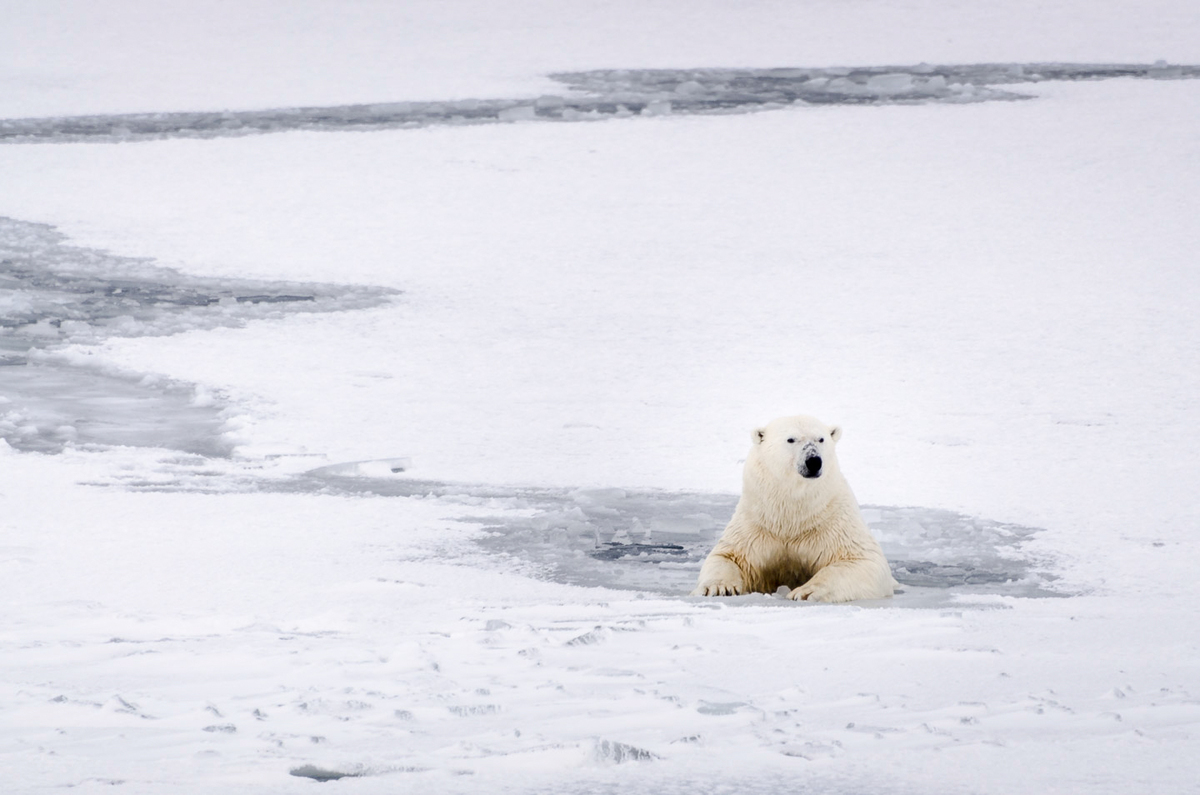
A polar bear rests in the icy water in Svalbard. (2016) © Rasmus Törnqvist / Greenpeace
Protest at Standing Rock Dakota Access Pipeline in the US, 2016. © Richard Bluecloud Castaneda / Greenpeace
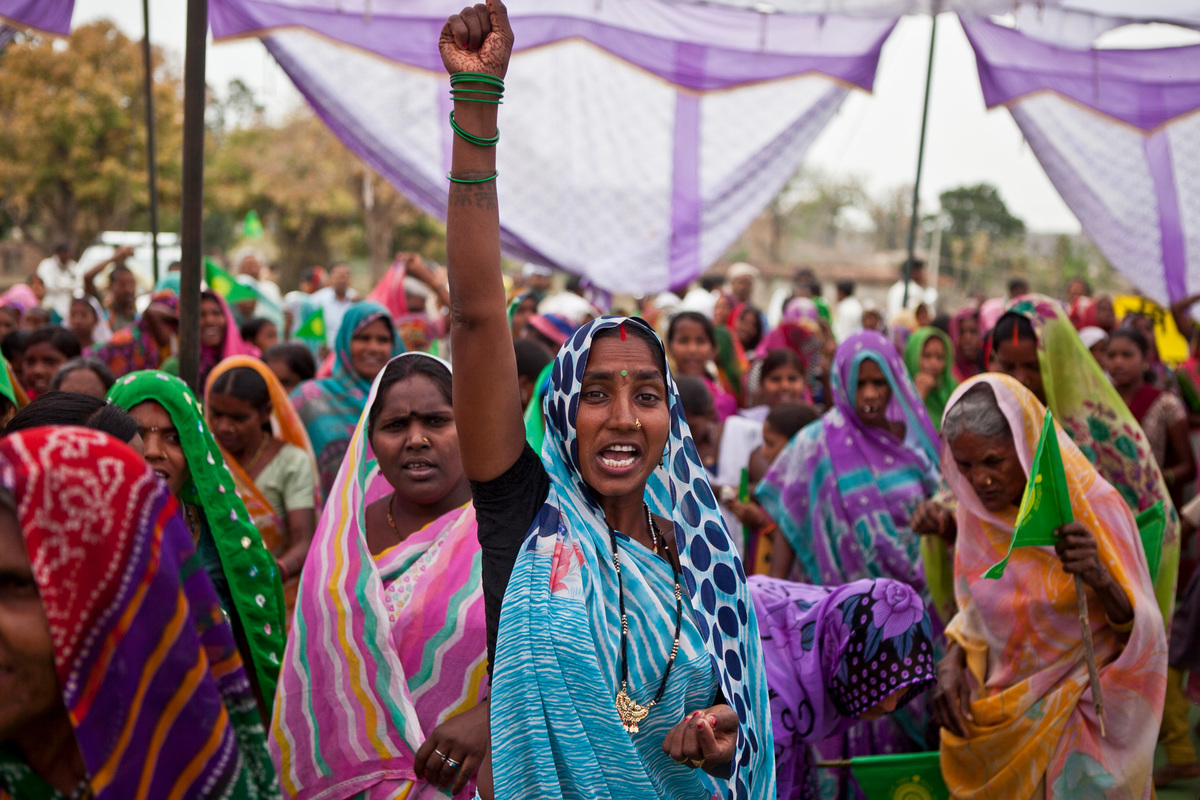
Villagers celebrate the Government’s decision to stop Mahan coal block from mining. (2015) © Sudhanshu Malhotra/Greenpeace
Villagers celebrate the Government’s decision to stop Mahan coal block from mining. (2015). © Sudhanshu Malhotra/Greenpeace

To be honest, this selection of images has been the easiest edit of my life. Most of these images are embedded in my brain but choosing 12 out of hundreds is the toughest decision.

We all have seen the horrible image of the turtle and the plastic in the ocean, the same way the blood on the dead whale moved thousands of people to mobilise and put pressure on governments to ban whaling. From oil-soaked pelicans in the Gulf of Mexico to destroyed forests in Indonesia, the inspiring images of protesters standing against armed police at Standing Rock and the infectious smile of joy and victory of a woman over a giant coal company. These images are just a preview of various struggles we face every day across the world in our efforts protect this environment.

Get involved and join the movement.

World Photography Day is Sunday August 19. Sudhanshu Malhotra is a Multimedia Editor for Greenpeace International, based in Hong Kong. You can follow him on his Instagram.