The last few months have been challenging for humanity. The global pandemic has ushered in a ‘new normal’ for all of us. We hope and pray for better days. For those still affected by COVID-19, we wish them a speedy recovery. This shall too pass.

With lockdowns and social distancing still in place, we are not able to fully explore the world outside just yet. For now, let us be armchair travellers and marvel at just how beautiful and amazing Earth is. From up above snow-clad mountain peaks, down to the deepest depths of the oceans, every inch of our living planet is awe-inspiring. We must celebrate nature’s beauty 365 days of the year.
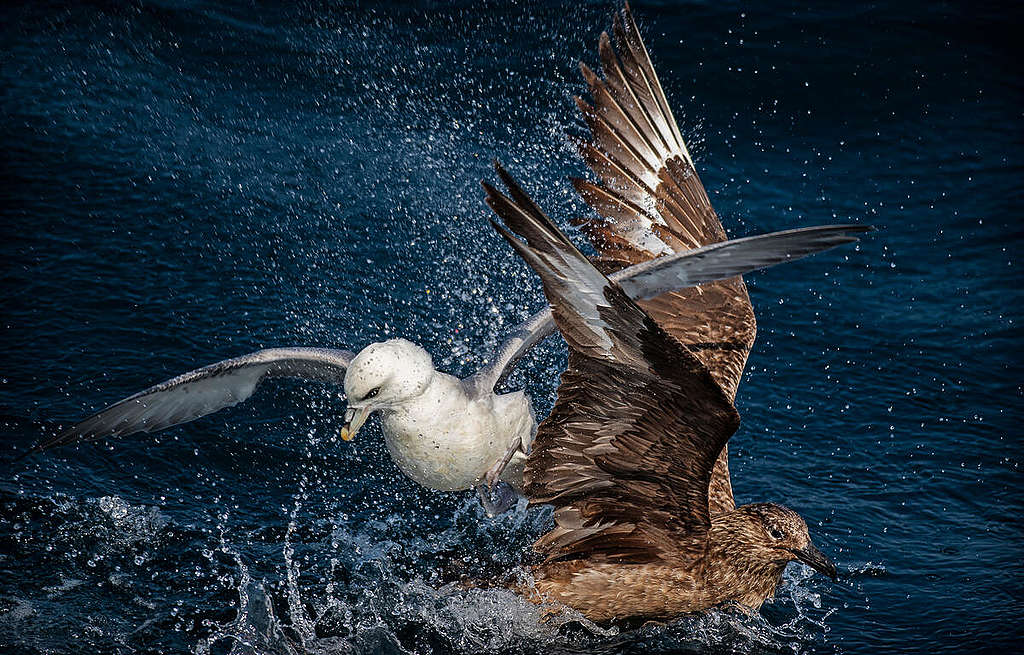
A Fulmar (L, Fulmarus glacialis) steps on a Great Skua (Stercorarius skua) in the UK waters of the North Sea close to the Esperanza.
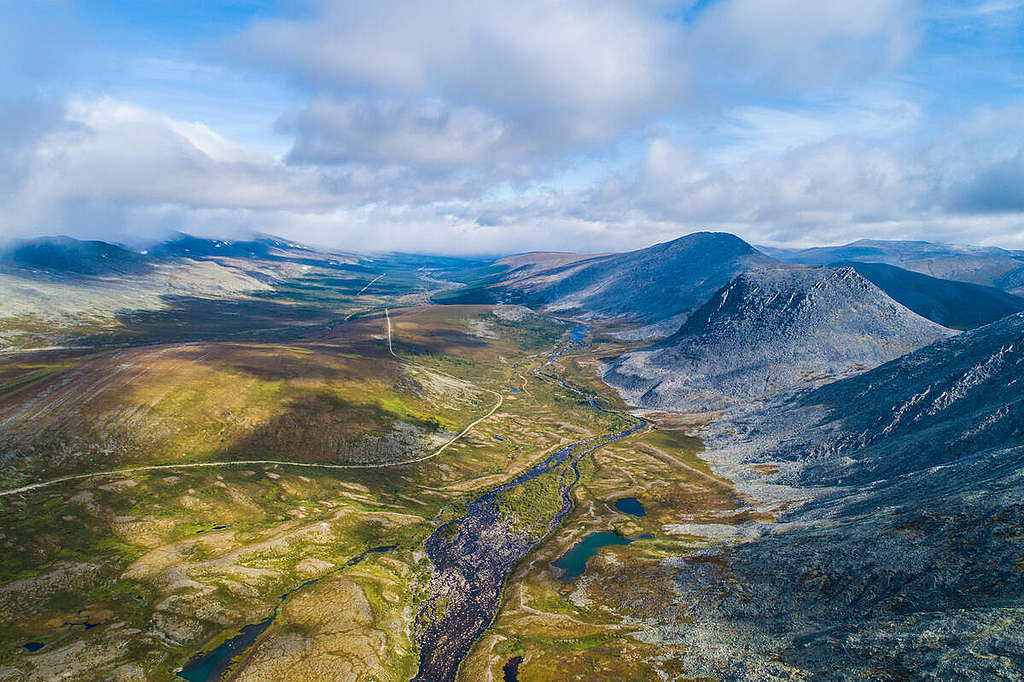
Yugyd Va National Park in Russia
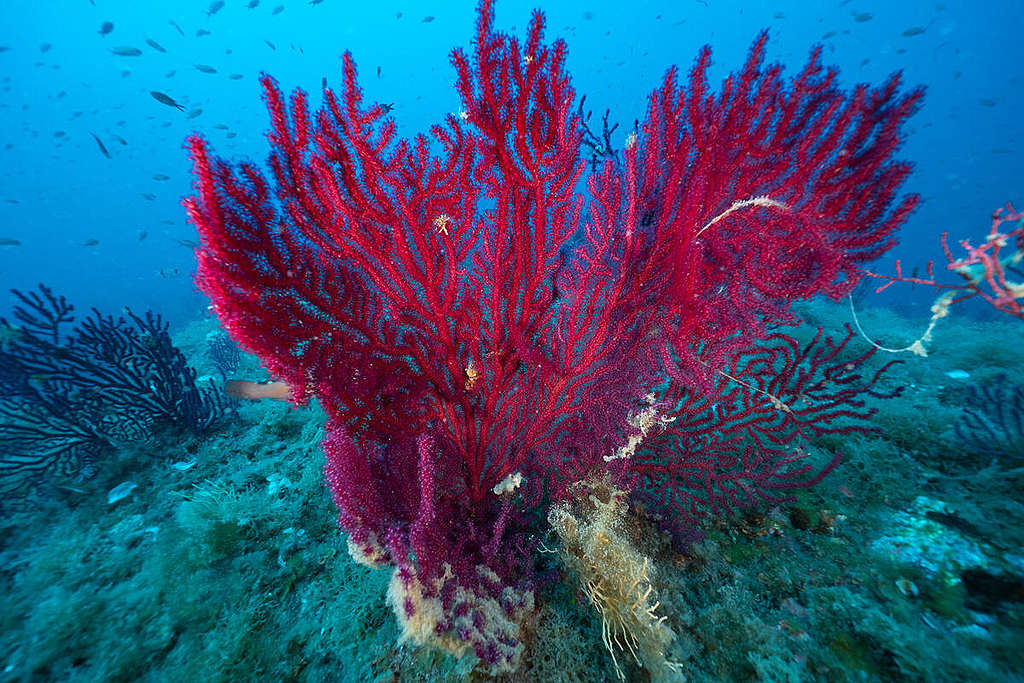
Portofino Marine Protected Area joins Greenpeace Italy "Progetto Mare Caldo" (Hot Sea Water Project".
The underwater thermometers placed in the area since 2015 have registered an increase in water temperature. The Greenpeace dive team with researcher have checked the impact on the local biodiversity, and have found clear signs of the impact of climate change (similar to those observed in Elba Island).
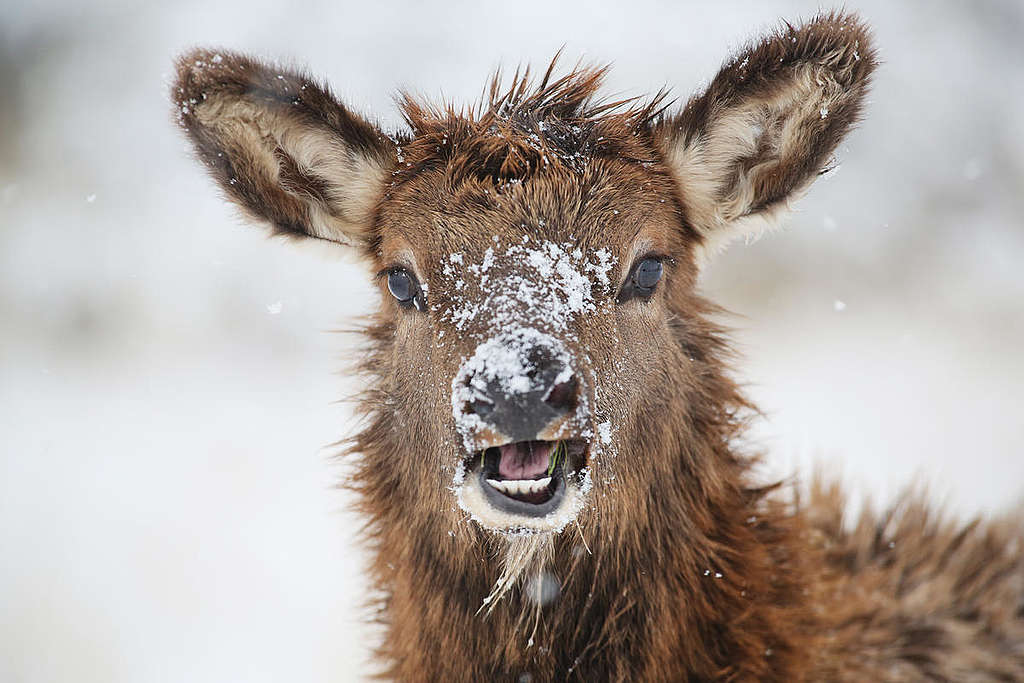
An Elk, the most abundant big game animal in Yellowstone is seen at the Yellowstone National Park.
Yellowstone National Park is an American national park located mostly in Wyoming, with small sections in Montana and Idaho. It was established by the U.S. Congress in 1872. Yellowstone was the first national park in the U.S. and is also widely held to be the first national park in the world. The park is known for its wildlife and its many geothermal features, especially Old Faithful geyser, one of its most popular features. It has many types of ecosystems, but the subalpine forest is the most abundant. It is part of the South Central Rockies forests ecoregion.
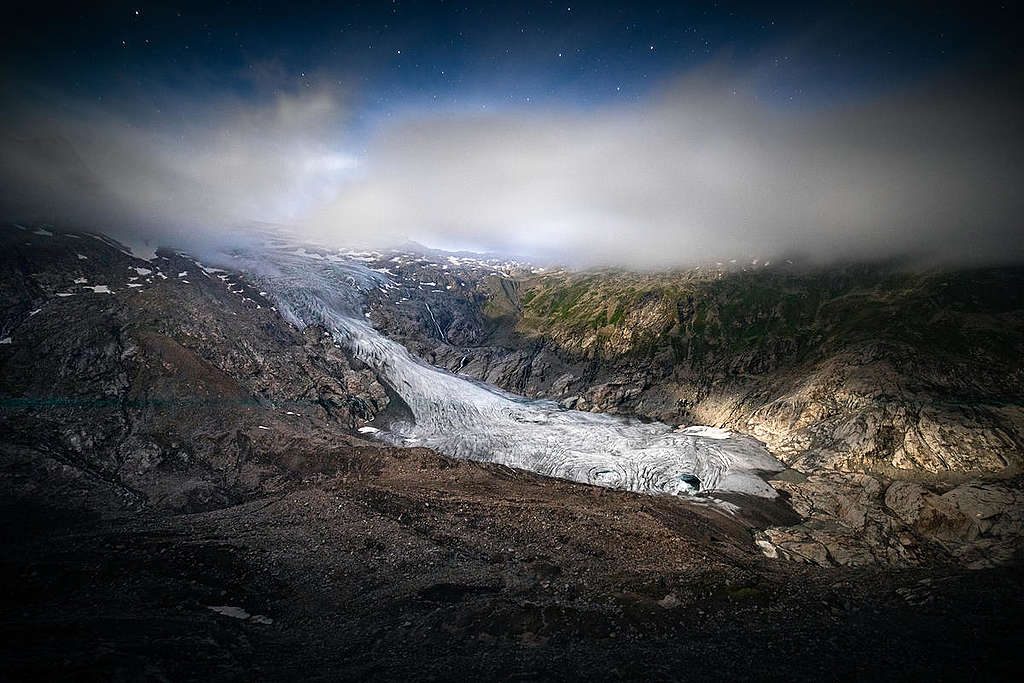
Austria - Glaciers
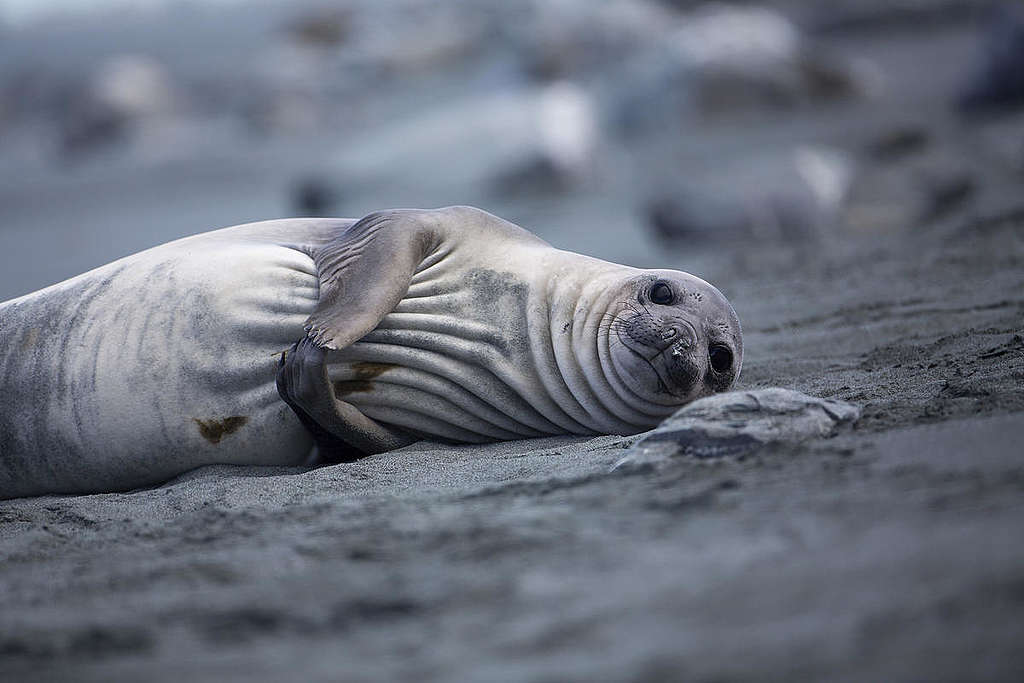
Elephant seal on Elephant Island.