In the heart of the Indian Ocean, there is a hidden underwater bank teeming with life. The Saya de Malha Bank is part of the Mascarene Plateau, a continuous shallow ridge connecting Seychelles in the north to Mauritius and Réunion in the south.
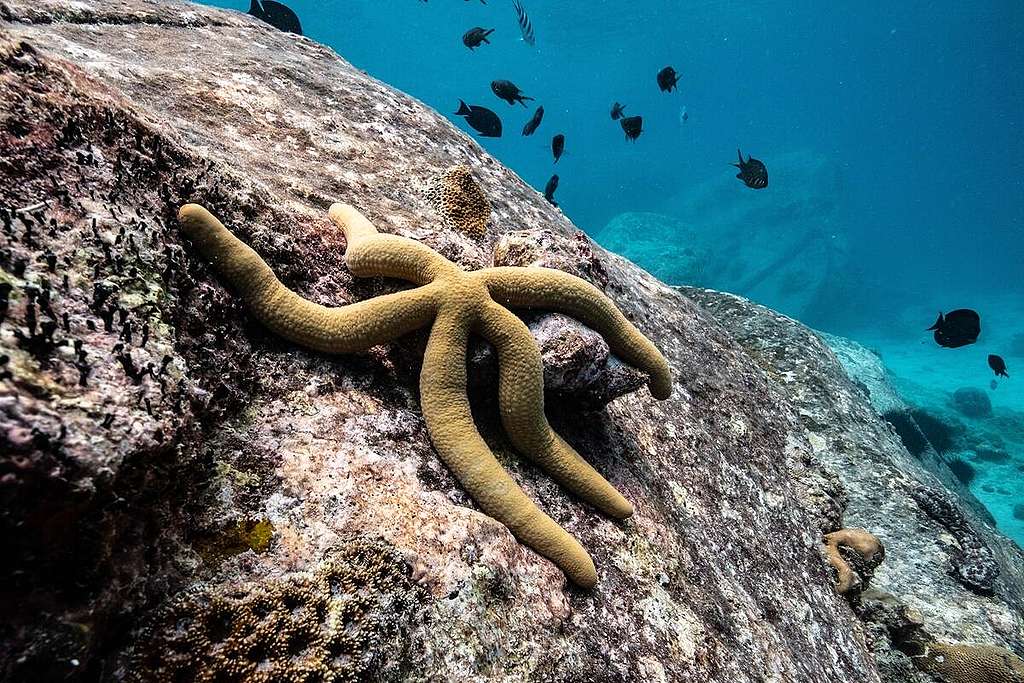
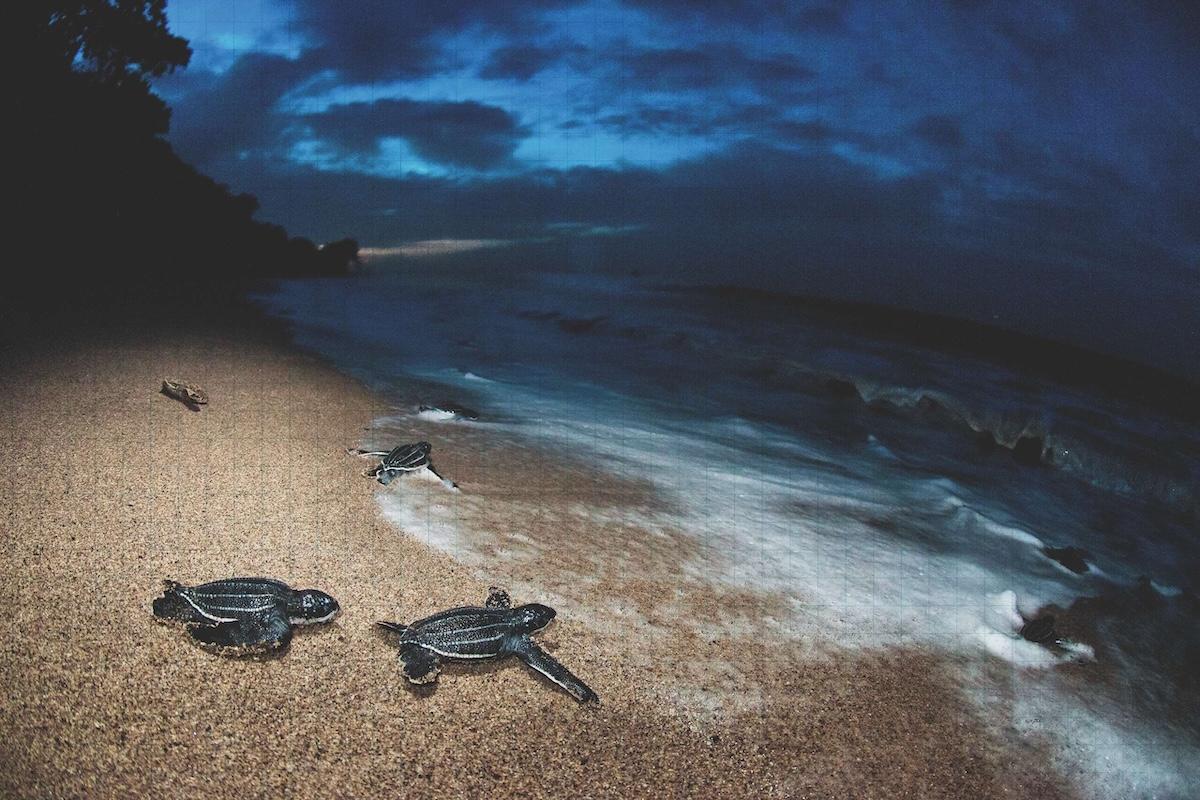
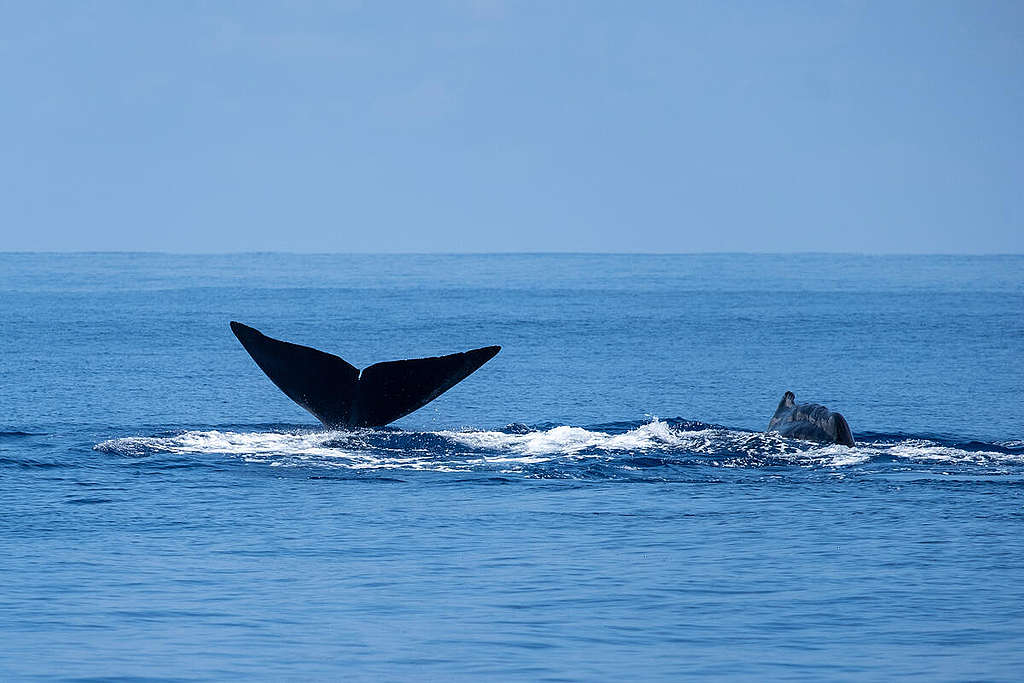
Curious creatures such as pygmy blue whales breed in the area and the deep waters surrounding the bank are rich in nutrients, supporting sperm whales, flying fish and tuna. But the bank can be difficult to get to that observations and studies of this life are few, and from long ago.
The Saya de Malha Bank is known for supporting the world’s largest seagrass meadow – and therefore one of the biggest carbon sinks in the ocean. Seagrass meadows account for less than 0.2% of the world’s oceans, but take up approximately 10% of the carbon buried in ocean sediment each year. On one hectare, seagrasses can store up to twice as much carbon as terrestrial forests. By keeping carbon safely locked in the seabed, seagrass meadows help slow down climate breakdown. Worldwide, they are critical feeding and breeding grounds to a wealth of wildlife from the easy-going dugong to sleek tiger sharks and a colourful assemblage of fish.
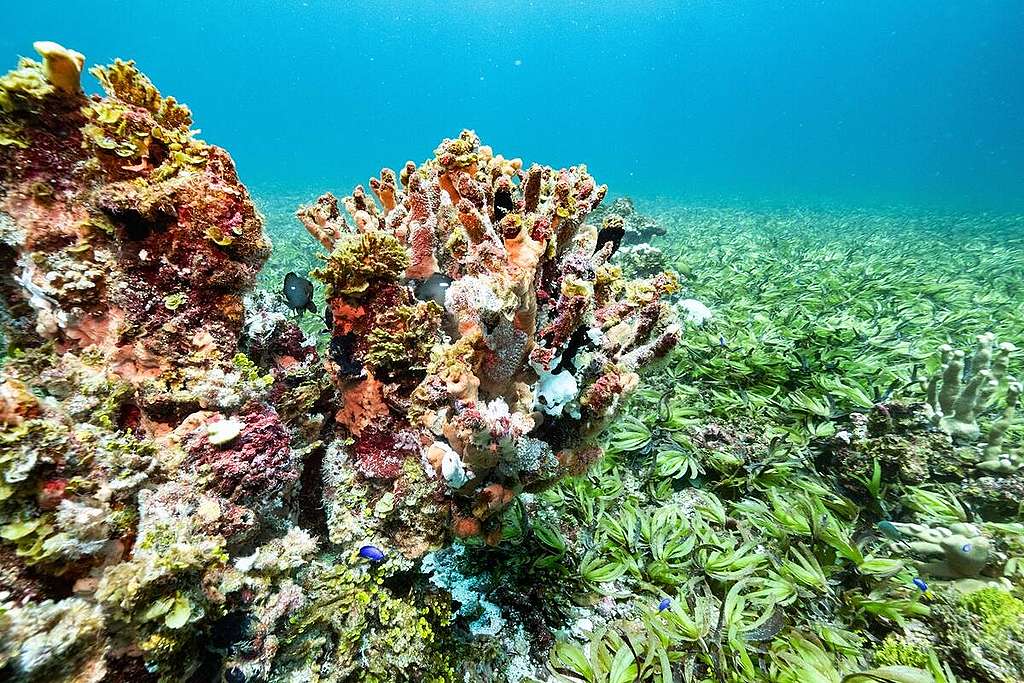
Governments around the world have recognized Saya de Malha as an Ecologically and Biologically Significant Area. The seabed is under shared governance of Seychelles and Mauritius, while the water flowing through the seagrass meadows is international waters.
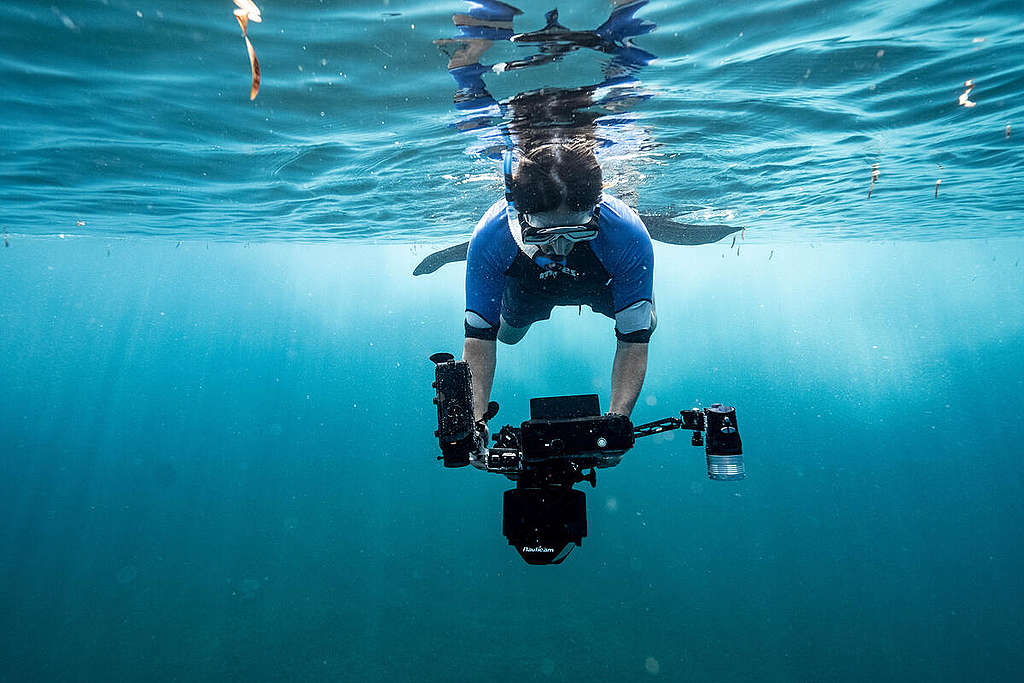
The Greenpeace ship Arctic Sunrise has been at the Saya de Malha Bank to map and research the wildlife of the region with an international team of scientists. With the help of binoculars and hydrophones, they’ve been looking for whales, sharks, seabirds and turtles. The team also collected water samples for environmental DNA monitoring. This novel method helps trace fish, sharks and whales by the skin, poo, scales and other stuff they leave behind. Mapping animals by their traces complements the visual and acoustic surveys by detecting species that are elusive, prefer the depths of the ocean, or are otherwise not easy to spot.
The global oceans are under unprecedented pressure – and this region is no exception. For example, shark populations in the global oceans have declined by a staggering 71% in just a few decades. Long lines studded with hundreds of hooks, or enormous purse seine nets, often ensnare sharks as bycatch, and their use has doubled in the last half century, while the number of oceanic sharks caught in them has approximately tripled. We urgently need a vast network of ocean sanctuaries, free from destructive human activity, where sharks and other marine life can recover. During our voyage to the Indian Ocean, we will show what’s at stake and call on governments around the world to agree on a strong Global Ocean Treaty.
Laura Meller is an Ocean policy advisor with Greenpeace Nordic.