This article originally appeared on Greenpeace Argentina’s website.
Oceans are crucial to keep the planet alive. Not only are they the source of food and work for millions of people but they also are essential to weather control, and without them, life on this planet would be impossible.
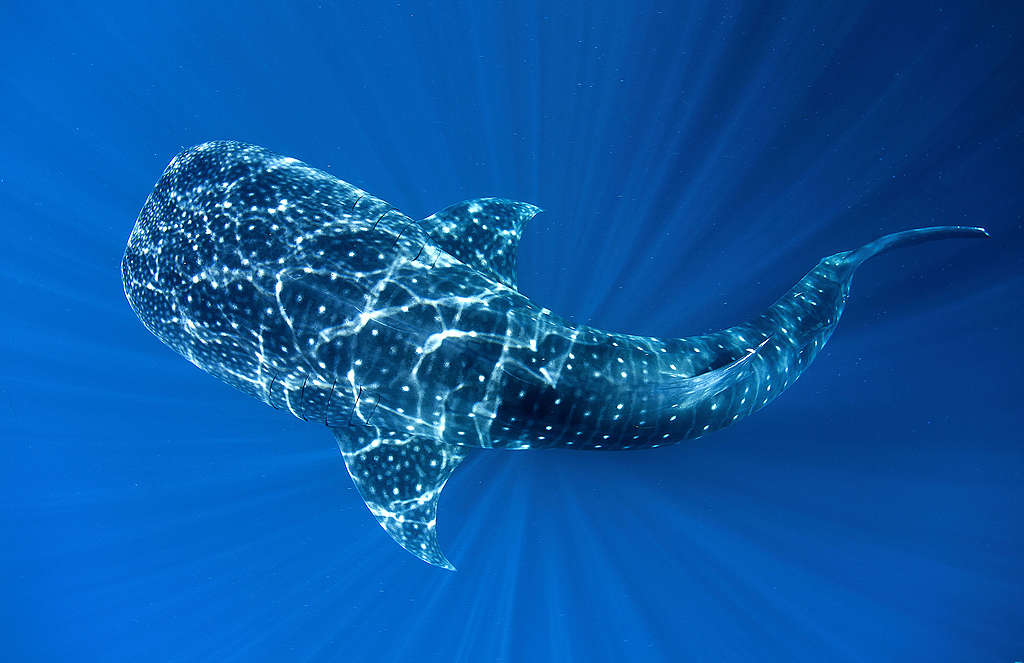
The climate crisis we are currently undergoing is also a crisis of the oceans. Given the important role that oceans play in climate control, water cycle, and carbon capture, we can observe the consequences of this crisis in fires, droughts, floods and beyond. The climate impacts of human exploitation of the sea is ongoing and, in many cases, irreversible. Healthy oceans play a vital role in mitigating the consequences of the climate breakdown, but overfishing, gas and oil exploration, and plastic pollution are causing huge exhaustion to our oceans, affecting their ability to cope and deal with climate change.
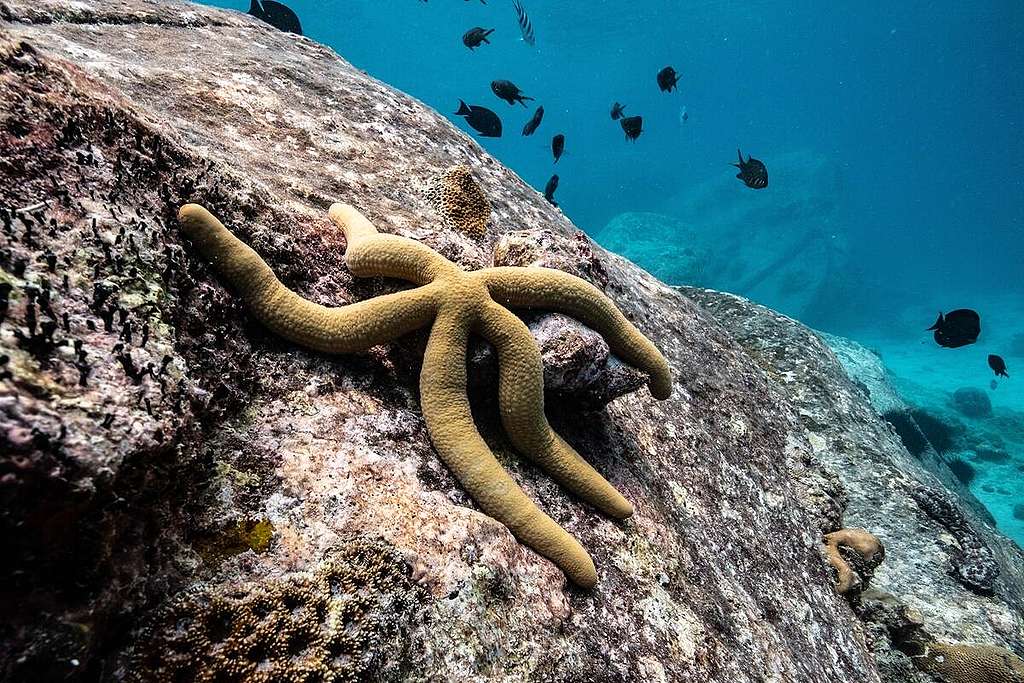
Oceans represent 70% of the planet and international waters comprise 43% of the planet’s surface but only an alarming one percent of international waters are protected. Almost half of the planet is now in danger as a consequence of the constant threat of human activity and the lack of protection mechanisms.
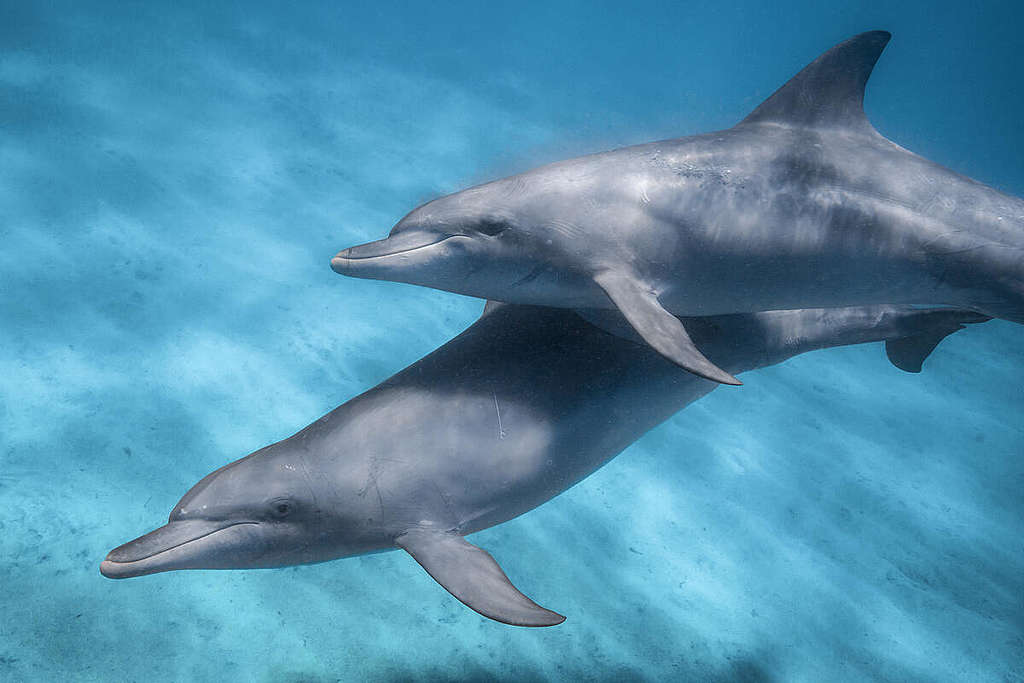
Did you know these 10 facts about the oceans and the climate?
1. Oceans absorb 90% of the climate system’s excess heat.
2. Without oceans, earth’s temperature would have risen 36 °C (96.8 °F).
3. Climate change is altering the ocean currents. In the Argentine Sea, for example, this means the reach of the Brazil warm current is expanding to the south.
5. Oceans contribute annually between 50% and 80% of oxygen to the atmosphere.
6. Prochlorococcus, a very small cyanobacteria that is part of the marine phytoplankton, is responsible for producing more oxygen than all tropical forests in the world.
7. Oceans absorb almost one third of the methane and CO2 emissions to the atmosphere (10 gigatons of carbon) 30 times faster than tropical forests.
8. Human activities, such as overfishing, plastic pollution, and offshore gas and oil extraction, affect the ocean’s ability to fulfill the functions that help cope and deal with climate change.
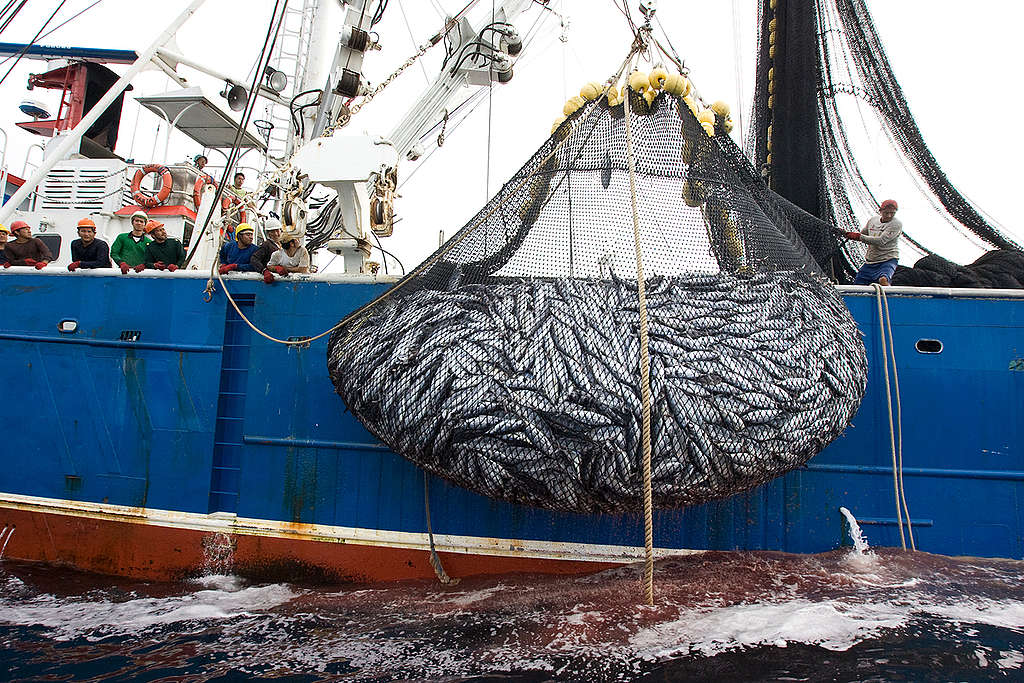
9. Unless adaptation measures to protect the oceans are improved, annual damages caused by floods will increase by an order of magnitude of two to three by the end of the century in comparison to the present day.
10. It is anticipated that the El Niño extreme events will occur approximately twice as many times as in the 21st century.
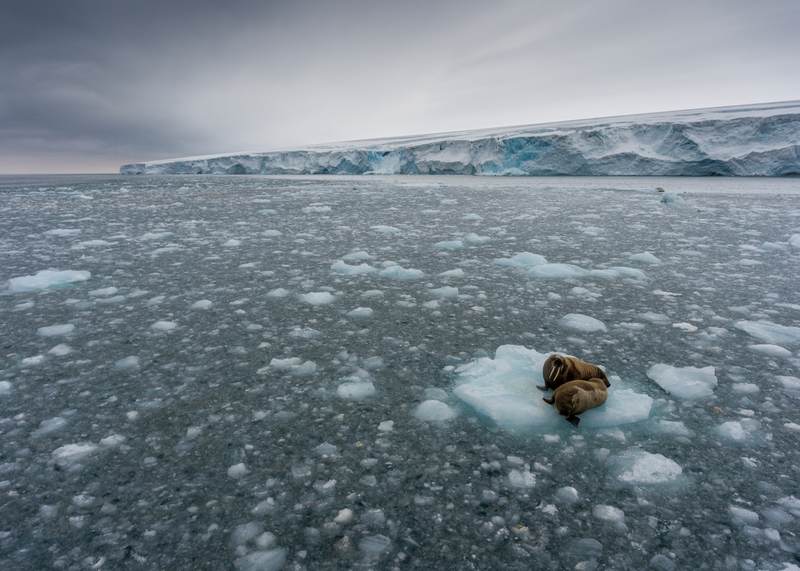
So what can we do to preserve our oceans?
1. Protect at least 30% of the world’s oceans by 2030 through the creation of a Global Ocean Treaty.
2. Prohibit any type of commercial whale hunting around the world.
3. Stop ocean contamination.
4. Fight illegal, unregulated, and undeclared fishing, among other demands.
5. Abandon and forbid fossil-fuel extraction from the seabed.

What’s next?
Greenpeace ship Arctic Sunrise is in the Argentine Sea right now, investigating vulnerable marine ecosystems. Greenpeace Argentina also demands the full human right to a stable climate as well as the suspension of oil exploration projects due to the severe consequences they will have on the ocean, the biodiversity, and the climate.
We must stop the expanding industrialisation of our global commons. Nearly five million people from across the planet have signed a petition urging world leaders to create a strong Global Ocean Treaty. Join them by signing too.
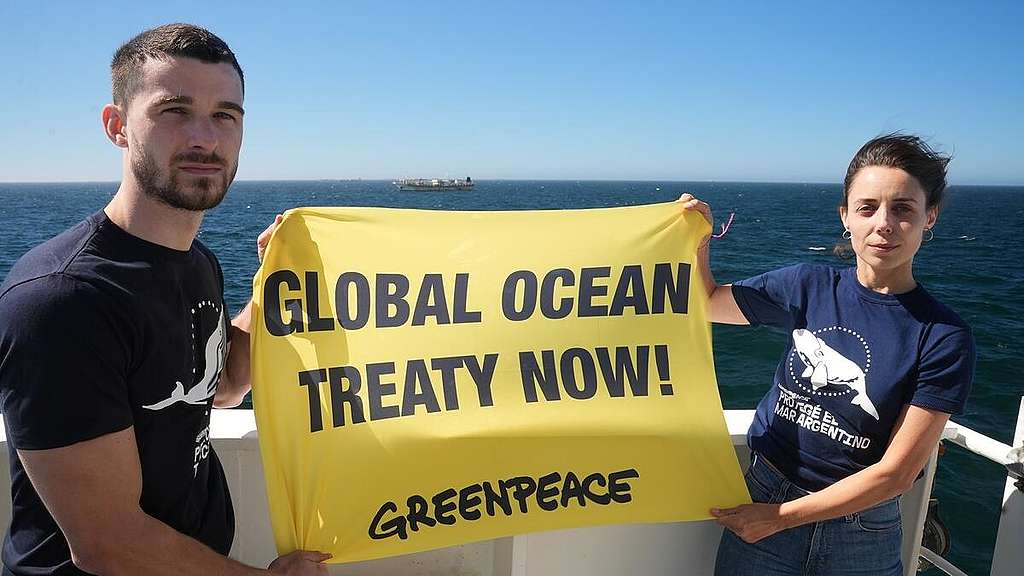
Laura Colombo is Digital Engagement Coordinator with Greenpeace Argentina.