
We’ve come to the end of another year. Amidst more dragging of the feet on climate issues by governments and corporations, we have had some notable wins in the climate and environmental justice space to inspire us to stay strong and hopeful in our fight for a better, greener, and fairer world for all.
Countries join calls to ban deep sea mining
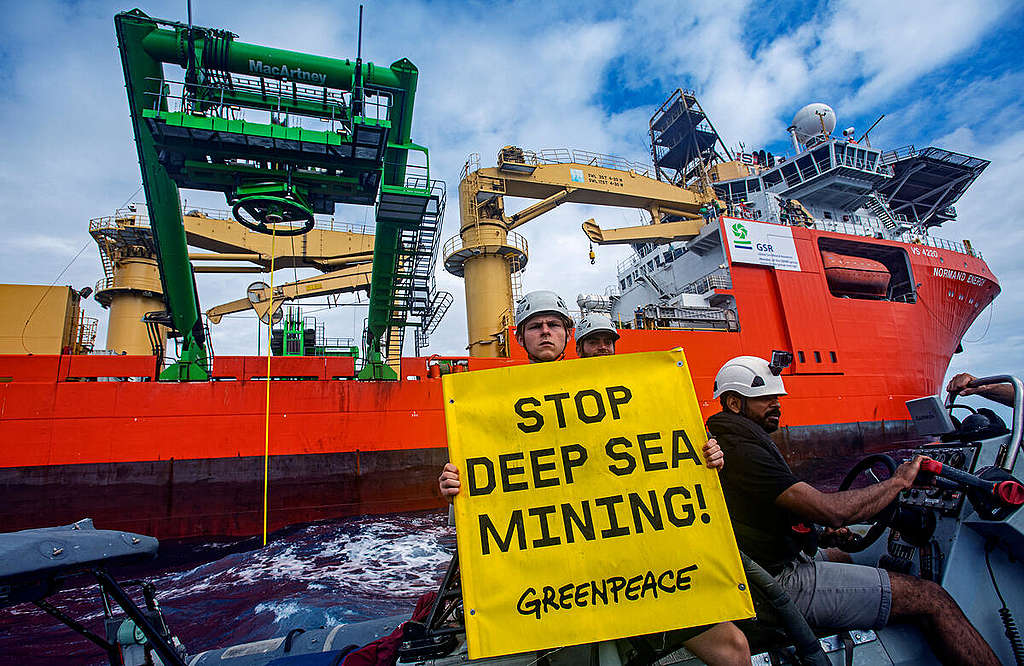
Greenpeace has been urging governments to take action to stop the launch of deep sea mining, a destructive extractive industry that would threaten the ocean and the lives and livelihoods of those who depend on it.
This year, in a win for ocean protection, several countries gave their support for a ban on deep sea mining. After campaigning by Greenpeace and allies, Aotearoa New Zealand has called for a global moratorium while Germany has called for a precautionary pause. At COP27, French president Emmanuel Macron announced that he supports a ban on deep sea mining. At the International Seabed Authority (ISA) meeting in Kingston, Jamaica, in November, more countries from the Pacific, Latin America, and Europe called for a precautionary pause, moratorium, or a complete ban.
Global plastics treaty
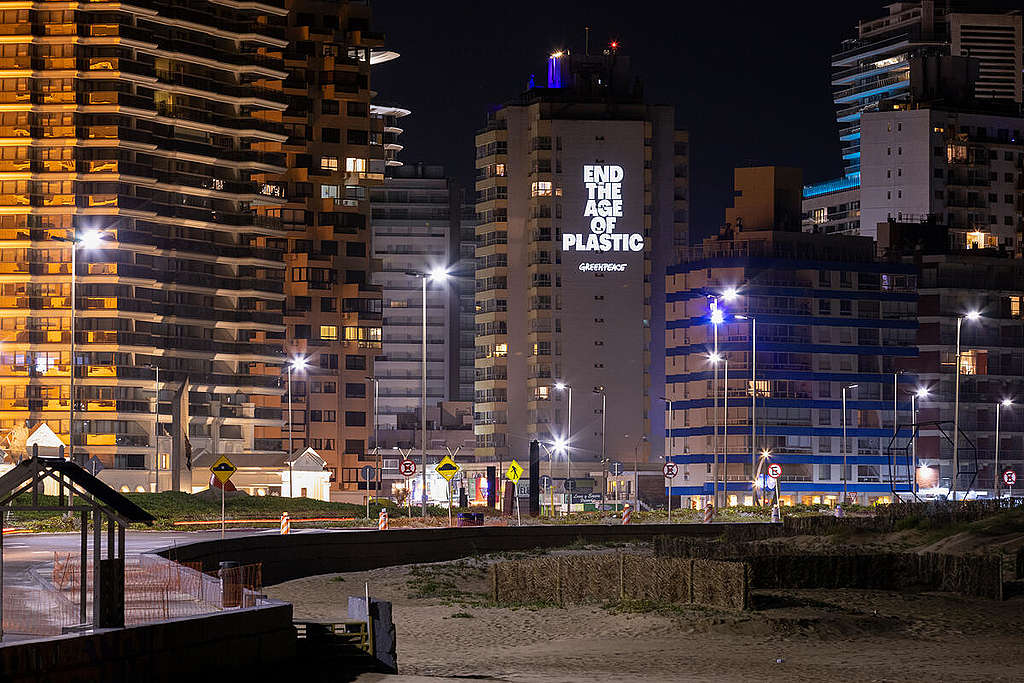
The United Nations Environment Assembly announced in March the adoption of a historic resolution to end plastic pollution and to open negotiations for a legally binding global plastics treaty, with a target of having the agreement by 2024 or 2025. The resolution addresses the full lifecycle of plastic, including its production, design, and disposal.
The Global Plastics Treaty is seen to be one of the most significant environmental agreements in history. Greenpeace, together with its allies, demands an ambitious global agreement that will reduce plastic production and use, hold big polluters accountable, build refill and reuse systems, and empower those most affected by the plastic pollution crisis.
Putting a stop to offshore oil activities
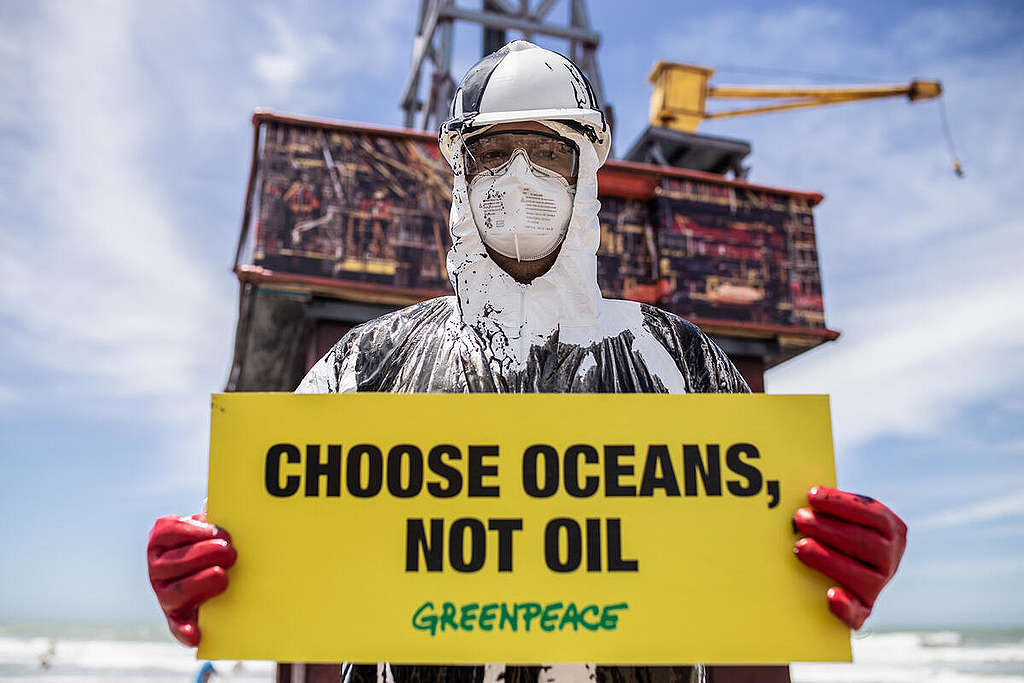
Coastal communities and environmental and social organizations celebrated the decision of the Federal Court of Mar del Plata against seismic blasting in the Argentine Sea. The court’s decision to halt offshore exploration represents its recognition of the communities and their rights, as well as the destructive nature of the activity on the environment. Greenpeace Argentina will continue to fight for a definitive no to seismic exploration and to stop the progress of oil company projects on the Argentine Sea.
On 1 September 2022, South African courts revoked Shell’s exploration rights off South Africa’s eastern coast, ruling that they were granted illegally. The judge also acknowledged the key role of the ocean in the livelihoods, and the spiritual and cultural life of coastal communities.
Saying no to air pollution
In March 2022, in a landmark judgement for environmental justice, the High Court recognised the poor air quality in South Africa’s Mpumalanga Highveld region as a breach of residents’ Constitutional right to an environment that is not harmful to their health and well-being. The #DeadlyAir case was launched in 2019 by environmental justice group groundWork and local Mpumalanga community organisation, Vukani Environmental Justice Movement in Action (Vukani). Together they filed a landmark litigation to demand that the government clean up the air in the Mpumalanga Highveld.
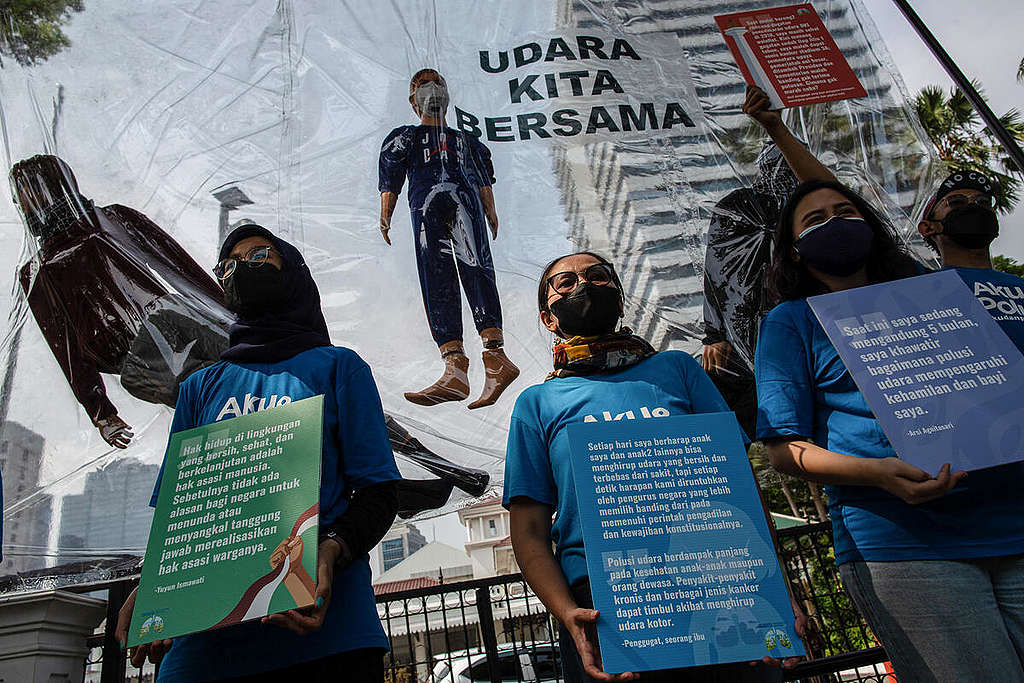
In Indonesia, a group of Jakarta residents, which included Greenpeacers from the Indonesian office, had filed an air pollution lawsuit against President Joko Widodo, the Jakarta governor, and other senior government officials in 2019 to improve the air quality of Jakarta. In 2021, the Central Jakarta District Court ruled that the Indonesian government was guilty of failing to uphold the citizens’ right to clean air. The President and the other defendants had submitted an appeal but in October this year, the high judicial council upheld the initial decision, scoring a second win for the citizens and their right to clean air.
Climate change is a human rights issue
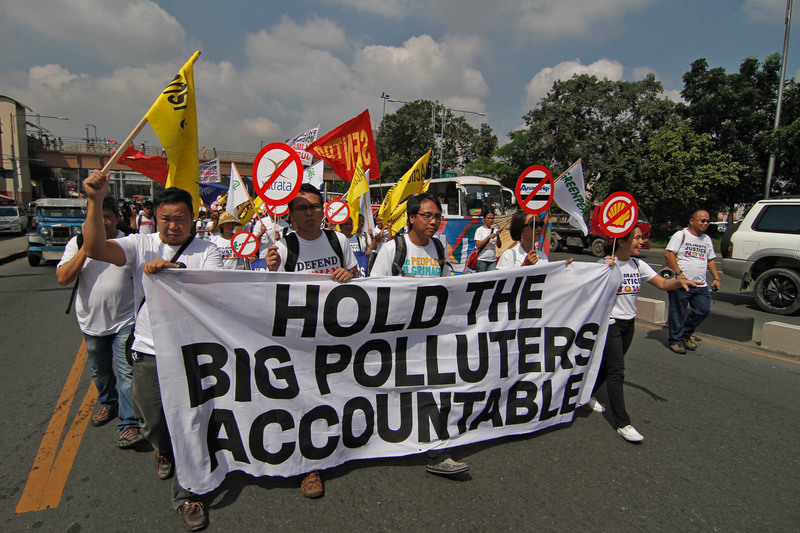
On 6 May 2022, after years of postponement, the Philippines’ Commission on Human Rights (CHR) released its final report on the world’s first investigation into corporate responsibility for the climate crisis, and declared that climate change is a human rights issue. The groundbreaking investigation had been going since 2015, when the first-ever human rights complaint was filed in the Philippines against the world’s largest coal, oil, gas and cement producers.
While the report is non-binding, it sets a legal basis that will hold corporations accountable for their climate transgressions, sending a clear message that these corporations cannot continue with business as usual of putting profit before people and the planet.
Law to prevent legal bullying of environmental activists
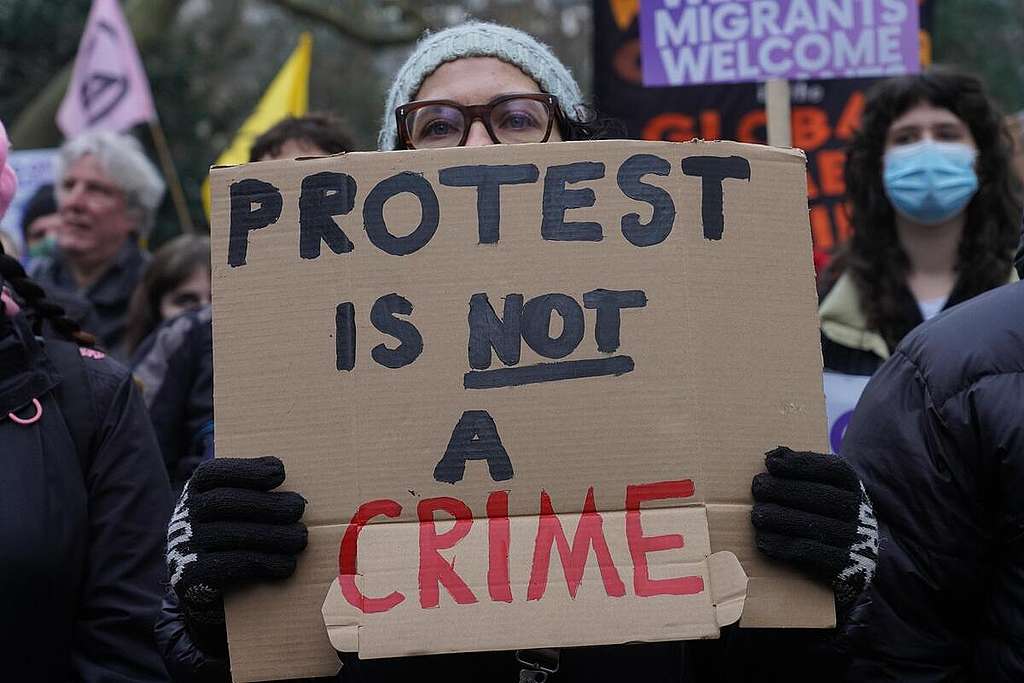
On 27 April 2022, the European Commission released a new draft EU law to help prevent legal bullying of NGOs, journalists, environmental and human rights defenders by corporations, public officials, and powerful individuals. The EU directive against strategic lawsuits against public participation (SLAPPs) will make it harder for powerful interests to initiate costly and often baseless lawsuits with the aim of intimidating and silencing dissent in cross-border cases. The proposed Directive will have to be negotiated and adopted by the European Parliament and the Council before it can become EU law.
SLAPPs are a threat to freedom of expression, advocacy and assembly rights and their use is rising in the EU: this is an important milestone that many thought was not possible only a few years ago.
The UN declares a healthy environment a human right
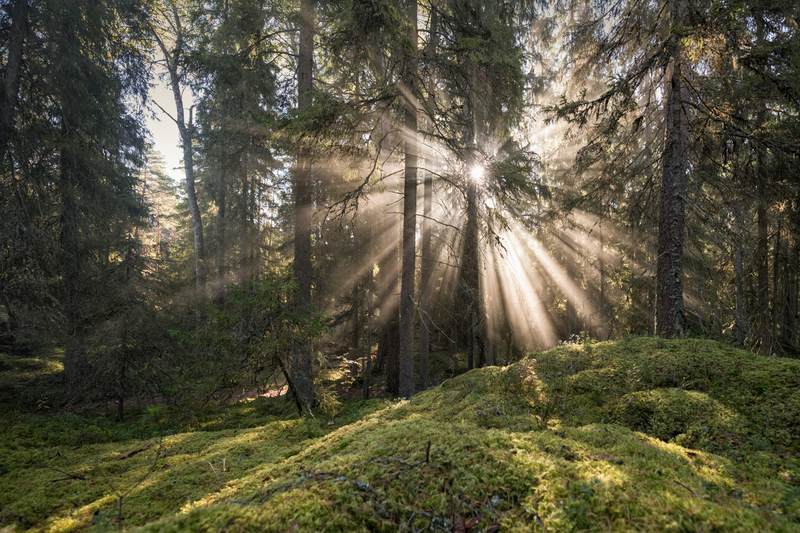
On 28 July 2022, The United Nations General Assembly declared that everyone on the planet has a right to a healthy environment.
The General Assembly said climate change and environmental degradation were some of the most pressing threats to humanity’s future, and called on states to step up efforts to ensure their people have access to a “clean, healthy and sustainable environment.”
While this is an impressive milestone, the resolution is not legally binding on the 193 UN Member States but rather an encouragement for states to implement laws to protect people and the environment. It also paves the way for climate and environmental litigation by people and organisations around the world against environmentally destructive policies and projects.
Buffer zone for new oil and gas wells
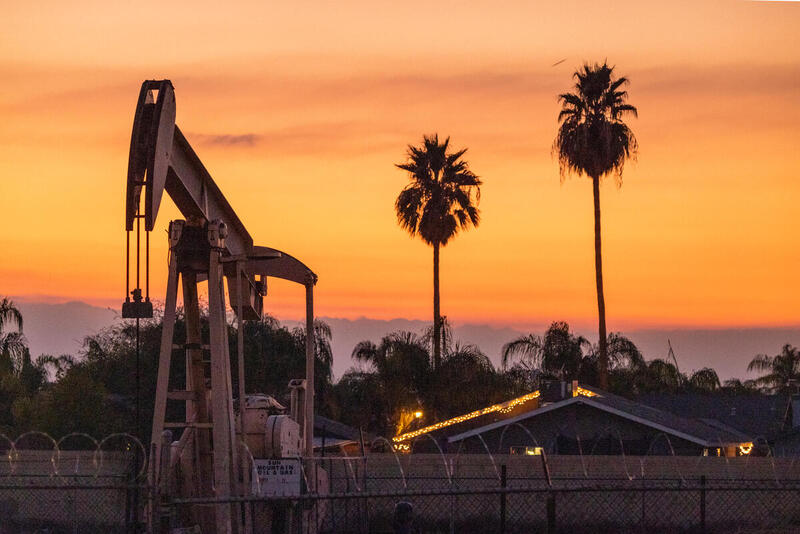
In September, California passed Senate Bill 1137 , banning new oil and gas wells from being built within 3,200 feet of homes, schools, or hospitals. Research shows that living near drilling sites could pose health risks such as preterm births, asthma, respiratory disease, and cancer. This landmark decision will go a long way to protect the people and communities.
The EU passes deforestation law
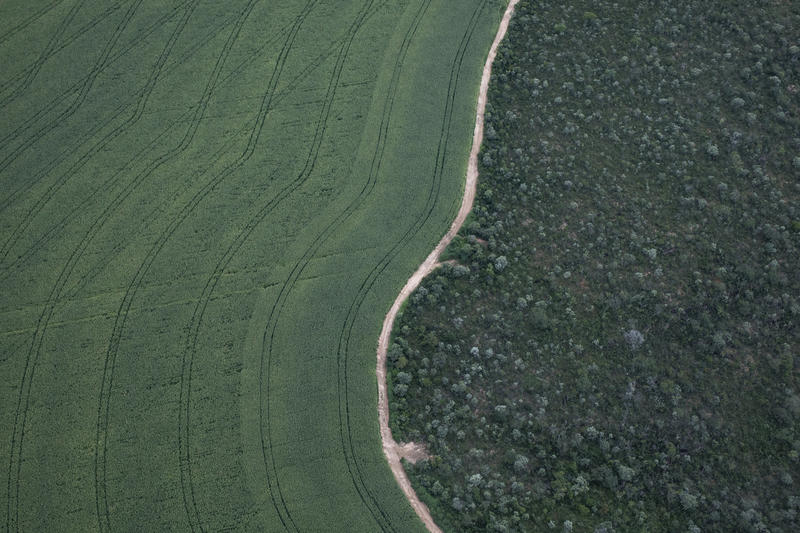
The EU has agreed to a new law to fight global deforestation. In a world first, companies will have to show that their products have not contributed to deforestation if they want to sell in the EU. The law will require companies to trace their commodities back along the supply chain to the plot of land, and prove that forest was not recently cleared, or face fines.
According to a WWF report, European Union countries are responsible for 16% of tropical deforestation linked to internationally traded commodities like meat, rubber, palm oil, or soy.
The fight to protect the forests isn’t over yet, but we’re a major step closer!
Baffinland iron mine rejected
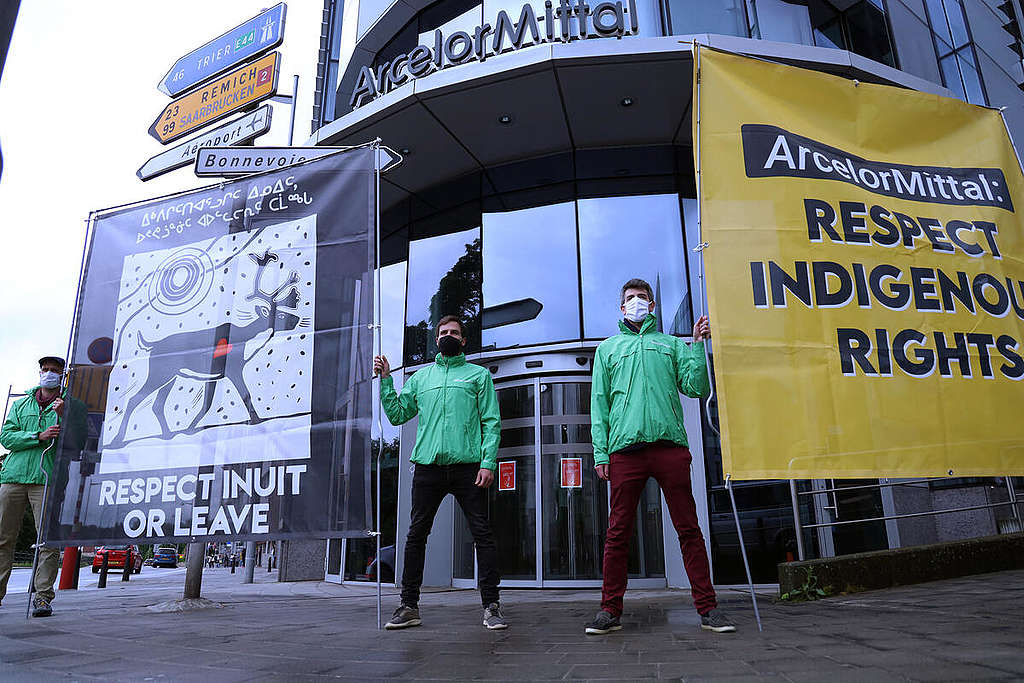
Canada has rejected the expansion of an iron mine in the Canadian Arctic following several years of protest by Inuit land defenders and their supporters, including Greenpeace Canada and Greenpeace Luxembourg. Baffinland Iron Mines’ planned expansion would have seen it double its output of iron ore and would have required a 110km railway to a port near the community of Pond Inlet. The mine expansion posed a big threat to the Arctic environment, the wildlife, and the livelihoods of the Inuit people.
This is a huge victory for Inuit land defenders and the Arctic ecosystem. What’s more, when a high profile project like this gets stopped because of Inuit opposition and allies rallying around them, it shows the industry that they can’t just ignore when Indigenous people say “no”.
The language coming from the Canadian government around the decision was also very strong: “The era of Ottawa overriding Indigenous nations, Indigenous governments for resource development projects in the North, is over,” Canada’s northern affairs minister Dan Vandal, said. “The land that the mine is on is not Crown land; it’s Inuit-owned land.” While there’s a ways to go to make the reality match these fine words, it is progress.