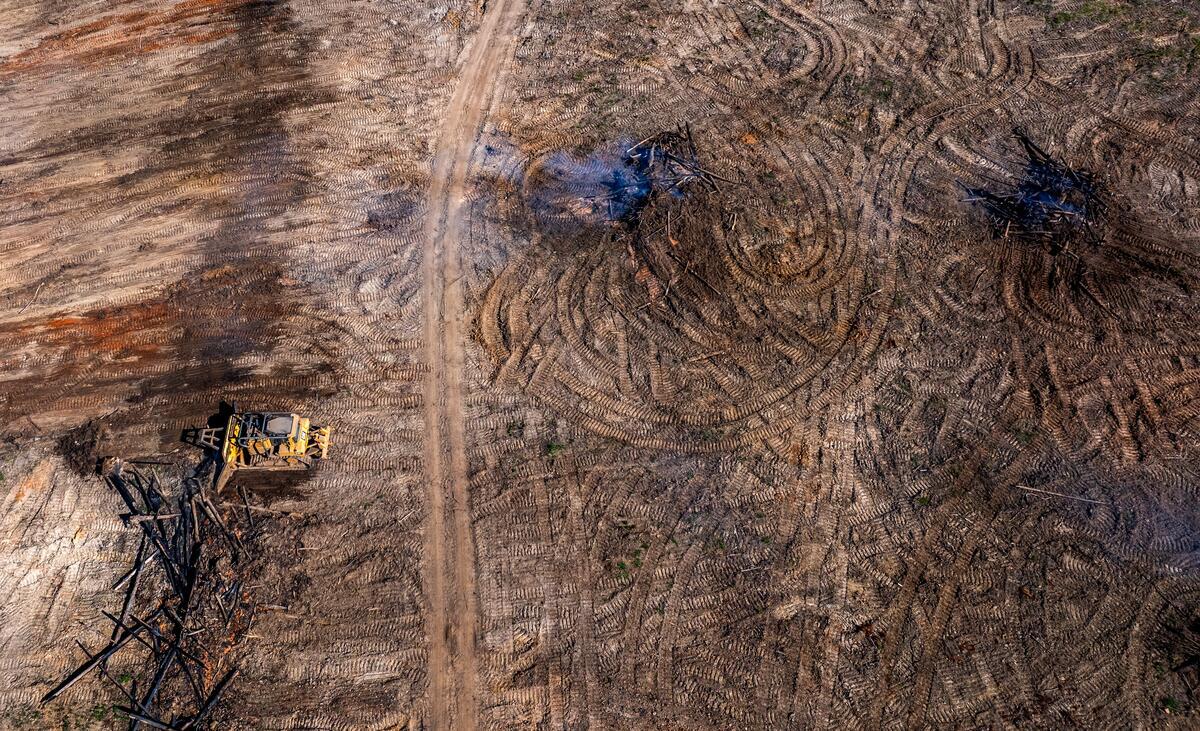
Deforestation and degraded forests. Polluted and poisoned rivers. Invasion of Indigenous Lands. Violence against Indigenous Peoples. Exposure to illness. Lost lives and endangered traditional ways of life.
These are just some of the perils that illegal mining brings to the interior of the Amazon rainforest. Despite being prohibited by Brazil’s Federal Constitution of 1988, illegal mining within Indigenous Lands continues to be a scourge throughout the Amazon. Nevertheless, destructive miners continue to invade Indigenous Lands, leaving behind destruction and death in their search for profits.
The shocking scale of the crisis can perhaps be seen most clearly in the Yanomami Land. The largest Indigenous territory in Brazil, demarcated Yanomami Land is located in the northern part of the country, on the border of Venezuela. More than 27,000 Indigenous People live there. But their territory has been beset by 20,000 illegal miners! The explosion in illegal mining in the region has caused a humanitarian crisis that has made headlines all over the world.
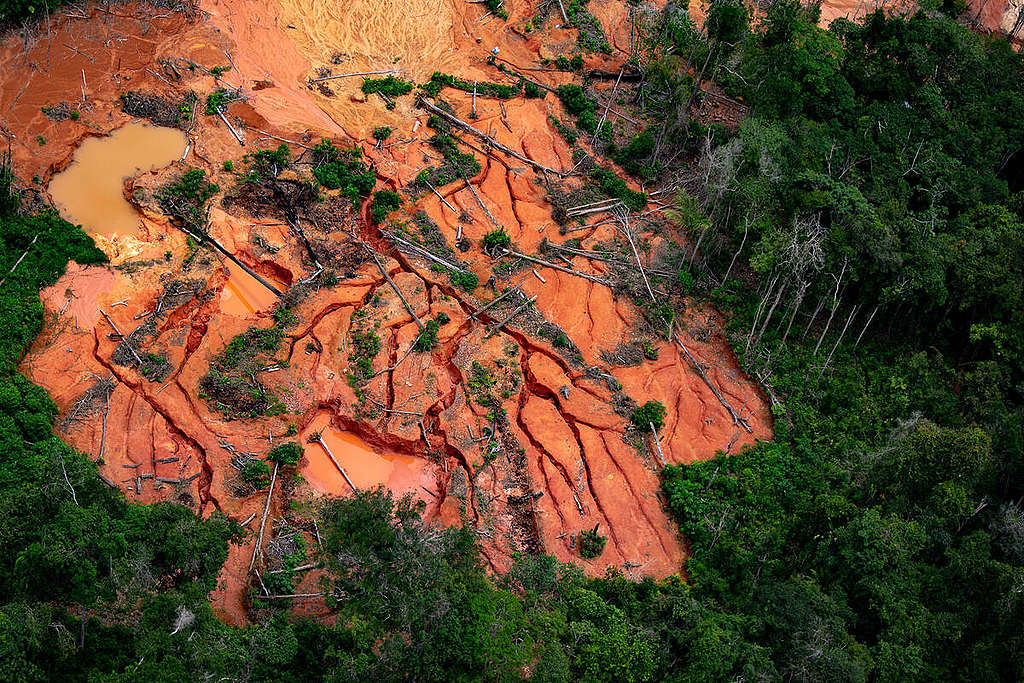
Let’s take a closer look at the ways in which illegal mining is endangering the Amazon — and what must be done to stop the devastation to people and the planet.
Illegal mining causes irreparable damage to nature
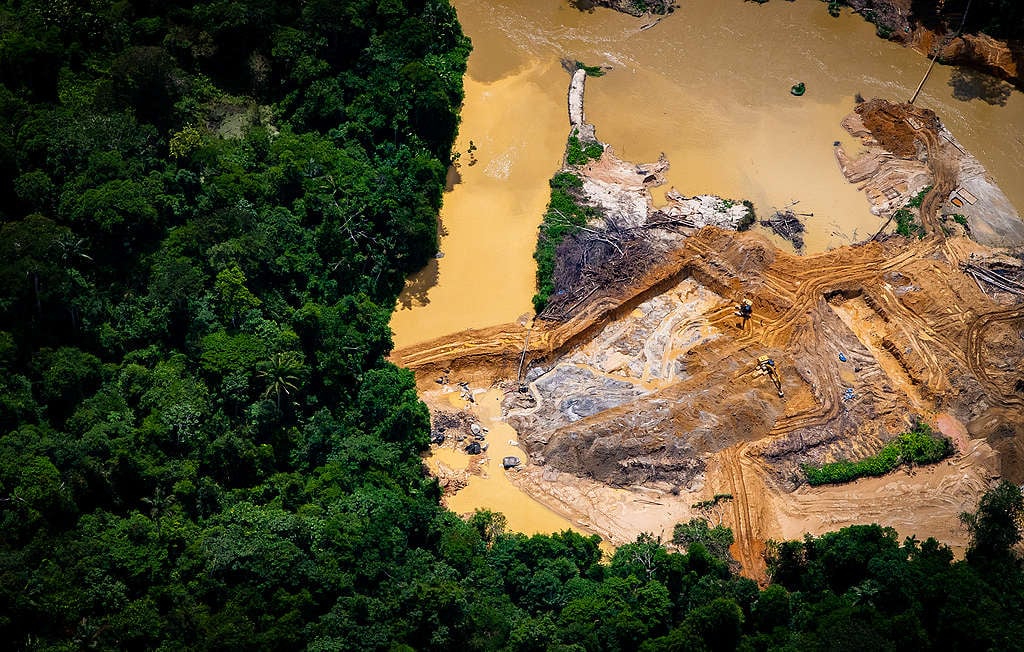
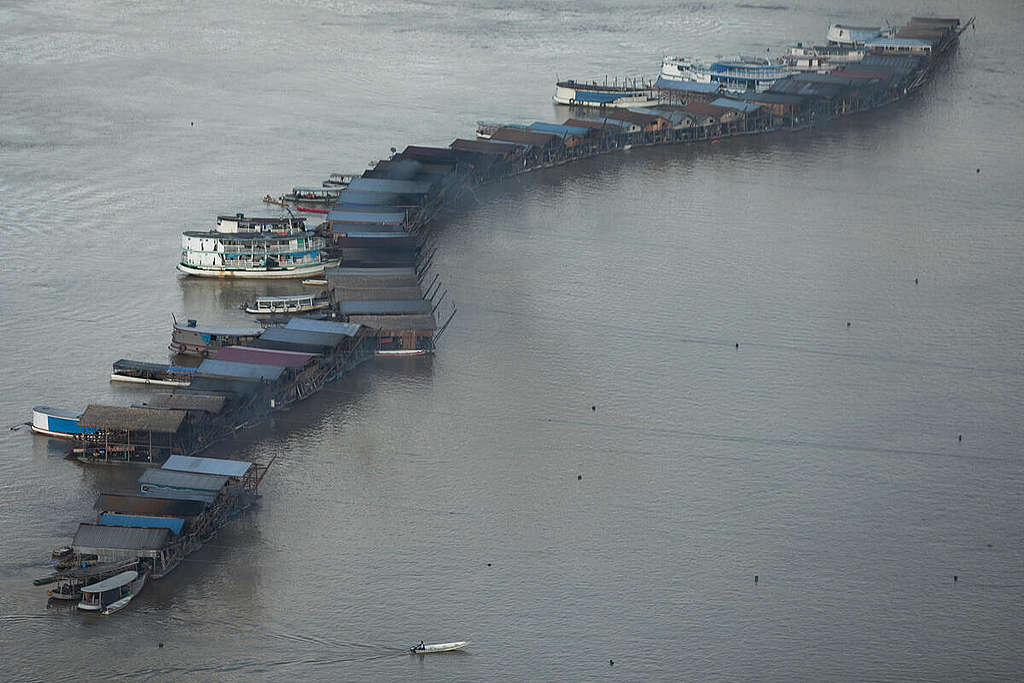
Emboldened by the extractivist greed of former Brazilian President Jair Bolsonaro’s anti-environment regime, hordes of illegal miners followed rumors of hidden riches deep into protected Indigenous Lands in recent years. The jarring sights of dredging rafts strung together across the waterways crisscrossing the forest and of bulldozers and excavators clearing forest have become increasingly common, even as the world watches in terror at the environmental and humanitarian crisis unfolding.
There is no denying that the process of mining for minerals like gold is extremely harmful to the environment. From the rising mercury levels in the rivers that pose a threat to every living being that depends on the water for life to the deforestation and soil erosion, natural habitats are being destroyed by mining. The poisoning of the water and habitat loss are having widespread impacts on biodiversity and the food web in the forest, adding even more pressure to an ecosystem already under threat from the worsening climate crisis.
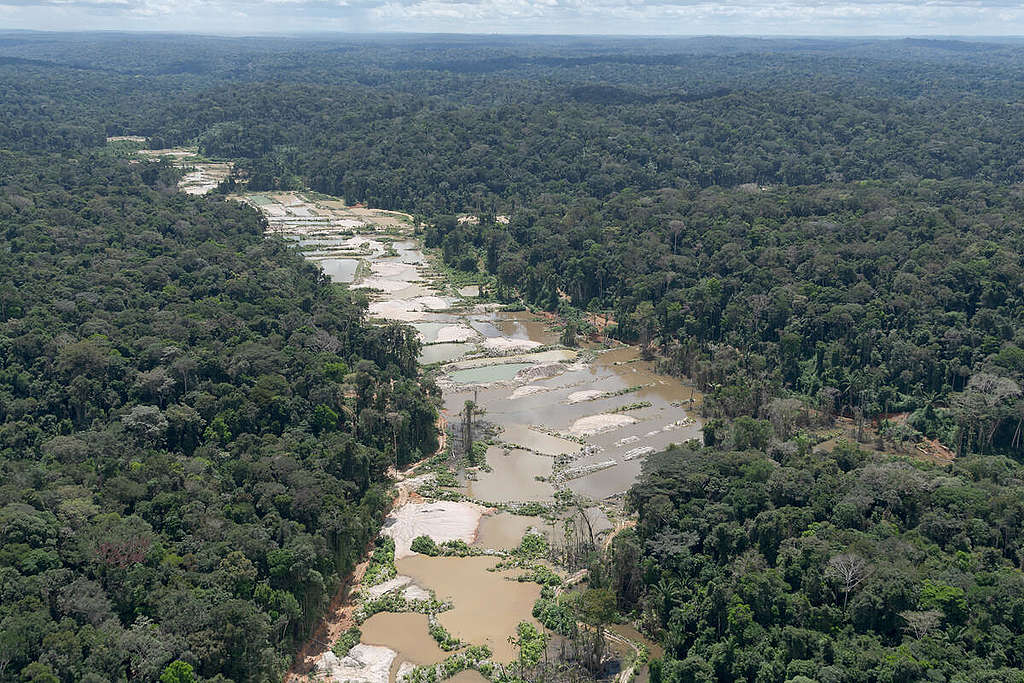
Especially deadly, is the rampant mercury contamination associated with mining in the Amazon. Used in mining gold, this toxic chemical element seeps into the water and accumulates throughout the food chain, contaminating water, plants and lodging in the bodies of fish, animals and humans.
In December 2021, a Greenpeace Brazil survey showed that illegal mining within the Munduruku and Sai Cinza Indigenous Lands, in the Brazilian state of Pará, had destroyed 632 kilometers of rivers in just five years. In early 2022, miners dumped more than 7 million tons of tailings — a mining by-product, often toxic — into the Tapajós River – and this caused the waters in front of Alter do Chão, one of the most famous tourist spots in Brazil, to change color.
A study published by the Oswaldo Cruz Foundation (Fiocruz) together with WWF-Brasil in 2020 showed that 200 of the Munduruku People tested positive for mercury contamination. Six out of 10 research participants had levels above the index considered safe by the World Health Organization (WHO). Adults showed neurological and psychological alterations while children exhibited delays in their development.
Illegal mining harms Indigenous Peoples and traditional communities
Illegal mining doesn’t only destroy the natural environment, it also wreaks havoc on Indigenous Peoples and traditional communities in the Amazon: The invasions of Indigenous Lands by illegal miners threatens Amazon communities in a number of ways, from the availability and safety of traditional food sources, introduction of diseases from malaria to Covid-19, and the increase of crimes and even in-fighting within communities.
Increasing the danger even more, attempts by Indigenous Peoples to protect their lands and ways of life have been met by violence from the invading miners. In May 2021, the Munduruku People were violently attacked by gold miners as retaliation for efforts to end such illegal activities. The criminal miners attacked a Munduruku village, terrorising the people with gunfire and also setting fire to the homes of prominent community leaders, according to APIB. Several leaders in other communities also received threats of similar violence, a local source told Human Rights Watch.
The Hutukara Associação Yanomami, the organization that represents Yanomami communities in Brazil, released a report in 2022, “Yanomami under Attack” , which was very clear on the myriad negative impacts of mining: it leads to sexual violence, including against children and adolescents, organized crime, enticement of Indigenous youths, murders and serious health problems, such as malaria and child malnutrition. According to the report, around 273 communities are affected and more than half of the Yanomami territory’s 27,000 inhabitants suffer from the problems caused by illegal activity.
Fueled by greed and deception, the danger is increasing
According to Mapbiomas, the area mined within Indigenous Lands in Brazil in 2021 was 625% greater than that recorded in 2010 . In the timeframe covered by the report, the Kayapó, Munduruku and Yanomami Indigenous Lands were the most attacked with, respectively, 11,542, 4,743 and 1,556 hectares mined within their limits.
“What we are suffering is no joke. I think about my grandson and the animals. There are chiefs suffering, crying,” said Arnaldo Kabá Munduruku, leader of Alto Tapajós, in Pará, who speaks about the adversities caused by illegal mining. “Gold mining divides communities. There is a chief fighting with a chief. We feel bad fighting with brothers. The mercury is too much, the malaria too. Half of our territory was compromised by mining. Prospectors use a lot of tricks, they work at night to avoid being caught. And the people who denounce it are marked, they are in danger.”
In Brazil, such illegal mining has often been justified by the myth that it leads to economic development and improved quality of life. The truth is far from this false narrative promoted by those who choose profits over people and the planet. In reality, illegal mining in the Amazon is quite simply a theft of natural resources, which generates profit for a few and a staggering series of social, environmental and health losses for many.
A 2021 study by Instituto Escolhas showed that gold mining does not bring significant social and economic advances to the populations of the Amazon. According to the report, the effects of ore extraction on health, education and GDP per capita indicators, for example, are brief – lasting a maximum of five years – and are not capable of promoting changes in local realities in the long term. Instead, mining keeps the populations where it occurs mired in poverty, beset by sickness and without education.
Protecting Indigenous Lands from illegal mining
The necessary actions are clear: The Brazilian federal government and state governors must fulfill their duty to ensure the rights of Indigenous Peoples. They need to remove the miners from the Yanomami, Munduruku and Kayapó Indigenous Lands and hold accountable those responsible for environmental crimes.
“At the end of the day, we need to overcome this economic model that sees the forest and nature as resources to be exploited indefinitely. We need something more rational and sustainable. We also need a solid set of public policies, which will bring income generation opportunities to the Amazon and insert the countless riverside families of northern Brazil into the economy. We cannot leave the population of the Amazon to starvation, without possibilities of obtaining peace of mind, security and well-being,” said Greenpeace Brazil Amazon campaigner Danicley de Aguiar.
Greenpeace Brazil is calling on supporters to sign a petition for a Garimpo Free Amazon to keep pressure on the Brazilian authorities to empty the mines in the Amazon.
With the voters of Brazil rejecting the anti-environment Bolsnarro government in 2022, there are clear signs of hope: Brazilian president Luíz Inácio Lula da Silva’s government has signalled a commitment to reverting the dire environmental and humanitarian crises that deepened during the previous administration. The creation of the Ministry of Indigenous Peoples and the appointment of Sônia Guajajara, a renowned leader in the country, are historical milestones and signs that Lula’s government will follow through on promises to respect the rights of Indigenous Peoples and traditional communities in Brazil.
There is no time to waste in turning promises into actions!
Indigenous Peoples and traditional communities in the Amazon need meaningful action now to protect the forest, their ways of life, and the climate from illegal mining and deforestation committed by invading land grabbers. The world is watching because the future of the Amazon, and therefore the global climate, depends on respecting the rights of Indigenous Peoples and holding those responsible for environmental crimes accountable.