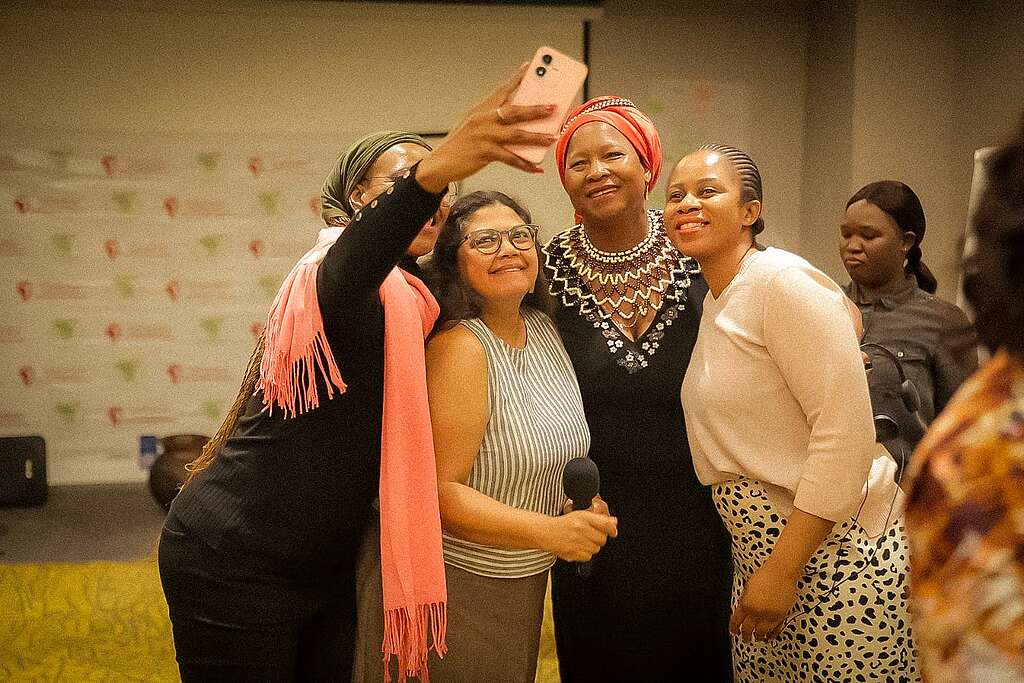
When I stepped into the setting of the African Feminist Academy for Climate Justice, I could feel a positive vibration enveloping the room. The venue was buzzing with women in all their identities from diverse backgrounds, all coming together to take a stand for climate justice and make a difference in our shared world. Over the five transformative days, we explored themes that transcended boundaries and touched the very core of our existence. It was an experience that left an indelible mark on my heart, mind, and soul and spoke to how far feminism in Africa has evolved from fighting stereotypical gender roles to a more authoritative “I am here.”
Opening Our Hearts
On the first day, we set the stage for a process that centred radical healing and care, honouring our vulnerabilities and collective power. The space was filled with compassion and empathy as participants courageously shared their personal stories and struggles. We opened our hearts to one another, realising that our journeys are interconnected and intertwined largely by the impacts of the climate crisis, and other intersecting crises such as the debt crisis, and COVID19 pandemic. As African women, youths and Indigenous people, we find strength in unity, and togetherness, we embrace the Ubuntu philosophy of ‘I am because we are’ as a vital rallying point to address the climate crisis.
The Climate Crisis and Power
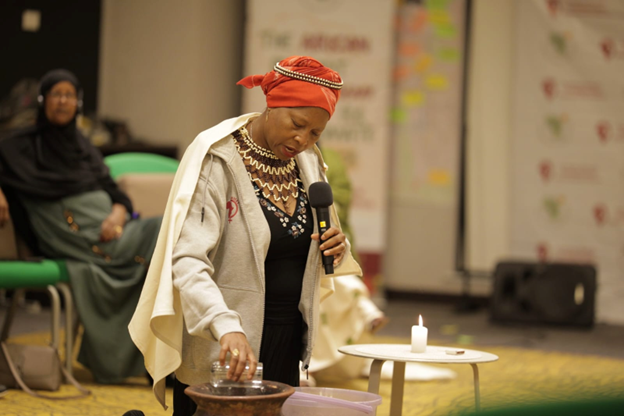
The second day brought us face-to-face with the harsh realities of the climate crisis during the ‘Opening our Eyes’ Session. We acknowledged its disproportionate impact on women and girls in the global South. Climate crisis isn’t just an environmental issue; it is deeply intertwined with the global system of accumulation, the unequal power relations, and the social and economic systems. The mid-session chants were led by Nigerian Activist Idongesit Umoh chanting, “Women, Women! And the room bustled with a response, “Power! Power!” “Men Support, Men Support:” As our eyes were opened to the truths of how power is a critical component in dealing with the climate crisis, a fiery determination to effect change ignited within us.
“Solving the Climate crisis must also solve the poverty, unemployment and inequality crises.” – Sibongile Ndlovu
The African Feminist Academy for Climate Justice dubbed #AfricanFeministStories Day 3 was about the intersectionality of the climate crisis and the economy. How are our personal experiences rooted in larger social structures? Participants shared their lived experiences, showcasing the resilience they displayed in the face of economic challenges exacerbated by climate change. We recognised the need to address economic systems that perpetuate inequality and embrace sustainable practices that uplift communities while safeguarding the planet.
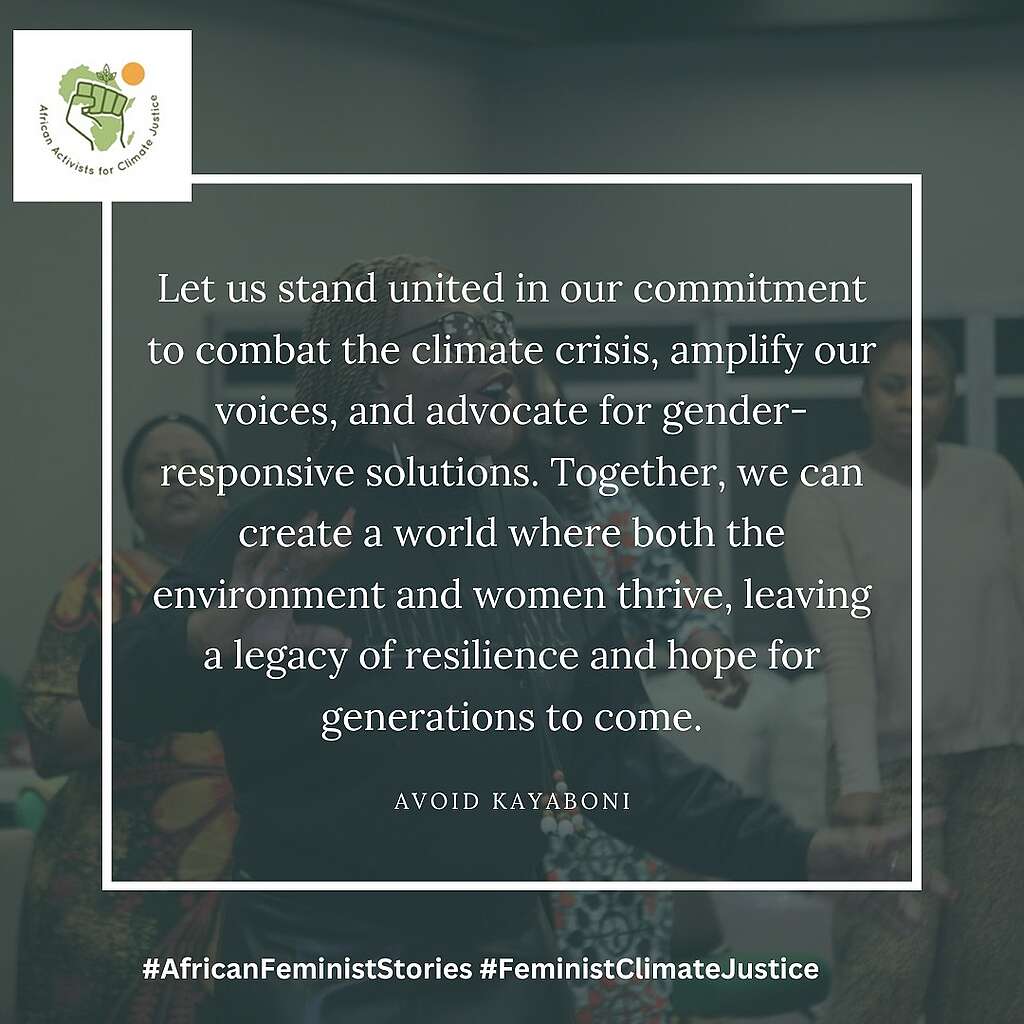
As the days progressed, we moved from introspection to action. On the fourth day, we explored feminist transformative narratives that would inspire collective action. Participants went into groups to tell their stories, and the power of storytelling became evident as we exchanged tales of hope, resilience, and perseverance. We understood that our narratives had the potential to mobilise communities and ignite movements for a feminist regenerative future.
The last day of the academy was a culmination of all that we had learned and experienced in the week. Our hearts were filled with determination, our eyes were wide open to the challenges ahead, and our minds were teeming with transformative ideas. We united our voices and crafted a collective plan of action, demanding urgent change from governments, corporations, and society at large.
The African Feminist Academy for Climate Justice was more than just an event; it was a strengthening force for all of us in the room. We emerged as a formidable force (#FeministClimateJustice), an African feminist movement committed to safeguarding our environment, uplifting marginalised communities, and advocating for gender justice. We understand that climate justice is inherently intertwined with social justice, and we embrace the responsibility to drive positive change. Together, the participants are a beacon of hope, illuminating a path towards a just and more equitable world. The academy may have ended, but the journey has just begun, and we were more empowered than ever to take on the challenges ahead.
This story was originally posted on Femnet’s website.