
All articles
-
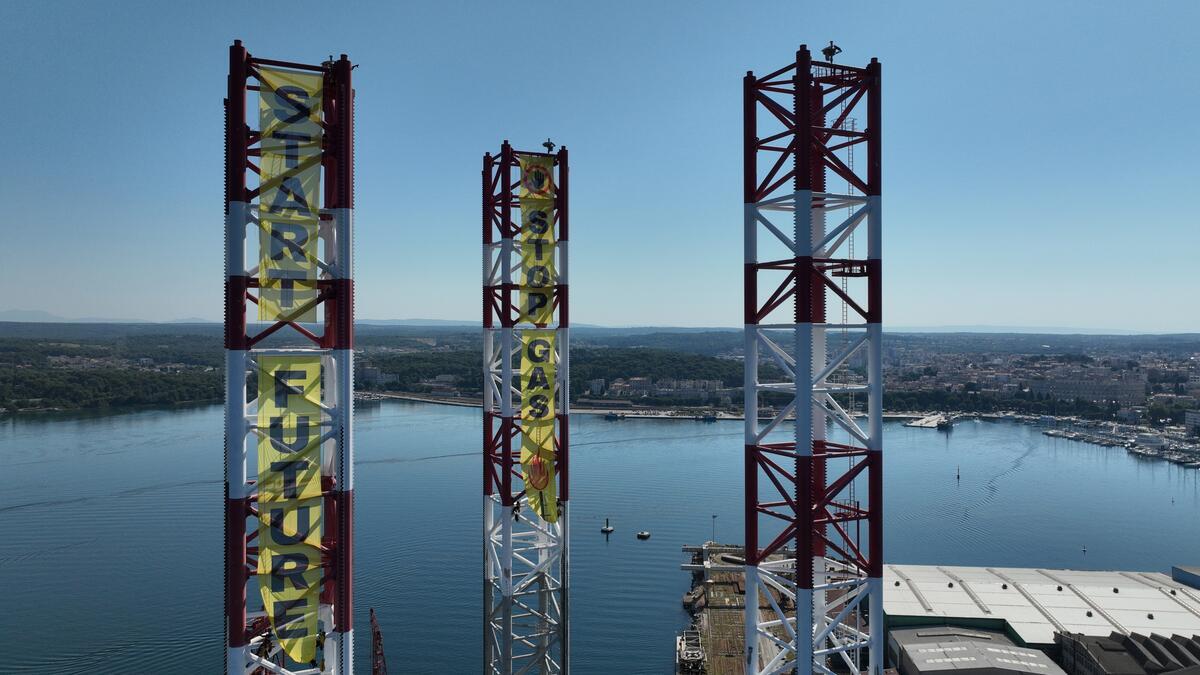
Sky-high protest: activists confront fossil gas in Croatia during heatwave emergency
Greenpeace Central and Eastern Europe activists from six countries have climbed 135 meters up a towering fossil gas installation platform known as a Jackup rig.
-
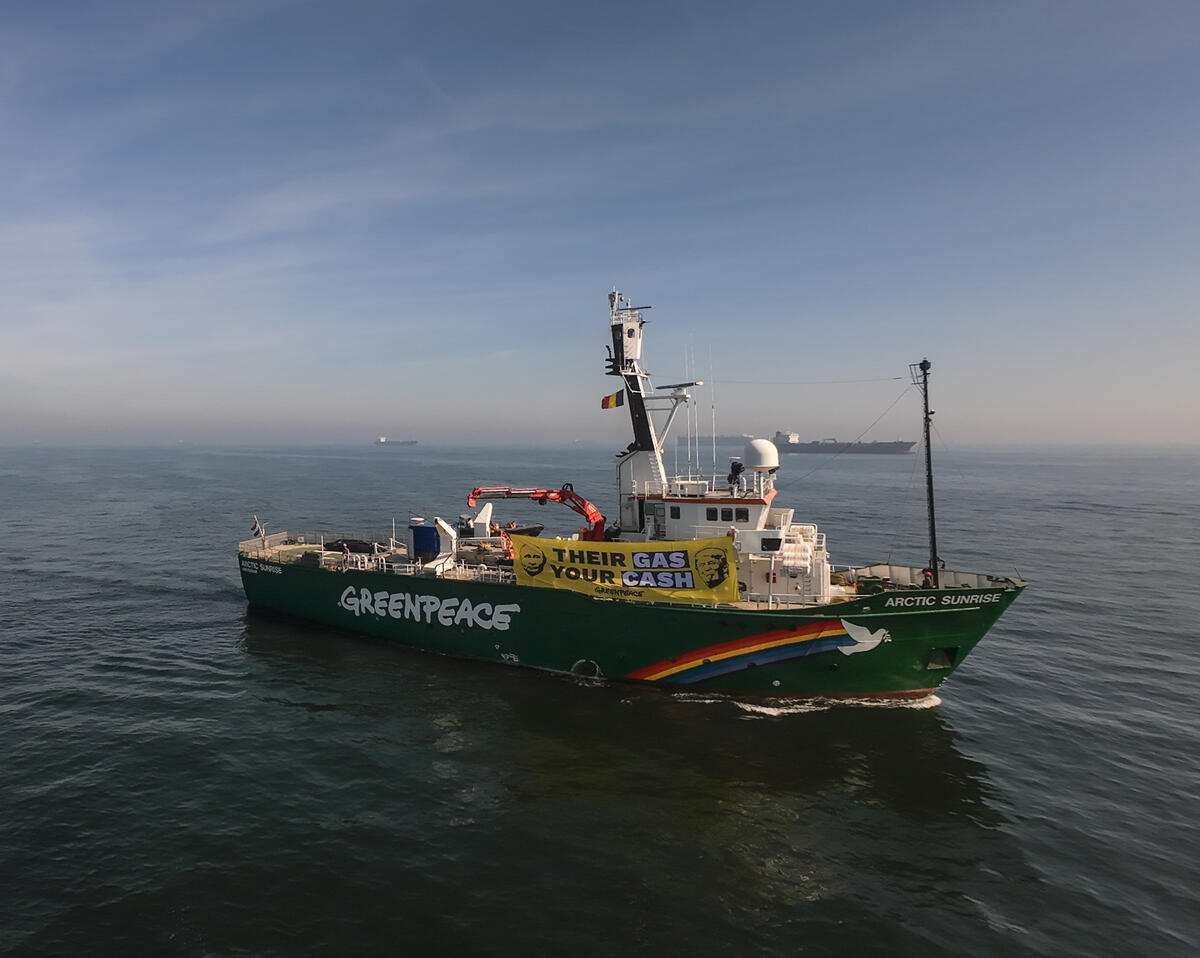
The Greenpeace ship Arctic Sunrise is on a mission to stop fossil gas
Greenpeace’s iconic Arctic Sunrise is on a mission across Europe to expose the dirty truth about fossil gas, and build a European movement for a fossil-free future.
-
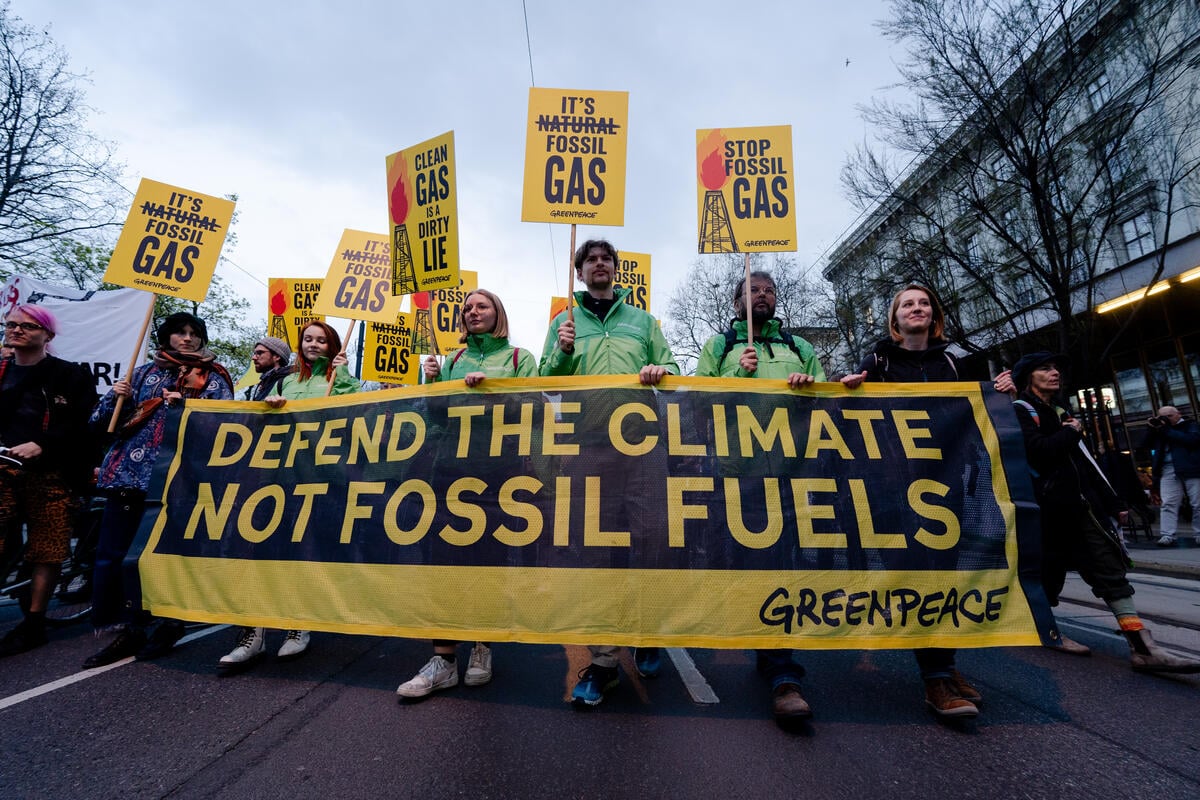
Fossil fuels are a threat to our security – here’s 6 reasons why
About 80% of the world’s energy still comes from fossil fuels. This reliance is a huge risk for us. Not just because gas, oil and coal are fuelling the climate crisis.
-
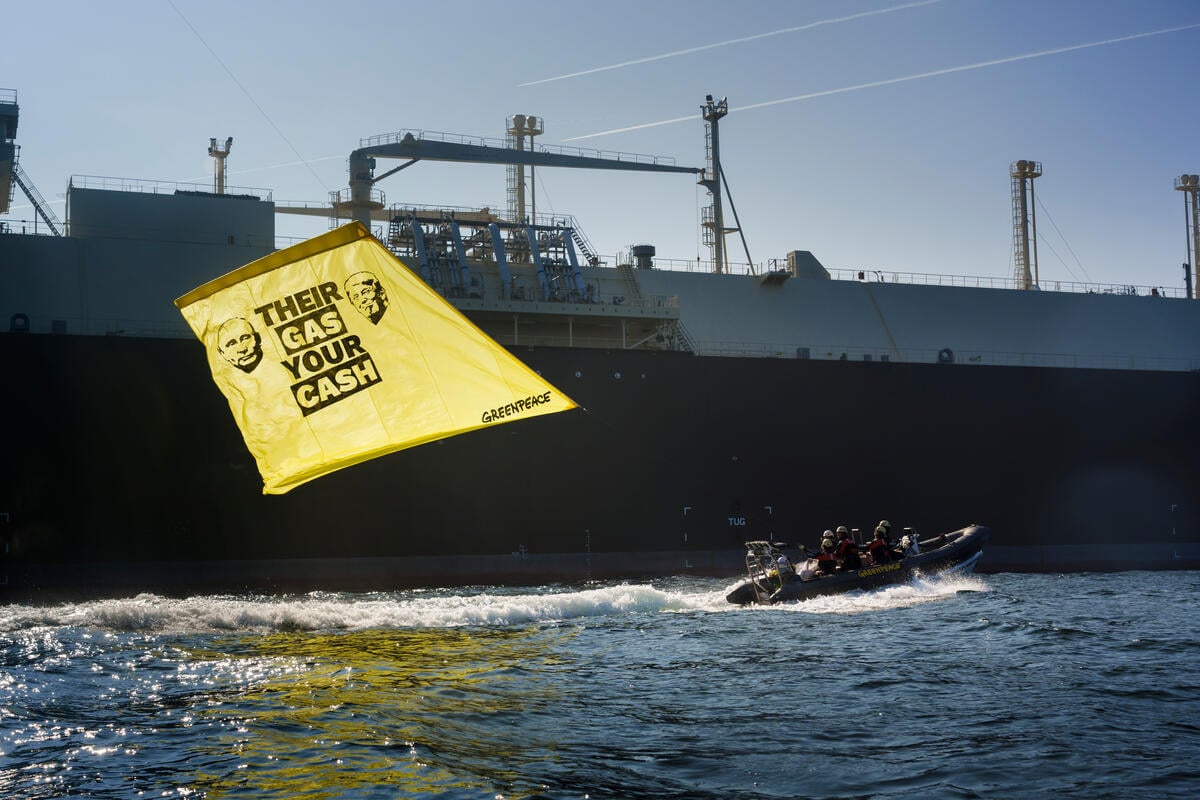
‘Their gas, your cash’ In the North Sea, European activists protest arrival of US fossil gas
Today, eight activists from Greenpeace Belgium confronted an LNG tanker coming from the US, and heading for the port of Zeebrugge, in protest of Europe’s continued dependence on fossil gas imports
-

Three years on: Russia’s fossil-fuelled invasion of Ukraine continues
The Greenpeace Ukraine team writes this blog on the third anniversary of Russia’s full-scale invasion of Ukraine with a terrible sense of déjà vu. Together, we can help bring an end to this devastating war, and forge a path towards a just peace and green reconstruction in Ukraine.
-
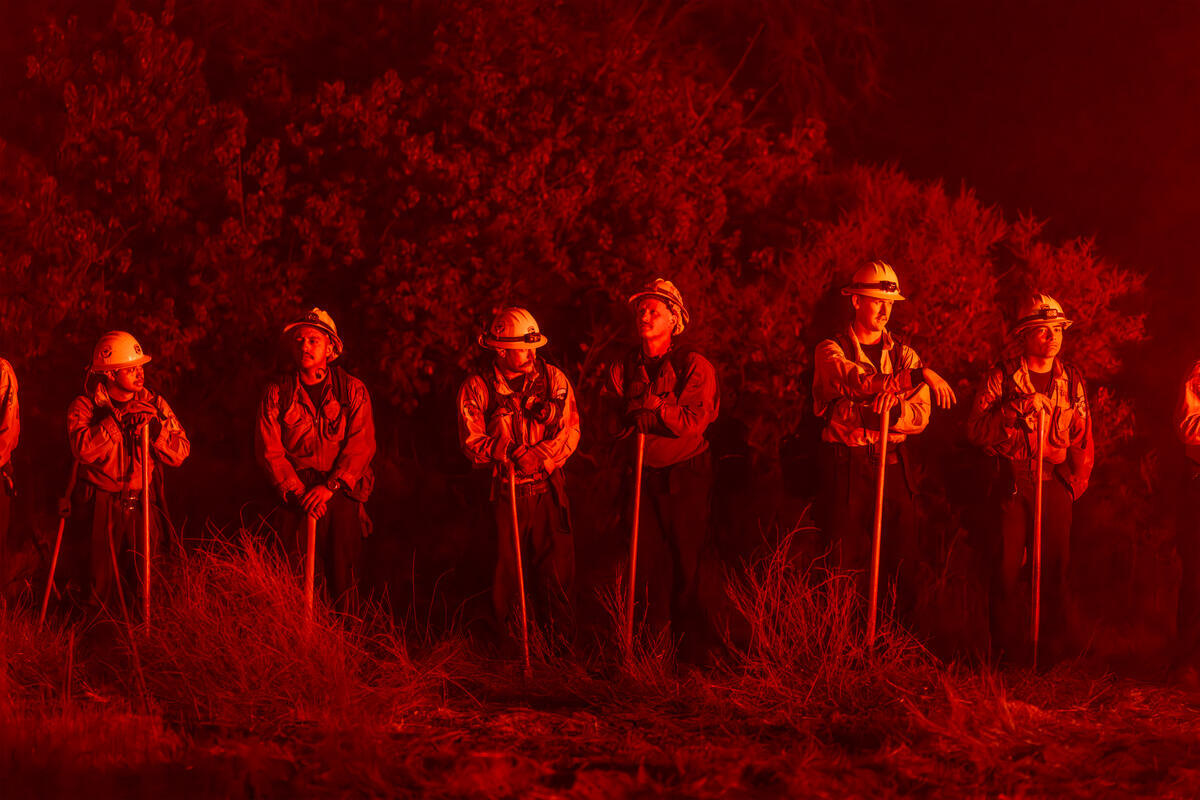
Lessons from the Los Angeles wildfires
Harrowing images from the recent California fires drive home the existence of climate change and underscore the need for global preparedness.
-
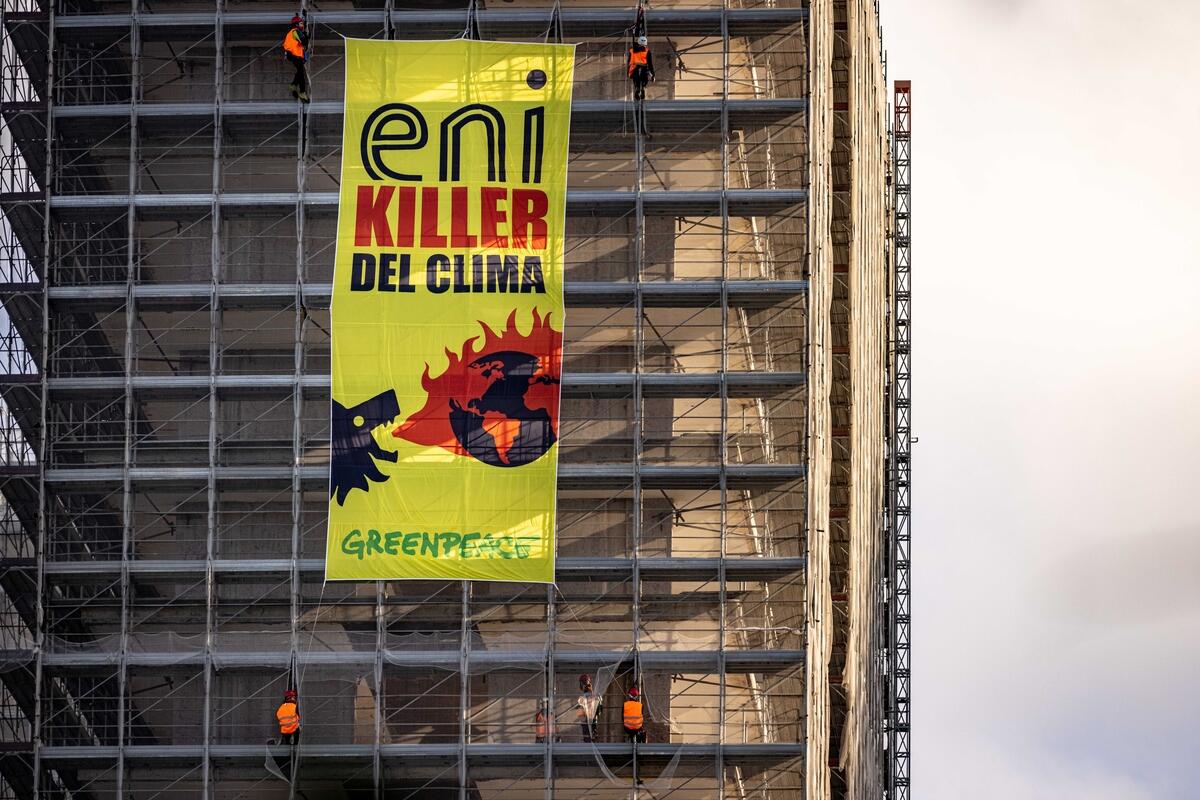
Italy’s Supreme Court to decide on legality of climate-related lawsuits
The Supreme Court of Cassation will hold a hearing tomorrow at 10 a.m. to decide if the national courts in Italy can decide on climate-related matters in their jurisdiction.
-
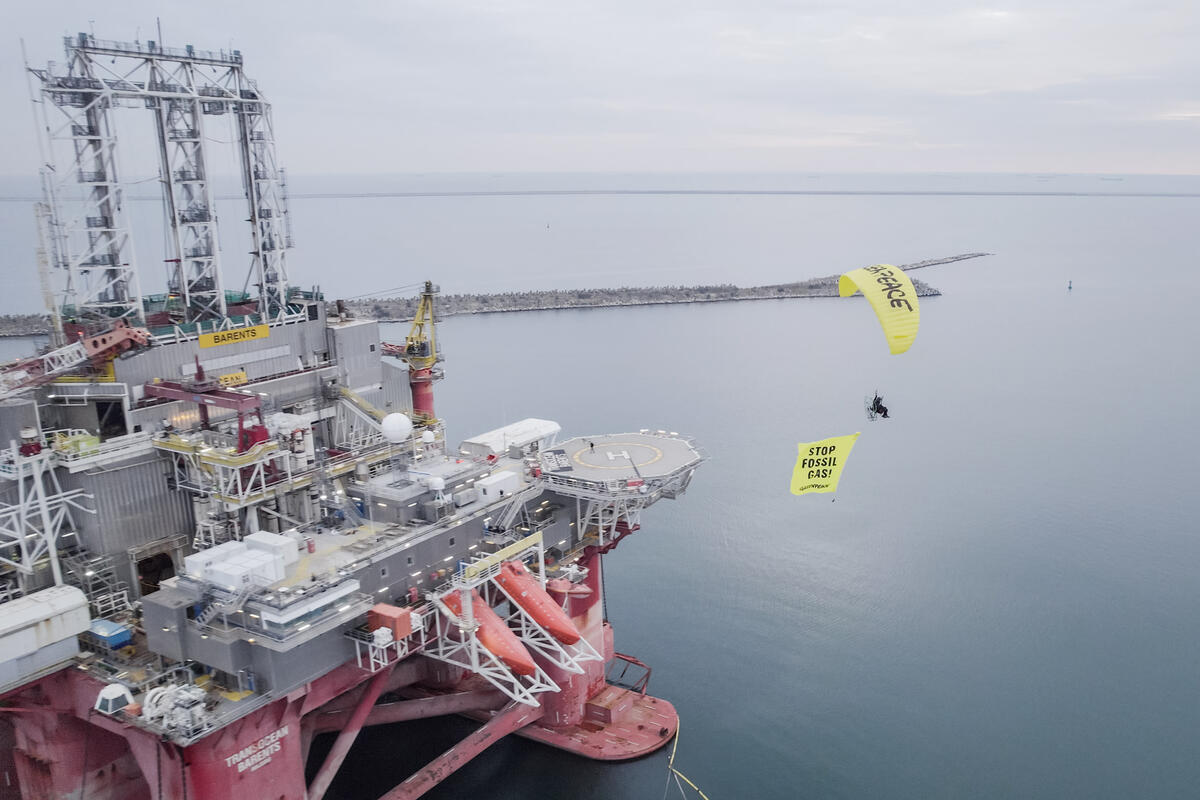
Greenpeace Black Sea protest: Proposed gas project could cause tens of thousands premature deaths
Tens of thousands of people worldwide could die prematurely before the end of the century due to extreme temperatures caused by the total greenhouse gas emissions from fossil fuel company OMV Petrom’s Neptun Deep project
-
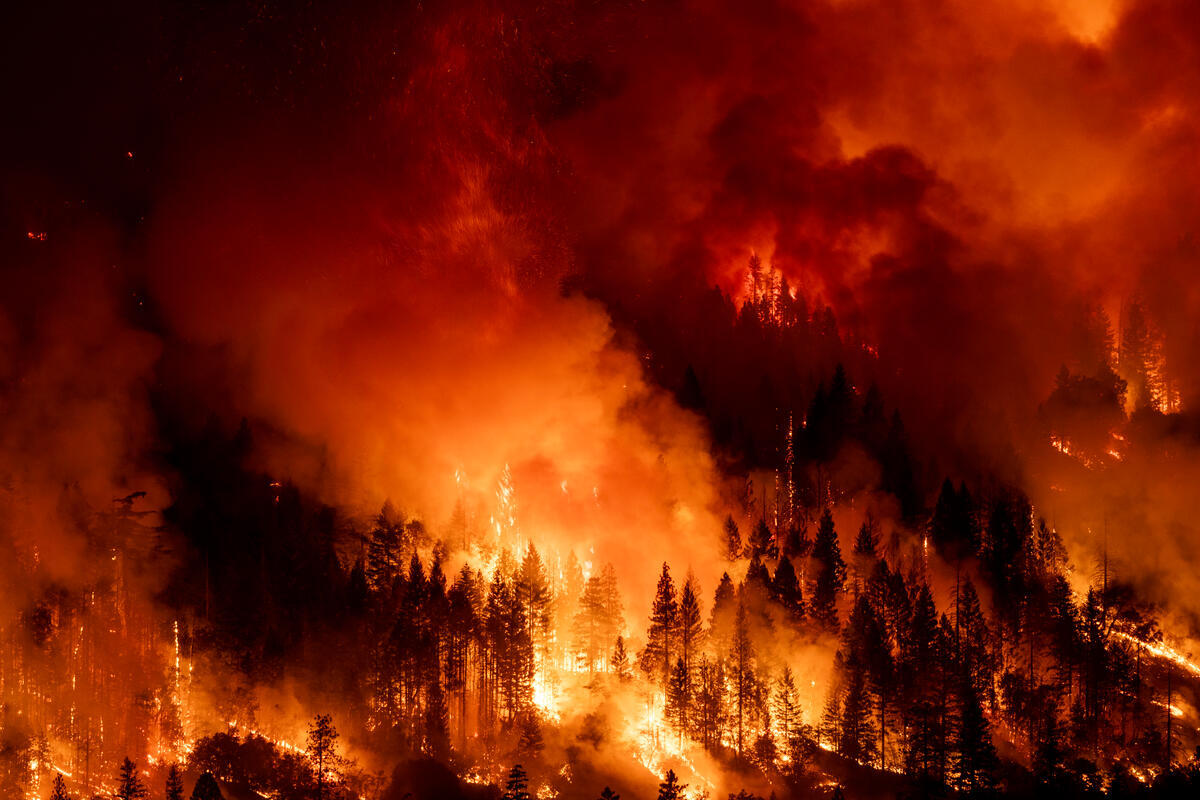
‘Hell of a year’: Greenpeace comments on hottest year on record, the first to exceed 1.5°C
Reacting to the 2024 Global Climate highlights report by the WMO, Copernicus, Met Office, NASA, and other global climate monitoring organizations showing new climate extremes reached in 2024
-
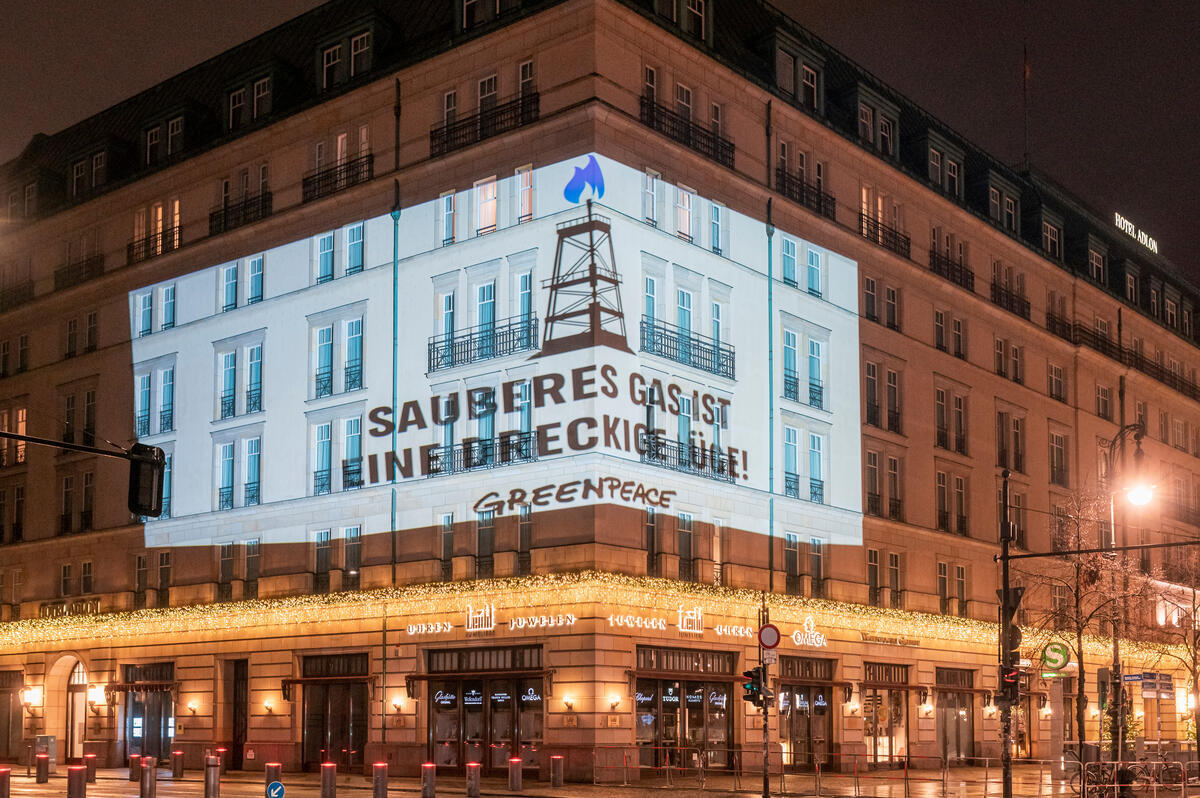
New study: Liquefied gas, an unnecessary yet explosive risk
A new study commissioned by Greenpeace Germany delves into the history of liquefied gas (LNG) accidents, highlighting lack of transparency, underestimated risks to human safety, and failing safety protocols.