Tu firma puede cambiarlo todo

Únete a miles de personas que ya se atrevieron a hacer la diferencia.
Black Friday Action with Tower of Packaging Boxes in Osnabrück. © Lars Berg / Greenpeace

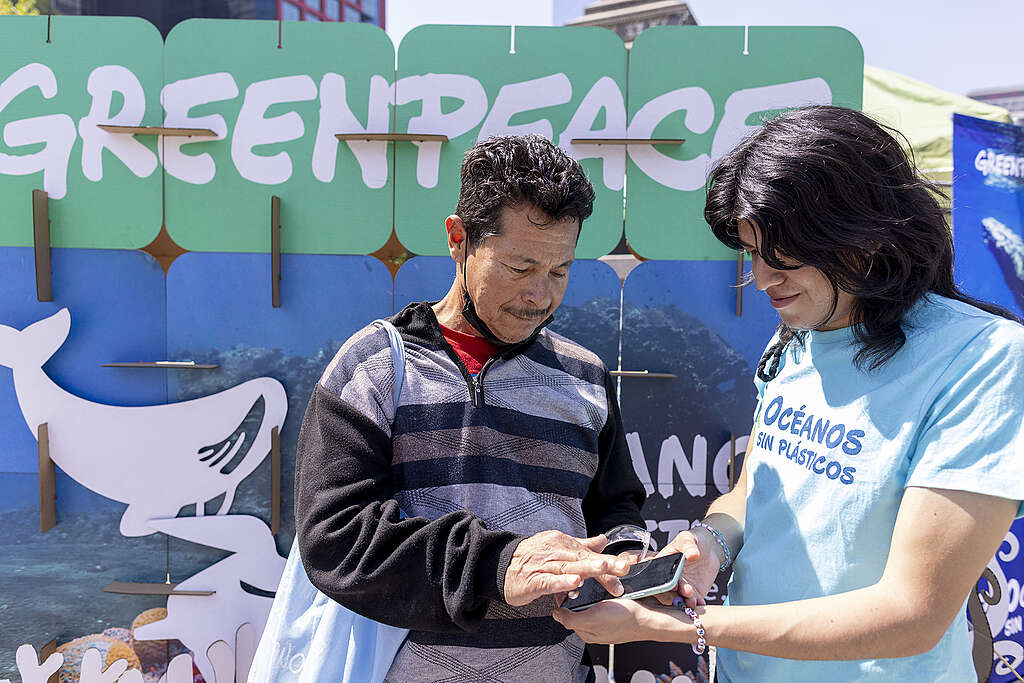
Las marchas y manifestaciones son poderosas, pero tienen un límite: solo pueden participar quienes están físicamente presentes. Las peticiones en línea eliminan esa barrera y permiten que personas de todo el mundo se unan a una causa, sin importar dónde se encuentren.

Close-up from the Greenpeace Germany Office in Hamburg. © Christian Bartsch / Greenpeace

Sí. Firmar una petición importa y funciona. Greenpeace utiliza la recolección de firmas, físicas o digitales, como una estrategia de presión colectiva.

Las peticiones son poderosas porque:

  • Son parte de una estrategia de cambio
  • Presentan una demanda clara y específica
  • Se dirigen directamente a quienes pueden (y deben) actuar
  • Son públicas: no pueden ser ignoradas
  • Mientras más firmas, más presión sobre quienes toman decisiones
Un par de manos sostienen un puñado de residuos plásticos.
© Greenpeace

Alto a los plásticos en México

Hundreds of protesters gathered in the heart of the capital to warn of the serious environmental consequences that plastic pollution is generating. According to the NGO, each Colombian consumes 24 kilos of plastic per year.
© Juan Diego Cano / Greenpeace

Regulación mundial a los plásticos

Greenppeace campaigners Haldis Tjeldflaat Helle and Franziska Saalmann holding a banner with the text "Stop Deep Sea Mining!" onboard the Witness, a Greenpeace sailing vessel, while on a scientific expedition in August 2024 with a team from Greenpeace Nordic, Greenpeace Germany and researchers. As part of the Deep Sea Mining campaign, a 12-member crew sailed to a region in the Arctic Northeast Atlantic that Norway recently opened up for deep sea mining. The aim of the scientific expedition was to gather more data on cetaceans present in the dedicated mining area through hydro-acoustic and visual surveys.
© Christian Åslund / Greenpeace

Alto a la minería submarina

The Arctic Sunrise in dock at the Überseebrücke in Hamburg for Open Ship Days. The ship is open to the public with the crew and volunteers offering tours during the weekend.
© Bente Stachowske / Greenpeace

No al Cuarto Muelle en Cozumel

Ballena jorobada en Queensland, Australia.

Protege los Océanos

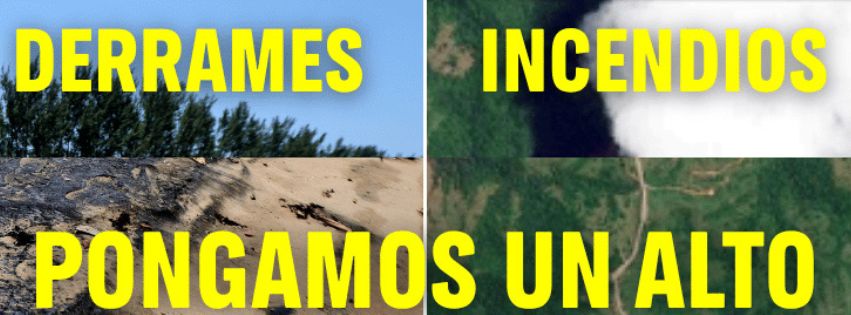
No más derrames

Greenpeace activists hand over ambassador Brett Hackett a petition signed by 40,000 Argentines who demand urgent measures from the Australian government to fight fire and mitigate the climate crisis. Along with the petition, activists display posters with the messages: "More climate change = more fires"; "Coal = climate change"; "Climate action now"; "There is not planet B"; "Australia: act on climate".
© Sebastian Pani / Greenpeace

Combate el cambio climático

Fire and smoke rise from a controlled burn of oil on the surface of the Gulf of Mexico near BP's Deepwater Horizon spill source. The BP leased Deepwater Horizon oil platform exploded April 20 and sank after burning, leaking record amounts of crude oil from the broken pipeline into the sea.
© Daniel Beltrá / Greenpeace

No al gasoducto Puerta al Sureste

U.S. President Donald Trump walks to a waiting Marine One helicopter on the White House South Lawn.  He was headed to Florida for holiday vacation on December 22, 2017.
© Yuri Gripas / Greenpeace

Alto al control de los multimillonarios

Alto al turismo depredador.

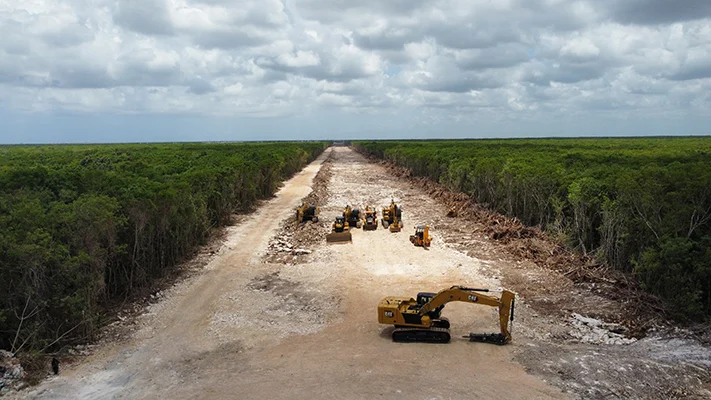
Greenpeace Mexico activists and representatives of other groups and organizations symbolically stop the construction works that are being carried out on section 5 of the Mayan Train that goes from Cancun to Tulum. 
Banners are displayed with the message "Protejamos la selva Maya" (Protect the Mayan Forest), while 8 activists chain themselves to the machinery. 
Through shocking images, Greenpeace denounced the deep devastation in the forest area.
© Paola Chiomante / Greenpeace

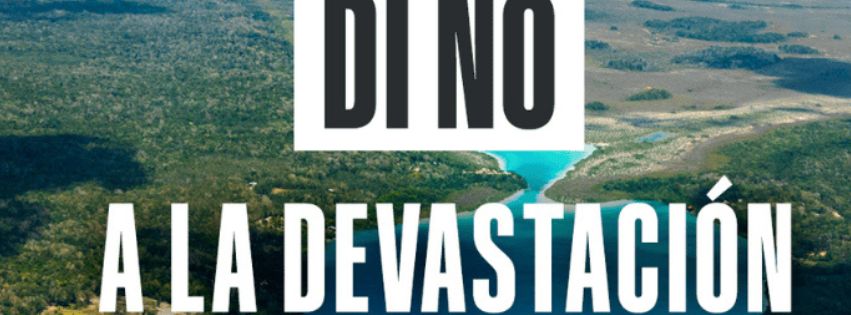
No a la devastación del Tren Maya

Aerial view of Real estate developments in Quintana Roo.
© Greenpeace / Prometeo Lucero

No más mega proyectos inmobiliarios

Cattle feed for dairy cattle.
© Greenpeace / Daphne Christelis

Por una agricultura ecológica

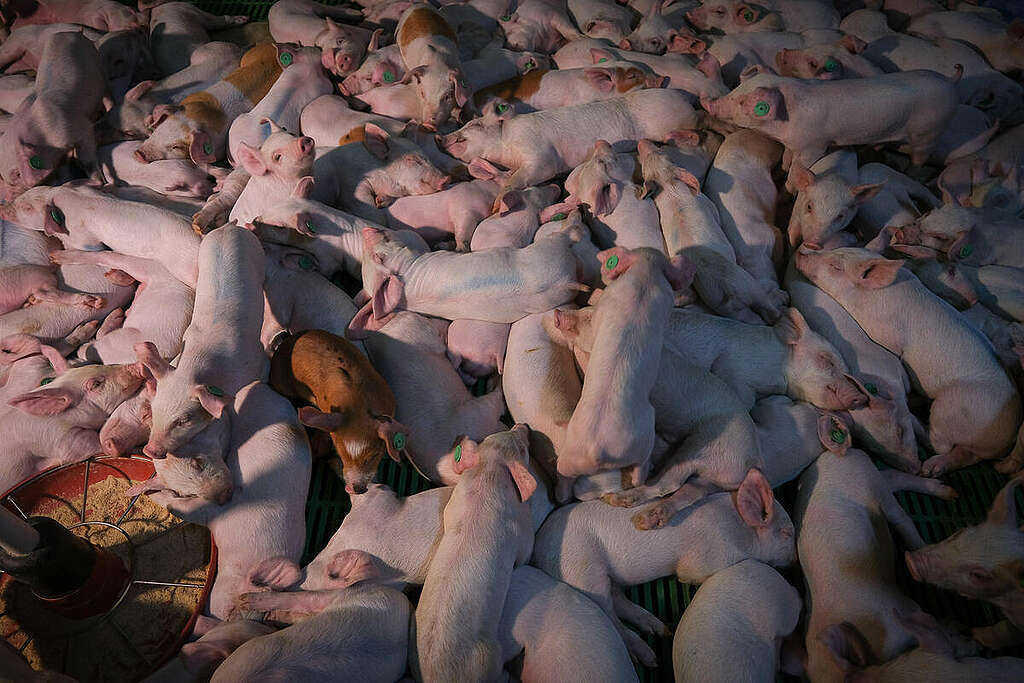
Sows in the short and narrow gestation cages in the factory farm Gut Thiemendorf in Thuringia, Germany. Greenpeace makes the situation public and demands that the cages are large enough for the sows to lie down, stand, stretch and not object or disable the neighboring sows. Images were handed to Greenpeace by anonymous researchers.
© Greenpeace

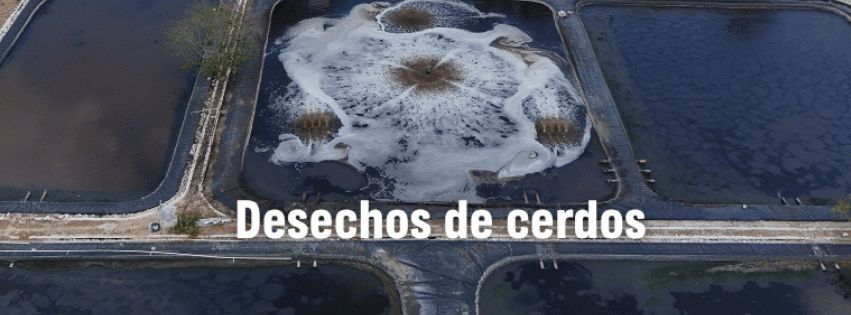
Alto a las mega granjas de cerdos

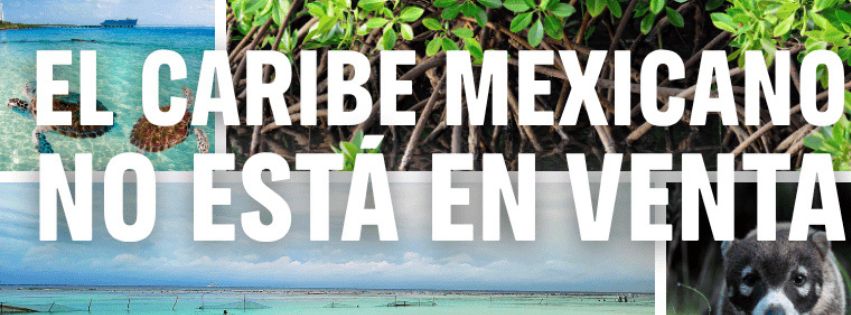
Royal Caribbean: ¡México no es tu parque de diversiones!

No permitamos la destrucción de manglares, arrecifes y playas mexicanas.

FIRMA
Greenpeace Spain activists enter one of the largest pig farms in the country and document serious scenes of neglected animals conditions and lack of hygiene.
The Cefusa facility (El Pozo - Grupo Fuertes) in Castilléjar, Granada, Spain, is the pig farm that emits the most methane and ammonia in the country.
Greenpeace asks the central government not to grant more licenses to open this type of facilities, or to expand existing ones, due to their environmental and social impacts.
© Pedro Armestre / Greenpeace

2022 – Homún: No a la Megagranja Porcícola

  • 181 mil firmas
  • Exigieron mantener cerrada una granja de 49 mil cerdos.
  • Resultado: la suspensión no se retiró. El poder ciudadano funcionó.

Greenpeace lamenta el fallecimiento de Ildefonso Zamora

2016 – Libertad para Ildefonso Zamora

  • 40 mil personas firmaron
  • Fue liberado tras 9 meses de encarcelamiento injusto.
  • La presión funcionó. La justicia ganó.
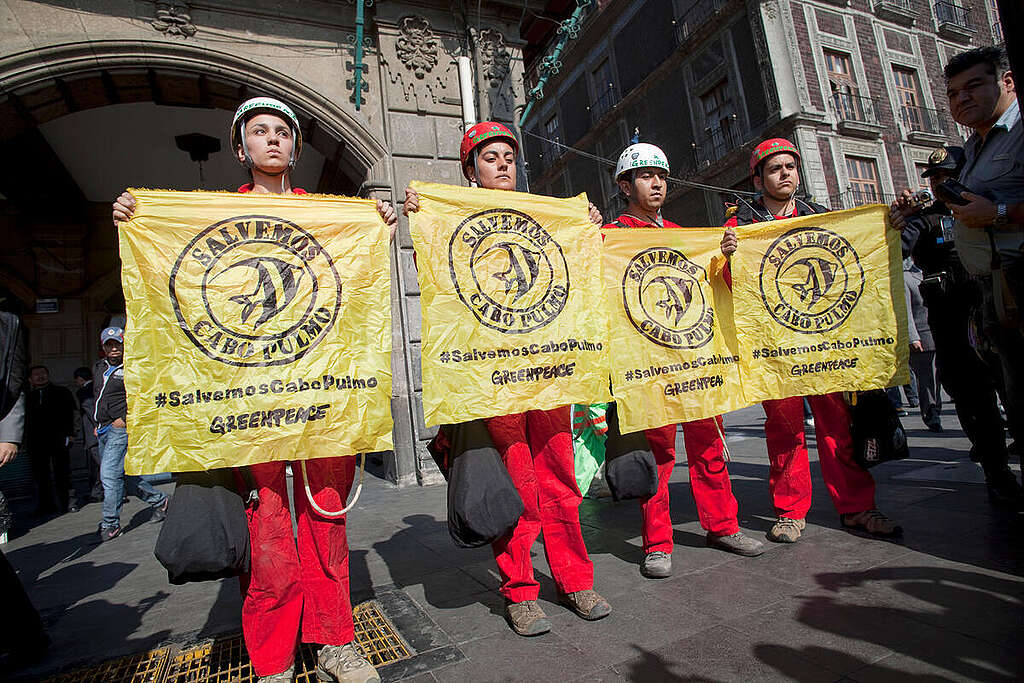
Greenpeace activists climb at the government building to protest against the former President by hanging a banner with a message "Calderón: Cancel Cabo Cortés!" to demand the former president Felipe Calderón to revoke the biggest predatory touristic project that threatens the marine reserve in Cabo Pulmo, Baja California Sur.
© Gustavo Graf / Greenpeace

2012 – Salvemos Cabo Pulmo

  • 221 mil firmas
  • Se canceló el mega proyecto turístico Cabo Cortés.
  • El parque marino está a salvo.
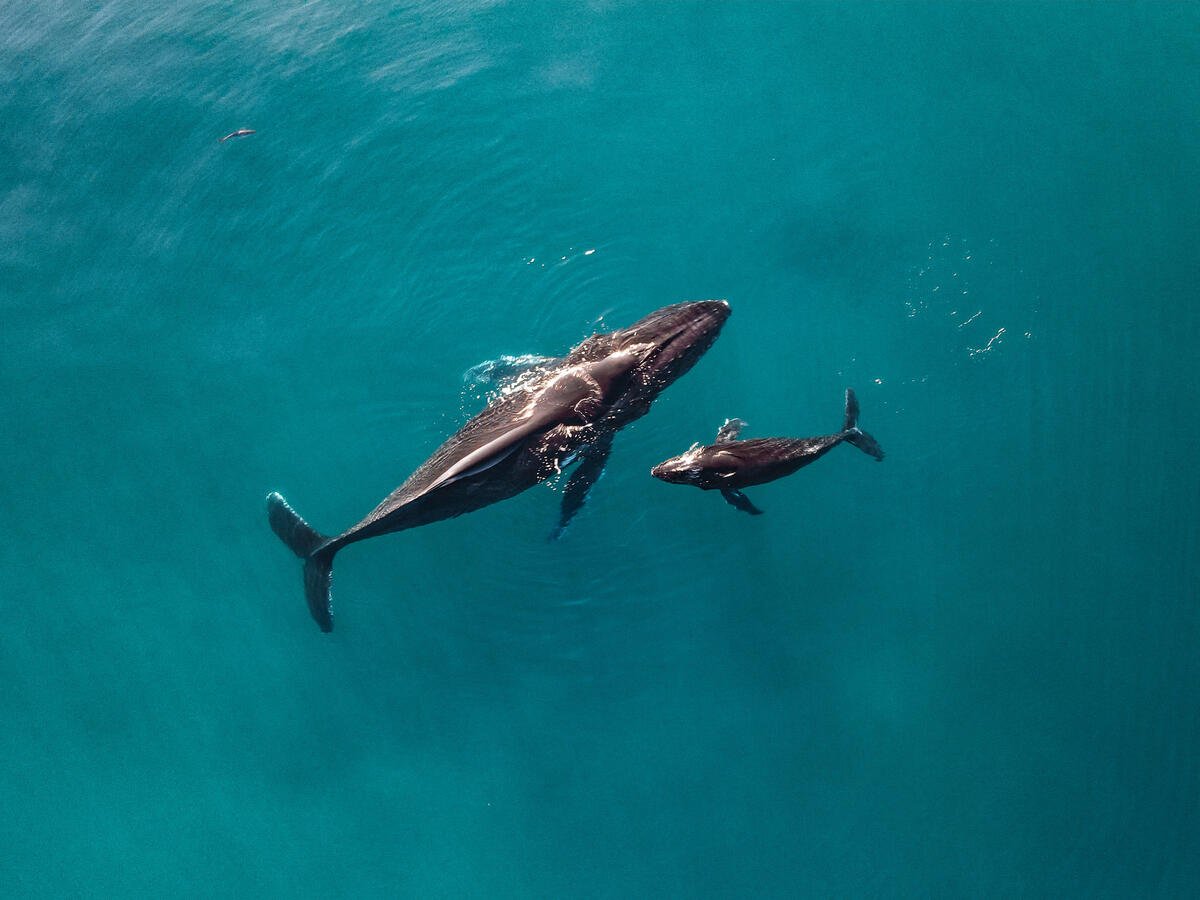
Aerial view of a Humpback Whale (Megaptera novaeangliae) Mother and Calf swim near Ningaloo Reef, Australia. The Western Australian coastline is a migration route for the Western Australian humpback whale population. Humpback whales undertake a consistent annual migration from high latitude Antarctic feeding grounds to low latitude breeding grounds.
© Brooke Pyke / Greenpeace

1999–2002 – Santuario Ballenero Mexicano

  • Más de 100 mil firmas
  • Tras 3 años de campaña, se estableció un santuario para cetáceos.