Problemas ambientales: una crisis que nos involucra a todos

¿Cómo llegamos hasta aquí y qué podemos hacer para revertir el daño?
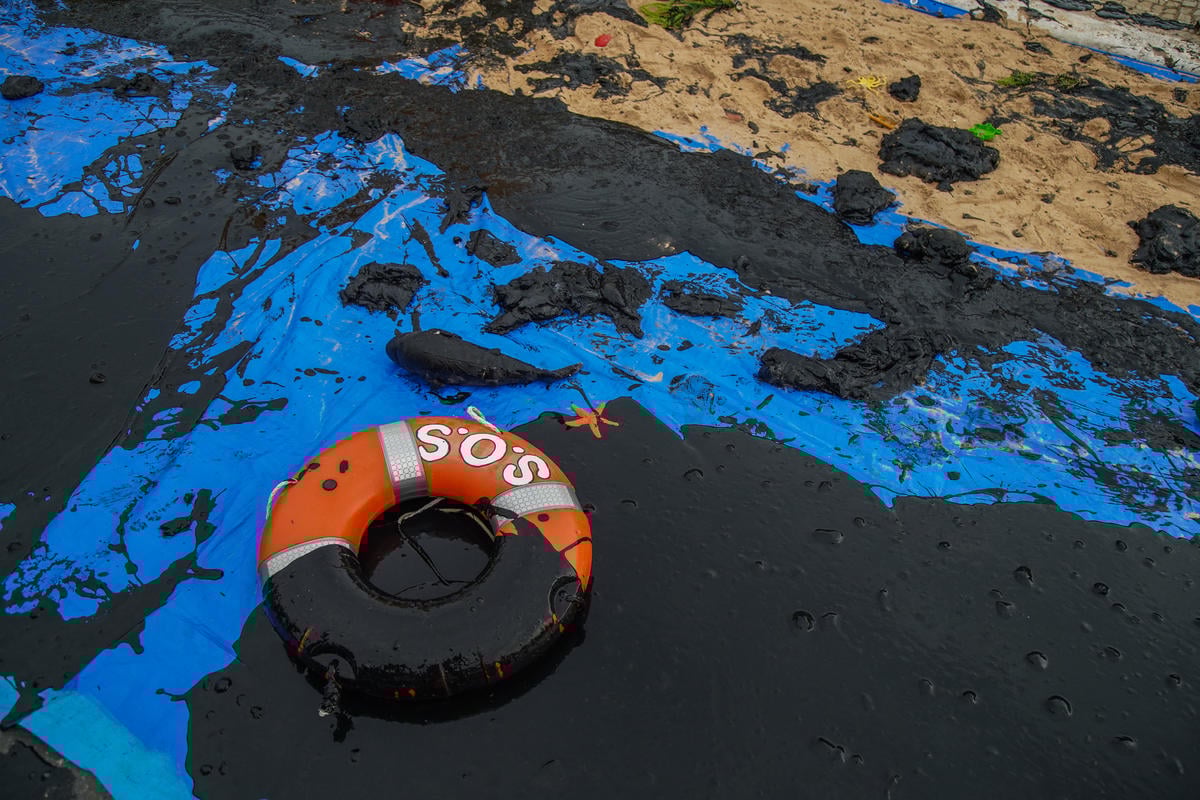
Oil Spill and Burnt Forest Action in Brazil. © Christian Braga / Greenpeace

Podemos convivir en equilibrio con el medio ambiente si respetamos los entornos naturales, la vocación de los ecosistemas y la vida que los habita. Sin embargo, cuando las actividades humanas priorizan las ganancias económicas sobre la conservación, los efectos son devastadores: degradación, contaminación y pérdida de vida silvestre.

Entérate cuáles son los principales problemas que enfrentamos y qué se necesita para detenerlos. La actividad humana está llevando al planeta a un punto crítico. Conocer los principales desafíos es el primer paso para actuar.
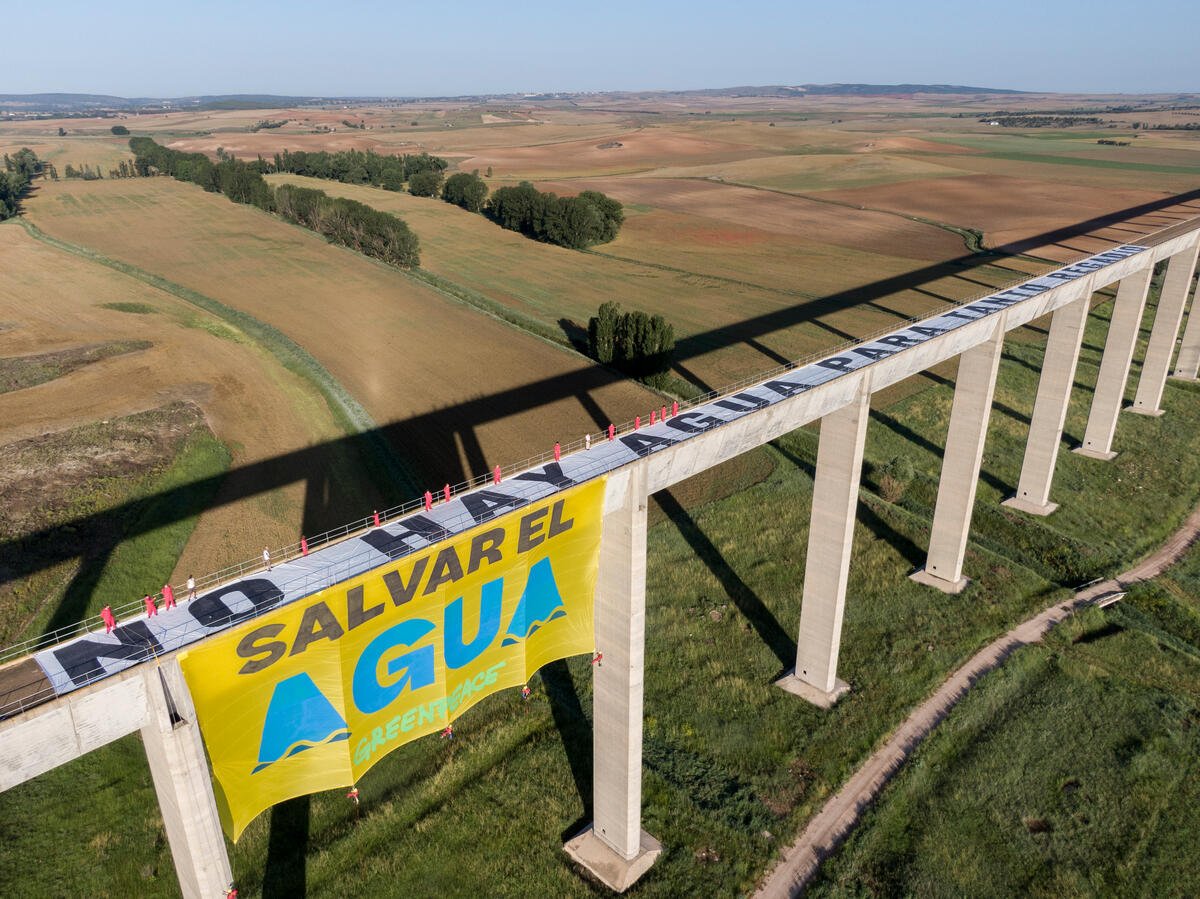
Around 25 Greenpeace activists have traveled to the Cigüela aqueduct, in Cuenca, to display a huge 225-meter banner with the slogan "there is no water for so much irrigation" with which to denounce the country's unsustainable hydraulic policy. The dammed water does not reach 48% this week and 44% of the aquifers are already in poor condition. With these serious data, it is incomprehensible that, between 2004 and 2021, irrigation -and only the "legal" ones- have increased by 16%. This is explained by Greenpeace in its report published this month "The irrigation bubble in Spain". to another huge 35 x 18 meter banner with the slogan “Save Water”, and to messages such as “Water for whom?” or “Mucho pipe and little water”, the activists have wanted to denounce the lack of political responsibility in this problem of the first order.
© Greenpeace / Pedro Armestre

Agua

La escasez, el desperdicio y la contaminación del agua dulce amenazan la vida humana, agrícola y silvestre.
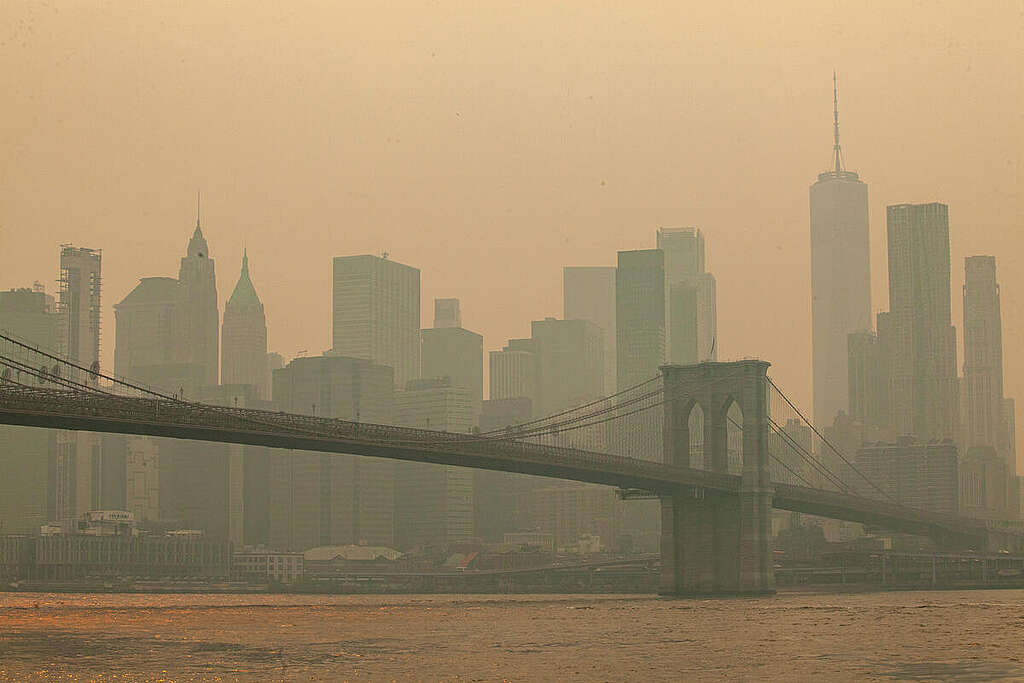
The Brooklyn Bridge and the New York City skyline are obscured by smoke.  Smoke from Canadian wildfires triggered air quality alerts in more than a dozen U.S. states with health officials warning people, especially those in sensitive groups, such as children, the elderly or with respiratory conditions, to limit their time outdoors or stay inside.
© Katie Camosy / Greenpeace

Calidad del aire

La contaminación atmosférica causada por industrias, vehículos y quema de residuos afecta gravemente la salud y el clima.
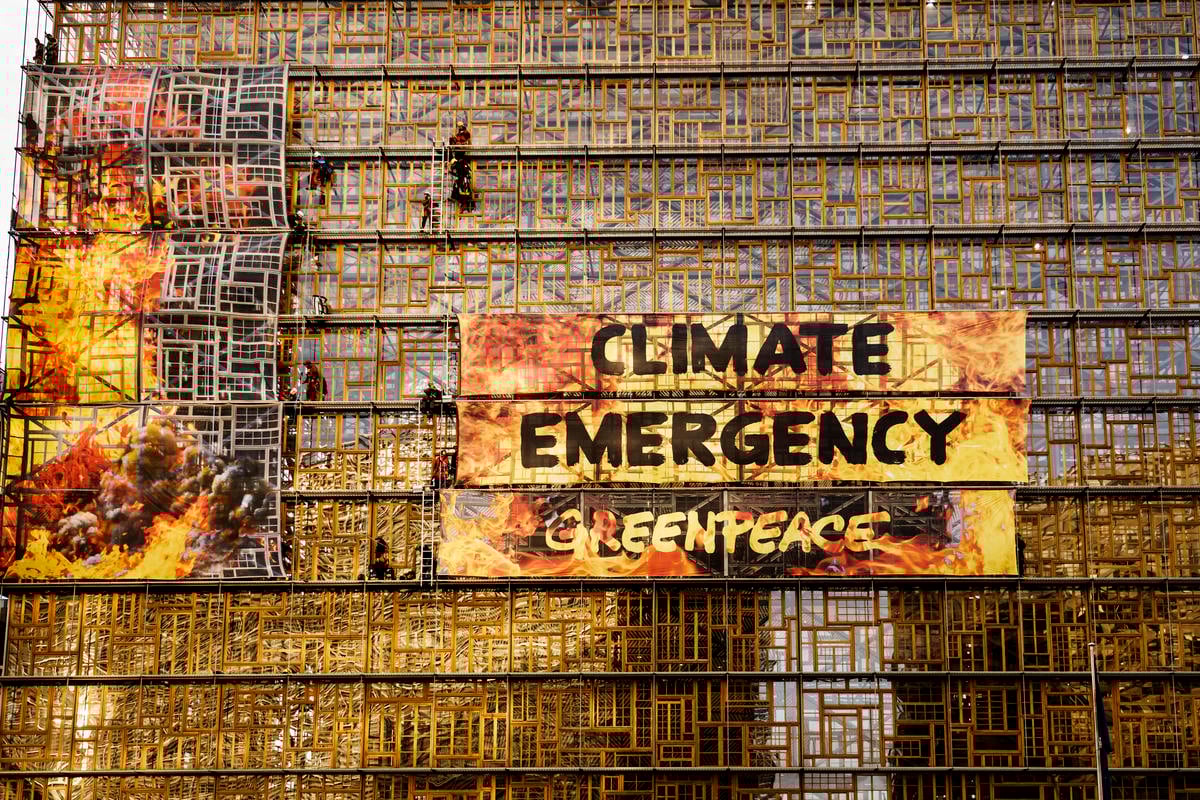
Greenpeace activists wrap the EU summit venue in Brussels with images of giant flames, setting off clouds of smoke, flares and sounding a fire alarm to urge European government leaders to take immediate action to respond to the climate emergency.
© Eric De Mildt / Greenpeace

Cambio climático

El calentamiento global está alterando los ecosistemas, provocando fenómenos extremos y poniendo en riesgo la seguridad alimentaria.
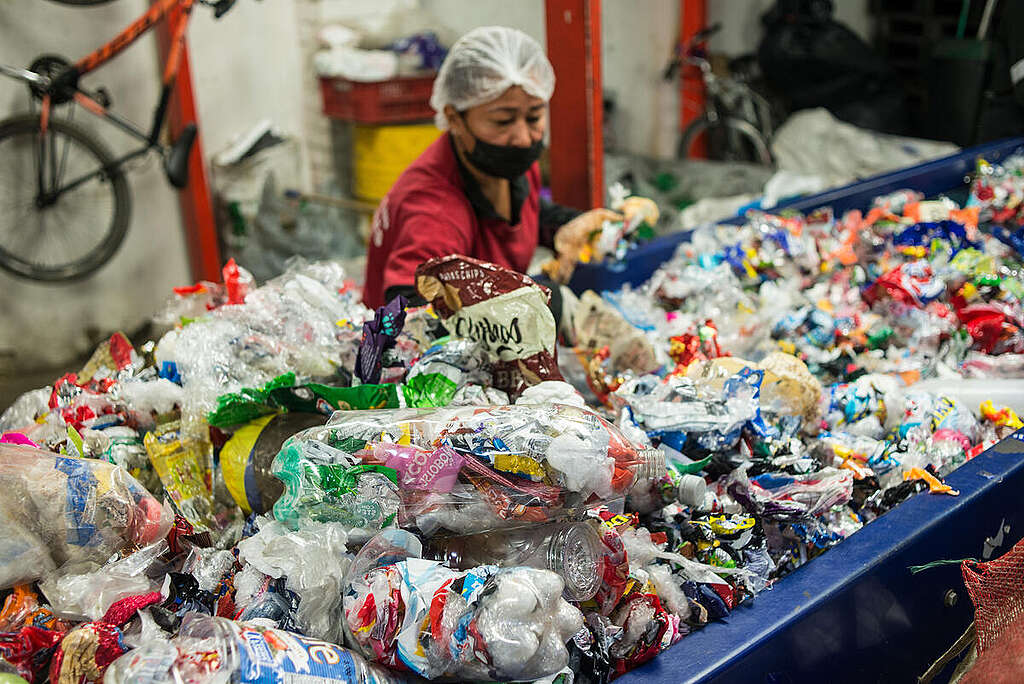
The crisis in waste management and plastic pollution is a reflection of our unsustainable lifestyles. We are consuming and producing at an unbridled pace. Bogotá generates more than 11 million tons of greenhouse gases. Waste management is the third cause (13%) of the climate crisis and one of the main pollutants of ecosystems such as rivers, soils and wetlands. In Bogotá, the culture of separating waste at source is incipient and consequently, recycling rates are low (17%) compared to other cities. Thanks to the work of 25,000 professional recyclers, 1,600 tons of garbage are recovered daily. The "Reciclemos Bogotá" campaign aims to raise awareness among citizens about the importance of separating waste at source, in order to increase the recycling rate, while making visible, supporting and dignifying the valuable work carried out by professional wastepickers in pursuit of equity and urban justice.
© Juan Pablo Eijo / Greenpeace

Contaminación plástica

Millones de toneladas de plástico terminan en mares y suelos, dañando especies y ecosistemas enteros.
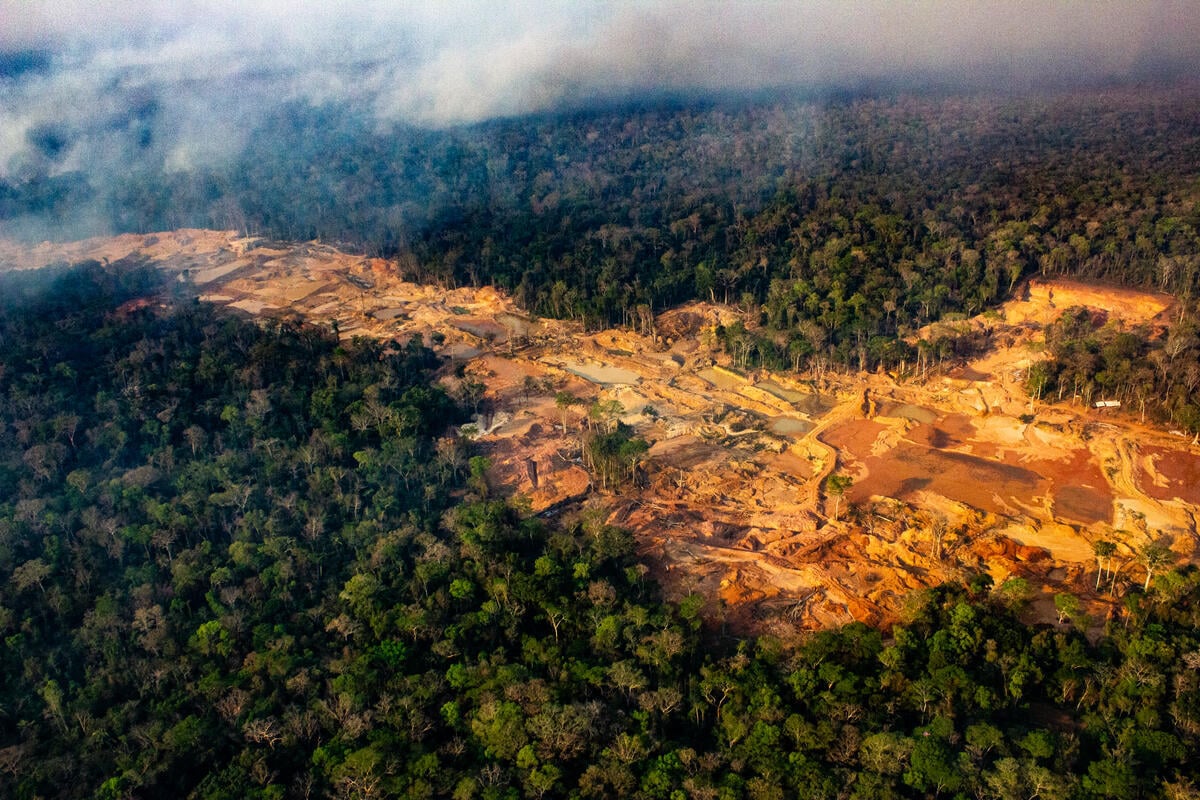
Demarcated in 1985, the Sararé Indigenous Land remains under siege by thousands of miners who are playing a game of cat and mouse with the security and environmental protection forces. Home to the Nambikwara people, the 67,000-hectare territory has been systematically dismantled by the action of hundreds of hydraulic excavators that, day and night, deepen the drama of a people who are held hostage in their own home.

Very close to the seven villages that are home to a population of 250 people, and spread across almost half of the territory, mining continues to expand and make the Nambikwara way of life unviable, ignoring the right of this population to live according to their customs and traditions.
© Fabio Bispo / Greenpeace

Deforestación

La pérdida de bosques para agricultura, ganadería y urbanización reduce la biodiversidad y acelera el cambio climático.
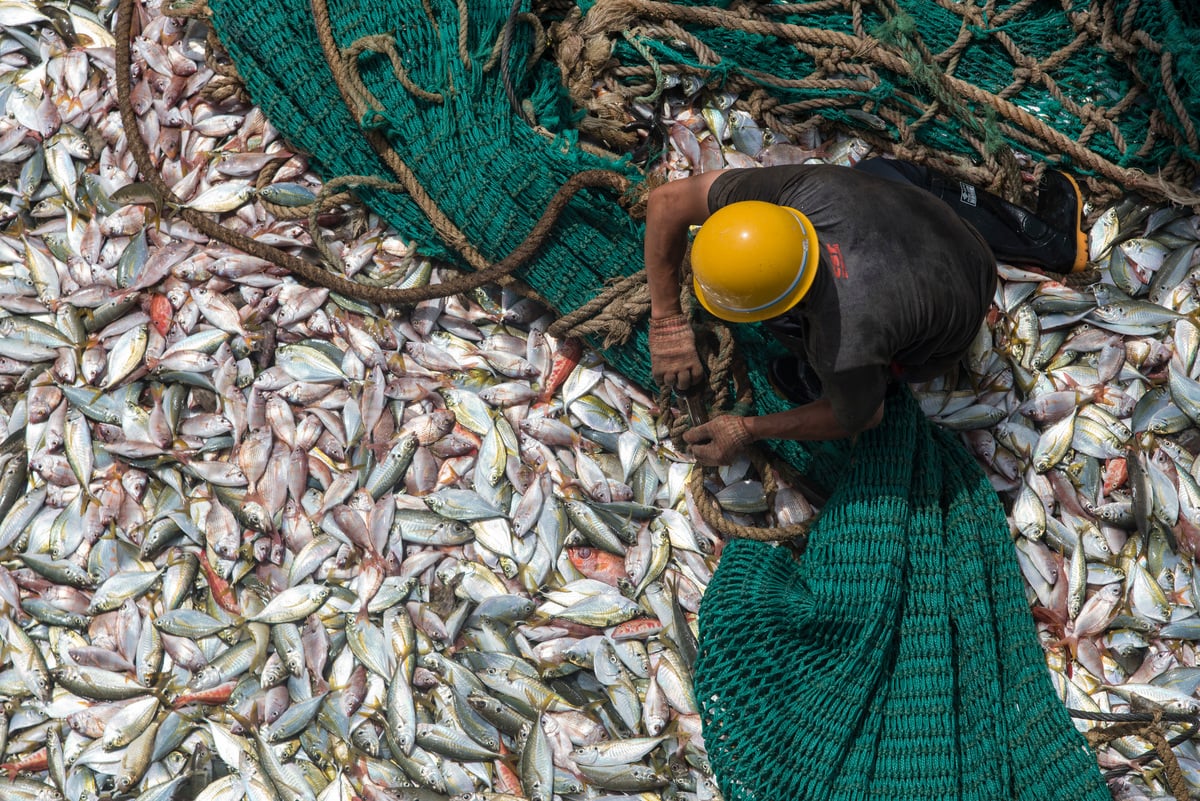
Fisherman on board the FU YUANG YU 380 Chinese fishing boat hauling the net.
Greenpeace is on tour in West African waters to address the problem of overfishing in the region.
© Pierre Gleizes / Greenpeace

Sobrepesca

La explotación excesiva de los océanos amenaza especies marinas y el equilibrio de los ecosistemas acuáticos.
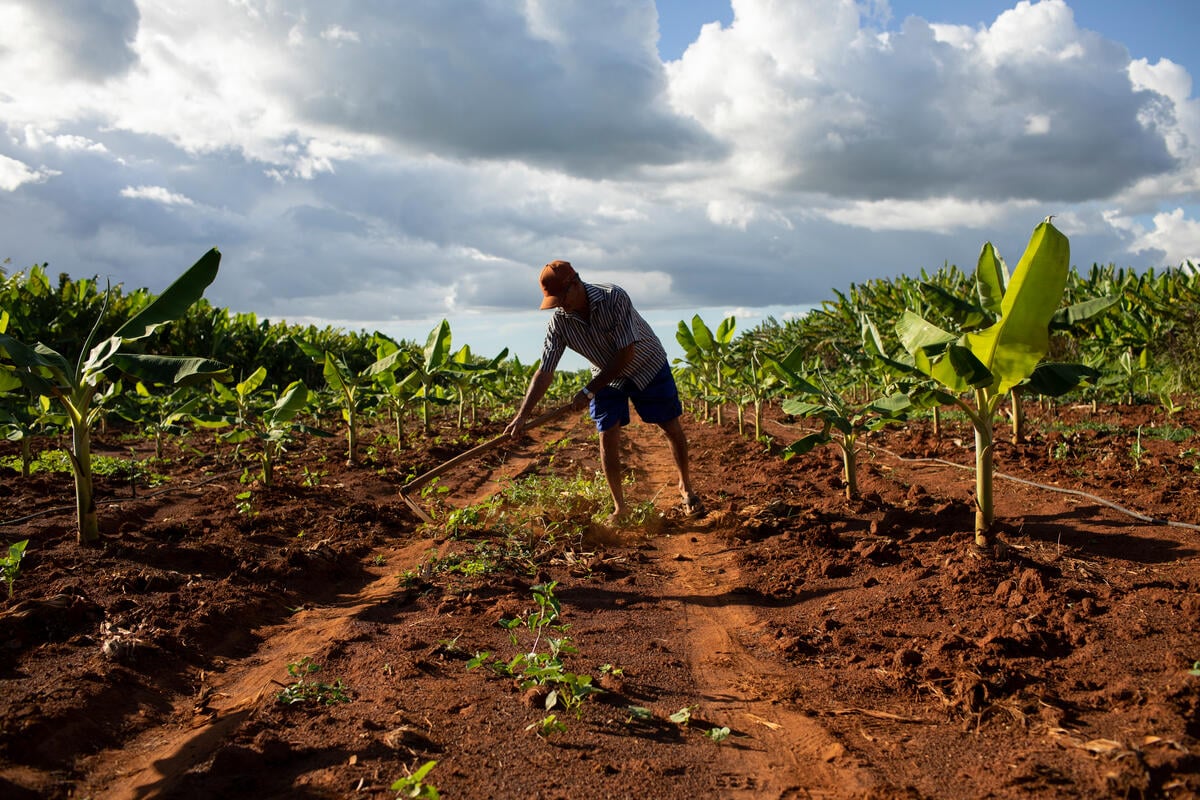
Greenpeace Brazil and Greenpeace Germany carried out an expedition to Chapada do Apodi, in the Jaguaribe Valley, Ceará, Brazil to portray the impacts of agribusiness and highlight the struggle of the local population. The region gave rise to the "Zé Maria do Tomé" law, the first in the country to prohibit the aerial spraying of pesticides ("poison rain") and which bears the name of an activist murdered in 2010 for defending family and agroecological agriculture.

Banana plantation at the Zé Maria do Tomé camp, in Chapada do Apodi (CE), municipality of Limoeiro do Norte.
© Nilmar Lage / Greenpeace

Agroindustria

El modelo agrícola intensivo contamina suelos, consume enormes cantidades de agua y contribuye a la pérdida de biodiversidad.
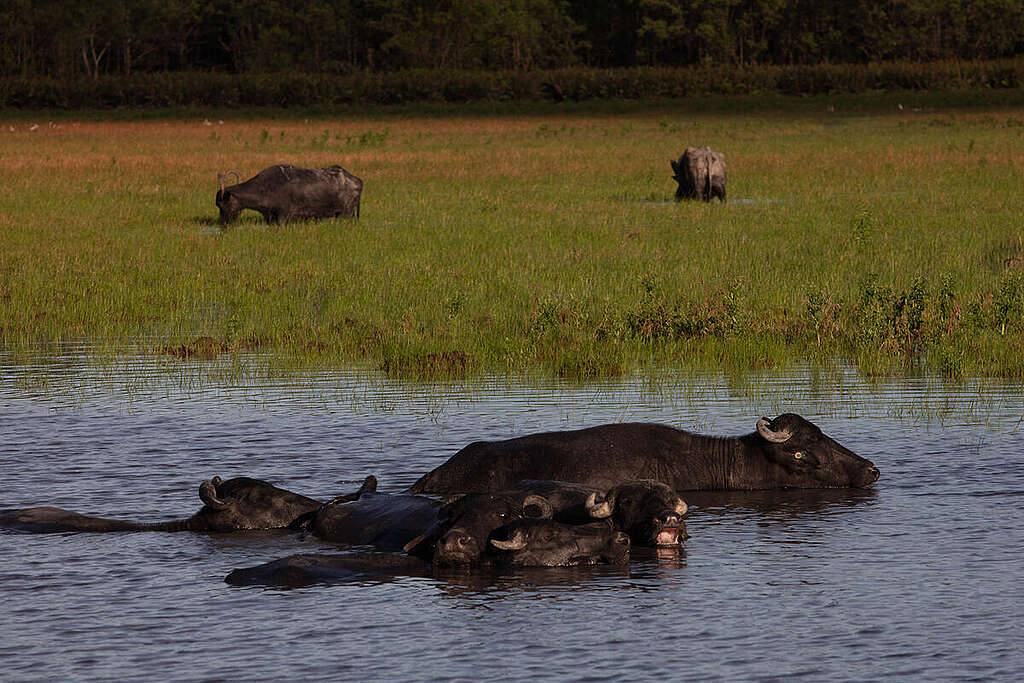
Greenpeace Brazil visits communities in the Foz do Amazonas between Oiapoque and Bailique to document the beauty and its biodiversity. 
The region is targeted by the oil industry and a petroleum geology study has been carried out.
© Enrico Marone / Greenpeace

Pérdida de biodiversidad

La destrucción de hábitats, la contaminación, el cambio climático y la introducción de especies invasoras están causando un colapso silencioso en los ecosistemas.
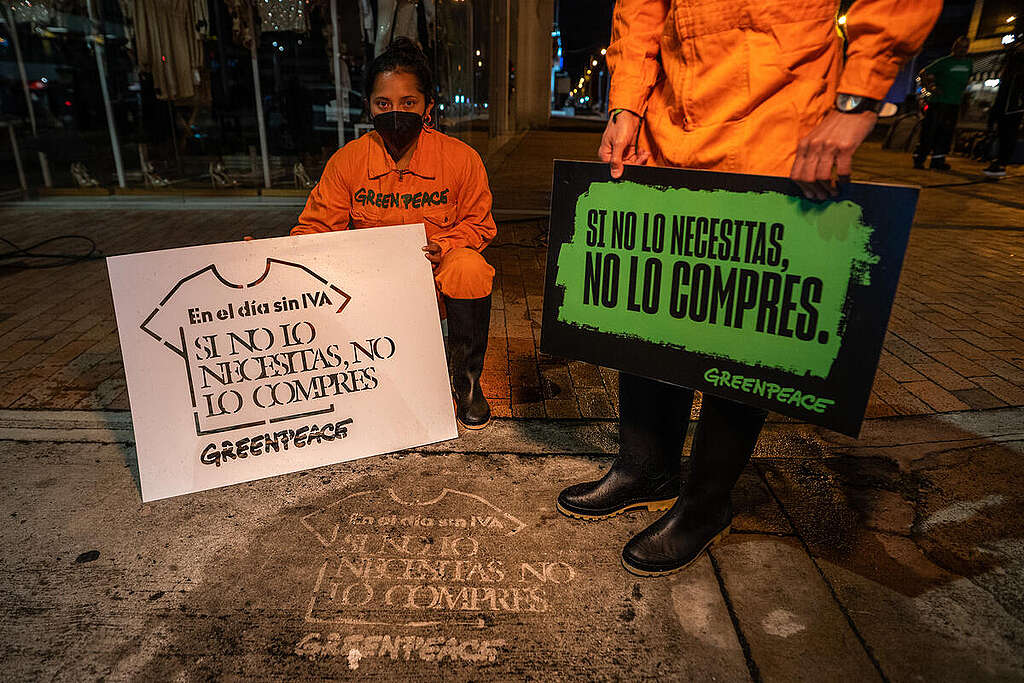
With the clean graffiti technique, Greenpeace Colombia volunteers left the message: "If you don't need it, don't buy it", on the streets of Bogotá, to show the big brands that we don't want their unnecessary offers, but a sustainable consumption that takes care of the planet. Excessive consumption in cities is responsible for 70% of global greenhouse gas emissions. Changing unsustainable consumption habits is mandatory if we want to reverse the current climate crisis. In Bogotá, the Day without VAT has registered sales of more than 6.5 billion Colombian pesos.
© Greenpeace / Nathalia Angarita

Consumismo

El modelo actual promueve un ciclo de comprar, usar y desechar, que agota los ecosistemas, genera toneladas de residuos y alimenta el cambio climático.
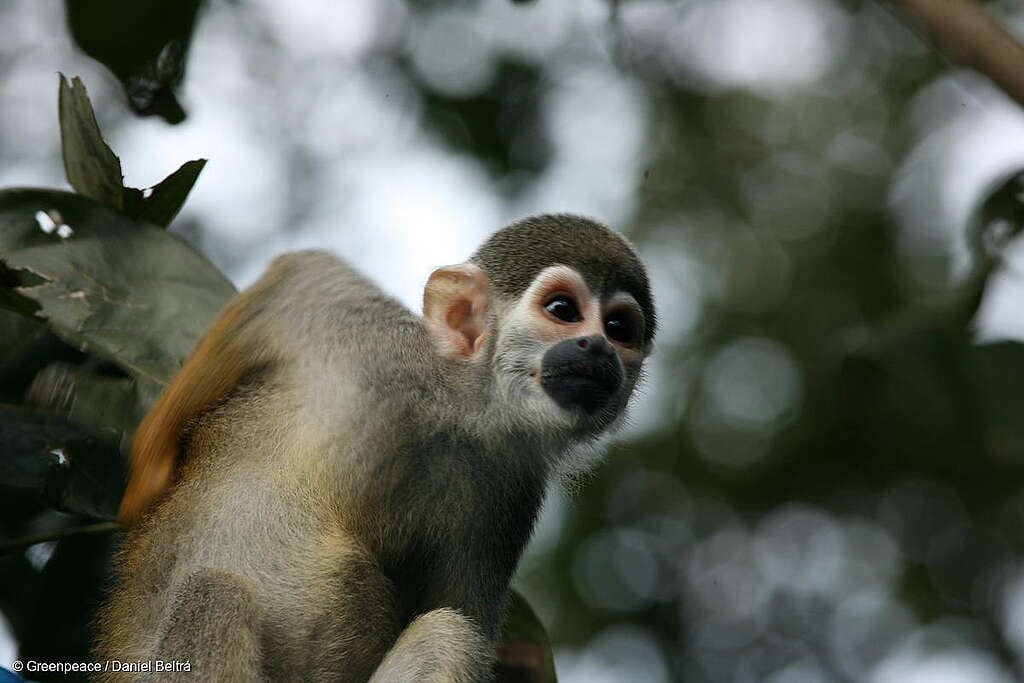
Fotografía de un Mono saimiri en Brasil.
¿Quieres hacer algo por el medio ambiente?

¡Da soporte a nuestras campañas! Únete como socio donador y haz posible nuestro trabajo.

Dona ahora