| The final date to enrol to be able to vote in the 2026 General Election is 25 October. Check your enrolment details here. |
Keen to vote for the environment in the upcoming 2026 New Zealand election but don’t know how? We’ve got you!
Our environment policy scorecards rank the key policies of the seven main political parties. Each party was rated on their future plans for conservation land, oceans, climate, fresh water and environmental law and democracy.
Check them out, share them, and together let’s vote for the candidates and political parties who will make the best decisions for nature and the planet.
Authorised by Greenpeace Aotearoa, 11 Akiraho St, Mt Eden
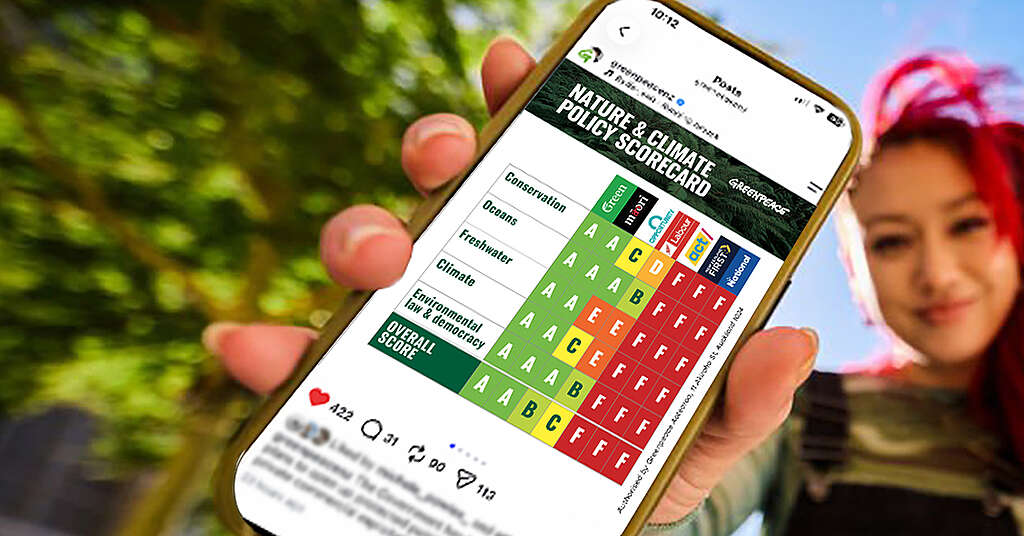
Use Greenpeace’s election scorecards to compare where political parties stand on the biggest environmental issues facing Aotearoa.
ELECTION SCORECARDSThe outcome of this election is crucial for the environment
We all know nature is facing serious threats. Corporations are being allowed to degrade the rivers, oceans, and even drinking water of Aotearoa.
The politicians we elect to form a government on 7 November need to be responsible for decisions that preserve the life supporting systems of the air, fresh water, oceans, land and soil, and the health of communities.
Our political representatives make decisions that determine whether some native species survive and thrive, or get pushed further to extinction. They make political decisions that will determine how well ecosystems and wildlife flourish, or flounder.
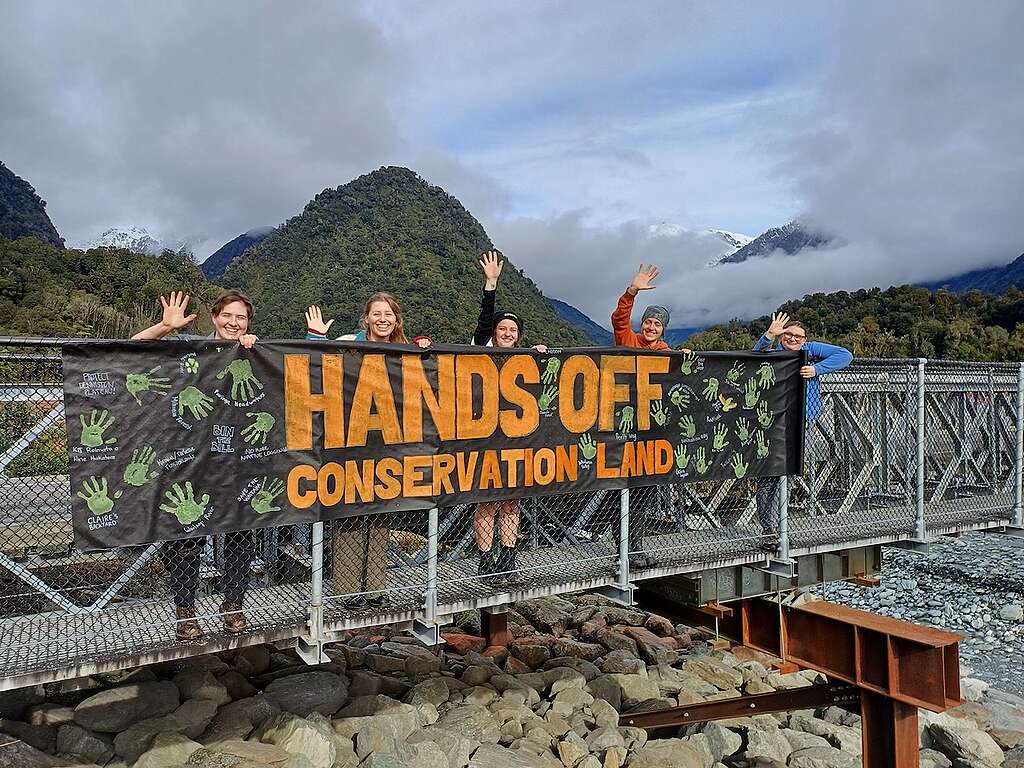
On the global stage New Zealand takes part in decisions that will affect the climatic stability of our whole planet. The government’s response to the climate crisis can ramp up the transition away from fossil fuels, or keep us dependent on them.
This election, we the voters have the power to choose whether natural places are protected, or whether to allow the industries profiting from their destruction continue to get their way.
The key environmental issues of the 2026 election
Our Greenpeace policy scorecards rank the environmental policies of the seven main political parties for the 2026 General Election.
Use the scores to find out how the political parties rank on the top issues facing the environment – on conservation, oceans, fresh water, climate, and environmental law.
You can also use the scorecards to find out which parties have received donations in the last five years from the industries that need to be regulated to protect nature.
We asked each of the parties the same 20 questions on their policy positions. The results are based on their responses, or their previously established policy positions.
Climate 🌱 Find out which political parties have the best policies for the climate
Conservation 🌱 Find out which political parties have the best policies for the protection of conservation land
Fresh water 🌱 Find out which political parties have the best policies for rivers and fresh water
Ocean 🌱 Find out which political parties have the best policies for the ocean
Environmental law and democracy 🌱 Find out which political parties have the best policies for democratic decision making for the environment
Which parties score best for the environment this election?
In summary, across the five priority environmental issues, two political parties scored best – the Green Party and Te Pāti Māori both scored A’s.
The Opportunity Party passed with a B while Labour is in the middle with a C. The governing parties ACT, NZ First, and National flunked with F’s.
In the face of escalating climate and biodiversity crises the Luxon Government has waged a war on nature over the last three years.
The present coalition Government has led attack after attack on nature: fast-tracking destructive developments, allowing bottom trawling to continue, attacking Te Tiriti and gutting our core environmental laws. Now, with the Conservation Amendment Bill, they’re even threatening public conservation land.
Check out the overall scores for environmental policies
Vote for better transparency and democratic access
We believe the best decisions for the environment are long term and have the social licence of communities affected.
Yet over the last three years the Luxon Government has rushed laws through Parliament that reduced public engagement in environmental decisions. For example the Fast Track Approvals Act removed opportunities for communities to have a say in their local region, iwi and hapū, or expert advice from scientists.
Vote to get big money out of politics
For each of our key issues we also looked to see which party was accepting donations from industry groups on these issues. Many industries have millions of dollars at stake in political decisions. We believe voters have a right to know which parties those industries are funding – and what those parties are promising for our environment.
Big industries may have deep pockets, but ultimately voters decide who gets to govern.
Check each of the scorecards to find out which parties have received donations in the last five years from the industries most affected by environmental protection policies.
Use Greenpeace’s election scorecards to compare where political parties stand on the biggest environmental issues facing Aotearoa.
ELECTION SCORECARDSHow were the Greenpeace environmental policies scored?
We asked each of the parties the same 20 questions on their policy positions. The results are based on their responses, or their previously established policy positions.
This election make sure conservation land stays conservation
The outcome of this election will decide what happens with the Conservation Amendment Bill.
If passed in the next term it would hardwire a mandate of commercial exploitation throughout our Conservation law so that DOC puts private commercial exploitation of public conservation land first, instead of protection and preservation.
Your vote, and the vote of your whānau and friends can help determine whether conservation land is opened up for commercial exploitation or protected for nature and for future generations.
Luxon’s war on nature
The Luxon Government response to the climate and biodiversity crises has been to deliberately choose to add fuel to the fire.
From
- passing the Fast Track Approvals Act which lets corporations bypass key environmental protections to gain consent for projects such as mining, dams, and waste incinerators; to
- passing the RMA replacement bills – Luxon’s Government is radically dismantling our core environmental law – the Resource Management Act (RMA) and replace it with two new laws that will make the public pay polluters to stop polluting, get rid of environmental limits and delete the precautionary principle;
- to trying to pass the Fisheries Amendment Bill which would keep cameras on boats footage secret, block public input into fisheries decisions, and incentivise bottom trawling – the most destructive form of fishing.
The Luxon Government’s unrelenting attacks on the environment have been unprecedented – in fact, a war on nature.
The best policy ideas for the environment
Forest & Bird, Greenpeace Aotearoa, and WWF New Zealand have come together to set out a clear policy roadmap for Aotearoa – one that shows how we can protect nature, respond to climate change, and make life more affordable for everyday people in New Zealand.
Our roadmap signals ways we can protect nature for everyone’s benefit, adjust how we farm, fish, and produce food, shift fully to clean energy and transport, and fix democracy so polluters pay, not the public.
MMP and the New Zealand election
Because of New Zealand’s democratic MMP voting system there are many variables and possible election outcomes. The candidate polling in some electorates is finely balanced, and the outcome of the party votes could determine which small party has more influence than another within a government coalition.
This means your vote and those of your friends and family will have real consequences for the environment and our futures.
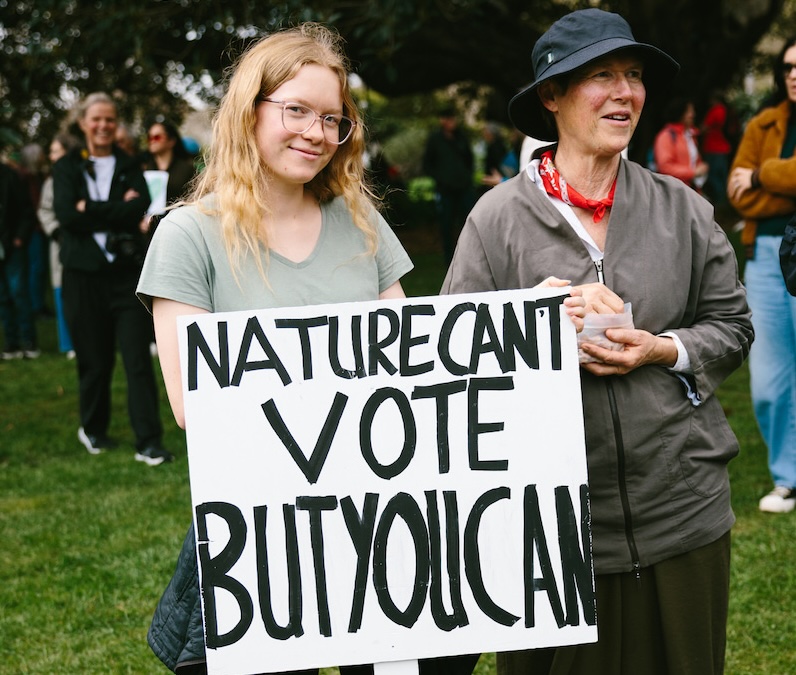
How to vote
You need to be enrolled for your vote to count. If you’re not enrolled when you get to a voting place, you can enrol there. The final day to enrol to vote is 25 October.
For more information such as voting locations, electorate and candidate information, special votes, and other details check out the Electoral Commissions information site vote.nz.
Important dates for the 2026 General Election
| Wednesday 21 October | Overseas voting starts |
| Sunday 25 October | Last day to enrol to vote |
| Tuesday 26 October | Advance voting starts |
| Saturday 7 November | Election Day |
What more can I do beyond voting for the environment?
Election day is our chance as citizens to collectively choose our political decision makers in Parliament.
Besides our one vote, we also have a part to play in our communities and networks.
Use the scorecards to find out which parties rank best on the key issues of conservation, oceans, freshwater, climate, and environmental law.
Share them with your friends and whānau to help guide their votes with the environment in mind this November.
Start a conversation about one of the key issues of conservation, oceans, freshwater, climate, and environmental law – say why it’s important for you this election and what’s at stake.
By talking about the environmental issues that concern us most and why we can help others think through what matters to them too. Asking others a simple question about the environmental issue they care about most is also a way to simply get people thinking about the election.
Some people are pessimistic about the future which deters them from voting. While acknowledging the challenges that face us, we can share the scorecards to empower the people around us.
Use Greenpeace’s election scorecards to compare where political parties stand on the biggest environmental issues facing Aotearoa.
ELECTION SCORECARDS