
Filtered results
-
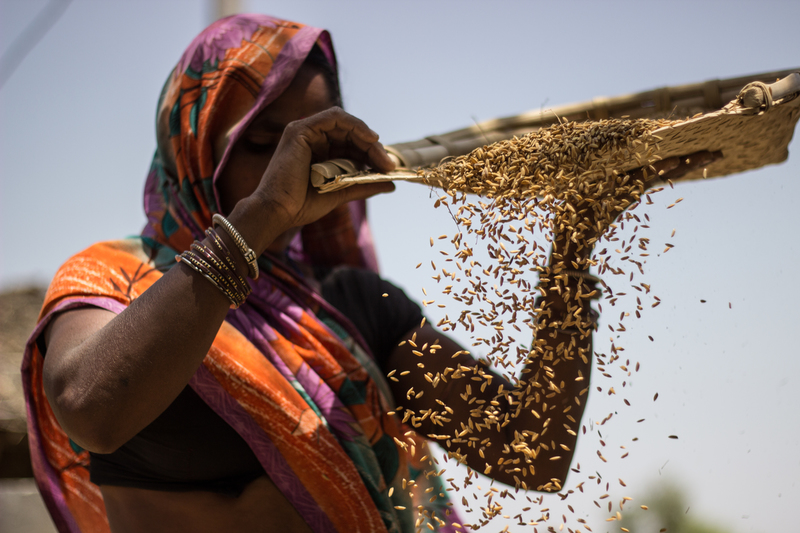
Jamui farmers set an example: Organic farming recommendations for community welfare
Bihar is witnessing a silent groundswell in favour of organic and ecological farming. A few years back there was less than a hundred hectares of land under certified organic farming…
-
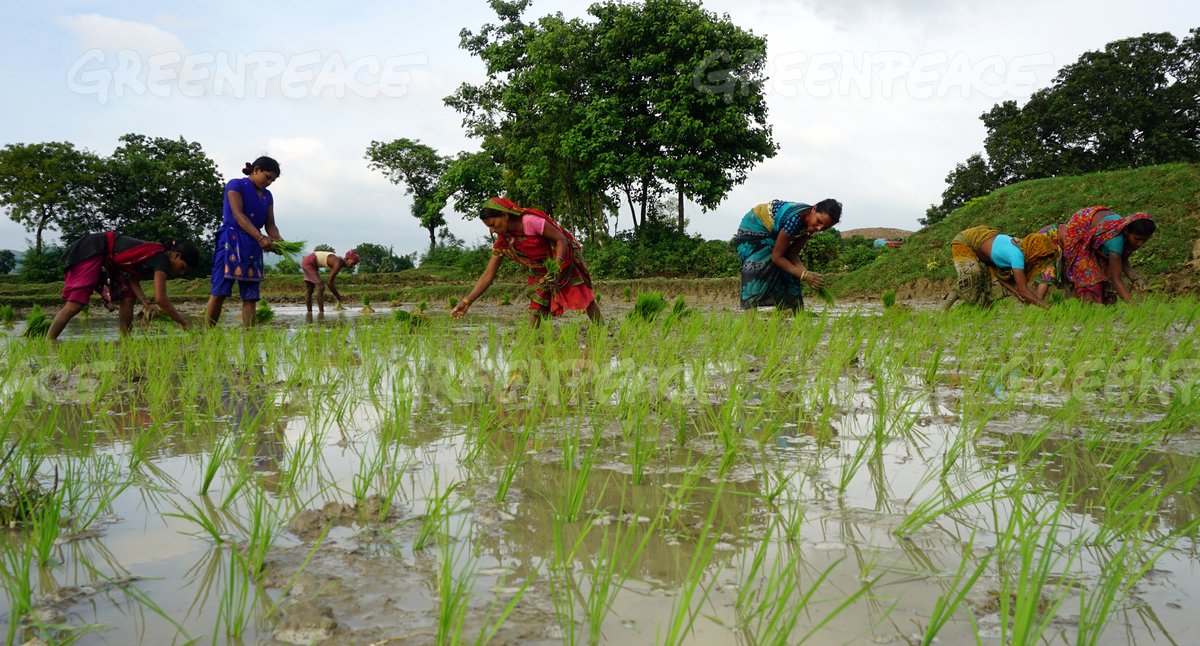
We can’t afford destruction of our Rice Heritage
Will you believe me if I say that till late 1960s we, the Indians, were proud owners of over 110 thousand indigenous varieties of rice? Believe it or not, it…
-
A LETTER OF GREAT NEWS!
Writing an open letter in the beginning of the year 2022 can almost be a non-starter, especially in the current context of another wave of Covid infections. At the same…
-
2021: Greenpeace India in pictures
What a year 2021 has been! The pandemic, extreme weather events kept us isolated and made it a challenging year. But through it all, the resilience of humanity shone through.…
-
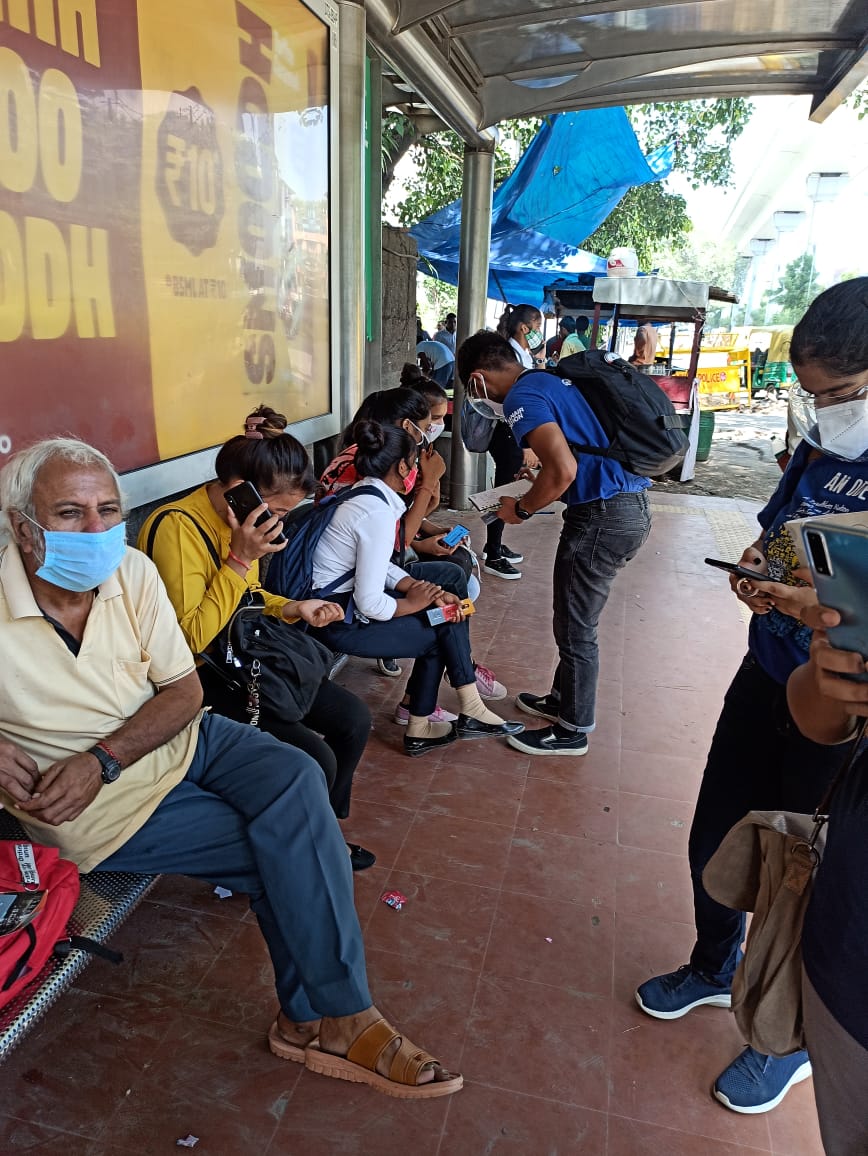
Bustling Through The City
This report brings together the key insights from the public bus users in Delhi- about the experiences and challenges they are facing while commuting in the city. The insights indicate…
-
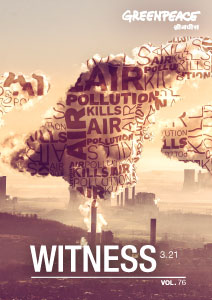
Witness 3.21
As India began to open up once again, we took the opportunity to get our feet on the ground. Learn how we are upping the standards for India’s cities and spreading sustainable farming.
-
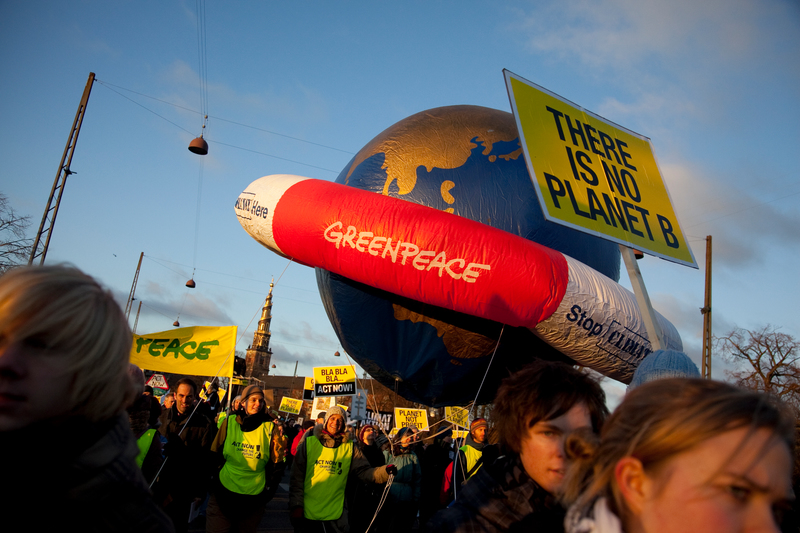
COP26: What real climate action would look like
As the work gets ready to witness climate negotiations at CoP26, here is our take on what is at stake and what can be expected out of global leaders. This…
-

WHO strengthens air quality guidelines: Greenpeace response
22 September, 2021 – Today the World Health Organization (WHO) updated its air quality guidelines for the first time in 15 years. In 2020, air pollution in most of the…
-
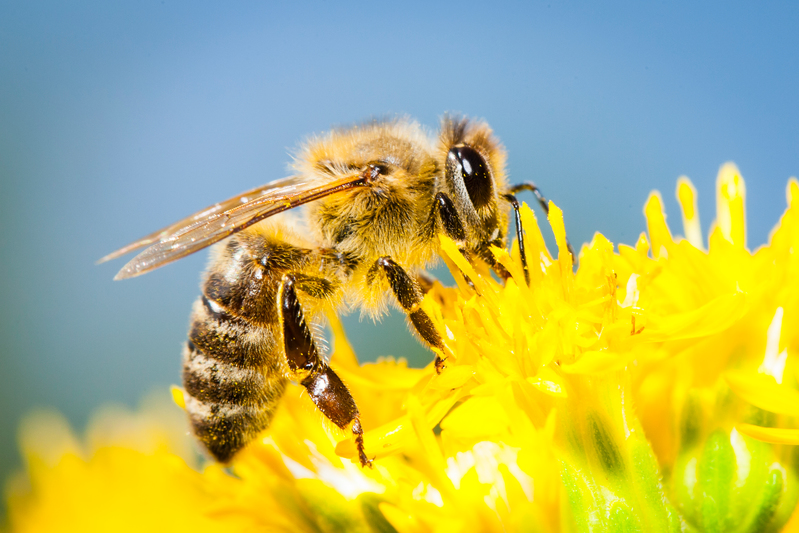
World bee day – Observing the decline of native bees
Many of you reading this would have thought of bees as pesky insects at some point in time. You would have been bothered by the formation of beehives in your highrise building in cities.
-

CIRCLES OF SOLIDARITY 2.0
One of our first responsive works in this crisis, Circles of Solidarity 2.0, is focussed on low-income families, lactating mothers and Covid-19 positive patients.