
Filter posts
Filtered results
-
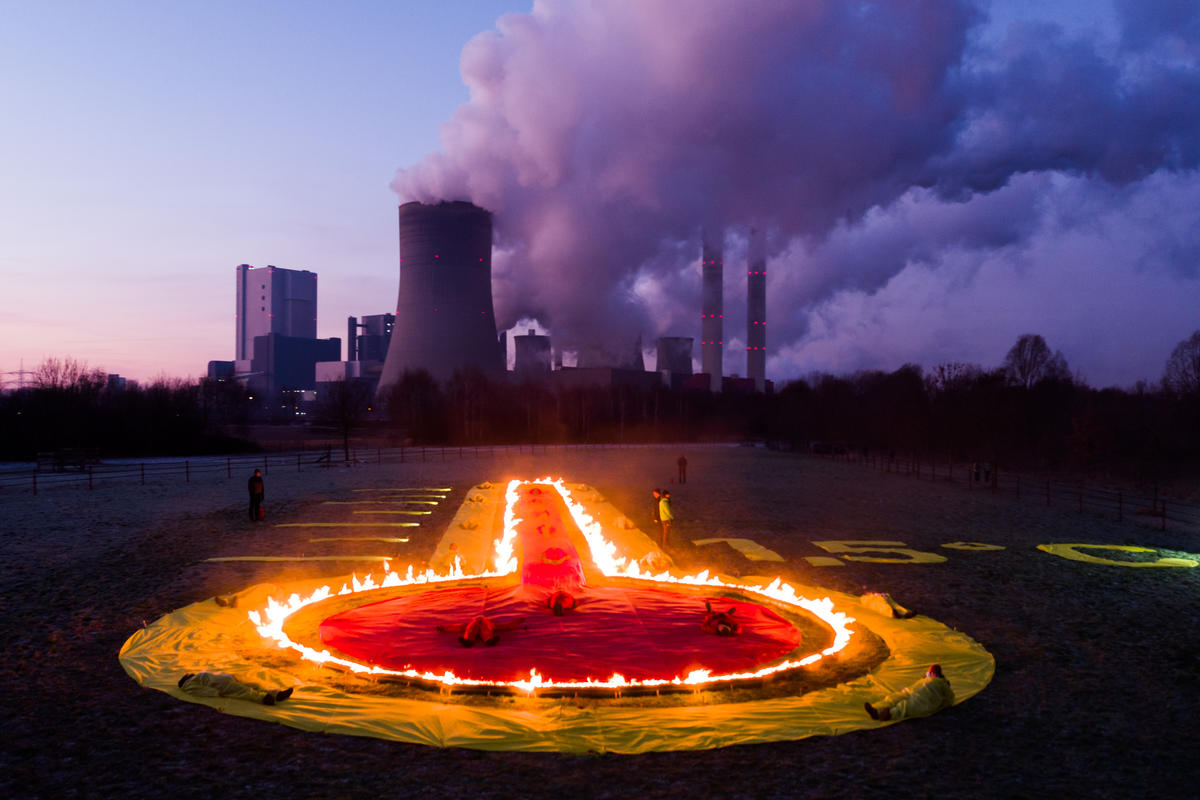
IPCC deadlock risks delaying climate science and impacting government action
Greenpeace has raised new concerns that the next round of assessment reports from the UN’s Intergovernmental Panel on Climate Change (IPCC) might not be completed in time…
-

UN Biodiversity COP17: Halfway to 2030, governments must act on nature
“We’re halfway to 2030 and the evidence is clear: we are far off track to reach the 30x30 targets. The systems that sustain life on Earth are under threat, and decisions made at COP17 must deliver a clear course correction to protect our planet’s ecosystems."
-
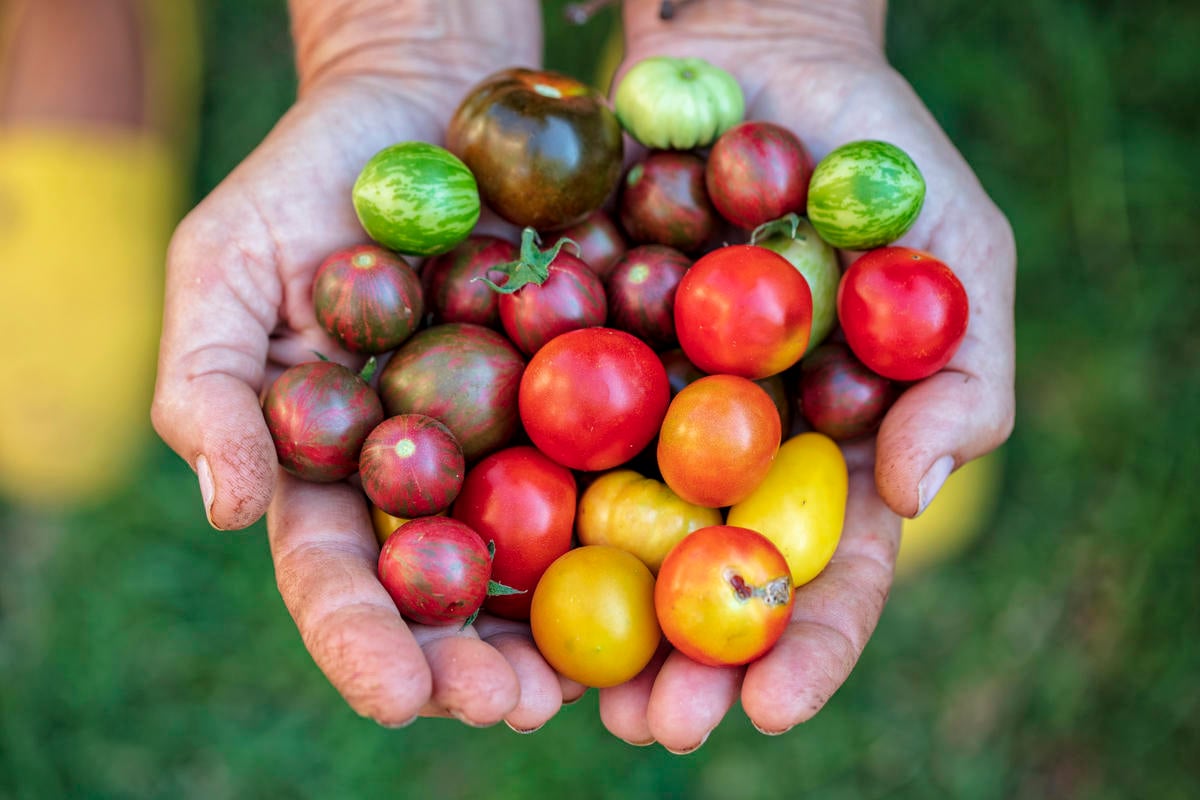
How our beloved foods are becoming an unaffordable luxury
With the right food policies, we can afford basic food, and can even keep enjoying our beloved foods without breaking the bank.
-
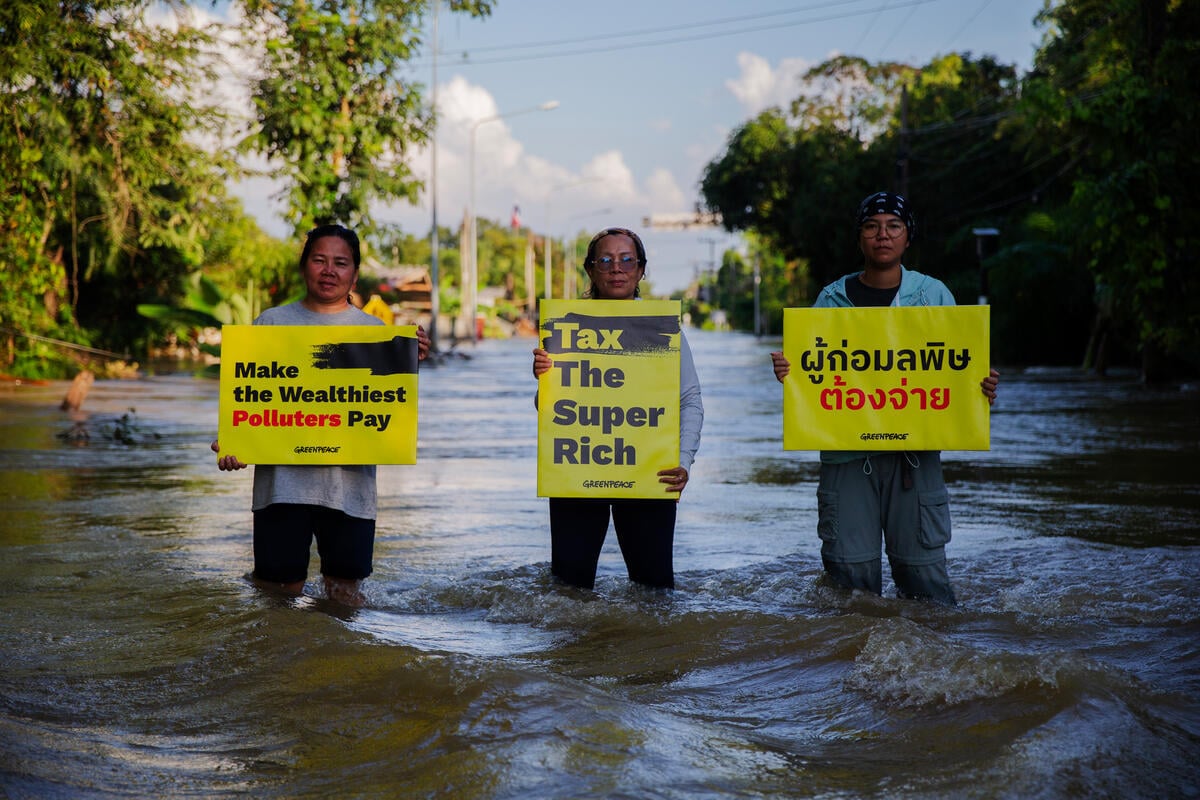
Why the world’s financial system matters for the climate
The IMF and World Bank occupy a powerful position in the global financial architecture, and must adapt and respond to today’s polycrisis rather than further exacerbating it.
-
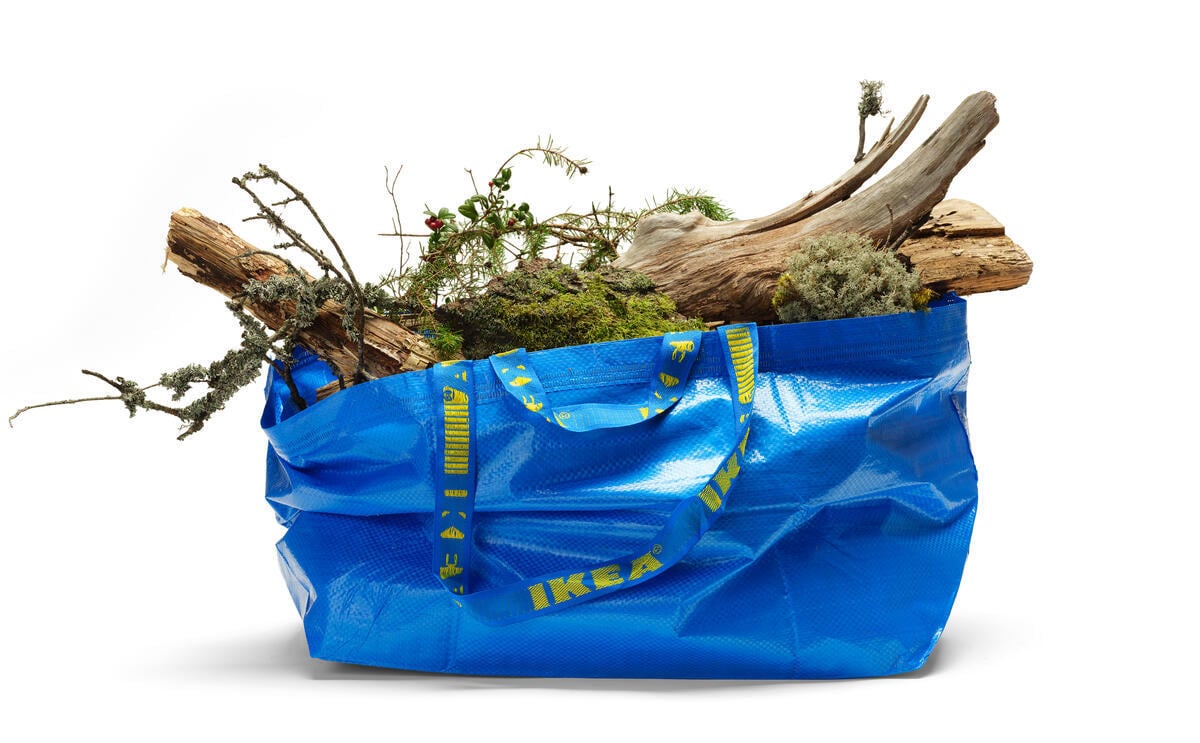
Greenpeace report: Ikea’s hunger for wood destroys Europe’s precious forests
Ikea says it wants to use its size to make sustainable wood sourcing the global norm. That ambition must start with a clear commitment: no wood from forests that need protection. Ikea has the power to help change an entire industry. It needs to lead by example, starting with the wood in its own furniture.
-
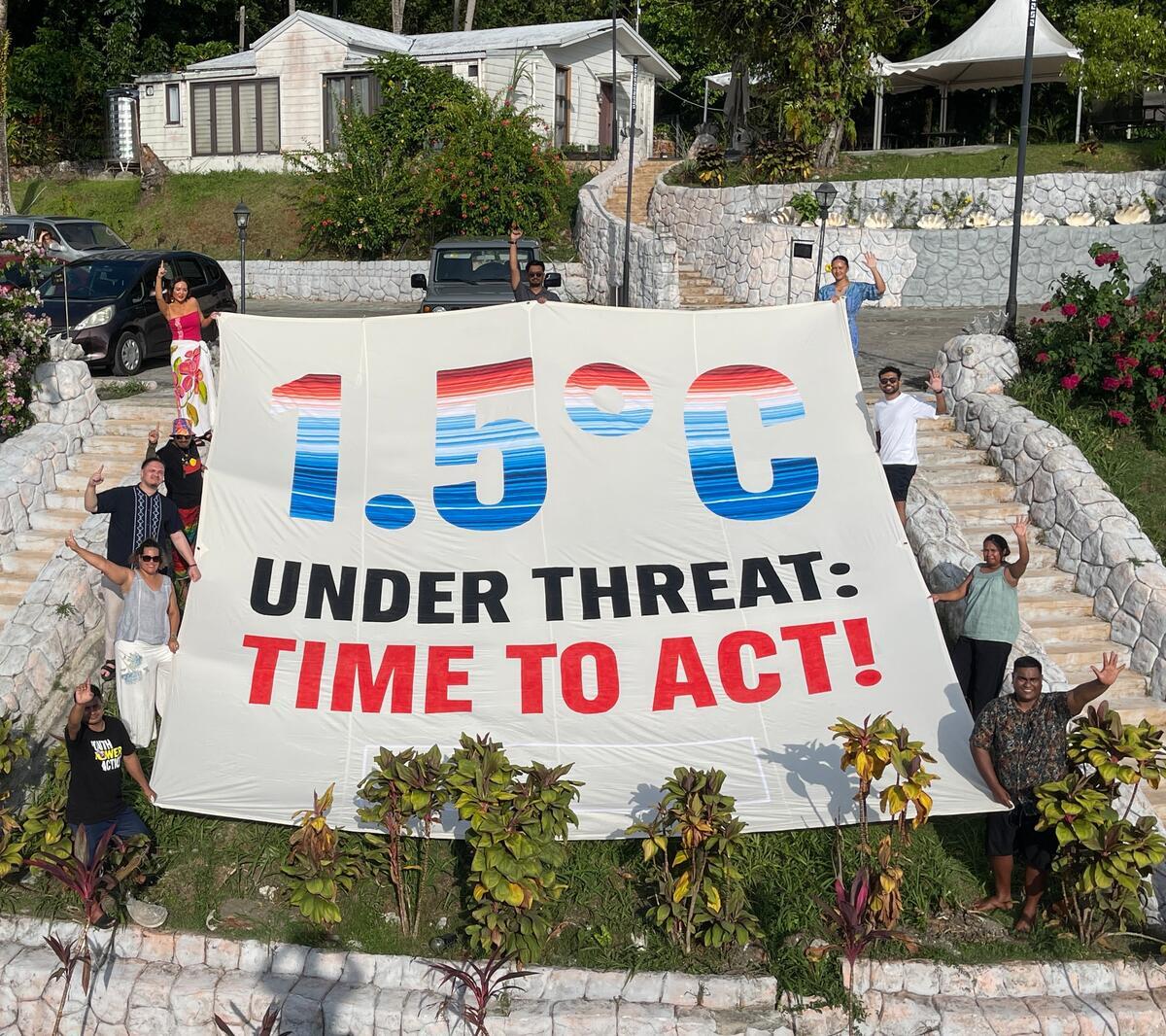
Spotlight on leaders at UNGA as climate overshoot looms and impacts escalate
Greenpeace response to High-Level Event on Climate Action and the Just Transition, a final initiative of outgoing UNSG Guterres.
-

Enough is enough: over 2 million petition signatures at UNGA to Make Polluters Pay
Greenpeace International joined allies in delivering a Make Polluters Pay petition with over 2 million signatures to Selwin Hart, Assistant Secretary-General for Climate Action at the United Nations.
-

Indigenous resistance in pictures: communities defending their rights
What connects a fishing community in Thailand, Indigenous Peoples in the Amazon, women fish processors in Senegal and Sámi youth in northern Finland?
-
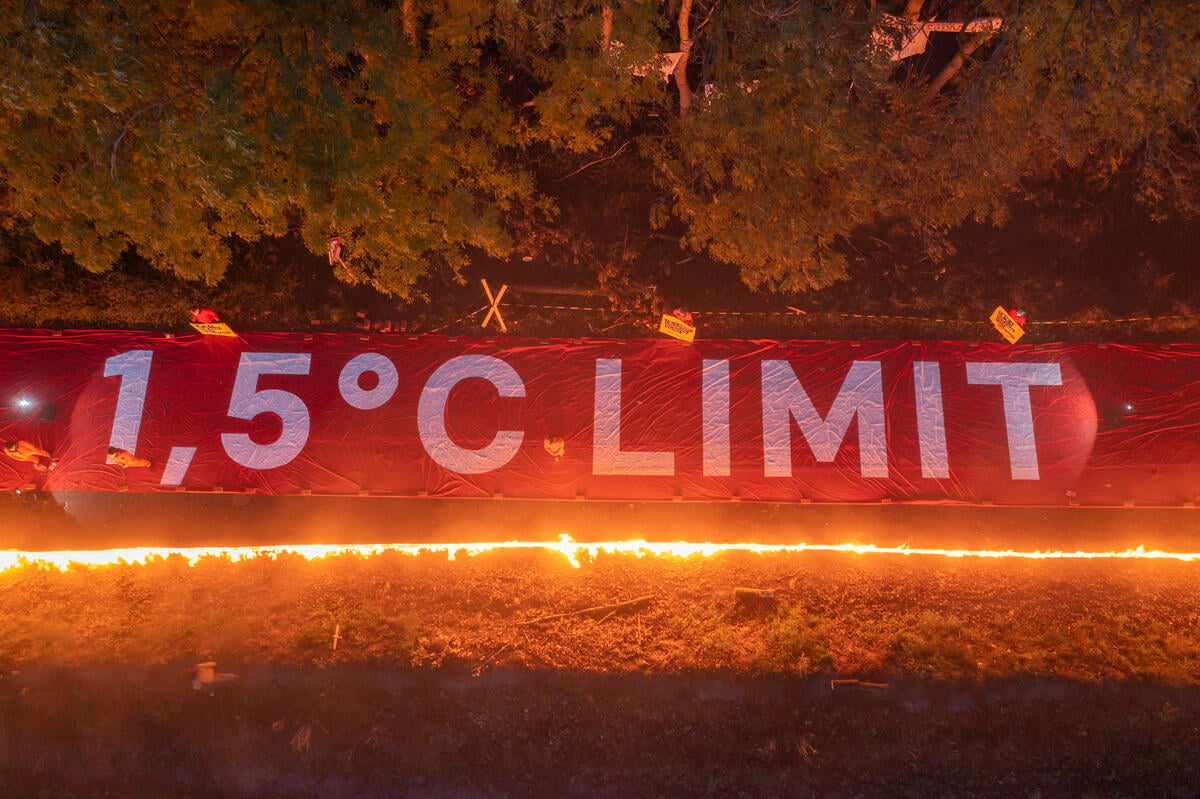
UNEP declaration of expected 1.5°C overshoot must spark urgent political response
Concerted and extensive action to transition away from fossil fuels and end forest destruction must become the driving force of government policy in response to the United Nations Environmental Programme (UNEP’s) warning that the global temperature rise will exceed 1.5°C, likely within the next few years.
-
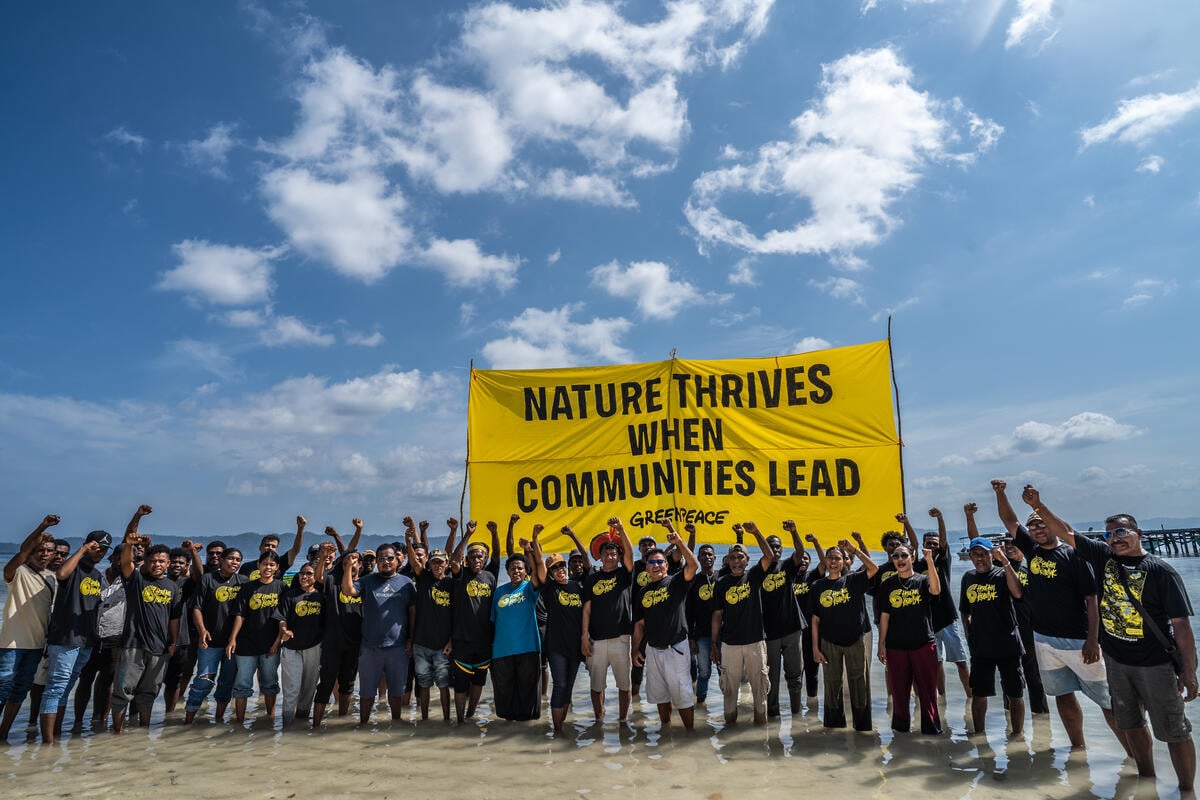
From Papua to the Amazon, Indigenous Peoples Unite to Defend Their Territories
“Indigenous and Traditional Territories must be recognised on their own terms, rather than communities being forced into conservation models that do not reflect their rights, governance systems, or choices."