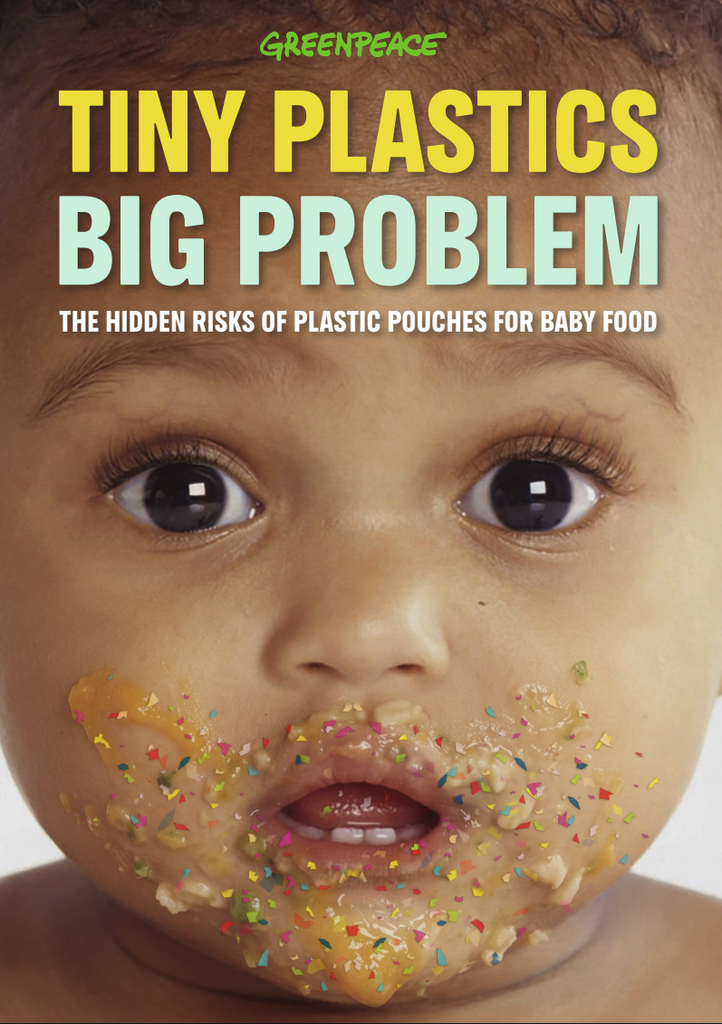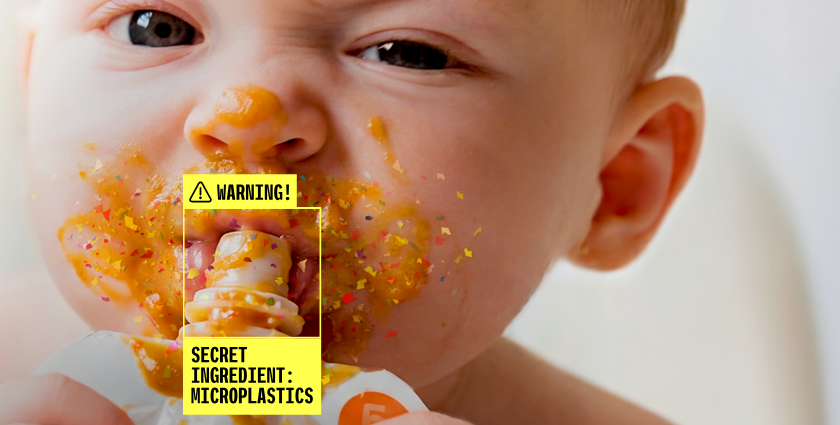
A new investigation found an estimated 5,000 microplastic particles in a single pouch of Gerber baby food. Every pouch we tested had them.
No baby should be eating plastic.
Microplastics in every pouch
Research commissioned by Greenpeace International detected, on average, up to 54 microplastic particles in a single gram of Gerber baby food — roughly the weight of a small raisin. A full pouch could contain an estimated 5,000 or more microplastics.
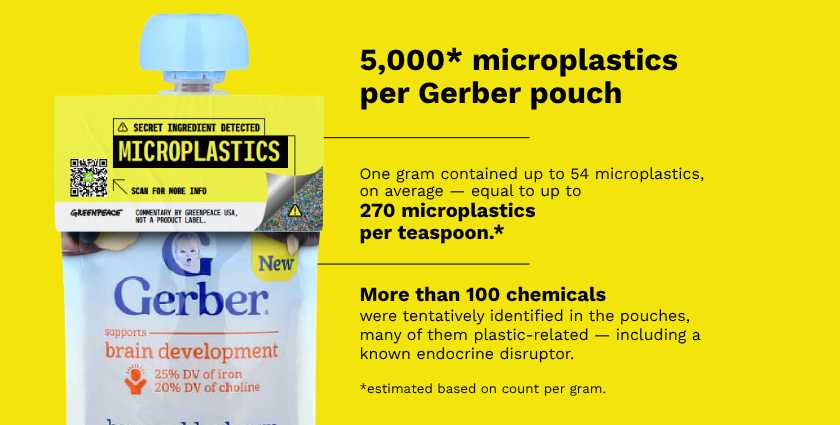
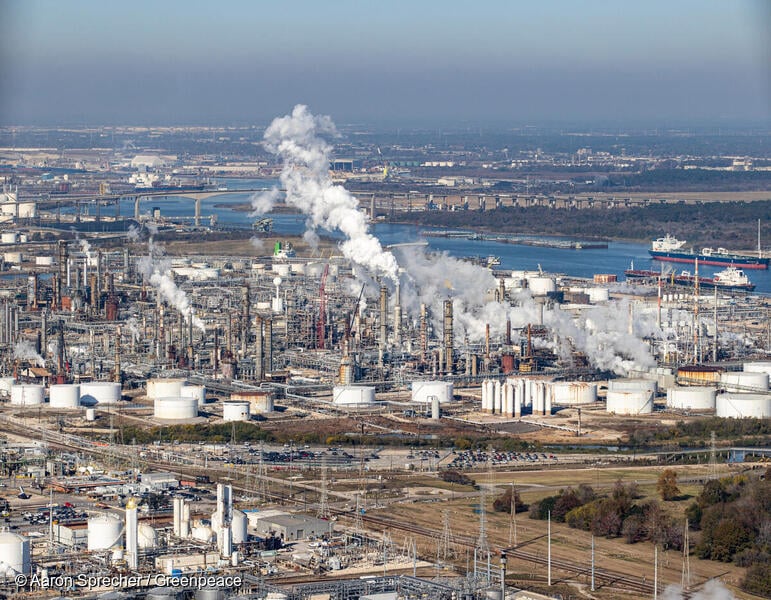
The lab tentatively identified more than 100 chemicals in the food and the packaging — many plastic-related, including a potential endocrine disruptor — suggesting the packaging lining as a likely source.
Plastics are made from thousands of chemicals, many of them hazardous to human health — linked to cancer, hormone disruption, developmental delays, metabolic disease, and reproductive harm.
Why it matters for babies
Babies absorb more, weigh less, and are still building the brains and nervous systems they’ll rely on for life. Even small exposures during these months can have lifelong effects on growth, hormones, and reproductive health.
No parent should have to worry about what’s hiding in their baby’s food. No child should be served microplastics with their first bite.
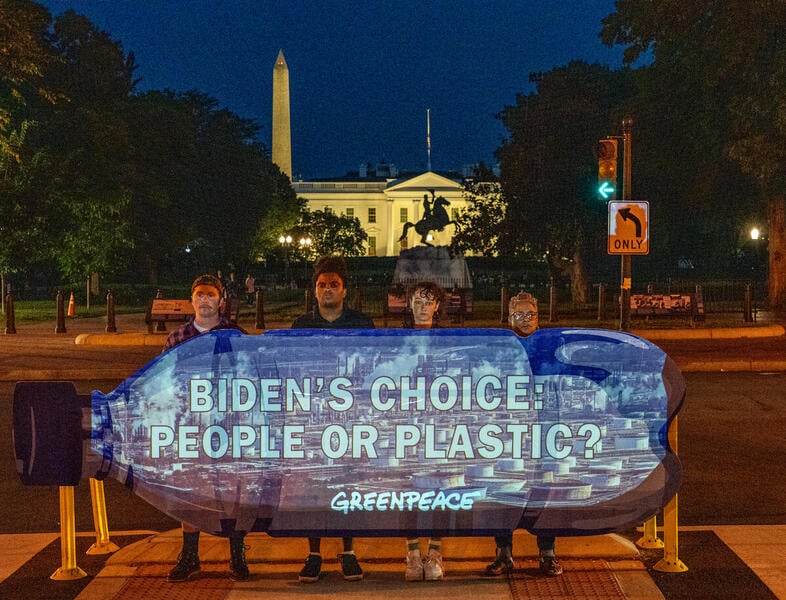
Gerber turns 100 next year. Tell them to get plastic out of the food before they celebrate.
Shocked? Tell another parent on Instagram or LinkedIn.