With intense hype around generative AI and other new tools from Big Tech, data center demand growth has skyrocketed, data center demand growth has skyrocketed. At the end of 2024, it was estimated that data center electricity demand would double or triple by 2028, reaching up to 12% of the country’s electricity use from just the 4.4% used in 2024. In 2025 alone, electricity demand projections have surged – demand from data centers is now expected to grow 30x by 2030. We are in a frantic, unregulated race to build – a race with no clear finish line and next to no rules to protect the planet or people.
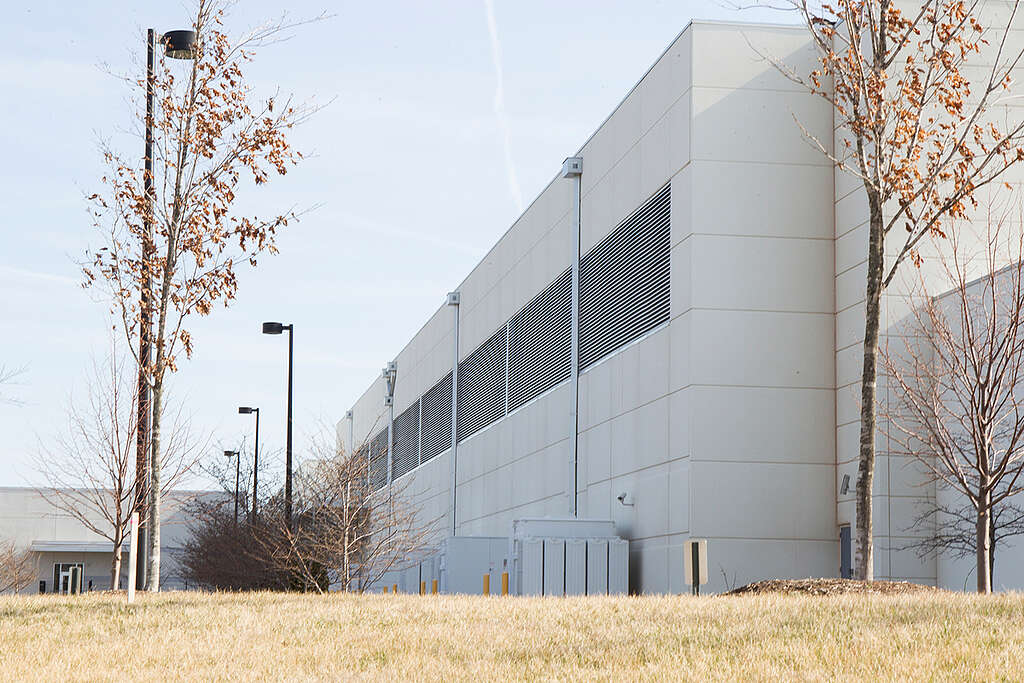
Now you’ve got the statistics – but what do data centers do? Data centers use massive amounts of electricity to run the computer servers that are required for generative AI tools, chatbots, social media, streaming, the cloud, and more. A hyperscale, AI-focused data center in 2024 has a capacity of 100 MW or more, the same amount of electricity powering about 100,000 homes. But it goes further – some of the largest proposed projects today could use 20x that amount. Last year, 17.4 billion gallons of water were used to cool data centers across the US, enough to fill over 26,000 Olympic-sized swimming pools.
On top of that, data centers have the very real possibility of raising your utility bill. When a data center comes to town, they may negotiate with utility companies to secure favorable contracts for huge amounts of electricity, energy, and water for new facilities. Not only will a new data center typically add demand to the grid, but their electricity use is so high that utilities often have to add expensive transmission lines or new generation infrastructure to meet the demand. All ratepayers end up on the hook for these additions, not just the tech companies. And when demand for electricity rises and supply struggles to keep up, prices go up even more.
Developers in many states also receive significant tax subsidies and exemptions from state and local taxes, preventing millions of dollars in revenue from going to the schools, roads, libraries, parks, and hospitals in the community where the data center is built. According to Good Jobs First, at least 10 states already lose more than $100 million per year, per state in tax revenue to data centers incentives from state-level subsidies alone. What is even worse? Many of these deals are hidden from the public.
Ratepayers and communities also face a long-term threat: being saddled with the cost of stranded assets. Should the data center boom go bust or if the industry moves to states with cheaper energy, after utility companies have already built expensive new infrastructure, ratepayers will still be on the hook for the bill and communities on the hook for cleanup. Today’s boom is truly stinging local residents’ pockets through utility price hikes and a loss of public tax dollars – both now and into the future.
People living in these areas are increasingly fighting back, shouting that data centers are not welcome in their communities. To avoid scrutiny, developers and local regulators have gone so far as to hide the Big Tech clients that data centers are meant to serve to shield them from backlash. In some areas, local regulators are even withholding information about risks and environmental impacts from residents to get deals done. Developers also obscure and greenwash the true water and energy costs of their projects to keep people from raising their eyebrows.
The problem with data centers is not just about climate impacts, or energy, or water, or the dirty supply chain. It’s also about the massive economic burdens local residents are shouldering because of the buildout. It’s about land being taken from communities to serve corporate interests and billionaires. It’s about the refusal to respect residents through transparency and public participation. We know that we, the people, deserve better.
What are you willing to sacrifice to support big tech’s buildout?