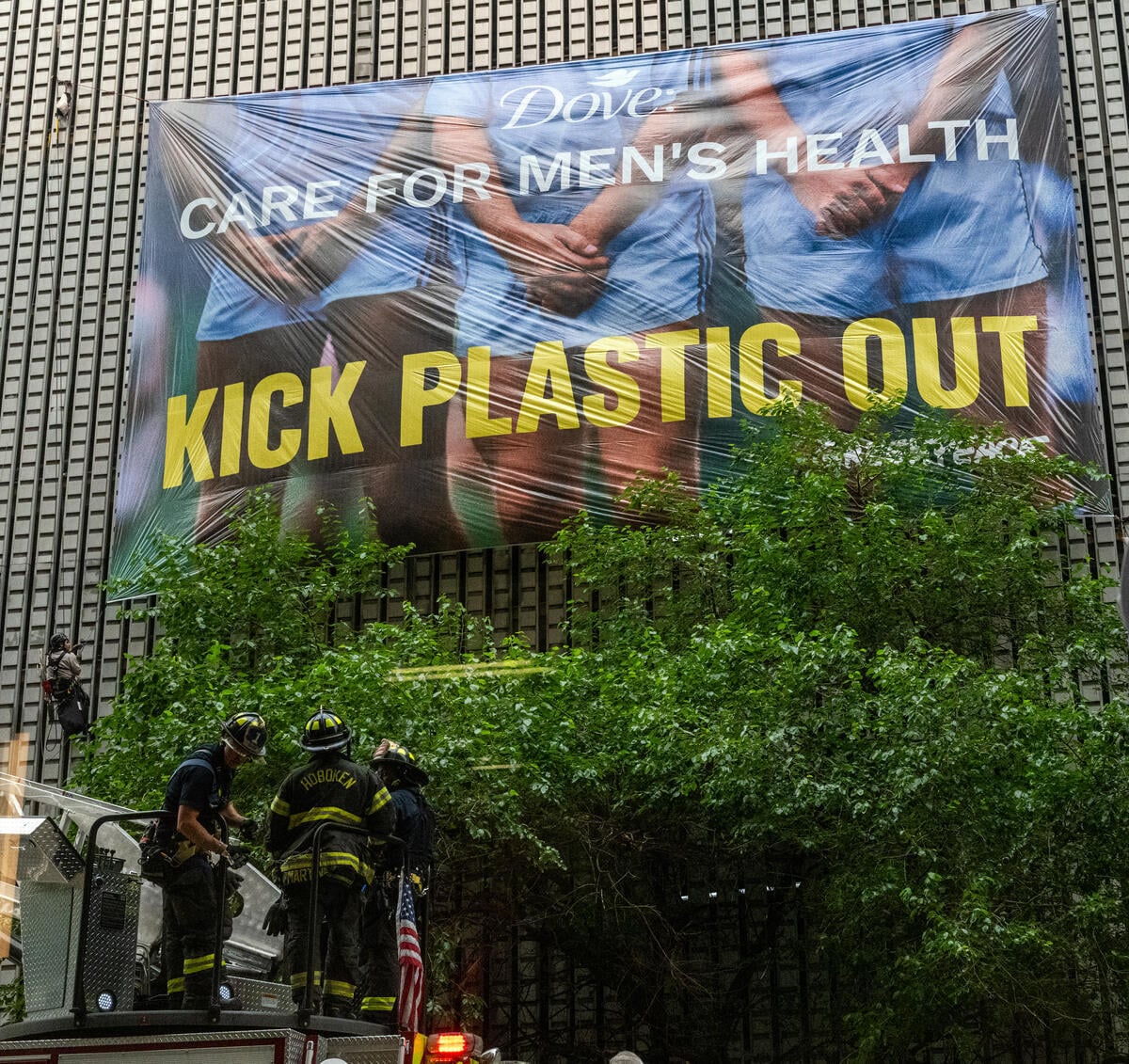
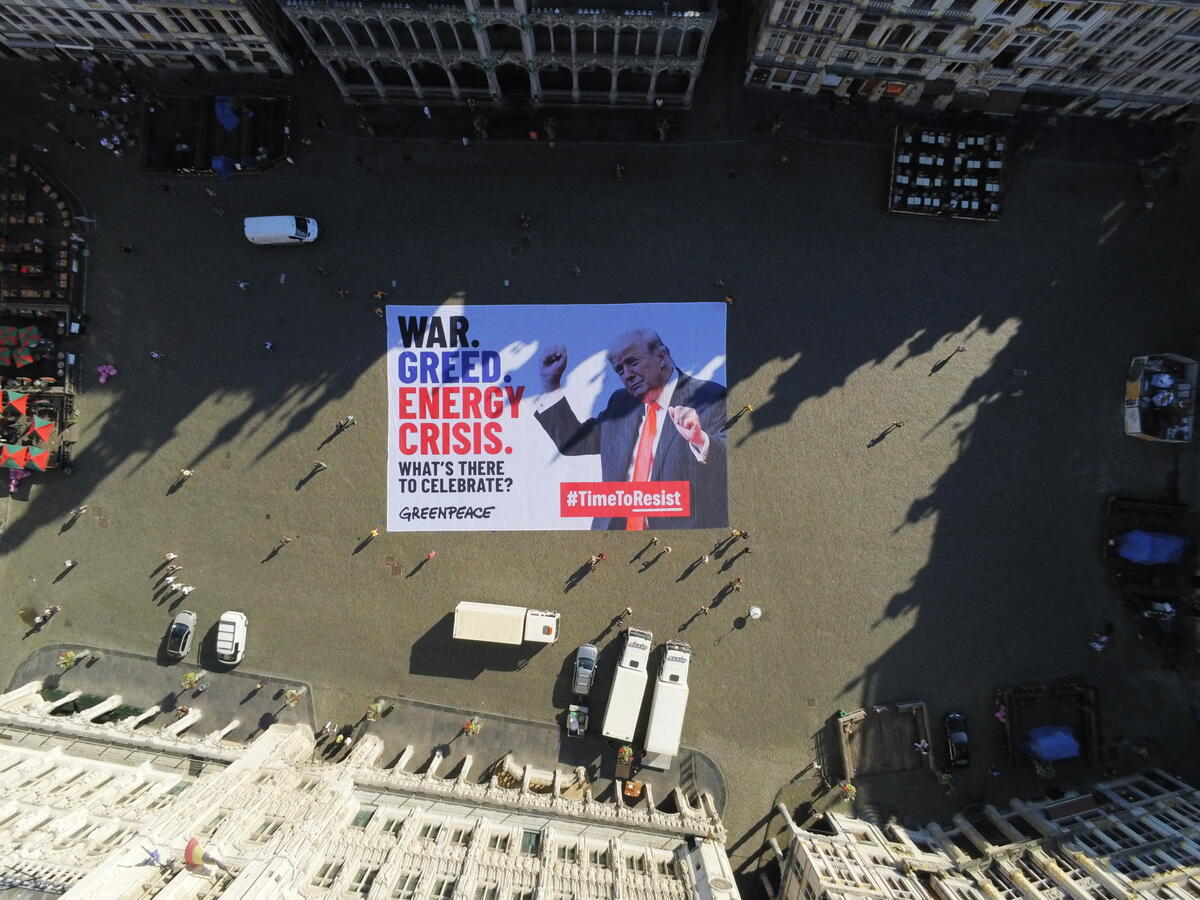
From the United States and Canada to France and Spain, from Japan to Morocco, India and Pakistan, the past few weeks have felt like living inside an oven. Western Europe endured its hottest June on record, and fiercest fires in July, with repeated heatwaves slamming France, Spain, Italy, Germany and the UK. Early analyses suggest the late‑June 2026 European heatwave may have killed around 20,000 people in just one week, with more than 10,000 excess deaths recorded during that period, most of them among people over 65. In France alone, public health authorities later estimated more than 5,700 excess deaths during the historic June heatwave.
At the same time, countries already familiar with brutal summers are being pushed past human limits. In India, a 2026 study estimated that a single day of extreme heat causes about 3,400 excess deaths, and a five‑day heatwave nearly 30,000 additional deaths nationwide, with the heaviest burden on poorer, hotter states such as Uttar Pradesh. Pakistan and countries across the Persian Gulf are also enduring “too hot, too humid” conditions where the heat index reaches levels that make outdoor work and even short walks life‑threatening. Japan has declared recent heatwaves a “disaster”, with more than 10,000 people rushed to hospital for heatstroke in a single week.
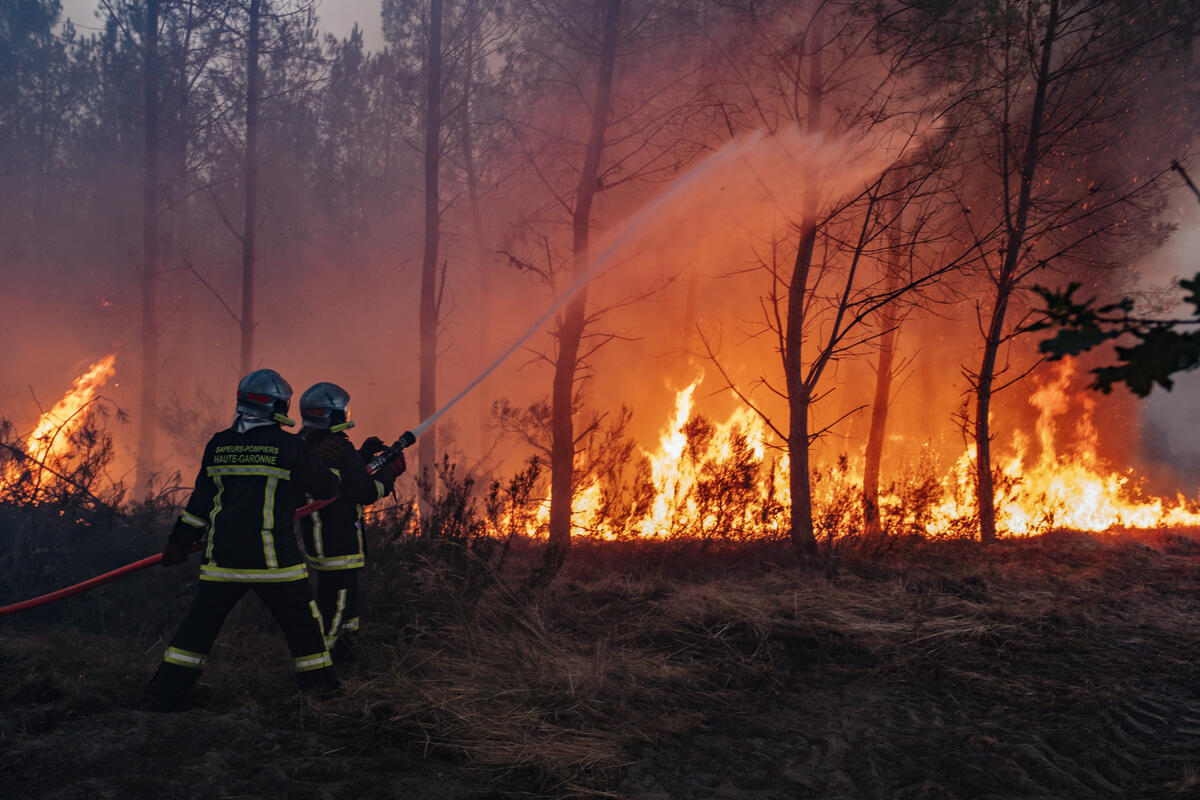
Across North Africa, Morocco has faced back‑to‑back heatwaves on top of drought and water stress, with orange alerts and temperatures reaching 44 to 46°C in provinces from Marrakech and Beni Mellal to Laayoune and Dakhla, followed swiftly by forest fires.
This heat is not “just summer”. It is fossil‑fuelled climate breakdown, supercharged by a strong El Niño that is loading the dice for record temperatures and extreme weather. Whole regions are turning into tinderboxes as wildfires rip through dried‑out forests from Spain and Portugal to Greece, southern France and North Africa, forcing tens of thousands to flee, closing Tour de France stages to spectators and leaving tennis players at Roland Garros and footballers in the World Cup struggling to breathe and perform in dangerous heat.
What extreme heat is doing to people, food systems and ecosystems
Extreme heat does not only stress bodies. It also damages minds and sleep. When nights stay hot and humid, the body cannot cool down properly, core temperature stays high and people lose hours of sleep. Researchers found that across the whole globe, the average person has lost about 56 hours of sleep per year because of high temperatures over the last five years. On top of that, studies show that extreme heat can slow reaction times, worsen concentration and decision‑making and is linked to higher risks of anxiety, depression and other mental‑health problems, especially for older people and those already living with mental illness.
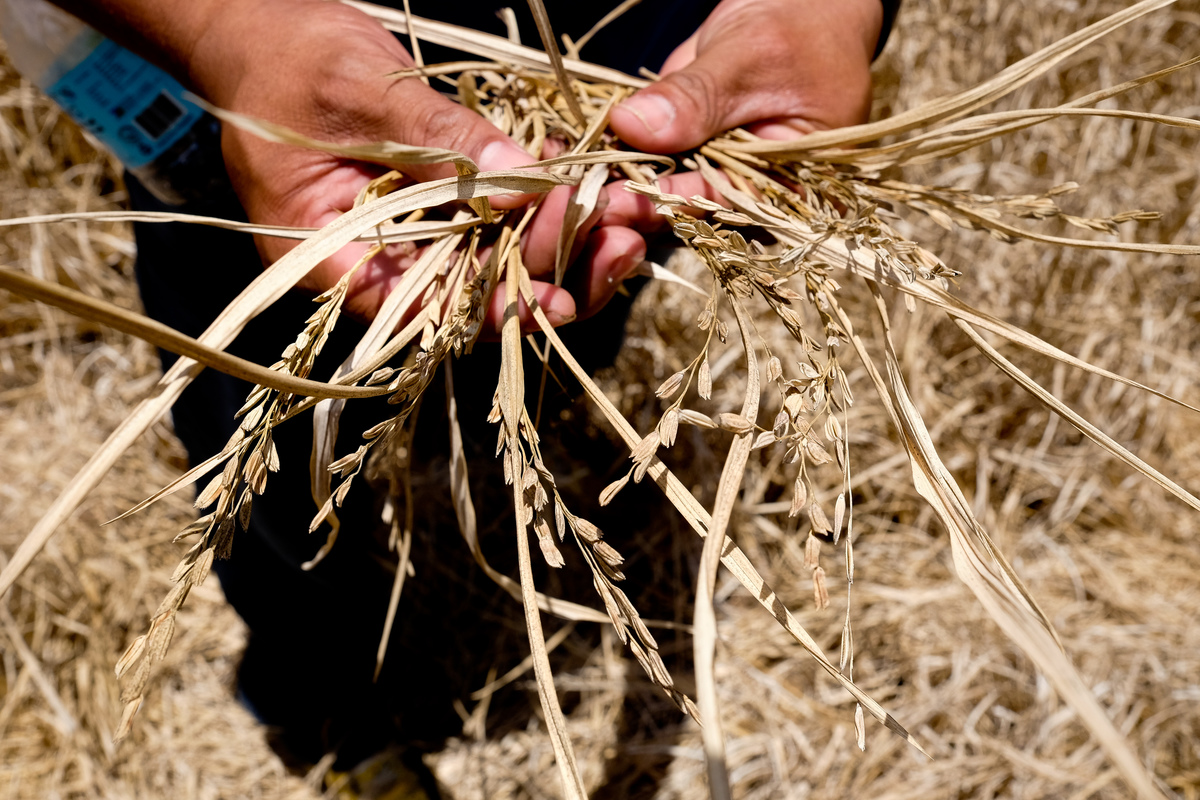
Heat is also damaging the systems we depend on. Extreme temperatures and drought are already jeopardising harvests and food security in many regions, while pushing key species and ecosystems towards collapse through mass coral bleaching, forest dieback, more frequent wildfires and hotter, more acidic oceans.
How to protect your body and home during extreme heat
When temperatures soar, the first priority is keeping people alive and safer where they are. The basics still matter. Drink water regularly, avoid alcohol, wear loose light clothing, rest in the shade and check on elderly neighbours, children, disabled people and anyone living alone. This advice lands very differently for someone in an air‑conditioned flat in Paris, a street vendor in Karachi, a farmer in Uttar Pradesh or a construction worker in Casablanca, so it must be adapted to real living conditions.
Fans can be powerful if used smartly. A fan blowing across a wet cloth, a shallow tray of ice or a damp bedsheet can cool air more effectively in dry heat. In very humid heat, fans work best when aimed to help sweat evaporate from bare skin. Simple tricks like placing a damp sheet in front of an open window at night, or sitting with feet in a bucket of cool water, can bring temperatures down a few crucial degrees.

People are also finding creative ways to cool homes on a low budget. In many countries, residents are painting windows with white chalk paint to reflect sunlight, and using emergency foil blankets on the outside of windows to bounce heat away while leaving a gap for air to flow. Grassroots guides in places like Morocco and India share similar hacks, from hanging light‑coloured sheets outside windows to building simple shade structures on rooftops.
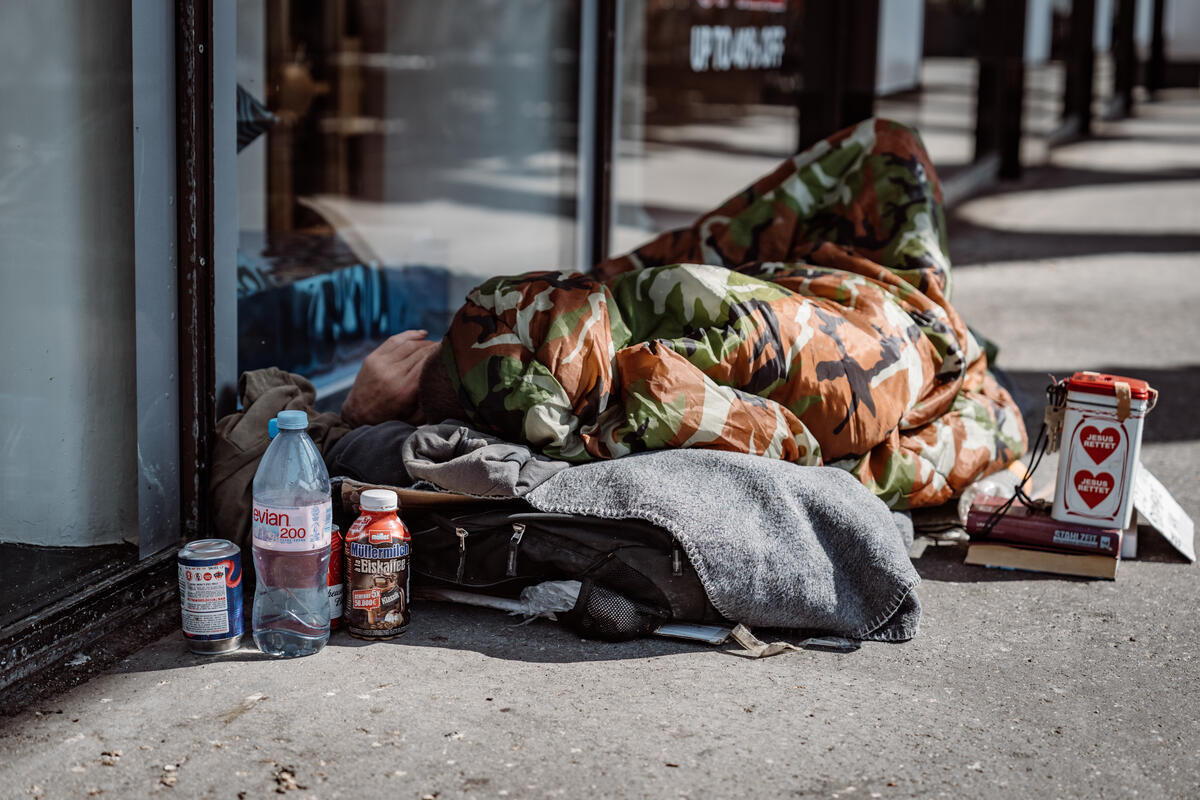
For babies, children, older people and pets, small habits can be lifesaving. Cool (not ice cold) baths or showers, wet cloths on wrists, neck and ankles, avoiding hot pavements, never leaving anyone in a parked car, and rearranging sleep so people rest in the coolest room in the home all help. Whenever possible, people without safe homes need access to public cooling spaces.
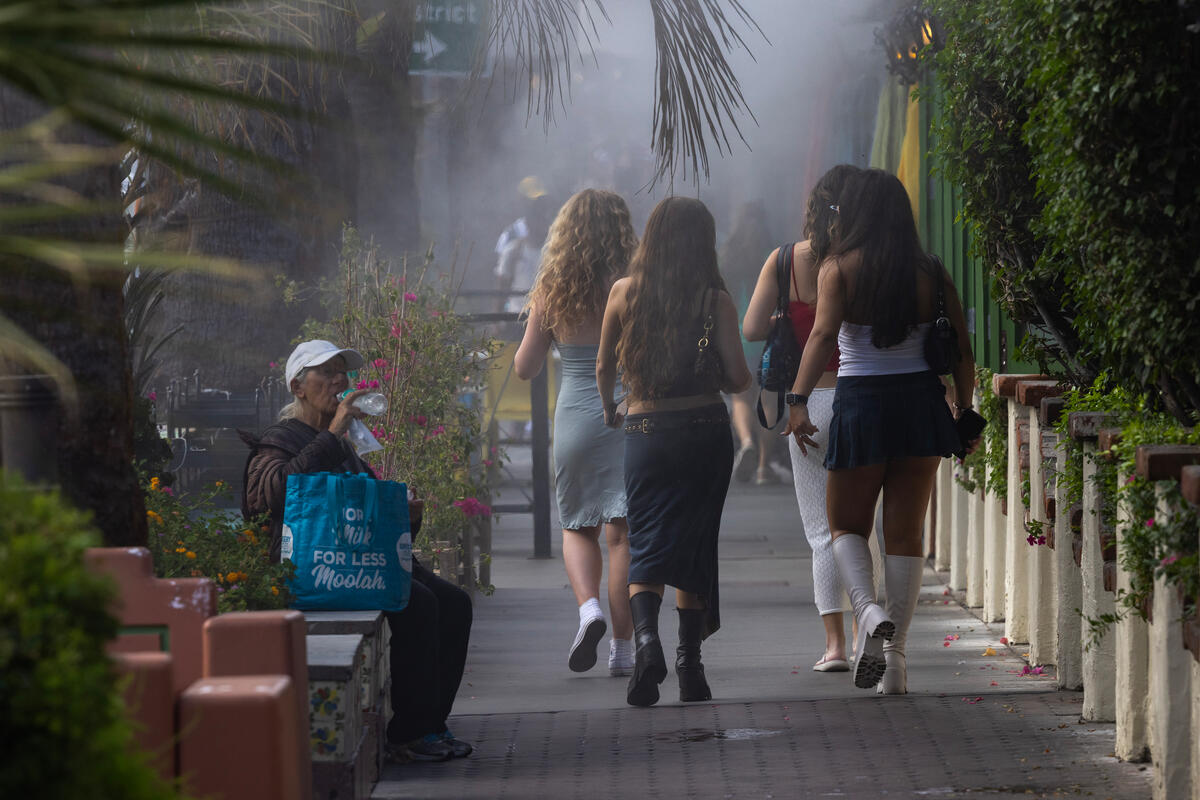
Air conditioning can be life‑saving for vulnerable people during multi‑day heatwaves, especially in places where nights stay very hot. It should be used carefully, not set to extreme cold and combined with other cooling measures to reduce the strain on bodies and power systems. Shared cooled spaces and public cooling centres can protect more people than single units in a few homes.
Making cities liveable in a hotter world
People deserve protection from extreme heat and heat‑related health risks. That requires ambitious political decisions to adapt cities, upgrade housing and public spaces, and provide safe, accessible places to cool down. Many city governments are starting to combine climate mitigation, adaptation and action on energy poverty so that entire neighbourhoods can cope better with rising temperatures. This includes retrofitting housing with insulation, shading, ventilation and cool roofs to cut indoor temperatures by several degrees, especially in poorly built blocks and informal settlements.
Programmes in Spain, France and Germany show that renovating homes and social housing for energy efficiency can reduce winter bills and deadly summer heat, particularly when paired with rooftop solar and community energy. Yet many countries, including France, are far behind their renovation promises and targets, leaving millions of people in leaky, overheating homes. Energy efficiency also reduces dependence on climate‑wrecking fossil gas, which in some regions has helped fund Putin’s war machine.
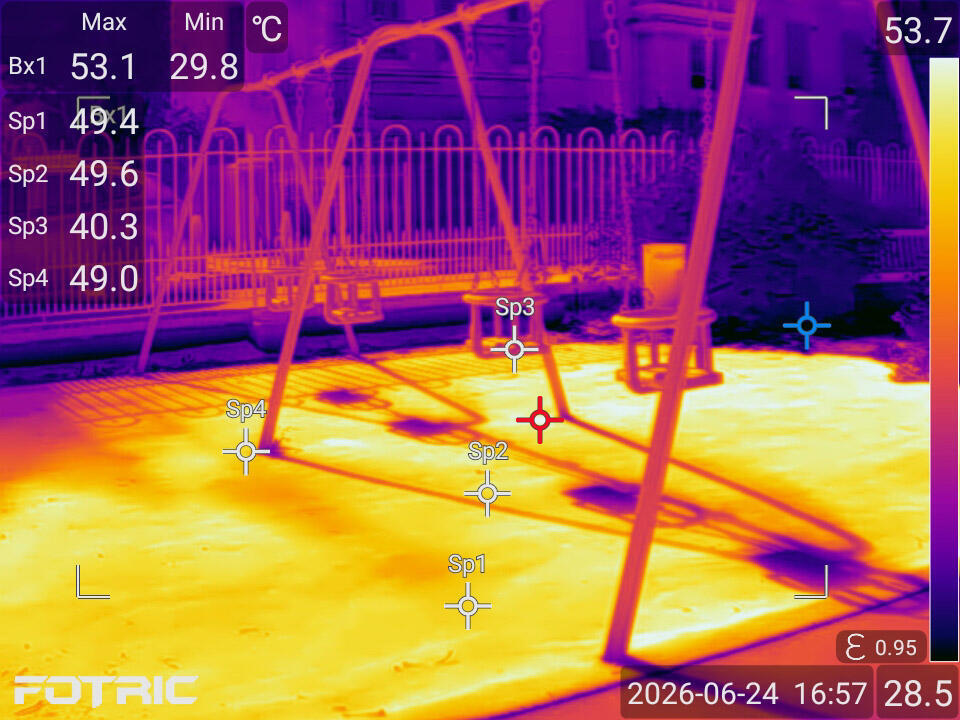
Green infrastructure is just as important as pipes and concrete. Thermal imaging by Greenpeace groups in Madrid, Rome, London and Indian cities shows the same pattern. Streets and squares without trees or parks can be more than 10°C / 50°F hotter than nearby green areas, while vegetation and water features can lower surface temperatures by 15°C to 20°C / 59 to 68°F in some spots. Opening parks and public pools in evenings and weekends, planting trees along streets and around schools, restoring urban wetlands and rivers and reducing traffic all help cool cities and protect health. White or reflective roof coatings, from traditional lime washes in the Mediterranean to modern cool paints in cities like Ahmedabad, Los Angeles and Casablanca, are also proving cheap ways to cool entire districts, with big benefits for economically disadvantaged communities who often live in the hottest buildings.
New rules and public services for an age of extreme heat
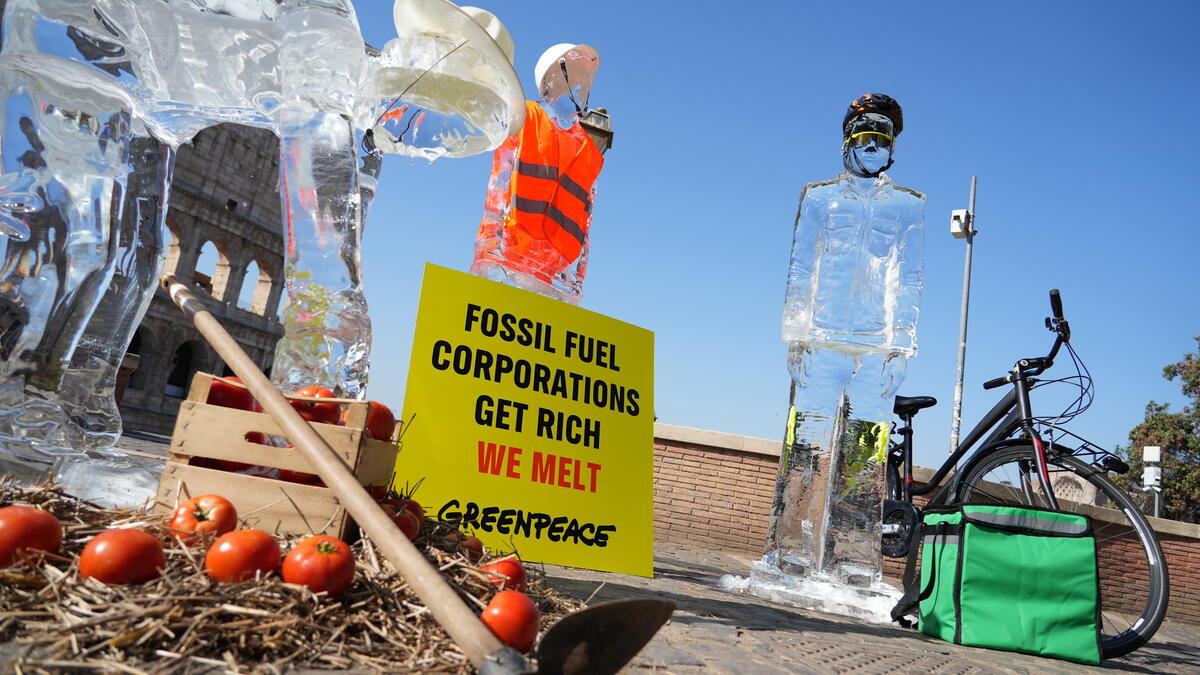
As extreme heat becomes a regular threat, governments are starting to introduce “heat laws” and protections that should have existed years ago. Cities like Seville and Athens are naming and ranking heatwaves to trigger automatic emergency plans. Regions in Spain, Italy and the United States are introducing rules that stop outdoor work during the hottest hours or require employers to provide shade, rest, water and protective equipment.
Cooling centres in libraries, schools, mosques, churches and community halls are opening in cities from Paris to Bangkok, but coverage is often patchy and fails to reach the poorest neighbourhoods or people without transport. The World Health Organization and other health agencies call for heat‑health action plans that invest in public services, early warning systems and resilient power grids, with special focus on people who cannot simply work from home or escape to cooler regions.
In Morocco too, climate experts are calling for urgent changes to building rules, labour standards and public health planning so that extreme heat is treated as a permanent risk.
Everyday climate actions to cut emissions and reduce heat harm
Personal choices will not solve a crisis driven by fossil fuel companies and political inaction. They still matter, especially when they build pressure for systemic change. Eating more plant‑based food, wasting less, cutting unnecessary flights, shifting to public transport, walking and cycling and insulating homes where possible all help cut the fossil fuel demand that is driving extreme heat. This can still limit how brutal future heatwaves become.
These steps are stronger when combined with collective action. People are joining local campaigns for safe housing and green streets, supporting unions that push for heat protections, backing climate lawsuits and fossil fuel phase‑out plans and challenging the luxury emissions of the richest 1 percent whose private jets, superyachts and hyper‑consumption drive a huge share of climate chaos.
Stopping fossil‑fuelled heat at the source
“Drink water and stay inside” will never be enough in a world where heat is already killing roughly one person every minute and where extreme events like June – July 2026 are becoming the new normal. The most important heat protection is to stop burning coal, oil and gas as fast as possible and replace them with renewable, efficient energy systems that are fair for workers and communities.
This crisis is deeply unjust. The people dying first and hardest from heat in India, Pakistan, Morocco or the Persian Gulf countries did the least to cause it. A small group of rich countries and corporations burned most of the fossil fuels and still profit from them. A fair response means those who benefited most from coal, oil and gas, including the ultra‑rich whose emissions are off the scale, must pay for adaptation, loss and damage and a fast transition to renewables in every region.
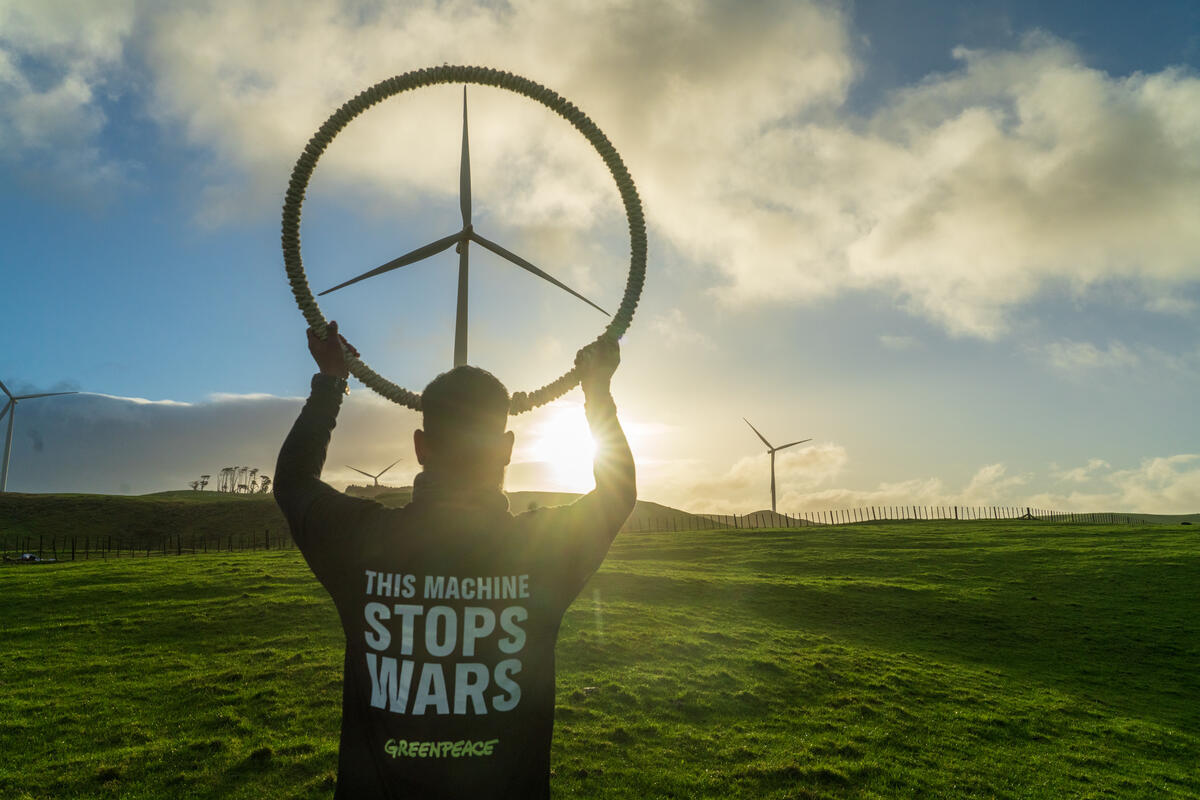
That means no new fossil fuel projects, a rapid phaseout of existing oil, gas and coal, and major investment in solar, wind, storage, grids and efficiency, together with a just transition for workers and affected communities. It also means windfall taxes on fossil profits, climate damage payments, debt relief and real finance for adaptation, health systems and heat‑safe housing, instead of more subsidies for fossil fuels and industrial agribusiness.
Lots of the death and devastation we are seeing can still be prevented. We have reached a point where politics and policies quite literally shape who gets to live or die in a heatwave, and who is left to face it alone.
Heat is political. Either fossil fuel companies keep cashing in while people collapse in overheated homes, or governments back better protected homes, greener cities, stronger public services and a fast, fair end to the fuels that are turning extreme heat into a mass‑casualty event.
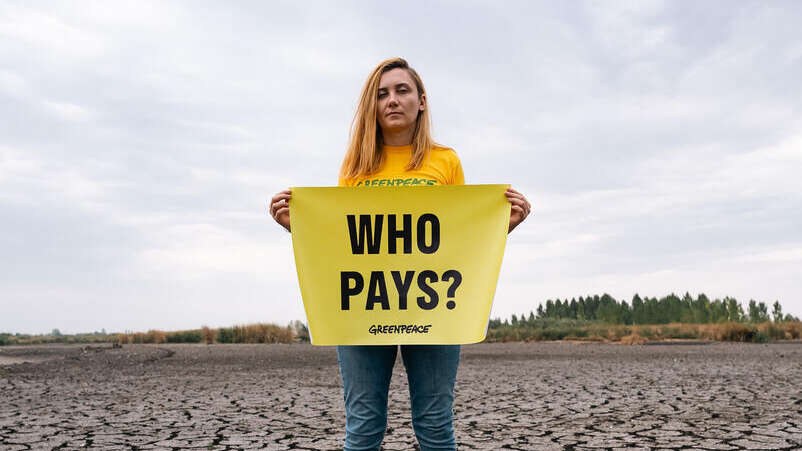
Sign the pact, record your story. Join the global movement to make polluters pay.
Join the movementFrequently Asked Questions
How does extreme heat affect the human body?
When air temperature and humidity are both high, sweat can no longer evaporate and the body cannot cool itself. Core temperature rises and this can lead to heat exhaustion, confusion, organ damage and, at wet‑bulb temperatures around 35°C, death even in healthy people resting in the shade. Heat also worsens heart and lung disease and can trigger strokes and kidney failure. Extreme heat affects the brain and mental health as well, slowing reaction times, harming concentration, increasing irritability and aggression and raising risks for people with depression, anxiety or on some psychiatric medications. Warmer nights and heatwaves are already linked to dozens of hours of lost sleep each year for the average person, which makes accidents and mental‑health problems more likely.
What can I do to cool my body?
Move to the coolest place you can find, get into the shade and loosen or remove tight clothing. Drink water often, even before you feel thirsty, and avoid alcohol. Put cool, not ice‑cold, water on wrists, neck, armpits and ankles, or take a cool shower or bath to help bring down core temperature. Use a fan if you have one. In dry heat, let it blow over a bowl of water, a damp cloth or a wet sheet. In humid heat, aim it directly at bare skin to help sweat evaporate. Rest, avoid heavy activity and check on anyone who may struggle to cool down such as babies, older people or those with chronic illness. If you feel dizzy, confused, very weak, stop sweating or have trouble breathing, treat it as an emergency and get medical help.
What is the link between extreme heat and wildfires?
Most wildfires start with people or infrastructure. Common causes are accidents like machinery sparks, power‑line failures, campfires and discarded cigarettes, as well as intentional arson. Climate change then makes these fires much more dangerous. Hotter and drier conditions dry out soils and vegetation, lengthen fire seasons and create more days with strong winds and very low humidity. That means a small spark is more likely to turn into a large, fast‑moving fire that is very hard for firefighters to control. In recent years, scientists have shown that major fire seasons in places like California and around Los Angeles, as well as in southern Europe, would have been far less severe without the extra heat and dryness from the climate crisis.
How does El Niño influence extreme heat?
El Niño is a natural climate pattern where warmer‑than‑usual Pacific Ocean waters shift weather worldwide. It often brings hotter and drier conditions to many land regions. On top of long‑term global warming from fossil fuels, a strong El Niño like the one active in 2025–2026 pushes global temperatures even higher and raises the odds of record‑breaking heatwaves and droughts in places such as India, North Africa and southern Europe.