
News & Stories
-
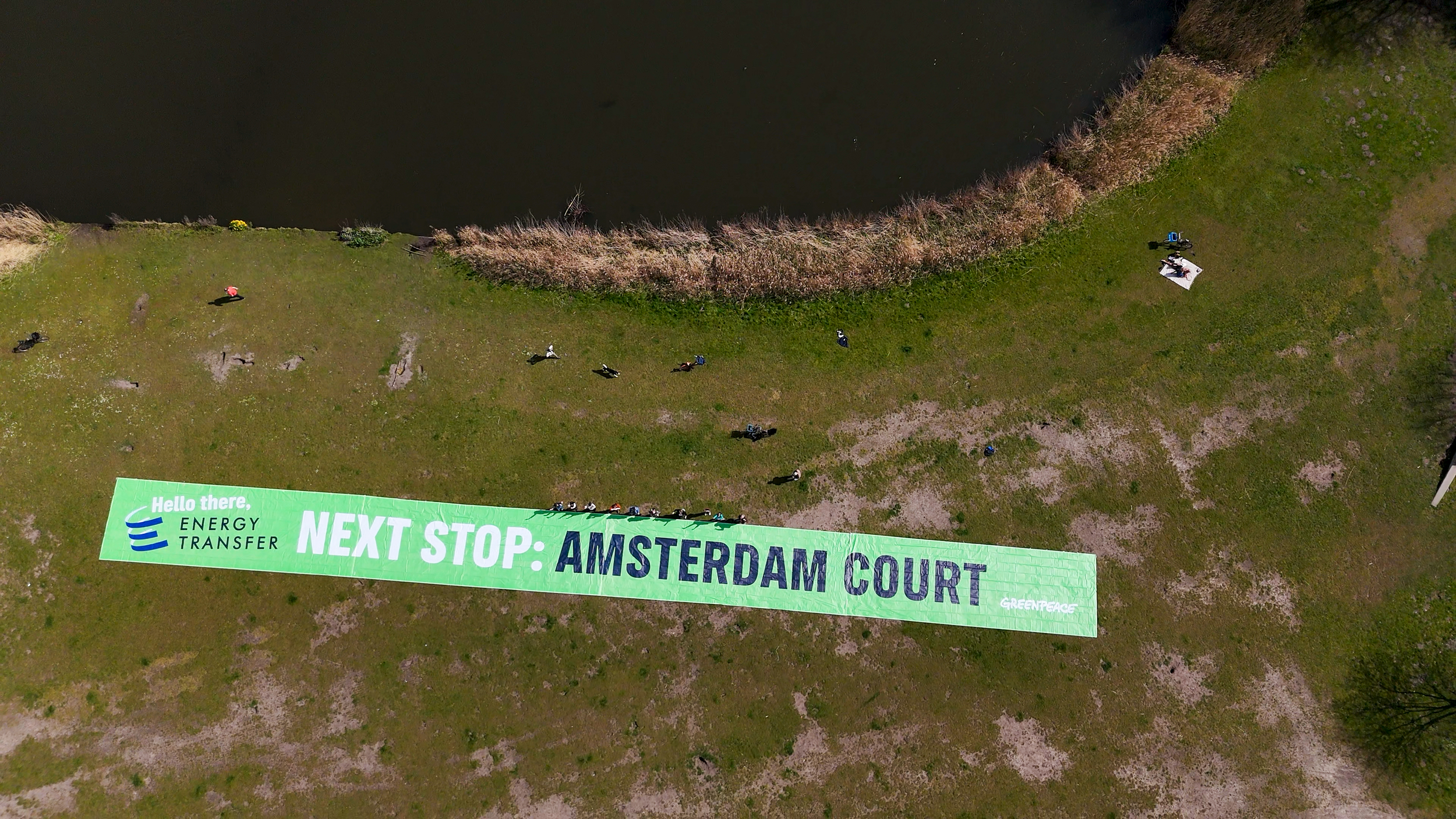
Greenpeace International wins preliminary phase of anti-SLAPP case vs. Energy Transfer
Greenpeace International’s landmark anti-SLAPP lawsuit took a major step forward today when the Amsterdam District Court rejected Energy Transfer’s latest attempt to avoid accountability for its unlawful actions, including back-to-back abusive lawsuits filed in the US.
-
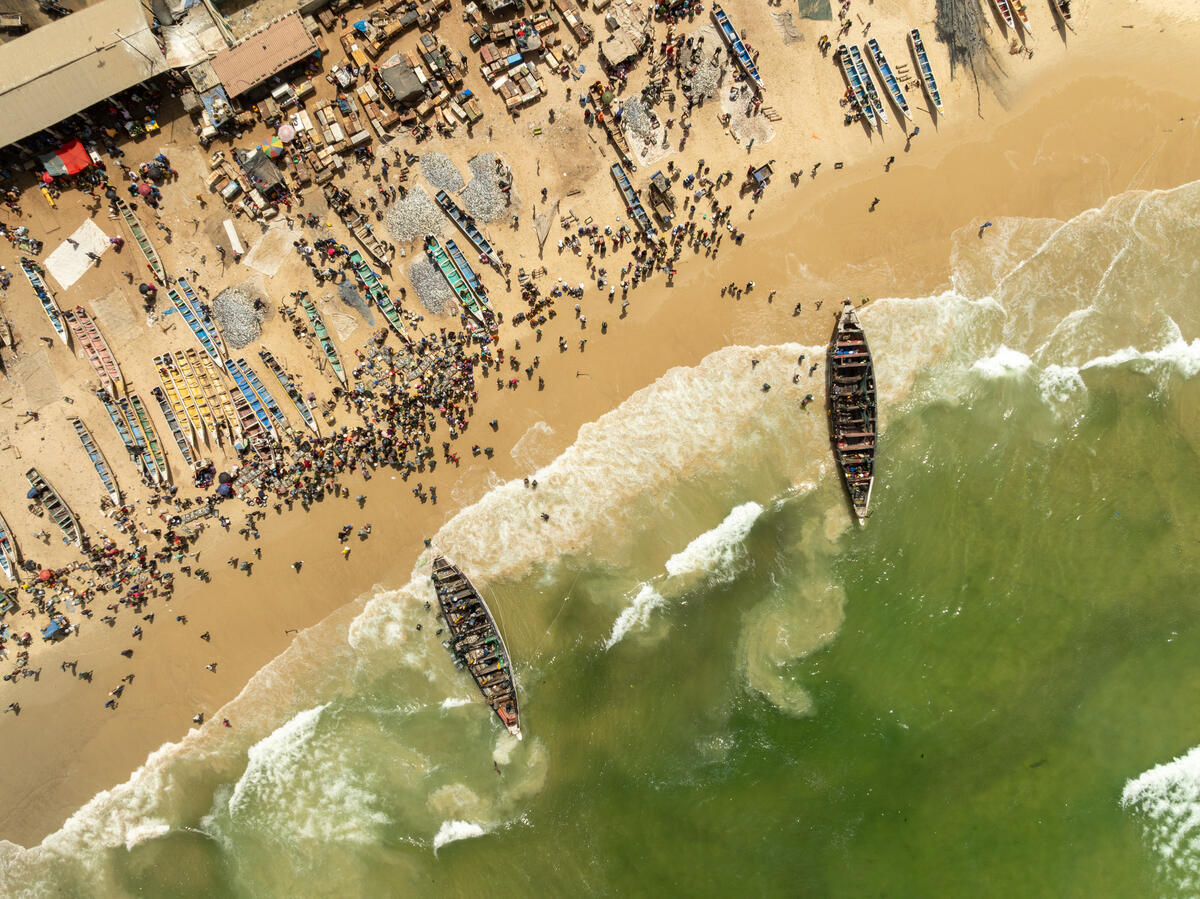
Global Ocean Protection Will Fail Without Human Rights at Its Core, Greenpeace Report Warns
New Greenpeace report shows what ocean communities have already achieved in governing the waters they depend on and makes the case for why governments cannot afford to keep building ocean policy without them.
-
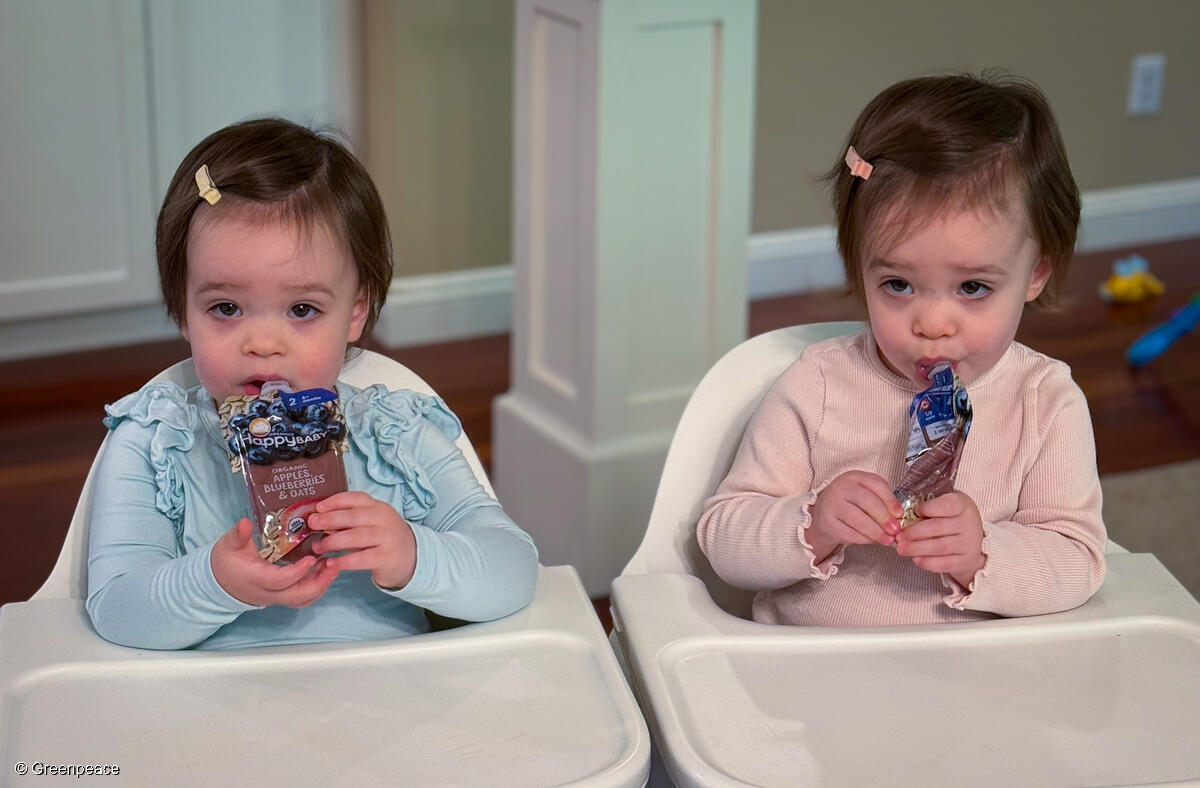
Babies, plastic pouches and microplastics: what parents should know about Nestlé and Danone’s baby food
A new Greenpeace International report presents evidence suggesting that Nestle’s Gerber brand and Danone’s Happy Baby Organics brand plastic pouches release microplastics and chemicals into baby food, and calls for plastic-free, safe options and a strong Global Plastics Treaty.
-
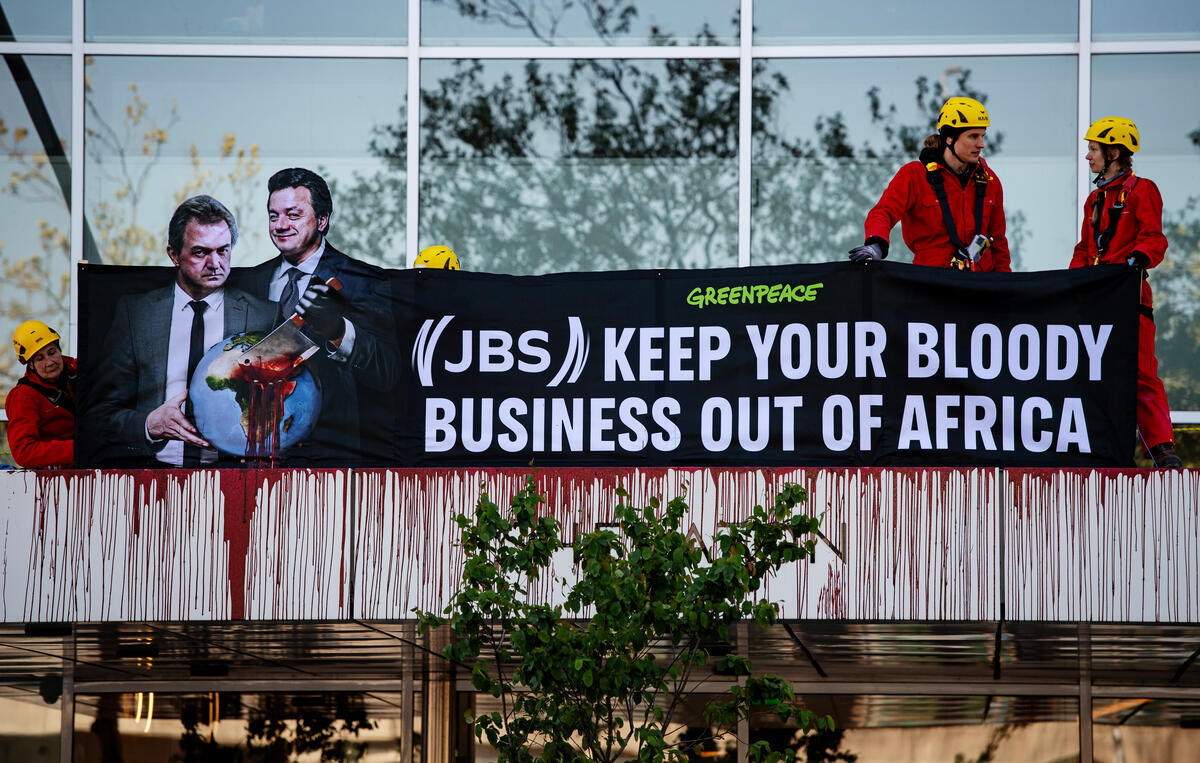
How JBS, the world’s largest meat company, is gearing up to plunder Nigerians’ land for corporate profit
After Greenpeace Netherlands initiated legal action demanding meat giant JBS disclose details of its planned $6 billion global expansion, almost half of which is earmarked for Nigeria, JBS has been telling the media it is not currently active in the country.
Filter posts
Filtered results
-
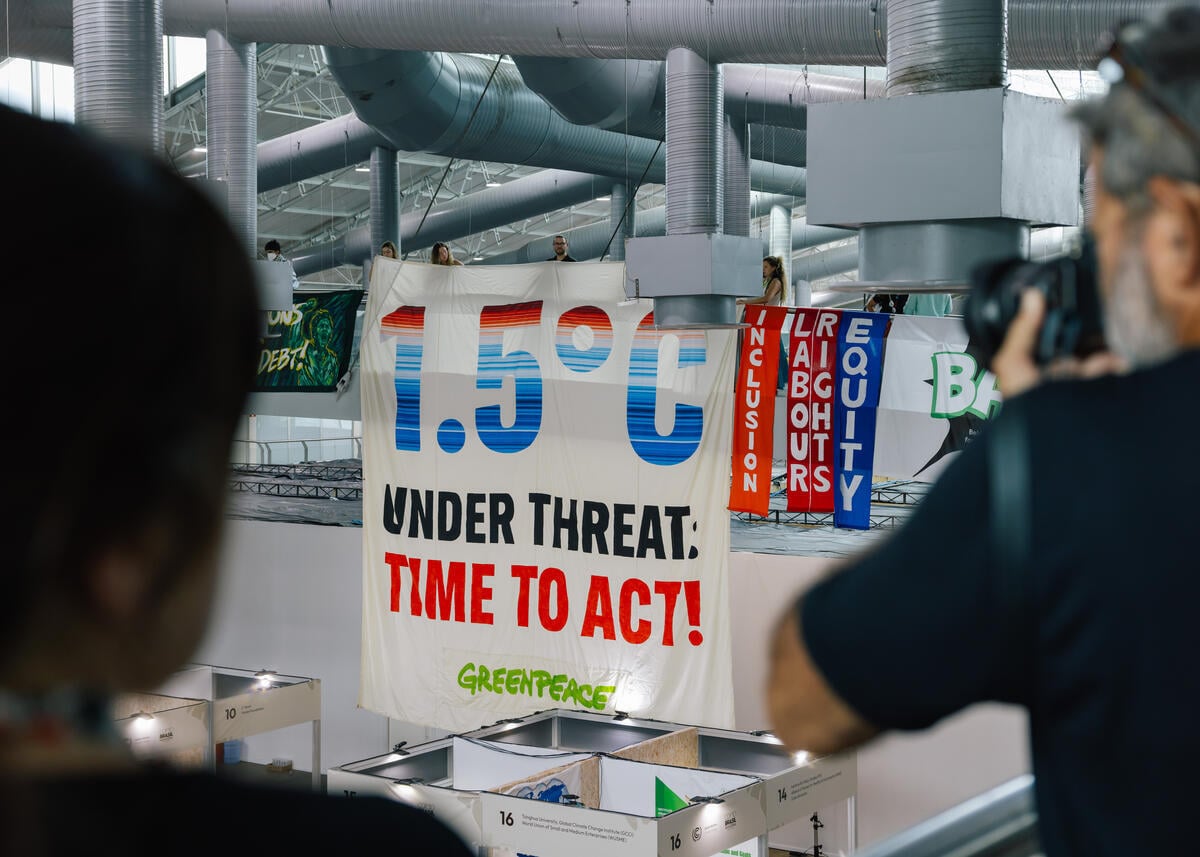
Happy anniversary to the Paris Agreement? A 10-year review of climate action, setbacks and the fight to keep 1.5°C alive
Ten years after the Paris Agreement was adopted at COP21, governments remain dangerously off track from staying within the 1.5°C limit. What must happen now to cut fossil fuel emissions and end deforestation?
-
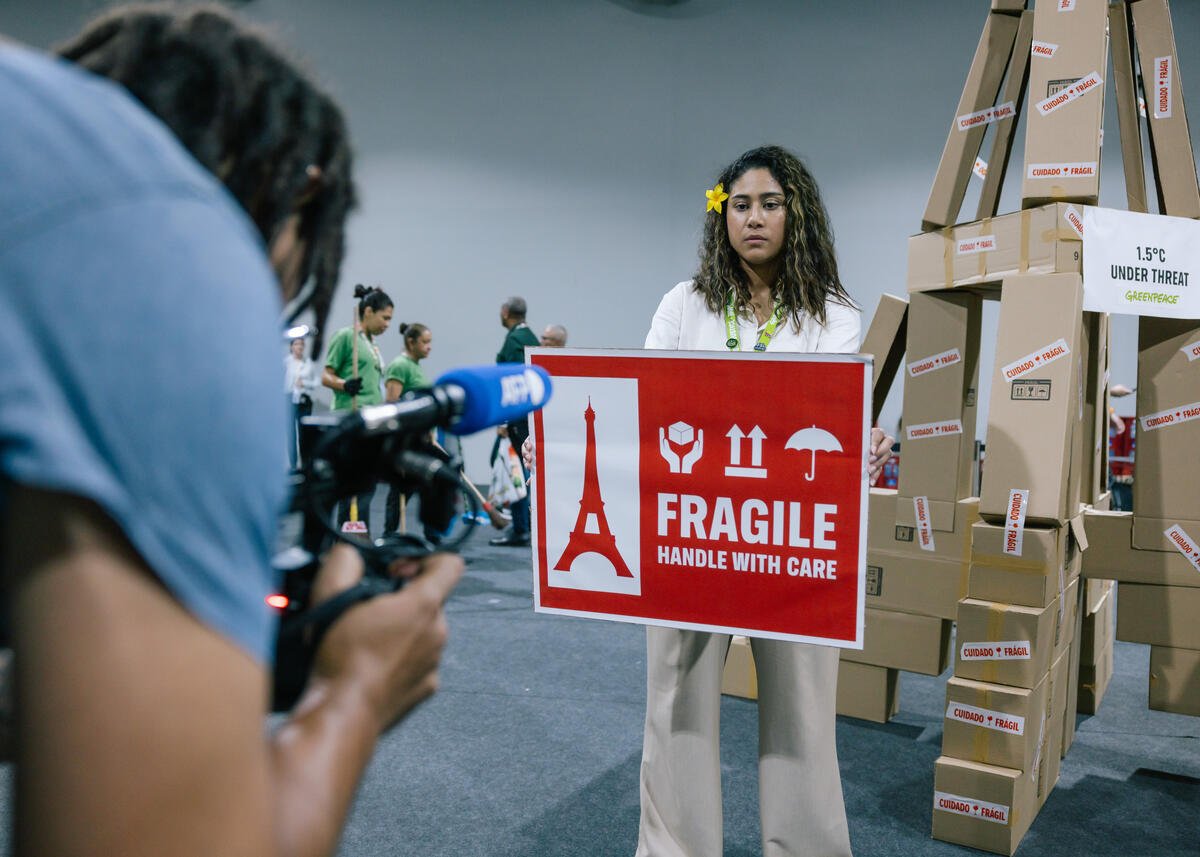
At COP30, the 1.5°C climate limit can still be saved
The world’s shared promise to limit global warming to 1.5°C above pre-industrial levels is hanging by a thread. This is not the moment to surrender. It is the moment to act.
-
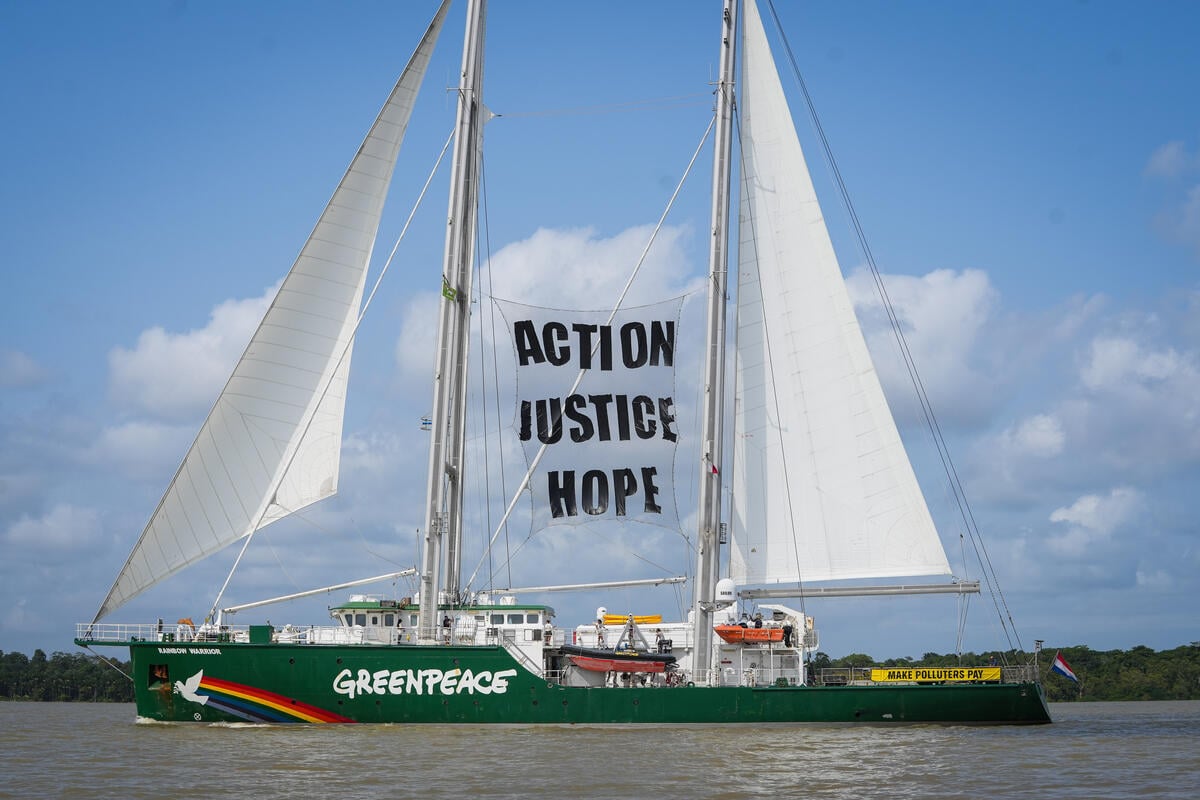
4 things Greenpeace is fighting for at COP30
At COP30 in Belém, Greenpeace is demanding action to end deforestation, phase out fossil fuels, protect Indigenous Peoples, and make polluters pay. Discover our key demands for a just and liveable future.
-
-
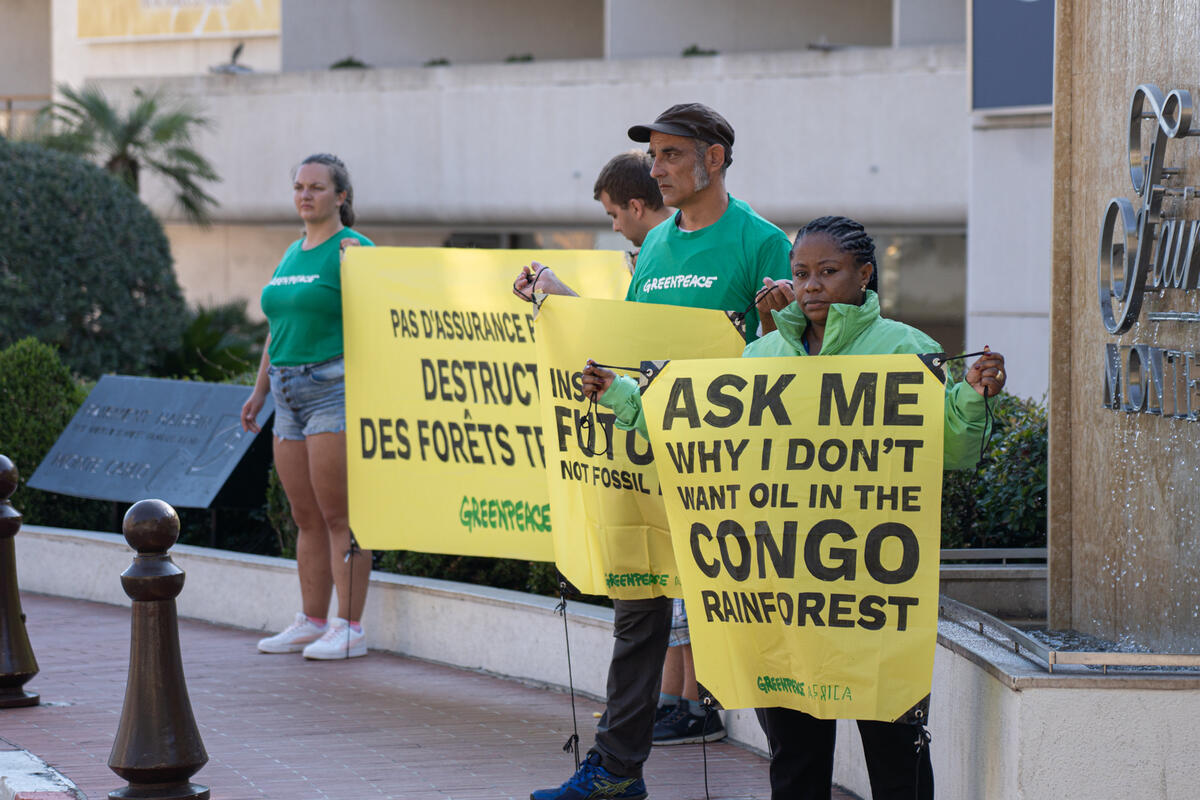
Insuring the future by protecting the Congo rainforest
Fossil fuel companies are gearing up to bid for the right to drill for oil and gas in the Congo rainforest. Insurance companies are in a powerful position when it comes to putting the brakes on fossil fuel expansion.
-
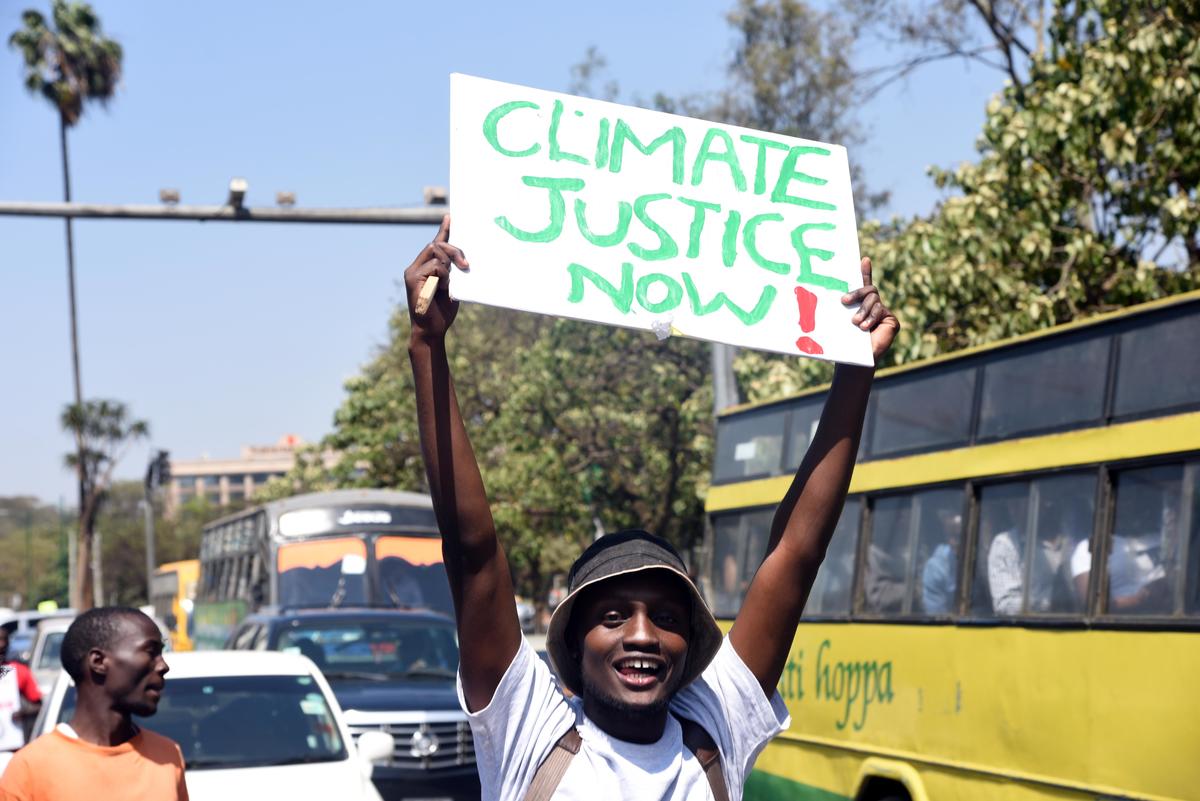
Africa Climate Summit: Time to shake off colonial legacy and shape up our green pan-African future
Two years after the Just Transition Partnership was announced by South Africa and Global North partners, a similar Just Transition Partnership has been announced with Senegal, as a part of…
-
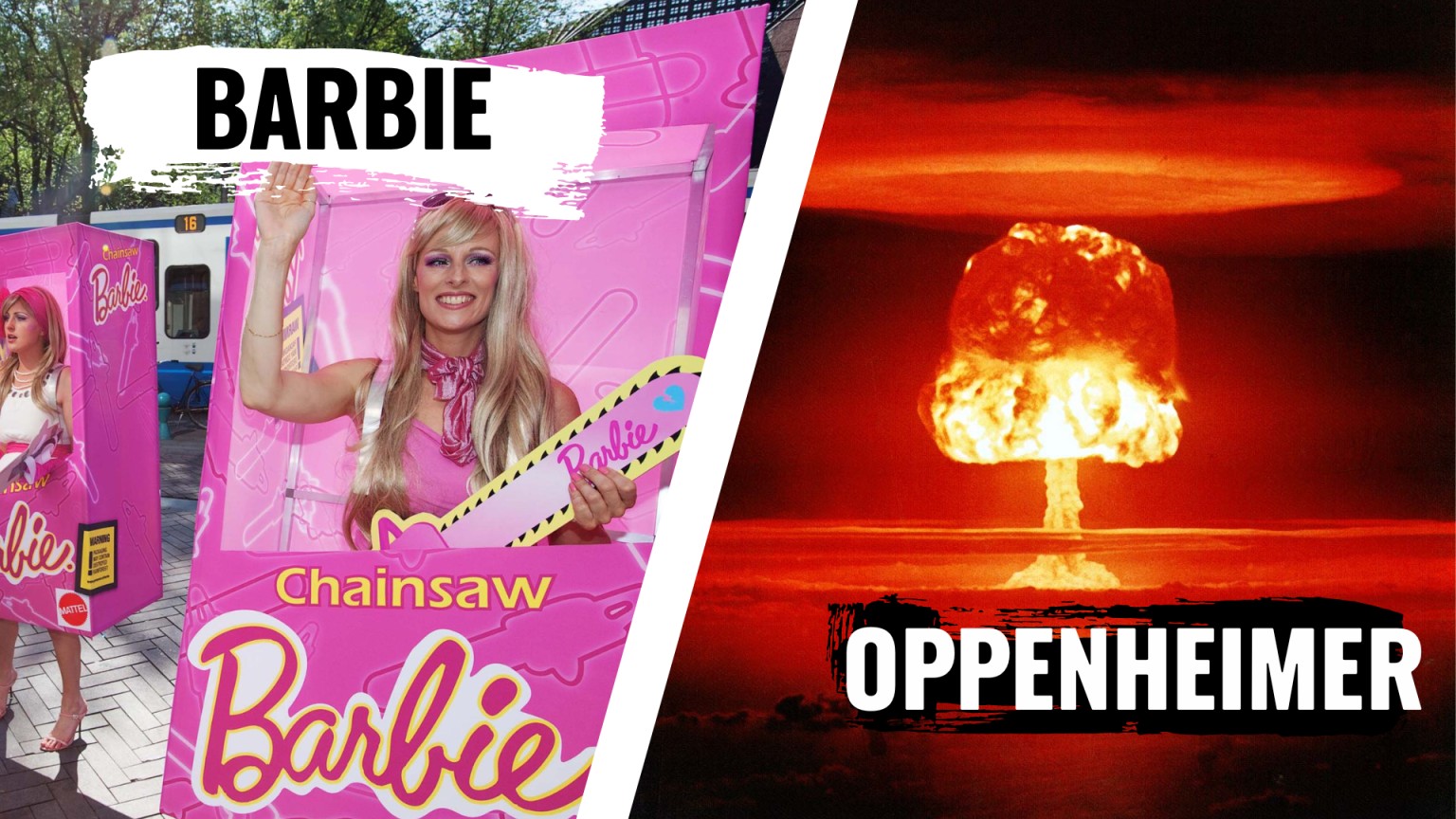
Barbie vs Oppenheimer: two diametrically opposed universes that remind us of two existential threats
“Barbenheimer” is probably the film event of the year. For the Greenpeace community, these two films echo past and present campaigns against very real existential threats: deforestation, plastic pollution and nuclear annihilation.
-
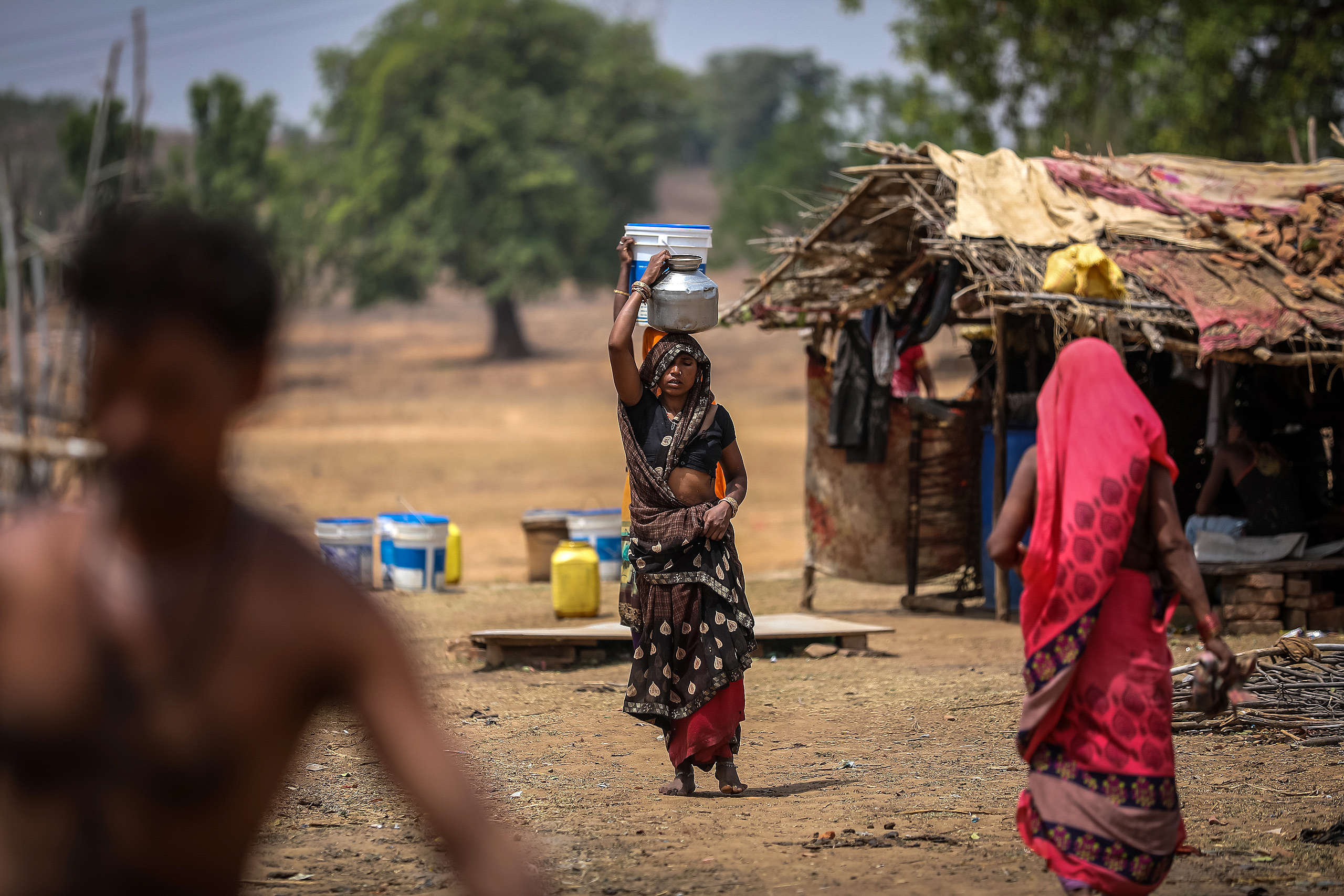
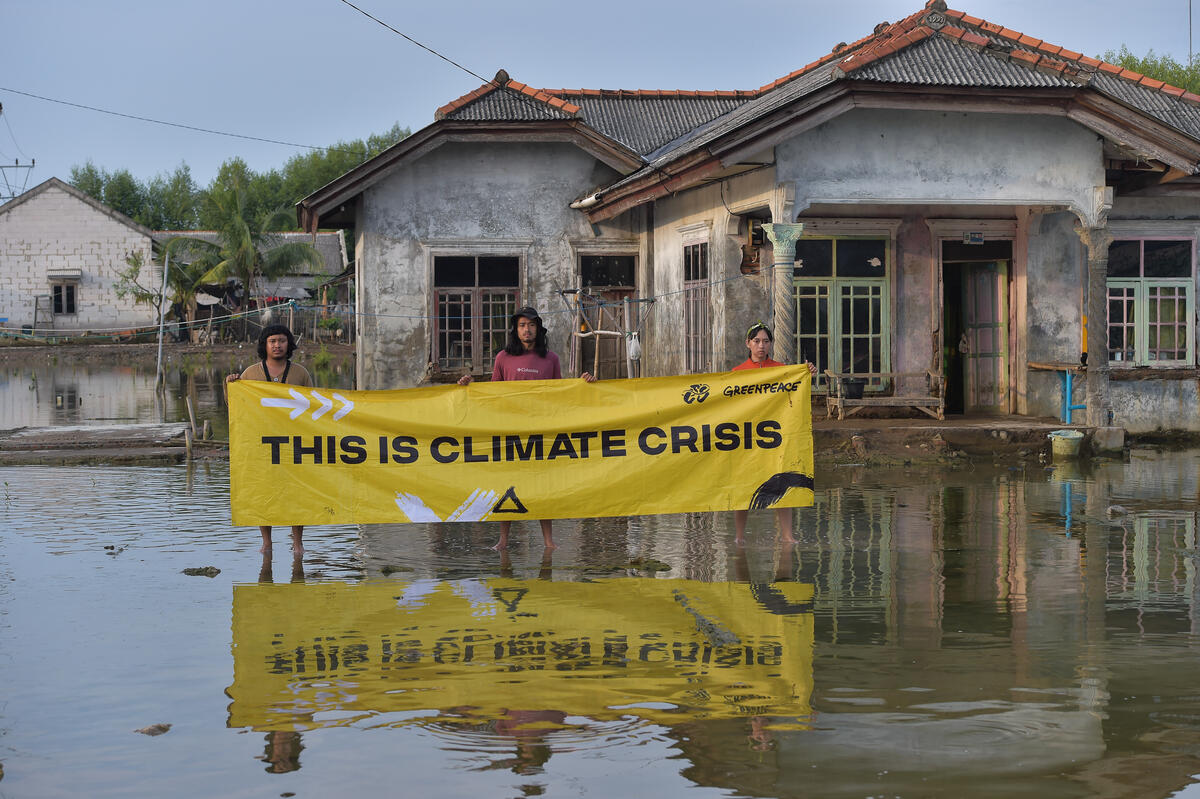
Climate emergencies photos from the year so far
As we celebrate World Environment Day today, it makes me incredibly proud to be a part of a group of pioneers across the globe.
-
-
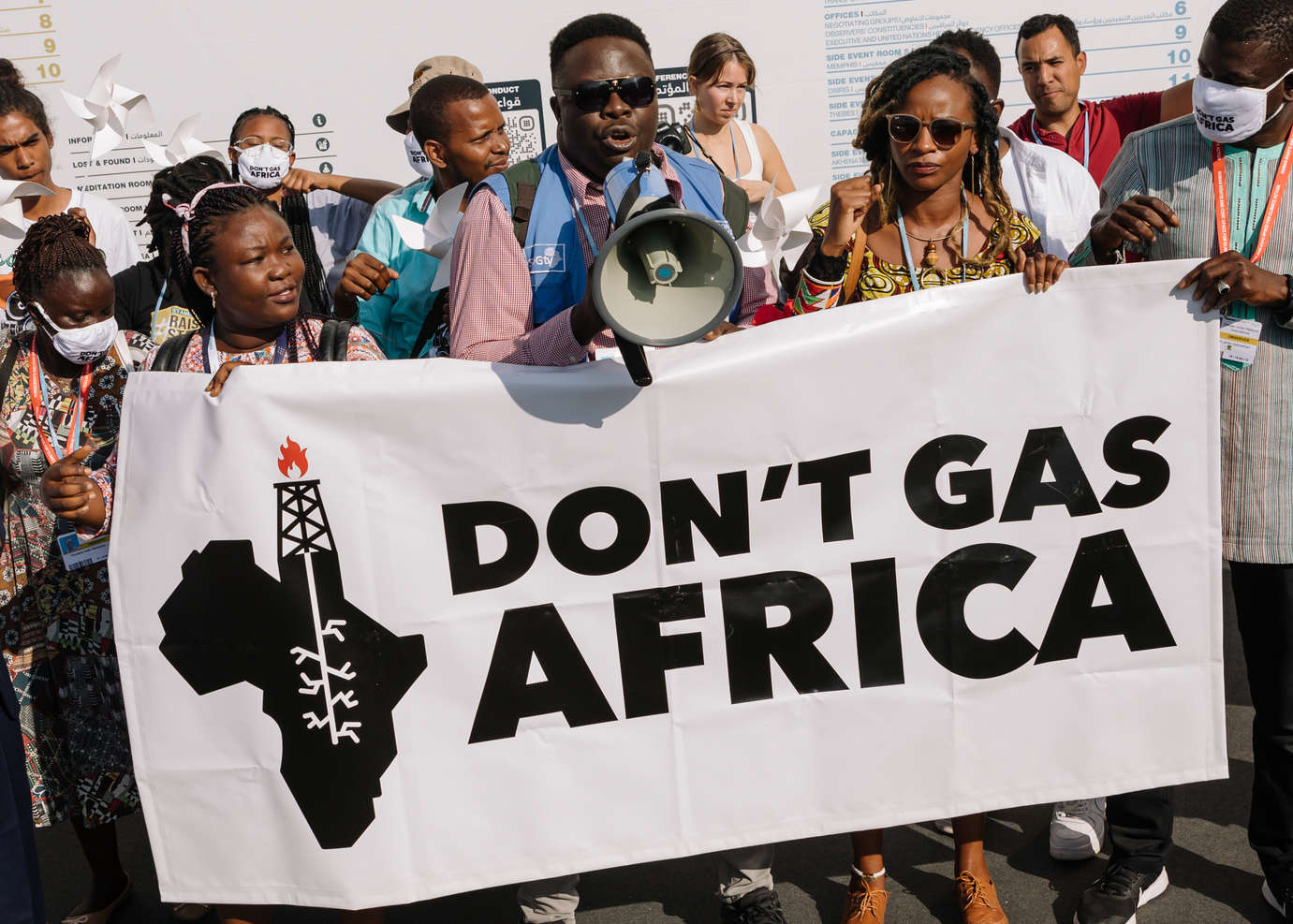
Congo oil: The worst deal in the world to insure
Simon Lewis, a professor at Leeds University and head of a British-Congolese research group called CongoPeat, has called the DRC blocks “the worst place in the world to drill for oil”