
News & Stories
Featured articles
-
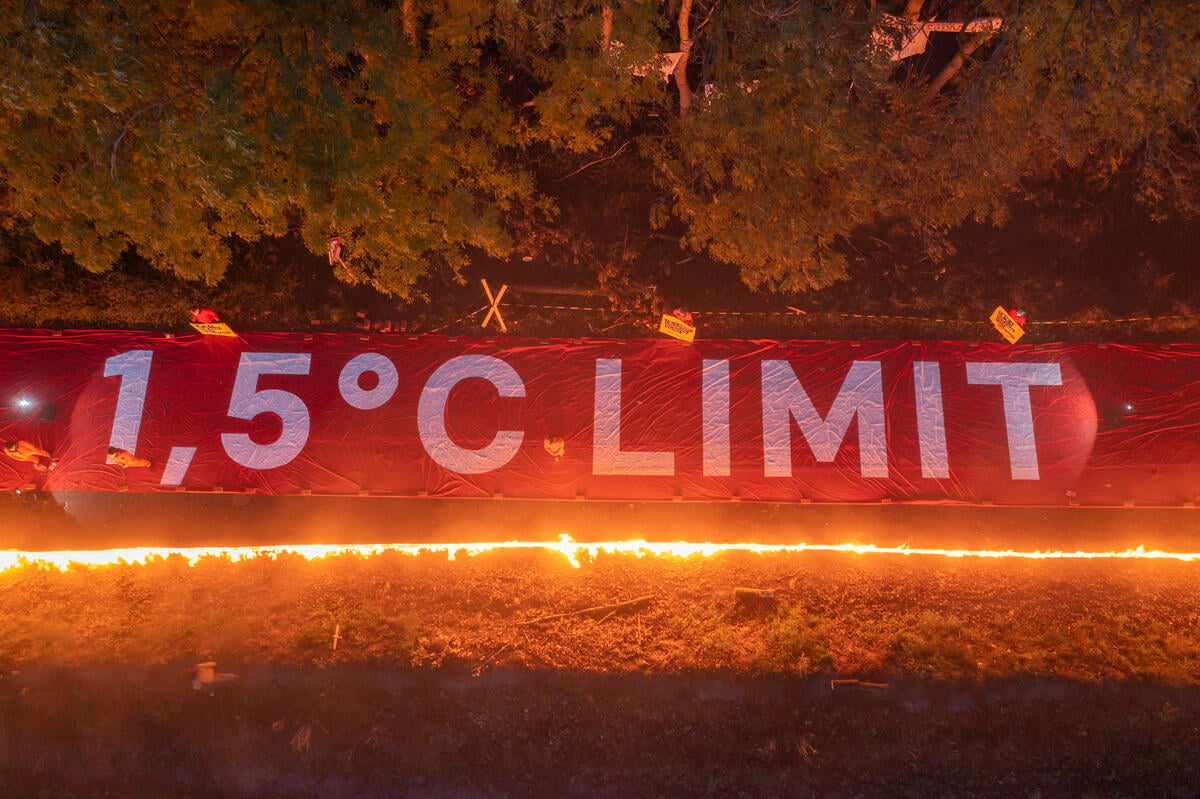
Why the UNEP 1.5°C overshoot report must be an urgent call to action on climate change
The UNEP’s new report ‘Limiting Overshoot’ outlines a pathway called “overshoot, peak and decline” to minimise and adapt to the impacts of an exceedance and an eventual return to 1.5°C.
-
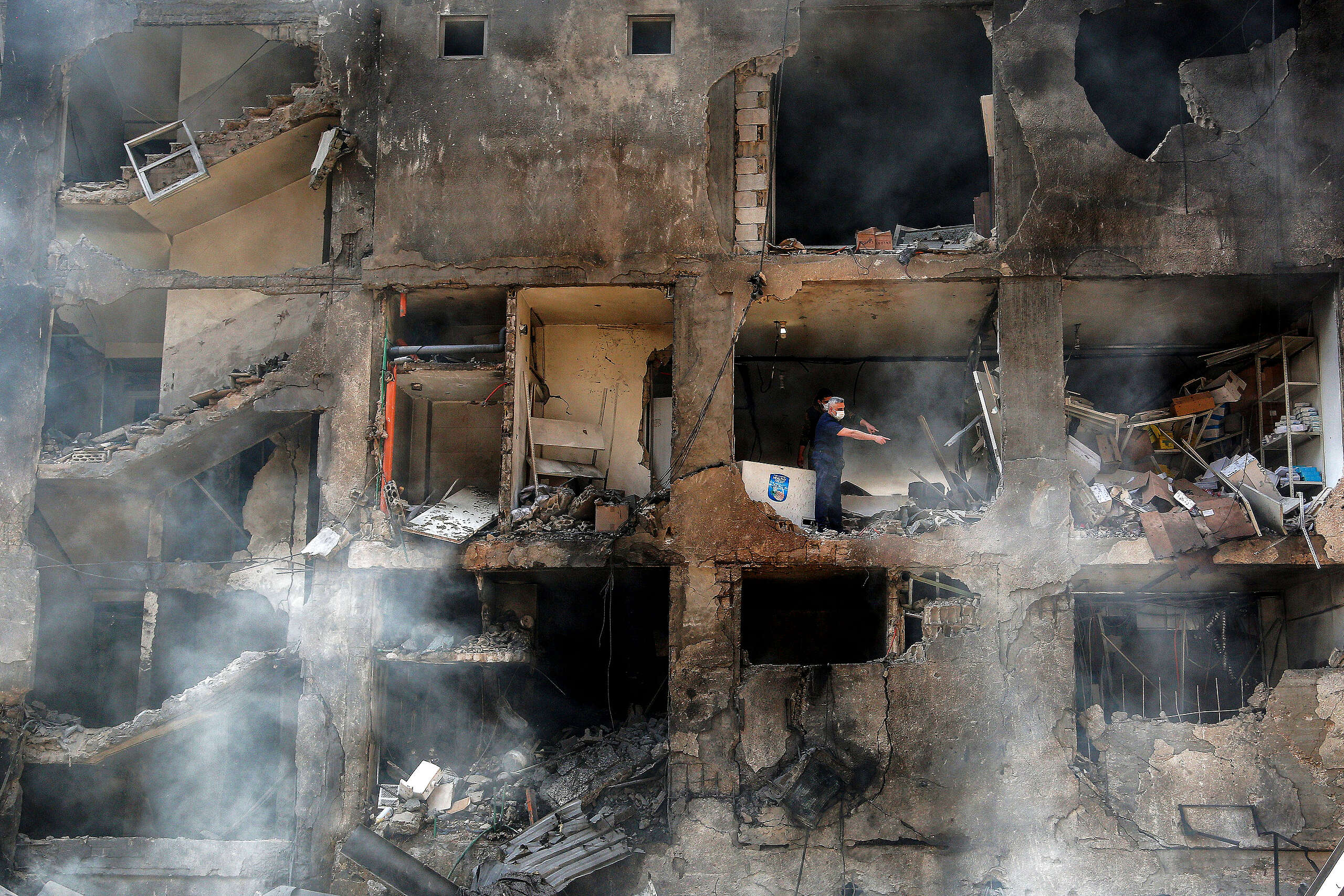
The human, environmental and economic cost of the war on Iran
Six months into the US-Israeli war on Iran, people are paying the price in lives, environmental damage and higher bills. The crisis shows how dependence on fossil fuels leaves people exposed to volatile prices and future shocks.
-
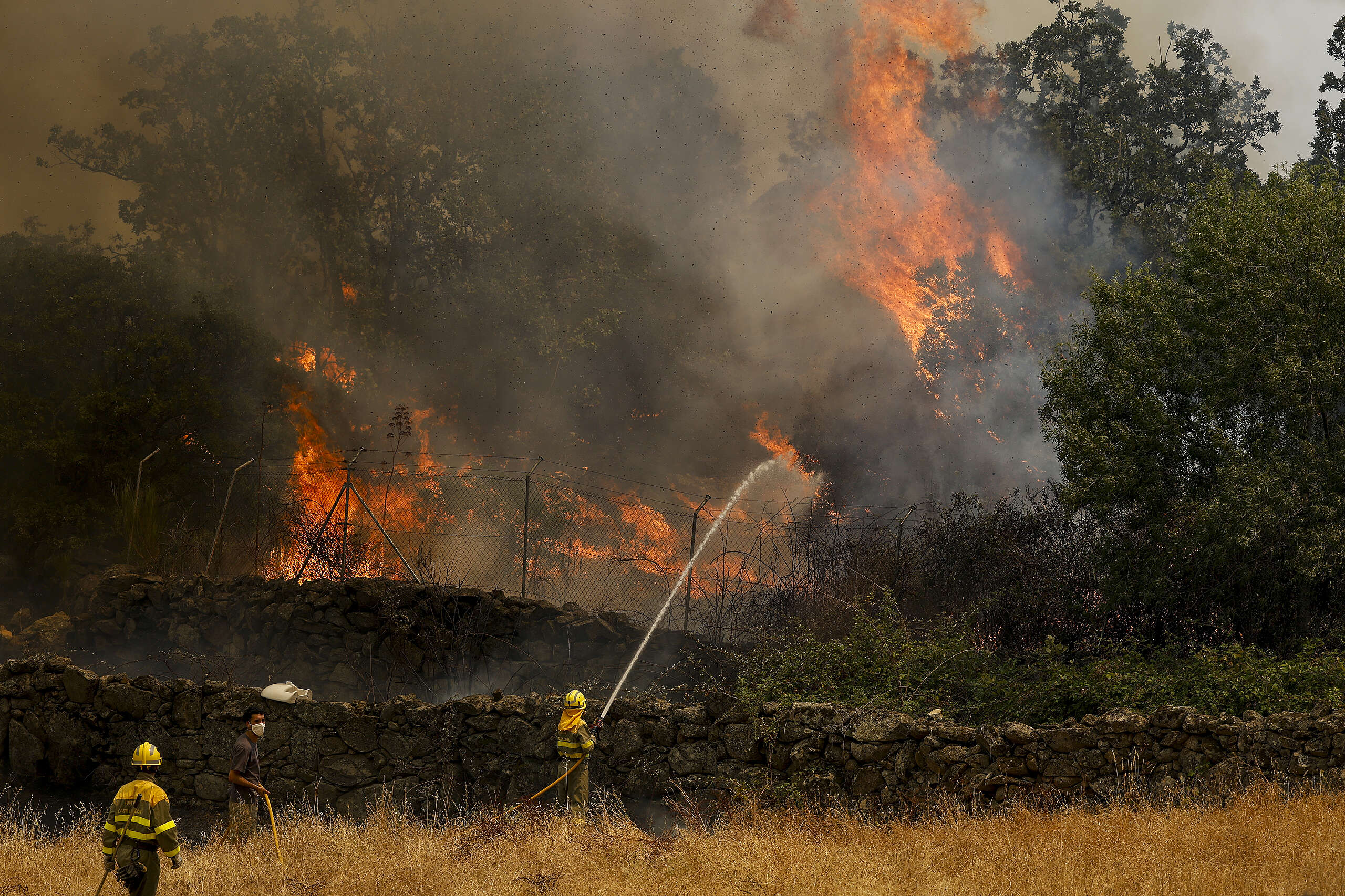
What the ‘natural’ disasters of 2026 reveal about climate change
Record-shattering global temperatures across land and sea are the grim reality of climate crisis, and the reason we need an immediate transition away from fossil fuels to renewable energies.
-

The energy and environmental impact of AI and how it undermines democracy
How does AI affect the environment? From data centre pollution in New Jersey to economic threats in Ireland, we look at how the tech boom impacts global ecosystems.
Filter posts
Filtered results
-
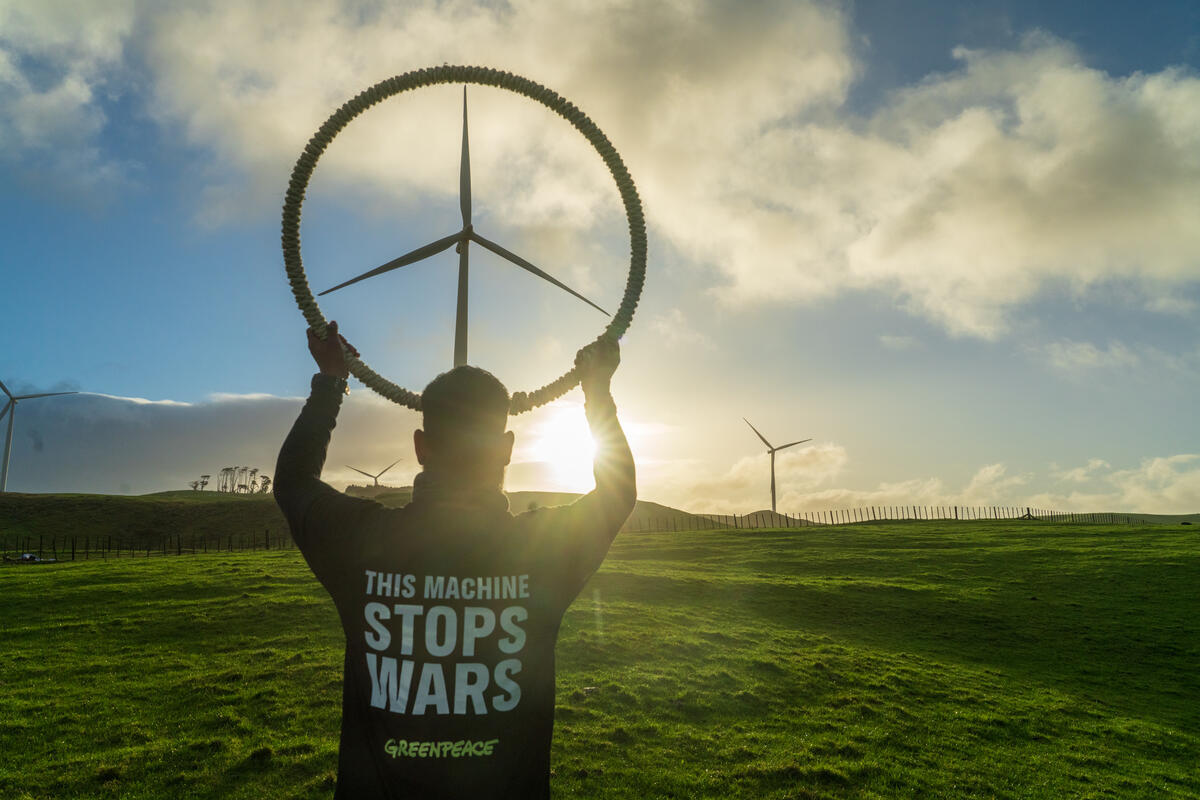
Fossilflation: War on Iran oil shock shows why we need to replace fossil fuels with renewables
New Greenpeace International analysis shows how dependence on fossil fuels leaves household budgets exposed to volatile international markets, with price shocks feeding through into the wider economy.
-

Largest meat and dairy exporters could conceal over 1.5 billion tonnes of greenhouse gas emissions if controversial accounting metrics adopted
The report also highlights a risk of governments using these paper savings in agriculture to justify slower decarbonisation in heavy-polluting fossil fuel sectors.
-
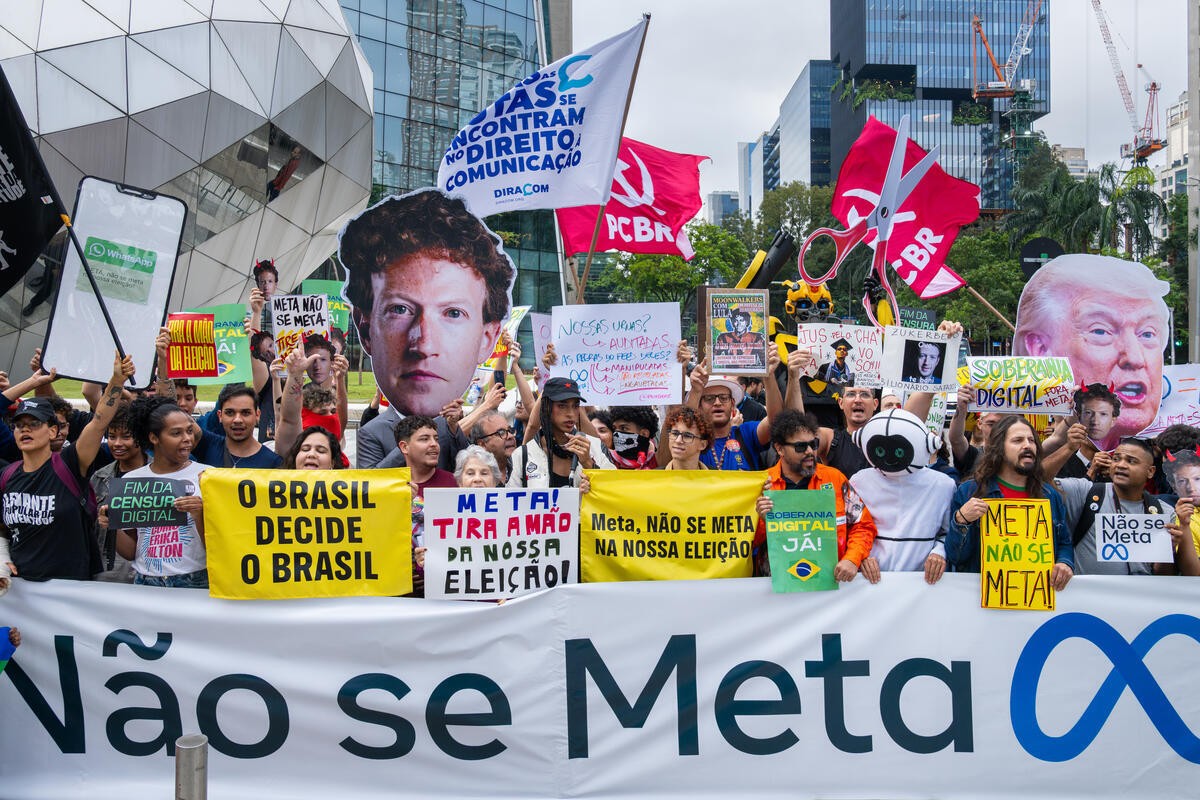
Brazil’s historic election is what hope looks like
Autocrats and far right politicians and their tech billionaire enablers rely on public exhaustion to keep their grip. But an organised, united movement shatters their playbook every single time.
-
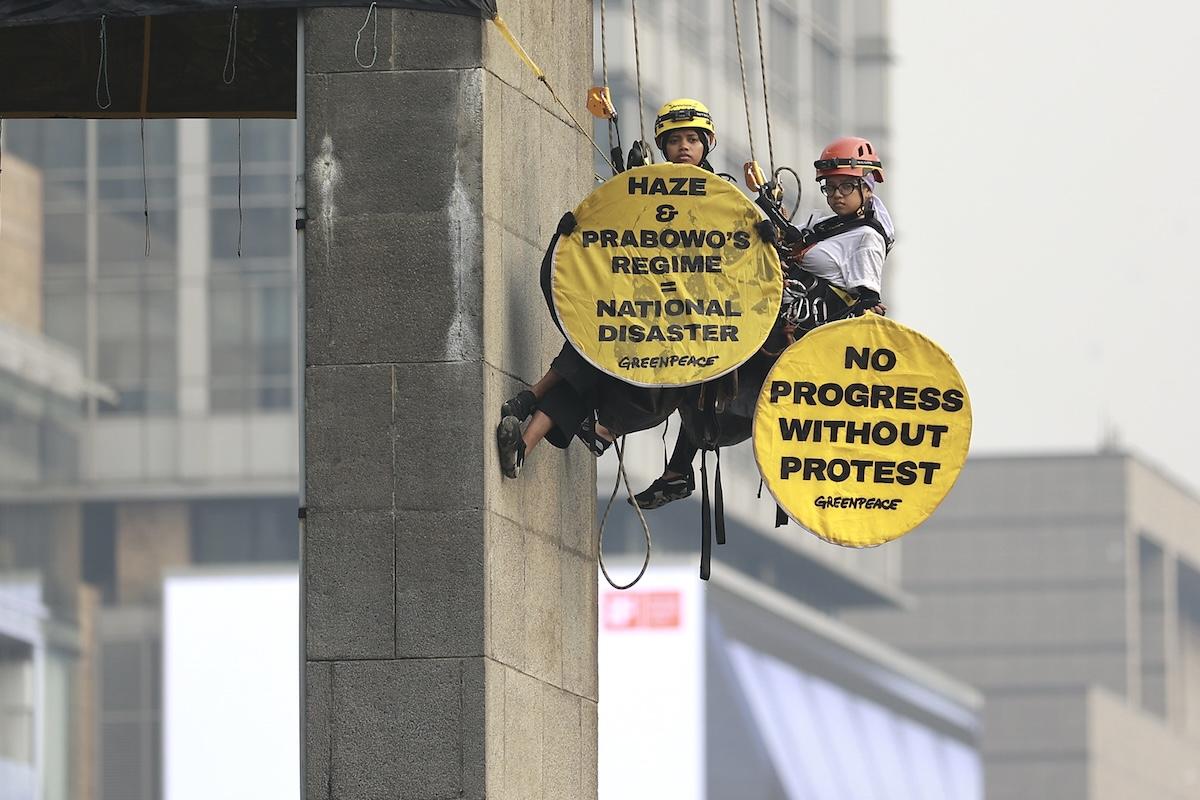
Indonesia’s protest ‘queens’ are a viral sensation. Here’s why their message on haze, climate and cost of living hits the spot
Courage and HOPE are contagious. As people protest around the globe to demand justice and a liveable planet, Greenpeace Indonesia's climbers captured the moment.
-
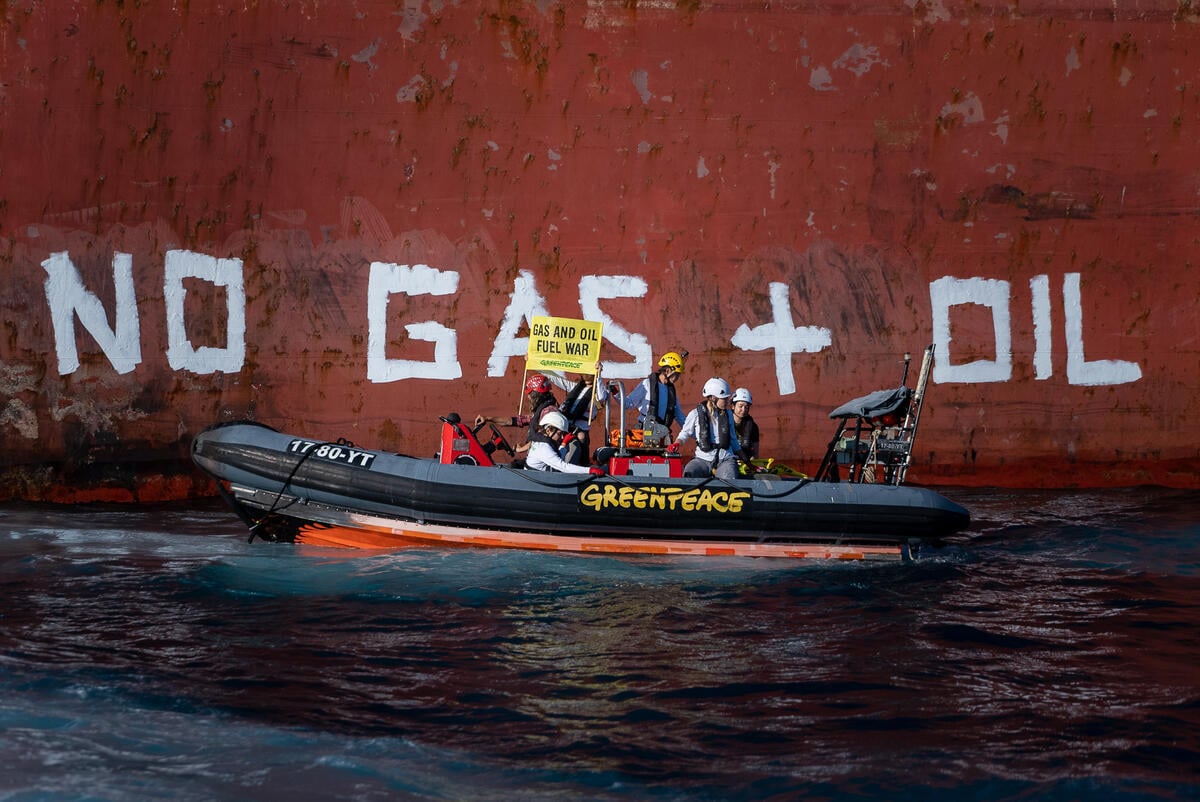
Energy price hikes drove all the rise in eurozone inflation amid war on Iran, Greenpeace analysis finds
Greenpeace International research examines how oil and gas price shocks push up the cost of living, and how renewable energy and electrification can help protect people’s budgets.
-

Fossilflation: how oil and gas prices drive inflation and how households can be protected
When oil and gas prices rise, people can end up paying more for essentials. The war on Iran has exposed this vulnerability again. Dependence on fossil fuels leaves people’s living…
-
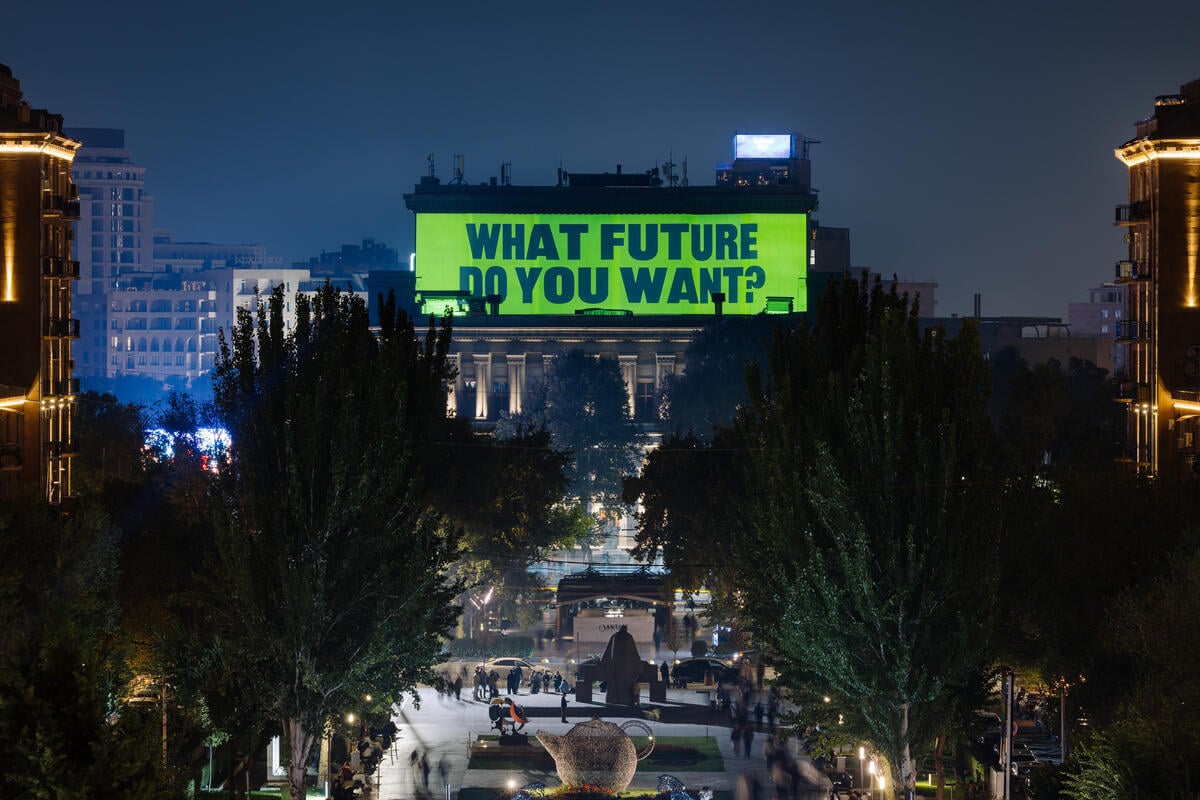
UN Biodiversity COP17: What future do leaders want?
The ministerial High-Level Segment, taking place during the second week of COP17, must provide the political leadership needed to deliver a strong, action-oriented response to the Convention’s first Global Review, with just four years left to meet those targets.
-
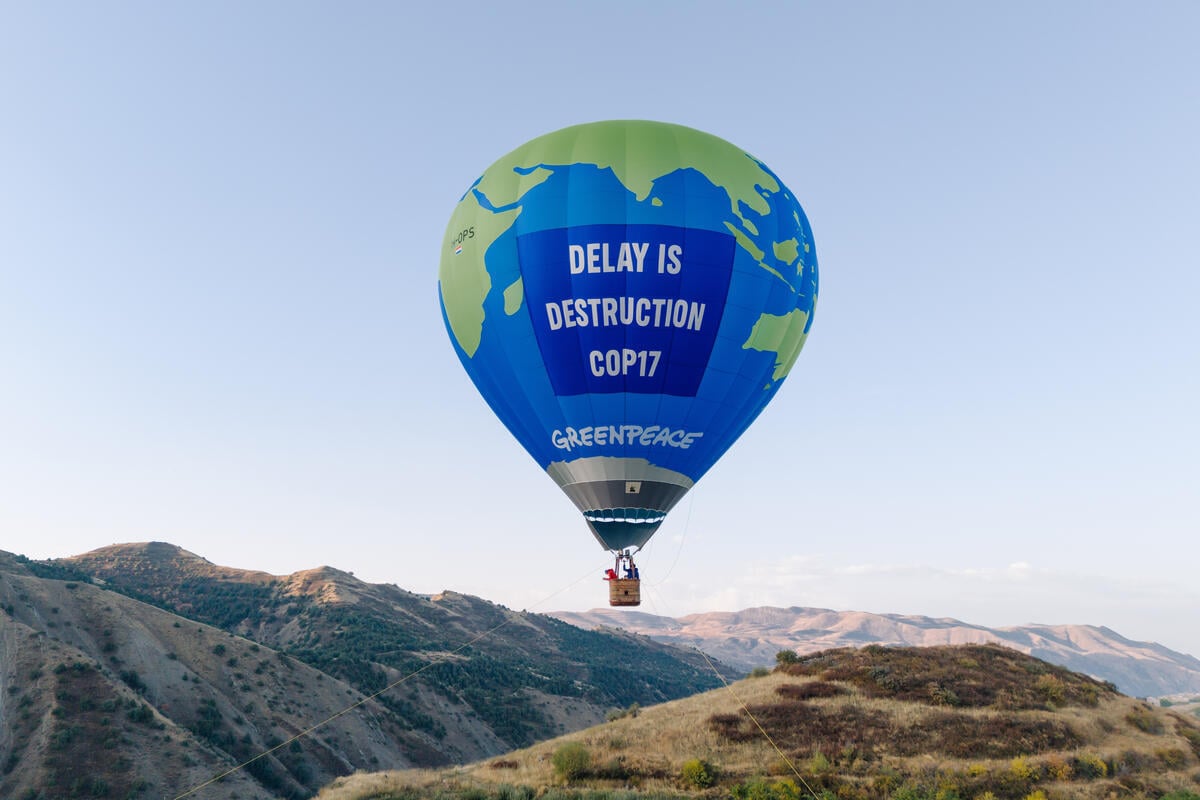
Greenpeace Pictures of the Week
Demanding action from world leaders at COP17 in Armenia, protesting a gas project in Australia, and protests against water pollution in Mexico, here are a few of our favourite images from Greenpeace work around the world this week.
-
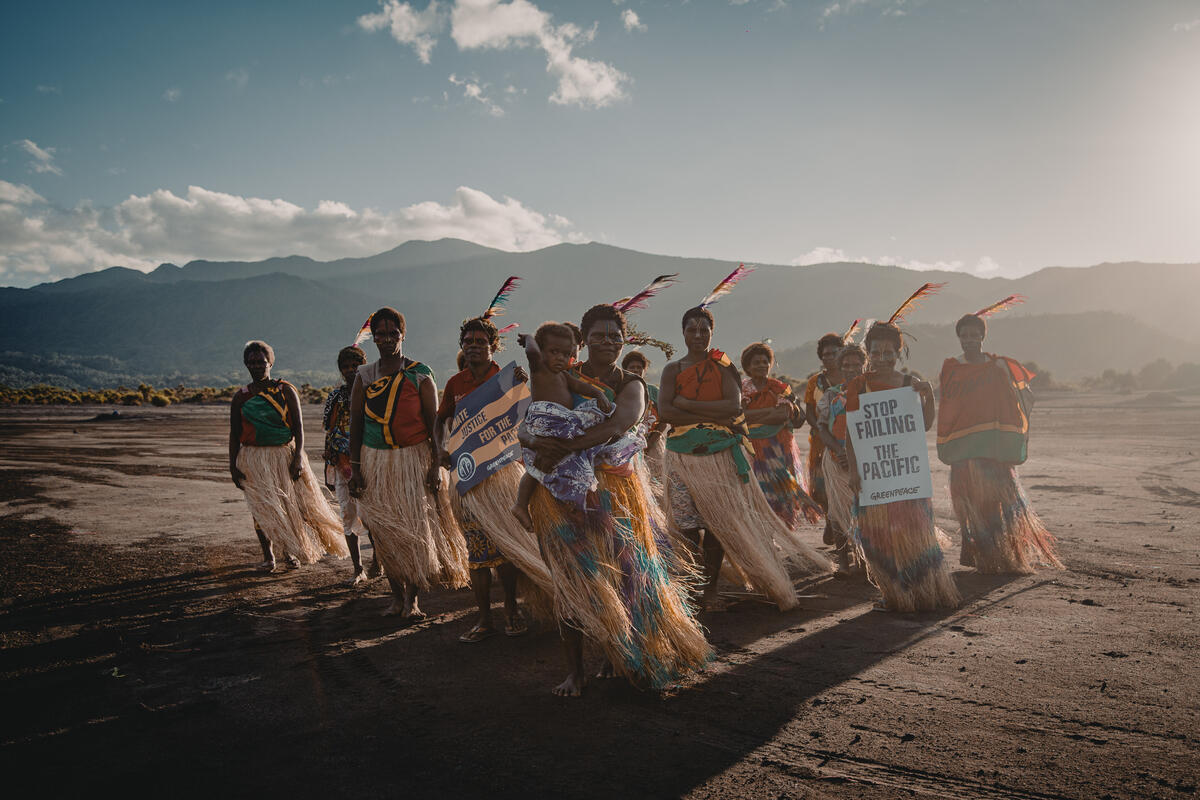
Governments cannot protect the ocean while sidelining coastal communities
With just three years to 2030 - the major milestone for global biodiversity commitments - the world is not on track to meet them.
-
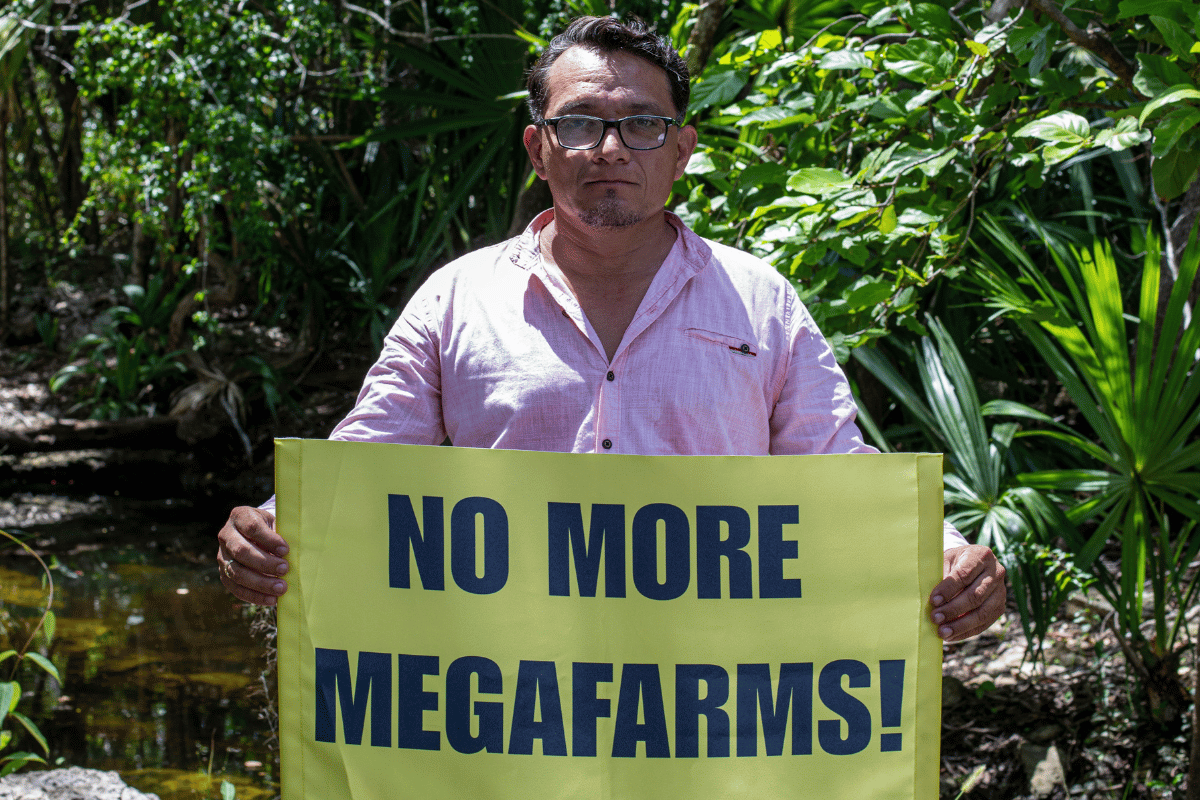
Pig waste is polluting Mexico’s Maya rainforest. But local communities are fighting back
Across the globe, massive factory farms are polluting local drinking water to line the pockets of a wealthy few. But communities are drawing a line in the sand.