Agricultura
Protejamos la tierra y quienes la cultivan.
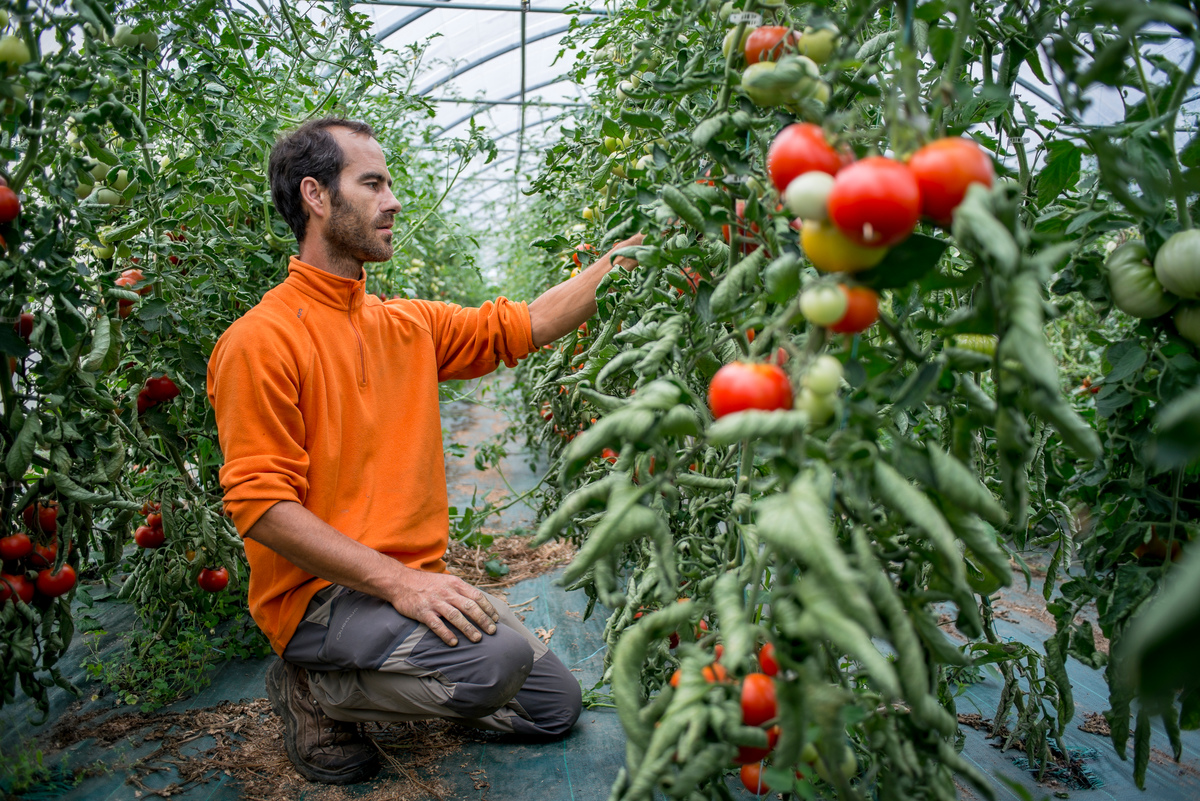
¿La agricultura es un problema ambiental?
La agricultura es una de las prácticas más antiguas y nobles de la humanidad. Gracias a ella tenemos alimentos en nuestra mesa. Pero no toda agricultura es igual. Lo que pone en riesgo al planeta no es cultivar la tierra… sino cómo se cultiva.
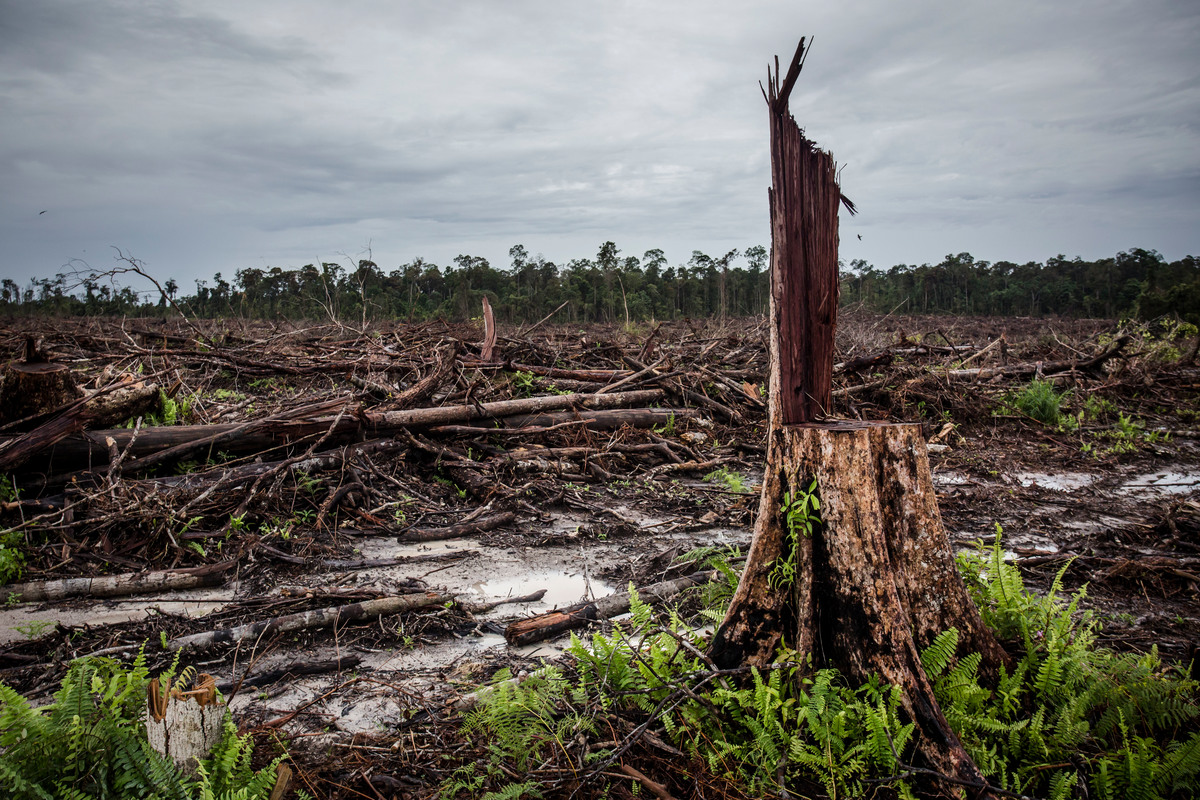
El problema: Un modelo que devora el planeta
Cuando la agricultura sigue un modelo industrial, basada en la lógica del máximo rendimiento a cualquier costo, el daño ambiental es enorme:
- Uso masivo de agrotóxicos que contaminan suelos y aguas.
- Monocultivos que agotan la tierra y desplazan la biodiversidad.
- Deforestación de selvas y bosques para expandir tierras de cultivo.
- Uso de semillas transgénicas que ponen en riesgo la soberanía alimentaria.
Esto tiene consecuencias graves:
- Aceleración del cambio climático
- Escasez de agua
- Pérdida de biodiversidad
Cambio climático: un costo oculto de tu comida
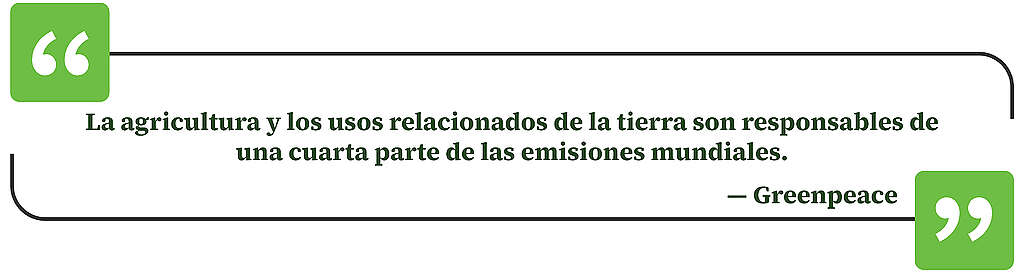
El sistema alimentario industrial representa el 24% de las emisiones globales de gases de efecto invernadero.
No se trata solo de lo que se siembra, sino de cómo se produce, procesa y transporta.
Lo que estamos haciendo
Desde Greenpeace México hemos luchado durante décadas contra el modelo agroindustrial:
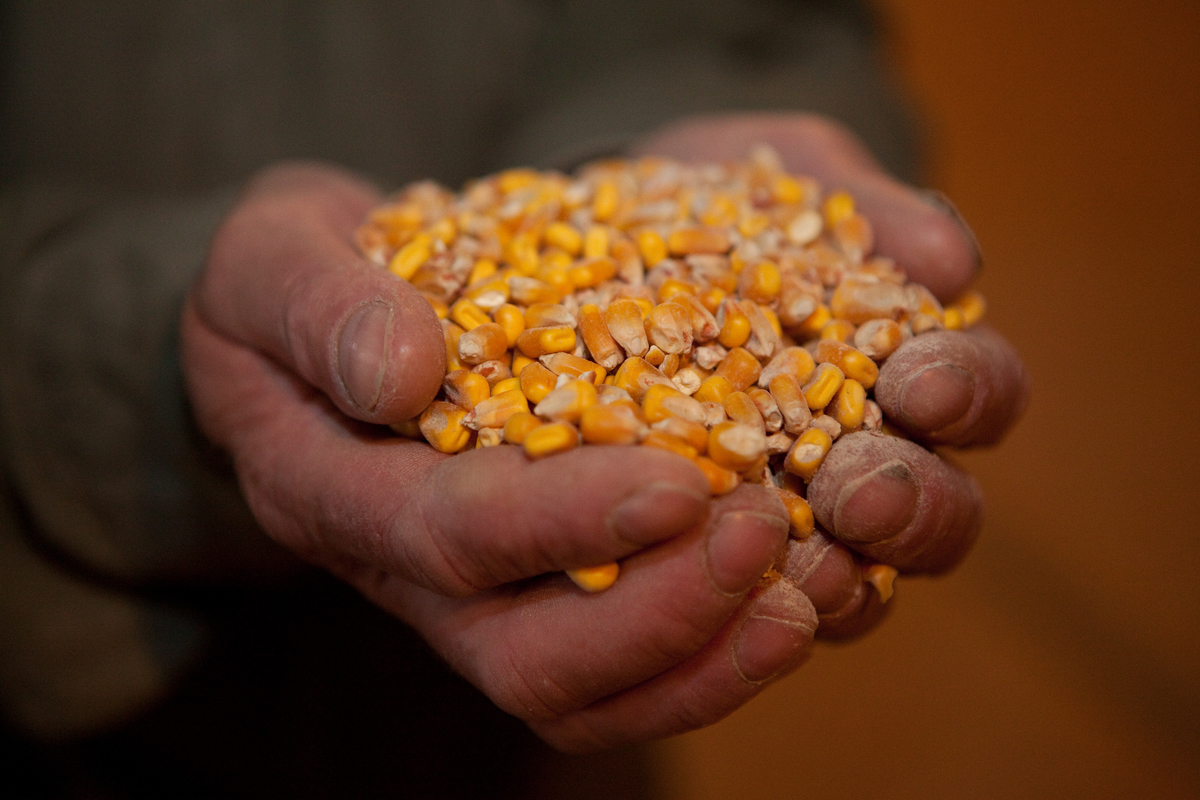
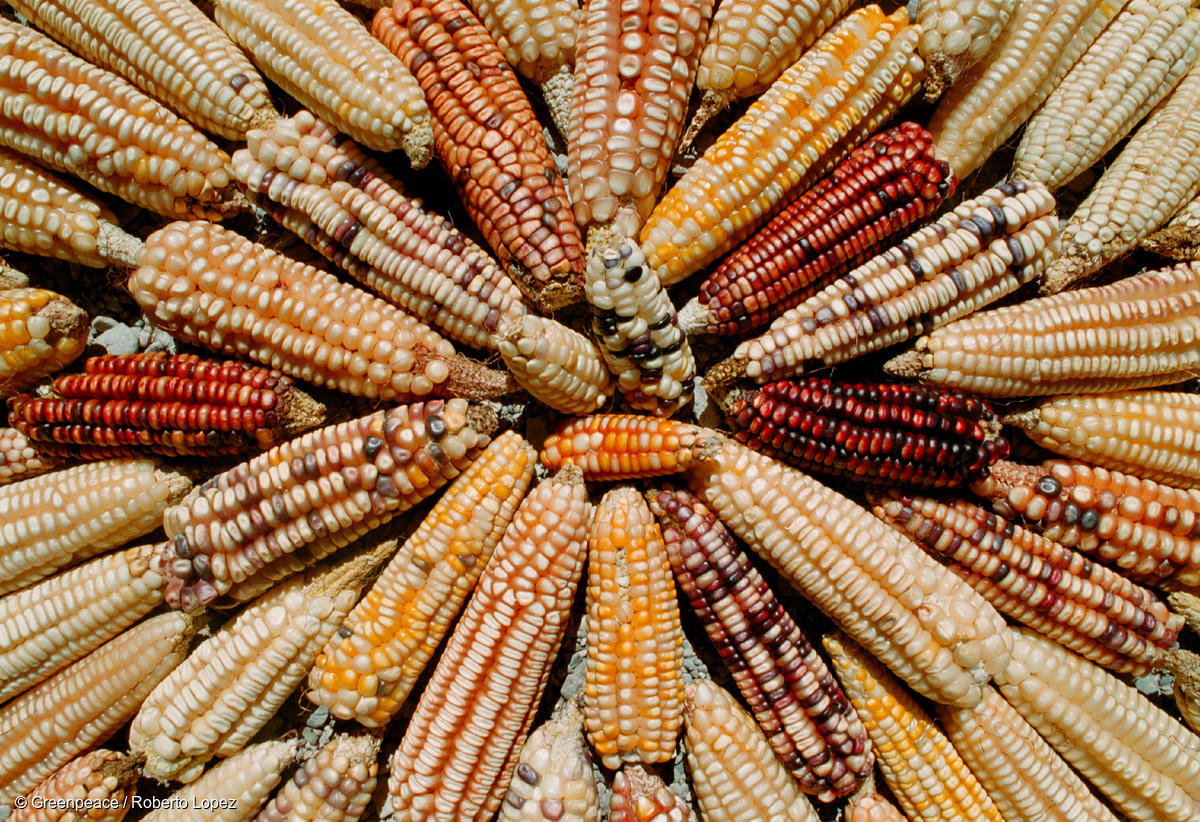
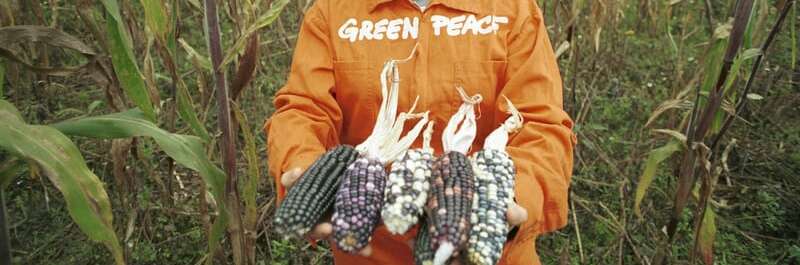
Detuvimos la siembra de maíz transgénico junto con colectivos como Sin Maíz No Hay País.
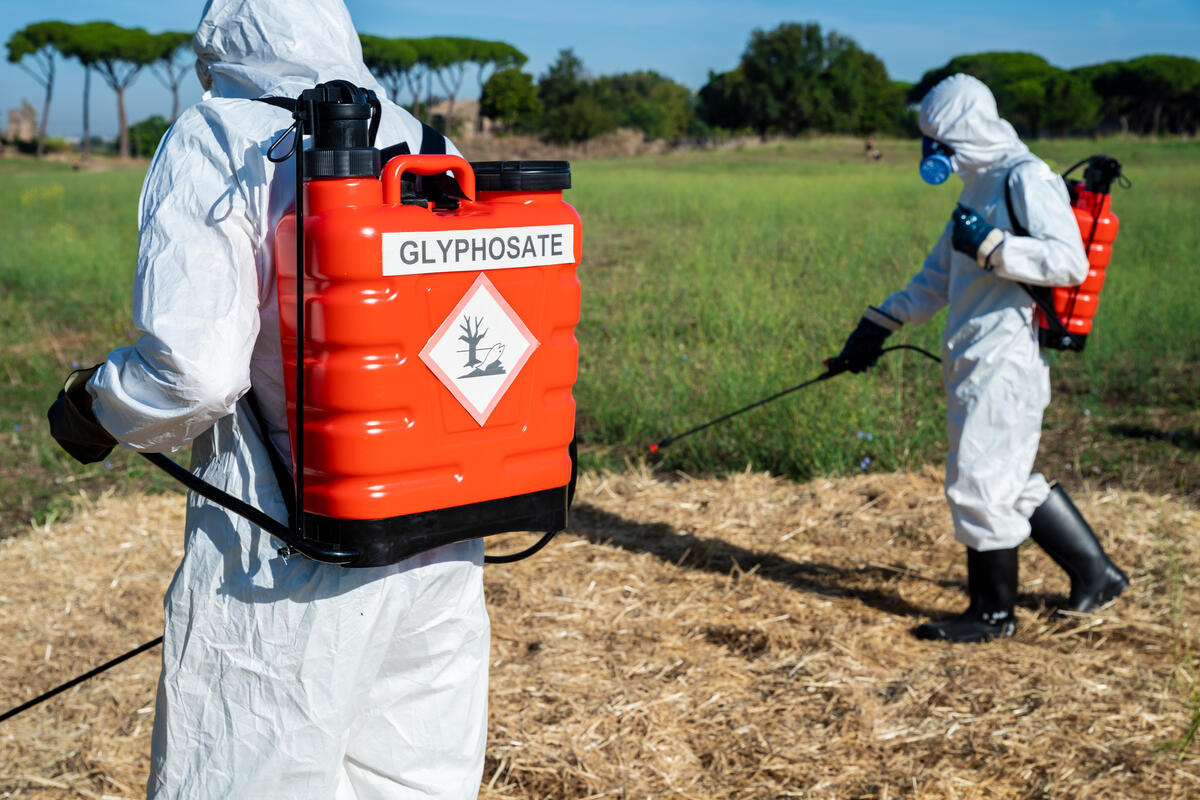
Impulsamos restricciones al uso de glifosato y otros plaguicidas tóxicos.
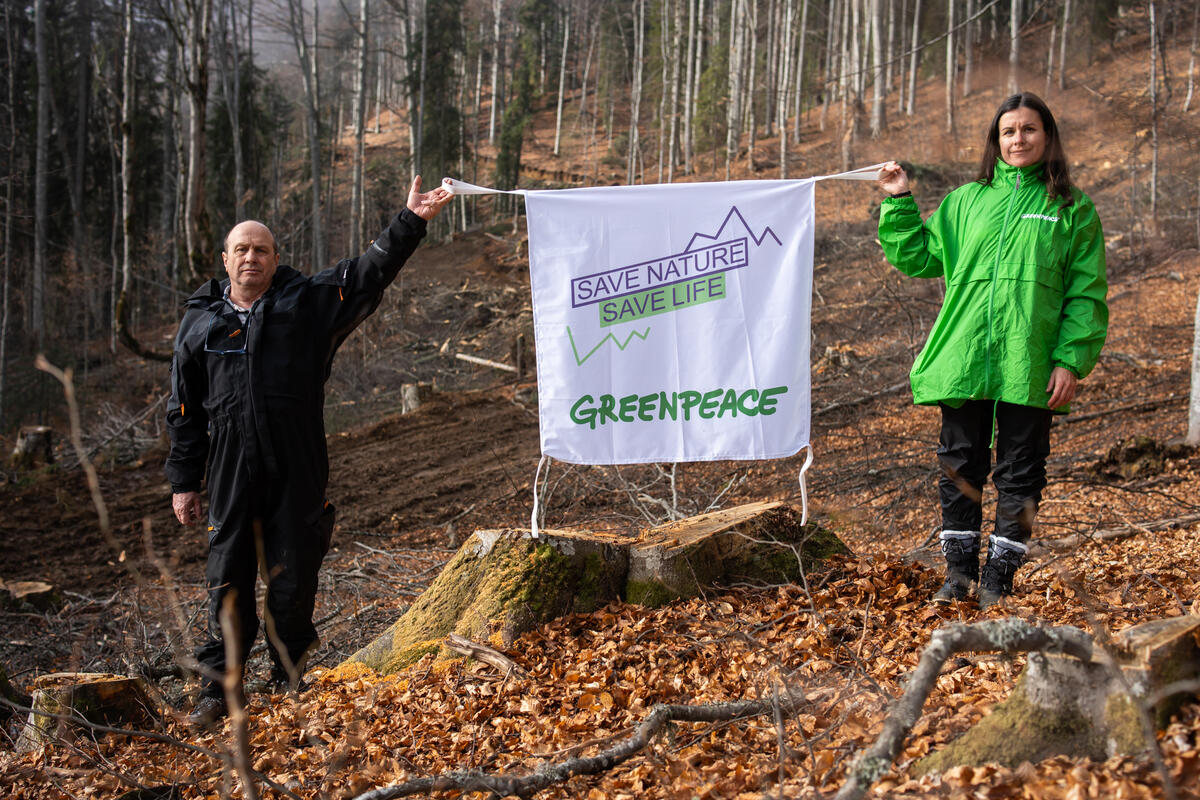
Denunciamos la deforestación causada por la agroindustria.
Seguimos trabajando para reducir el uso de agrotóxicos, detener la deforestación por la agroindustria y fortalecer modelos como la agroecología, apicultura y la milpa maya.
¿Qué puedes hacer tú?
Hazte socio
Te necesitamos para continuar alzando la voz, únete con un donativo mensual y da soporte a nuestro trabajo.
Firma la petición
Exige al gobierno apoyo a pequeños agricultores agroecológicos y regula los agrotóxicos.
¿Qué pasa con los transgénicos?
-
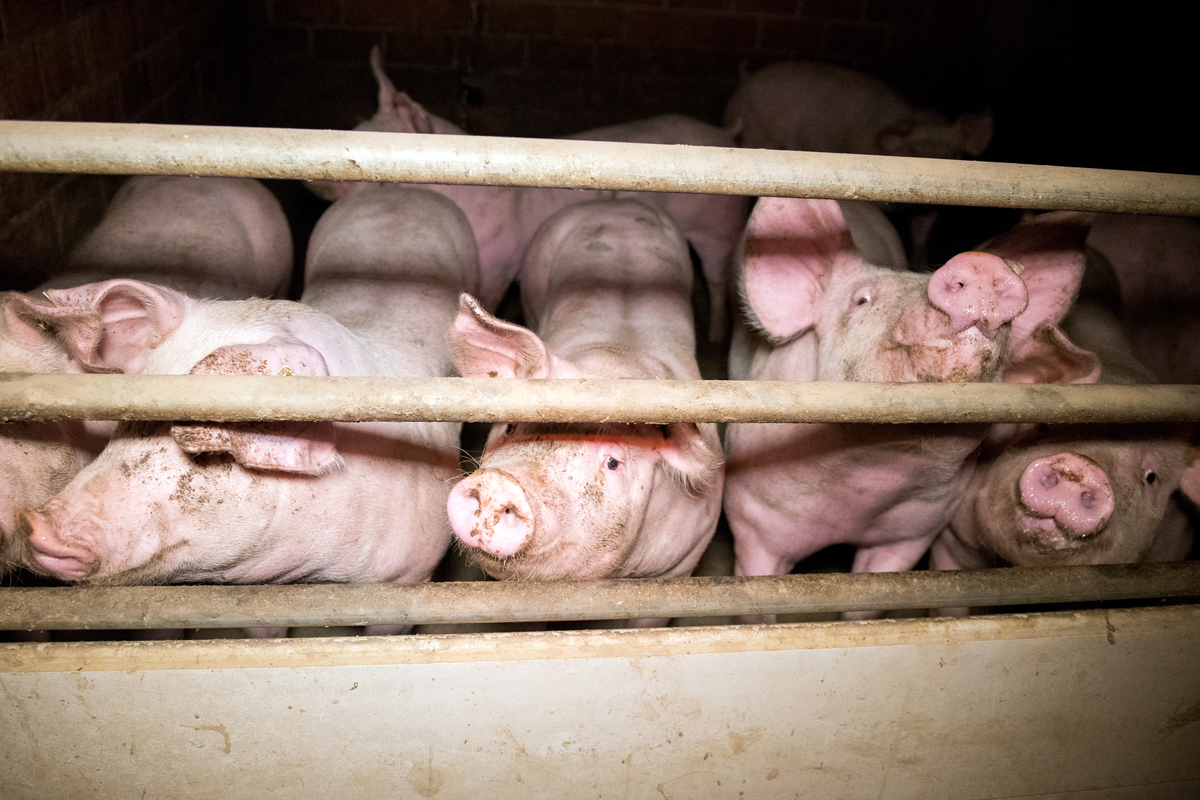
Alimentación y cambio climático: lo que comes está dañando al planeta
Pocos saben que los hábitos alimenticios están acelerando el cambio climático, es urgente tomar medidas para tener una dieta sostenible
-
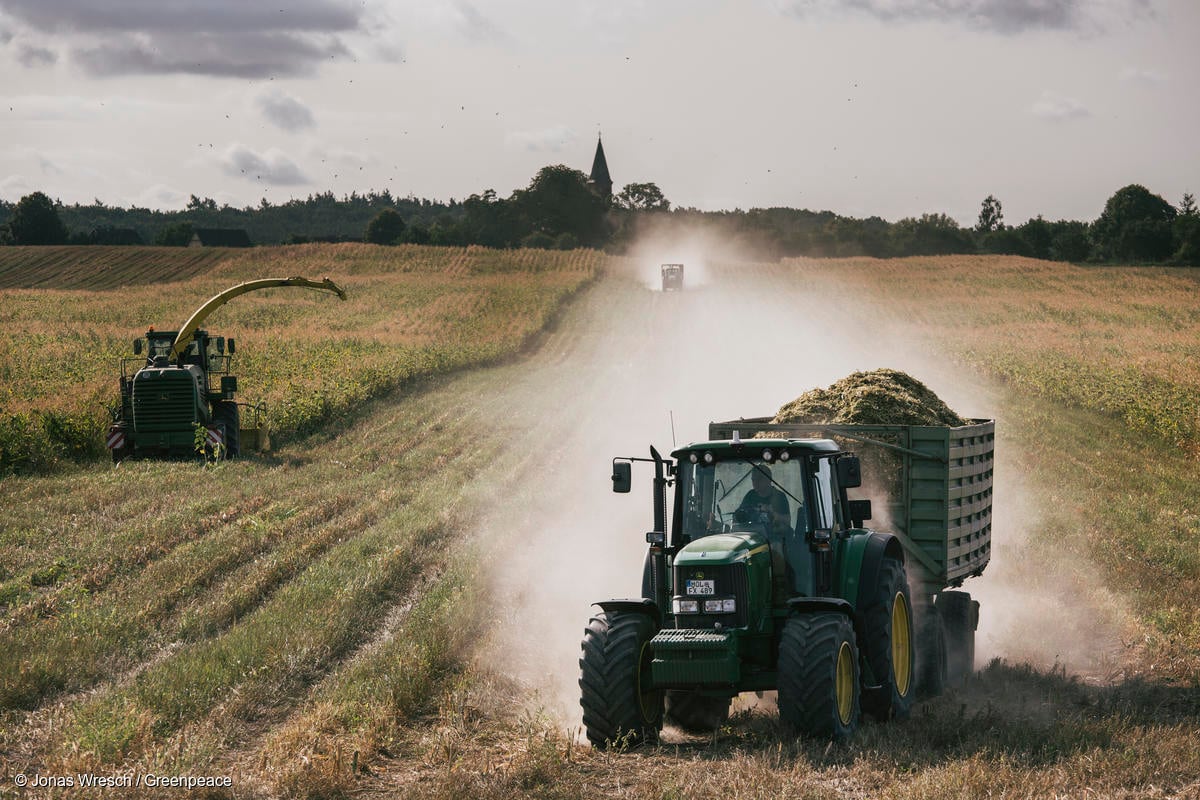
¿Cuál es la diferencia entre agricultura ecológica vs agricultura industrial?
La agricultura ecológica y la agricultura industrial representan dos modelos opuestos de producción agropecuaria, cuyas consecuencias tienen gran impacto ambiental.
-
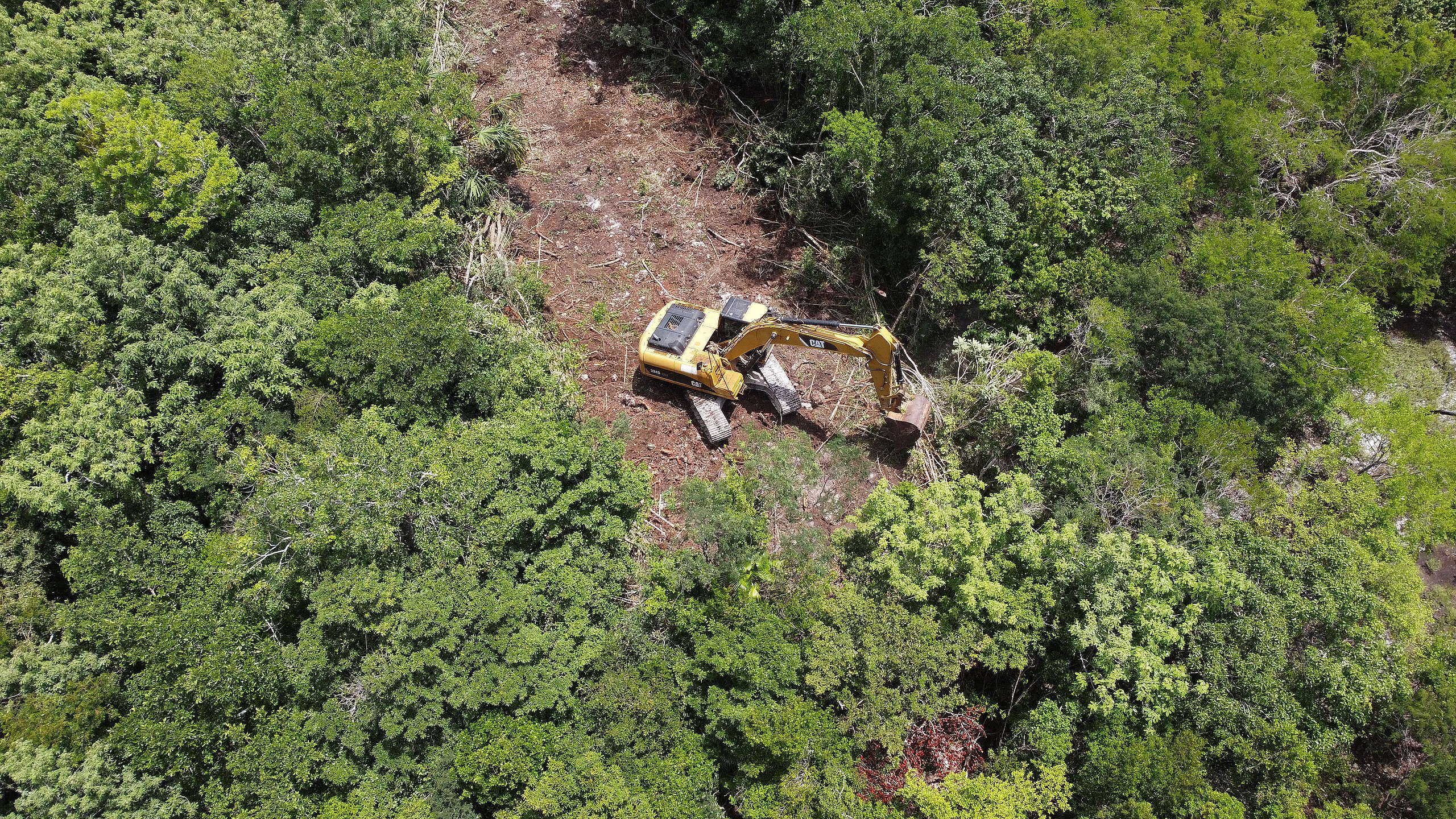
Ante aumento de deforestación en Bacalar, urge que PROFEPA y SENASICA investiguen y sancionen a los responsables
Deforestación en Bacalar crece alarmantemente por agroindustria menonita; exigen a PROFEPA y SENASICA investigar y sancionar a responsables.
-

Luchas ambientales contra la agroindustria en la Selva Maya
Greenpeace defiende la Selva Maya del avance agroindustrial, protegiendo biodiversidad, comunidades mayas y cenotes ante amenazas transgénicas y porcícolas.
-
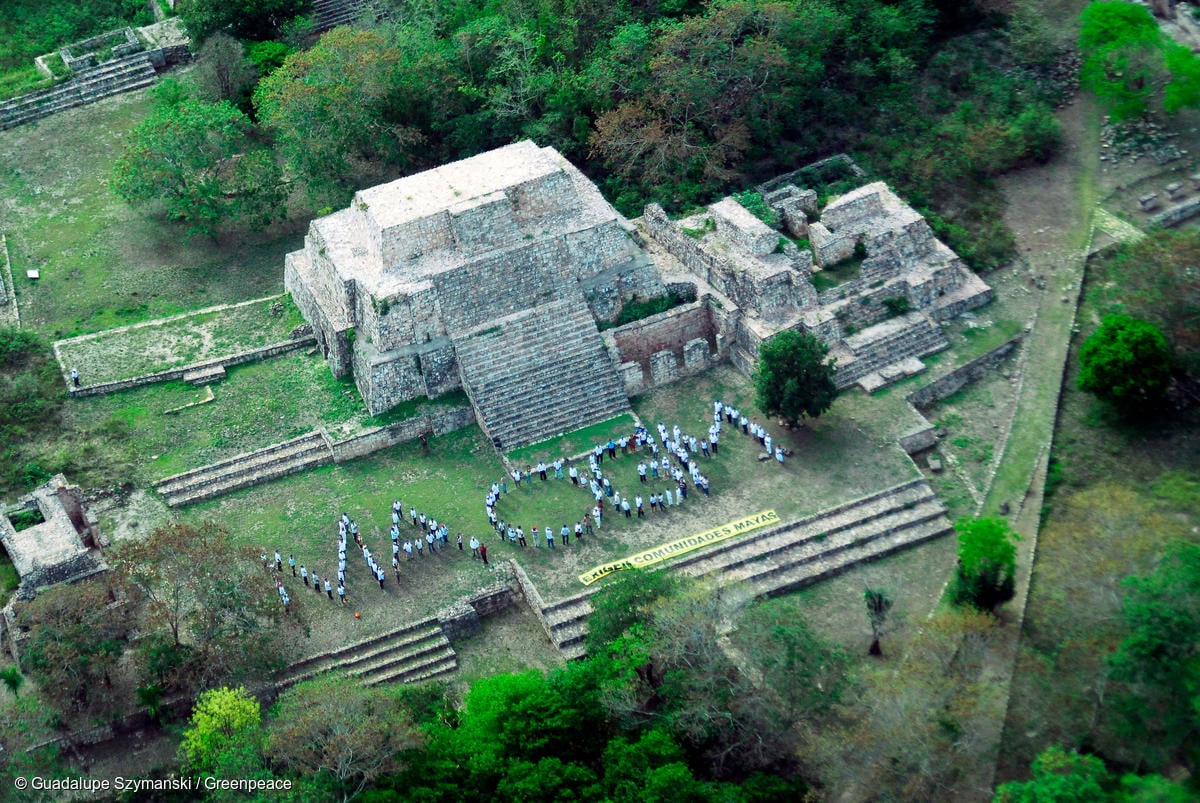
Comunidades mayas y organizaciones denuncian ante PROFEPA y SENASICA presencia de maíz y soya transgénicos en Campeche
Comunidades mayas denuncian la siembra ilegal de soya y maíz transgénico en Campeche, pese a prohibiciones judiciales y riesgos a la bioseguridad.
-
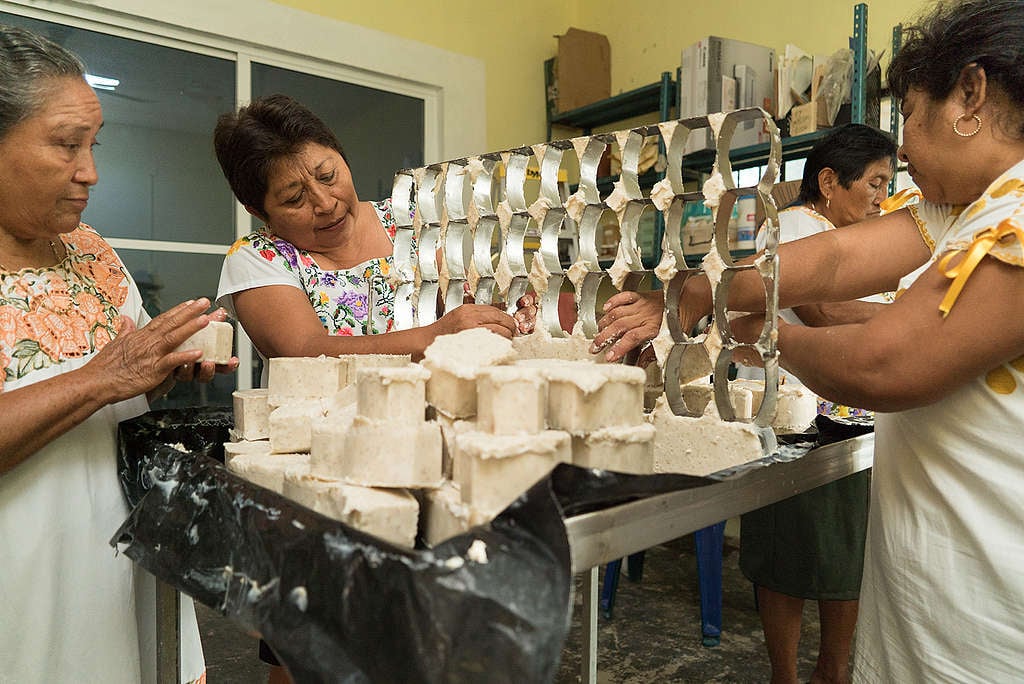
Otorgan premio Goldman a mujeres mayas
Mujeres mayas de Hopelchén reciben el premio Goldman por su lucha contra la soya transgénica y en defensa del territorio, las abejas y la apicultura.
-
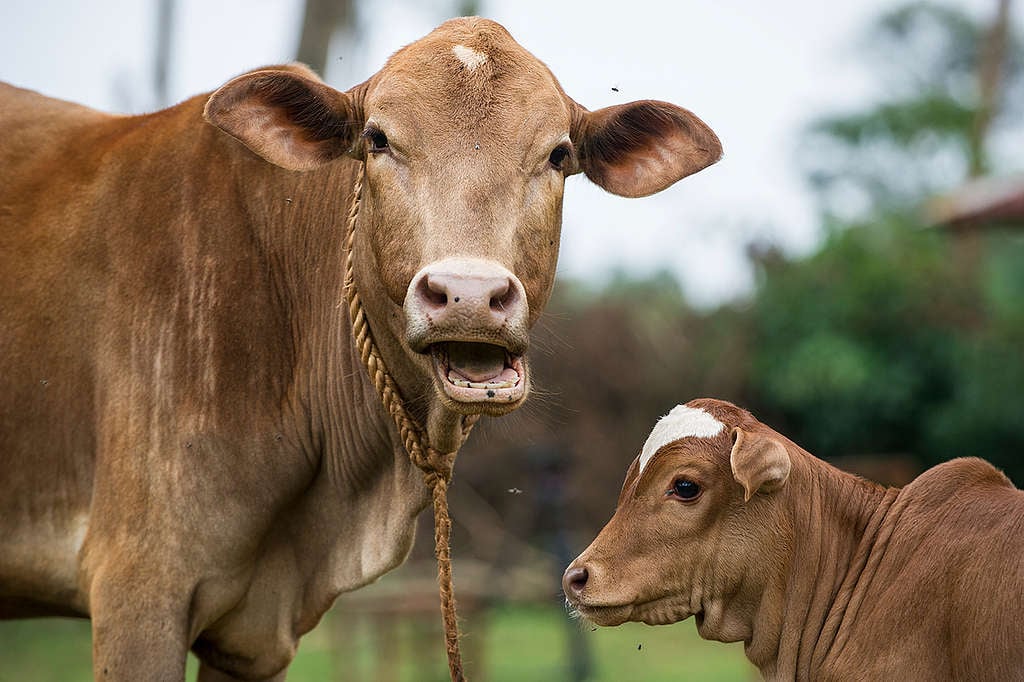
La forma en la que se producen nuestros alimentos está contaminando el agua
La forma en que producimos alimentos está contaminando el agua. Urge transformar el sistema alimentario y proteger este recurso vital.
-
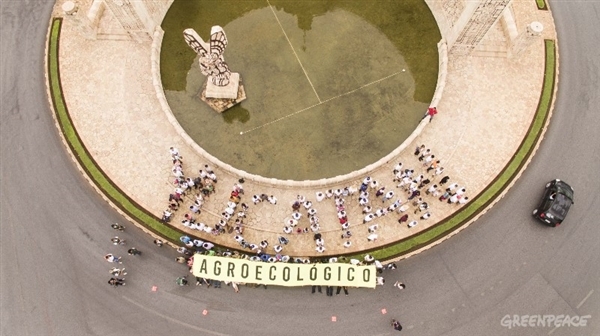
Piden a Sagarpa declarar Zona Libre de Transgénicos a territorios mayas
Comunidades mayas exigen a Sagarpa declarar sus territorios Zona Libre de Transgénicos tras años de lucha por la protección ambiental y la autodeterminación.
-
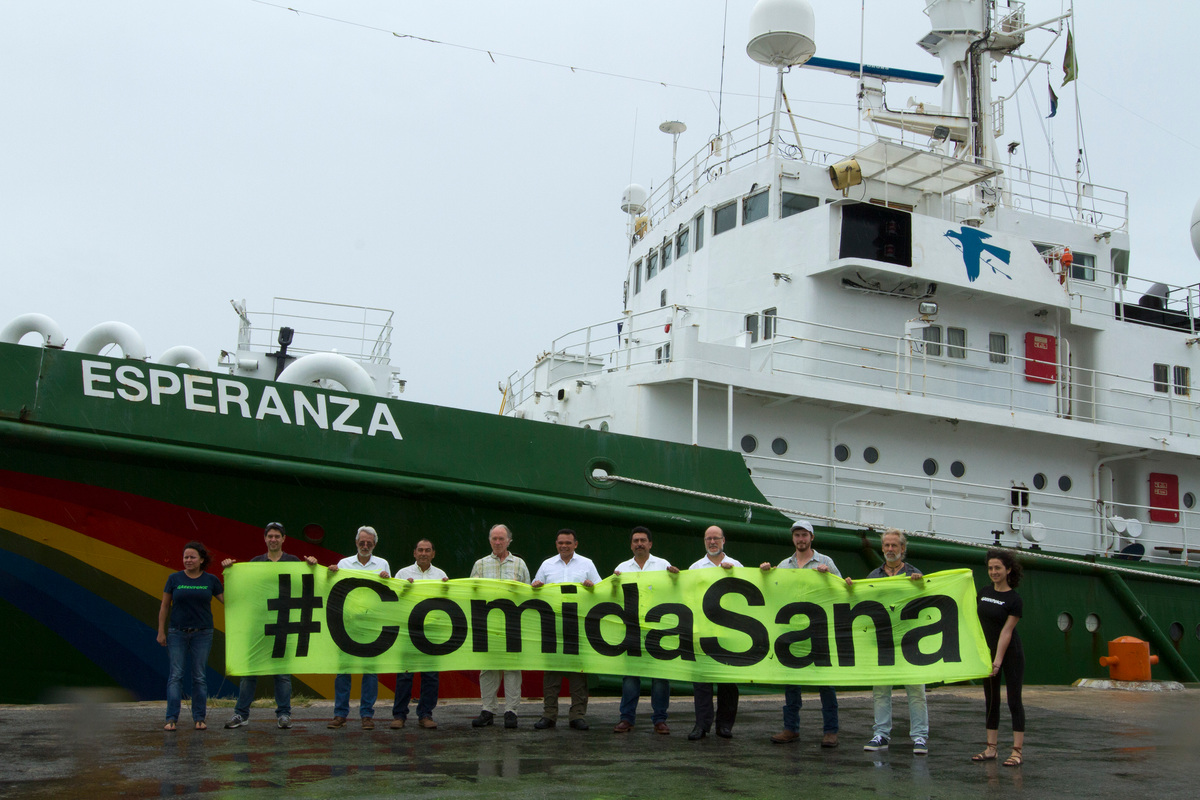
Comunidades de todo el estado piden a candidatos un modelo agroecológico
Comunidades mayas exigen a candidatos comprometerse con un modelo agroecológico que proteja la biodiversidad y los derechos indígenas en Yucatán.
-
Candidatos de Yucatán deben comprometerse por la agricultura ecológica y apicultura orgánica: Greenpeace y Ma-OGM
Greenpeace y Ma-OGM exigen que candidatos de Yucatán apoyen la agricultura ecológica y la apicultura orgánica en defensa del territorio maya.
-
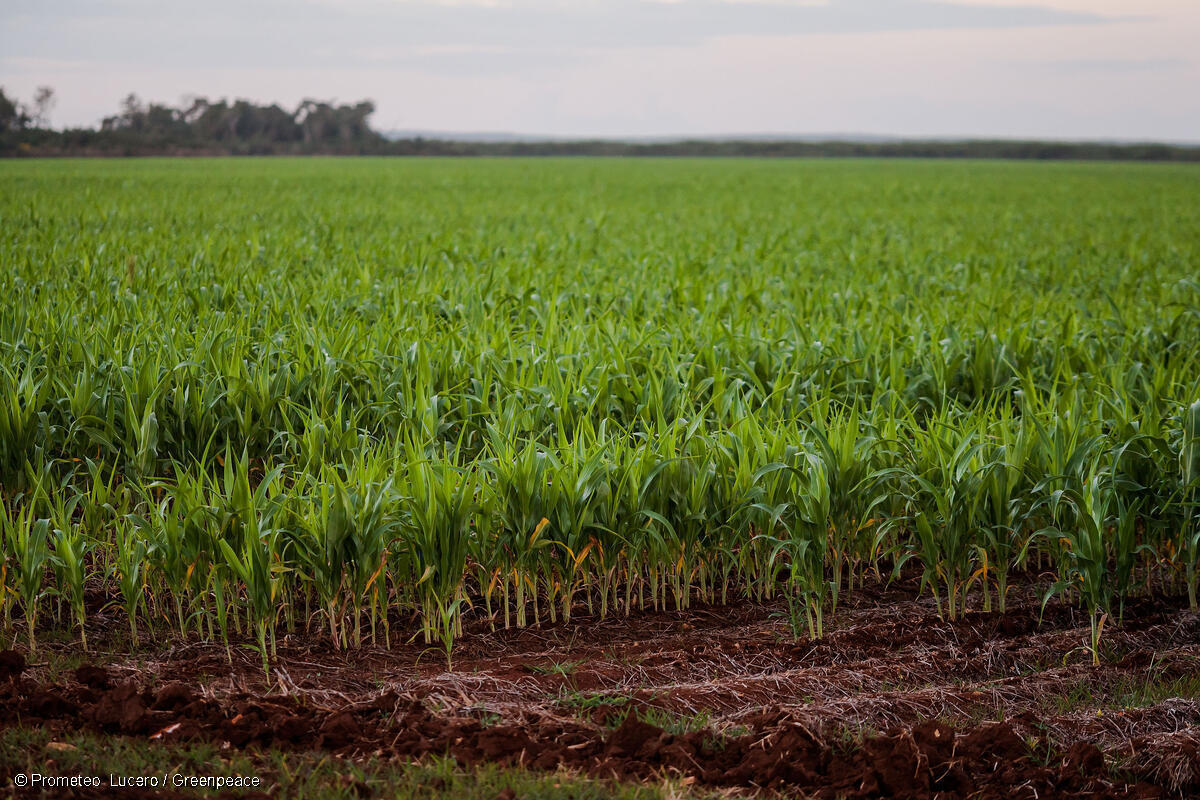
En pie de lucha contra los transgénicos
Comunidades mayas exigen justicia ante la siembra ilegal de soya transgénica. La lucha por la selva maya sigue firme.
-
No a la soya transgénica en la Selva Maya
Comunidades mayas exigen detener la siembra ilegal de soya transgénica en la Península de Yucatán y proteger la Selva Maya de daños ambientales.