

Freedom to vote
Millions of Americans, especially Black and Brown communities, are blocked from participating in elections due to voting restrictions. Meanwhile, the power of our vote is diluted by corporate money in politics and structural barriers such as gerrymandering.
The stakes are too high
Regardless of color, party, or zip code, everyone deserves an equal say in shaping our future. Our democracy cannot be controlled by corporate polluters and politicians determined to roll back voting rights. They aim to block our freedom to vote and silence our voices. We can’t let that happen—the stakes are too high for our country and planet.
Our democracy is failing
Today, our democracy is failing, as corporate interests drive fossil fuel expansion despite the supermajority of Americans supporting climate action. Extremist politicians are erecting barriers to silence our voices, with voter suppression, gerrymandering, and corporate money in politics reducing the power of the vote, particularly affecting Black and Brown communities.
Voter suppression policies enforce strict voter ID requirements, reduce voting times, and limit who can vote. Gerrymandering skews electoral district boundaries to favor one party unfairly. Money in politics means legislators depend on wealthy donors to secure re-election, undermining their accountability to constituents.


Return power to the people
The Freedom to Vote Act will eliminate big money from politics, restore voting rights, protect voters, end gerrymandering to ensure fair districts, and establish ethics standards to hold officials accountable—returning power to the people.
Alongside the John Lewis Voting Rights Reauthorization Act, these popular bills can restore democratic power to the people. At Greenpeace USA, we believe these reforms are crucial for a greener, more just, and equitable planet. Only when Black, Brown, Indigenous, and working-class people can fully participate in democracy can we build the future we all deserve.
Learn more about…
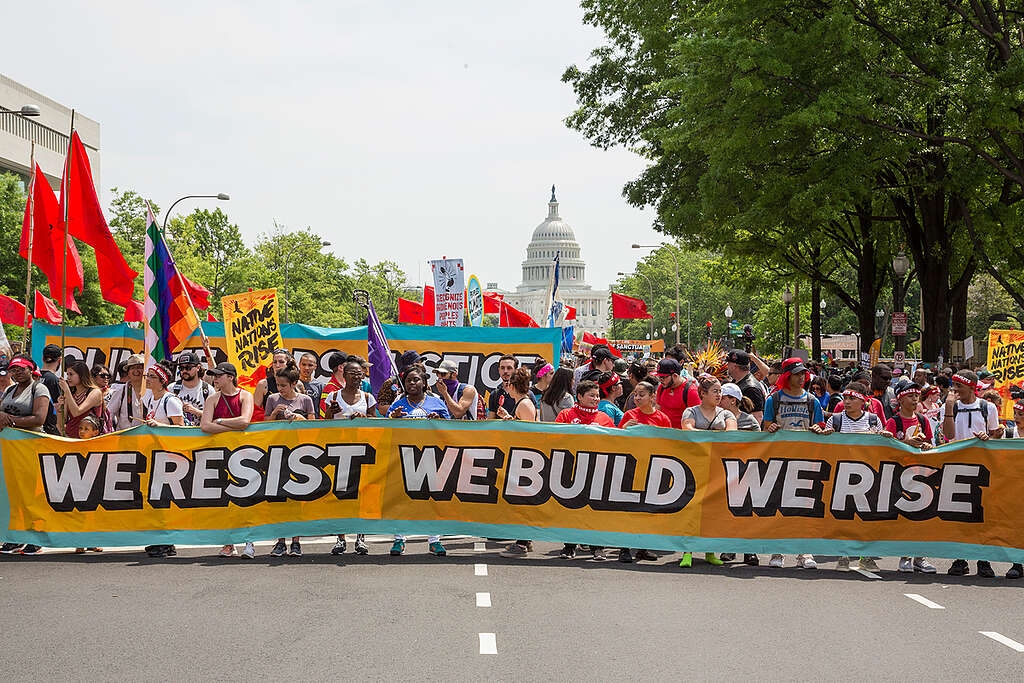
The right to protest
-

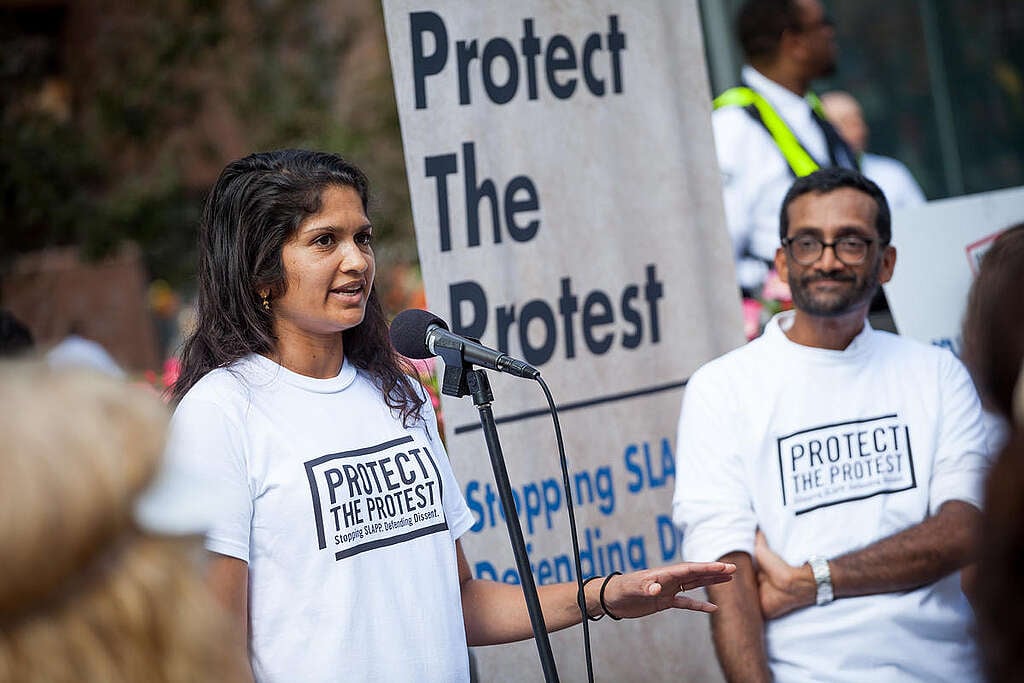
Greenpeace to appeal after North Dakota court denies new trial request, failing to rectify error-filled trial in Energy Transfer SLAPP lawsuit
an attempt to rewrite the actual history of the Dakota Access Pipeline protests by erasing the leadership of Indigenous water protectors.
-
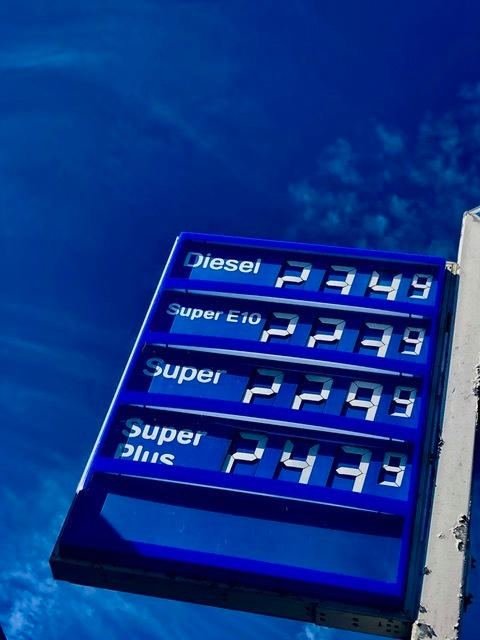
War on Iran oil price shock drove most of 2026 rise in US inflation, new Greenpeace analysis finds
A new Greenpeace Germany analysis exposing the scale of fossilflation shows the rise in oil prices accounted for around 75 percent of the total inflation..
-
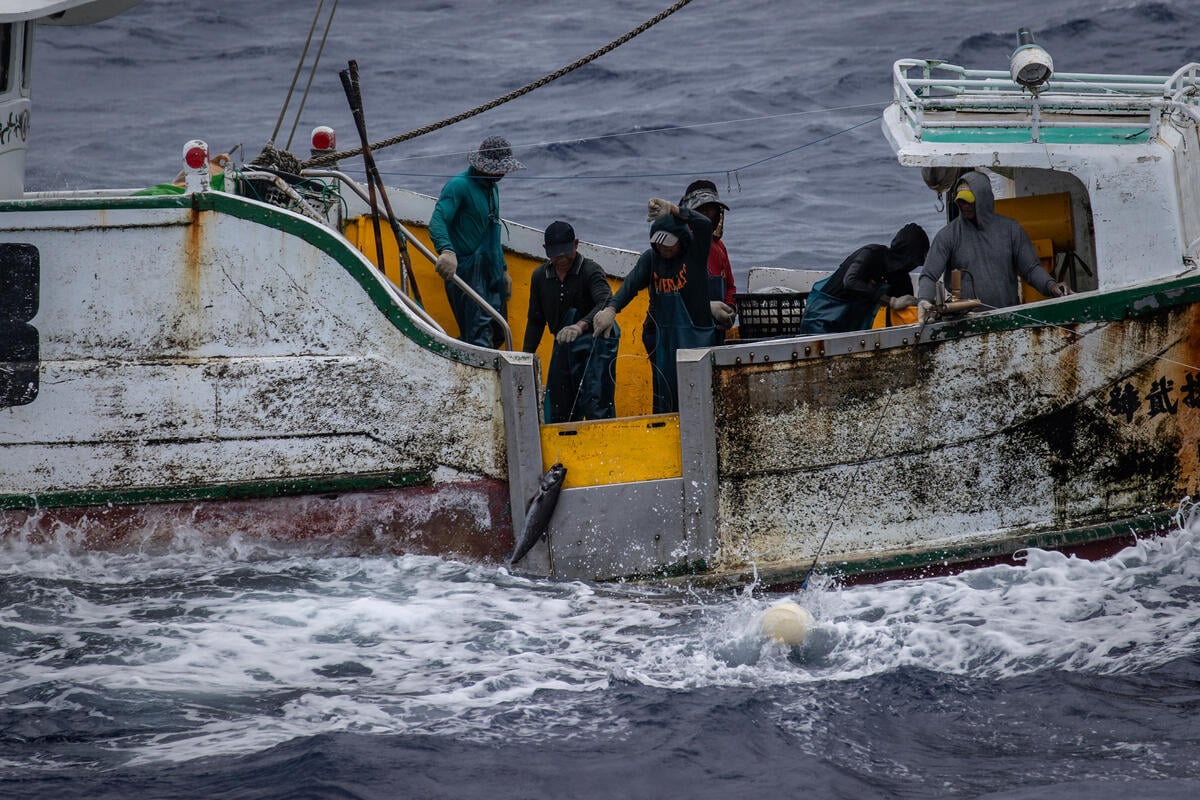
U.S. documents forced labor at sea, leaves Taiwan and Indonesia trafficking rankings unchanged
The U.S. State Department’s annual Trafficking in Persons Report identified persistent failures by Taiwan and Indonesia to protect fishers from forced labor, yet left both governments’ rankings unchanged.
-
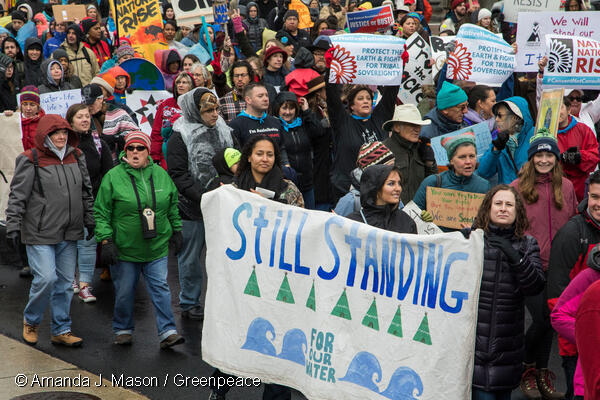
Dollars vs. Democracy 2023
Americans overwhelmingly support government action on the climate crisis. As a result, the fossil fuel industry has expanded its playbook…
-
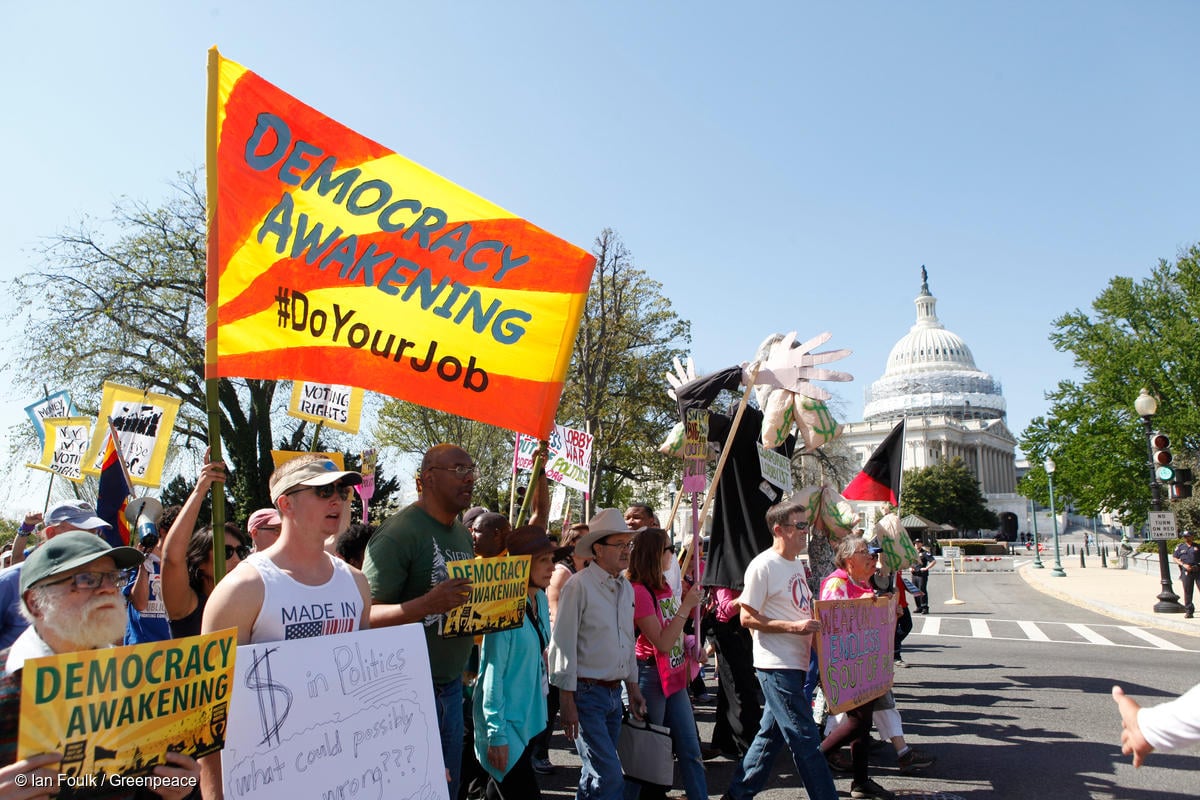
Greenpeace Report: Dollars vs. Democracy
A healthy democracy is a precondition for a healthy environment. When everyone’s vote counts and when everyone’s constitutionally-guaranteed right to peacefully protest…
-
Greenpeace Report: Contaminating the Courts
Corporations have increasingly begun to resurrect the legal strategy of expanding the concept of corporate personhood to argue that local, state, or federal environmental laws violate their constitutional rights. This trend isn’t totally new, but it has accelerated since the Supreme Court’s 2010 Citizens United v. FEC decision.
-
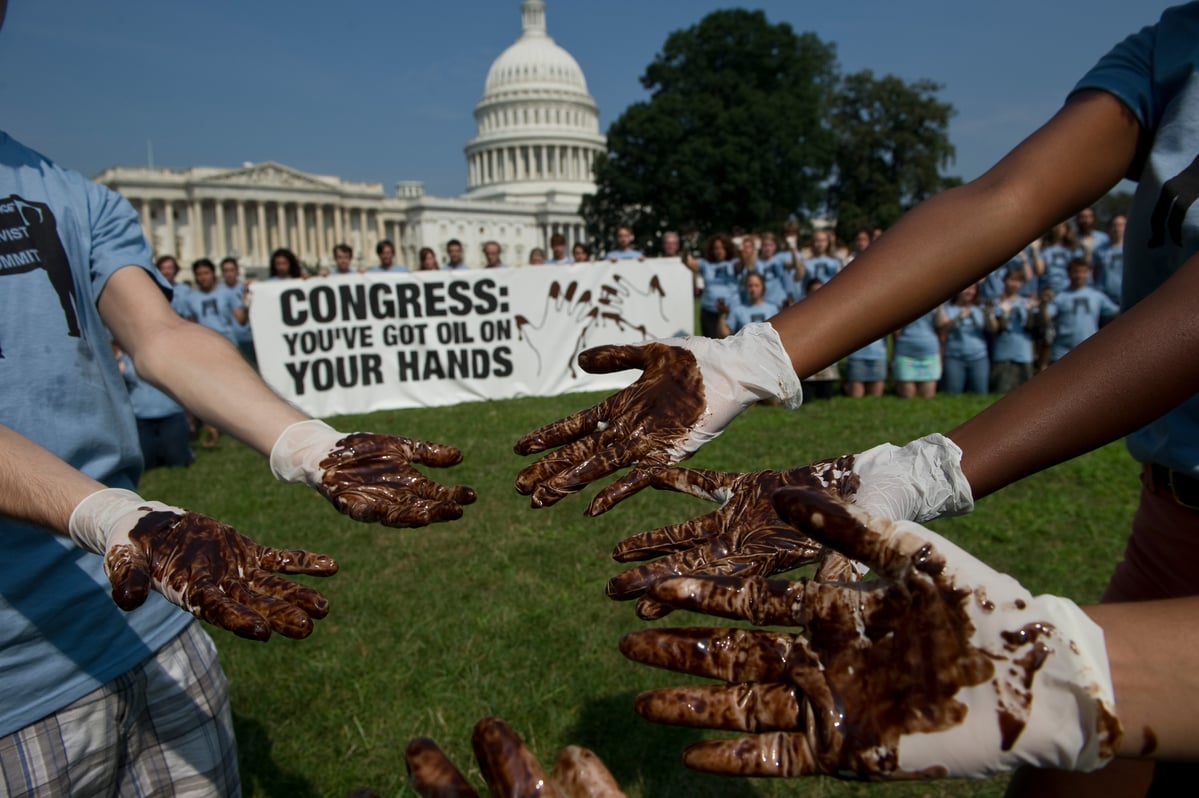
Polluting Democracy
The majority of the ancient US coal fleet has not installed easily available technology that could reduce mercury pollution by 90%. Coal combustion is responsible for most US mercury pollution.…