The present-day system of producing and consuming energy is problematic. As our populations continue to rise, the demand for energy-intensive lifestyles is also increasing. Since we need energy for a thriving economy, but don’t produce enough from clean sources, our societies are at risk.
Globally, fossil fuel burning is the biggest source of air pollution. In India, coal use almost doubled, and oil use grew by two-thirds in the last 10 years. Even as fossil fuel use becomes increasingly dominant, they will require more attention to tackle.
Greenpeace India’s new report Airpocalypse II reveals that almost half of the Indian population (550 million) are living in areas that do not meet India’s national air quality standards – standards which are by no means high. And another half (580 million) of the population live in areas for which there is no data about pollution levels.
Lessons from Germany
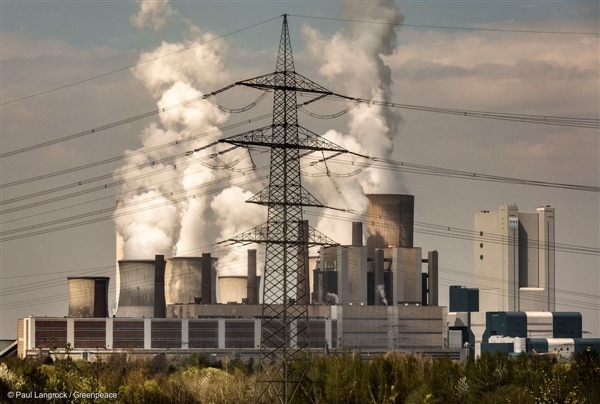
Germany has managed to reduce air pollution levels quite significantly while maintaining high levels of coal and oil consumption by relying on ‘end-of-pipe’ technology. However, air pollution from coal-fired power plants and transport continues to cause 4400 and 7400 premature deaths in Germany every year, despite pollution control technologies.
A note of caution when applying lessons from other countries:
Even if India had clean air standards like that of Germany, India would continue to suffer from very serious air pollution simply because of the large population density (total number of people per sq. km.). In order to maintain high living standards and clean air, India will need to pull up more effective solutions than those used by many smaller countries to improve air quality.
Lessons from China
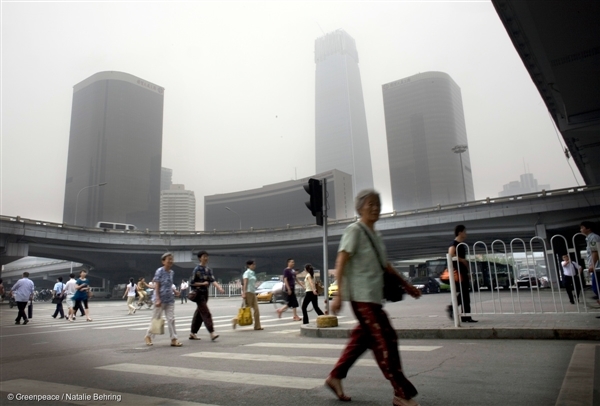
China is in a similar situation: they have a large population and a high concentration of heavy industry. Even if all the power plants, factories, vehicles and other emission sources met the most advanced emissions standards, onethird of China’s cities – including Beijing – would fail to meet national air quality requirements. Shifting to cleaner energy sources and a cleaner economic structure is a necessary part of the solution. This is also something the Chinese government is aware of. The country’s highly impactful National Air Pollution Action Plan included reductions in coal consumption, restrictions on new coal-burning plants and accelerated clean energy targets as a part of the measures to be taken. Levels of toxic particles (PM2.5) fell by 20% across eastern China during the target period of the action plan, from 2013 to 2017, resulting in an estimated 160,000 avoided deaths in 2017 alone.
What works?
A study by the Organisation for Economic Co-operation and Development (OECD) looked at the most cost-effective ways to tackle air pollution and found that it’s often cheaper to change to clean sources of energy or improve energy efficiency than spend money on filters and other ‘end-of-pipe’ controls. Specifically, about half of the investment should go into end-of-pipe solutions and half into clean energy. In short, cleaning up the air will be easier and cost less, if shifting to clean energy is part of the toolbox.For example, a recent study by Greenpeace India found that 2/3 of existing coal-based thermal power plants in the country are so expensive to run that it would be cheaper to build new renewable energy plants to replace them. Saving money by cleaning up the air and cleaning up the energy mix – what’s not to like!
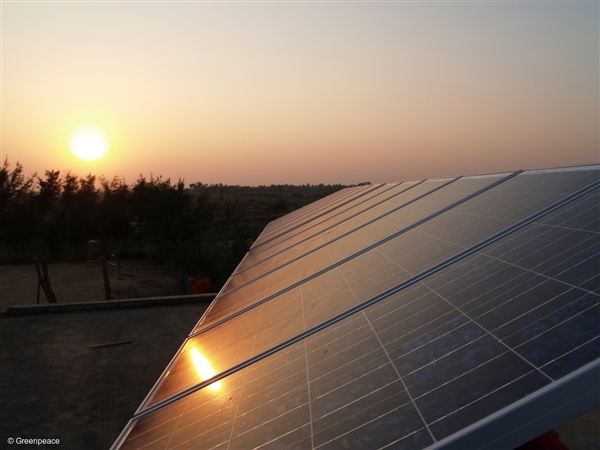
Allowing fossil fuel driven pollution without limits makes electricity artificially cheap to the end user, but it also imposes enormous health costs on society. If we want to have clean air, then investing in filters and other pollution reduction technologies is vital while also emphasising on a long-term strategy to transition towards cleaner sources of energy sooner than later.
Lauri Myllyvirta is the Energy Analyst at Greenpeace East Asia