
News & Stories
Featured articles
-
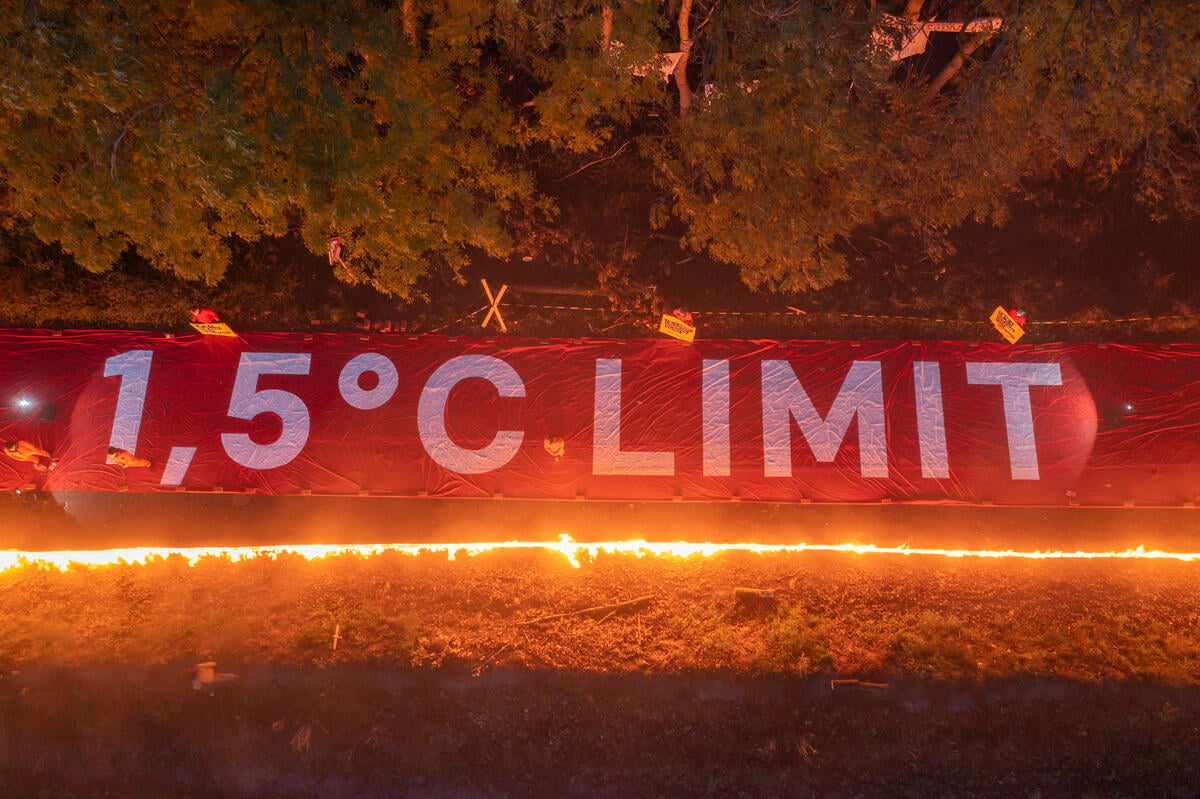
Why the UNEP 1.5°C overshoot report must be an urgent call to action on climate change
The UNEP’s new report ‘Limiting Overshoot’ outlines a pathway called “overshoot, peak and decline” to minimise and adapt to the impacts of an exceedance and an eventual return to 1.5°C.
-
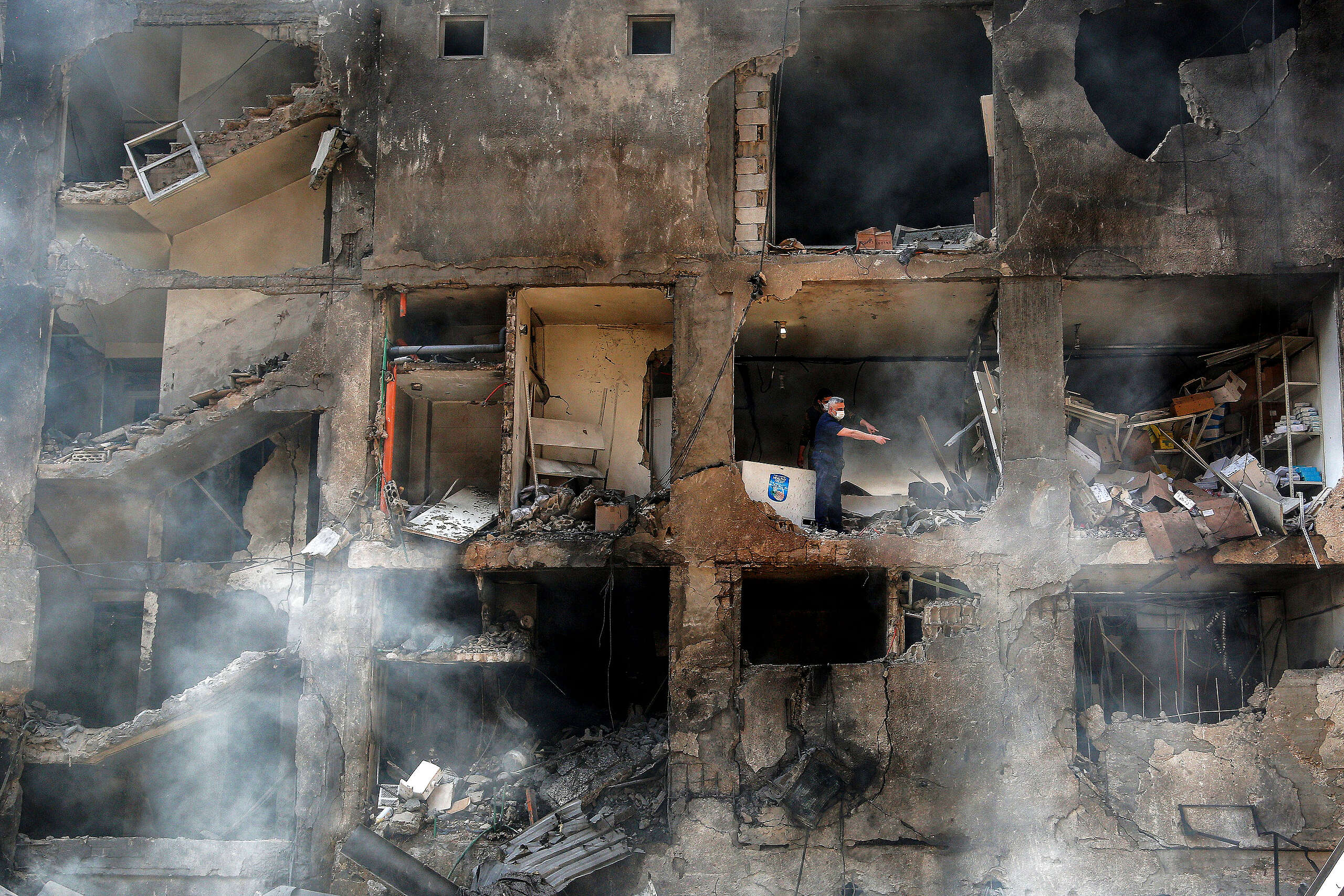
The human, environmental and economic cost of the war on Iran
Six months into the US-Israeli war on Iran, people are paying the price in lives, environmental damage and higher bills. The crisis shows how dependence on fossil fuels leaves people exposed to volatile prices and future shocks.
-
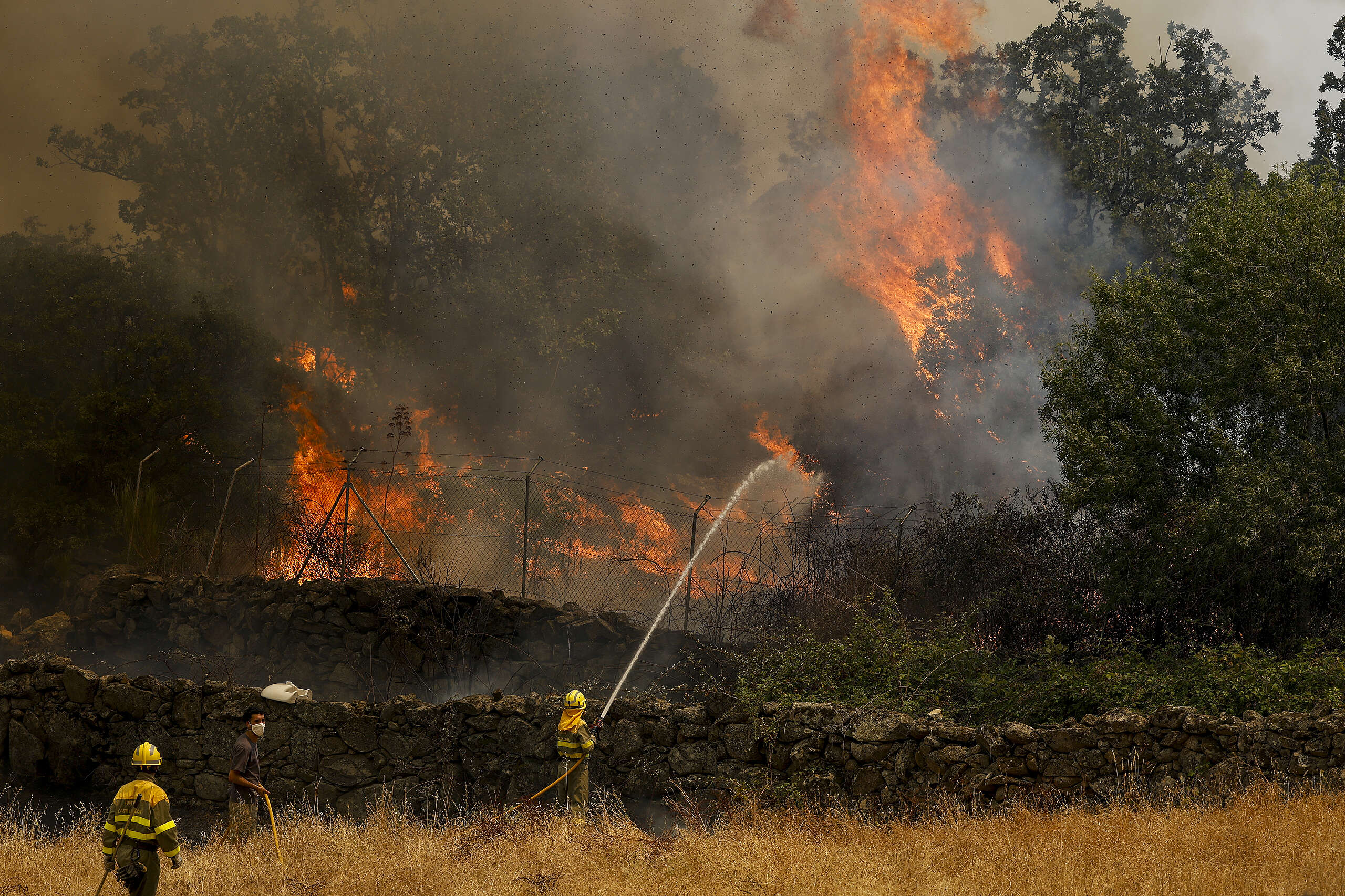
What the ‘natural’ disasters of 2026 reveal about climate change
Record-shattering global temperatures across land and sea are the grim reality of climate crisis, and the reason we need an immediate transition away from fossil fuels to renewable energies.
-

The energy and environmental impact of AI and how it undermines democracy
How does AI affect the environment? From data centre pollution in New Jersey to economic threats in Ireland, we look at how the tech boom impacts global ecosystems.
Filter posts
Filtered results
-

G20 must tax the super-rich to fund a green and just future
G20 leaders convening at the 1st Finance and Central Bank Ministerial Meeting must maintain momentum towards effective taxation of the world’s super-rich and support an inclusive platform for international tax negotiations at the UN.
-

COP16: Greenpeace unveils message outside UN venue – Pay Up for Biodiversity Finance
Leaders must stop the fall and put real money on the table—without urgent and adequate finance, promises mean nothing.
-
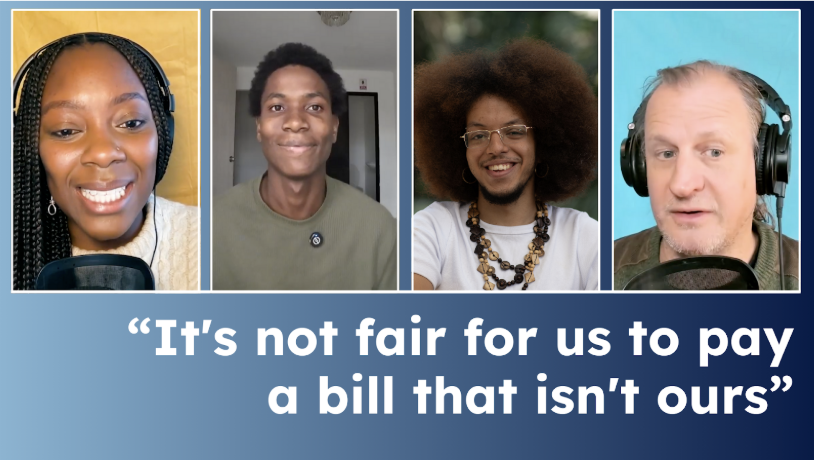
Does the colour of your skin make you more vulnerable to climate change?
It is impossible to disconnect climate action from the fight against racism and other forms of social exclusion.
-
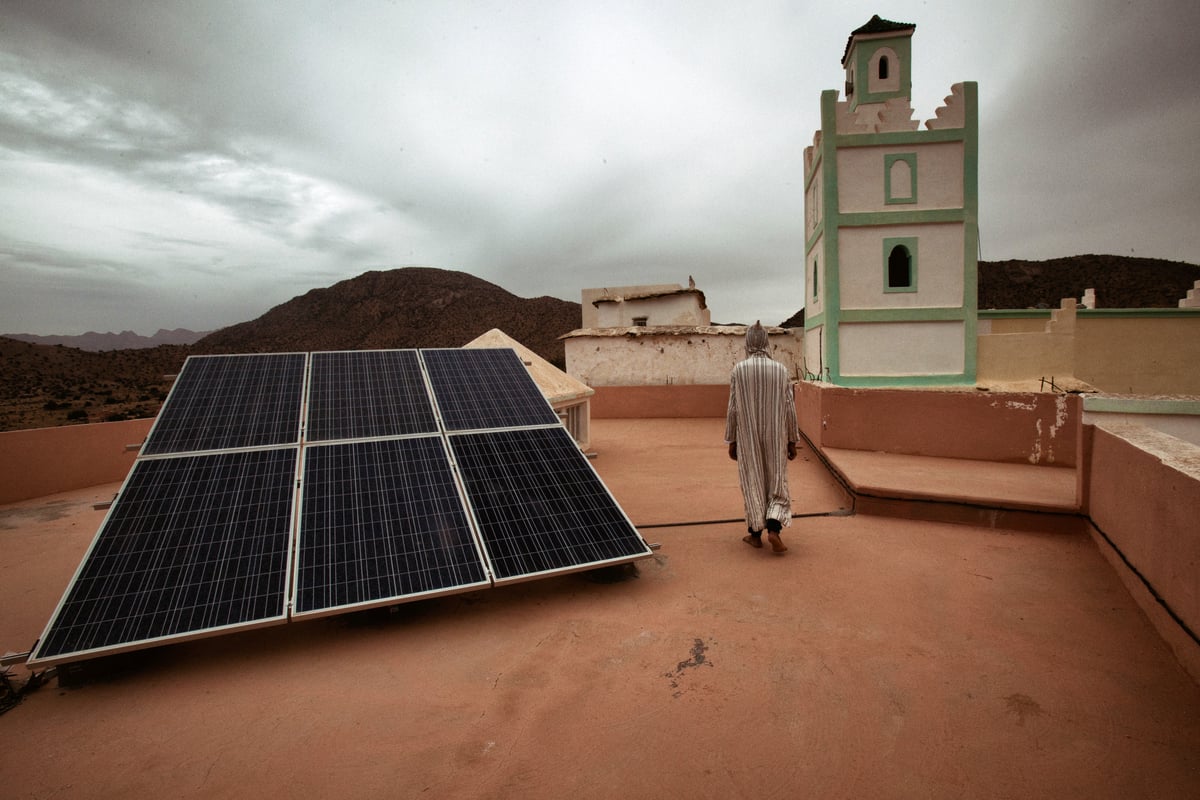
European energy and agriculture investments in Middle East and North Africa risk replicating extractive neocolonial harms of Big Oil and Big Ag, warns Greenpeace report
The transition to a green economy risks deepening inequality and replicating injustices of the fossil fuel era unless governments correct course, warns a new report by Greenpeace MENA and the MENAFem Movement for Economic, Development and Ecological Justice.
-
Does the colour of your skin make you more vulnerable to climate change?
How systemic inequalities contribute to climate vulnerability, and why marginalised and systemically oppressed communities must be at the centre of climate adaptation plans, policies and action.
-
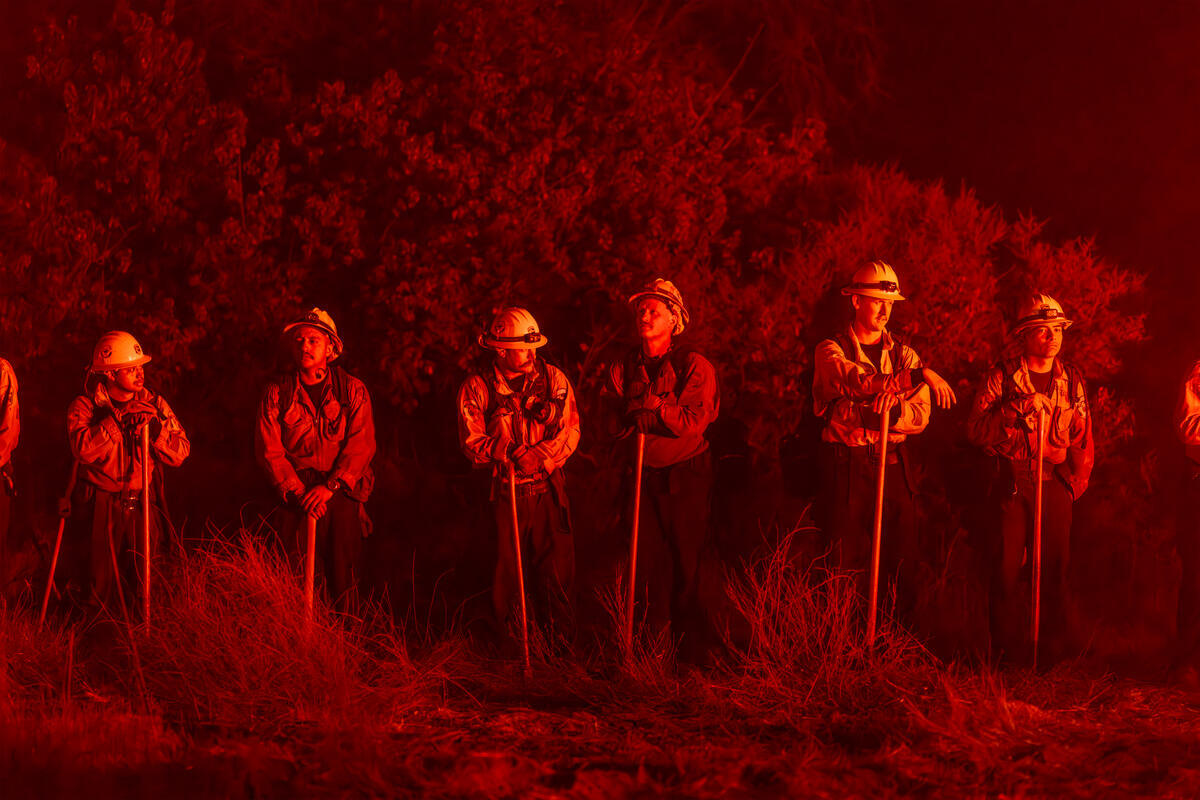
Lessons from the Los Angeles wildfires
Harrowing images from the recent California fires drive home the existence of climate change and underscore the need for global preparedness.
-
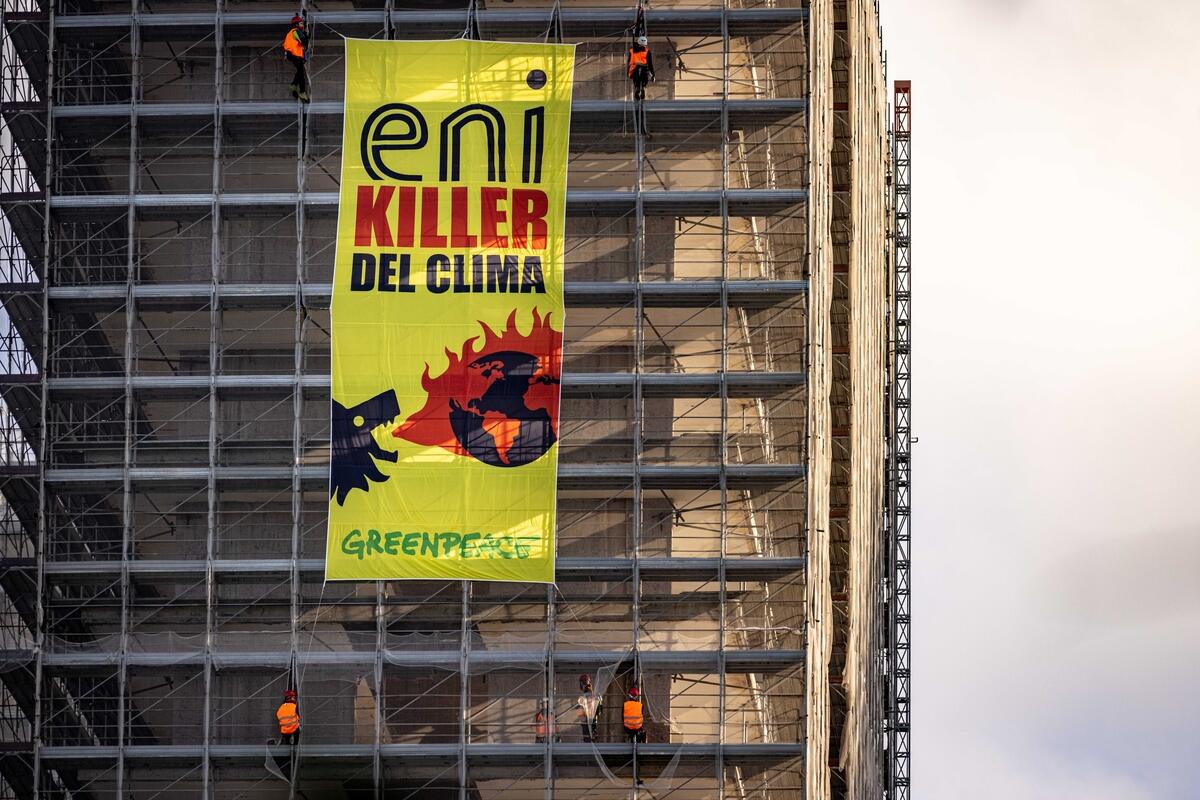
Italy’s Supreme Court to decide on legality of climate-related lawsuits
The Supreme Court of Cassation will hold a hearing tomorrow at 10 a.m. to decide if the national courts in Italy can decide on climate-related matters in their jurisdiction.
-
The unfinished fight: A journey toward a strong global plastics treaty
It has been more than two months since we boarded a plastics industry tanker in Daesan, South Korea, to highlight the urgent need for an effective plastics treaty.
-

Greenpeace Pictures of the Week
Frozen forests, defiant Dutch, and Shadow Ships - here are a few of our favourite Greenpeace images from around the world this week.
-

Inside Greenpeace International’s legal fight against Big Oil’s bullying lawsuit
Bad news for bullies: Greenpeace International (GPI) initiated the first test of the European Union’s new anti-SLAPP Directive, a major step toward ending the practice of the courts being abused to silence those who speak out on matters of public interest.