Forced Eviction
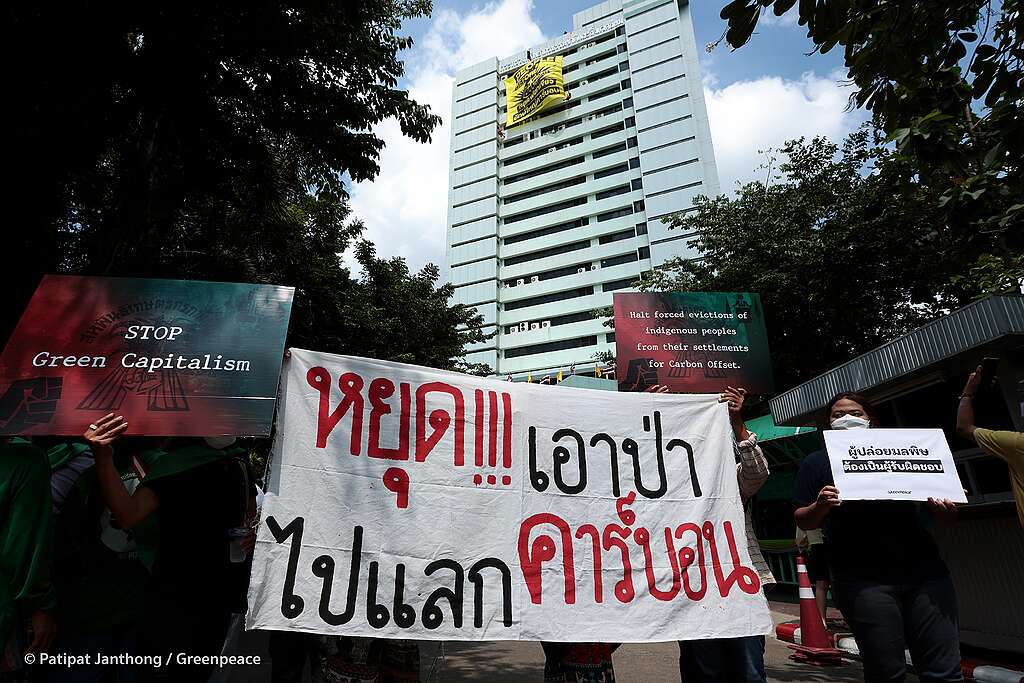
Local communities and Indigenous peoples are directly impacted by top-down economic development policies that exclude their participation. Such approaches have led to inadequate development, forced evictions, and the loss of land, livelihoods, traditional knowledge, and biodiversity.
Voices from those affected by the forest reclamation policy
Government policies seen as “false environmental solutions” including 92 years of deforestation for trade, the promotion of economic crops, the forest reclamation policy, carbon credit trading, and the BCG economy, have instead resulted in forced evictions and loss of jobs, all under the banner of “sustainable development.”
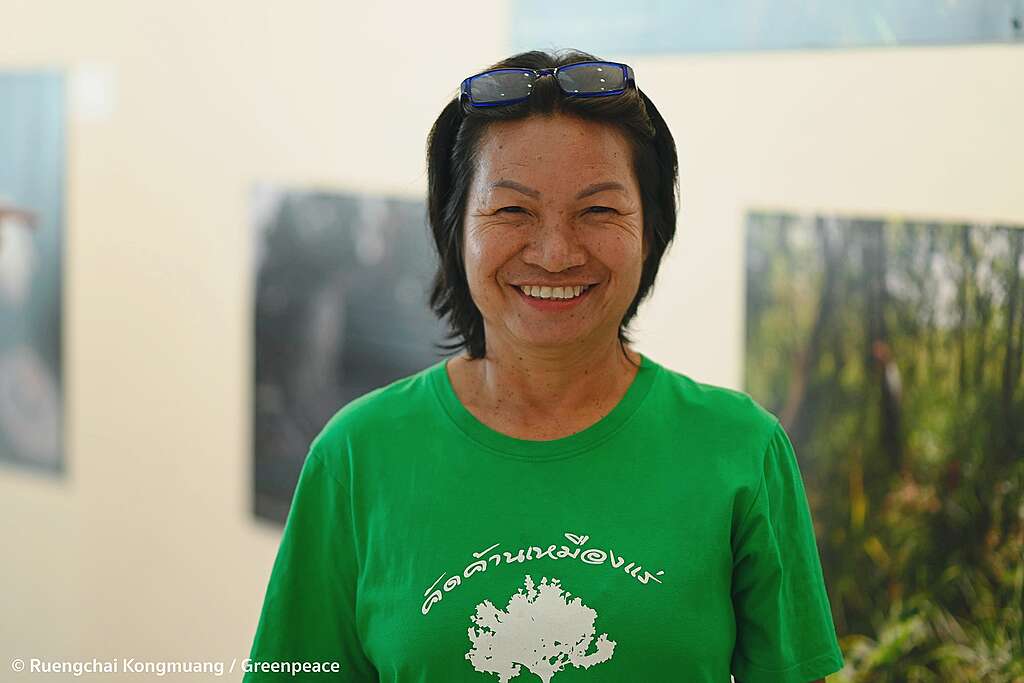
“Forest is our life… without it, how can we live?” – Samai Panthakot, human rights defender.
Voices from coastal communities affected by Special Economic Zones (SEZ)
Under Thailand’s 20-Year National Strategy, large-scale projects such as the Eastern Economic Corridor (EEC), the Landbridge Project, and the Southern Economic Corridor (SEC) have been promoted without proper criteria or community participation. These projects threaten local identity, ways of life, biodiversity, and traditional knowledge.
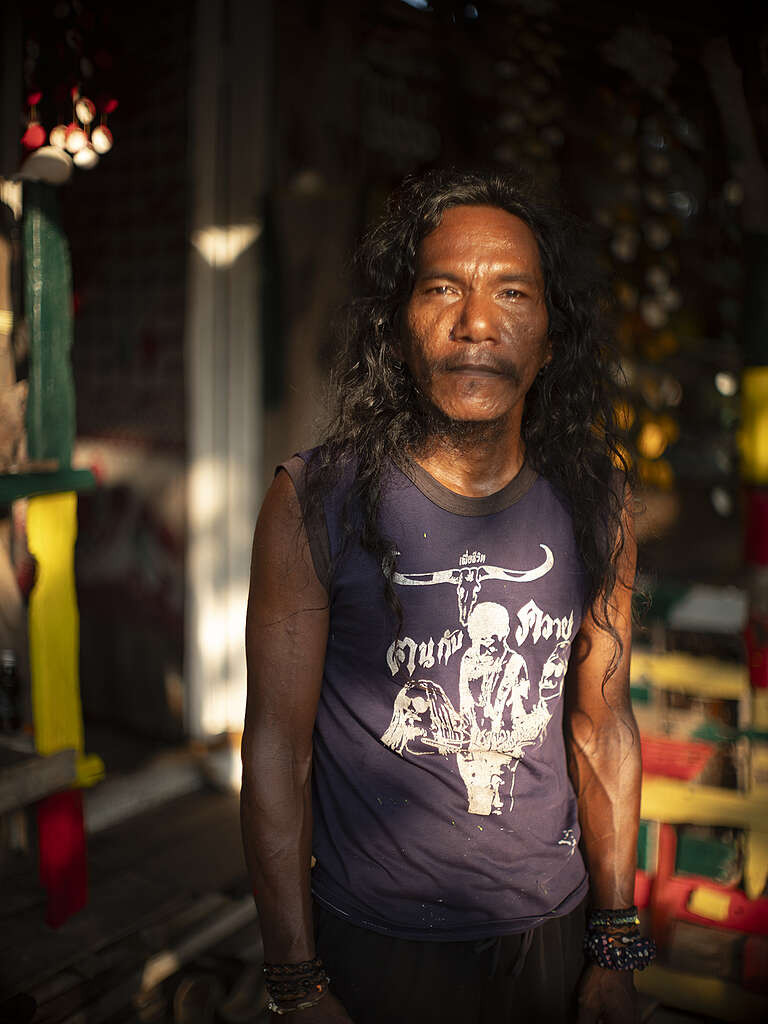
For example, the Moken community faces displacement and loss of fishing livelihoods due to the Landbridge Project. Many community members are stateless, leaving them without the right to safe resettlement.
“We used to catch more fish in the past, if the Landbridge happens we will struggle” – Somchok Talaleuk, the Mokan community leader.
Voices from Chana: The fight for their coast
The plans in Chana, Songkhla province, to establish a Special Economic Zone for industrial estates and a deep-sea port have already threatened community land, food sources, and coastal livelihoods.
The Chana movement highlights injustices faced by communities resisting harmful development where protestors were prosecuted and even the green flag, symbolizing environmental protection and opposition to coal-fired power plants, was treated as a “weapon.”
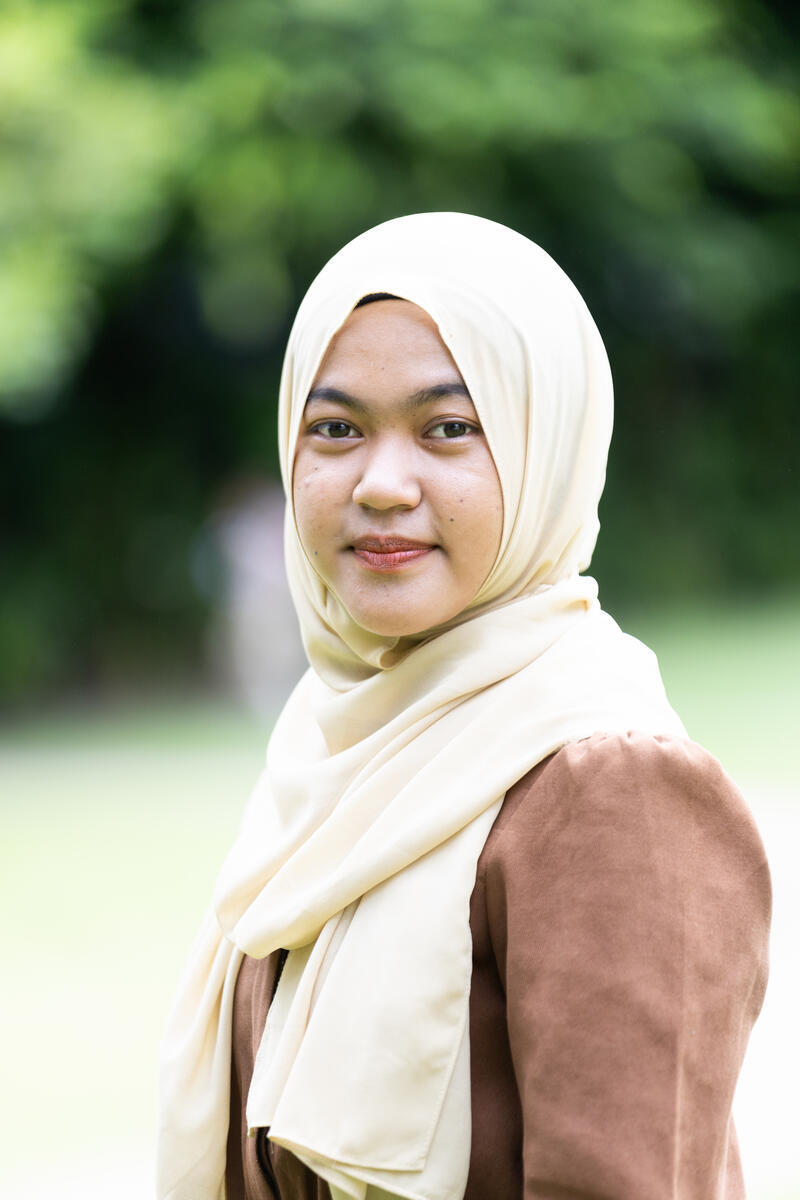
“The ocean is not just a place for the community’s livelihood, but also for the whole region and country” – Khairiyah Rahmanyah, environmental activist.