Walmart, Target, and Costco:
Big box, big responsibility, big problem
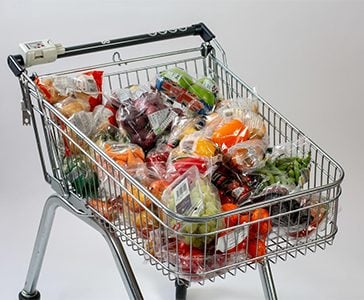
Walmart, Target, and Costco — the Big 3 — have become some of the most powerful institutions in our daily lives. From seafood to baby food, their decisions shape what products are made, how they’re produced and packaged, and the impacts those choices have on people, communities, and the planet.
Yet too often, the true costs of doing business are borne by others. Pollution, plastic waste, toxic chemicals, environmental destruction, and labor abuses, including modern slavery, are not inevitable consequences of modern commerce—they are the result of business decisions.
These companies have the power to make better decisions. It’s time they were held accountable.
Human rights abuses and environmental destruction: Two sides of the same coin
Forced Labor and Destruction of Biodiversity
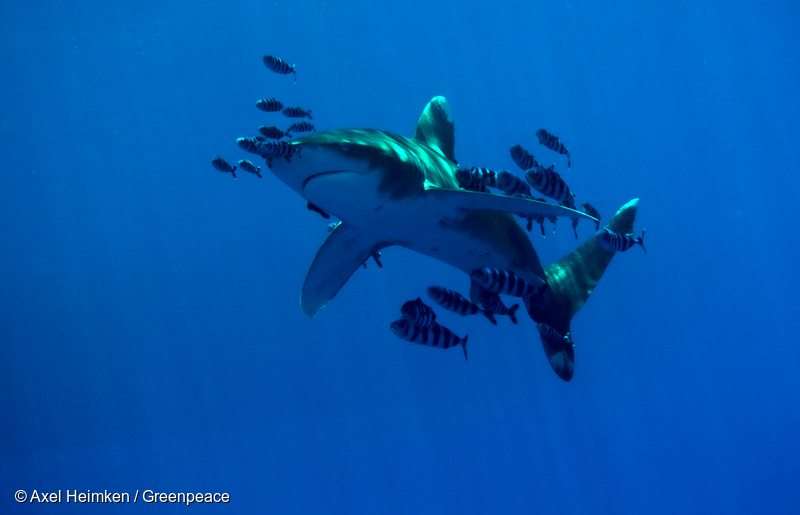
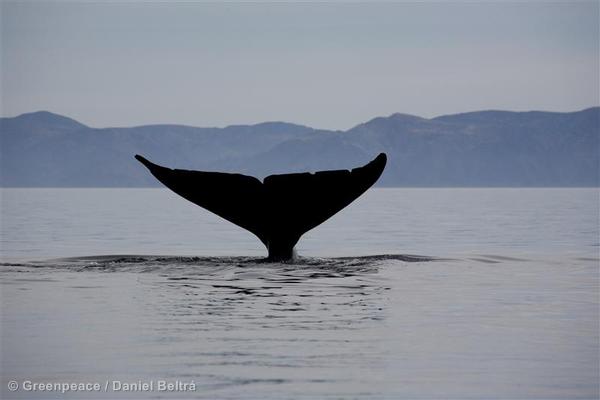
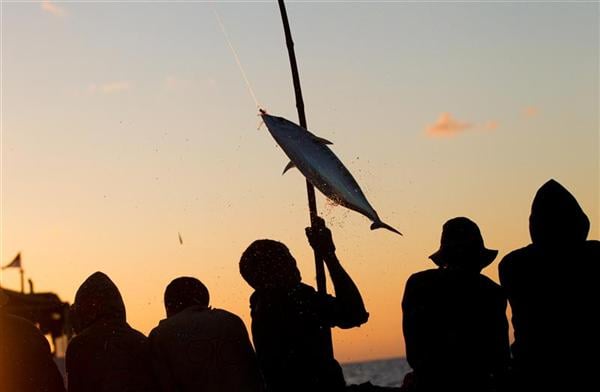
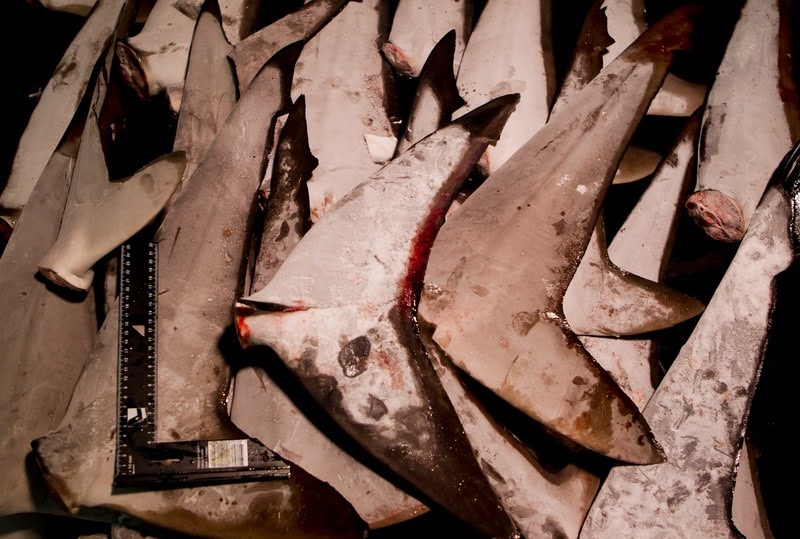
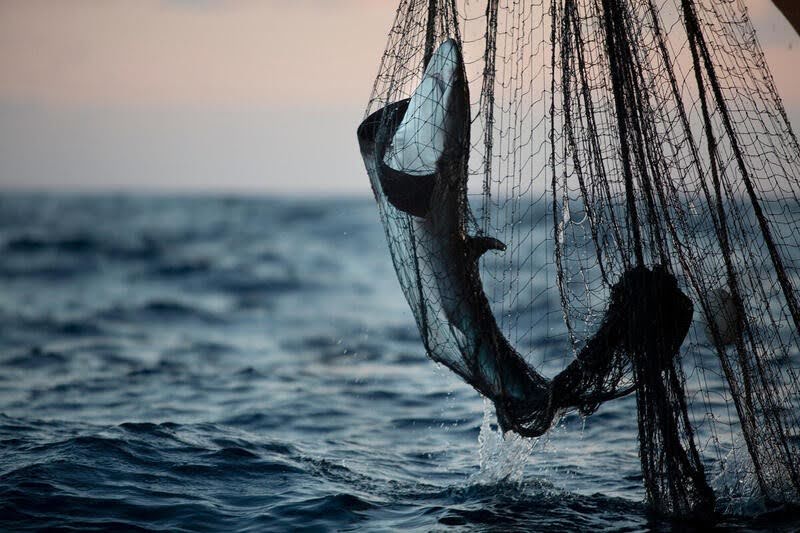
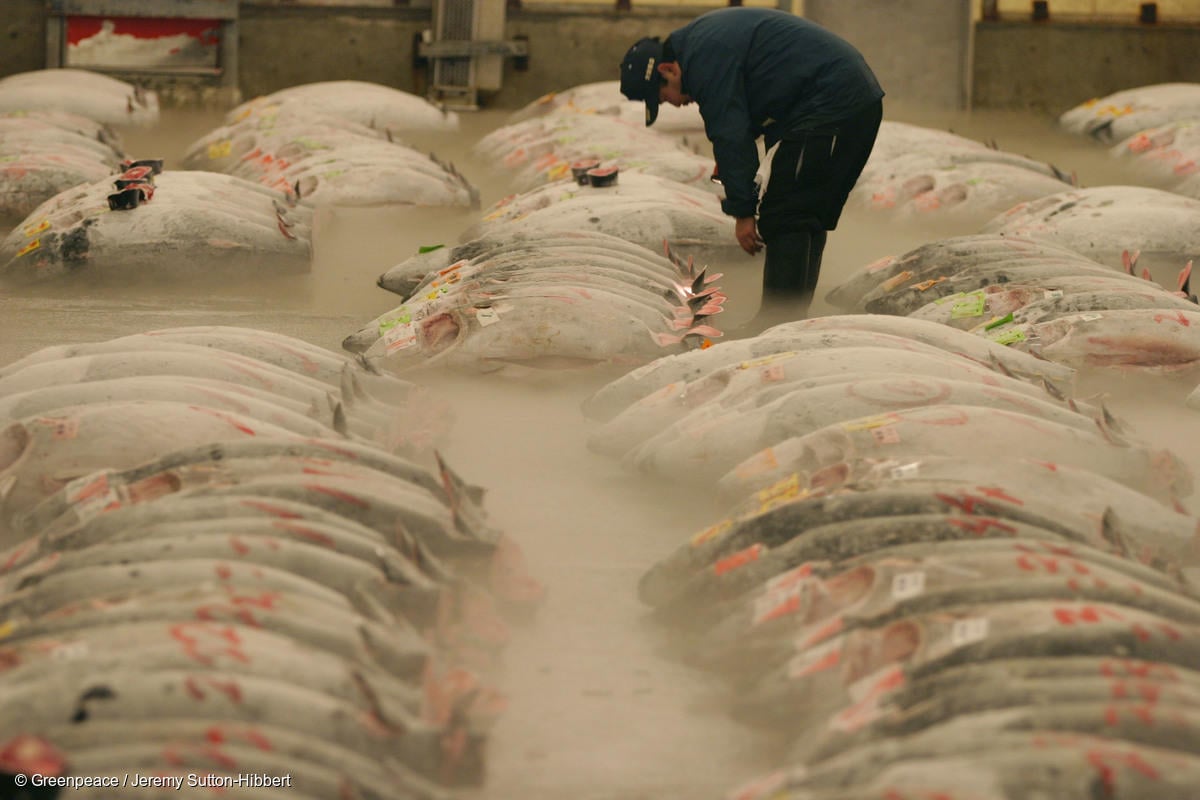
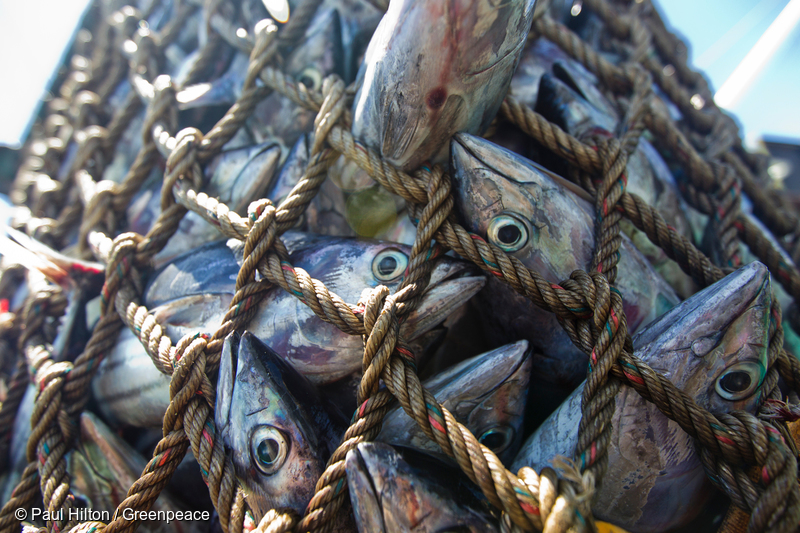
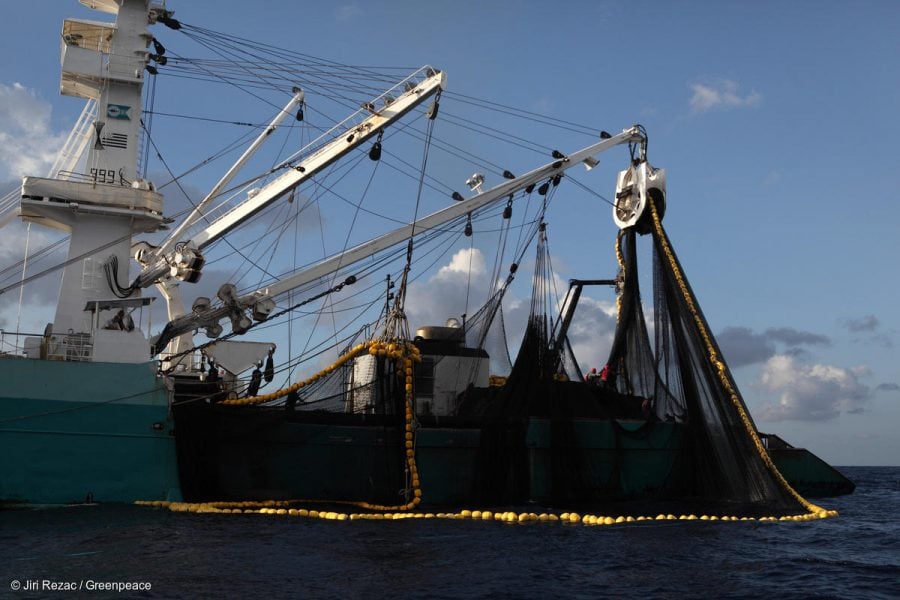
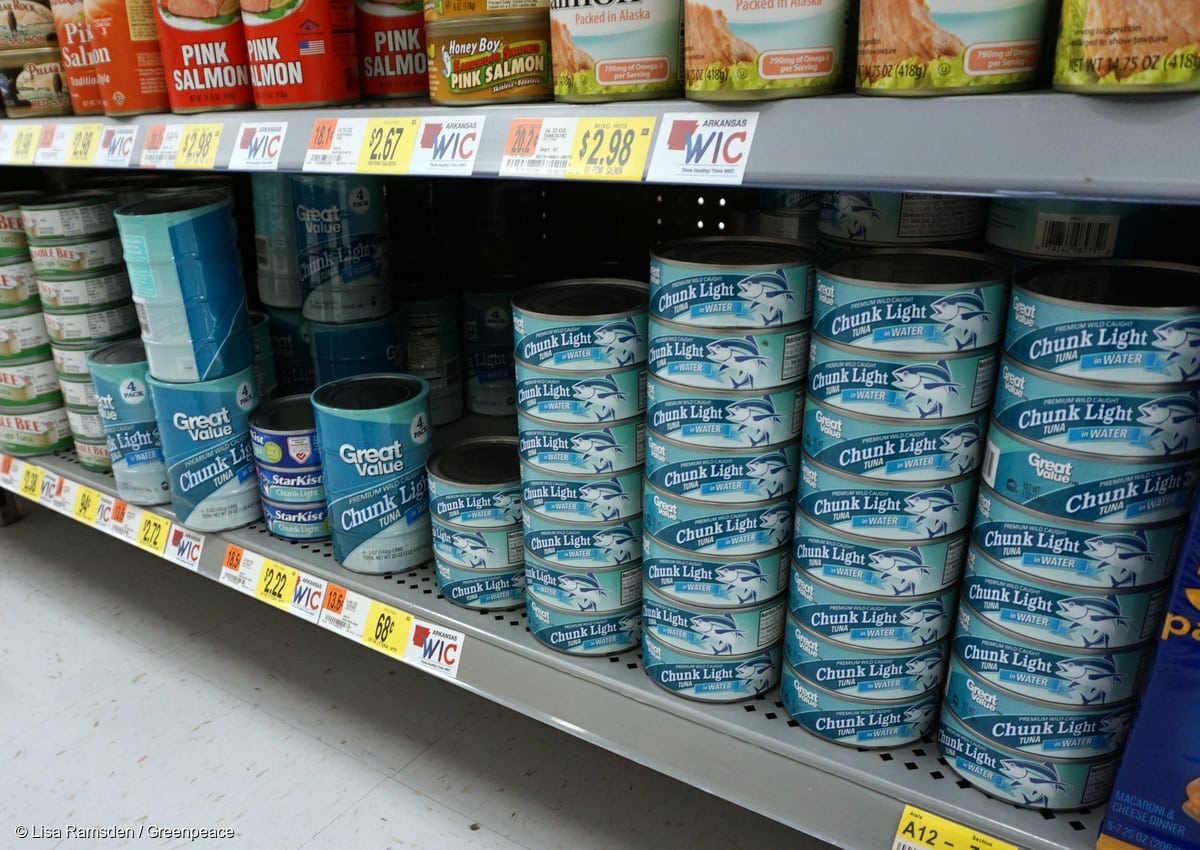
An estimated 128,000 fishers are trapped in forced labor aboard industrial fishing vessels. Many endure violence, debt bondage, dangerous working conditions, and months—or even years—at sea without a safe way to contact their families or seek help. The same conditions that enable labor abuses also fuel illegal, unreported, and unregulated (IUU) fishing, overfishing, and the destruction of ocean ecosystems. At least 76 to 80 million sharks were killed as a result of industrial fishing in just seven years. All three companies buy tuna sourced from vessels that catch fish using methods with high bycatch rates.
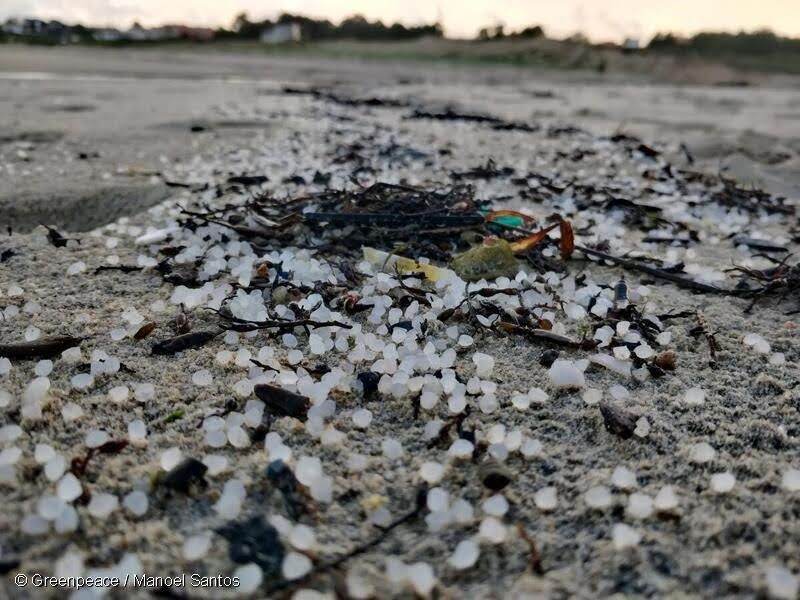
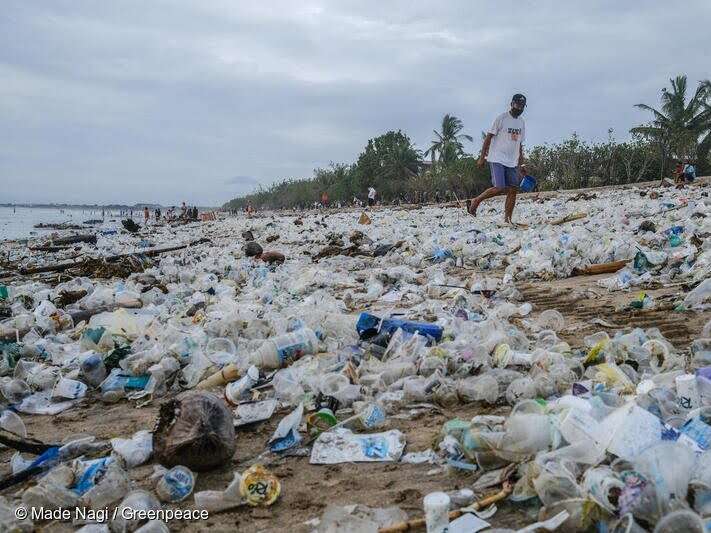
Plastic Pollution & Human Health
Plastic pollution contaminates our air, water, and food, while growing evidence links plastic chemicals and microplastics to risks for human health. Throughout their lifecycle—from fossil fuel extraction to disposal—plastics pollute our communities and ecosystems while accelerating climate change.
Why These Companies?
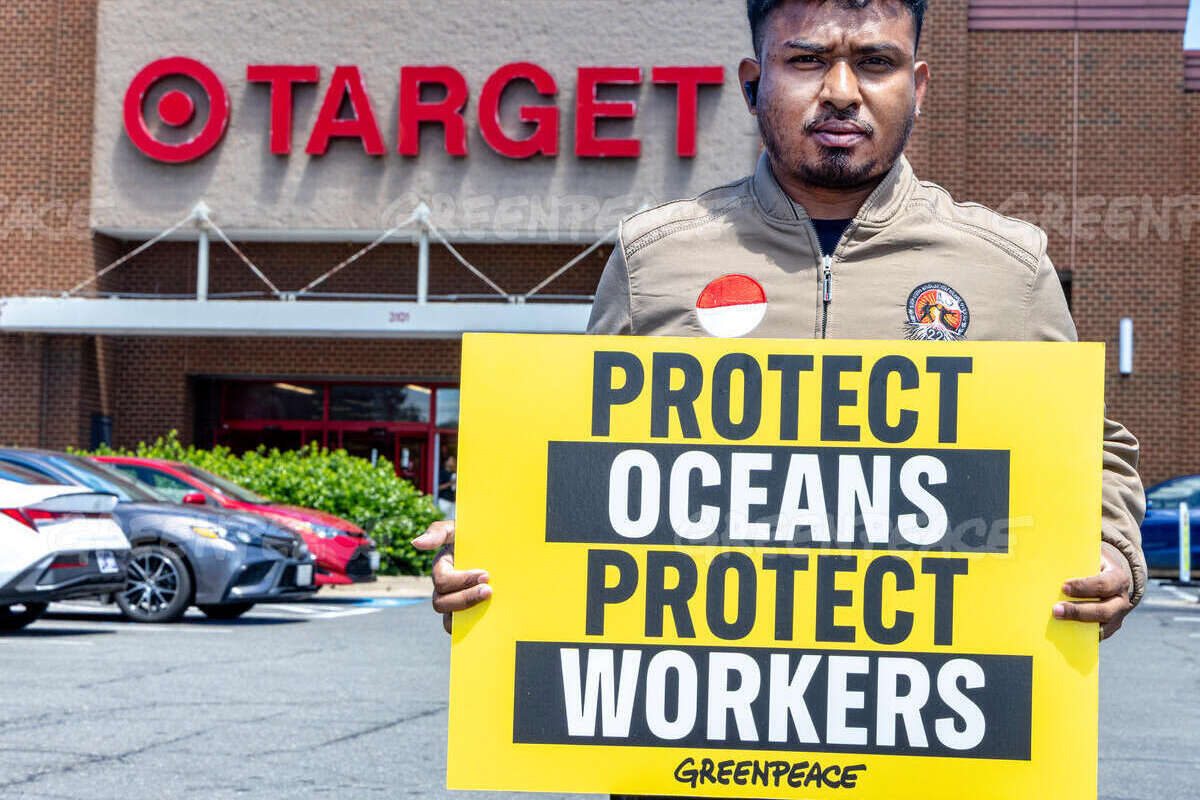
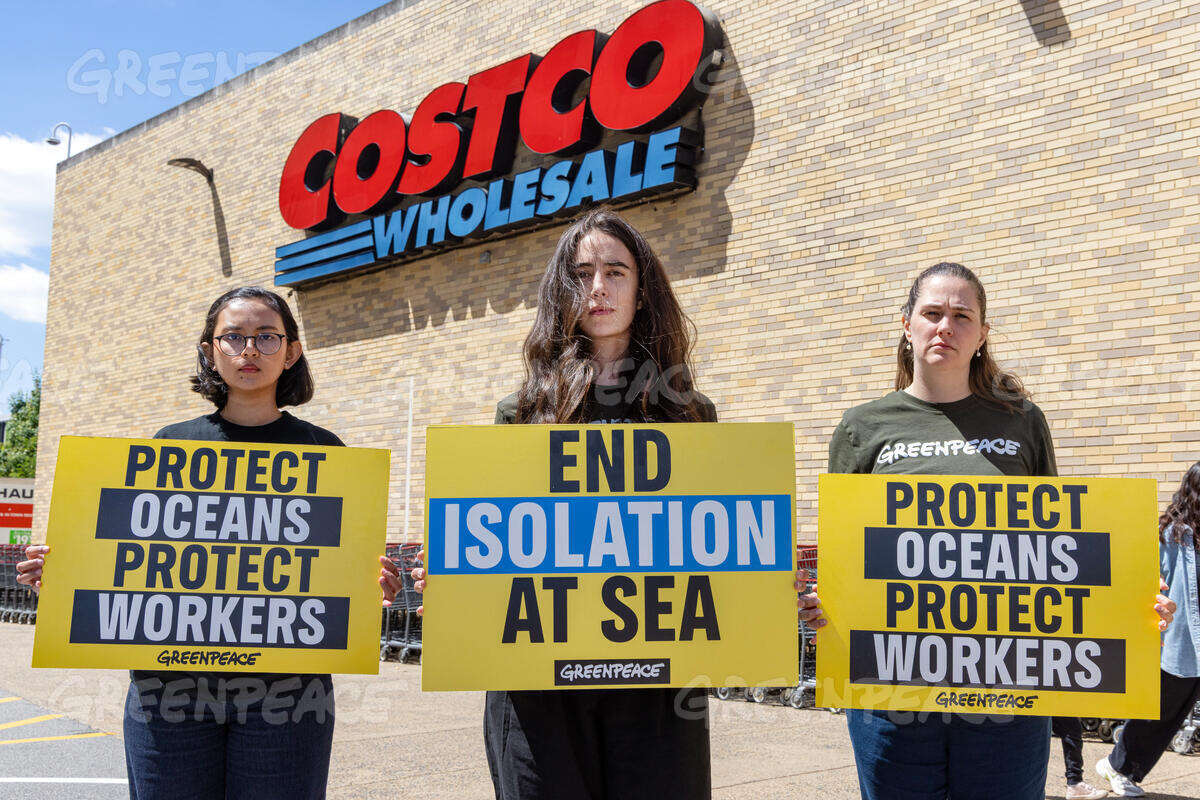
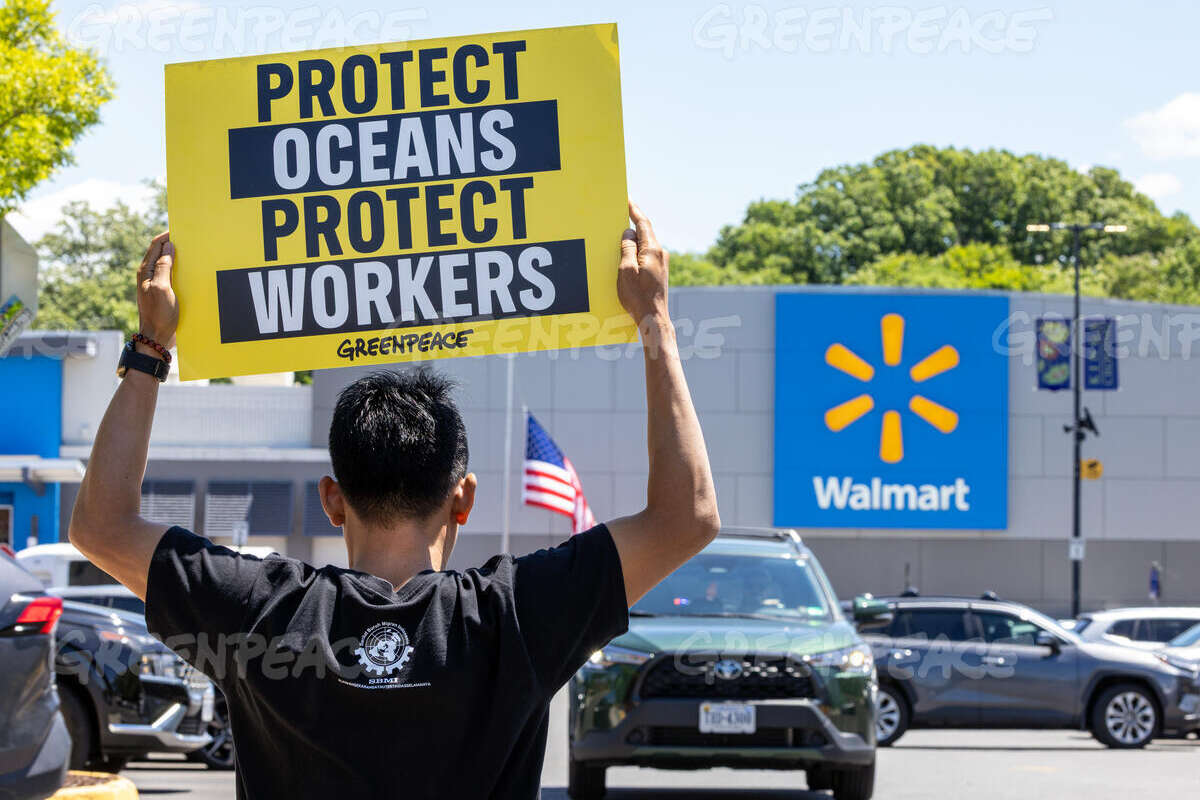
Walmart, Target, and Costco are among the world’s most influential retailers, with over $875 billion in combined annual sales. Through the products they sell, the packaging they require, and the standards they set for suppliers, they shape global industries — from seafood to consumer goods — and affect millions of workers, consumers, and communities around the world. With that influence comes responsibility.
These companies have the power to strengthen worker protections, reduce plastic pollution, eliminate hazardous chemicals, and raise environmental standards across their global supply chains. Their choices can improve the lives of workers, protect our oceans, and reshape entire industries. But they are not making them. Take, for example, Greenpeace US’s surveys that assess U.S. supermarkets’ policies on their seafood’s human rights and sustainability policies – all three consistently fail.
The solutions exist. It’s time these companies used their influence to protect people and the planet—not just their bottom line.
Why Now?
The decisions made by a handful of corporations have never carried more weight. As public protections are weakened and environmental and human rights challenges intensify, corporate leadership is more important than ever. Consumers increasingly expect companies to protect workers, reduce pollution, and build more responsible supply chains—and these companies have the power to deliver.
This is a pivotal moment for corporate accountability.
The evidence is growing.
Scientific research, investigations, and testimony from workers and frontline communities continue to expose the human and environmental costs of business as usual.
The solutions already exist.
From safer working conditions at sea to reuse systems that reduce plastic pollution, companies already have practical, scalable solutions within reach.
The moment to act is now.
The future isn’t decided by these companies alone. It’s shaped by what we demand of them. The choices these companies make today will shape the health of our communities, the future of our oceans, and the well-being of workers for years to come.
The future isn’t decided by these companies alone. It’s shaped by what we demand of them.
Join us in holding the Big 3 accountable.
Tell Walmart, Target and Costco to:
Learn more about…
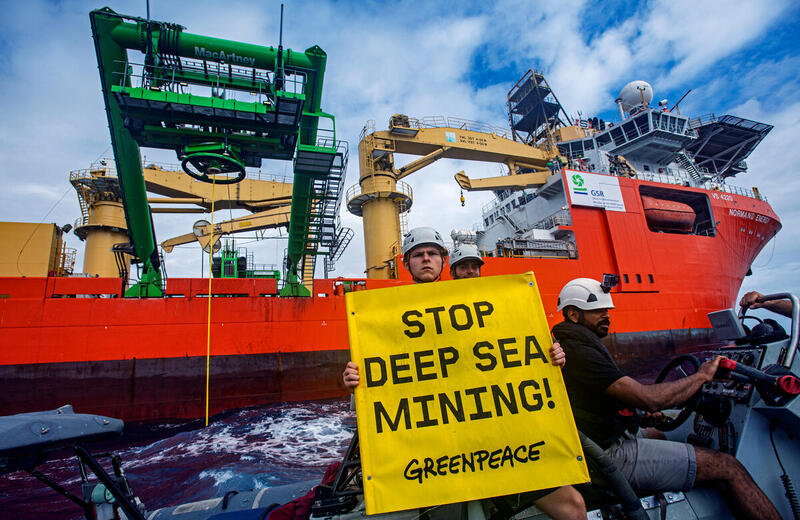
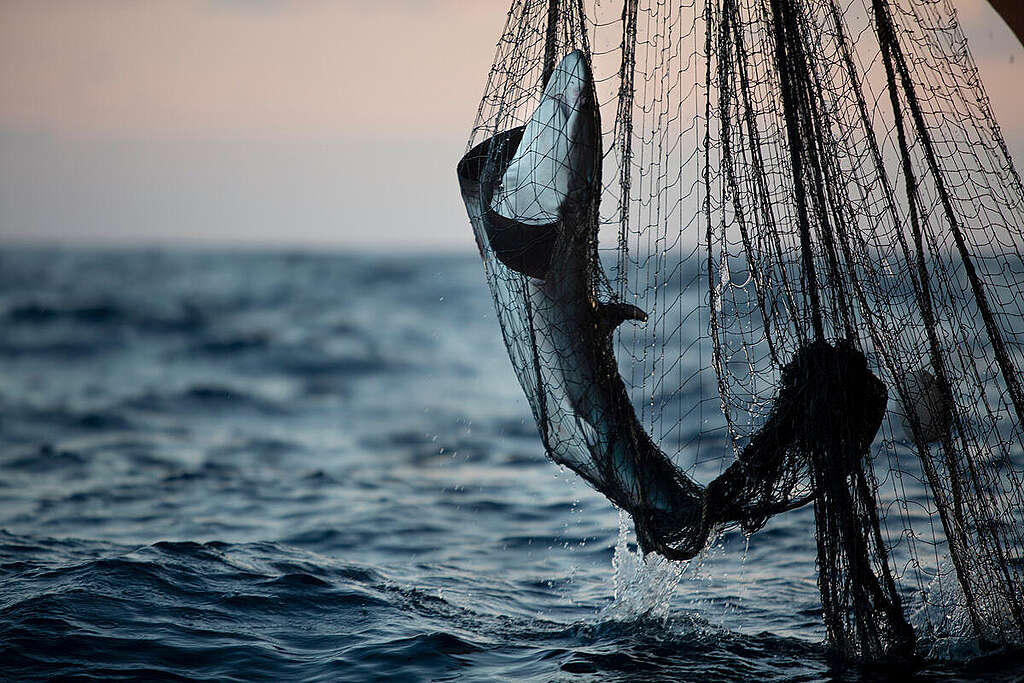
Protecting workers & wildlife at sea
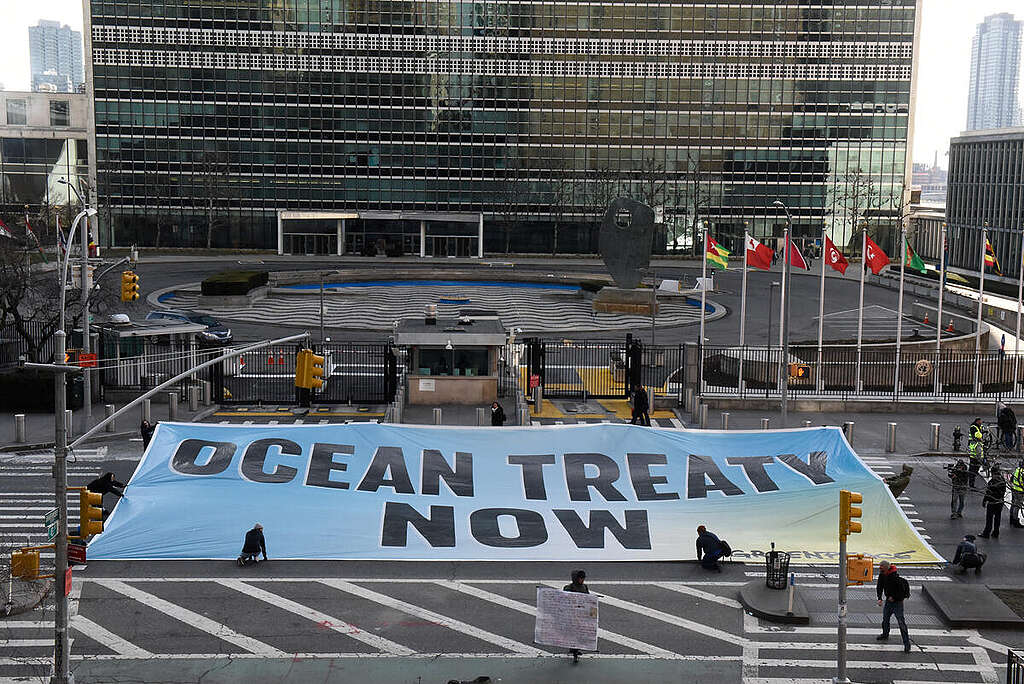
The Global Oceans Treaty
-
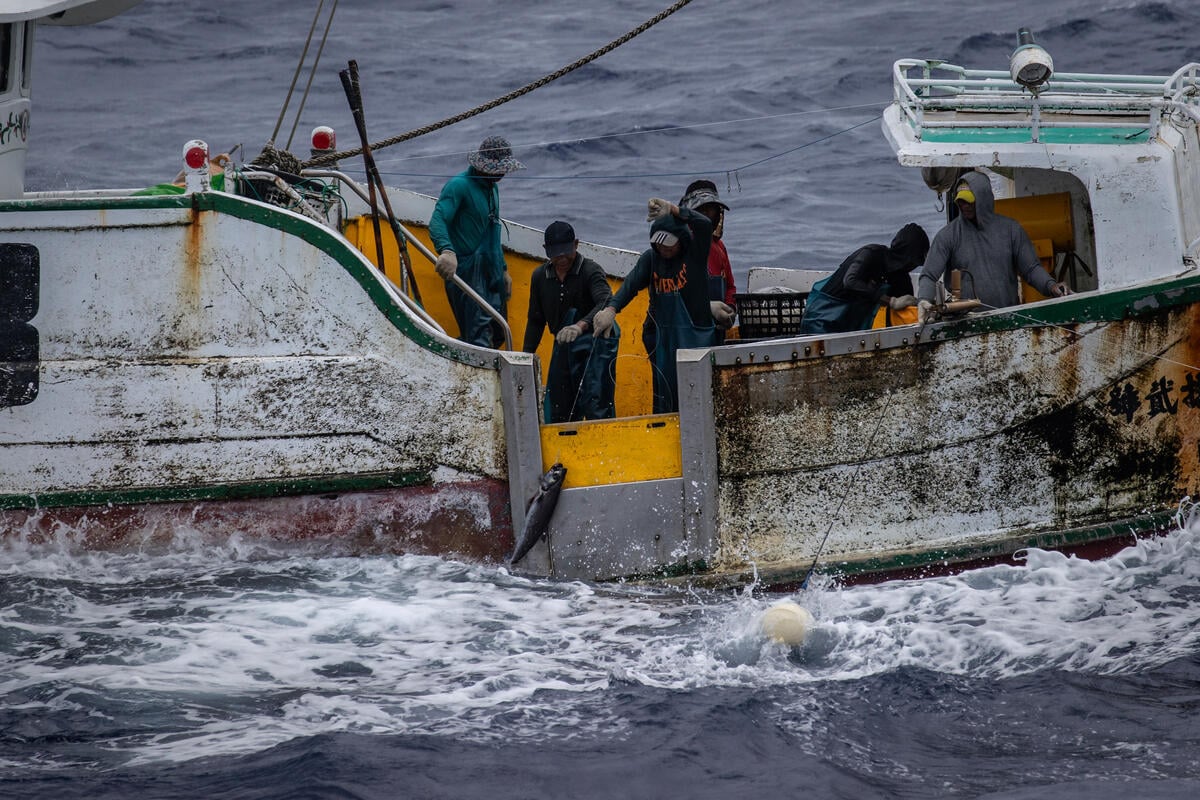
U.S. documents forced labor at sea, leaves Taiwan and Indonesia trafficking rankings unchanged
The U.S. State Department’s annual Trafficking in Persons Report identified persistent failures by Taiwan and Indonesia to protect fishers from forced labor, yet left both governments’ rankings unchanged.
-
Energy Transfer SLAPP case: eight reasons why justice demands a new trial
The trial held in Mandan, North Dakota in the Energy Transfer SLAPP case was fundamentally flawed in multiple ways.
-
Toxic AI boom breathes new life into a dying forever chemical industry
If PFAS are built into the backbone of the AI economy, they will remain in our water, soil and bodies for generations to come.
-
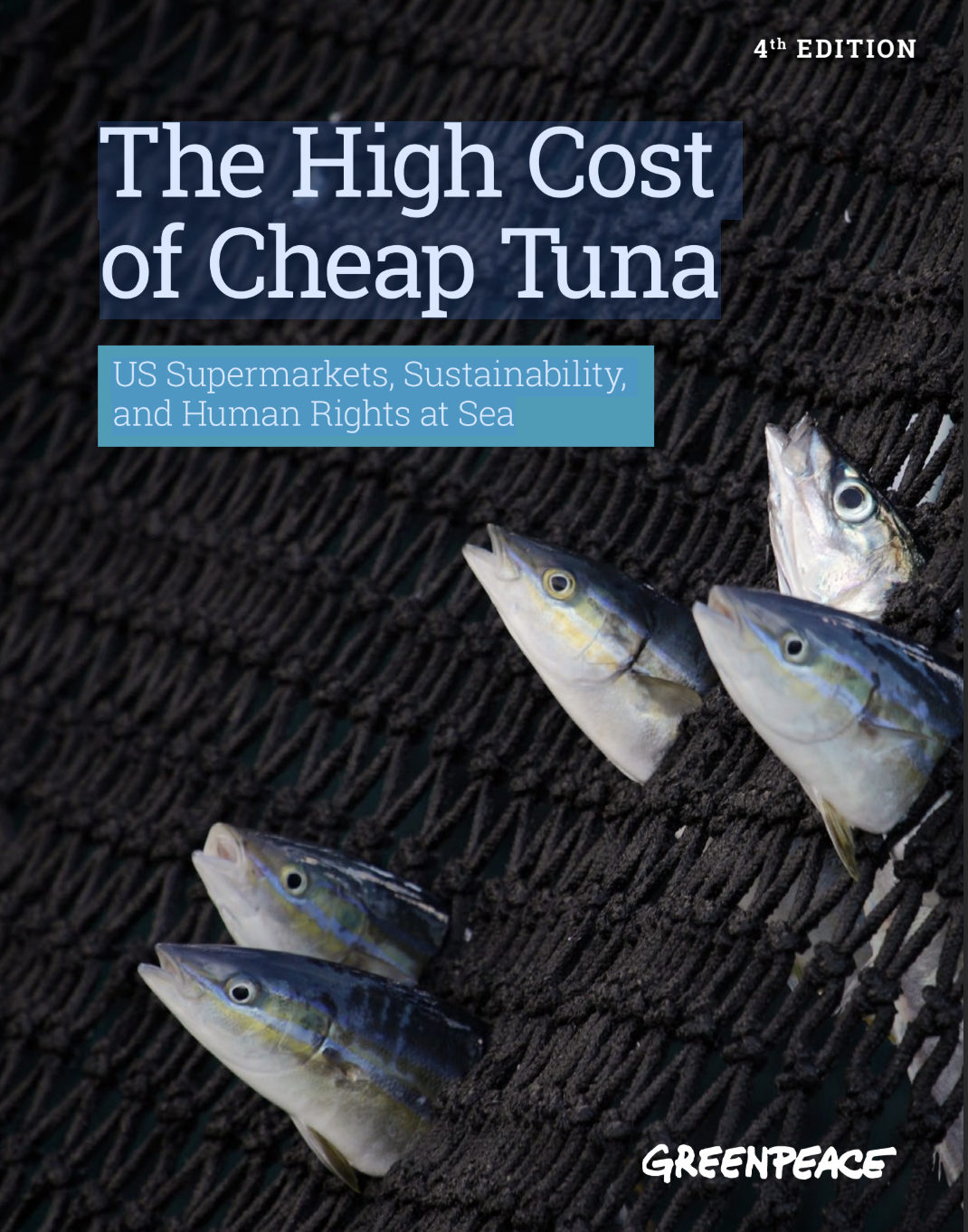
The High Cost of Cheap Tuna: US Supermarkets, Sustainability, and Human Rights at Sea
The High Cost of Cheap Tuna US Supermarkets, Sustainability, and Human Rights at Sea
-
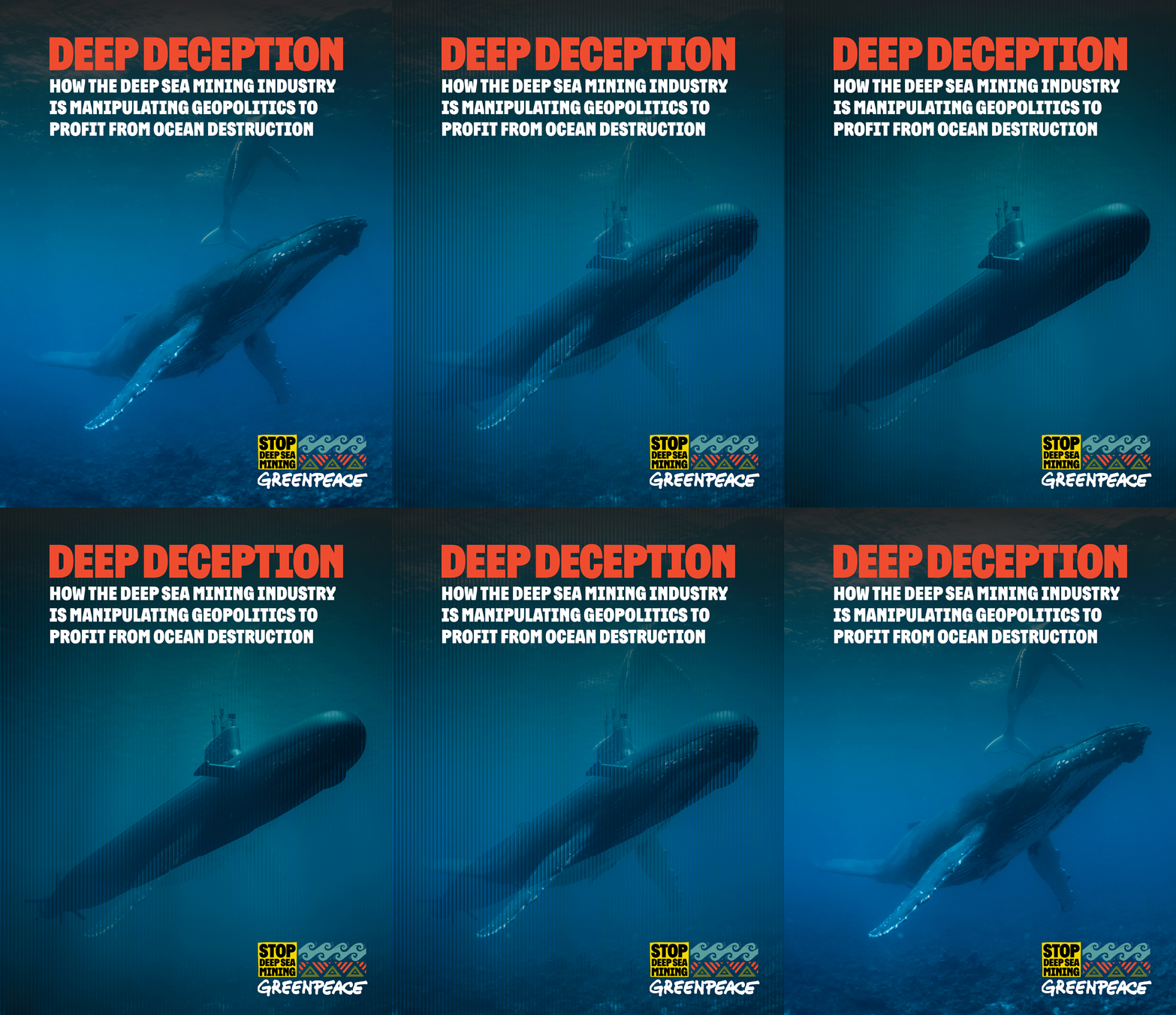
Deep Deception: How the deep sea mining industry is manipulating geopolitics to profit from ocean destruction
The new corporate narrative of deep sea mining corporates is one based in greed, not actual need.
-
The high cost of cheap tuna: US supermarkets, sustainability, and human rights at sea (3rd edition)
In Greenpeace USA’s third scorecard measuring the human rights and sustainability practices of 16 major US supermarkets’ tuna supply chains, only two retailers achieved a passing score.
-
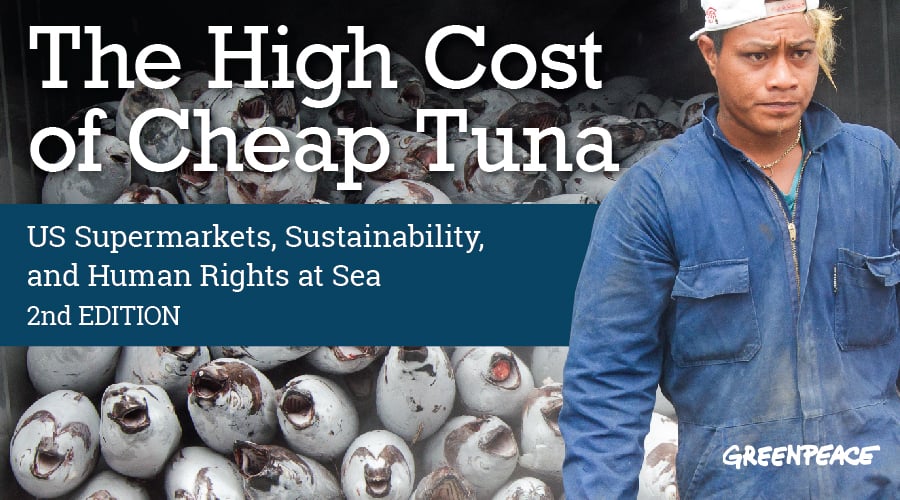
The High Cost of Cheap Tuna: US Supermarkets, Sustainability, and Human Rights at Sea
Published: 02-13-2023 Edition: 2nd Download: PDF A net bulging with tuna and bycatch on the Ecuadorean purse seiner ‘Ocean Lady’, which was spotted by Greenpeace in the vicinity of the northern Galapagos Islands while using fishing aggregating devices (FADs). Around 10% of the catch generated by purse seine FAD fisheries is unwanted bycatch and includes…
-
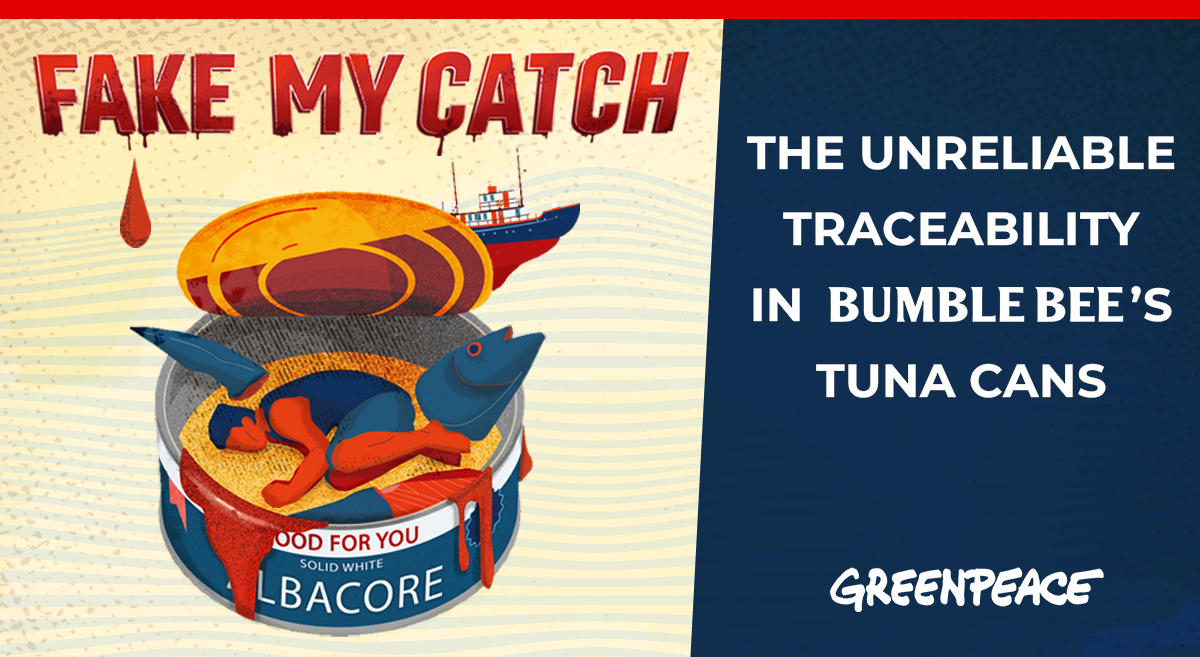
Fake My Catch: The Unreliable Traceability in our Tuna Cans
US seafood company Bumble Bee, one of the leading companies in the canned tuna market with nearly 90% consumer awareness levels, and its Taiwanese parent company Fong Chun Formosa Fishery Company (hereinafter referred to as FCF), one of the top three global tuna traders, play an important role in the global tuna industry, and thus…
-
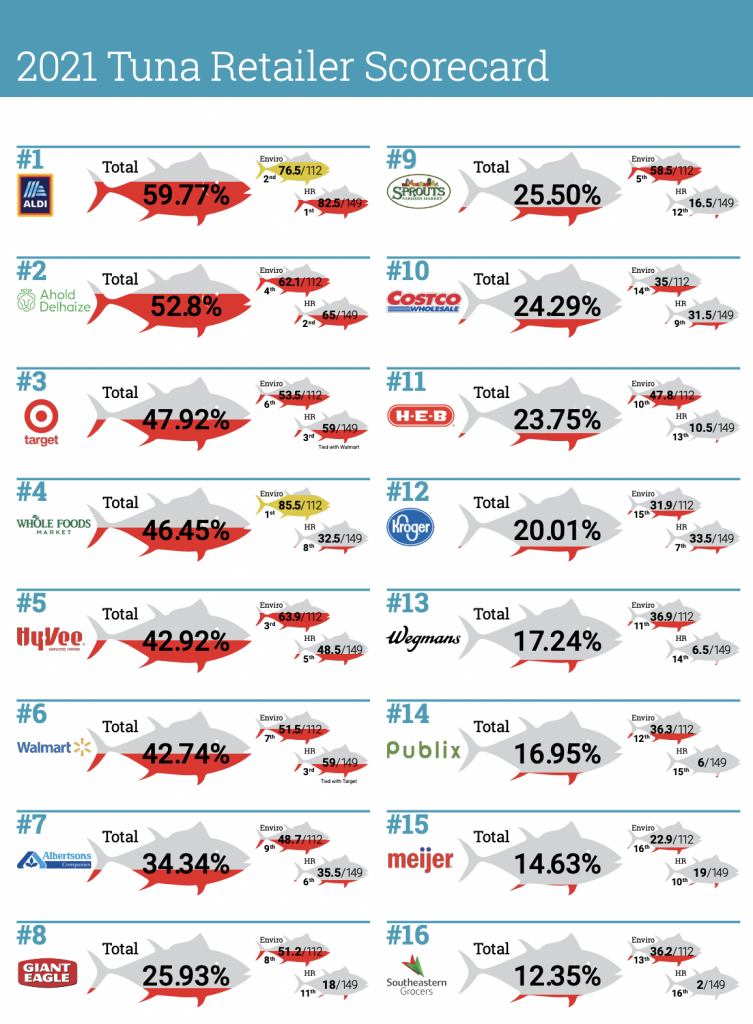
2021 Tuna Retailer Scorecard: The High Cost of Cheap Tuna
When Greenpeace USA published the first edition of Carting Away the Oceans (CATO) in 2008, not a single company out of the 16 major US retailers ranked on seafood sustainability received a passing score. Most of the companies surveyed had hardly given a thought to sustainable seafood; many had weak or non-existent policies, and commonly…
-
Fact Sheet: The Illegal Fishing and Forced Labor Prevention Act
Illegal, unreported, and unregulated (IUU) fishing, a top threat to ocean ecosystems and global food security, is inextricably linked to human rights abuses at sea. Workers on fishing vessels around…
-
High Stakes: The Impacts of Destructive Fishing
The Indian Ocean is a crucial ecosystem in the race to protect the high seas. From safeguarding marine biodiversity to promoting sustainable, socially responsible fishing, the changes needed to protect…
-
Comments Concerning the Ranking of Taiwan by the U.S. Department of State in the 2021 Trafficking in Persons Report
Publication Date: April 1, 2021 Author: GLJ-ILRF and Greenpeace on behalf of the Seafood Working Group This document contains the Seafood Working Group (SWG)’s comments concerning Taiwan’s ranking in the…
-

Fisheries Observers are Human Rights Defenders on the World’s Oceans
Fisheries observers are human rights defenders on the world’s oceans. These individuals work independently onboard commercial fishing vessels around the world to collect scientific data on the state of the…
-
Policy Briefing: Why the Department of Labor Must Put Taiwan-caught Tuna on its List of Goods Produced by Forced Labor
Last December, Greenpeace and 23 additional NGOs, trade unions, and businesses sent a letter to the US Department of Labor, Bureau of International Labor Affairs (ILAB) Office of Child Labor,…
-
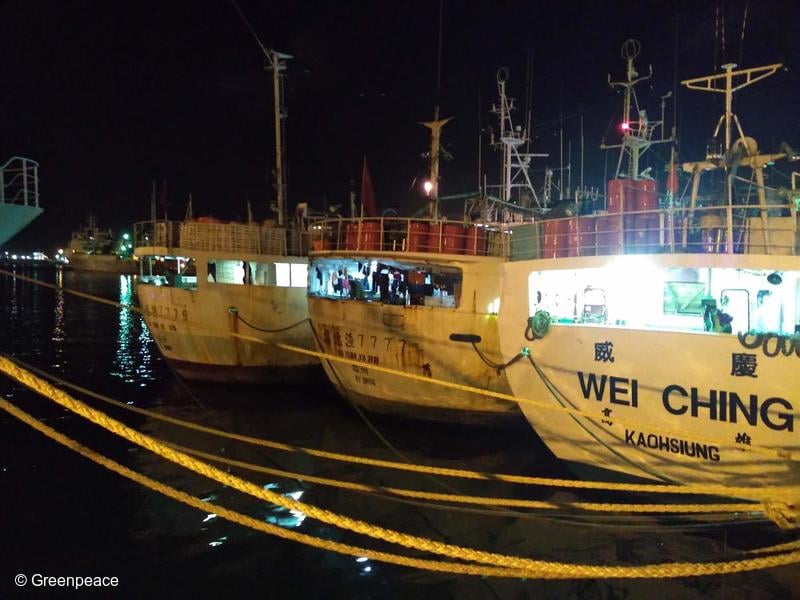
Choppy Waters – Forced Labor and Illegal Fishing in Taiwan’s Distant Water Fisheries
DOWNLOAD THE REPORT Taiwan is one of the world’s largest distant water fishing (DWF) powers, with over 1,100 Taiwanese-flagged vessels fishing across our oceans and hundreds more Taiwanese-owned vessels flagged…
-
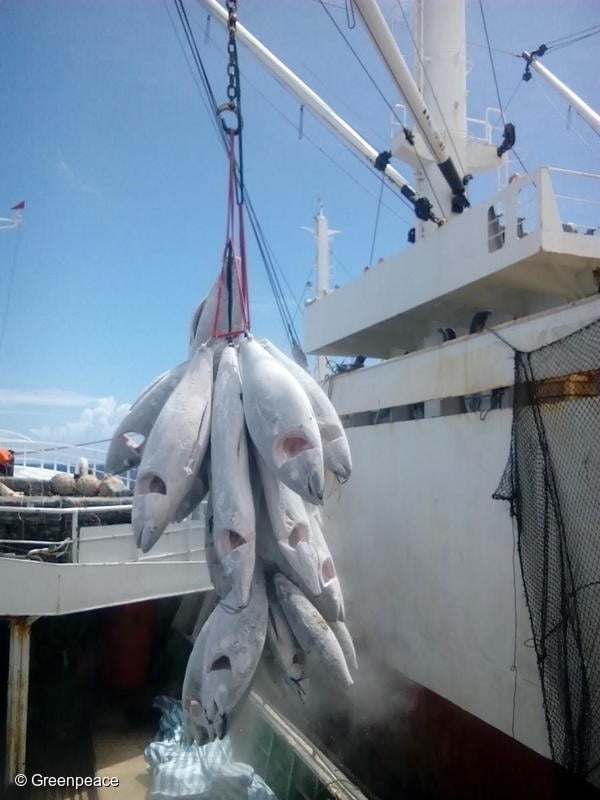
Greenpeace Sustainability, Labour & Human Rights, and Chain of Custody Asks for Retailers, Brand Owners and Seafood Companies
Greenpeace seeks a substantial transformation from fisheries production dominated by large-scale, socially and economically unjust, and environmentally destructive methods to prioritise smaller scale, community-based, labour intensive fisheries using ecologically responsible,…
-
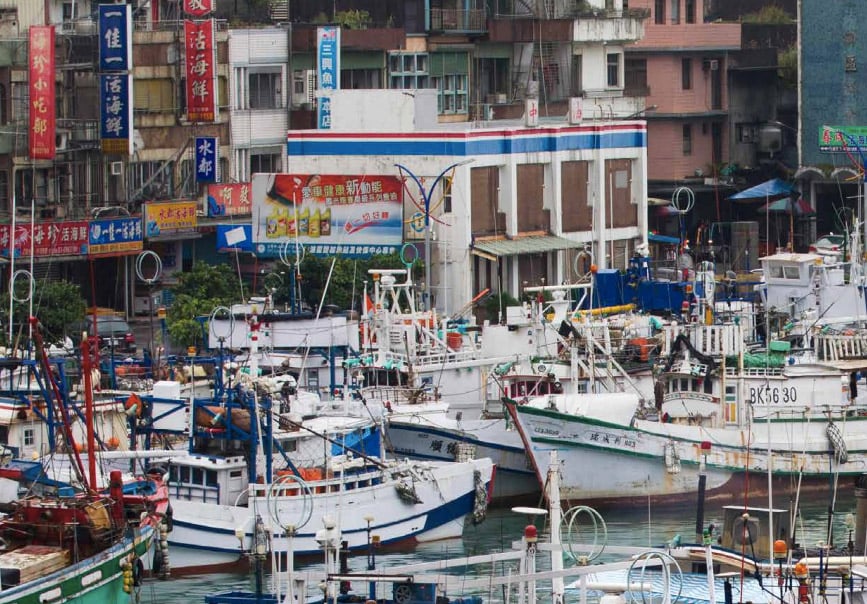
Human Rights for Migrant Fishers
Abolish the Overseas Employment Scheme for Migrant Fishers and Expedite the Domestication of ILO Convention No. 188
-
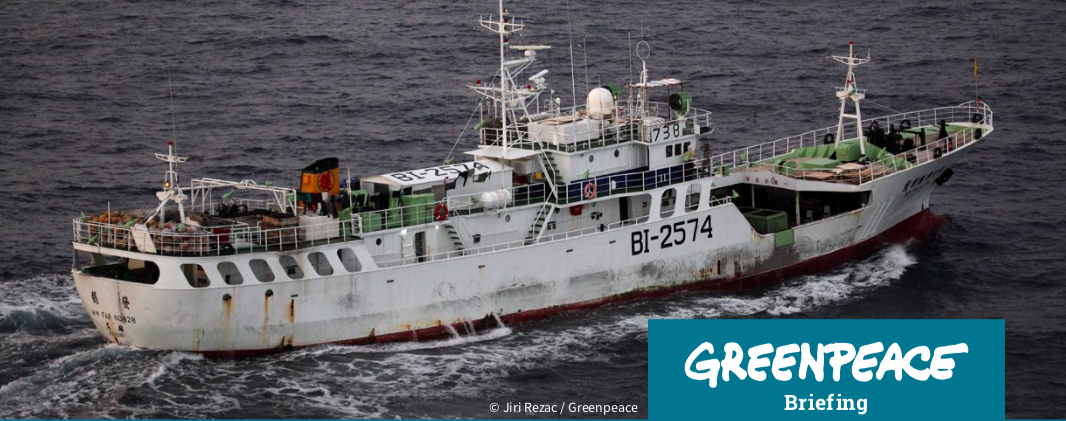
The Two-Tiered System: Discrimination, Modern Slavery and Environmental Destruction on the High Seas
Greenpeace welcomes the opportunity to contribute to the Inaugural Plenary Meeting of the ILO SEA Forum for Fishers. The issue of discrimination in the global distant water fishing (DWF) industry…
-
Carting Away the Oceans 10
To view the report, click here. This 10th-anniversary edition of Carting Away the Oceans identifies which major supermarkets are leaders in sustainable seafood and which are falling behind. The findings are…
-
Greenpeace Report: Carting Away the Oceans
In June 2008, Greenpeace published the first edition…
-
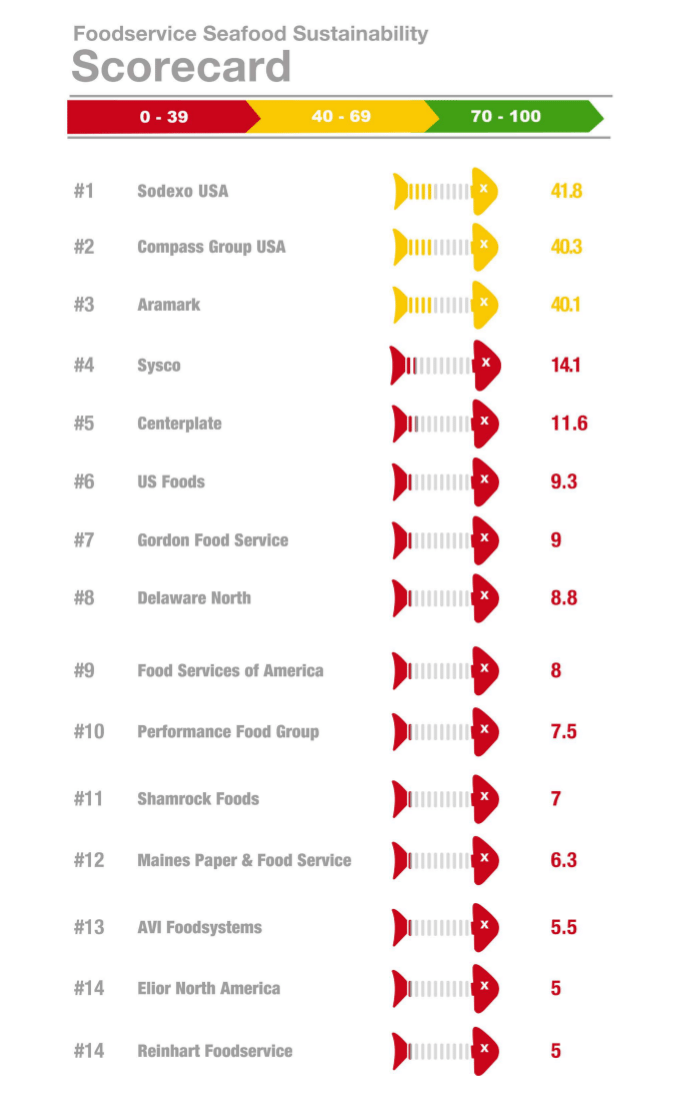
Sea of Distress 2017: The Foodservice Industry, Ocean Health, and Seafood Workers
Click here to download Sea of Distress 2017, Greenpeace’s second assessment of foodservice companies that feed millions of people every day who dine outside the home. Unfamiliar to many, companies…
-

Ray Hilborn: Overfishing Denier
Update, February 2019: Back in 2016, Greenpeace called out a well-known scientist named Ray Hilborn for failing to disclose the funding he’d received from the fishing industry in several of his…
-
Carting Away the Oceans 2015
Our Carting Away the Oceans report, released annually since 2008, identifies which major grocery chains are leaders in sustainable seafood and which are falling behind. The findings are telling. In…
-
Carting Away the Oceans 2014
Despite progress made by the retail sector overall, overfishing, destructive fishing, and illegal fishing are still major problems for ocean conservation and the economies of developing countries. Populations of the…
-
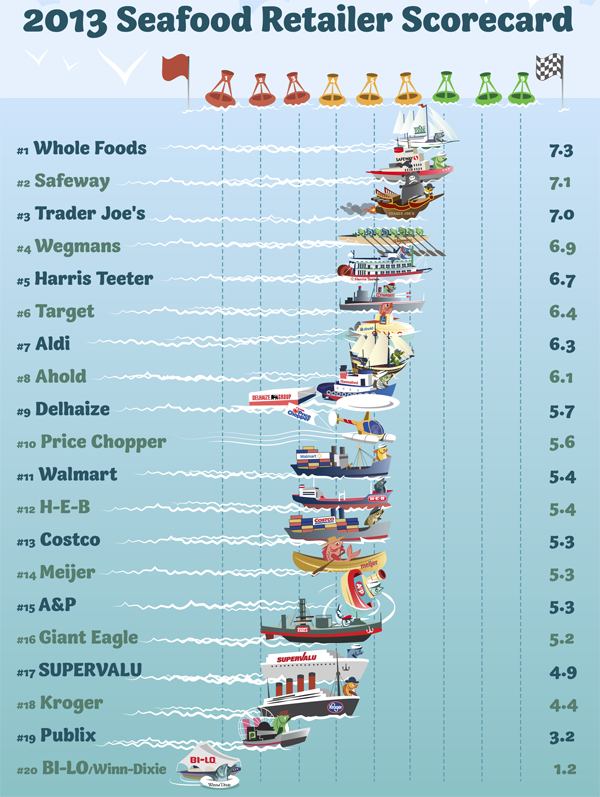
Carting Away the Oceans 7
There is still a great deal of work to be done, but let’s take a minute to raise a glass in acknowledgement of some of the truly remarkable stories of…
-
Taking Stock of Tuna
Tuna is the world’s favorite fish. It can be found from high-end sushi restaurants in Tokyo to family shopping trolleys in North American supermarkets and the dinner plates of Pacific island communities. With the world’s appetite for tuna now greater than what our oceans can sustain, tuna stocks globally are coming under pressure, suffering from…
-
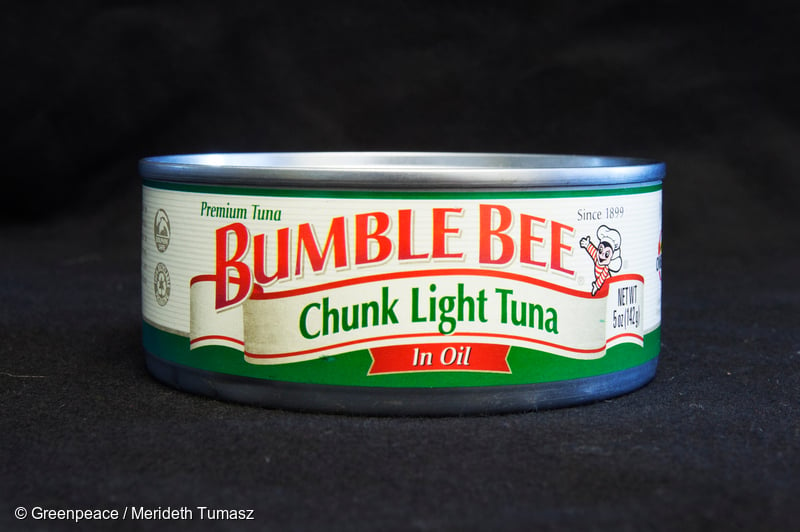
Canned tuna’s hidden catch
Download document
-
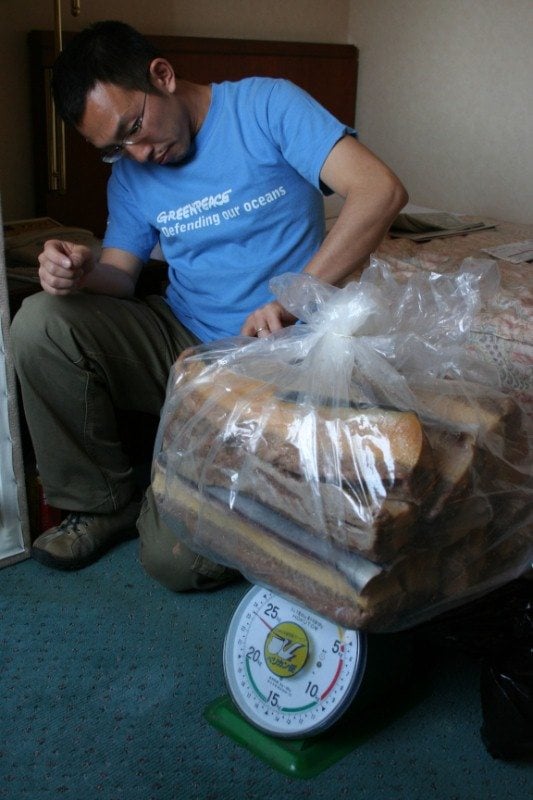
Greenpeace investigation: Japan’s stolen whale meat scandal
A four-month-long undercover investigation by Greenpeace uncovers some of the whaling industry’s dirtiest secrets — including embezzlement of whale meat from the taxpayer-subsidized program.
-
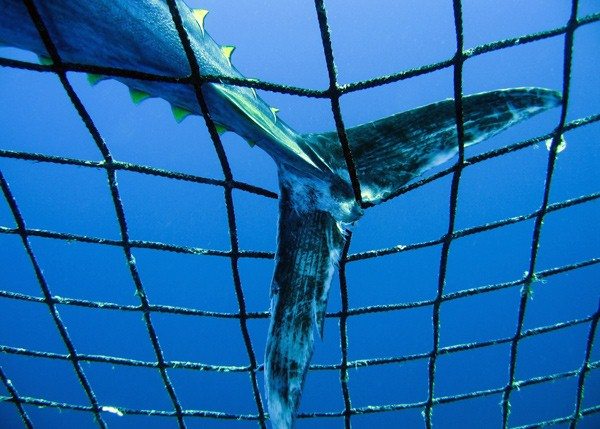
Taking tuna out of the can
Tuna is one of the world’s favorite fish. It provides a critical part of the diet for millions of poor people, as well as being at the core of the…
-
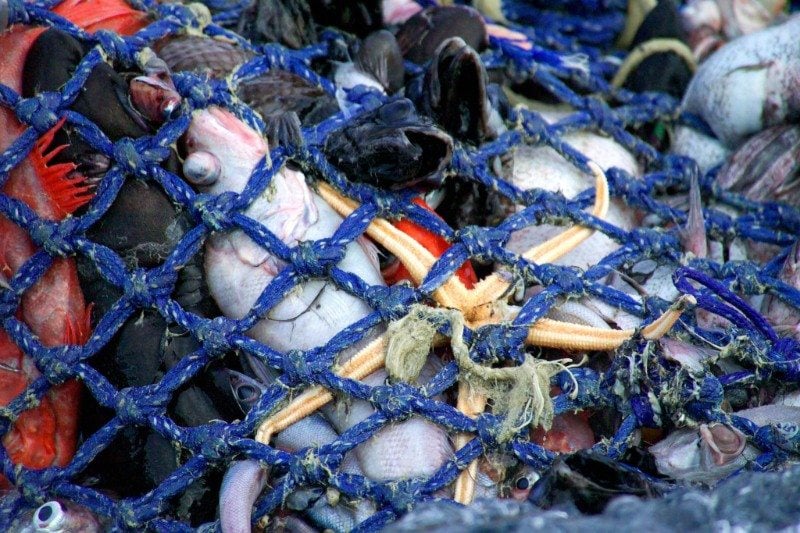
Trading Away Our Oceans
Instead of pursuing further liberalization, states should ensure existing international law is implemented fully and establish new rules to ensure sustainable and equitable management of the high seas. Furthermore, developing…