
#LiterallyNastyGas
#LiterallyNastyGas
It’s not about a fart, it’s a fossil gas problem.
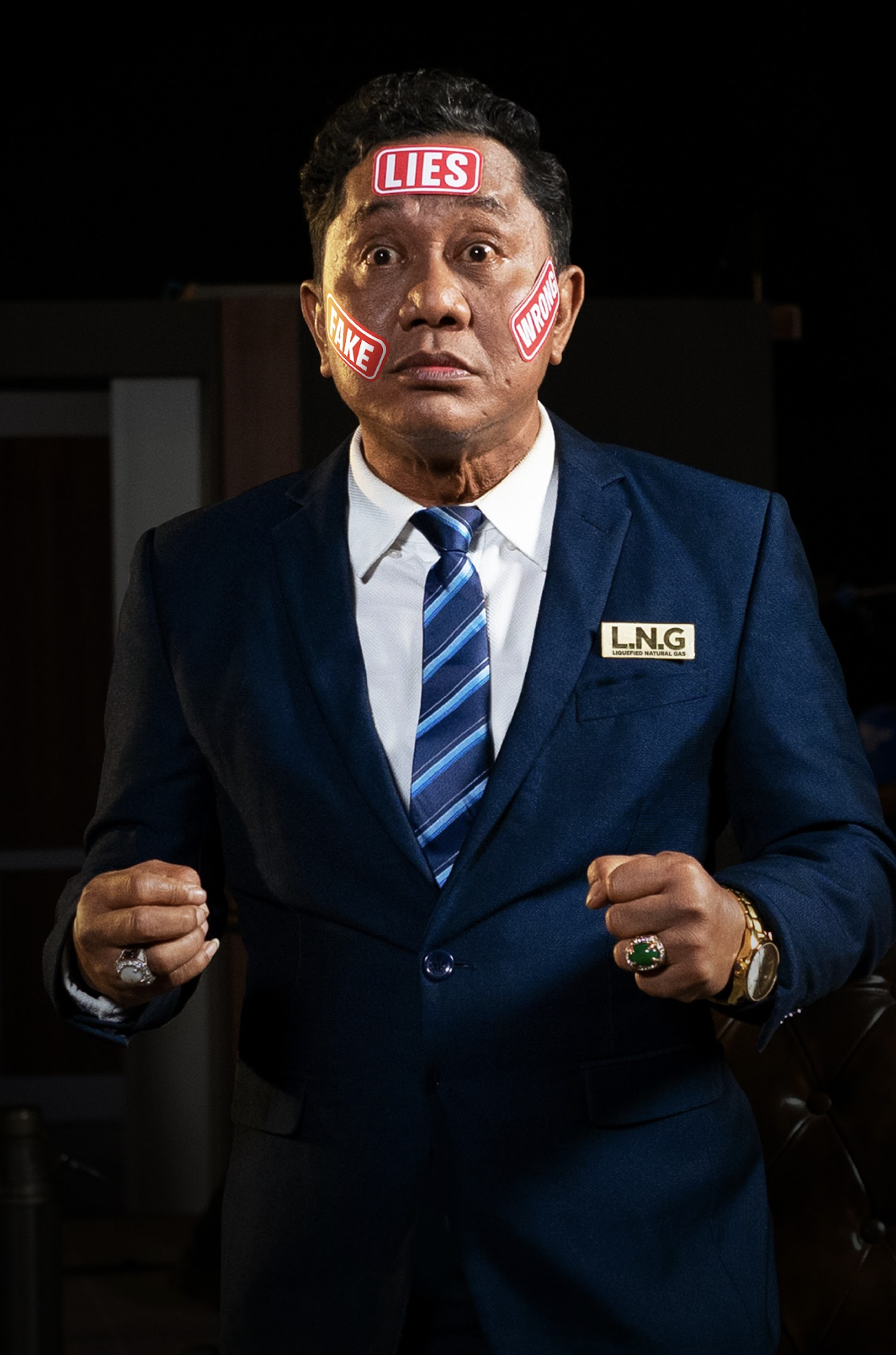
Silently but deadly
The fossil gas industry is pushing massive projects across Southeast Asia and the Global South, locking us into a dirty, risky, and expensive energy system.
Countries like the US, Qatar, and Australia are ramping up production and targeting Southeast Asia, exploiting rising demand and declining domestic reserves.
They call LNG a transition fuel, but it’s volatile, globalised, and can become unaffordable or unavailable, proven by the 2022 gas crisis. Fossil gas wrecks the climate and threatens energy security. Southeast Asia cannot build its future on it, especially with better alternatives available.
Stop Fossil Gas Expansion
Watch Video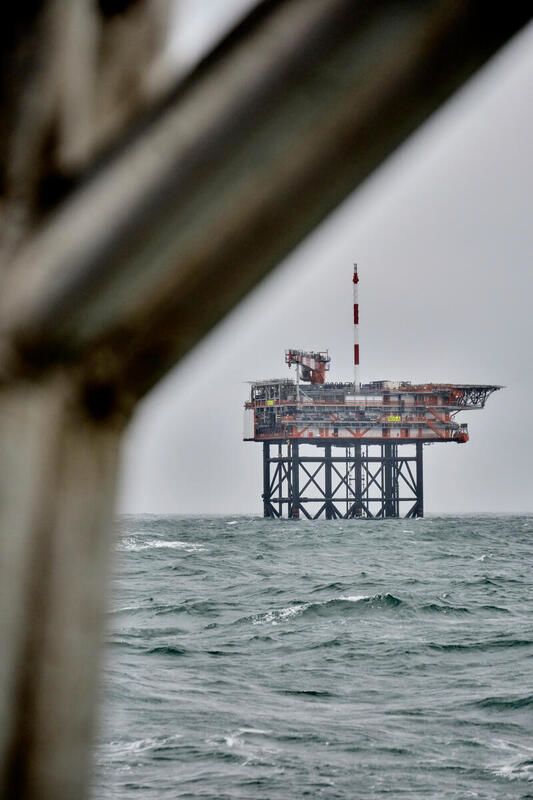
The real cost of gas
Gas might not smell but it certainly stinks. Fossil gas is wrecking the climate, emitting CO₂ and methane, which is 84 times more powerful than CO₂ over 20 years. Leaks happen throughout extraction, processing, and transport, making gas as bad or worse than coal.
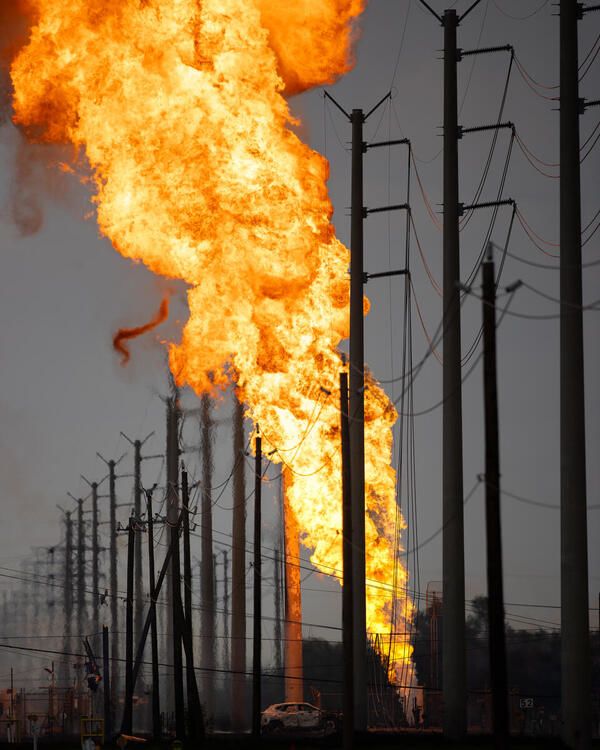
Fossil gas harms nature, destroying forests, oceans, and wildlife, and it threatens human health through toxic emissions and pollution. It’s dangerous too: explosions, fires, and earthquakes happen regularly along the gas supply chain.
In Southeast Asia, fossil gas projects are expanding fast, locking the region into a dirty, risky, and expensive energy system. LNG is not a transition fuel. It’s globalised, volatile, and can become unaffordable or unavailable, as seen in 2022.

The good news?
Southeast Asia is blessed with renewable energy potential. Governments must shift away from fossil fuels, invest in clean energy infrastructure, and work regionally to build a safe, affordable, and climate-friendly energy future.
-

Earth Alert ปัญหาโลกแตก EP.10 กล่องพลาสติกเข้าไมโครเวฟได้ แล้วปลอดภัยมั้ย ?
จะมีสักกี่คนที่รู้ว่า กล่องหรือถุงพลาสติกใส่อาหารแม้ว่า…
-

Earth Alert ปัญหาโลกแตก EP.9 ค้านแลนด์บริดจ์ ขวางความเจริญ ?
คุยเรื่องแลนด์บริดจ์ กับ Miss Earth Fire 2021 🔥 ใบตอง จ…
-

Earth Alert ปัญหาโลกแตก EP.8 อมก๋อย แหล่งต้นน้ำดี กับคดีสิ่งแวดล้อม
พี่น้องชุมชนจากหมู่บ้านเล็ก ๆ ที่ชื่อ ‘กะเบอะดิน’ กำลัง…
-

Earth Alert ปัญหาโลกแตก EP.Special เข้าคูหากาสิ่งแวดล้อม เพราะสิทธิในสิ่งแวดล้อมที่ดี เป็นไปได้
ในการเลือกตั้ง 2569 กรีนพีซ ประเทศไทยรวบรวมและยื่นข้อเส…
-

Earth Alert ปัญหาโลกแตก EP.6 กรุงเทพฯ เสี่ยงจมน้ำ !? เราทำอะไรได้บ้าง
ทุกครั้งที่ฝนตกหนัก กรุงเทพฯก็ดูเหมือนจะรับมือกับปัญหาน…