ยังจำกันได้ไหมคะว่าปีที่แล้ว กรีนพีซได้เริ่มเดินทางสำรวจมหาสมุทรจากขั้วโลกเหนือไปสู่ขั้วโลกใต้ เพื่อบันทึกภัยคุกคามที่มหาสมุทรทั่วโลกเผชิญอยู่ และเผยแพร่เรื่องราวเหล่านี้ออกสู่สายตาคนทั่วโลก เพื่อรณรงค์ให้เราใส่ใจกับการดูแลปกป้องมหาสมุทรมากขึ้น
เราเริ่มเดินทางในช่วงกลางปี พ.ศ.2562 และตอนนี้ เรือเอสเพอรันซาของกรีนพีซก็ได้เดินทางมาถึงขั้วโลกใต้ หรือแอนตาร์ติกา ดินแดนซึ่งเป็นบ้านของเหล่านกเพนกวิน ที่นี่ก็จะเป็นสถานที่อีก 1 แห่งที่เหล่านักวิทยาศาสตร์และช่างภาพจะมาเก็บข้อมูลความน่าอัศจรรย์ของพื้นที่นี้
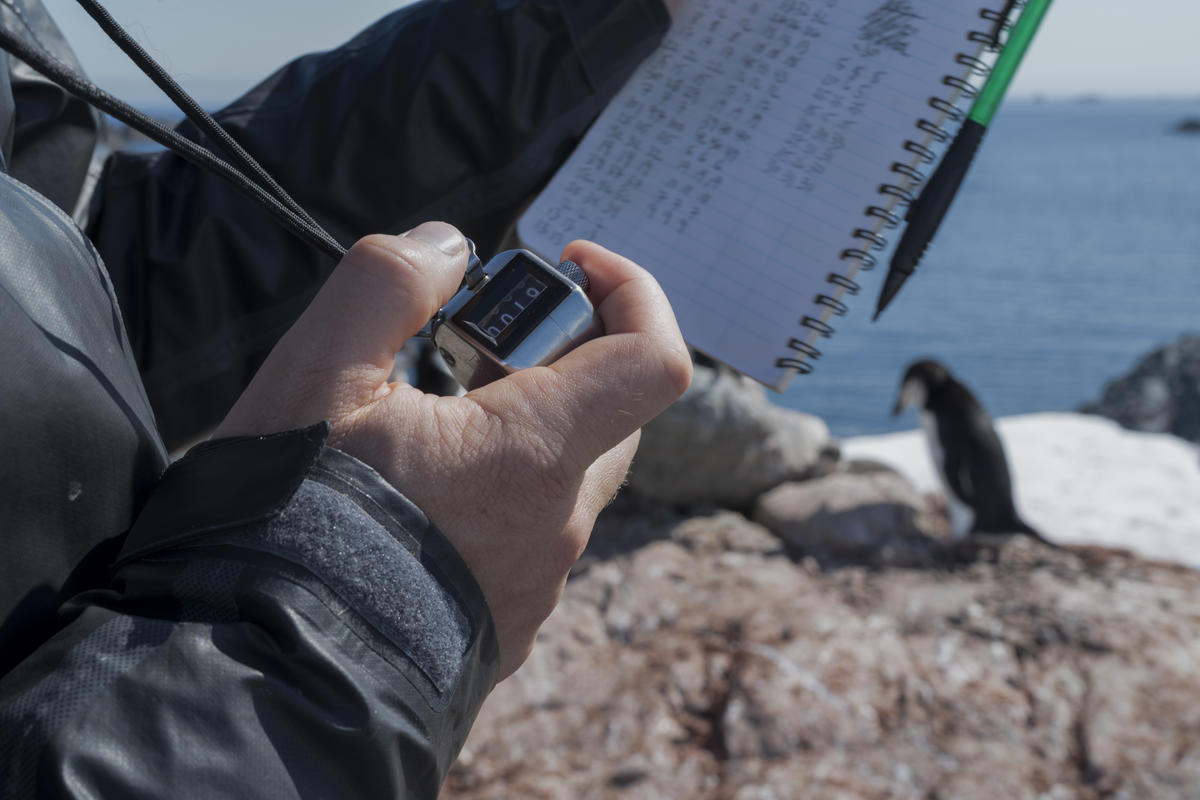
ไฮไลท์ที่สำคัญและน่าสนุกอย่างหนึ่งก็คือ “การนับเพนกวิน”
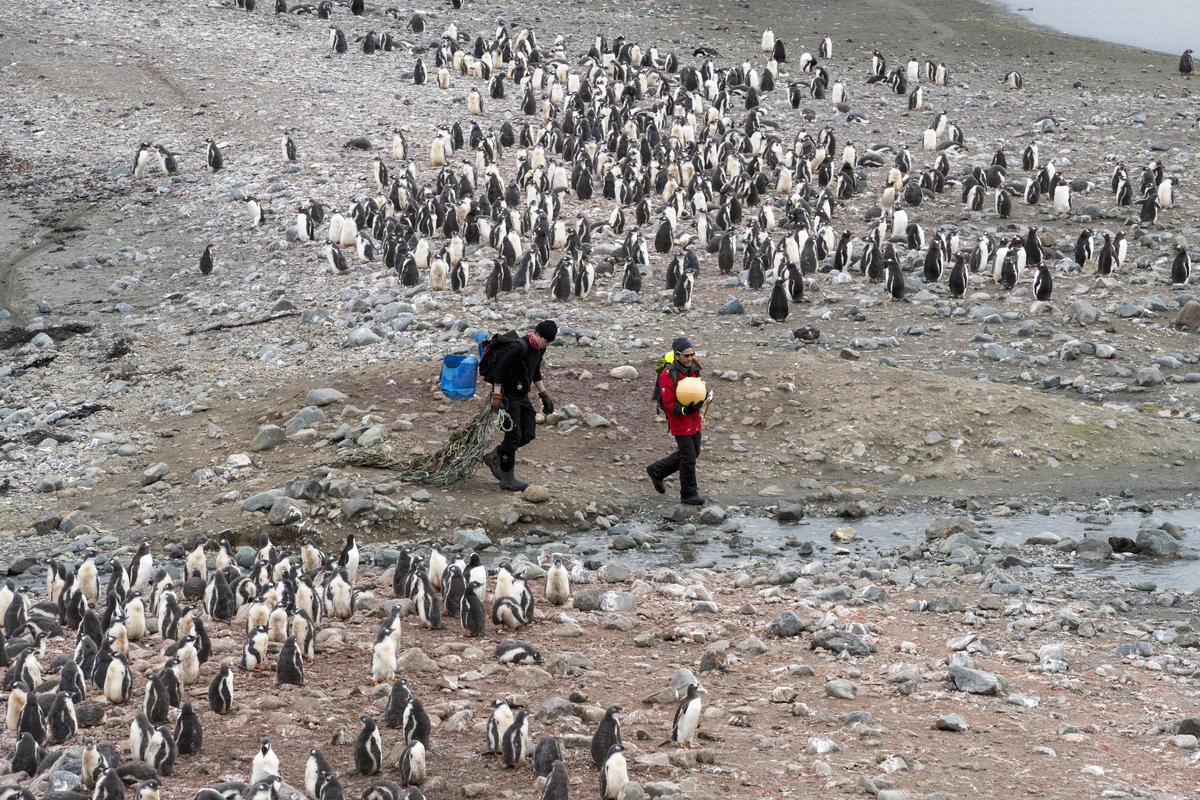
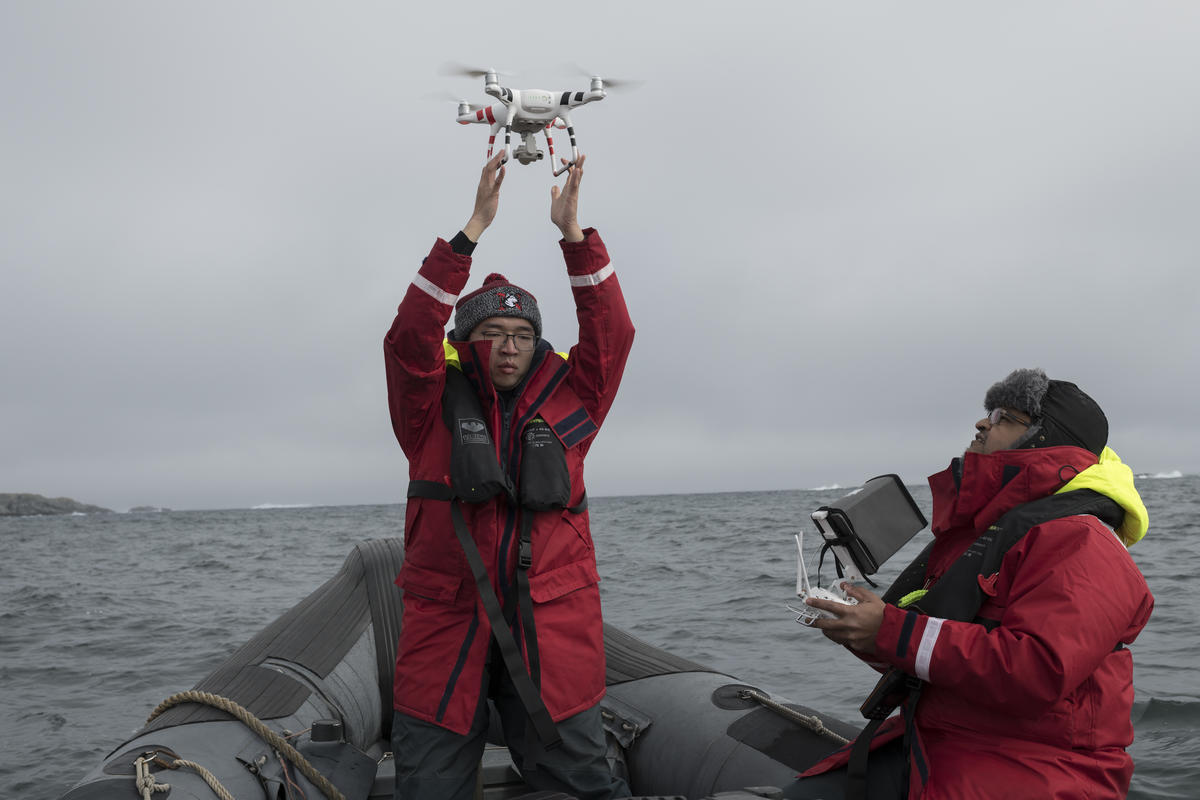
แม้ว่าโดรนถ่ายภาพจะเป็นสิ่งที่ผู้เชี่ยวชาญเอามาช่วยให้พวกเขานับเพนกวินได้ง่ายขึ้น แต่พวกเขาก็ยังต้องใช้คนช่วยนับด้วย (ผู้เชี่ยวชาญที่ทำหน้าที่เหล่านี้คาดหวังเป็นอย่างยิ่งว่านกเพนกวินเหล่านี้จะยืนนิ่งๆจนกว่าพวกเขาจะนับเสร็จ) และทีมผู้เชี่ยวชาญที่ได้รับหน้าที่สำรวจเพนกวินบนเกาะเอลเฟ่นในครั้งนี้ก็คือ ทีมนักวิทยาศาสตร์จากมหาวิทยาลัยนอร์ท อีสเทิร์น (Northeastern) และ มหาวิทยาลัยสโตนนีย์ บรู๊ค (Stony Brook)
ประชากรเพนกวินกำลังลดลง
การสำรวจประชากรเพนกวินที่นี่จะทำให้เราเข้าใจถึงผลกระทบของการเปลี่ยนแปลงสภาพภูมิอากาศและภัยคุกคามต่อเพนกวินมากขึ้น ดังนั้นการสำรวจนี้ได้ให้คำตอบว่ามหาสมุทรจะต้องได้รับการปกป้องอย่างเร่งด่วน เพราะจำนวนของเพนกวินที่เรานับได้นั้นไม่ใช่ข่าวที่น่ายินดี
จำนวนประชากรเพนกวินลดลงถึงร้อยละ 60 ที่เลวร้ายกว่าคือเพนกวินบางฝูงมีจำนวนลดลงถึงร้อยละ 70 หลังจากการนับครั้งสุดท้ายในช่วงยุค 70 ซึ่งการลดลงนี้นักวิทยาศาสตร์ต่างลงความเห็นกันว่าสิงที่เกิดขึ้นคือกลไก “การเปลี่ยนแปลงระดับถอนรากถอนโคน” (fundamentally changed) ของระบบนิเวศ ทั้งนีนักวิทยาศาตร์ยังกล่าวกันอีกว่ามีหลักฐานที่สามารถชี้ถึงสาเหตุที่อาจทำให้ประชากรเพนกวินลดลง นั่นก็คือ “การเปลี่ยนแปลงของสภาพภูมิอากาศ”
แล้วโลกที่ร้อนขึ้นทำไมถึงส่งผลให้เพนกวินมีจำนวนประชากรลดลง? คำตอบอาจไปตกอยู่กับอาหารที่พวกมันกินเพื่อดำรงชีวิต เช่นเดียวกับสัตว์หลาย ๆ ชนิดในแอนตาร์กติก เพนกวินเหล่านี้มีชีวิตอยู่ได้ด้วยเคย เคยเหล่านี้เป็นแหล่งอาหารให้กับสัตว์ในมหาสมุทร ซึ่งสิ่งมีชีวิตตัวจิ๋วนี้จะยิ่งหาได้ยากยิ่งขึ้นเมื่อน้ำแข็งในฤดูหนาวเกิดน้อยลง นอกจากอาหารที่น้อยลงแล้ว พื้นที่ที่เพนกวินใช้เป็นที่อยู่อาศัยรวมถึงเป็นรังเพื่อเลี้ยงดูลูกเพนกวินได้เปลี่ยนแปลงไปเนื่องจากการเปลี่ยนแปลงของสภาพภูมิอากาศอีกด้วย
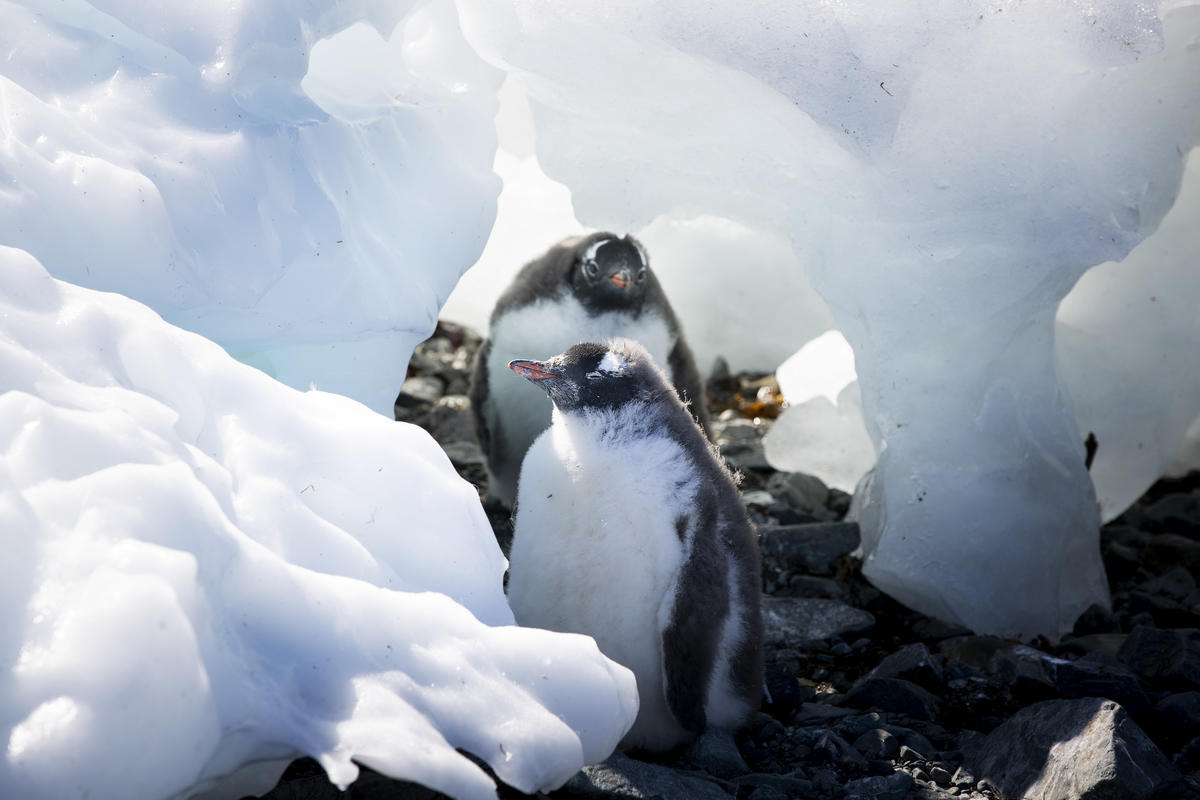
แต่เรายังมีทางช่วยเพนกวินที่น่ารักเหล่านี้ได้
มหาสมุทรคือบ้านของสัตว์หลากหลายชนิด เป็นแหล่งอาหารอันอุดมสมบูรณ์และยังเป็นแหล่งกักเก็บก๊าซคาร์บอนไดออกไซด์ตามธรรมชาติที่ช่วยชะลอการเปลี่ยนแปลงของสภาพภูมิอากาศ เราต้องผลักดันให้ เขตคุ้มครองระบบนิเวศทางทะเล ในมหาสมุทรโลก เพื่อให้สัตว์ที่มีมหาสมุทรเป็นบ้าน (เช่น เพนกวิน เป็นต้น) ได้มีพื้นที่ในการฟื้นฟูประชากรและพ้นจากภัยคุกคามของอุตสาหกรรมที่อันตรายต่อสัตว์เหล่านี้ เรื่องนี้เป็นเรื่องเร่งด่วนของโลก ที่เราทุกคนควรเข้าใจและร่วมมือกันปกป้องมหาสมุทรโลก อย่าพลาดโอกาสที่จะร่วมกันหยุดทำลายล้างในมหาสมุทรเหมือนที่แล้วมา
ความหวังเดียวที่จะช่วยปกป้องมหาสมุทรของเราตอนนี้คือ การที่รัฐบาลประเทศต่าง ๆ ร่วมลงนามรับรองสนธิสัญญาทะเลหลวง (Global Ocean Treaty) ณ ที่ประชุมองค์การสหประชาชาติ เพราะหากมีการตกลงสนธิสัญญาที่แข็งแกร่งก็สามารถปูทางไปสู่การสร้างเครือข่ายเขตคุ้มครองระบบนิเวศทางทะเล (Ocean Santuaries) ซึ่งกำหนดให้พื้นที่มหาสมุทรอย่างน้อย 30% เป็นพื้นที่คุ้มครองและจำกัดกิจกรรมที่จะส่งผลต่อระบบนิเวศ ภายในปี พ.ศ. 2573
แม้ว่าการเดินทางมาทำงานที่แอนตาร์กติกแห่งนี้จะถือเป็นโอกาสพิเศษมาก ๆ สำหรับเรา แต่การทำงานที่นี้นั้นค่อนข้างยาก อันตราย และทำให้เราเหนื่อได้ง่ายมาก ๆ อย่างไรก็ตามเราคิดว่าการมาสำรวจแอนตาร์กติกในครั้งนี้เป็นสิ่งที่คุ้มค่าต่อการปกป้องระบบนิเวศในมหาสมุทรที่เปรียบเสมือนแห่งทรัพยากรอันล้ำค่าของทุกชีวิตบนโลก ในตอนนี้ผู้คนกว่า 2 ล้านคนตกลงใจและร่วมปกป้องมหาสมุทรของโลกแล้วแล้วคุณล่ะพร้อมปกป้องมหาสมุทรกับเราไหม? ร่วมเป็นหนึ่งคน หนึ่งเสียง เพื่อบอกกับผู้นำทั่วโลกให้ฟื้นฟูมหาสมุทรเพื่อโลกของพวกเรา
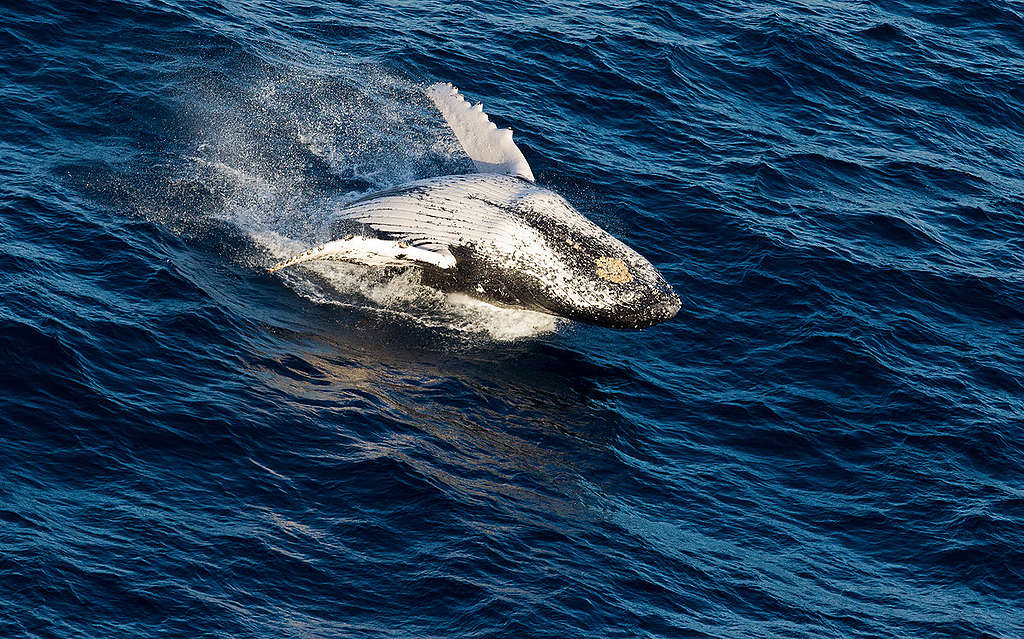
ด้วยวิกฤตหลายๆด้านที่กำลังคุกคามมหาสมุทร เราจึงจำเป็นต้องปกป้องมหาสมุทรโลกอย่างน้อย 1 ใน 3 ส่วนภายในปี พ.ศ.2573
มีส่วนร่วม