
News and media
-

Greenpeace USA responds to report showing that AI’s net impact is a disaster for global emissions
At a time when the world’s attention is captured by a fast and dirty data center buildout, an even more sinister climate threat continues…
-

Greenpeace USA calls on Dove to Kick Plastic Out
Greenpeace USA activists today unfurled a 50-foot banner outside Dove’s USA headquarters with the message “Dove: Care for Men’s Health, Kick Plastic Out.”
-
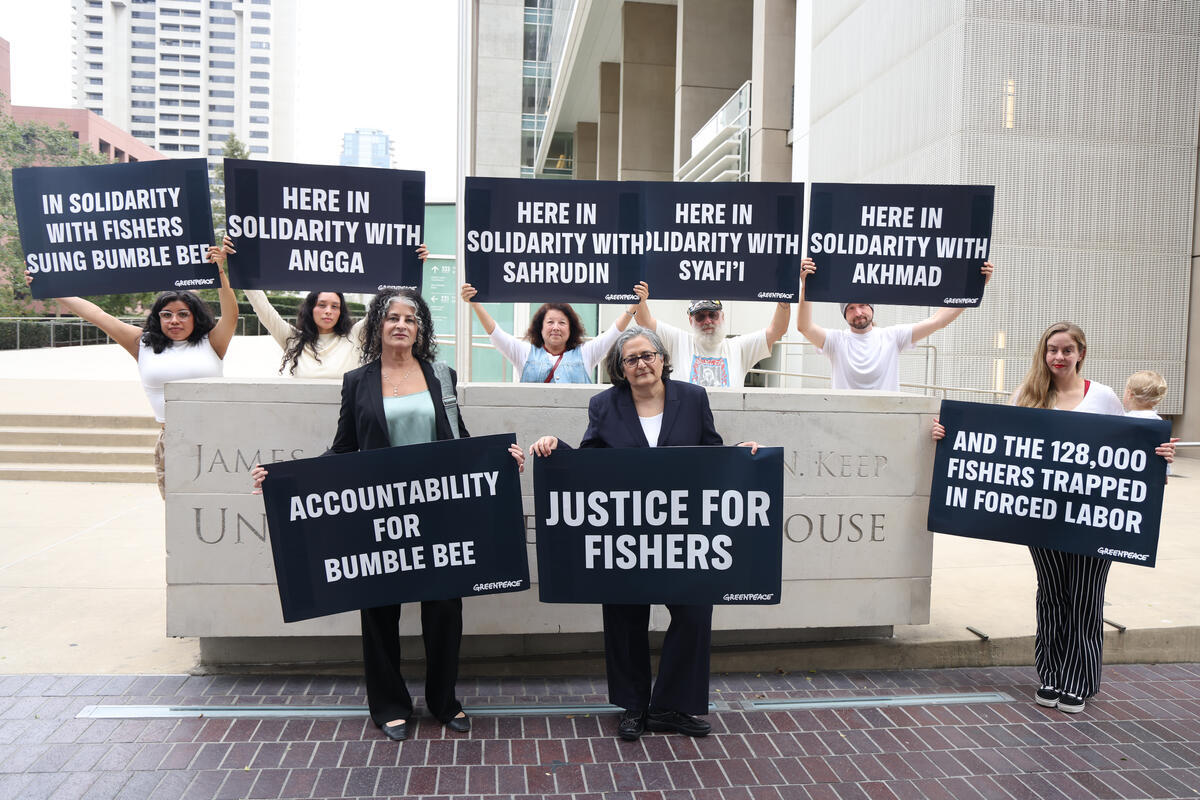
Indonesian fishers win another round against Bumble Bee Foods’ attempt to dismiss human trafficking lawsuit
A California federal judge today conclusively denied the Bumble Bee tuna company’s request that the court reconsider its decision to allow a human trafficking case brought by Indonesian fishers to proceed.
-
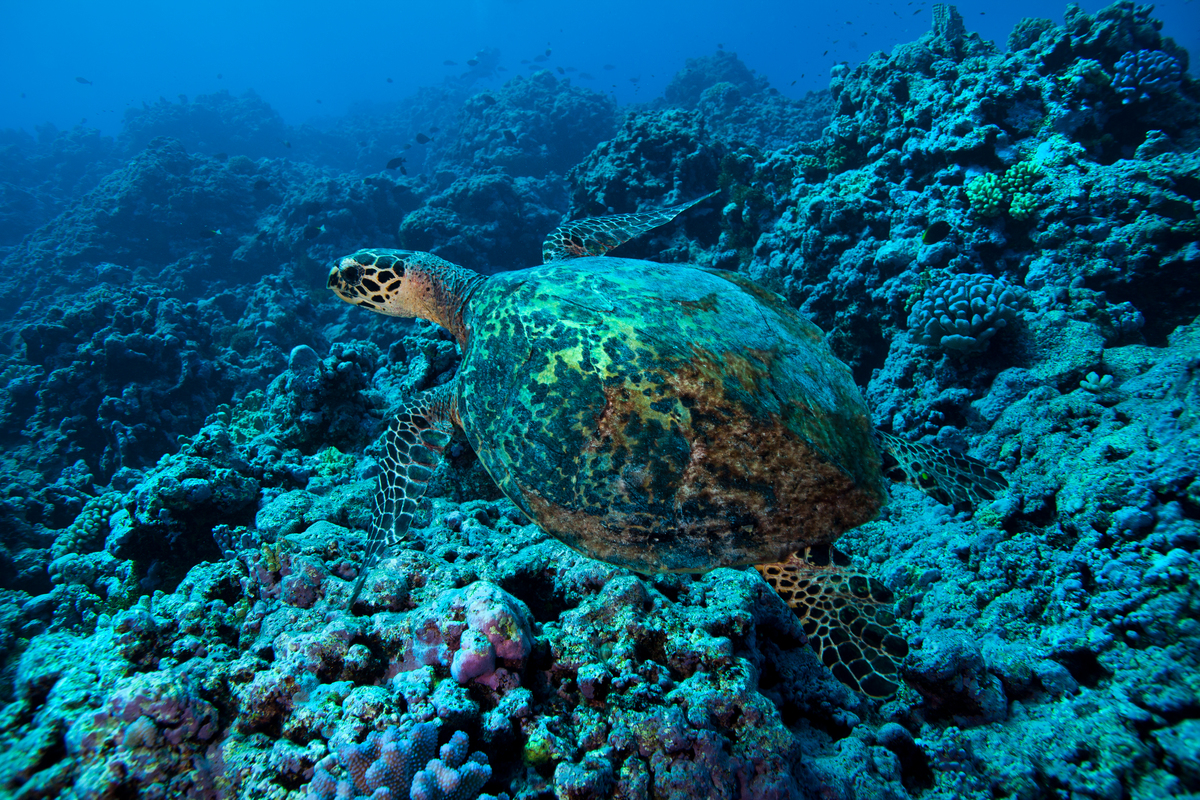
Trump revokes critical ecosystem protections for vast swaths of the Pacific
Marine sanctuaries have proven benefits, including protecting marine biodiversity, supporting coastal economies, increasing resilience to change, and sustaining healthy, productive fisheries. Removing those protections doesn’t help fishermen – it sacrifices their future for short-term gains.
-
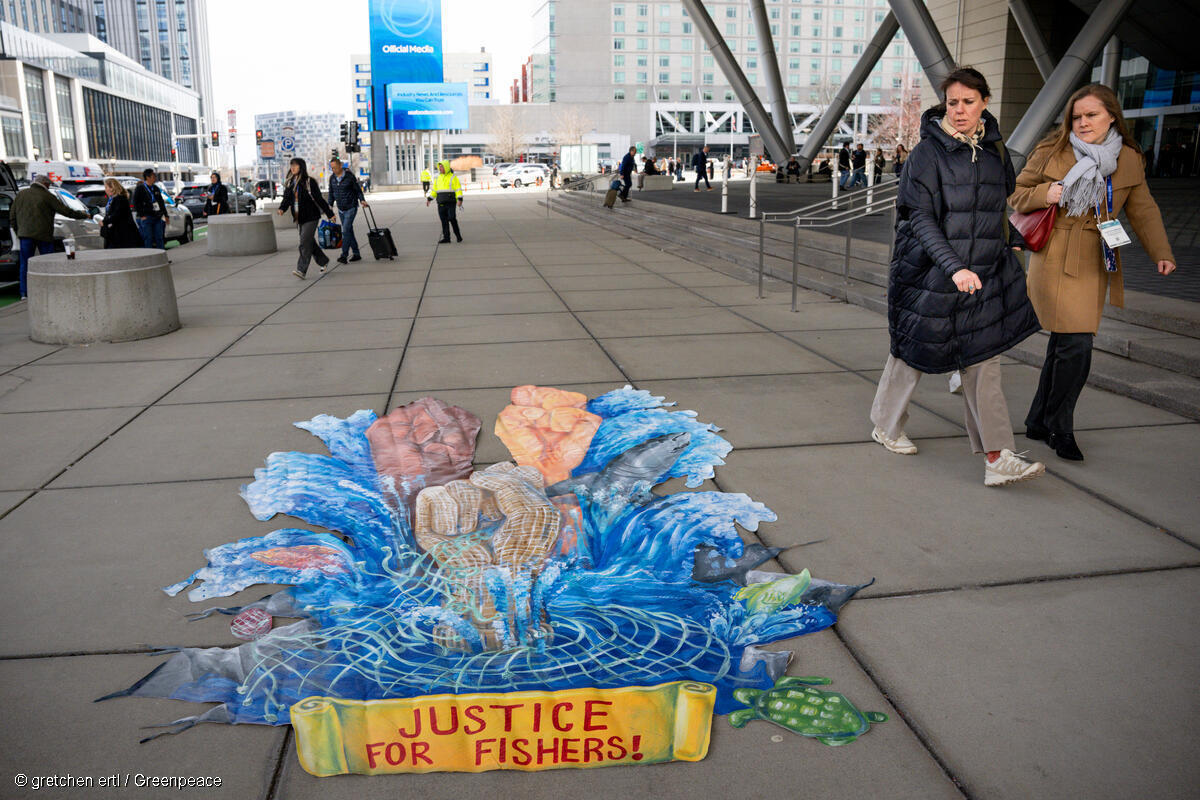
Justice still on the horizon for fishermen suing Bumble Bee in forced labor case, despite setback
The protections these fishermen sought are basic safeguards that responsible companies should already have in place. Companies should not need a court order to protect the people whose labor makes their profits possible. Big Seafood must act now to ensure forced labor has no place in its supply chains.
-

Greenpeace study finds microplastics in Gerber baby food pouches
New investigation detected microplastics and a range of chemicals, including a potential endocrine-disrupting chemical, in both the food and the packaging of Gerber pouches.
-
Both party frontrunners in CA Governor’s race failing climate voters
Greenpeace USA analysis of top candidates reveals stark differences on issues that will define California’s climate future.
-

‘Democracy Dies by Billionaire’: Greenpeace USA fixes Washington Post slogan in World Press Freedom Day action
WASHINGTON, D.C. (May 3, 2026) — Today, on World Press Freedom Day, Greenpeace activists challenged the slogan “Democracy Dies in Darkness,” made famous by the Washington Post, with a lit…
-
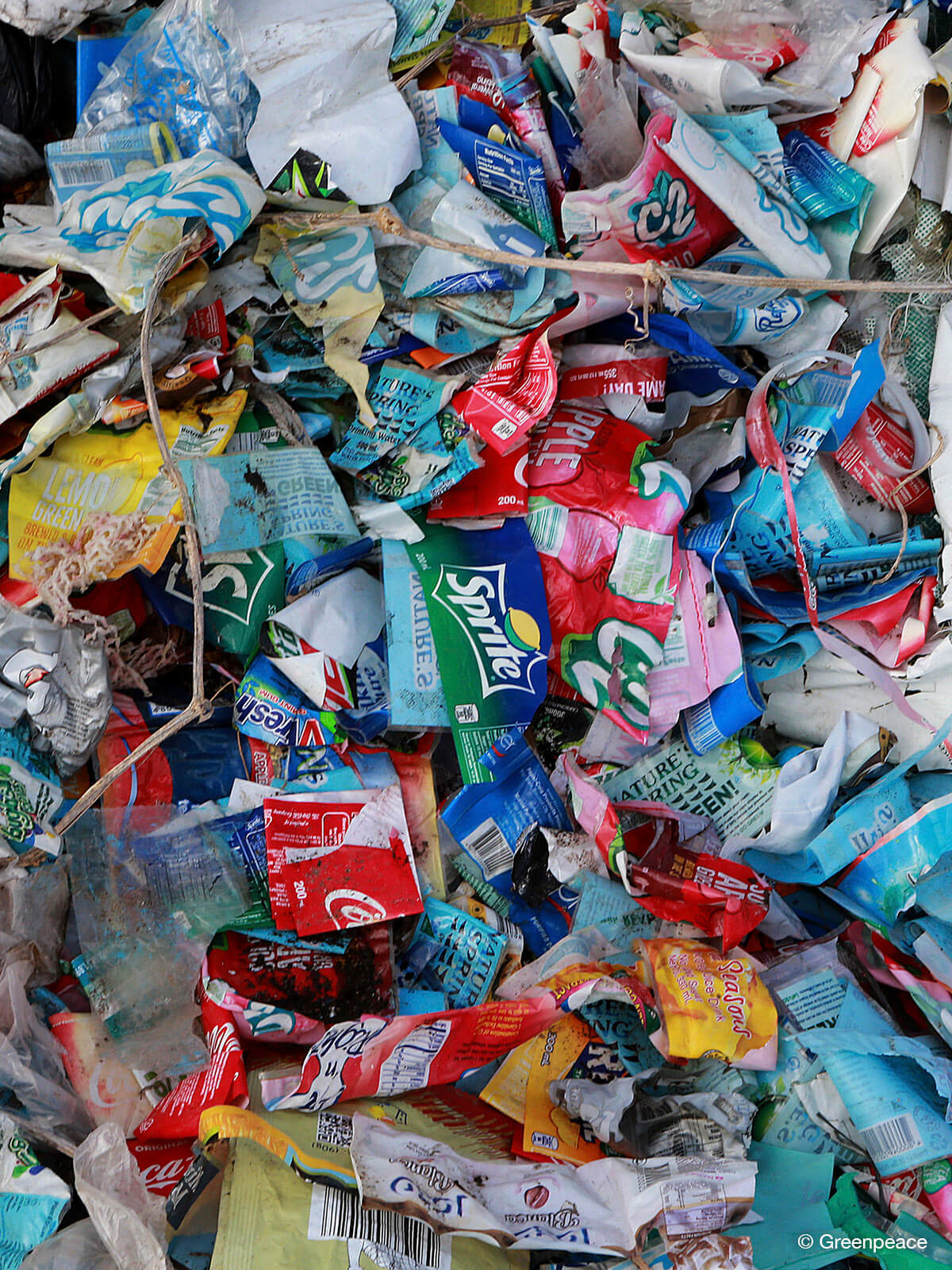
McDonald’s and Coca-Cola caught trying to gut Europe’s landmark plastics law months before it takes effect
McDonald’s, Coca-Cola, Kraft Heinz, Mondelez, McCormick, Molson Coors, and Ball Corporation are among 138 corporations that sent a private letter urging European leaders to delay and weaken the Packaging and Packaging Waste Regulation (PPWR).
-
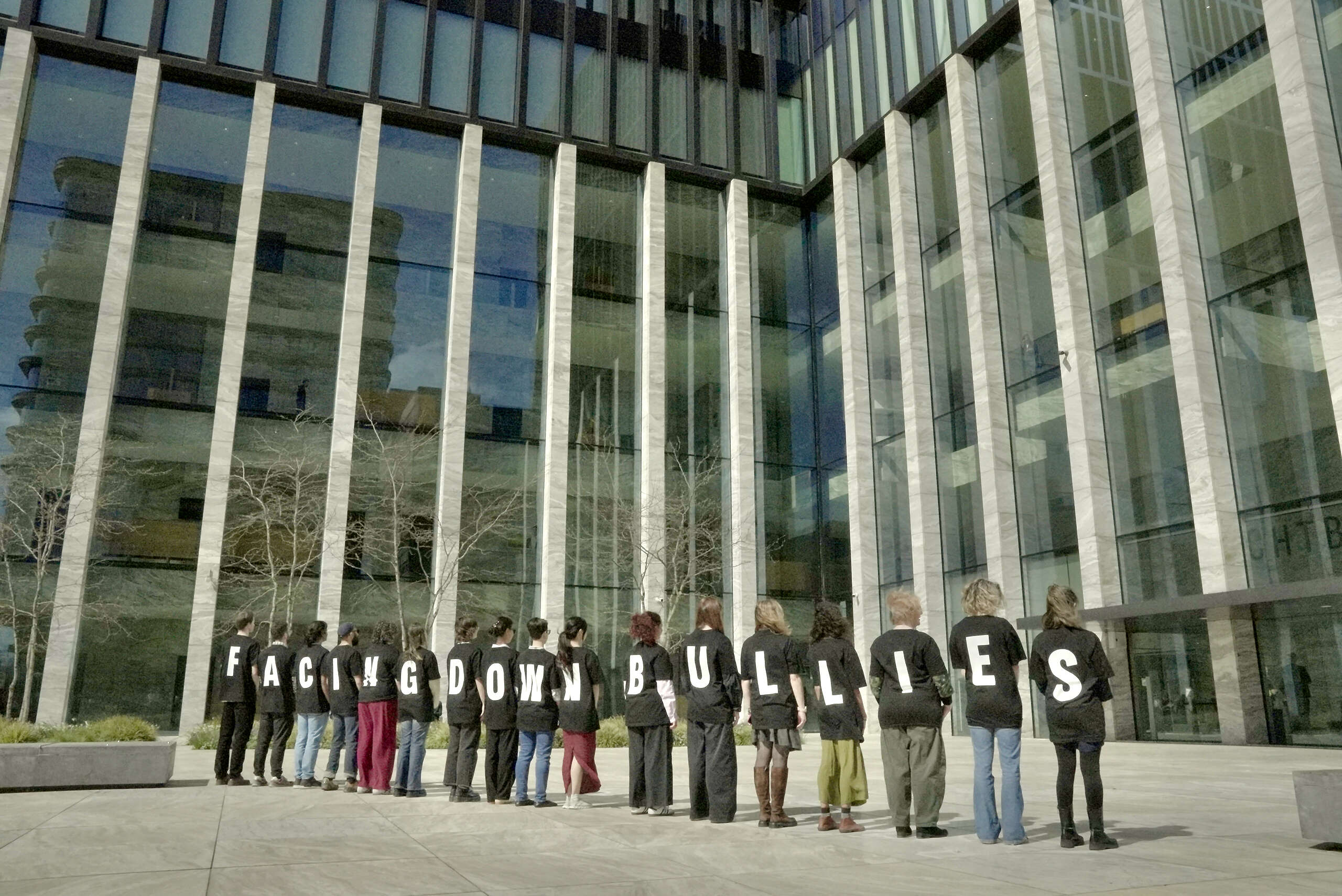
Dutch court hears Greenpeace International’s arguments against Energy Transfer’s latest attempt to evade accountability
Dutch court hears Greenpeace International’s arguments against Energy Transfer’s latest attempt to evade accountability
-
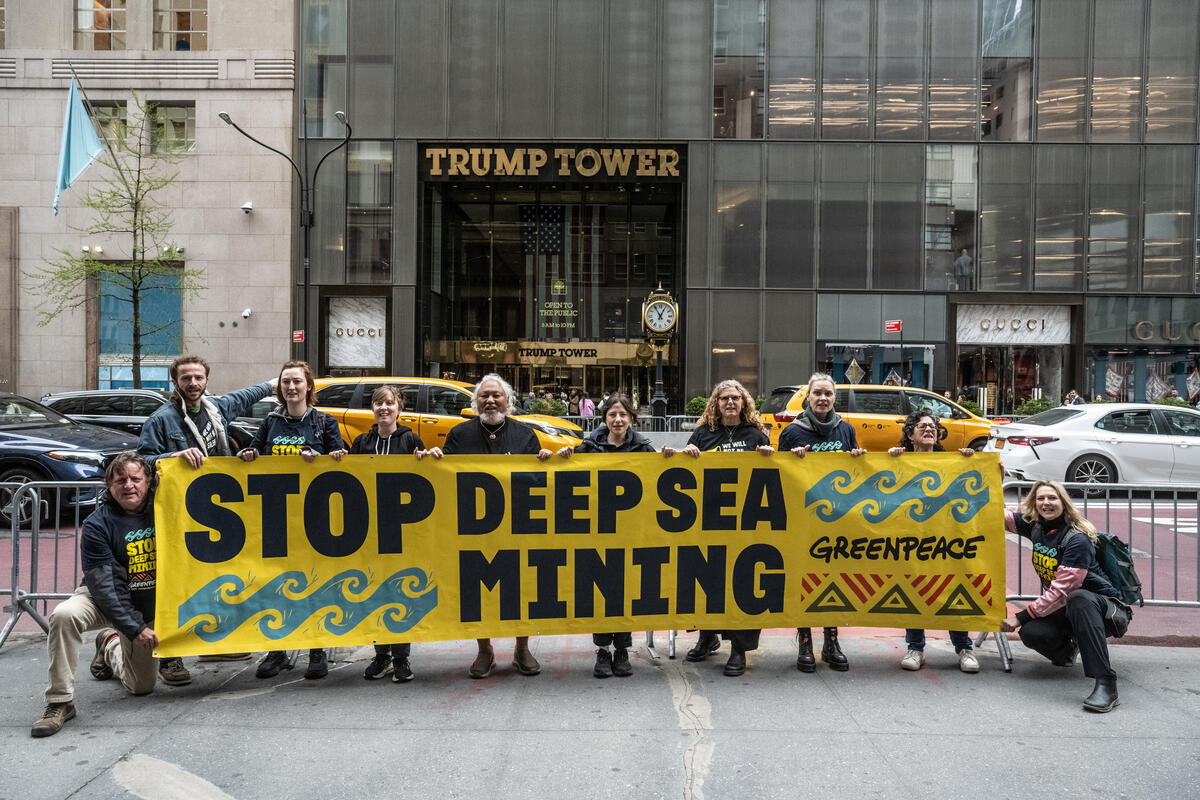
Trump Administration Rushes Offshore Mining Lease Sales in Pacific Waters, Sidestepping Indigenous Consultation
The Trump Administration is moving to fast-track offshore mineral extraction in U.S. Pacific waters, according to a newly released Department of the Interior document. The plan is raising concerns about environmental harm, Indigenous rights, and potential violations of federal law.
-
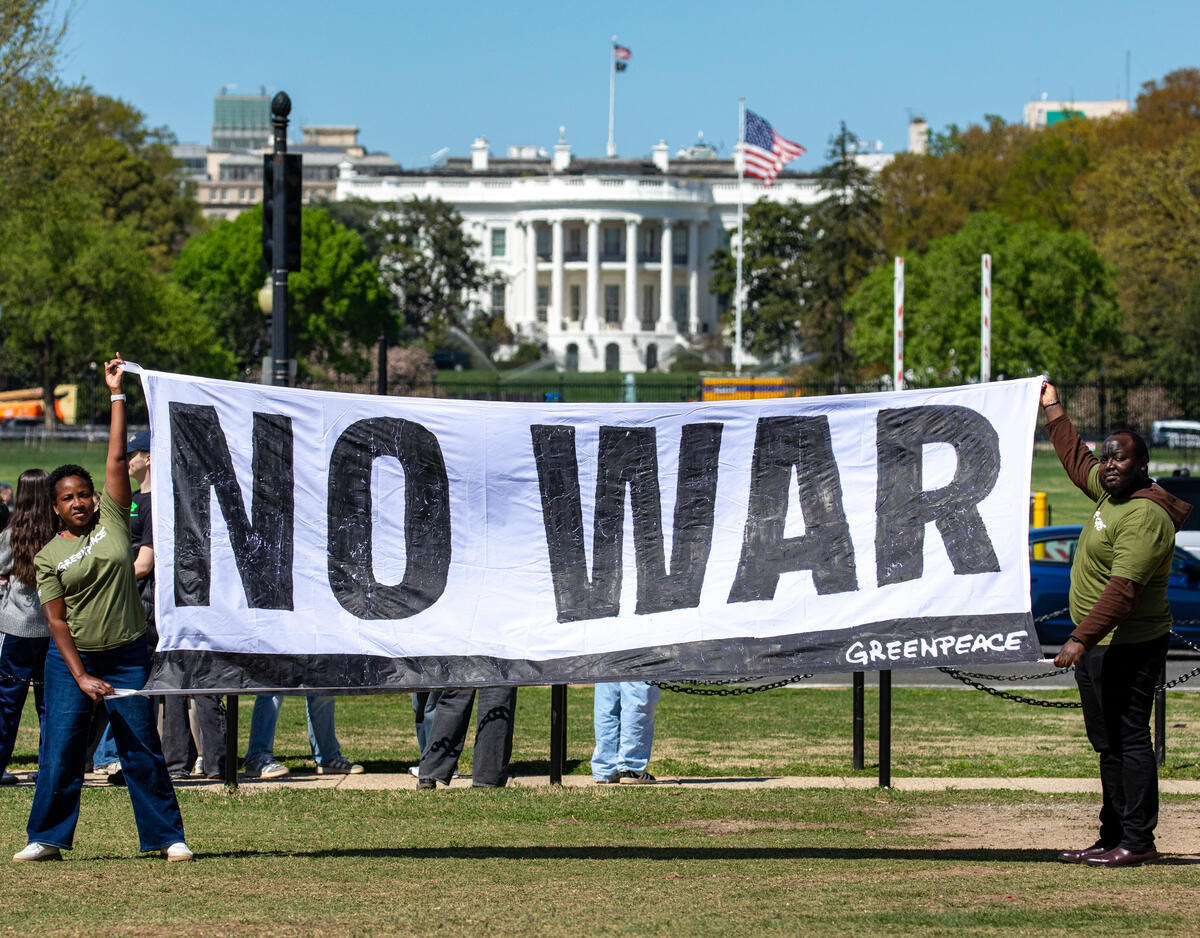
Greenpeace USA calls for the removal of Trump for war crimes
Greenpeace USA activists took a banner to the White House calling for the immediate removal of President Donald Trump for war crimes.
-

U.S. plastics response falls short as Americans face widespread chemical exposure
While we need microplastics out of our water, the Trump administration’s announcement of more research is not leadership, it’s more of the same—another gift to the very industries that are making Americans sick.
-

No Demand, No Investment: Congress Should Not Fund Deep Sea Mining Speculation
This isn’t about security; it’s about propping up a speculative industry that risks irreversible harm to the deep ocean for corporate profit.
-

Greenpeace USA Declares “Big Seafood Kills Oceans and Workers” with Banner at Major Seafood Trade Expo
Calls on Multibillion Dollar Industry to End Isolation at Sea
-

Greenpeace reacts to threat of Iran war on global food price shock
Amsterdam, Netherlands – Reacting to the news that disruption to global fertiliser supply chains caused by Iran’s effective closure of the Strait of Hormuz may lead to a global food…
-
New Greenpeace International evidence reveals breaches by deep sea mining contractors: Governments must defend international law
As governments gather this week for the latest Council session of the International Seabed Authority (ISA), evidence submitted by Greenpeace International raises questions about whether The Metals Company (TMC), its subsidiaries, and subcontractors may have breached the regulator’s exploration contracts.
-
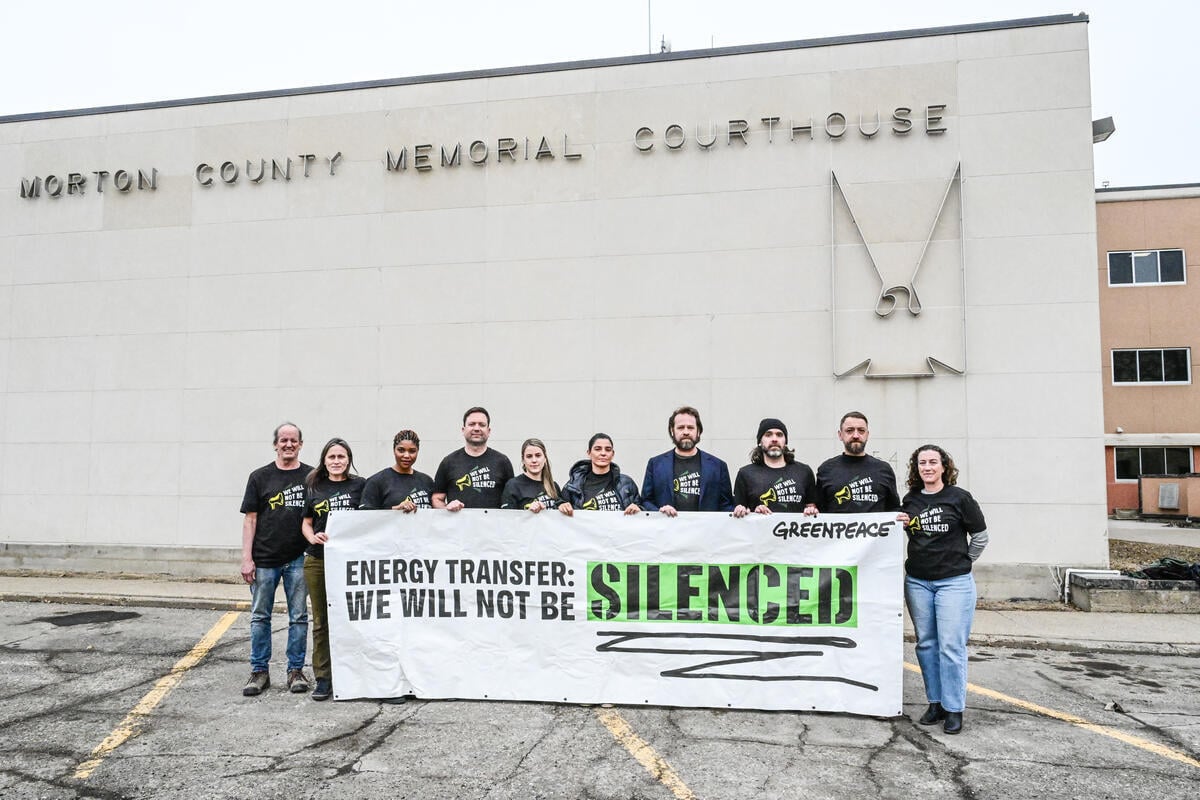
Greenpeace organizations to appeal $345 million North Dakota court judgment in Energy Transfer’s intimidation lawsuit
Mandan, North Dakota (February 27,2026) — Greenpeace organizations in the U.S. and Greenpeace International announce they will seek a new trial and, if necessary, appeal the decision with the North…
-
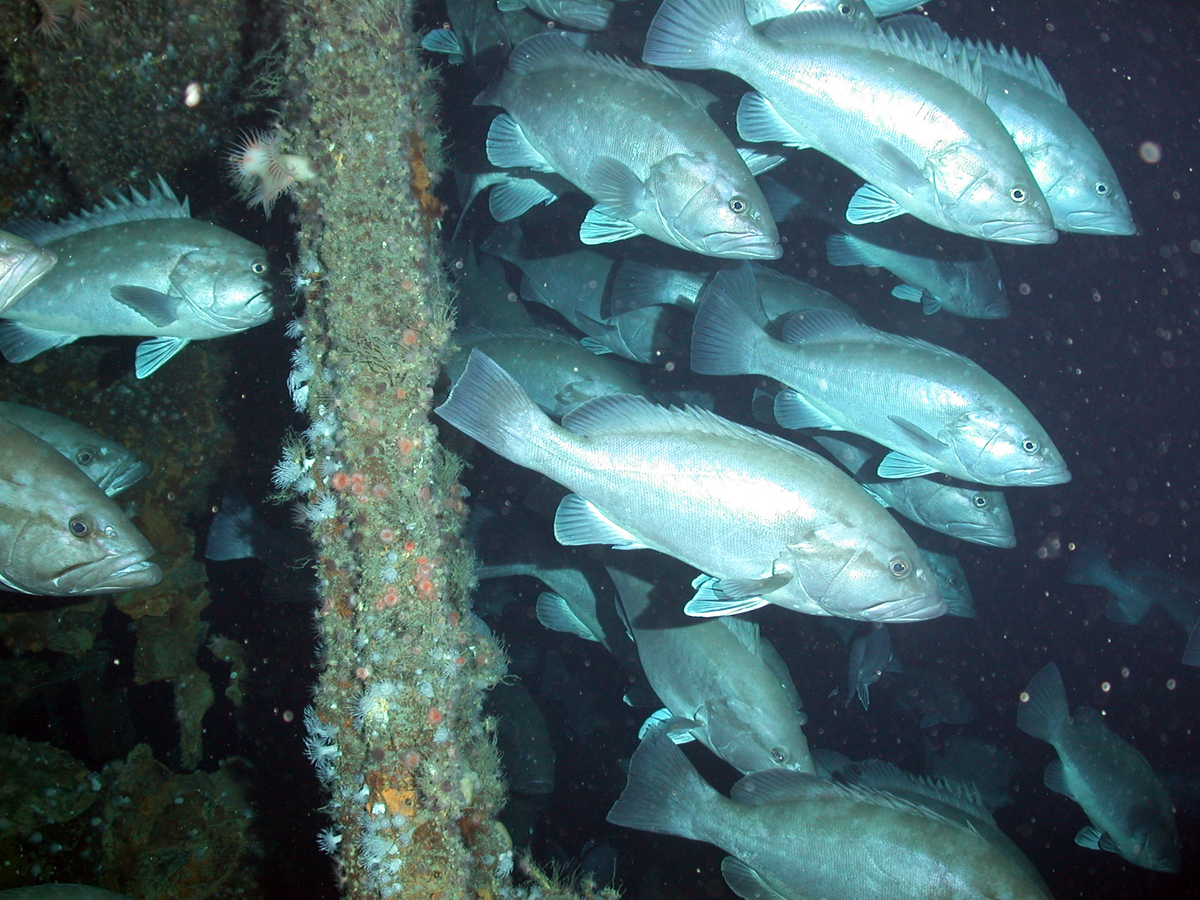
US-Taiwan trade deal brings human rights progress, environmental risks
The trade deal contains promises of meaningful steps in their seafood sector that the Greenpeace global network has been demanding for years, including some commitments from Taiwan to improve labor conditions and environmental protections for its distant water fishing fleet, which is the second largest in the world.
-
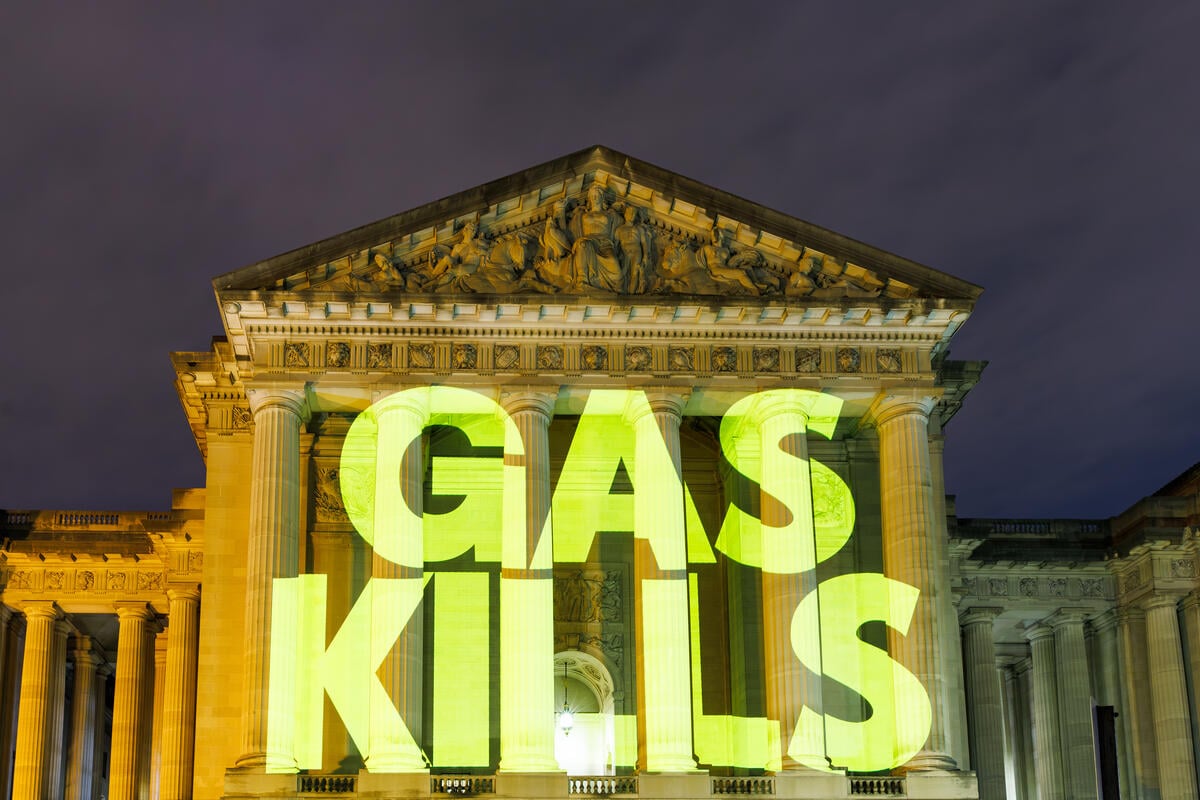
Trump’s EPA betrays science to line Big Oil pockets
The laws of physics don’t care about Donald Trump. They don’t care about his constant lies and they don’t care about his insincere report full of cherry-picked data.
-
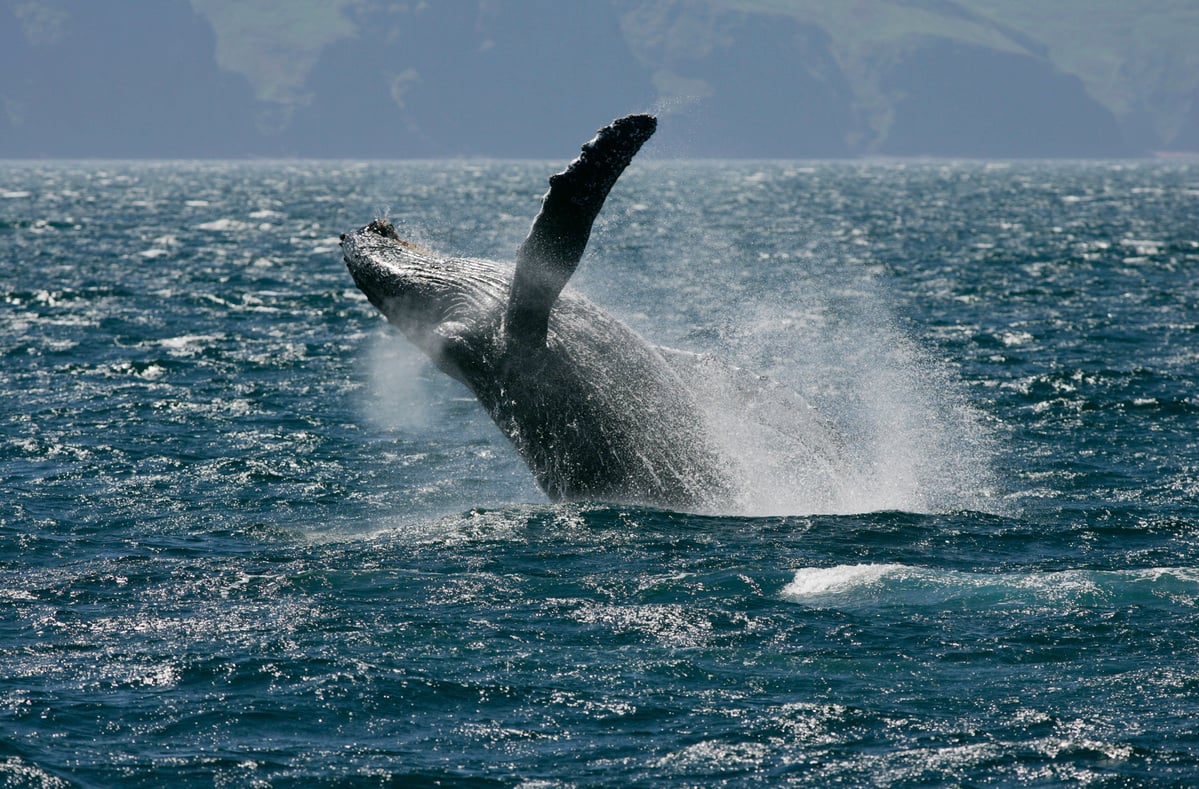
Trump Administration declares pristine Alaskan seafloor “open for business,” mocks environmental safeguards
At a time of accelerating ocean, climate, and biodiversity crisis, the priority should be on protecting these ecosystems, not opening new frontiers of extraction.
-

Greenpeace USA response to the Department of Homeland Security killing a US citizen participating in nonviolent protest
WASHINGTON, D.C. (January 26, 2026 ) – In response to the killing of Alex Pretti by federal immigration officers in Minneapolis today, Folabi Olagbaju, Democracy Campaign Director, Greenpeace USA, said:
-
Trump Claims the Deep Sea is Open for Business; Fools Rush in
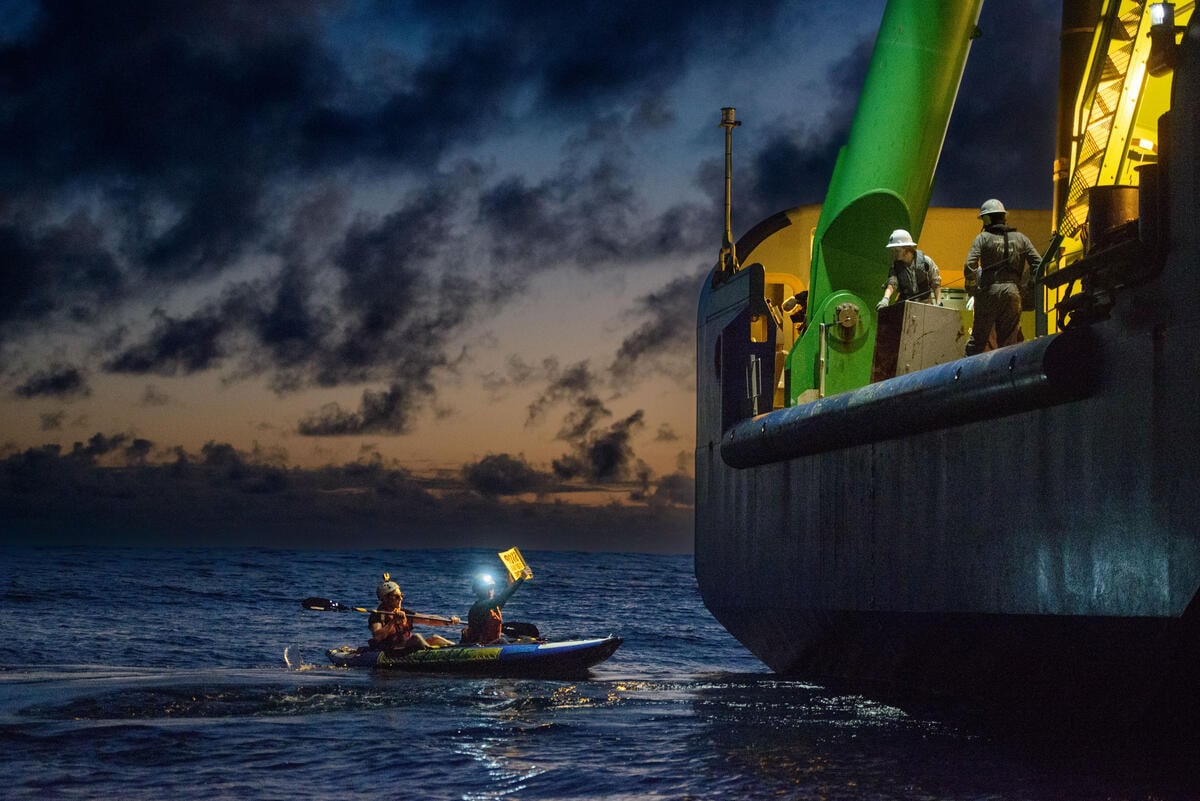
Washington, DC (January 22, 2026)—In response to The Metals Company’s announcement that it has filed the first consolidated deep-seabed mining application, John Hocevar, Greenpeace USA Oceans Campaign Director, said: “At…
-
GASLIT Documentary Featuring Jane Fonda To Make World Premiere at Santa Barbara International Film Festival on February 5th
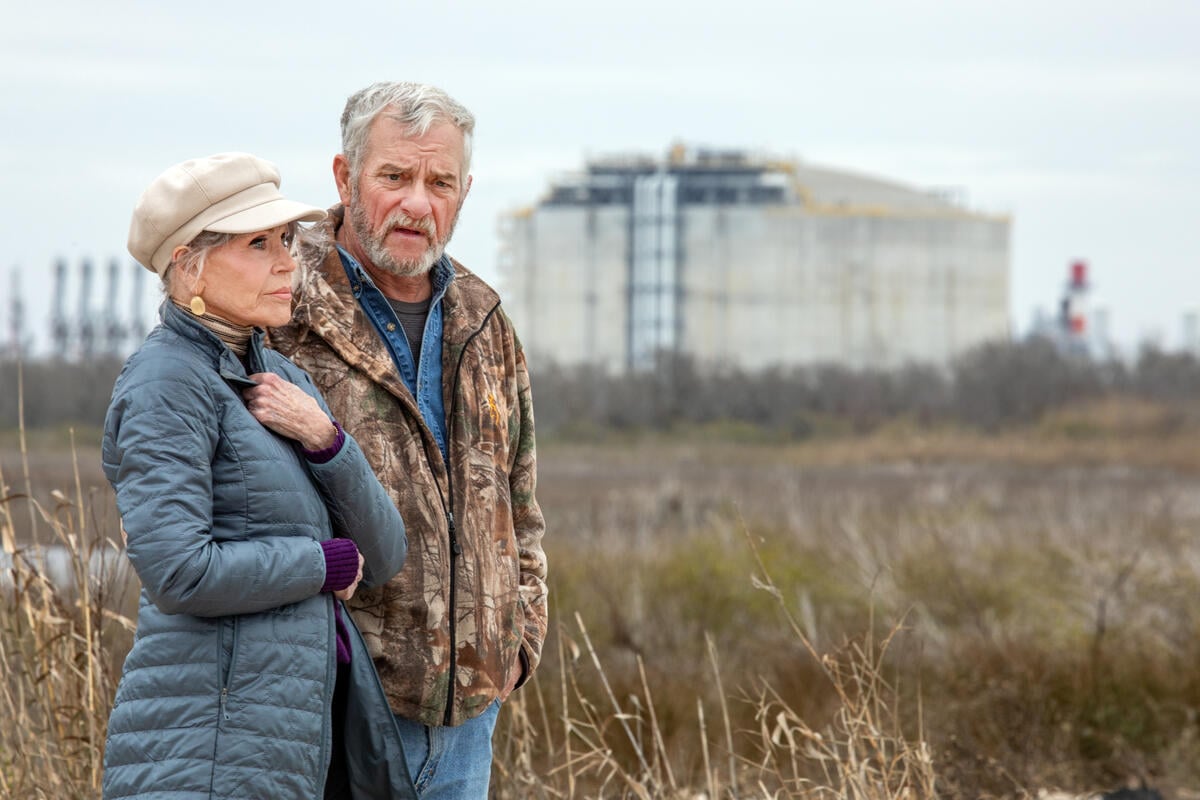
Greenpeace USA Documentary Exposes the Devastating Impact of Fossil Fuels on Frontline Communities in the Gulf South
-
Global Ocean Treaty takes effect as artists worldwide press for action
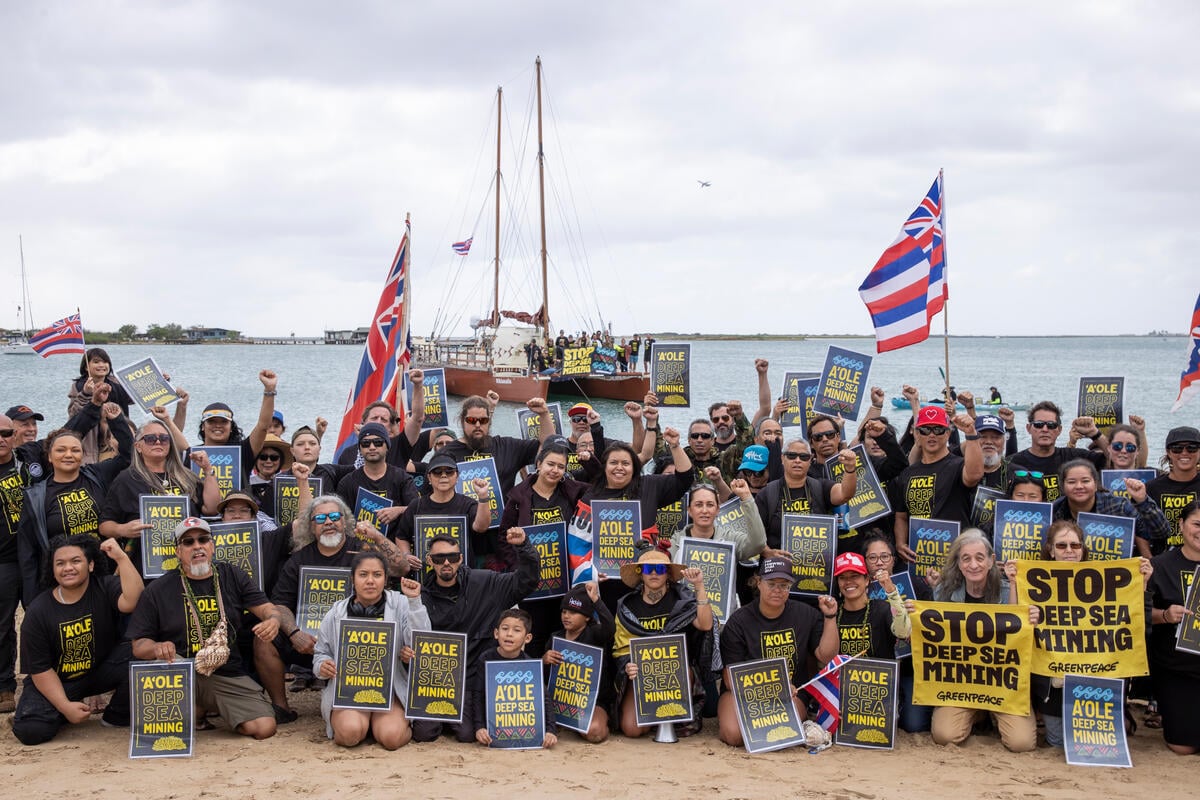
The Global Ocean Treaty enters into force on January 17, launching a race to protect 30% of the world’s oceans by 2030 as artists and communities from 13 countries unveil large-scale public artworks celebrating the landmark agreement.
-
Trump Retreat from Global Obligations Weakens U.S.
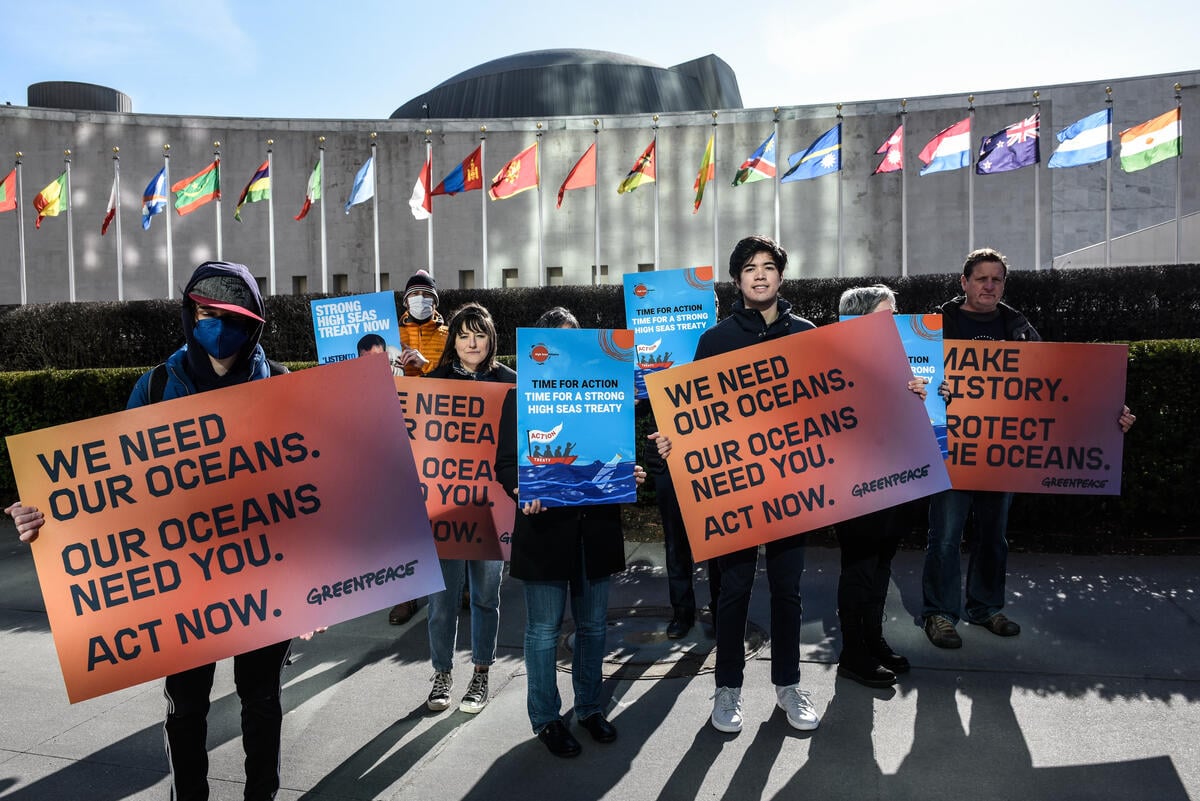
“The very real problems these organizations work to solve will not stop at the U.S. border just because the president no longer wants the U.S. to help address them.”
-
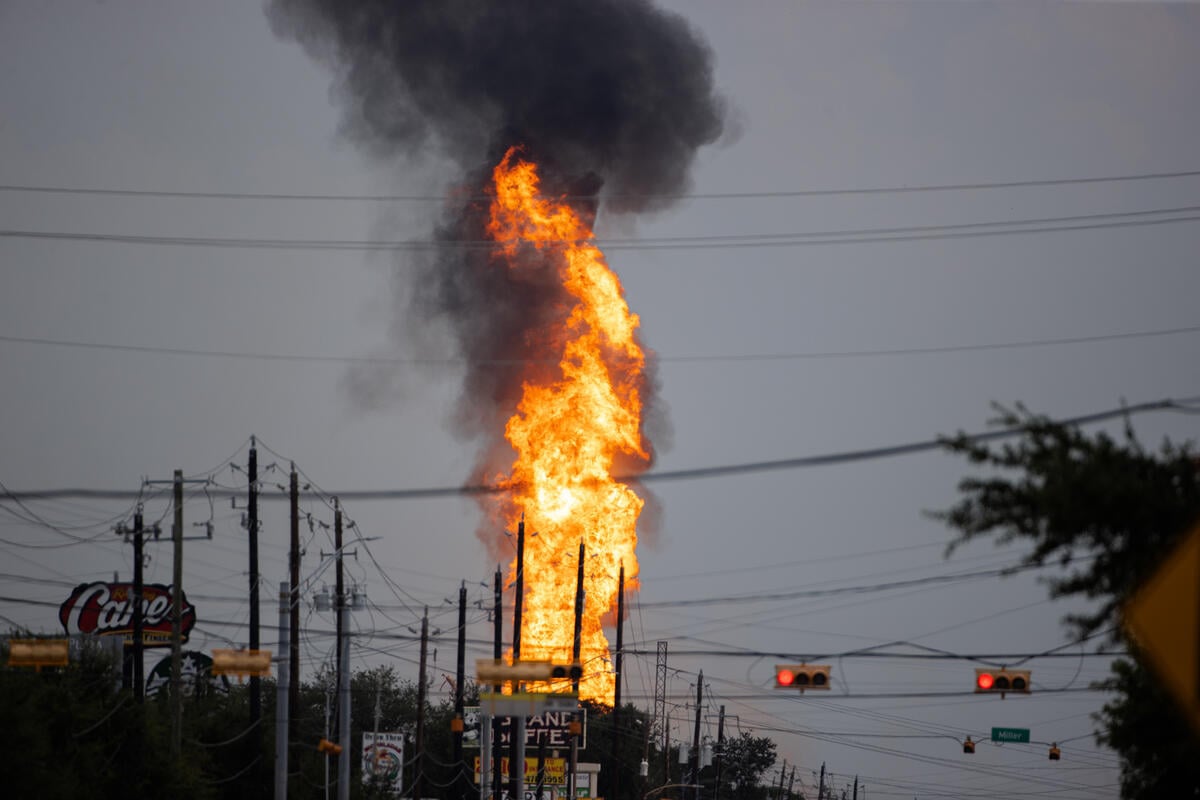
Energy Transfer racked up $100 million in fines; faced criminal charges for environmental abuses while suing to silence critics
A damning new report from Greenpeace USA exposes a years-long pattern of environmental destruction, safety violations, and corporate impunity by Big Oil company Energy Transfer.
-
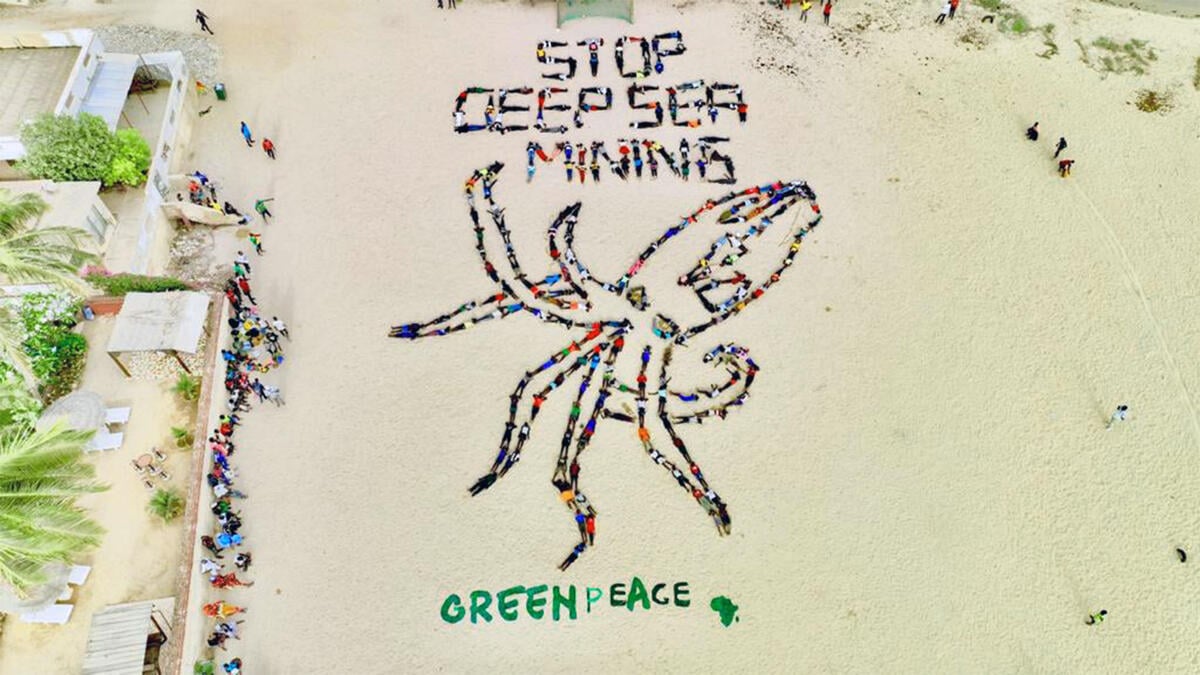
Greenpeace USA warns: Deep sea mining is a high-risk, unsustainable venture built on hype, not science
Greenpeace USA led peaceful interventions at the Underwater Minerals Conference, a gathering of deep sea mining (DSM) companies, government representatives, scientists, and others with ties to the industry.
-
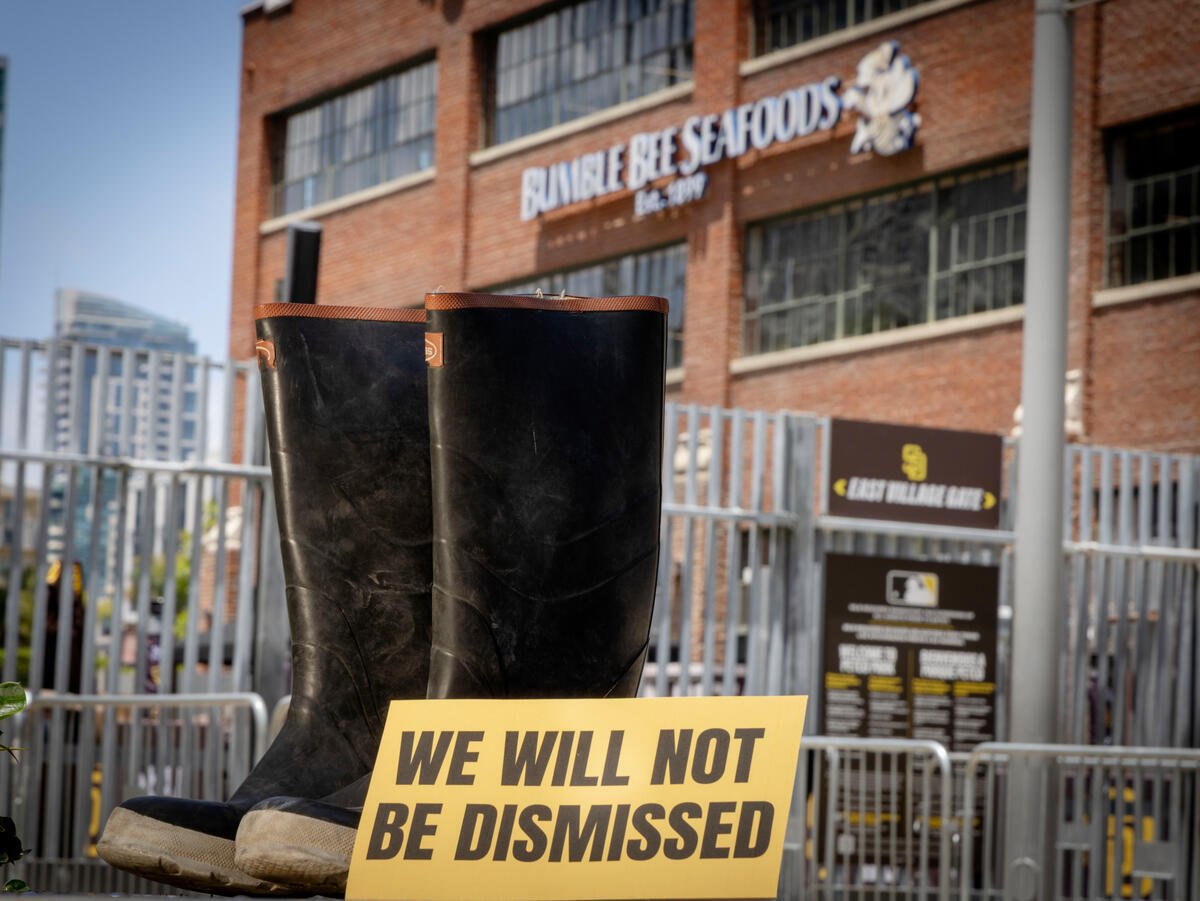
Landmark U.S. ruling allows Indonesians to proceed with lawsuit against Bumble Bee for forced labor on fishing boats
The case of a group of Indonesian fishers who sued U.S. tuna brand Bumble Bee, alleging forced labor, will move forward, according to a judgment released by the Southern California federal district court yesterday.
-
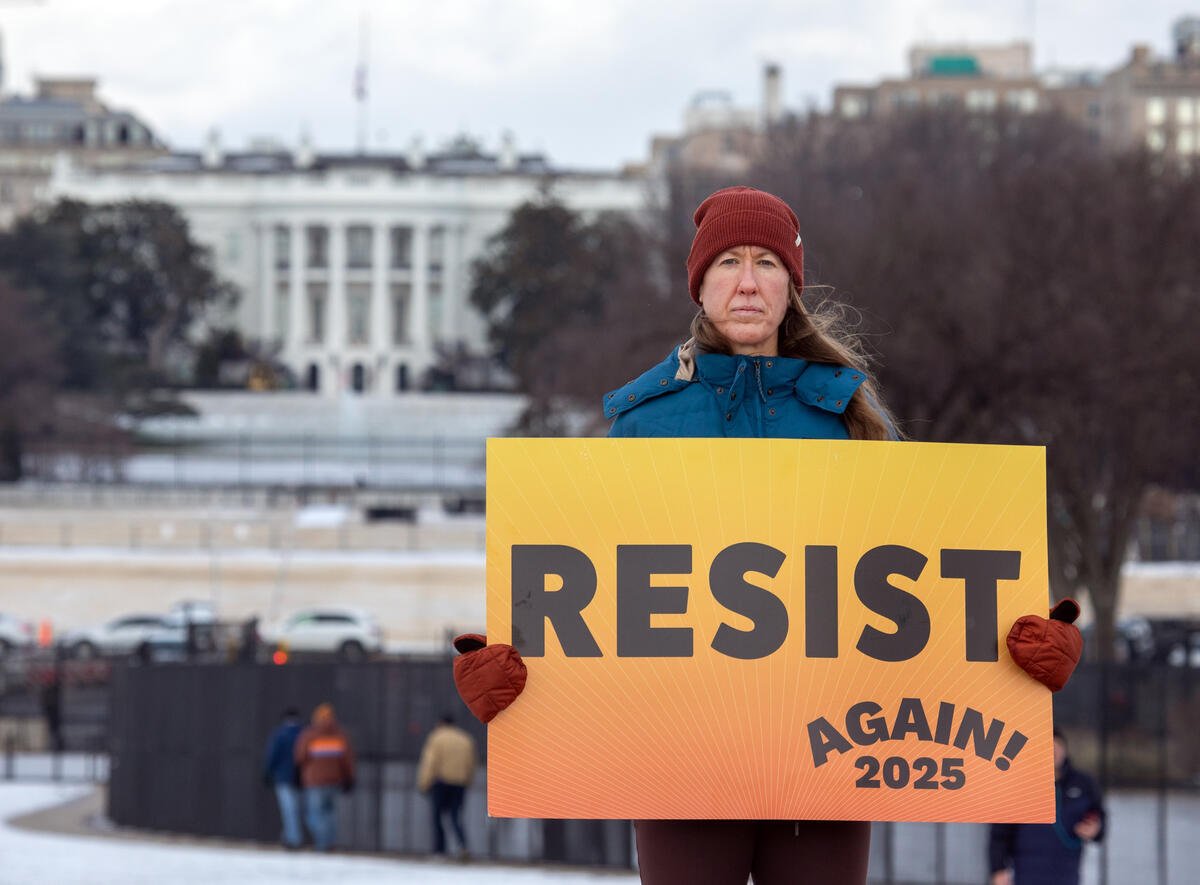
Greenpeace USA rejects presidential attacks on nonprofits, urges resistance
WASHINGTON, D.C. (October 2, 2025) – Today, as more than 3,700 organizations from all sectors of civil society across the U.S. release a letter rejecting presidential attacks on nonprofit organizations,…
-

US soft on human trafficking in new report
The U.S. government has once again awarded unmerited rankings in its annual Trafficking in Persons (TIP) Report to two major players in the global seafood supply chain — Taiwan and Indonesia — despite acknowledging widespread forced labor, human trafficking, and weak government responses in both.
-
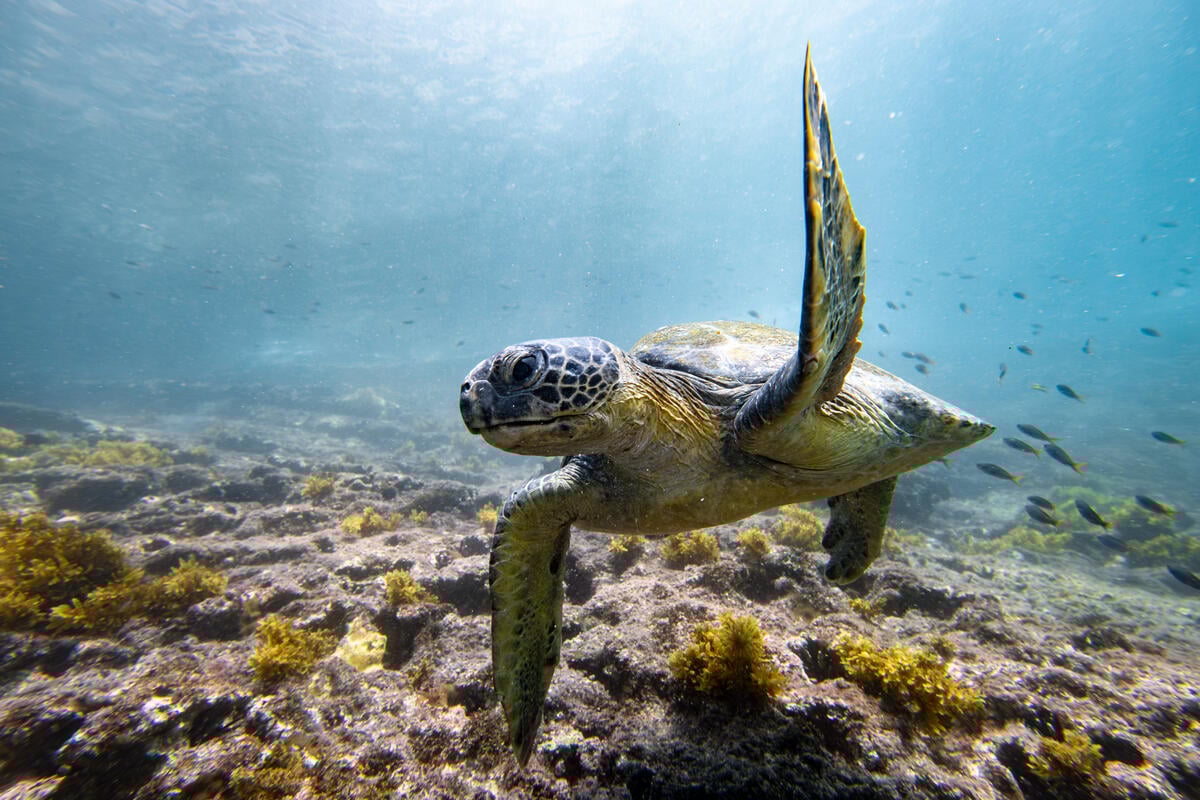
Nations urged to immediately start work on high seas sanctuaries as historic Ocean Treaty milestone hit
In a landmark moment for ocean protection, the Global Ocean Treaty reached its 60th ratification today as world leaders gather at the United Nations General Assembly in New York, clearing the way for the historic agreement to enter into force. But this crucial milestone must be met with urgent action from nations during the countdown…
-

Greenpeace USA unveils giant “bill” with the economic damages brought on by five major oil and gas companies at NYC Climate Week
Their climate bill is long overdue, and it is time they pay up.
-
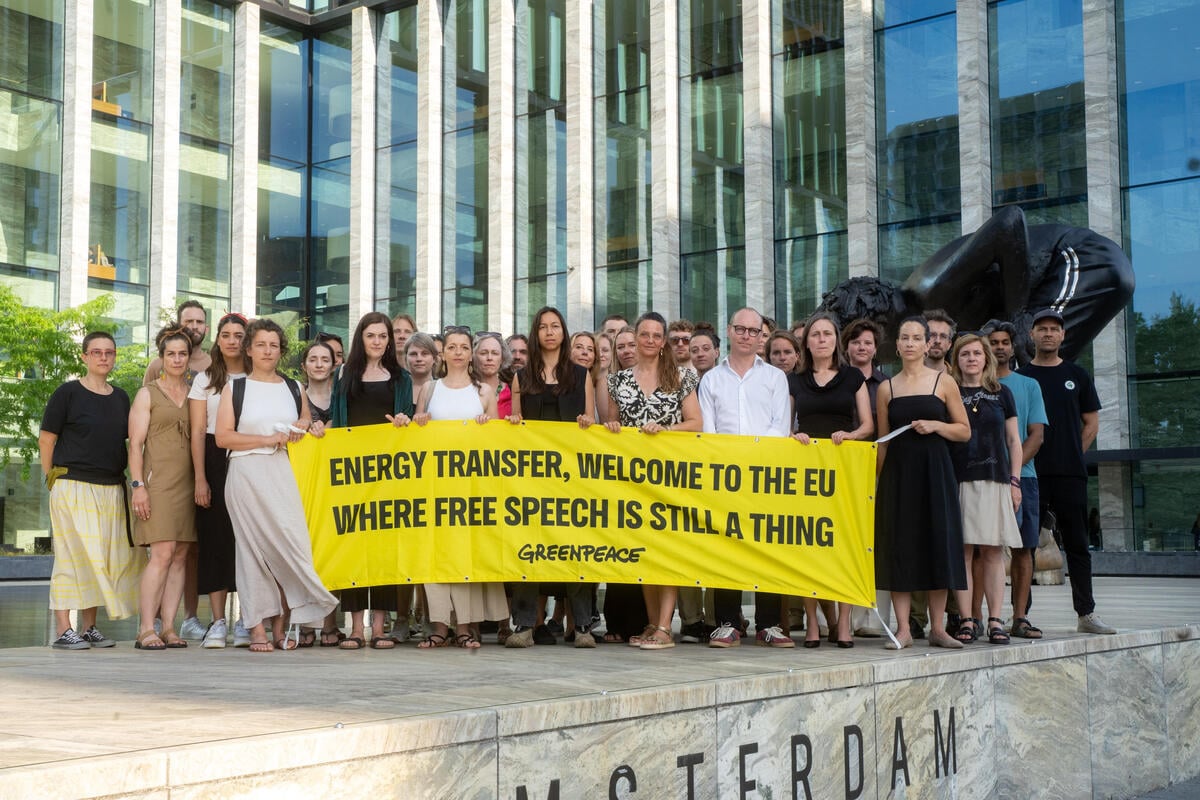
North Dakota court will not block Greenpeace International from using European anti-SLAPP laws against Energy Transfer
MANDAN, N.D. (September 10, 2025) – In response to North Dakota District Court Judge James Gion rejecting Energy Transfer’s request for an anti-suit injunction in Greenpeace International’s landmark anti-intimidation lawsuit,…
-
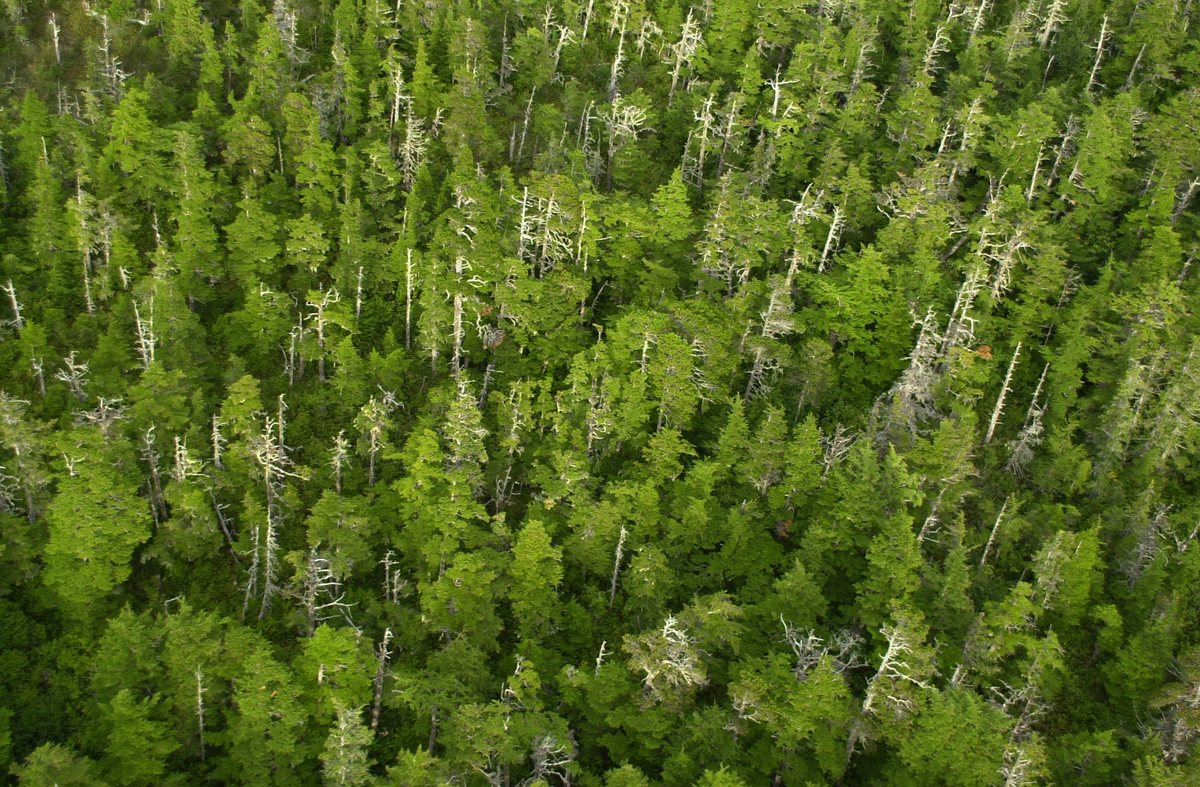
Here we go again – Trump administration begins process to repeal the Roadless Rule
This same song and dance is getting old…
-
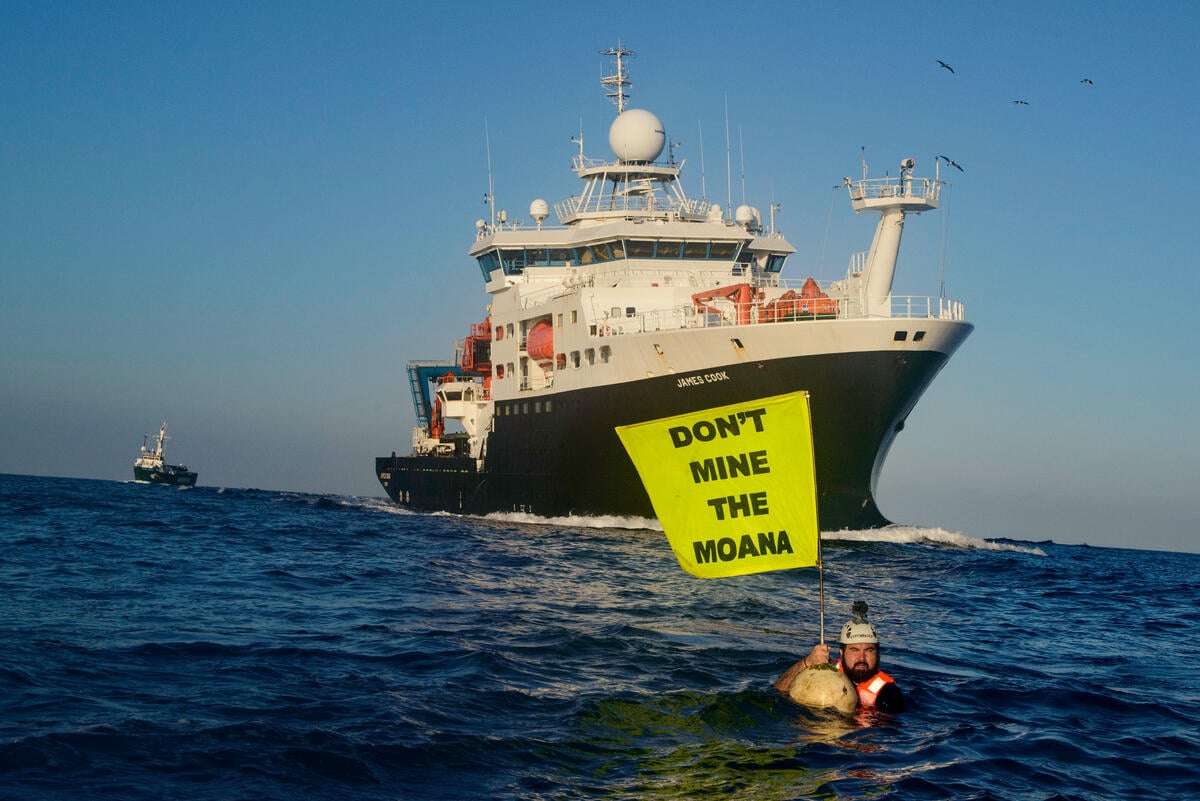
Greenpeace USA Condemns U.S.–Cook Islands Deep-Sea Mining Talks as Backdoor Push for Extraction
This announcement signals yet another backdoor attempt by the U.S. to legitimize deep-sea mining — this time under the guise of ‘science’ and ‘responsibility.’
-
Indonesian fishers respond to Bumble Bee’s attempt to dismiss forced labor suit
The reply contends that, the plaintiffs plausibly allege, and Bumble Bee does not dispute, that the plaintiffs were forced to labor by the vessel owners and argues the company was long specifically aware of such abuses in its supply chain.
-
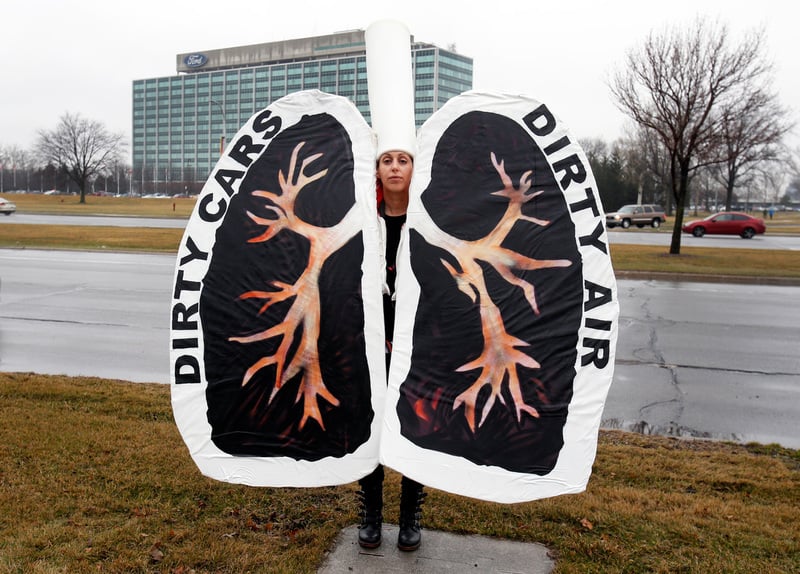
Amid EPA rollbacks, polluters rejoice at the people’s expense
“This announcement is just one more handout from Trump to Big Oil so that he can line the pockets of billionaires. There’s nothing reasonable or science-based about it.”
-
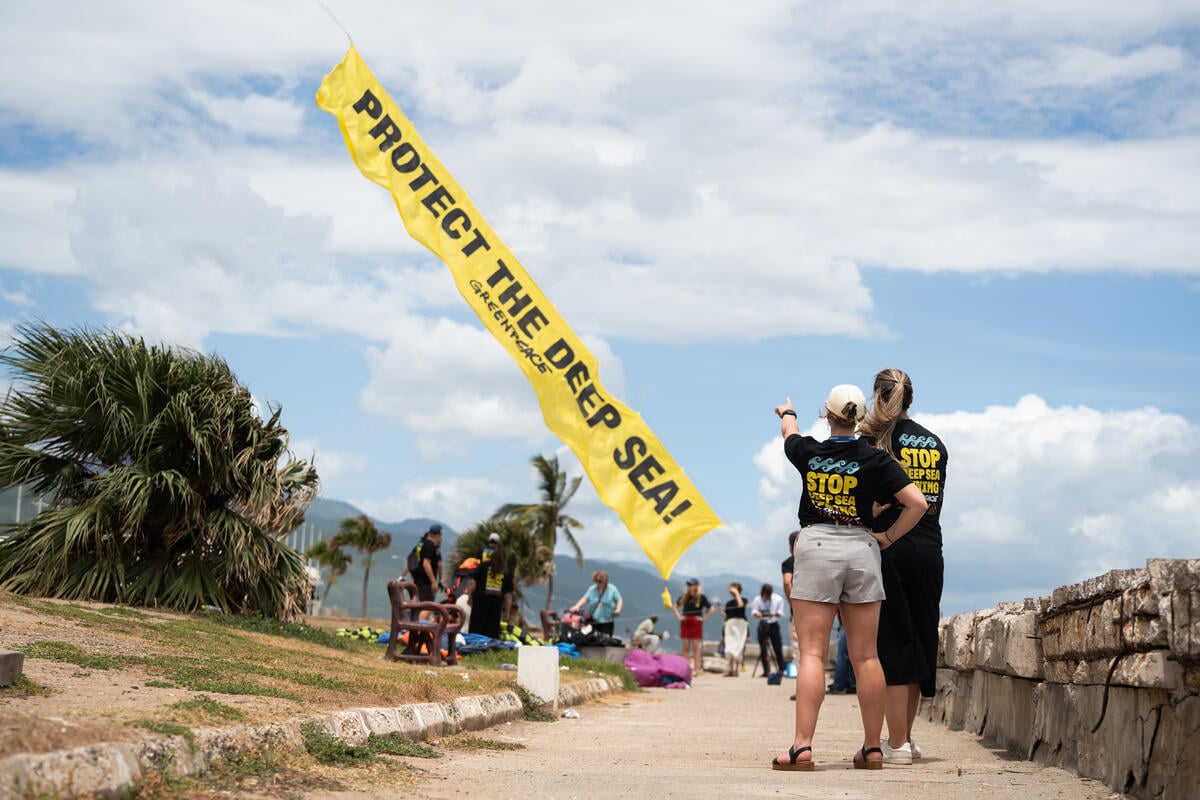
Governments reject Trump’s deep sea mining power grab but fail to adopt moratorium on deep sea mining
The U.S. statement confirms what Deep Deception has already exposed: The Trump Administration’s pursuit of deep sea mining isn’t about global stewardship—it’s about sidestepping it.
-
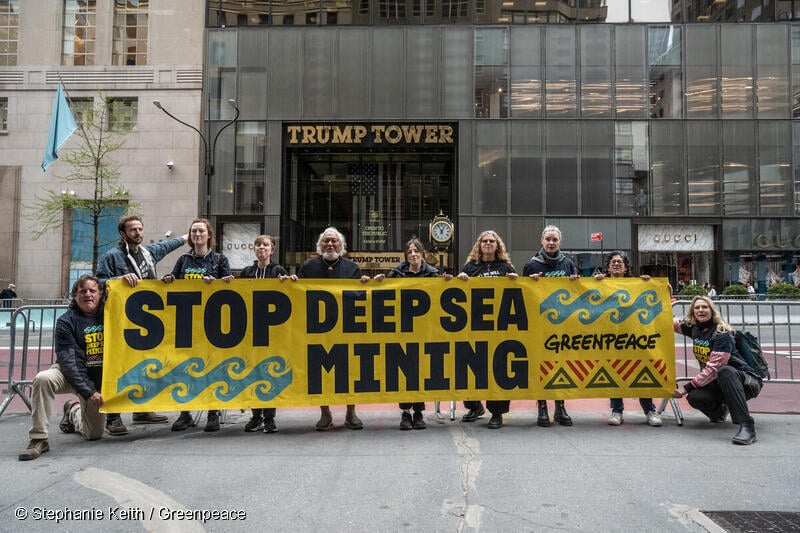
Deep sea mining companies exploiting ‘national security’ fears for profit, according to new Greenpeace USA report
“Deep Deception” report refutes claims that deep sea mining is necessary to source critical minerals for U.S. national security and defense.
-
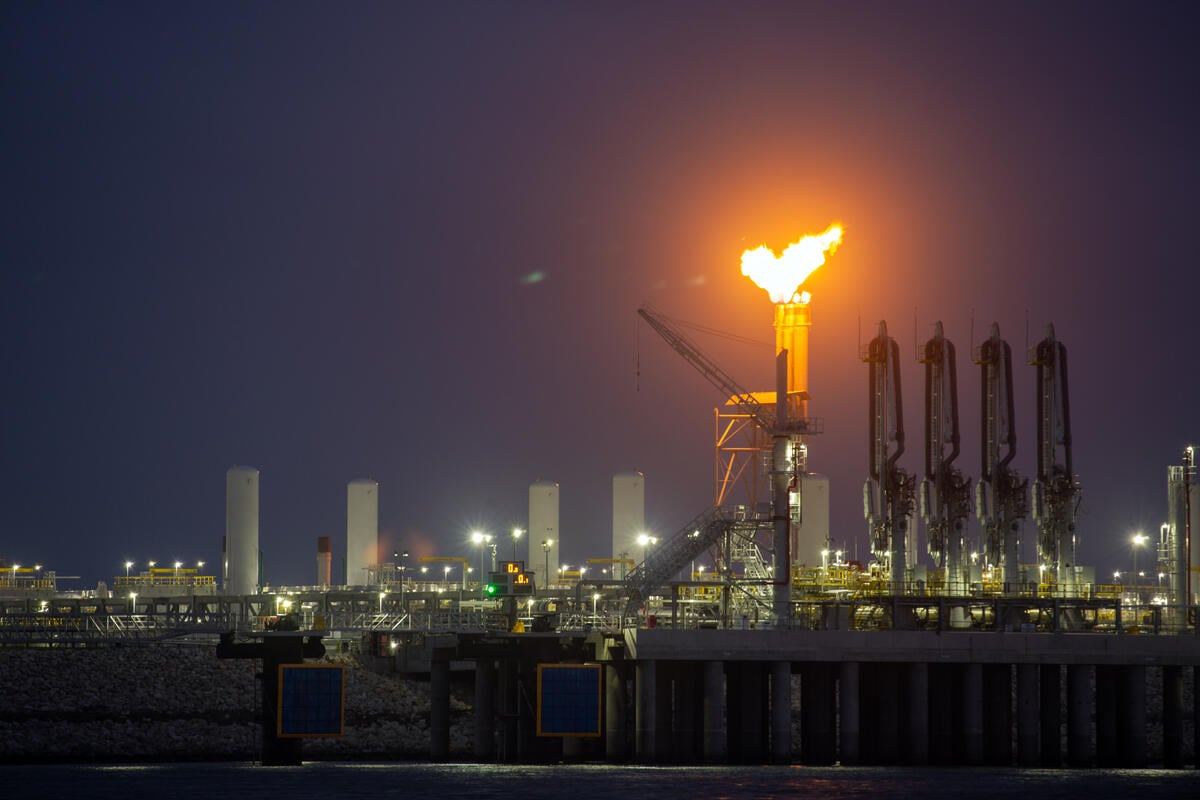
New Analysis of Five Major U.S. LNG Export Projects Finds Every One Fails the “Climate Test”
The new analysis shows that U.S. LNG export projects displace renewable energy and drive up emissions – making them incompatible with a livable climate
-
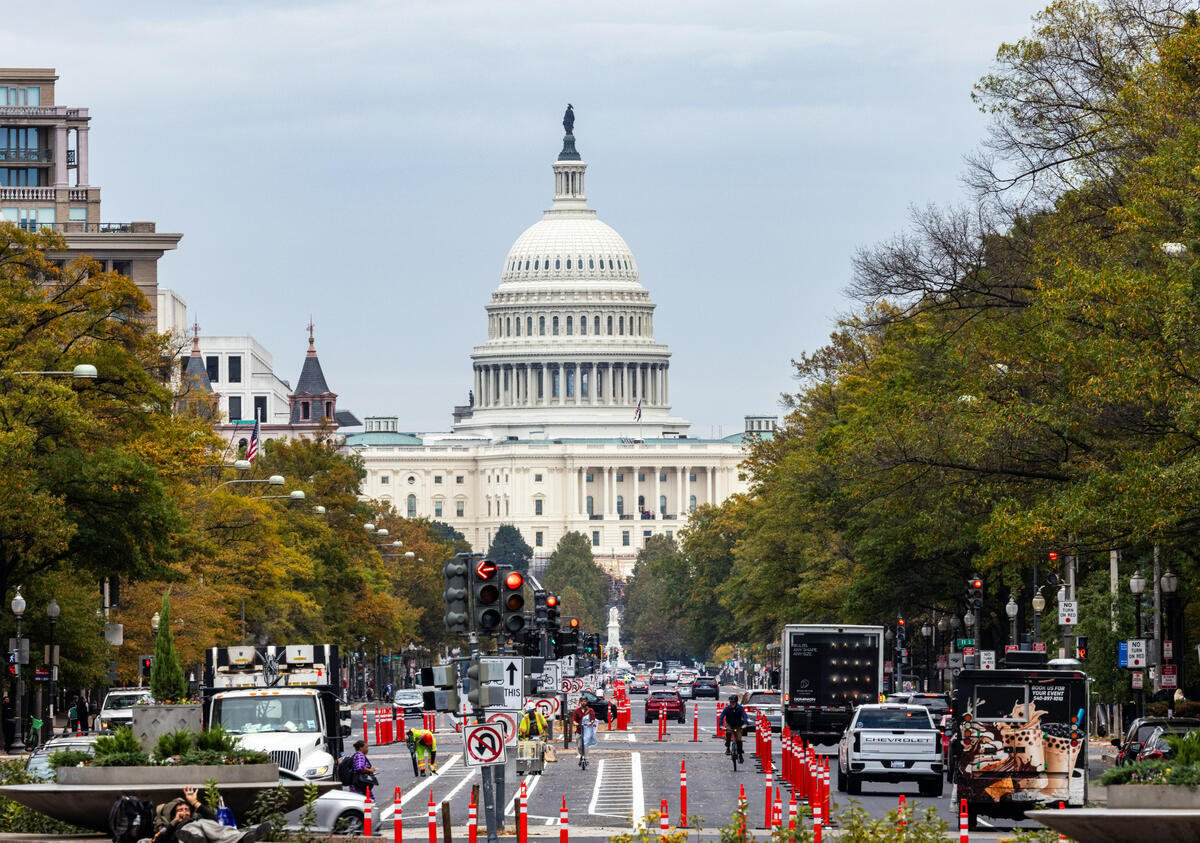
The ‘Big, Beautiful’ Blunder: a bill that will live in infamy
WASHINGTON, D.C. (July 1, 2025)—In response to the passage of the “Big Beautiful Bill” in the United States Senate, Greenpeace USA Deputy Climate Program Director, John Noël, said: “This is…
-

This hurricane season Greenpeace USA helps deliver Uncle Sam’s disturbing message to America
Greenpeace USA deployed a banner at the Federal Emergency Management Agency (FEMA) headquarters to assist in making Uncle Sam’s message to the country crystal clear: this hurricane season, you are…
-
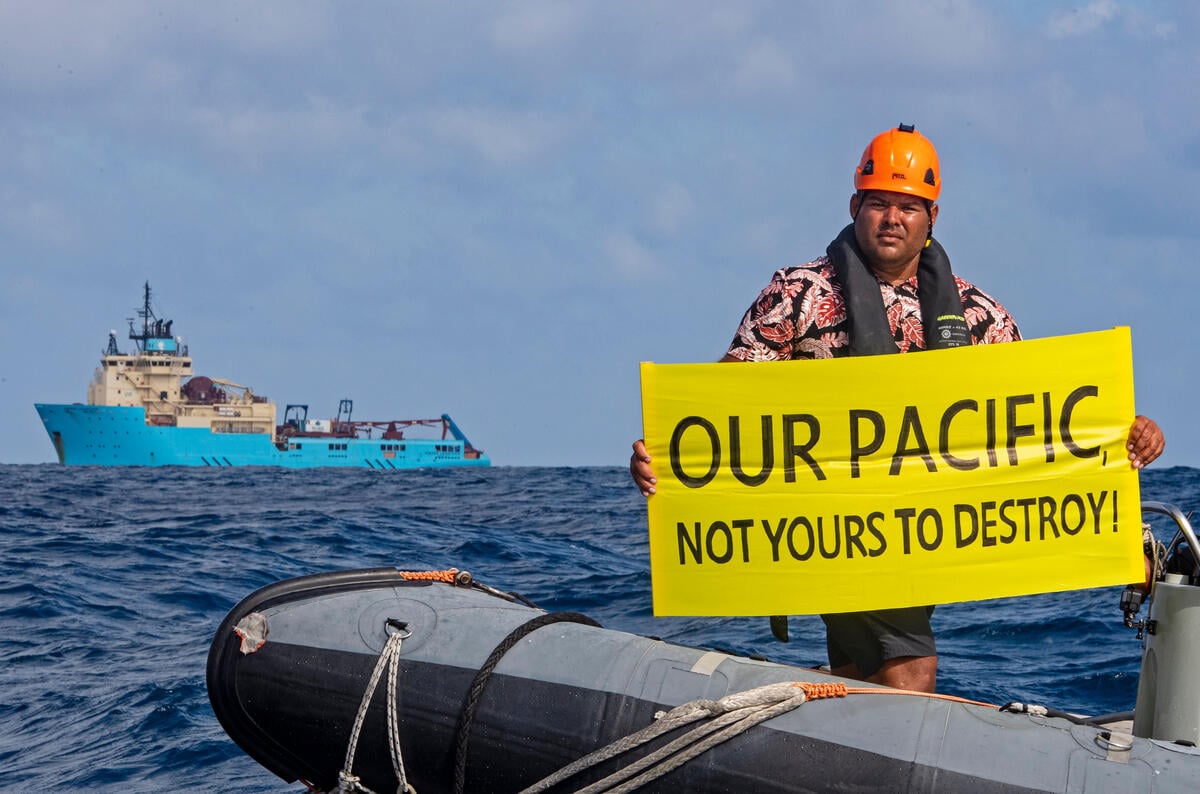
Greenpeace USA Slams U.S. Seabed Mining Plans off American Samoa
The Pacific is not a sacrifice zone. Its people should not be forced to host a destructive industry they’ve clearly rejected.
-
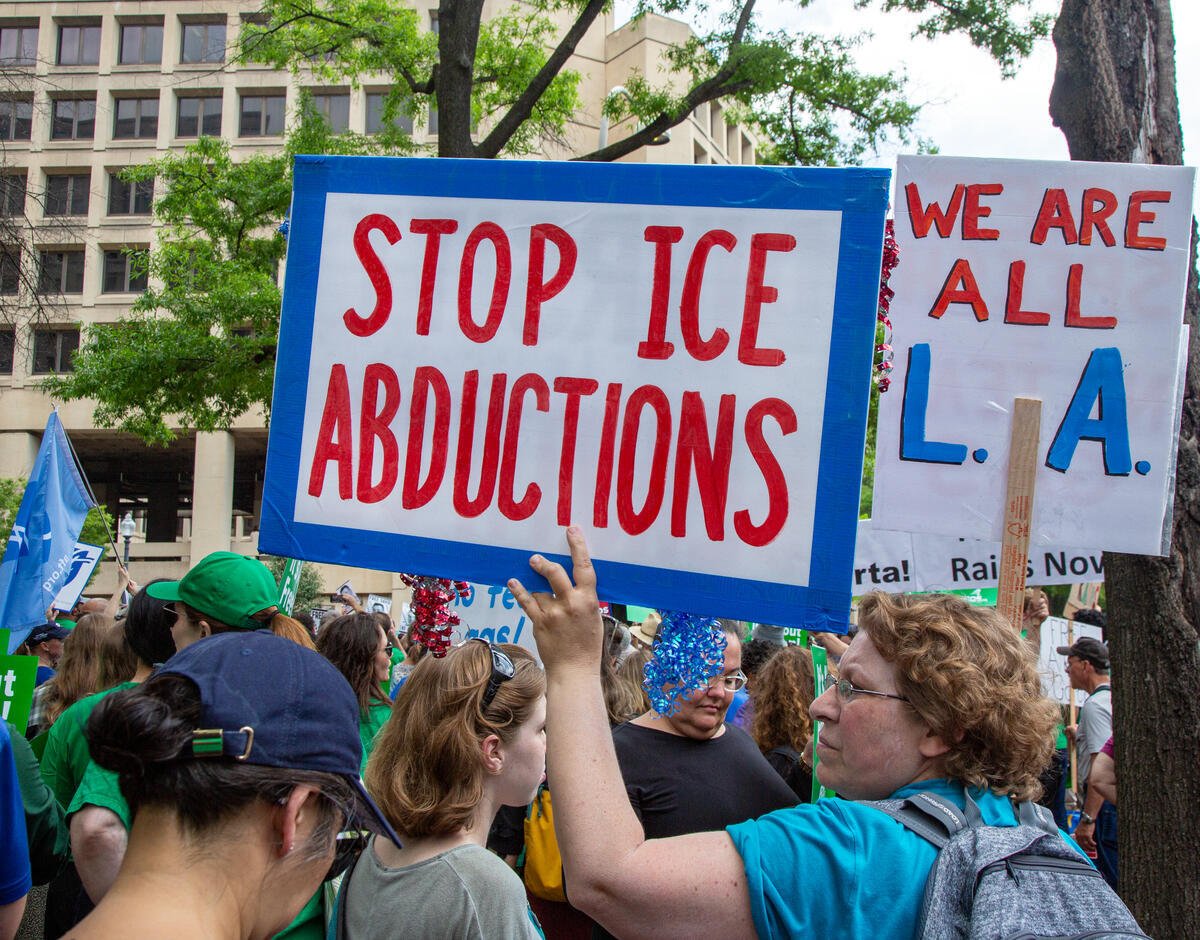
GPUS decries Trump’s fascist response to LA protests
WASHINGTON, DC (June 11, 2025) – In response to the Trump Administration deploying the National Guard on protesters in Los Angeles and the recent detention of David Huerta, President of…
-
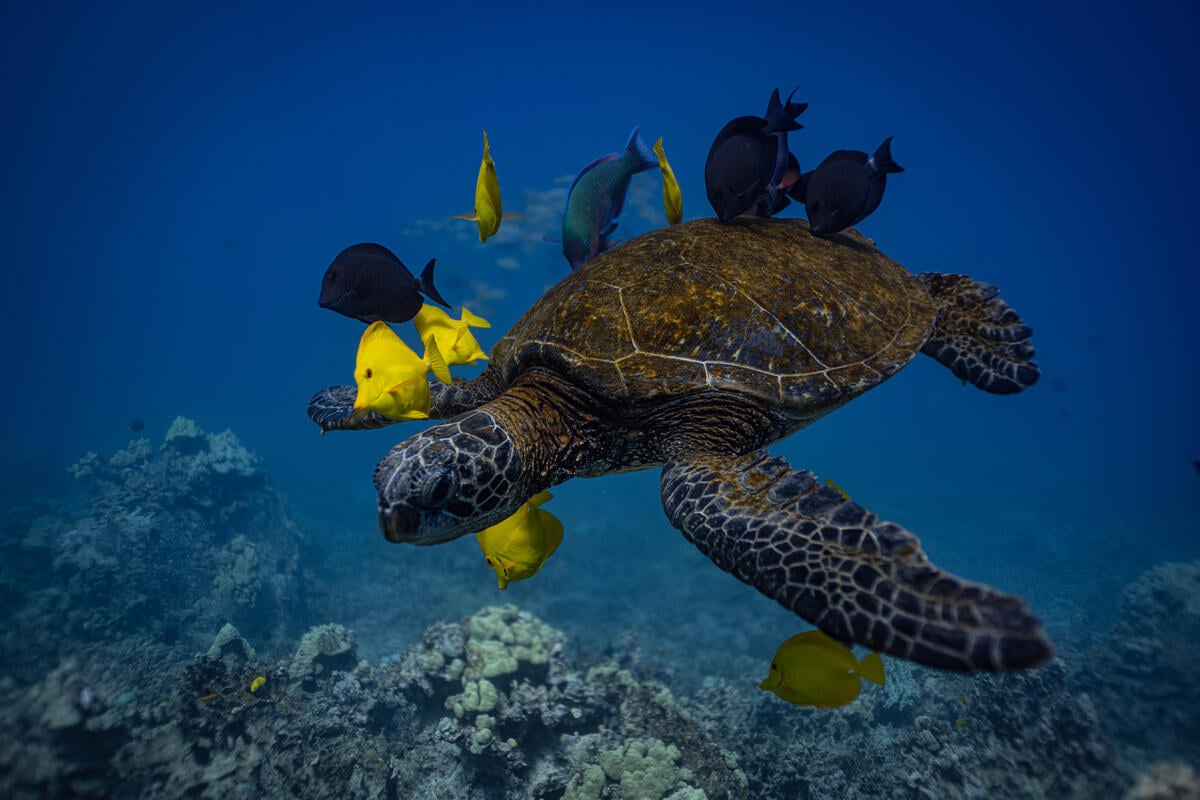
OP-ED: Greenpeace USA leadership pose critical questions during UN Oceans Conference
In the op-ed “Who Will Defend Our Oceans—the Last Global Commons?” published in Common Dreams, Greenpeace USA Interim Executive Director Sushma Raman and Greenpeace USA Oceans Campaign Director John Hocevar discuss solutions for how the international community can stop this dangerous rollback before it is too late.
-

Greenpeace comment on opening of UN Ocean Conference
With dozens of Heads of State expected to attend, the conference—co-hosted by France and Costa Rica—offers a crucial opportunity for governments to raise the level of global ambition on a suite of urgent ocean issues, including marine biodiversity, deep sea mining, and plastic pollution that will face key decisions in the coming months.
-
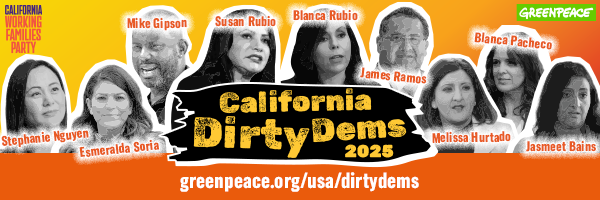
Greenpeace USA’s “Dirty Dems” called out in Capitol Rotunda
Greenpeace USA activists deployed banners in the Capitol Rotunda naming nine Democrats who take large sums of money from the oil and gas industry and receive failing grades on progressive issues.
-
Energy Transfer lawsuit: still no evidence, still no final judgment
Greenpeace defendants again met Energy Transfer in a post-trial hearing in North Dakota.
-
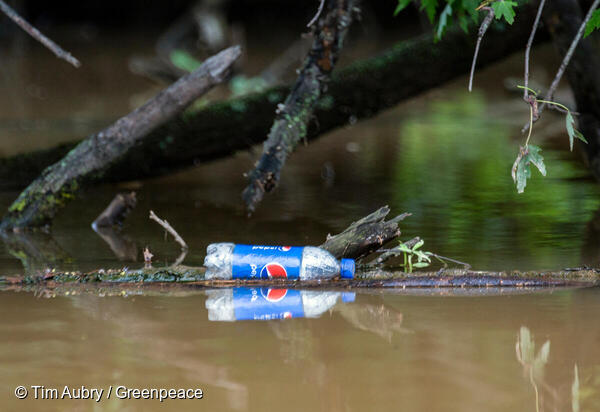
Greenpeace USA slams PepsiCo for ditching reuse target
We clearly can’t trust corporations like PepsiCo to do what’s best for people and the planet, and this exemplifies why voluntary commitments by corporations have never been enough. We need a strong and binding Global Plastics Treaty that caps plastic production and ends single-use plastics.
-
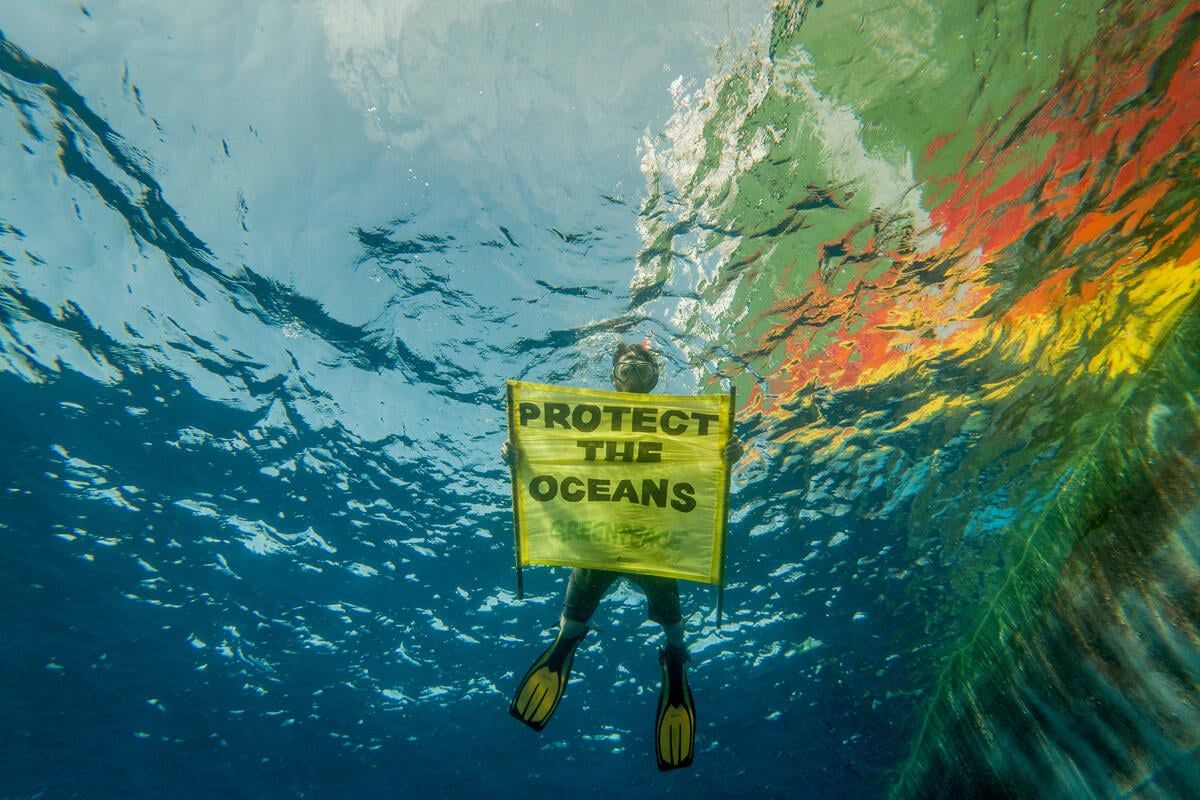
UN Ocean Conference draft declaration fails to address the ocean crisis
Instead of taking bold, unified action to protect our ocean, we’re seeing dangerous backpedalling. Governments must stop allowing a handful of rogue nations to prevent the kinds of actions that science requires and justice demands.
-
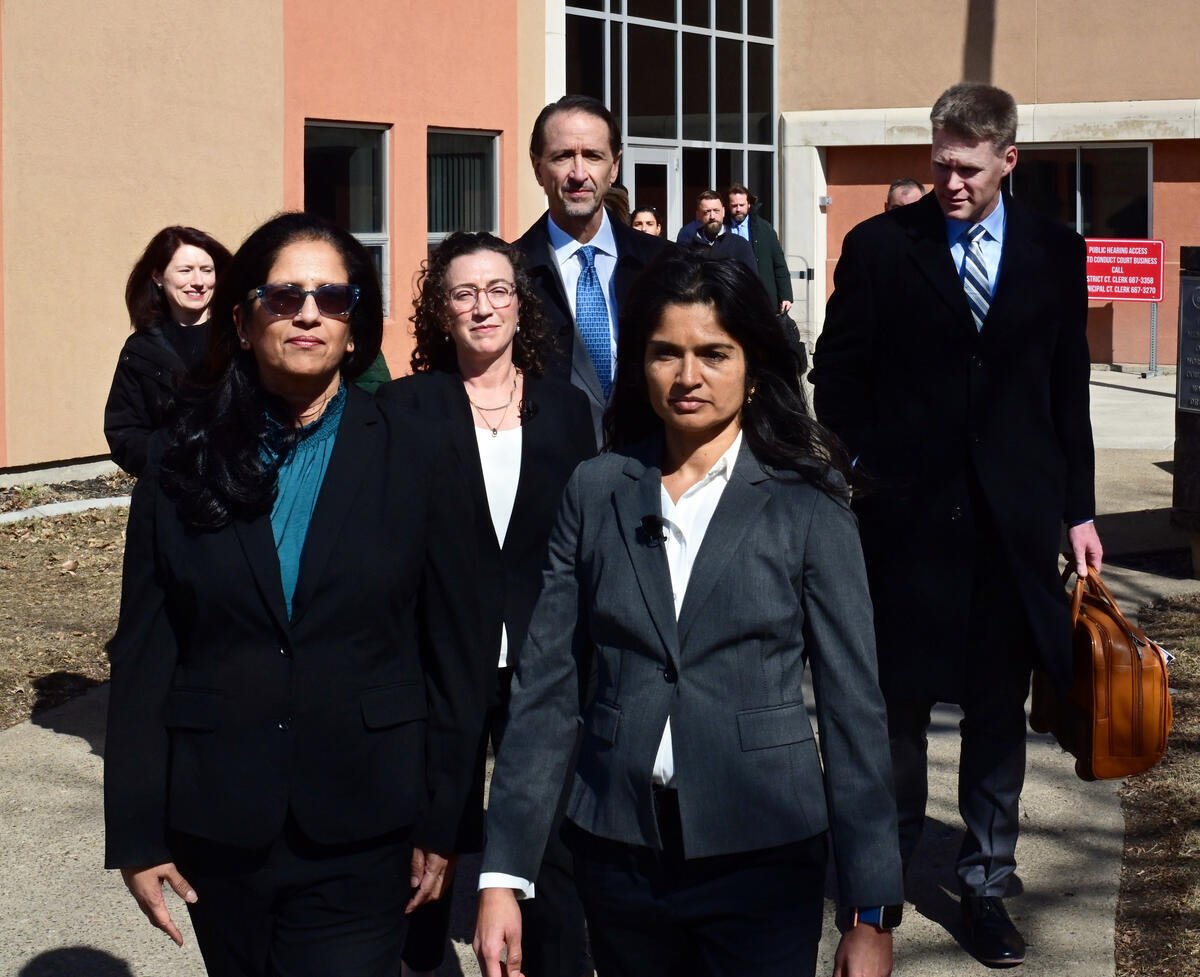
Greenpeace organizations challenge perverse damages in Energy Transfer lawsuit
In the first hearing since the trial concluded in Energy Transfer’s bullying lawsuit against Greenpeace Inc., Greenpeace Fund, and Greenpeace International, the defendants argued to reduce the more than $660 million damages awarded to Energy Transfer.
-
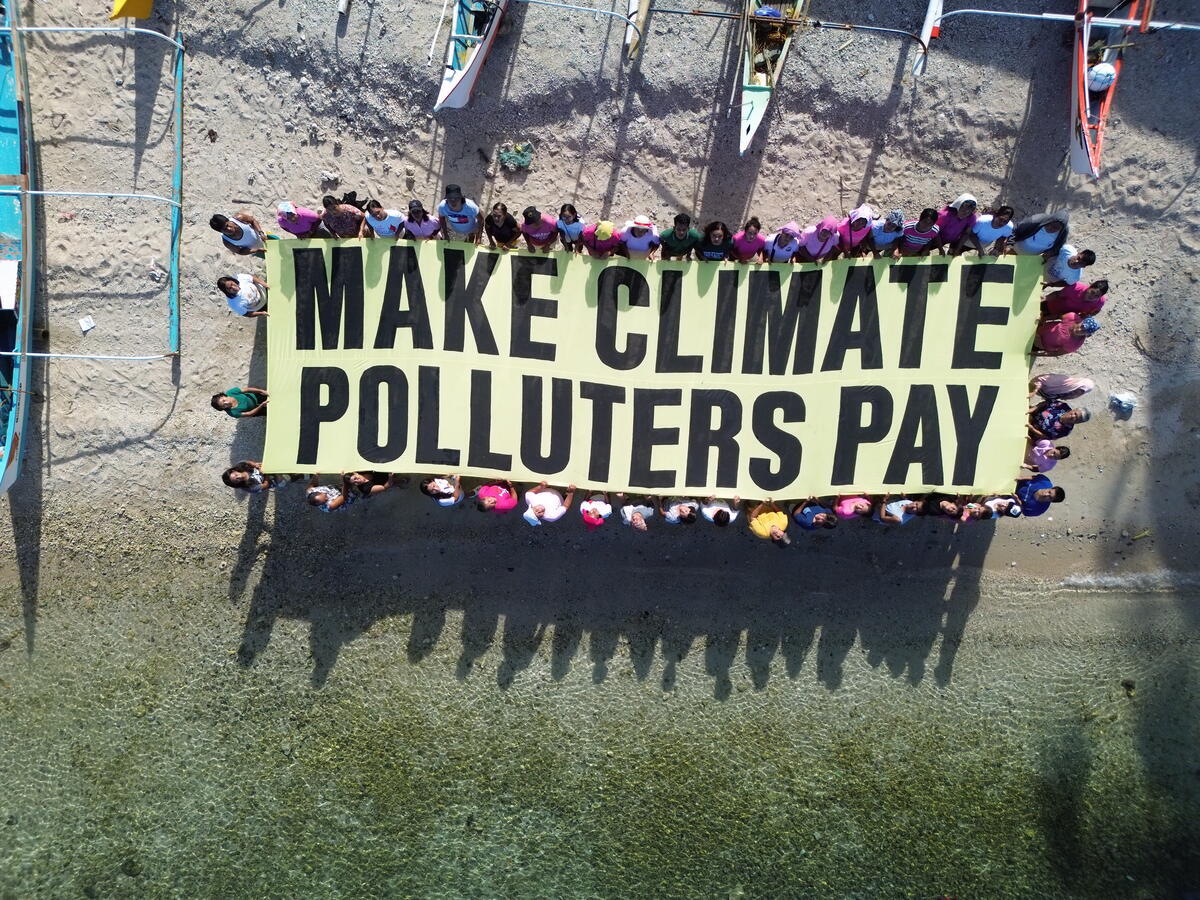
May budget revise makes the case for California’s Climate Superfund Act even stronger
Greenpeace USA’s response to the recently released May revise of the California state budget, which revealed a projected $12 billion deficit.
-
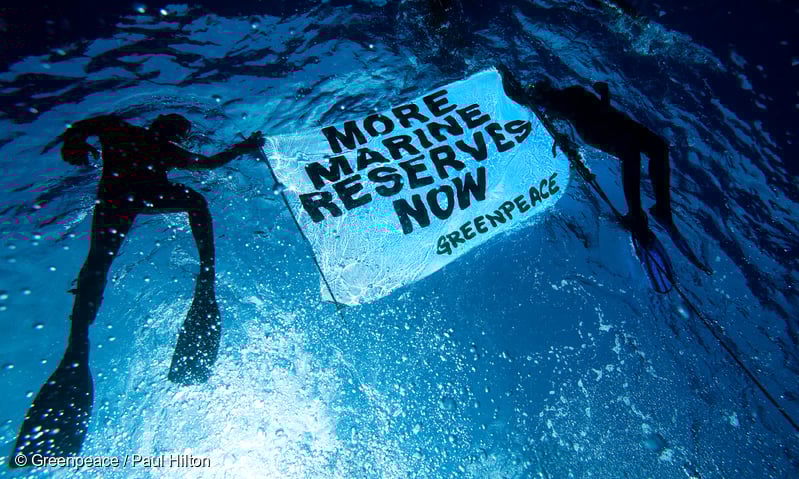
Trump Puts New England fishermen at risk
Trump is going to “unleash” America’s fishing industry straight into collapse. Opening this monument to commercial fishing will not boost the fishing economy in the way the Trump administration claims.
-
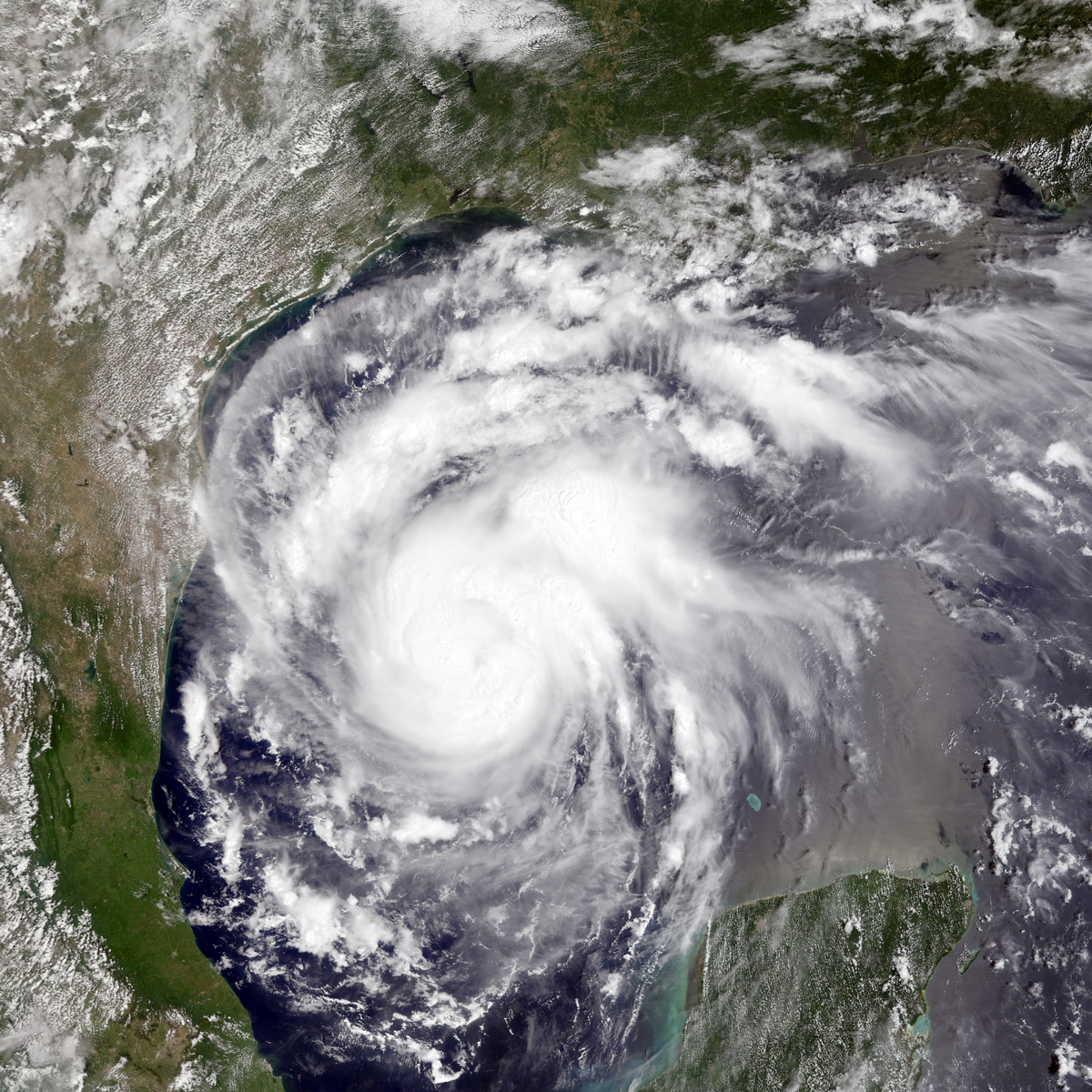
Trump admin ends crucial NOAA disaster database
WASHINGTON, D.C. (May 8, 2025)—Today, the Trump administration announced it would shutter the “weather and climate disasters database,” a crucial tool built by the National Oceanic and Atmospheric Administration (NOAA)…
-
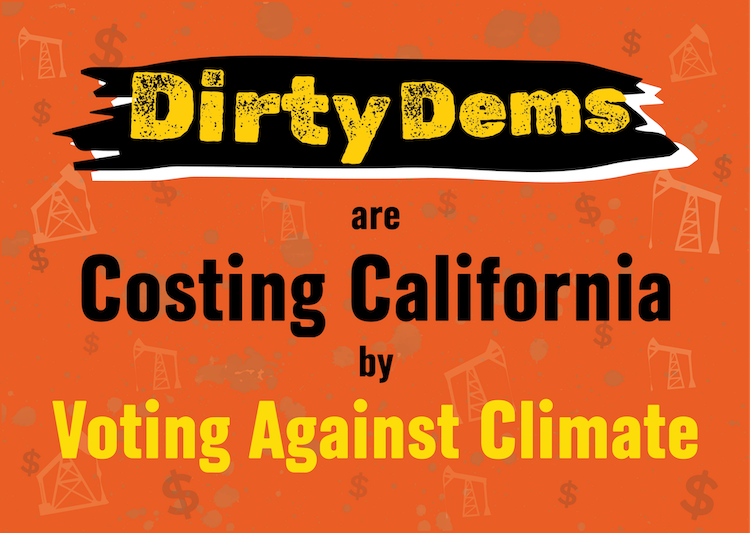
Week 7 of “Dirty Dems” campaign sets its sights on Assembly Member Esmeralda Soria
FRESNO, CA (May 6, 2025)—As part of the ongoing “Dirty Dems” campaign, Greenpeace USA, in collaboration with the California Working Families Party and Courage California, continues to hold California State…
-

100 days in, let’s continue to resist and protect.
Usually marking 100 days of a new administration means taking stock and evaluating how it’ll set the tone for the next couple years of the president’s tenure.
-
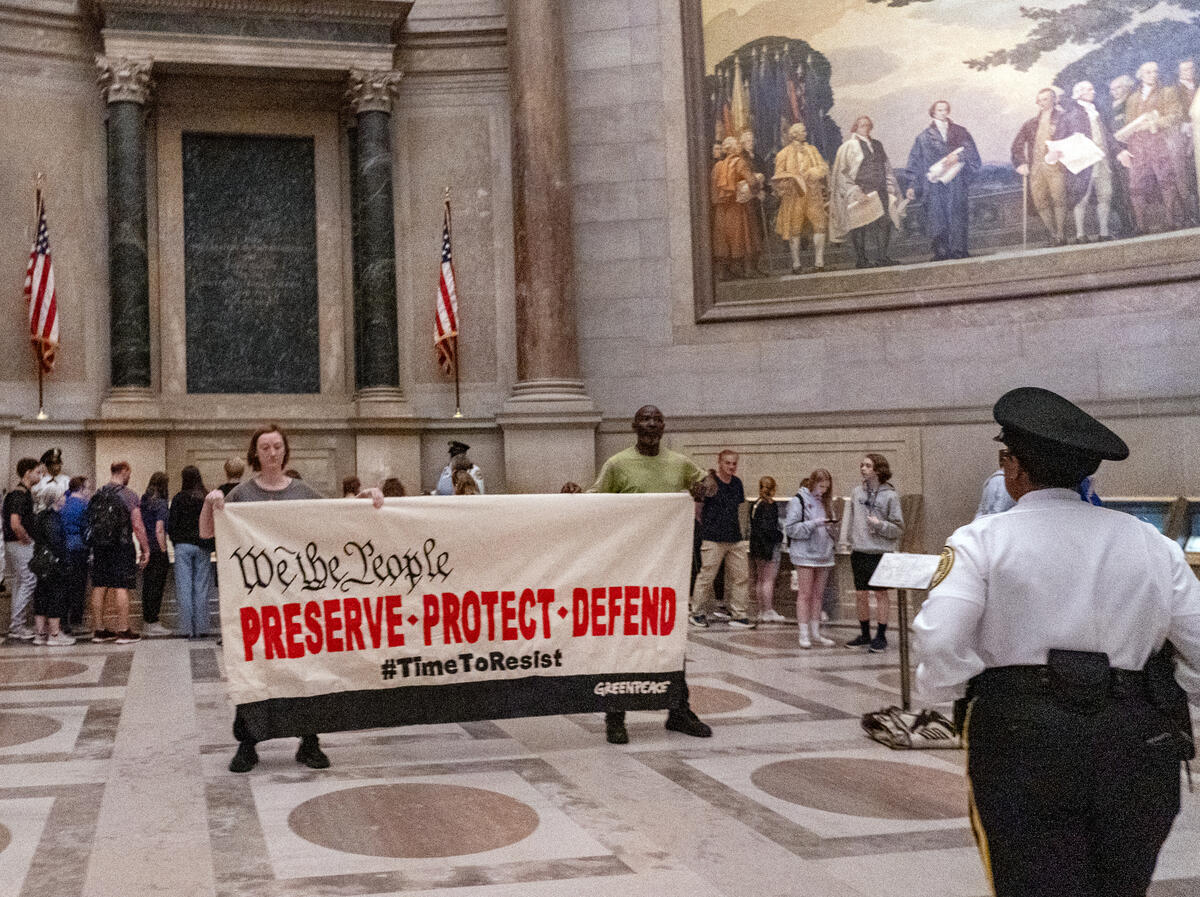
Greenpeace USA marks Trump’s first 100 days with launch of global #TimetoResist campaign
Greenpeace USA marked the first 100 days of this administration’s second term by unfurling a powerful banner reading “We the People: Preserve, Protect, Defend” in front of the U.S. Constitution display at the National Archives.
-
Greenpeace USA’s response to TMC’s push to fast-track deep sea mining in the High Seas under the U.S. Seabed Mining Code
Greenpeace USA condemns this reckless attempt by The Metals Company (TMC) to bypass international law and commercialize mining in the high seas and US-adjacent waters. It is nothing less than the plunder of the Pacific once again being pursued without the consent of Pacific Peoples.
-
Week 6 of “Dirty Dems” campaign highlights failures of Bakersfield legislators
BAKERSFIELD, CA (April 29, 2025)—As part of the ongoing “Dirty Dems” campaign, Greenpeace USA, in collaboration with the California Working Families Party and Courage California, continues to hold California State…
-
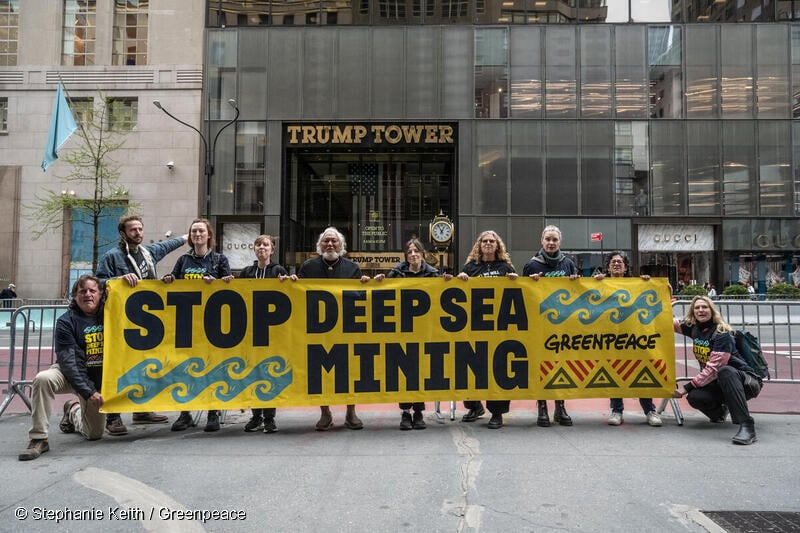
US government confirms their support for deep sea mining plans that bypass United Nations, Greenpeace response
Authorizing deep-sea mining outside international law is like lighting a match in a room full of dynamite — it threatens ecosystems, global cooperation, and U.S. credibility all at once.
-
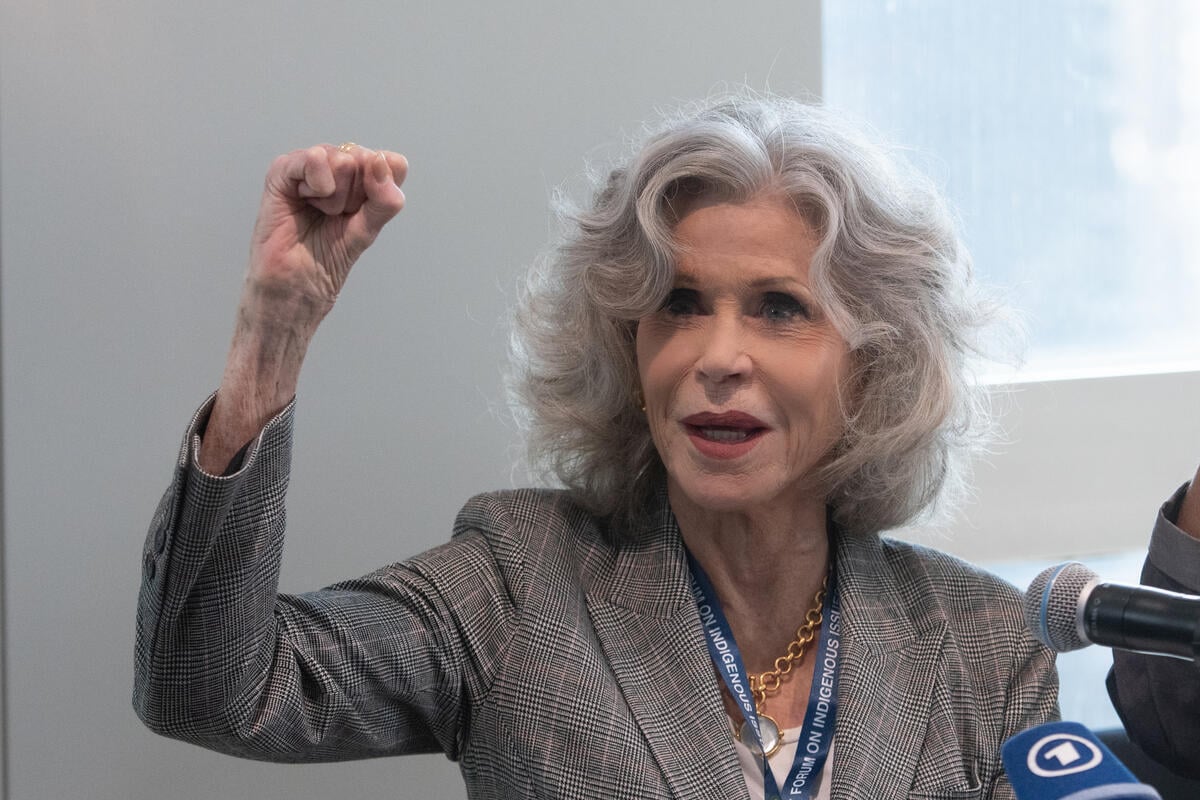
Jane Fonda stands with Greenpeace to defend the oceans at United Nations global oceans talks
Actor and activist Jane Fonda joined Greenpeace’s delegation to the United Nations for a crucial Global Ocean Treaty meeting yesterday. She delivered a rousing address to country delegates, thanking them for their work to protect the global oceans.
-
Trump Executive Orders roll back ocean protections
The Trump administration issued a new Executive Order that opens vast swaths of protected ocean to commercial exploitation, including areas within the Pacific Islands Heritage Marine National Monument. It allows commercial fishing in areas long considered off-limits due to their ecological significance—despite overwhelming scientific consensus that marine sanctuaries are essential for rebuilding fish stocks and…
-

Week 4 of “Dirty Dems” campaign highlights dismal record of Assembly member James Ramos on environmental justice
SAN BERNARDINO, CA (April 15, 2025)—As part of the ongoing “Dirty Dems” campaign, Greenpeace USA, in collaboration with the California Working Families Party and Courage California, continues to hold California…
-
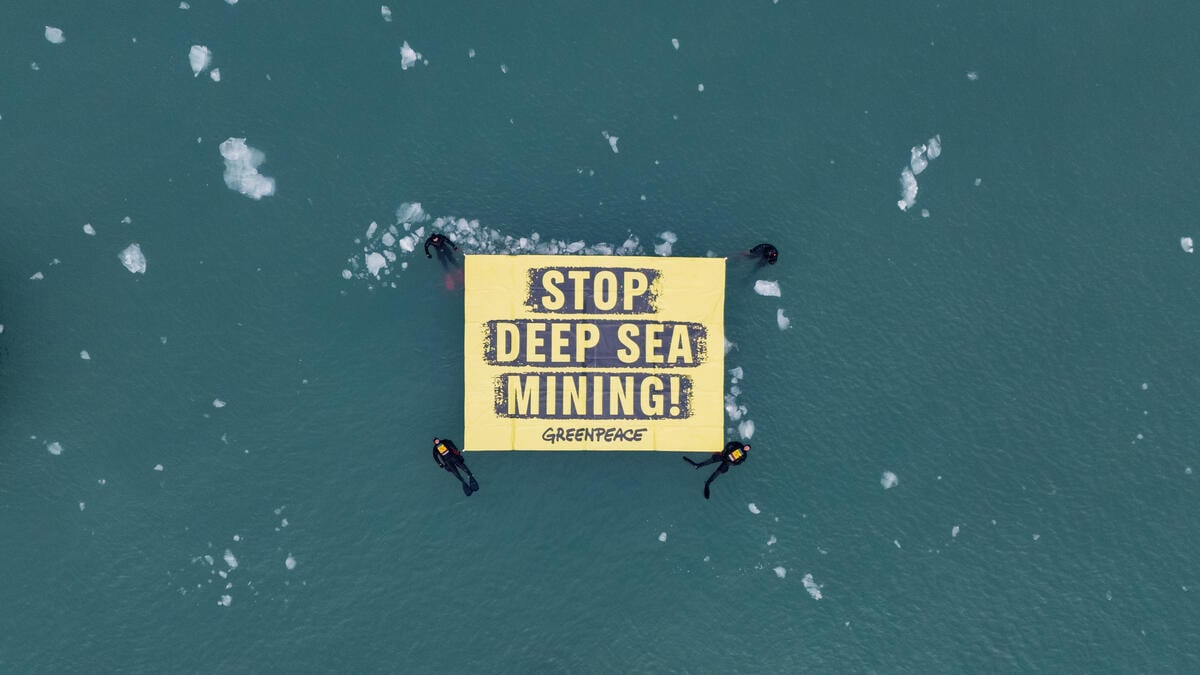
Greenpeace slams Impossible Metals’ deep-sea mining lease bid as desperate move amid industry collapse
WASHINGTON, D.C. (APRIL 15, 2025)—Today, Greenpeace USA condemned Impossible Metals’ application for a deep-sea mining lease off the coast of American Samoa, in U.S. federal waters, calling it a reckless…
-
Keystone oil spill shows need to protect rights to protest and free speech
BISMARCK, NORTH DAKOTA (April 11, 2025)–In response to a reported 3,500 barrels of oil spilling from the Keystone pipeline this week in North Dakota, Sushma Raman, Interim Executive Director of…
-

New Trump administration executive order targeting state climate laws is a quid pro quo
In response to the Trump administration’s executive order directing the Department of Justice to take aim at state climate laws and lawsuits, John Noël, Greenpeace…
-

Unshaken by uncertainty, united with purpose
Standing with migrants, displaced peoples, and families
-

Week 3 of “Dirty Dems” campaign exposes the Rubio sisters
As part of the ongoing “Dirty Dems” campaign, Greenpeace USA, in collaboration with the California Working Families Party and Courage California, continues to hold California State legislators accountable for their damaging connections to the oil and gas industry and their failure to support critical climate, economic justice, and progressive priorities.
-

Week 2 of “Dirty Dems” campaign exposes Mike Gipson
This week, the spotlight is on Assemblymember Mike Gipson, who represents the 65th District of Los Angeles’ South Bay, including Gardena, Compton, and Wilmington. Serving in the California State Legislature since 2014, Gipson has amassed an alarming $260,000 in campaign contributions from the oil and gas industry, the most of any of the Dirty Dems.
-
Op-Ed: The North Dakota ruling against Greenpeace is a threat to free speech
In an op-ed published in The Guardian, Greenpeace Inc. and Greenpeace Fund Interim Executive Director Sushma Raman alongside ACLU executive director Anthony Romero discuss how the recent $660m judgment against Greenpeace USA poses a serious threat to free speech and protest rights.
-
Jury delivers verdict finding Greenpeace entities liable for more than $660 million in Energy Transfer SLAPP trial
A Morton County jury of nine reached a verdict in Energy Transfer’s meritless lawsuit against Greenpeace entities in the US (Greenpeace Inc, Greenpeace Fund), and Greenpeace International, finding the entities liable for more than US$660 million, today.
-

Campaign exposes “Dirty Dems” who betray the people for corporate donors
Greenpeace USA, in collaboration with the California Working Families Party and Courage California, is launching a new campaign to hold legislators accountable for their campaign donations and voting records.
-
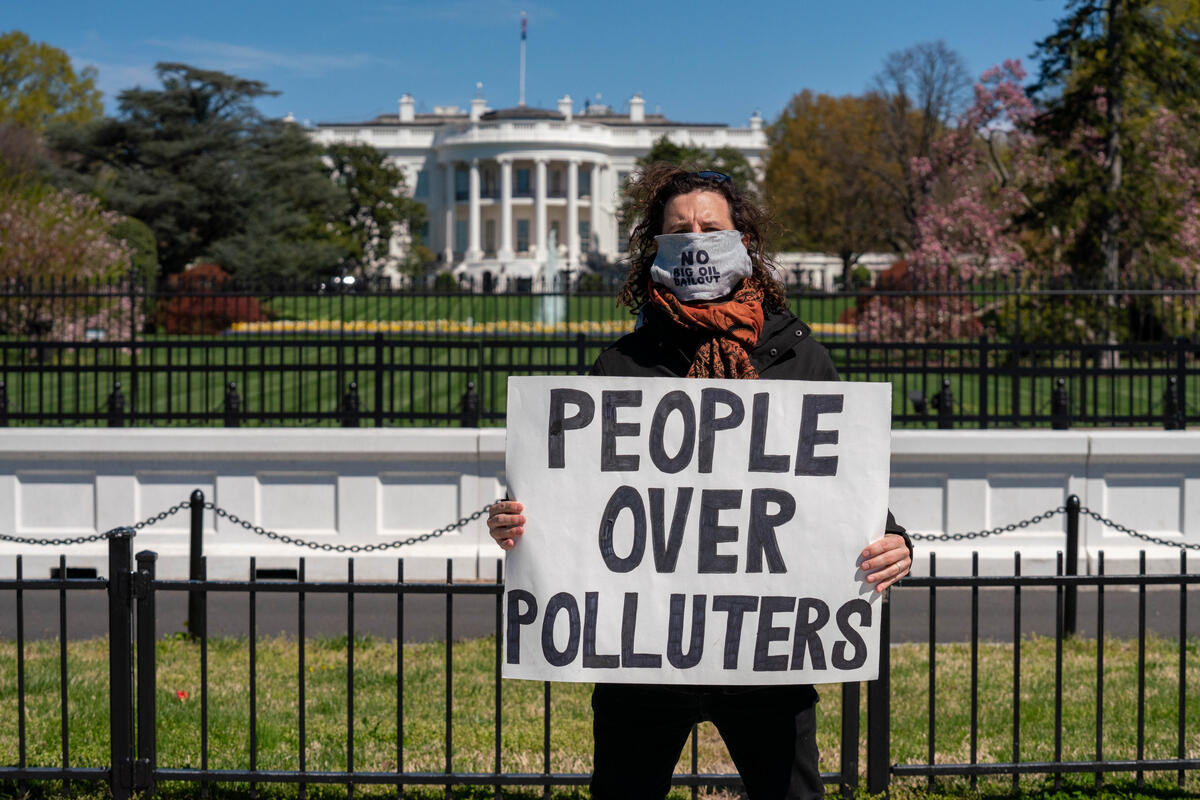
EPA aligns with corporate polluters in devastating public betrayal
Greenpeace USA’s response to the U.S. Environmental Protection Agency’s (EPA’s) plan to abandon critical regulations and climate rules.
-
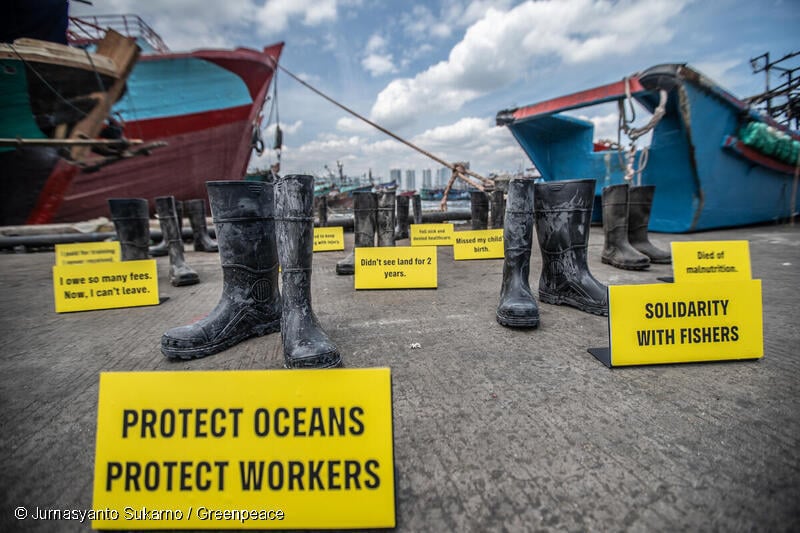
Fishers sue Bumble Bee Foods for years of forced labor
Today, a group of fishers filed suit in San Diego, California, against Bumble Bee Foods under the Trafficking Victims Protection Reauthorization Act (TVPRA) alleging that they experienced human trafficking and forced labor as they caught tuna that was sold by Bumble Bee in the U.S.
-
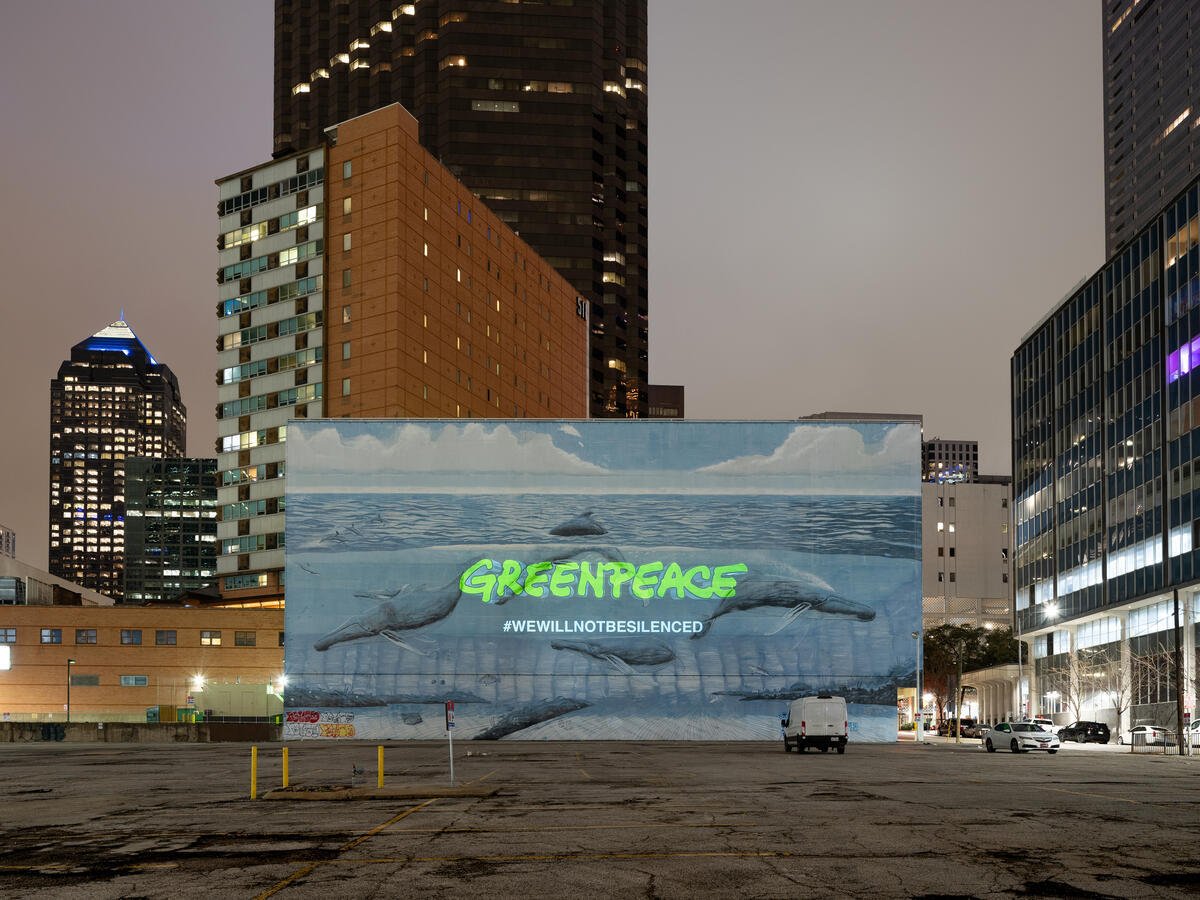
North Dakota Supreme Court denies Greenpeace entities’ petition for venue change in Energy Transfer SLAPP trial
The North Dakota Supreme Court today denied a petition by Greenpeace organizations in the US and Greenpeace International for a change of venue as they defend against the SLAPP case brought by Energy Transfer in Morton County.
-
Greenpeace USA supports the Polluters Pay Climate Superfund Act in California
California introduced the Polluters Pay Climate Superfund Act a common sense law that would require fossil fuel corporations to pay for the climate devastation they have fueled.
-

Trump executive orders leave the country weak and vulnerable to climate crisis
Greenpeace USA’s response to the Trump administration’s executive order that will dismantle environmental justice, weaken environmental protections, and ramp up oil and gas production.
-
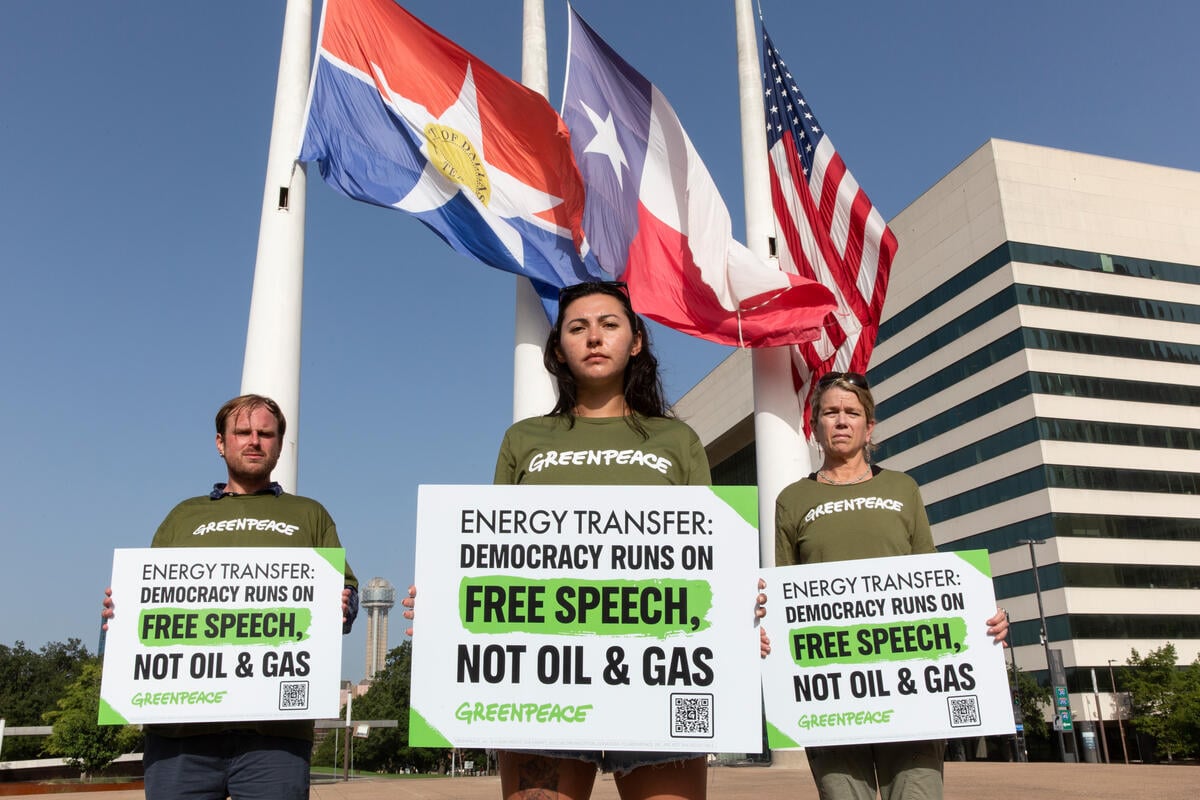
Greenpeace organizations go to trial on high-stakes SLAPP lawsuit that could redefine protest rights
North Dakota is set to become the battleground for one of the most consequential free speech cases in recent history. Energy Transfer, the Big Oil corporation behind the Dakota Access Pipeline, is seeking $300 million in damages from Greenpeace USA and Greenpeace International, accusing these organizations of playing a central role in organizing the Indigenous-led…
-

Greenpeace projections blanket major US cities as trial of the $300M lawsuit filed by Big Oil company Energy Transfer begins
Greenpeace USA brought a powerful visual campaign to the streets of Dallas, projecting messages around Dallas to highlight the growing threat to free speech and peaceful protest. The projections come just days before Dallas-based Energy Transfer’s $300 million lawsuit against Greenpeace USA and Greenpeace International is set to go to trial. The February 24th trial…
-
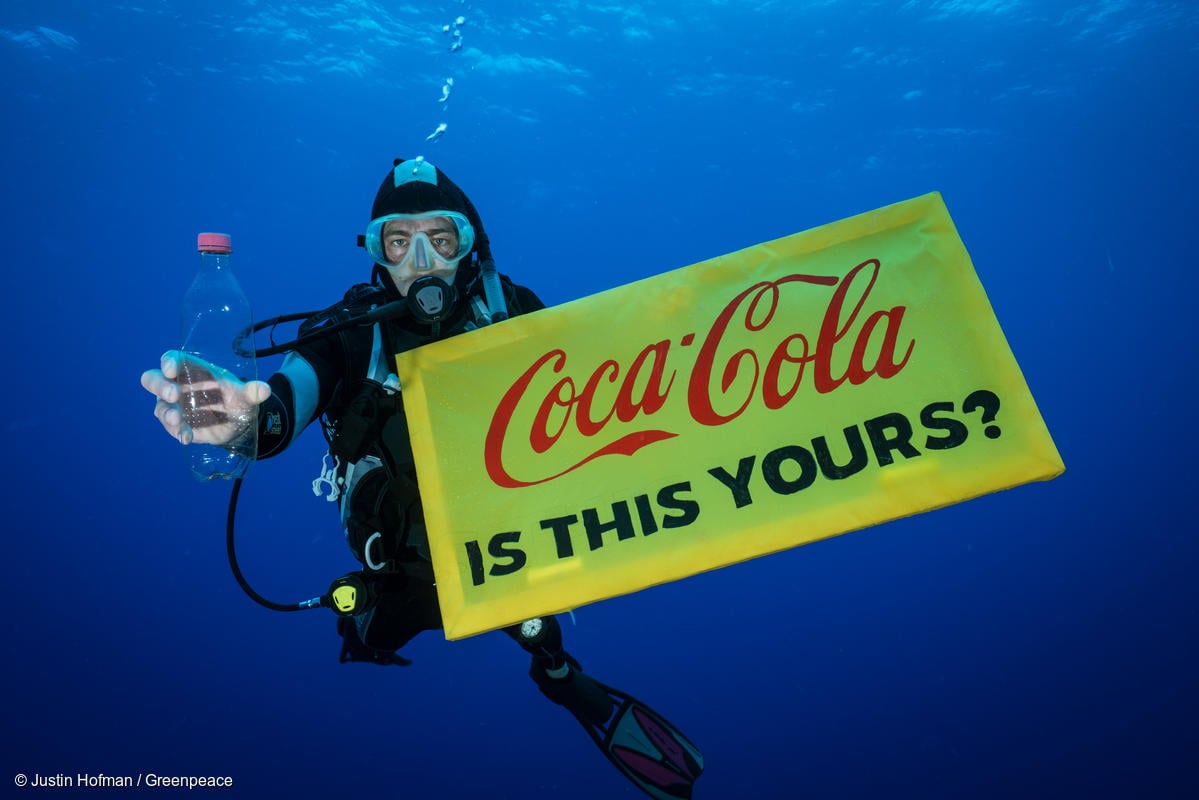
Coca-Cola slides backwards again, plans to expose Americans to more toxic plastic bottles
This move would lock consumers into a future of rising health risks and medical costs–at a time when Americans are already struggling with economic and health burdens.
-
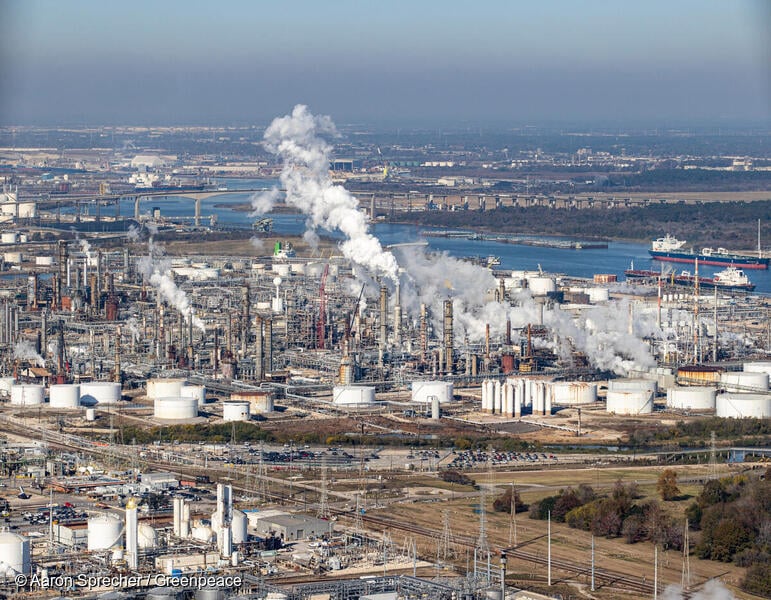
Trump’s unnecessary stand on plastic straws ignores American Health Crisis
Donald Trump’s Executive Order on plastic straws is a distraction from his administration’s efforts to prevent the EPA, the FDA and the NIH from protecting Americans from microplastics and dangerous chemicals.
-
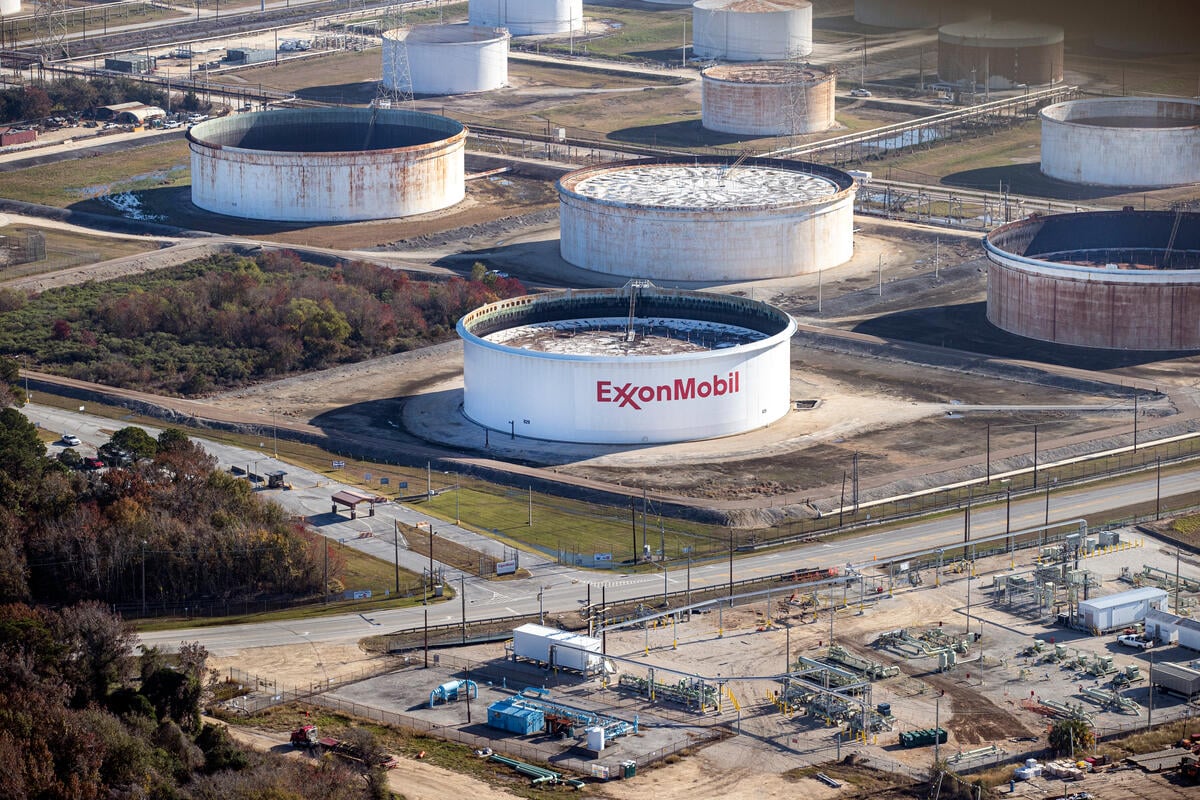
Extradition hearing for alleged Exxon linked hacker underscores Big Oil’s war to avoid accountability
WASHINGTON, DC (January 31, 2025) — In response to ongoing legal developments regarding the Department of Justice’s effort to extradite an alleged hacker linked to cyberattacks against climate organizations including…
-

Exxon and Chevron’s billions in profits = a climate disaster for us all
Exxon and Chevron announced their Q4 2024 profits, bringing Exxon’s total profits for the year to more than $33 billion and Chevron’s total profits to more than $18 billion.
-
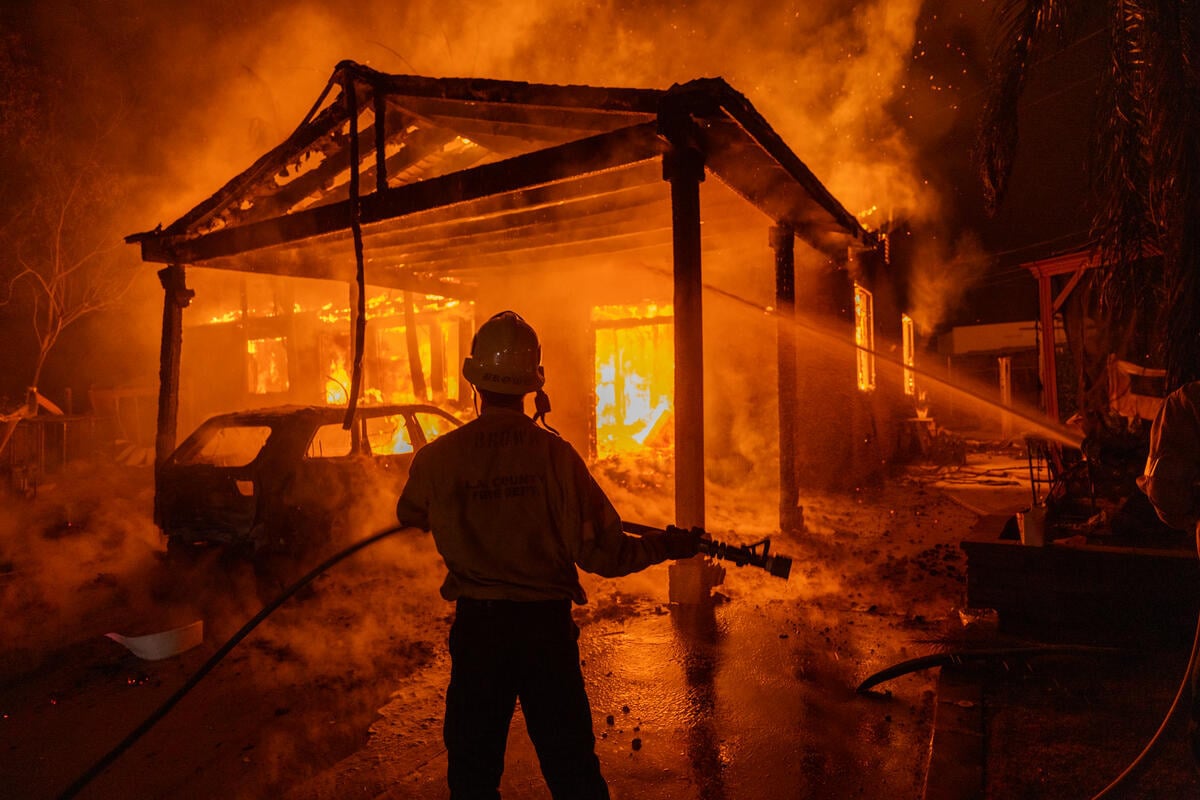
Study shows Big Oil fueled deadly wildfires in Los Angeles
The latest study by the World Weather Attribution on the devastating wildfires in Los Angeles, confirmed that climate change, fueled by fossil fuel…
-

15 years later: Citizens United allows corporate greed to fuel climate disasters
Today marks the anniversary of the controversial 2010 Supreme Court Citizens United ruling which unleashed a flood of corporate money into our political system.…
-
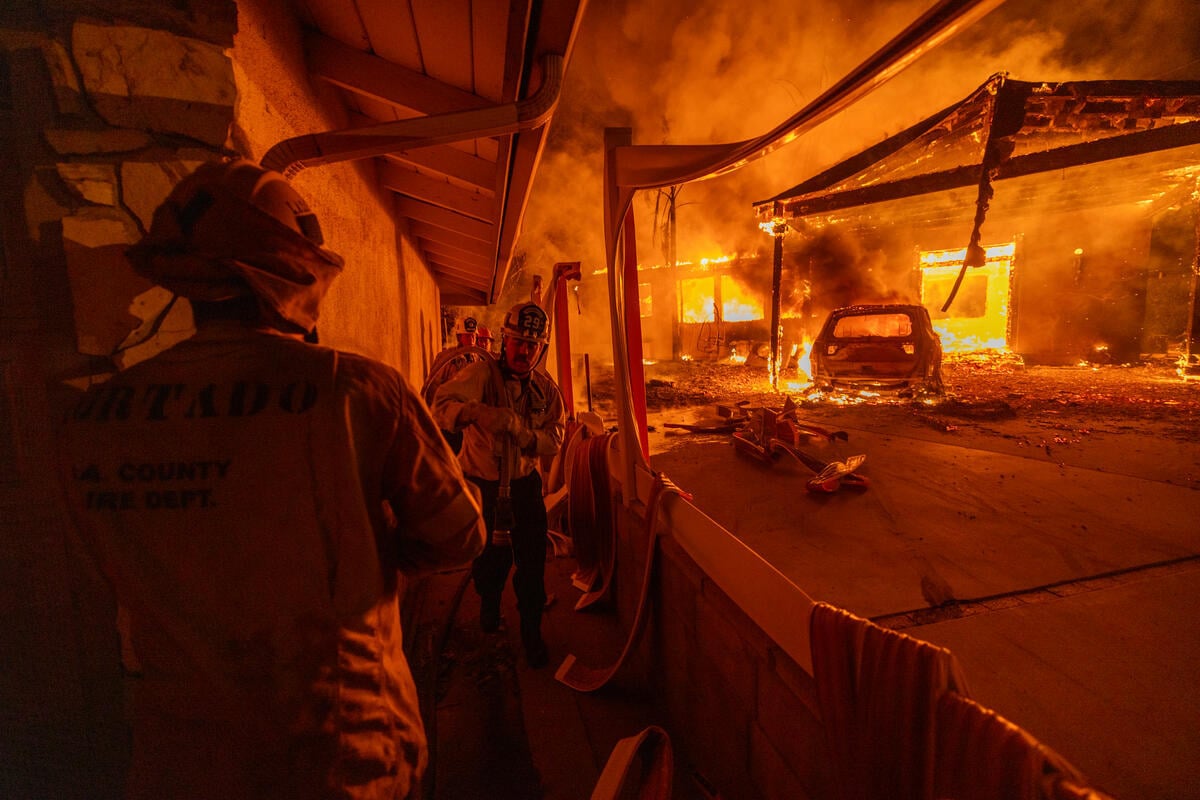
Wildfires Explode Across Los Angeles County: Polluters Should Pay Not Communities
We are heading into a future marked by ever-more frequent and severe disasters unless we shift course now. The people suffering from these fires should not bear the full burden—it’s the polluters who should pay for the harm they’ve inflicted on our climate and our communities.
-
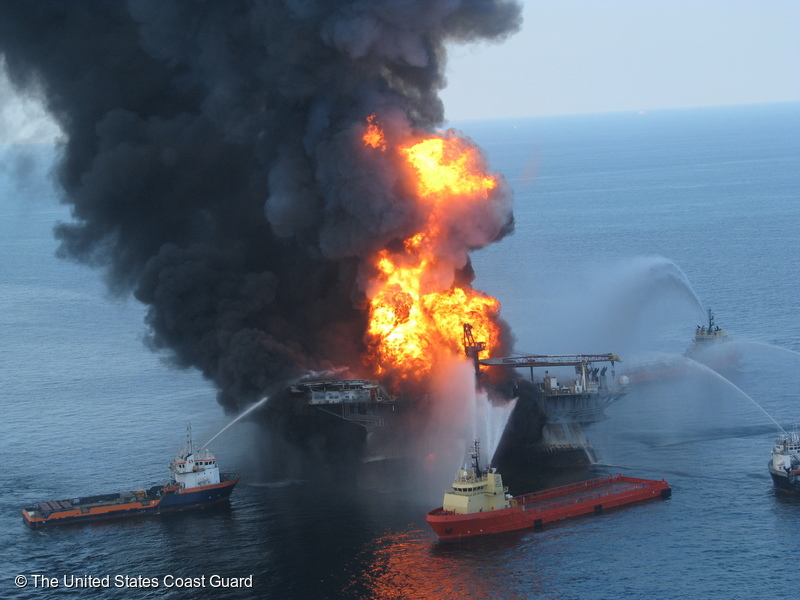
Greenpeace USA Welcomes Biden Administration’s Ocean Protections
Greenpeace USA commends President Biden for taking decisive action to permanently protect these areas, which play a vital role in sustaining life, combating climate change, and supporting the livelihoods of coastal communities.
-

LNG Exports: a climate bomb and a price hike, warns Department of Energy report
In a statement released Tuesday, U.S. Secretary of Energy Jennifer Granholm said LNG exports were “neither sustainable nor advisable”
-
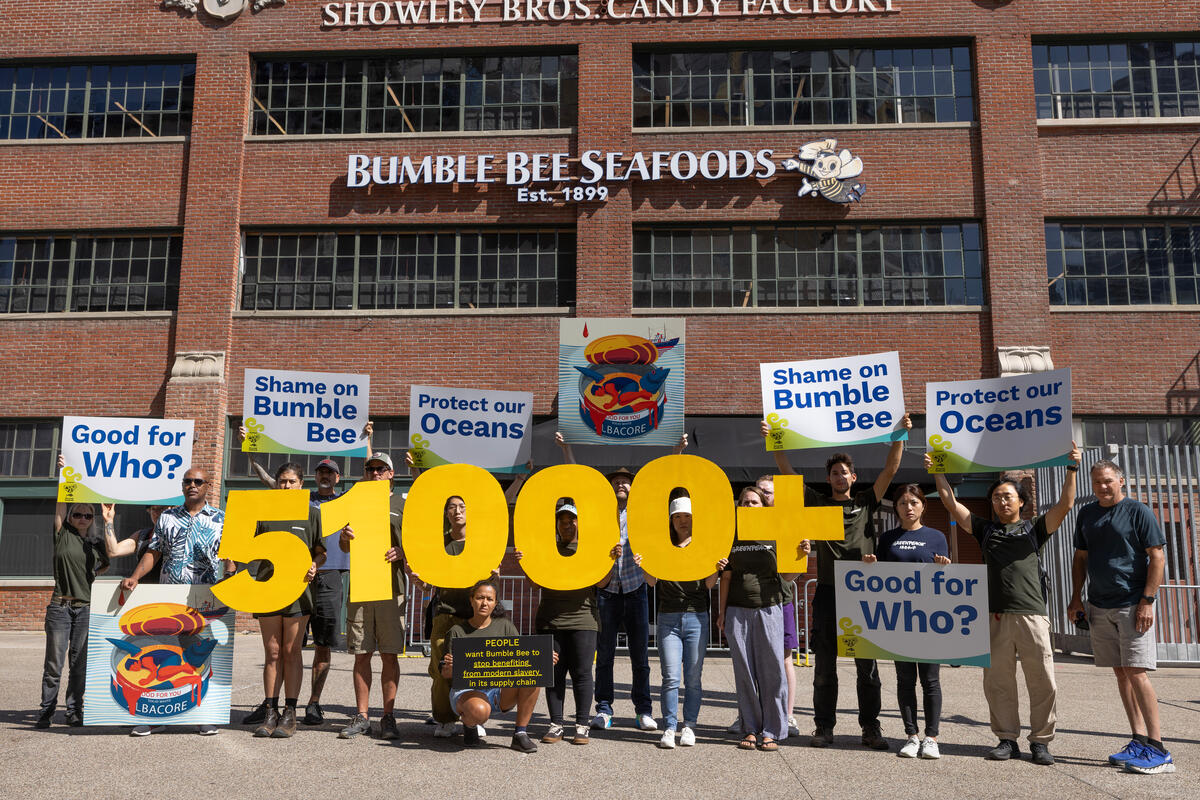
Forced labor linked to Bumble Bee supply chain
Washington D.C., (December 10, 2024)—Four fishing vessels that supplied tuna to major US brand Bumble Bee are linked to forced labor and illegal fishing practices, according to a new report…
-
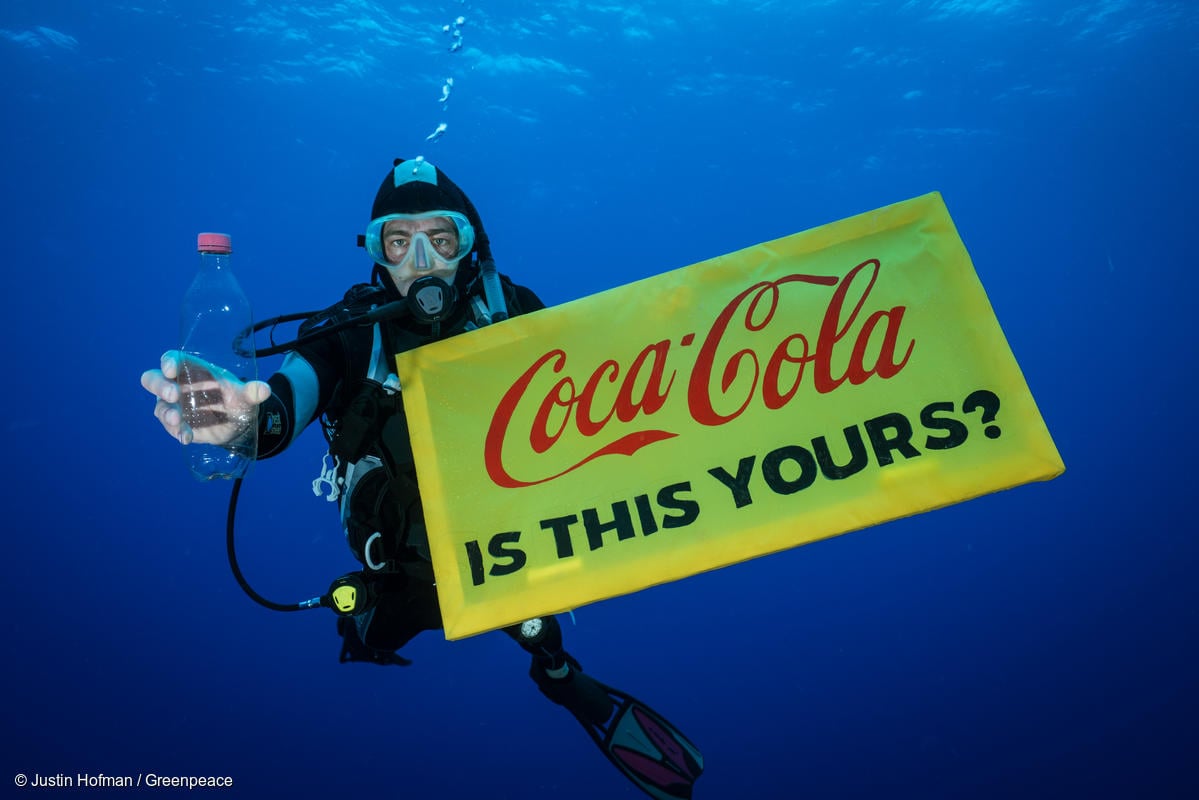
Greenpeace USA slams Coca-Cola’s abandoned environmental promises
Coke’s abandonment of its reuse commitment is a disaster for the planet.
-
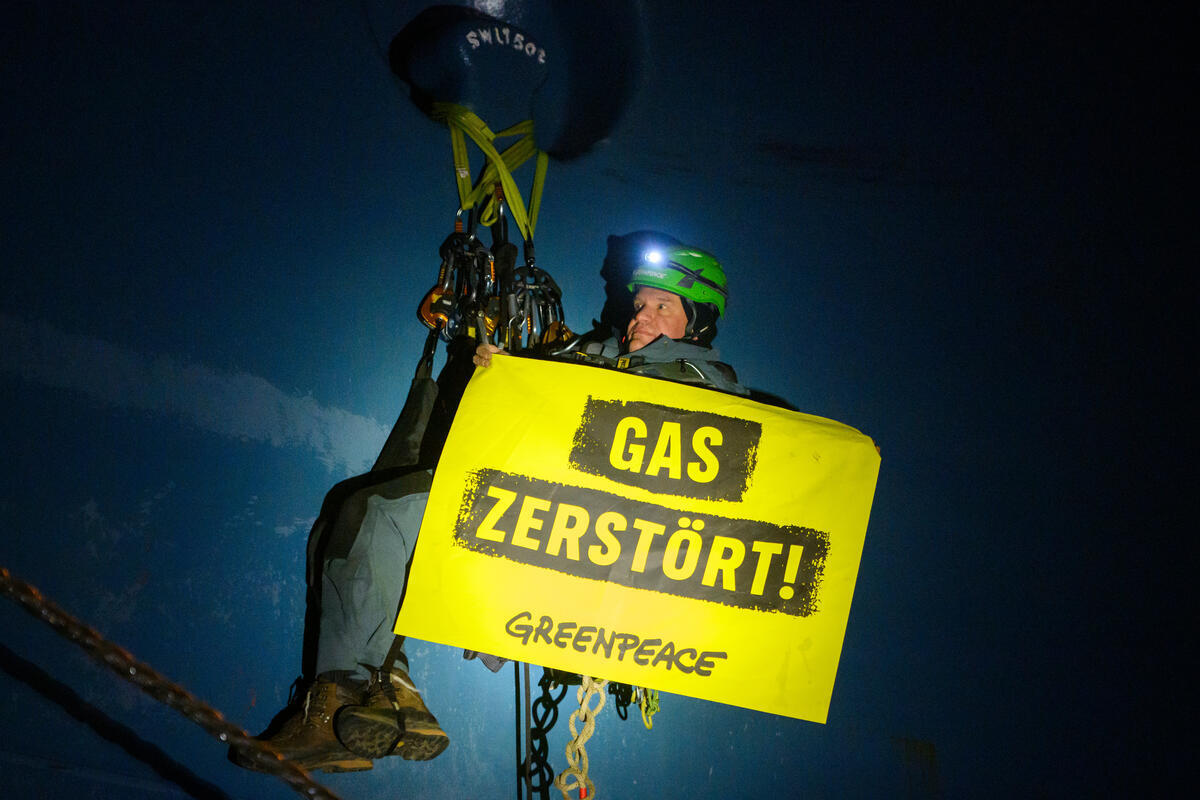
Greenpeace activists protest U.S. LNG tanker arriving in Germany
“Now more than ever, we need President Biden and his administration to reject the six pending LNG export projects, including the notorious Calcasieu Pass 2 project.”
-

Greenpeace USA calls out deep sea mining industry secrecy and deception as it courts investors
“Their tactics reveal an industry, much like Big Oil, that prefers to operate in the shadows while preparing to inflict irreversible harm on our common heritage—the deep seas and oceans that sustain us all.”
-
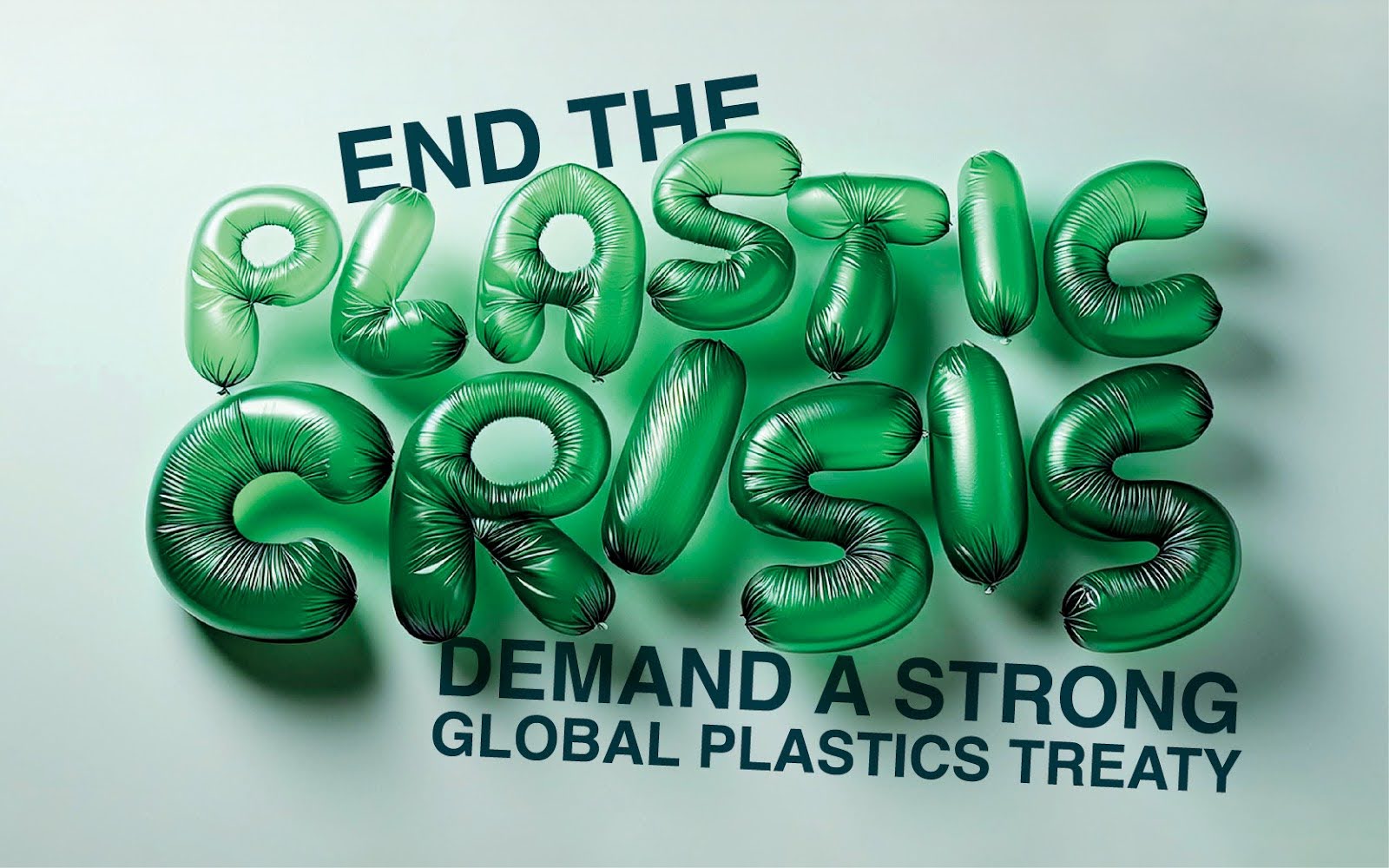
Champions of Change: Business leaders call for production cuts in Global Plastics Treaty
All of Lush’s stores across the U.S. and Canada will feature this signage on Oct 4, 2024. Courtesy of Lush Cosmetics. Washington, D.C. (30 October 2024) Over 350 businesses globally, including…
-

Oceans cannot keep pace with changes caused by climate crisis, warns new report
Greenpeace Greece activists project a message reading: ‘Ratify The Global Ocean Treaty’, close to the Temple of Poseidon near Athens. Greenpeace Greece activists project a series of ocean protection messages…
-

Biden-Harris administration establishes Chumash Heritage National Marine Sanctuary, a landmark for tribal-led conservation
Slo’w Gutierrez (L) and Violet Sage Walker (R) sing at an event at the base of Morro Rock in Morro Bay, California. The MY Arctic Sunrise traveled to Morro Bay…
-
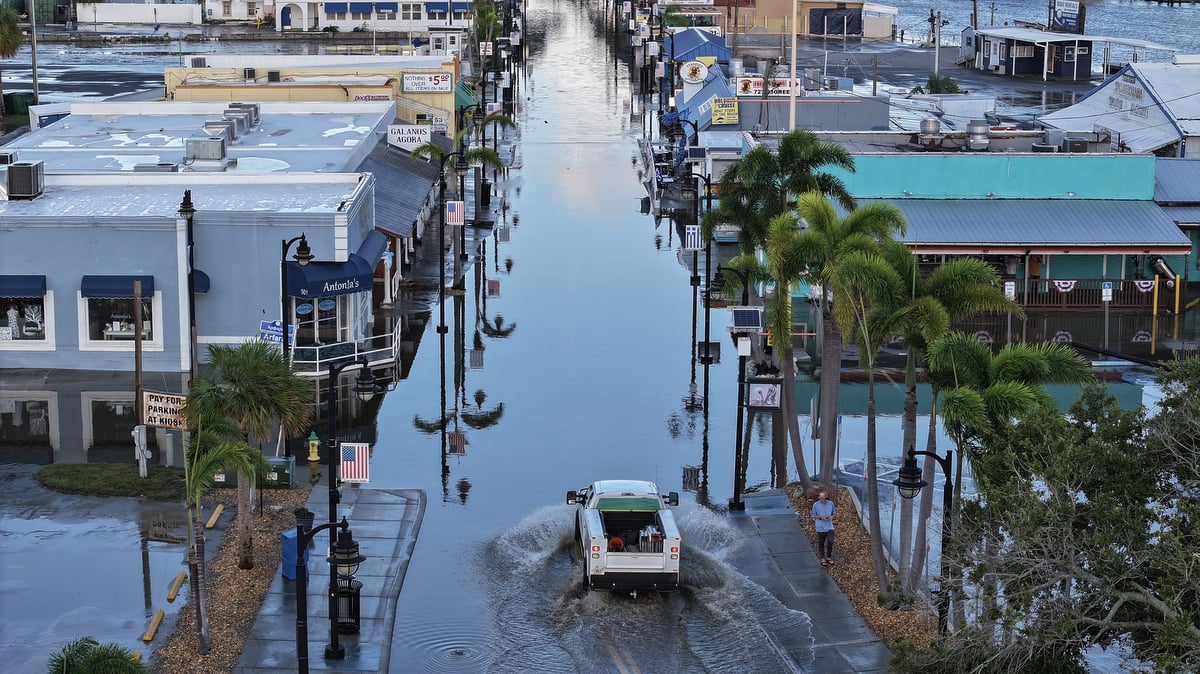
Monster hurricane supercharged by fossil fuel pollution. Big Oil must be held accountable
Greenpeace reaction to Hurricane Milton making landfall on the west coast of Florida, Picture by Getty Images Washington DC, October 9, 2024 – In reaction to Hurricane Milton making landfall…
-

Study confirms Hurricane Helene fueled by Big Oil’s emissions: Greenpeace calls for climate polluters to pay
The evidence is overwhelming: climate change is fueling the extreme weather patterns we are witnessing worldwide. Justice Treadway retrieves his friend Bonnie O’Neil’s belongings from her parent’s destroyed mobile home…
-
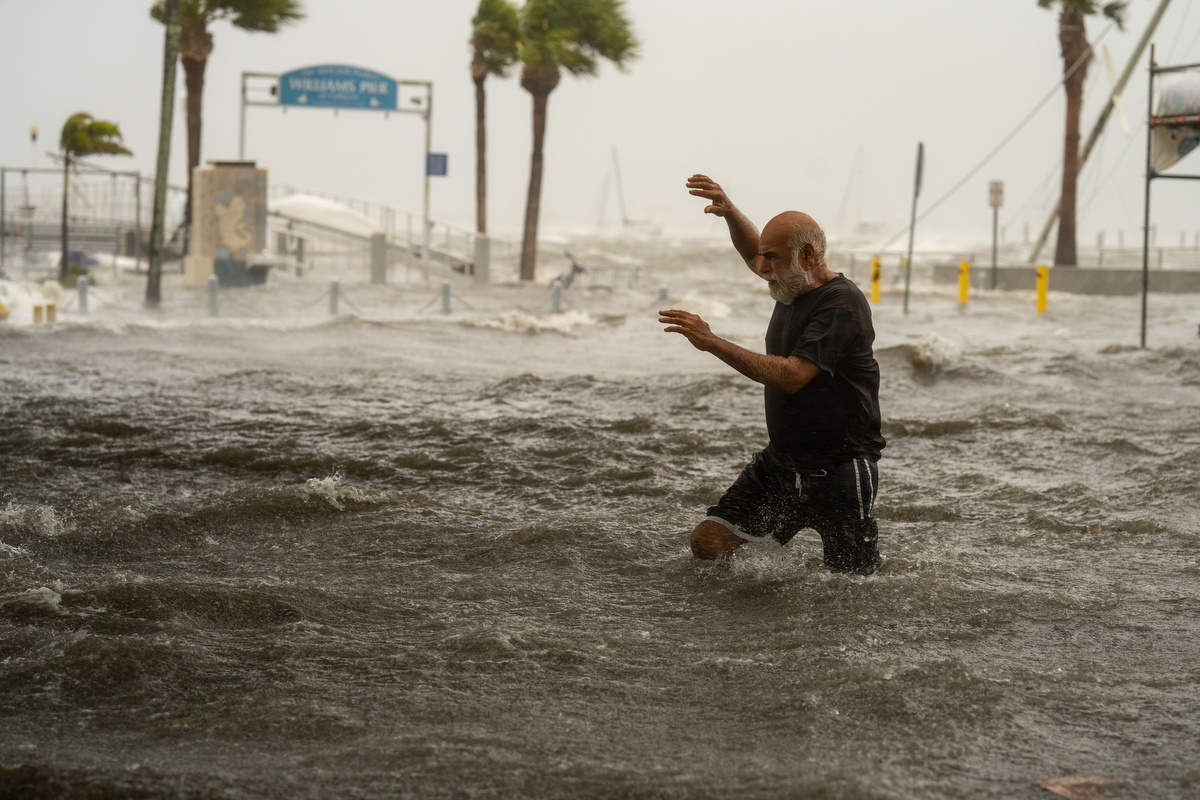
Communities bear the cost: The aftermath of hurricane helene and Big Oil’s lack of accountability
Greenpeace USA’s response to the devastating impacts of Hurricane Helene. Getty Images| WASHINGTON, DC (October 2, 2024)–In response to the devastating impacts of Hurricane Helene, Rolf Skar, National Campaigns Director,…
-
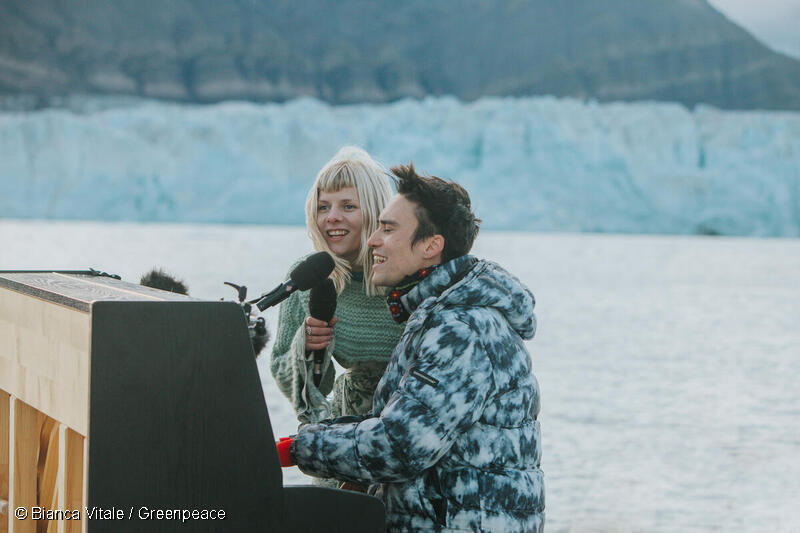
Music stars perform on Arctic ‘iceberg’ in call for ocean and climate protection
Singer songwriters Jacob Collier and AURORA join forces for the first time to perform a mash-up of their two songs, ‘A Rock Somewhere’ and ‘The Seed’ in front of Sveabreen…
-
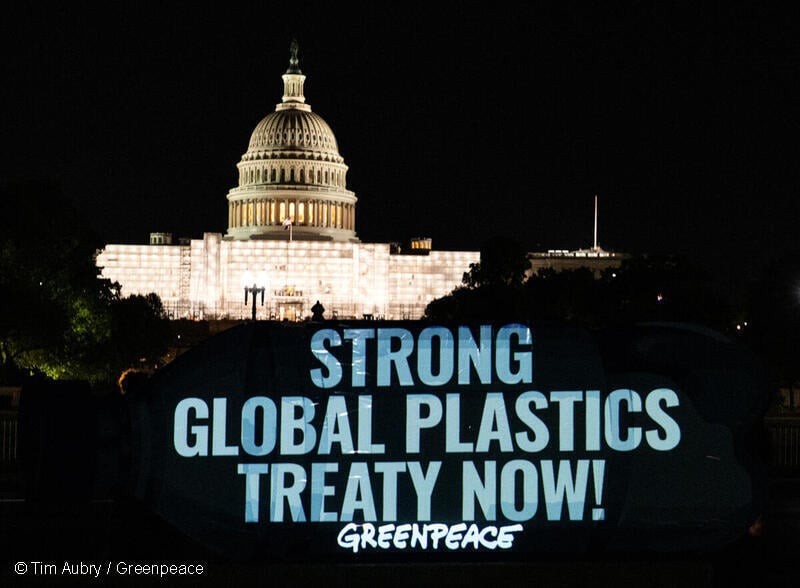
Almost ambitious: Greenpeace responds to the High Ambition Coalition Ministerial Declaration at the UNGA
Greenpeace US and Washington DC projectionist Robin Bell project messages onto a giant plastic bottle for President Biden in front of the Capitol Building. One of the projected messages read…
-
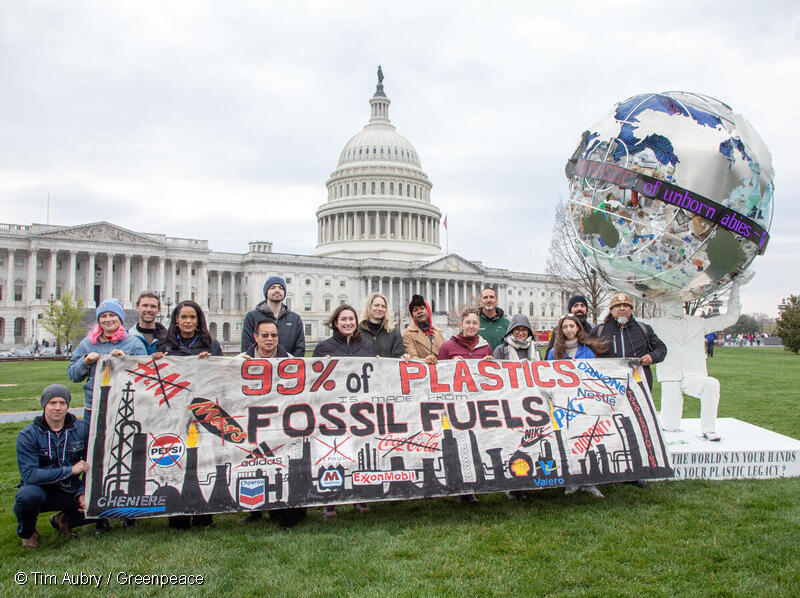
Greenpeace applauds California lawsuit to hold Exxon accountable for its role in plastic pollution crisis
Governments have stood by, letting the human, environmental, and financial costs spiral out of control. This lawsuit sends a clear message: the era of unchecked corporate destruction is ending. We…
-

In response to Energy Transfer pipeline explosion, Greenpeace USA launches advertising campaign in Dallas
In response to the explosion of an Energy Transfer pipeline, Greenpeace USA calls attention to Energy Transfer’s safety record and their attempt to intimidate and silence critics with the legal…
-

US Department of Labor: Fish from Taiwan is caught with forced labor
Greenpeace USA calls for greater protections for fishers This is the third time that Taiwan’s distant water fishing industry has been included in the list, following the first listing in…
-
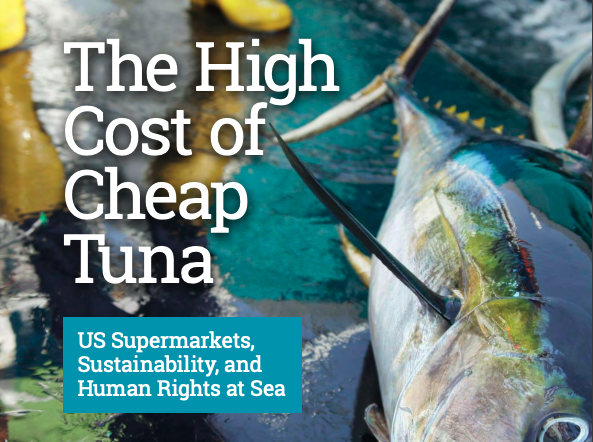
New report: Human rights abuses in $40 billion tuna industry still a major problem for U.S. grocery retailers
Of the 16 retailers, only Aldi and HyVee passed the scorecard. US retailers, given their economic power, play a key role in determining the human rights outcomes of tens of…
-
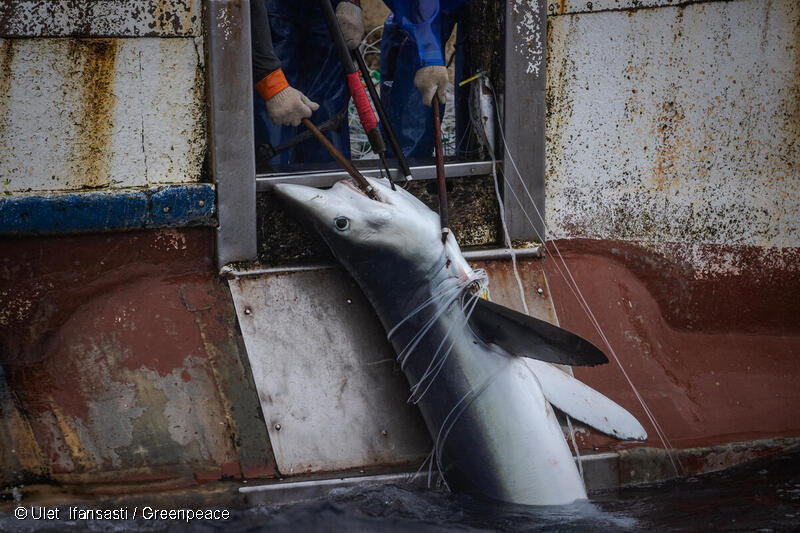
Greenpeace investigation reveals alarmingly high levels of shark fishing across the North Pacific
Calls on Governments to Urgently Ratify the Global Ocean Treaty Greenpeace investigators’ first-ever full-haul documentation has exposed widespread destructive fishing practices plaguing the North Pacific’s Emperor Seamounts, a unique underwater…
-
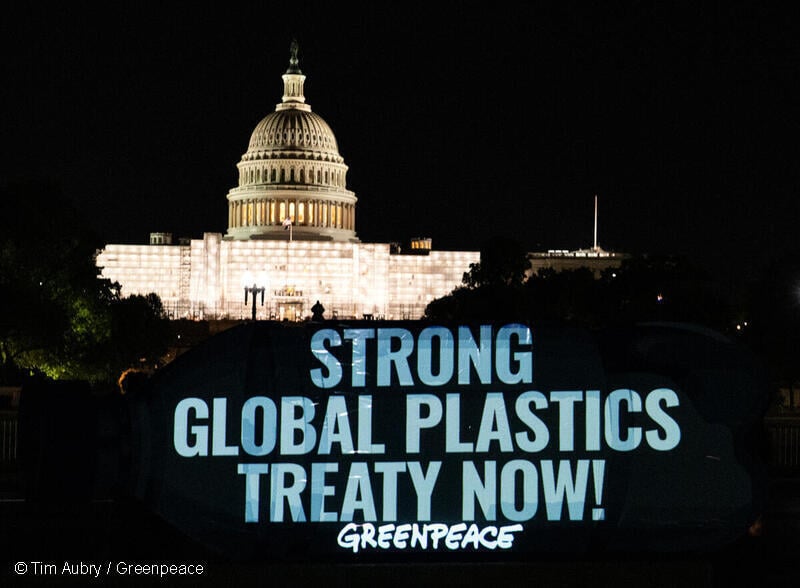
Greenpeace USA applauds US support for reducing plastic production
This move puts the US on the right side of history, standing with countries that recognize that we cannot recycle our way out of this crisis. Greenpeace US and Washington…
-
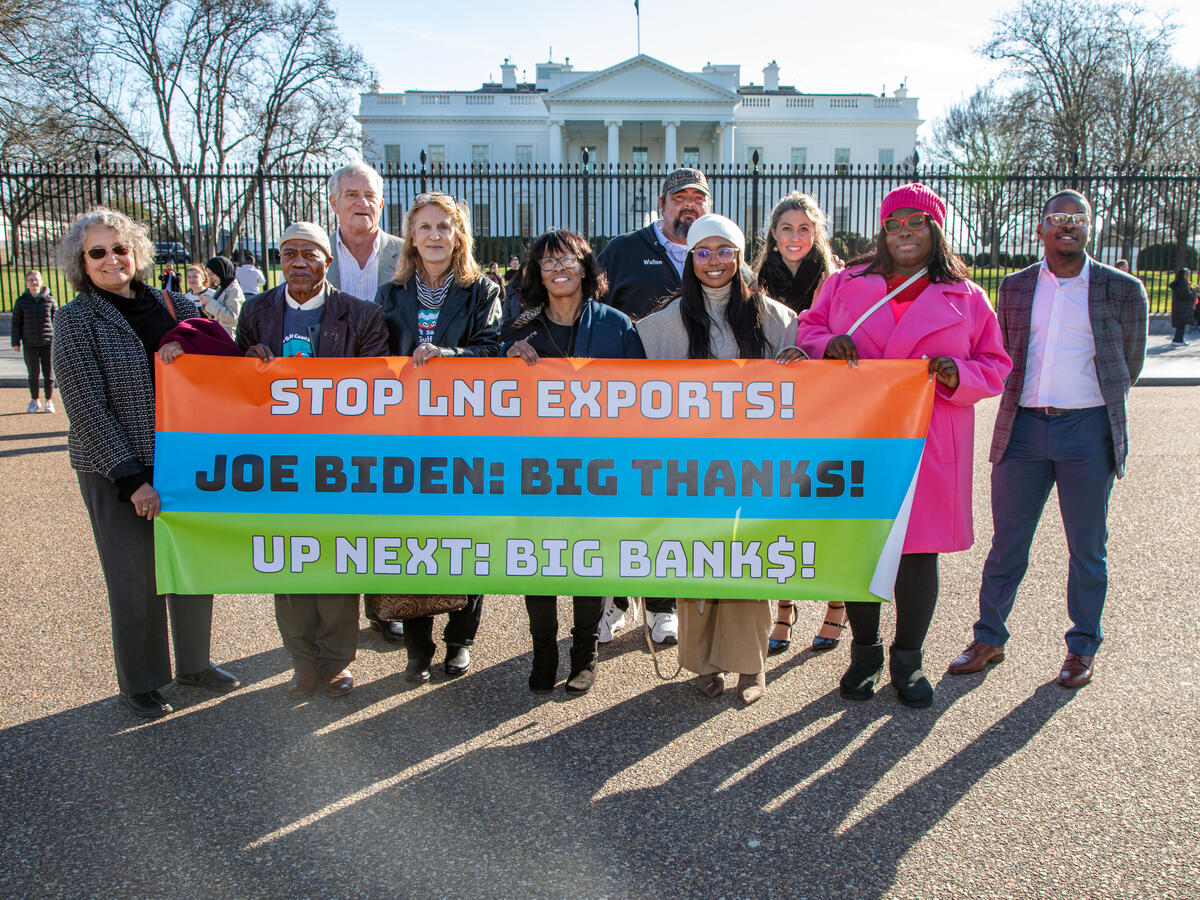
New research from Greenpeace USA and Sierra Club links air pollution from LNG terminals to major public health costs
The briefing adds to the mounting body of evidence showing that LNG exports are not in the public interest WASHINGTON, D.C. (August 14, 2024)–A new analysis, Permit to Kill, released…
-
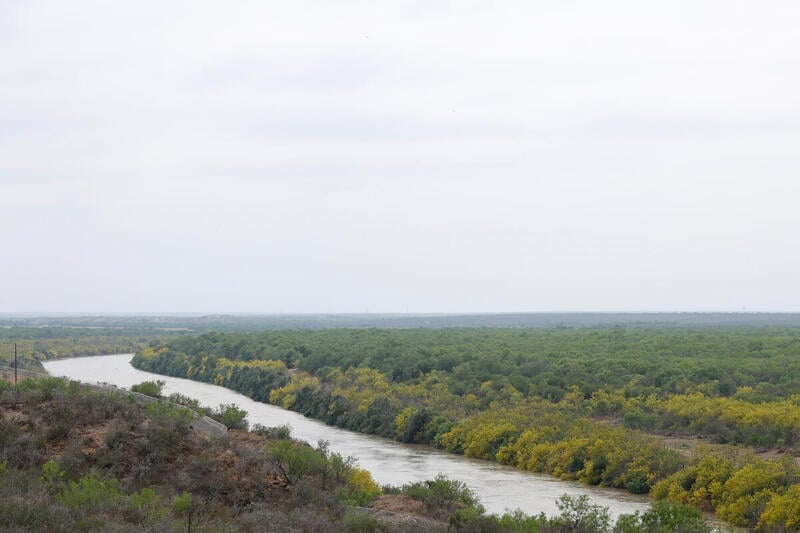
Insurance giant Chubb drops toxic Rio Grande LNG project following community pressure
The move is a massive win for frontline communities and the planet WASHINGTON, D.C. (August 7, 2024)–In a significant victory for environmental justice communities, insurance giant Chubb has dropped its…
-
Chevron announces billions in profit on the same day California’s Park Fire becomes fourth largest in state history
Chevron’s Q2 earnings underscored the need for swift climate action SAN RAMON, CALIFORNIA (August 2, 2024)–Today, Chevron announced it made over $4 billion in profit in the second quarter of…
-
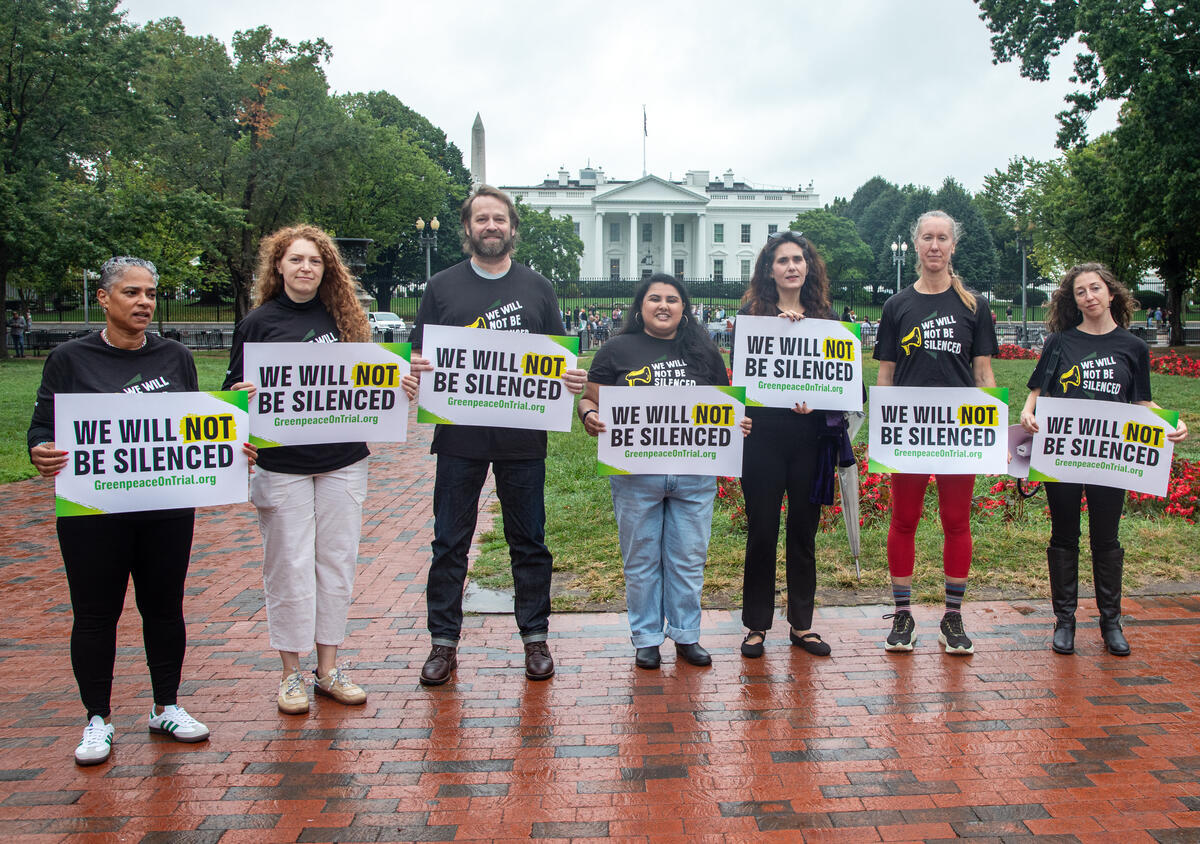
290+ organizations and public figures join Greenpeace in new campaign to defend free speech and right corporate intimidation
Campaign to #DefendFreeSpeech and #SaveGreenpeace aims to raise public awareness of $300 million SLAPP lawsuit that threatens to shut down Greenpeace USA Washington, DC (August 1, 2024) – Greenpeace USA…
-

Manchin’s newest ‘Dirty Deal’ passes out of the Senate Energy and Natural Resources Committee
Manchin and Barrasso’s new legislation shouldn’t go any further WASHINGTON, D.C. (July 31, 2024)–In response to Senator Manchin’s (D-WV) and Senator Barrasso’s (R-WY) Energy Permitting Reform Act of 2024 moving…
-

California’s Park Fire explodes to fifth largest fire in state history
The Park Fire is leaving a lasting mark on California Chico, CA (July 30, 2024)–On Wednesday, the Park Fire started in Northern California, erupting to more than 383,000 acres in…
-
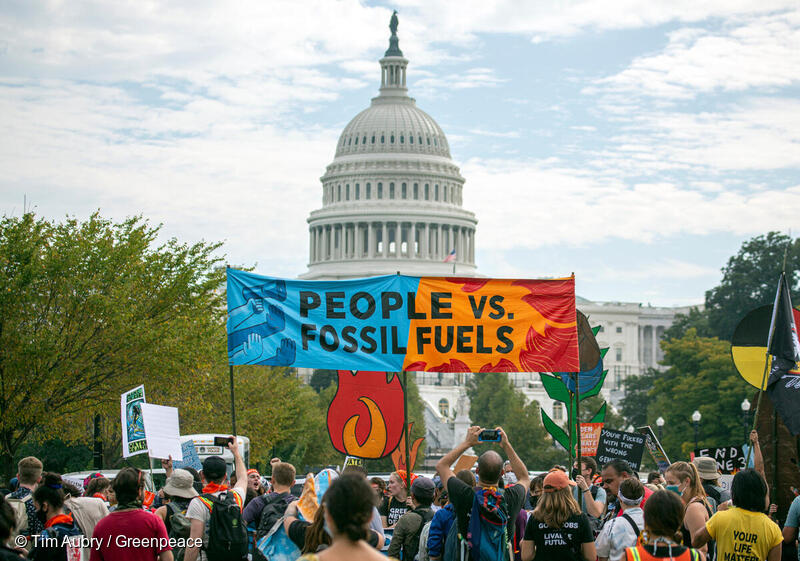
Greenpeace USA responds to new energy permitting legislation in Congress
Manchin’s new legislation in Congress is a fossil-fueled nightmare WASHINGTON, D.C. (July 29, 2024)–In response to United States Senators Joe Manchin (D-WV) and John Barrasso (R-WY) bringing forth the Energy…
-
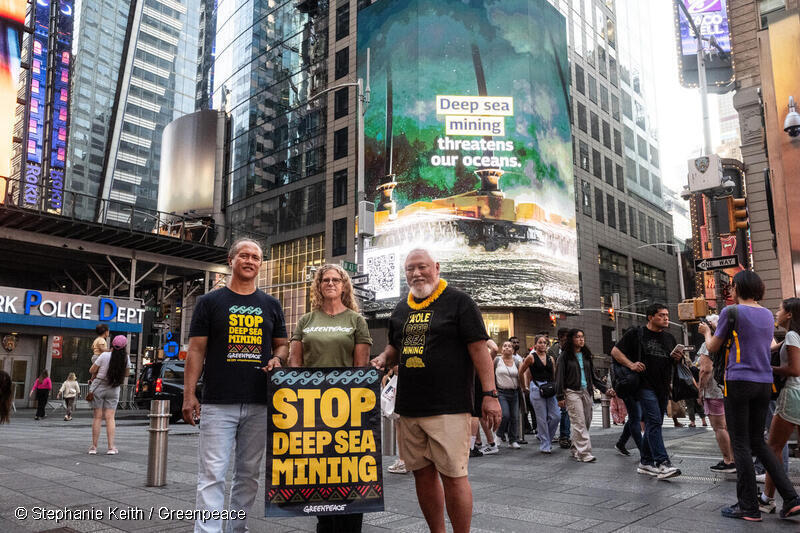
Greenpeace USA Applauds American Samoa’s Seabed Mining Moratorium
Urges Biden-Harris Action Amid “Dark Oxygen” Discovery Hawaiian elder, cultural advocate and former statesman, Solomon Pili Kahoʻohalahala (right) and Hawaian cultural advocate Ekolu Lindsey (left) with Greenpeace USA Ocean Campaigner…
-

Briefing: Department of Energy must take steps to prevent industry bias in updated LNG analyses
The DOE Office of Fossil Energy & Carbon Management (FECM) has repeatedly commissioned studies on LNG exports from consultants with clear oil and gas industry bias. These studies have failed…
-

Greenpeace USA Supports GAO’s Recommendations to NOAA Fisheries After Failure To Meet Bycatch Monitoring Standards
Washington, D.C. (July 26, 2024)—Last month, the U.S. Government Accountability Office (GAO) released a comprehensive report revealing that NOAA Fisheries has failed to implement its bycatch reduction implementation plan effectively. The…
-
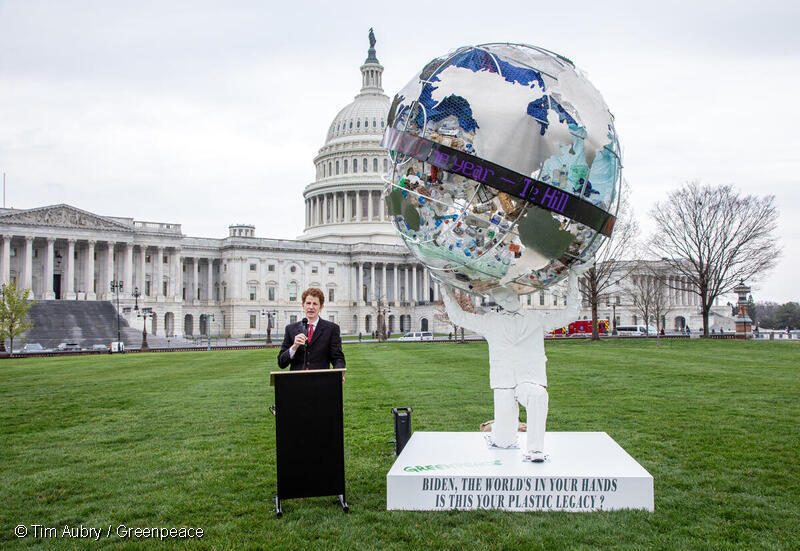
Greenpeace USA Welcomes White House Plan to Phase out Single-Use Plastics from Federal Operations
Calls for Stronger Global Leadership Ahead of the fourth round of negotiations on a Global Plastics Treaty, Greenpeace unveiled a new monument dedicated to the Biden administration and its potential…
-
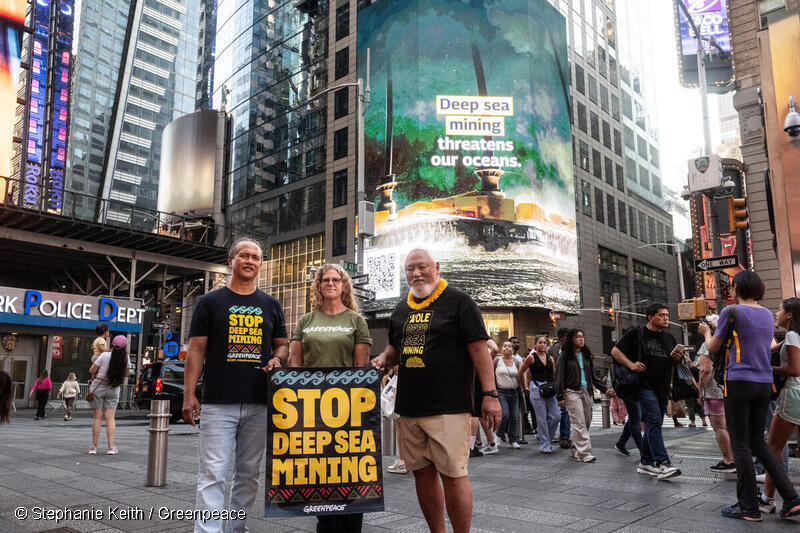
“Stop Deep Sea Mining” screened on Times Square billboard in New York
Hawai`i joins California, Oregon, and Washington in banning deep sea mining Hawaiian elder, cultural advocate and former statesman, Solomon Pili Kahoʻohalahala (right) and Hawaian cultural advocate Ekolu Lindsey (left) with…
-
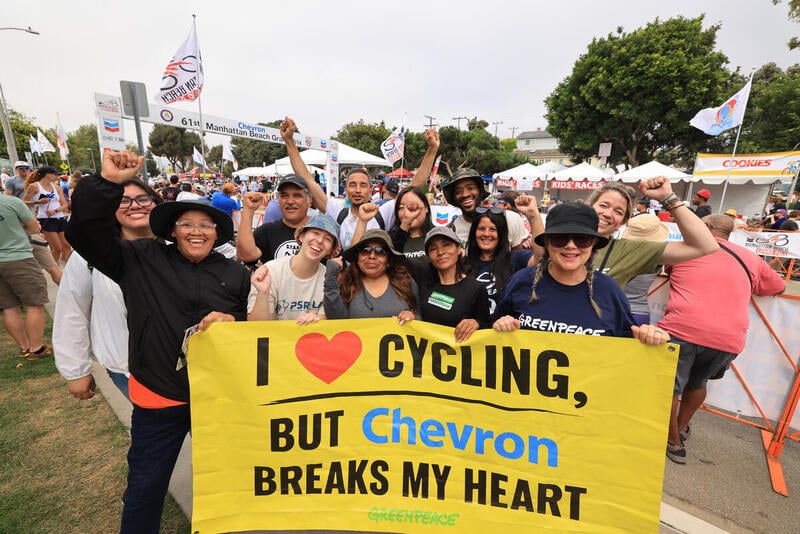
Greenpeace activists say ‘I love cycling, but Chevron breaks my heart!’ at the Manhattan Beach Grand Prix
Chevron’s profits are our loss! MANHATTAN BEACH, CALIFORNIA (July 14, 2024)–This morning, Greenpeace USA activists deployed a banner at the finish line of the Manhattan Beach Grand Prix, an annual…
-
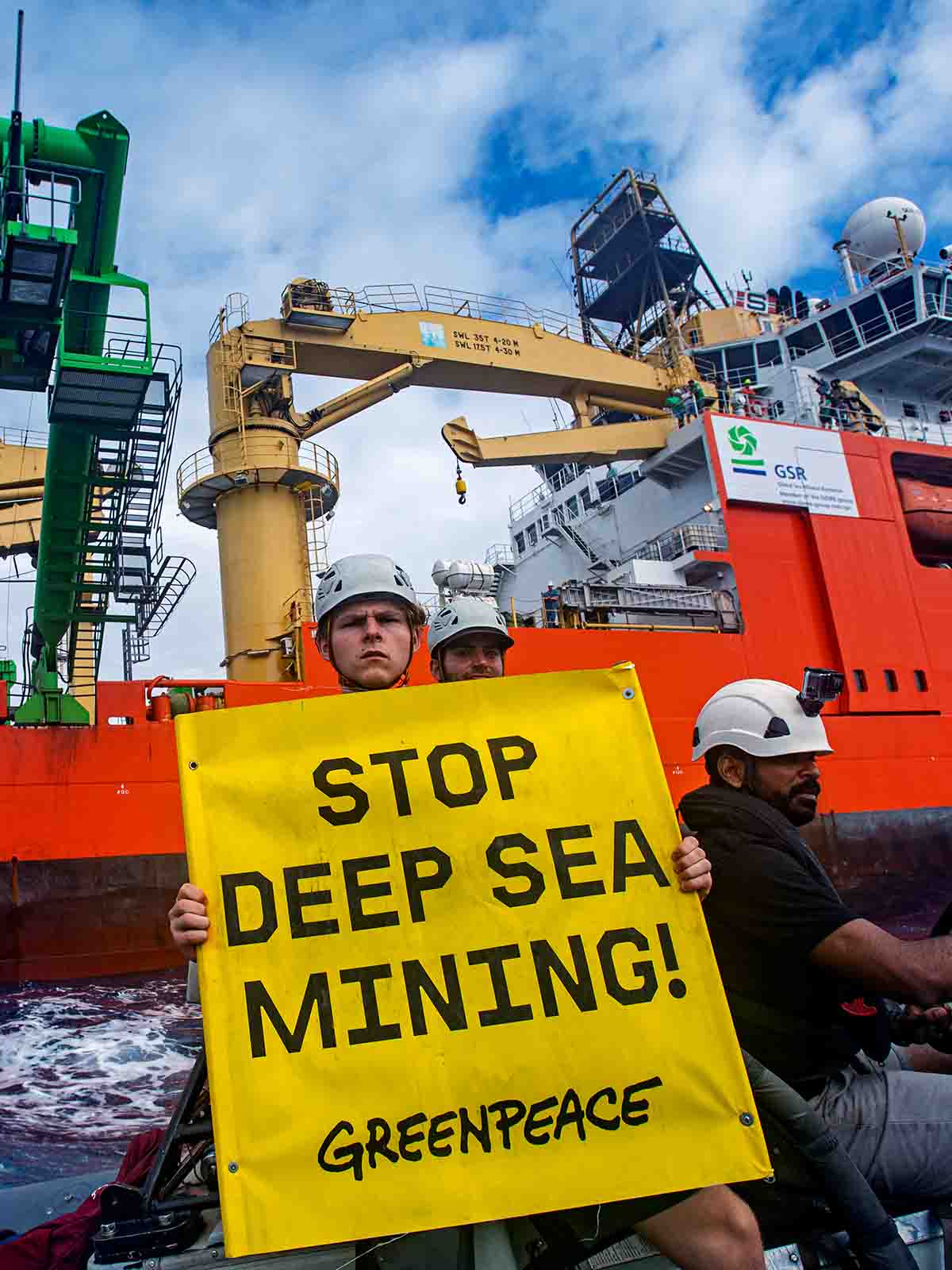
Greenpeace USA Welcomes Congressional Call for a Moratorium on Deep Sea Mining
Washington, DC (July 2, 2024)—In response to the recent letter led by U.S. House Natural Resources Committee Ranking Member Raúl M. Grijalva (D-Ariz.) and Rep. Ed Case (D-Hawaii), signed by…
-

CalGEM must enforce AB1167 if they are to protect Californians from paying Big Oil’s bills
Californians shouldn’t foot the bill for Big Oil SACRAMENTO, CALIFORNIA (July 1, 2024)–In response to the news that CalGEM will chose not to enforce Assembly Bill 1167, Greenpeace USA Senior…
-
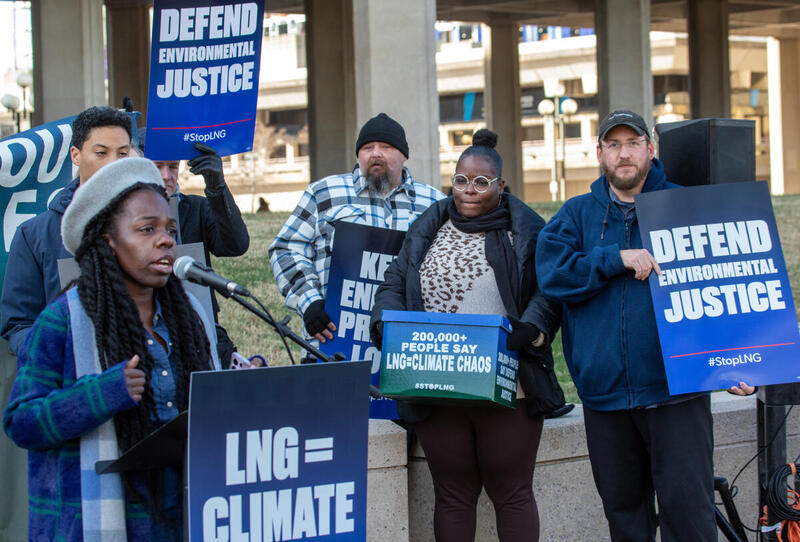
FERC makes disastrous choice to approve Calcasieu Pass 2
If constructed, Calcasieu Pass 2 would generate nearly 20 times the annual emissions produced by the Willow Project in Alaska. WASHINGTON, DISTRICT OF COLUMBIA (June 27, 2024)–In response to the…
-
Greenpeace USA Condemns Biden Administration’s Top Tier Ranking of Taiwan in latest Trafficking in Persons Report
Greenpeace USA, Southeast Asia, East Asia organizations, and several human rights and worker groups have repeatedly called for the U.S. to downgrade Taiwan to Tier 2 due to the prevalence…
-
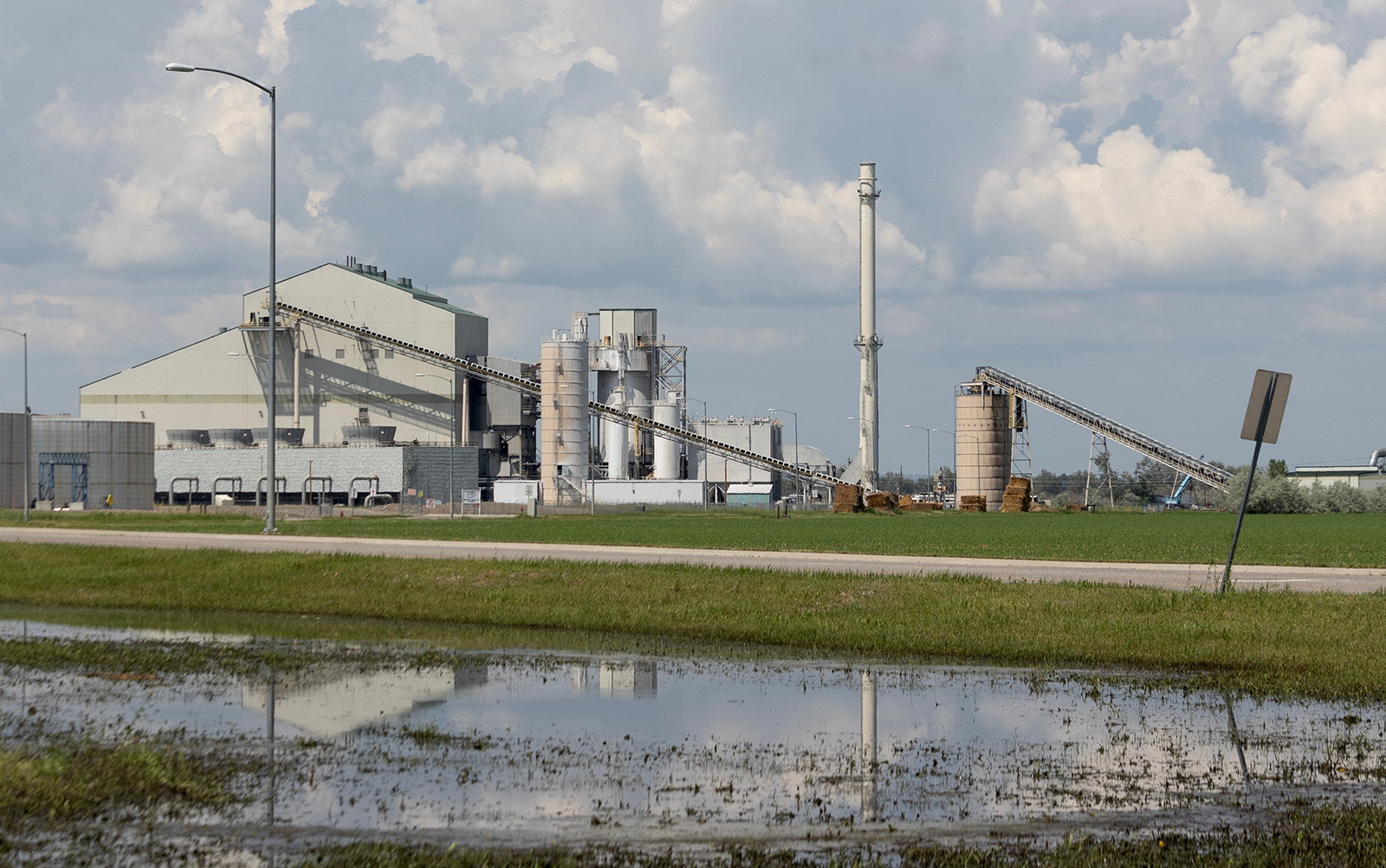
New Report Finds Large, Mainstream Financial Firms are Financing Bitcoin’s Carbon Emissions
Top 5 firms are responsible for the equivalent annual emissions of 400,000 cars on U.S. roadways Greenpeace USA releases an innovative report, Bankrolling Bitcoin Pollution: How Big Finance Supports a…
-
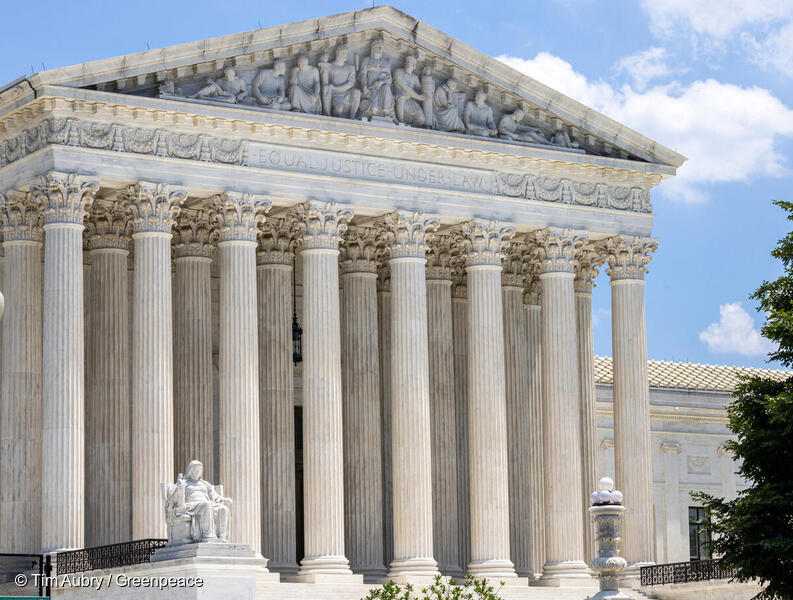
The fossil fuel industry ramps up efforts to avoid accountability for climate impacts in court, while simultaneously suing environmental organizations and activists
The Supreme Court as Ketanji Brown Jackson was sworn as the 116th Supreme Court justice and the first Black woman to serve on the high court. Jackson, a former public…
-
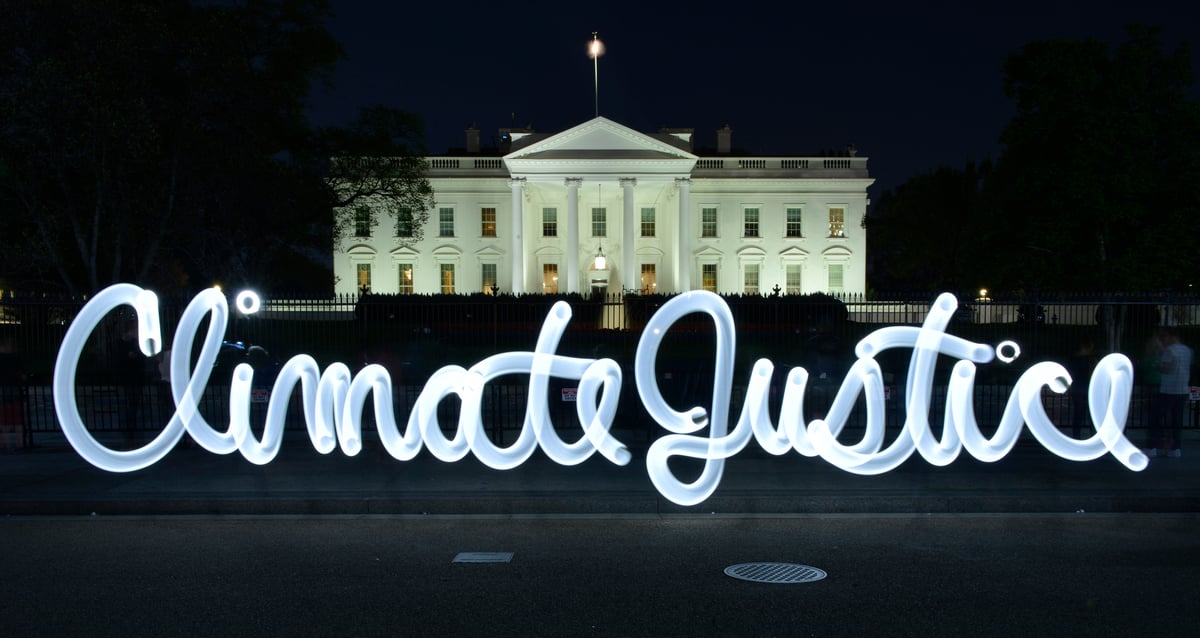
President Biden: restricting asylum at the border is a step backwards for climate justice
Justice for migrants is climate justice WASHINGTON, DISTRICT OF COLUMBIA (June 5, 2024)–Yesterday, President Biden issued an executive action restricting the number of asylum seekers at the United States-Mexico border.…
-
CalGEM issues new oil permits in Kern County, the first since August 2023
New oil permits in Kern County break nine-month, permit-free streak KERN COUNTY, CALIFORNIA (June 5, 2024)–In response to the news that California Geologic Energy Management Division (CalGEM) issued at least…
-
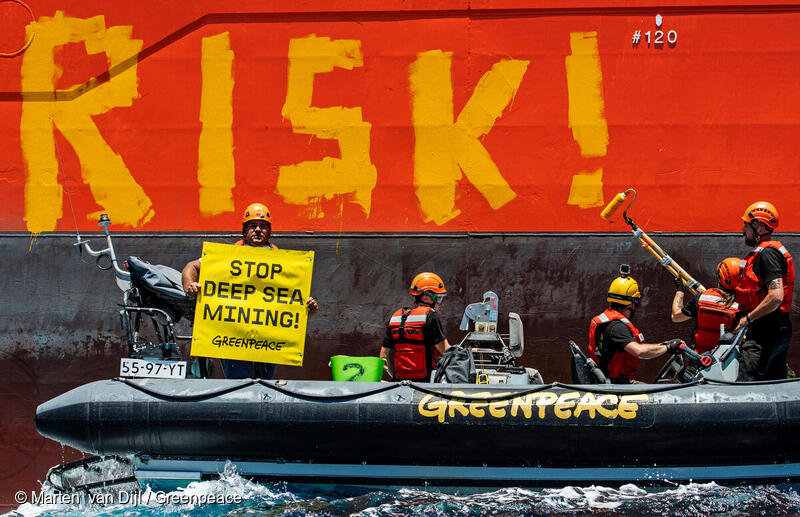
Greenpeace USA Condemns Congressional Approval of Tax-Payer-Funded Ocean Destruction
Greenpeace International activists paint the word ‘RISK!’ on the starboard side of Normand Energy, a vessel chartered by the Belgian company Global Sea Mineral Resources (GSR). The Rainbow Warrior is…
-
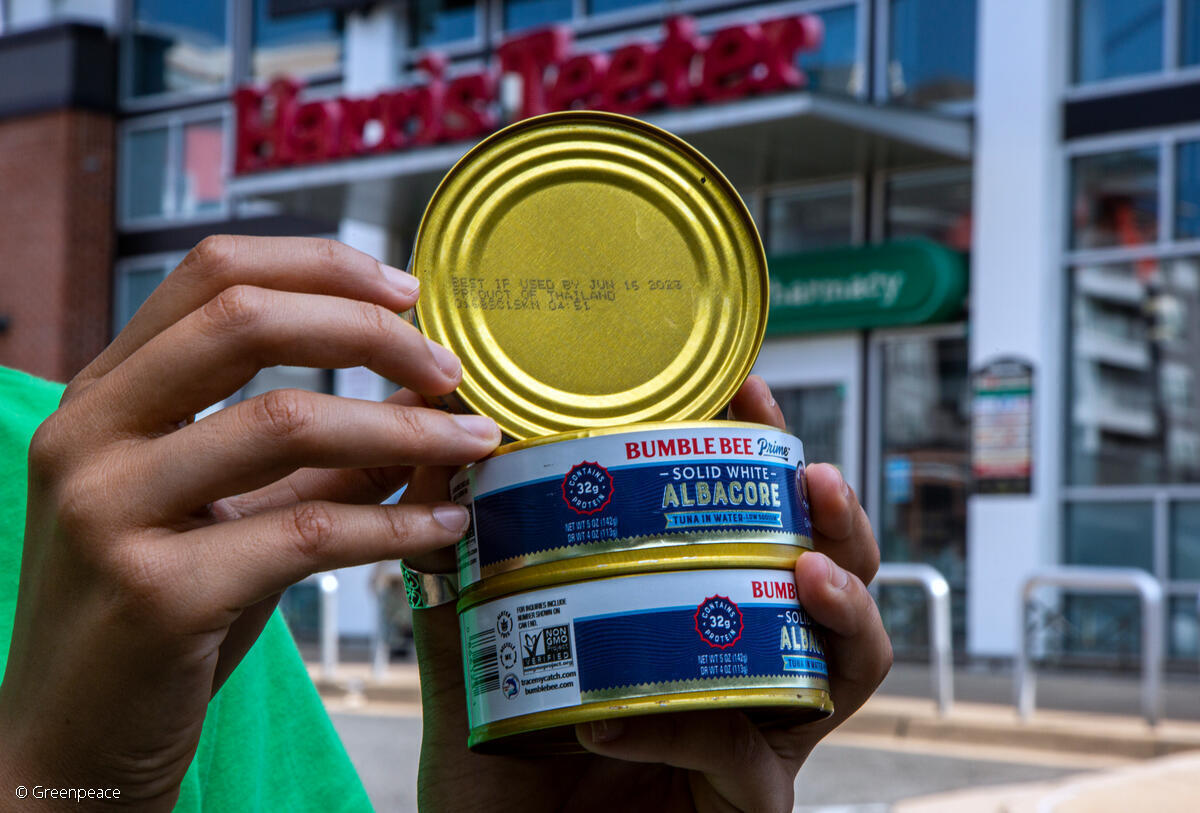
Greenpeace USA Urges Unprecedented CBP Action Against Bumble Bee Tuna, Other Entities Over Forced Labor Allegations in Seafood Supply Chain
Greenpeace research found that a Bumble Bee tuna can purchased from Harris Teeter (a wholly owned subsidiary of Kroger Co.) in Arlington, Virginia on April 12, 2022 was sourced from…
-
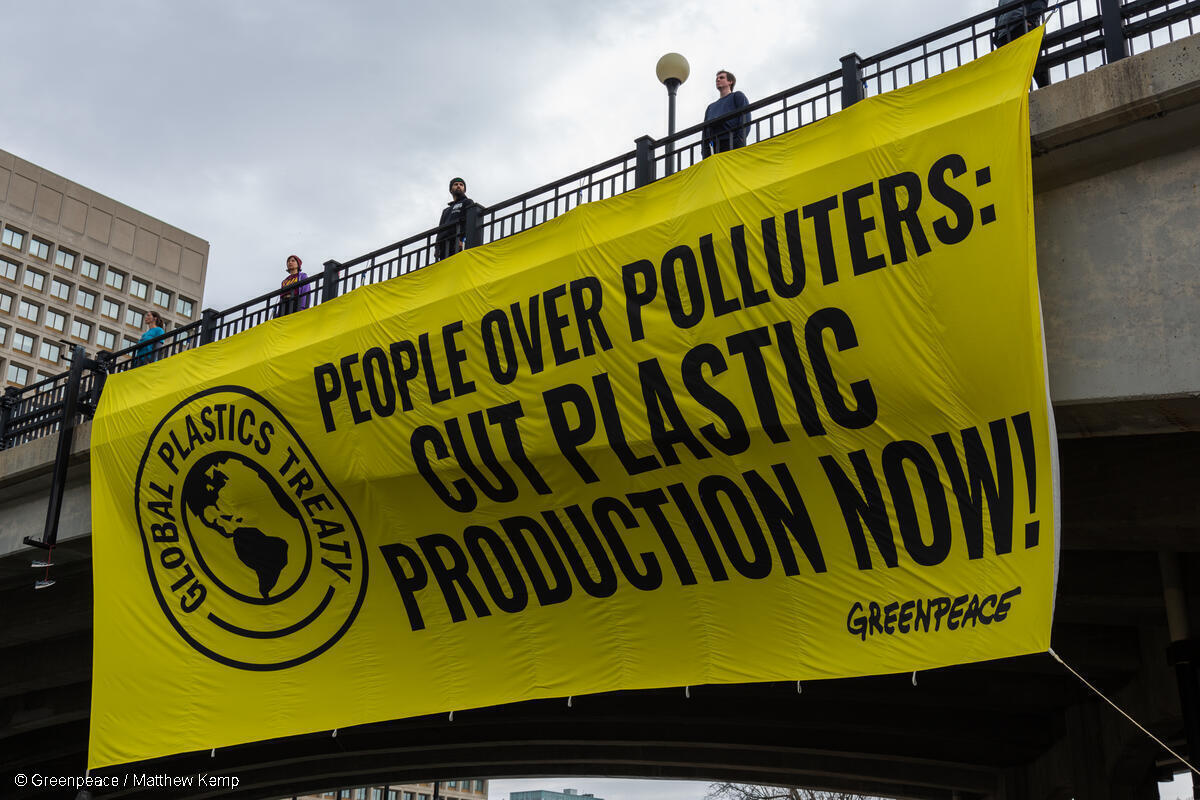
Ottawa plastic talks end in weak compromise
Twenty-four hours before the end of the negotiations for a Plastics Treaty at the fourth Intergovernmental Negotiating Committee (INC-4), Greenpeace Canada activists hung a banner on the Mackenzie King Bridge,…
-

Resolute and Greenpeace Parties Announce the Conclusion of Long-Running Litigations
Today, April 26, Resolute Forest Products, Greenpeace, Inc., Greenpeace Fund, Inc., and Greenpeace International announced that they have resolved Resolute Forest Products, Inc. et al. v. Greenpeace International et al.,…
-
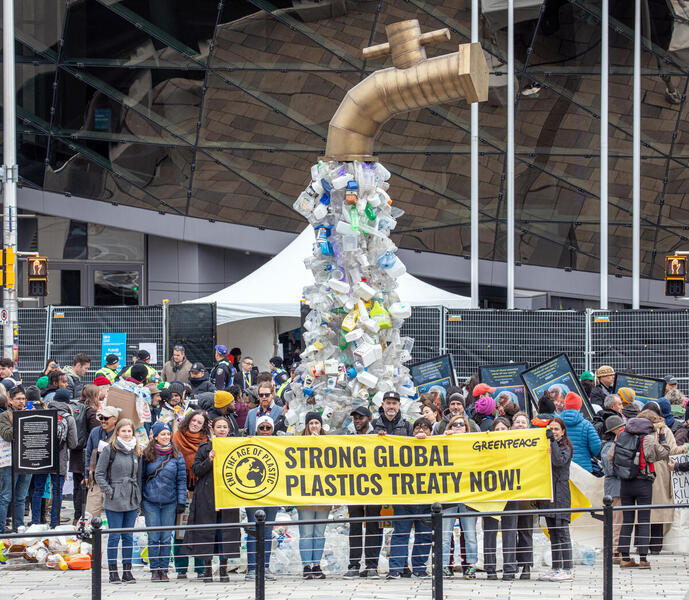
Ottawa Plastic Talks: strong Global Plastics Treaty still within reach
Millions of people worldwide are demanding solutions to the plastic pollution crisis. President Biden faces a crucial decision: prioritize people or perpetuate plastic pollution Members of the Greenpeace delegation display…
-
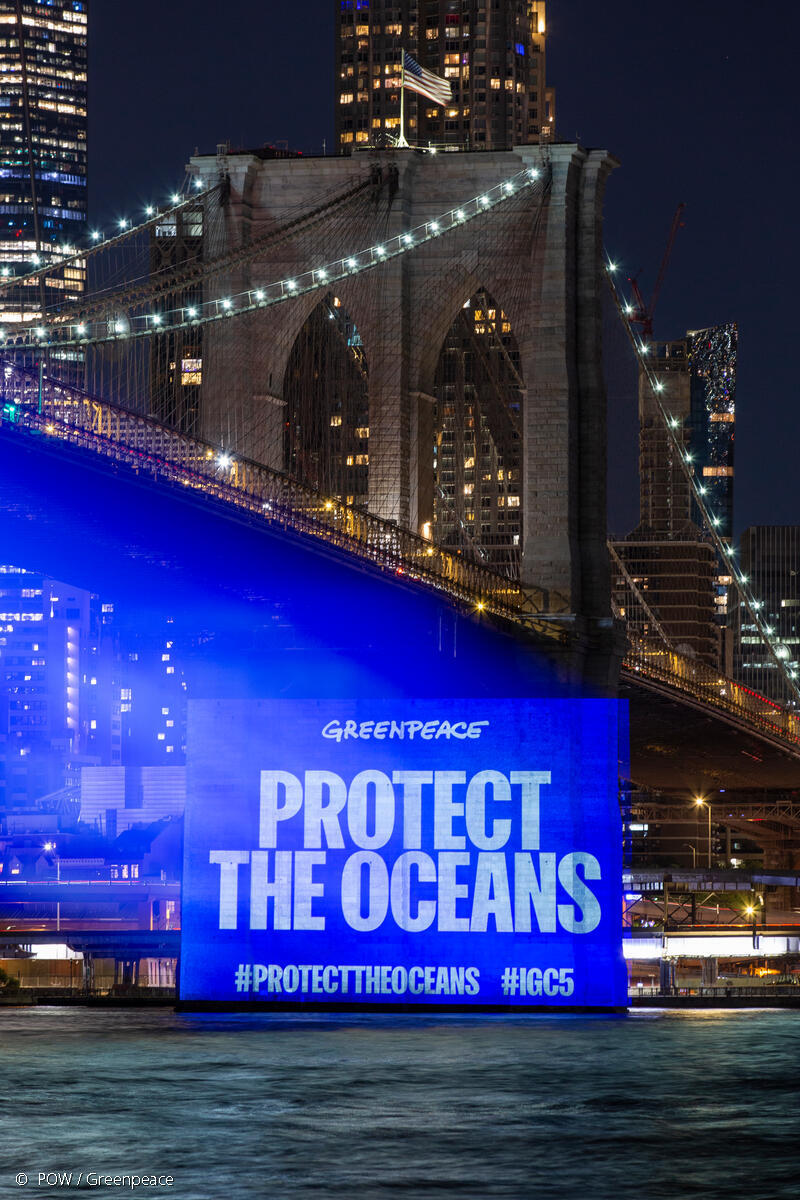
Greenpeace USA Slams NOAA’s Misleading Claims of Almost Protecting One-Third of U.S. Marine Areas
This is a disappointing display of creative accounting, one that not only misleads the public but also perpetuates a failed status quo that falls short of the scientific imperative to…
-
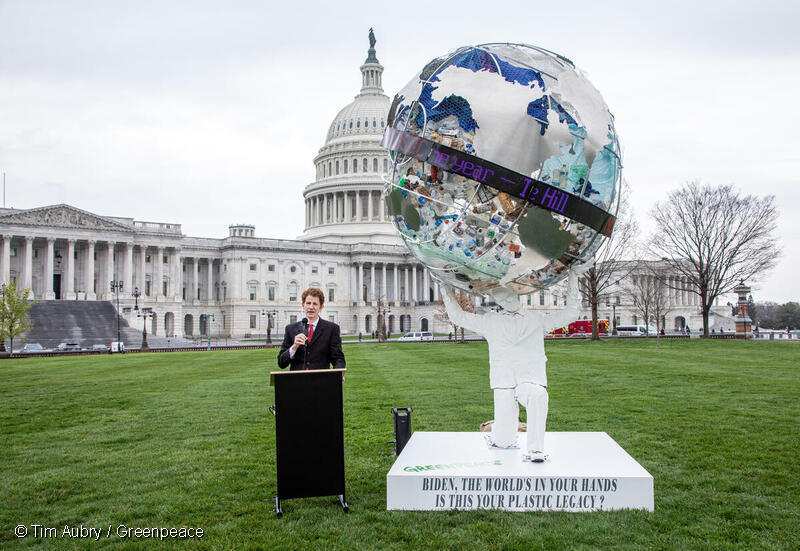
Ahead of Global Plastics Treaty negotiations: Most Americans support cutting plastic production, banning single-use plastic packaging
Greenpeace USA calls on Biden Administration to support strong and binding treaty to protect human health, biodiversity, and ensure global temperatures stay below 1.5° C Ahead of the fourth round…
-
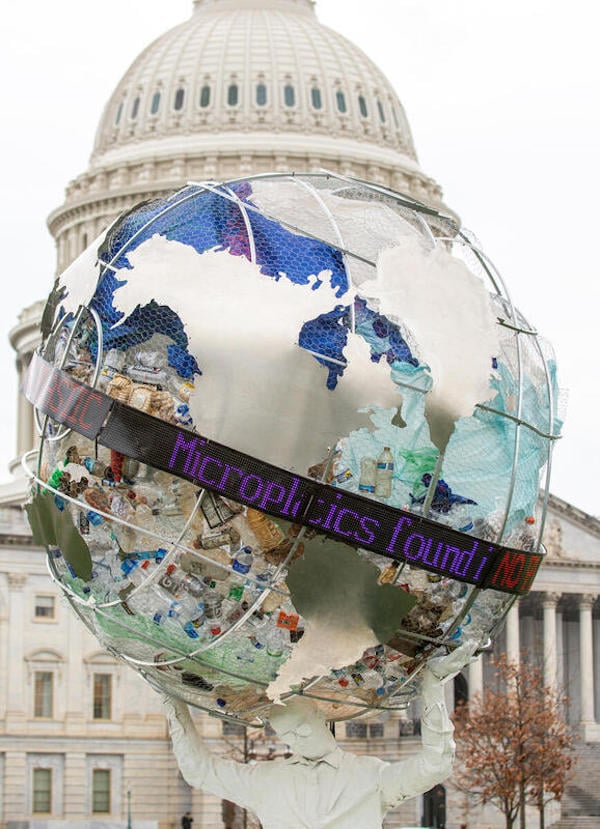
Greenpeace Unveils Monument Highlighting Biden Administration’s “Plastics Legacy”
Advocates, experts urge support of Global Plastics Treaty amid growing health and pollution concerns. Ahead of the fourth round of negotiations on a Global Plastics Treaty, Greenpeace unveiled a new…
-

Greenpeace USA Demands Government and Corporate Action in Wake of Disturbing Findings in Indian Shrimp Industry Report
Greenpeace USA responds to the Hidden Harvest Report published by Corporate Accountability Lab, which uncovers appalling conditions within the Indian shrimp sector, including discrimination, hazardous labor practices, and environmental degradation.…
-
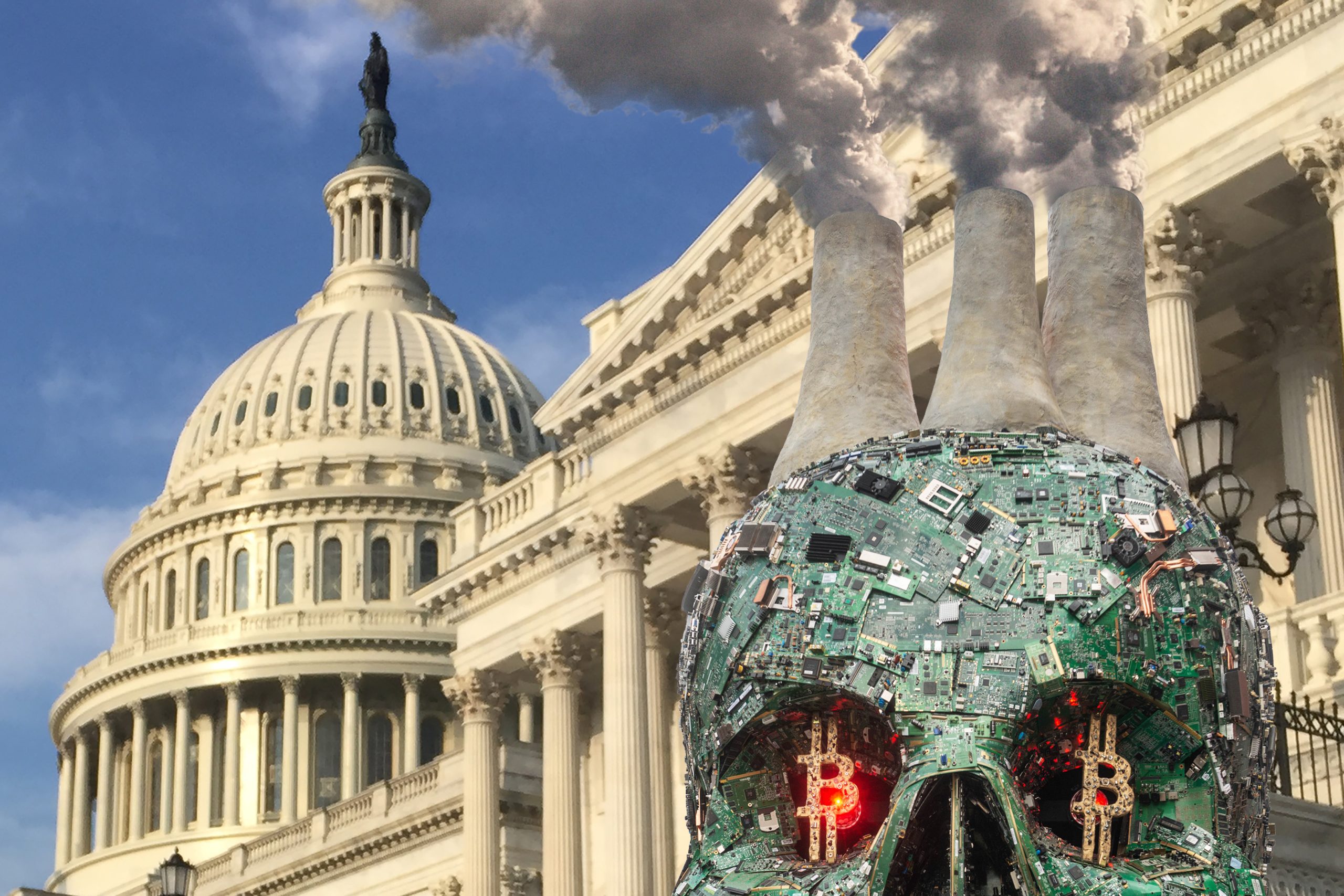
Greenpeace USA Report Reveals the Puppet Masters Behind Bitcoin’s Expansion
Greenpeace USA research reveals the intricate web linking the Bitcoin mining industry with the fossil fuel and other polluting industry groups and climate denialists that oppose needed action to address…
-
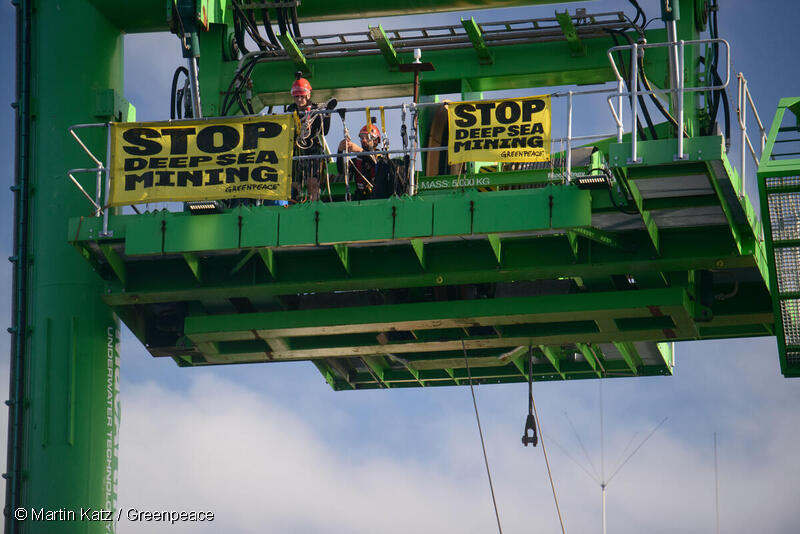
Greenpeace to Pentagon: Let’s not mine the deep sea to build more bombs
These former military and government officials who should know better have lent their names to a letter that supports the right thing for the wrong reasons. We don’t need to…
-
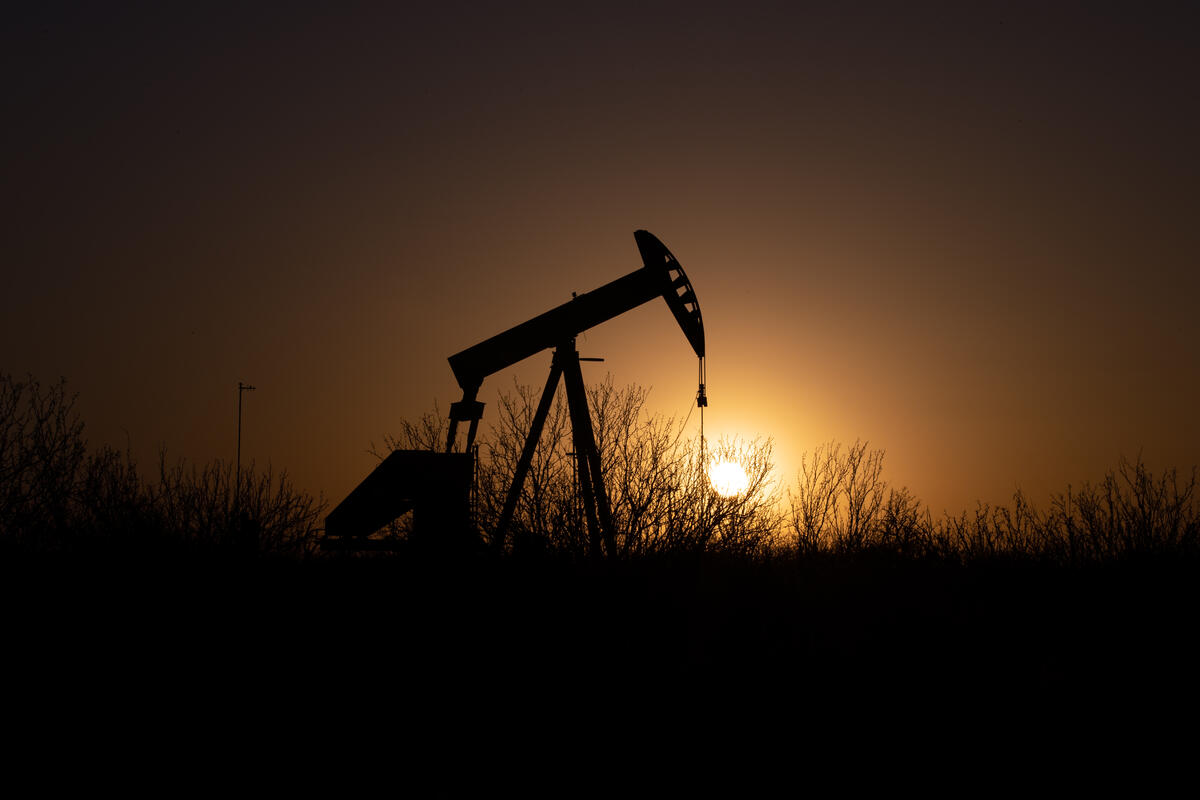
Texas is on fire while oil companies are fueling the flames of climate chaos
WASHINGTON, DC (February 29, 2024)- Reacting to the massive fires in the Texas Panhandle, the largest in Texas’ history and burning through 1.1 million hectares: Ian Duff, Head of Greenpeace’s…
-

Bitcoin Miners Oppose Energy Data Collection To Conceal Impacts
Bitcoin miners and industry groups oppose data collection to conceal energy usage and its impact on communities and the climate. Washington, DC (February 29, 2024) – Last month, the Energy…
-
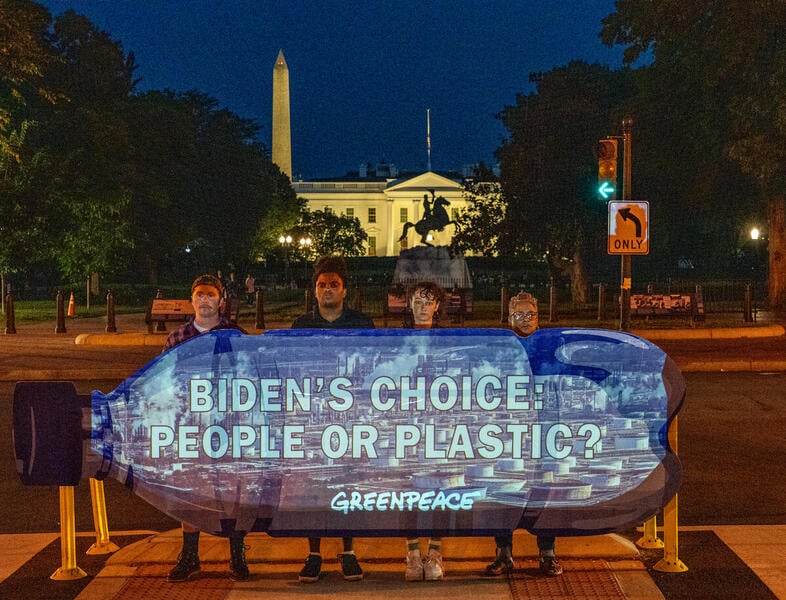
One Year After Ohio Disaster, Greenpeace USA is still calling on Biden Administration to Protect Communities from Hazardous Plastics
President Biden will visit East Palestine, Ohio, today to mark the one-year anniversary of a hazardous train derailment incident. Greenpeace USA is calling for immediate action to protect human health…
-
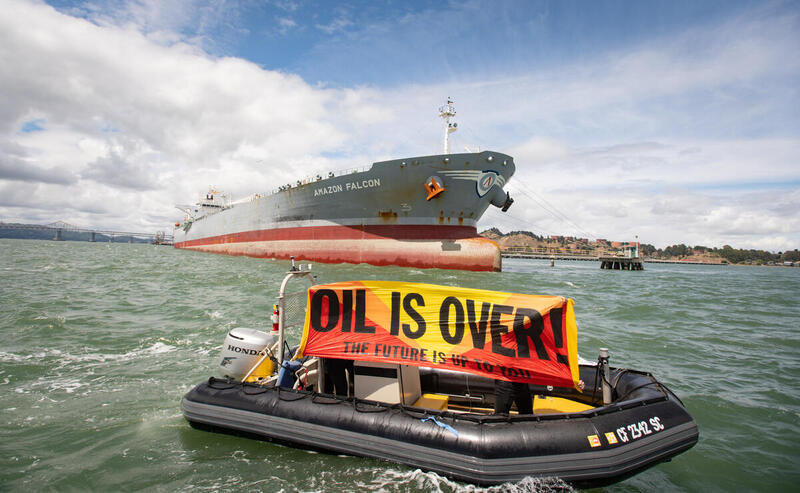
Chevron’s billions in 2023 profits come at the expense of people and planet
Chevron closes out the 2023 fiscal year lining its own pockets at consumers’ expense. SAN RAMON, CALIFORNIA (February 2, 2024)–This morning, Chevron announced its Q4 2023 profits – bringing its…
-
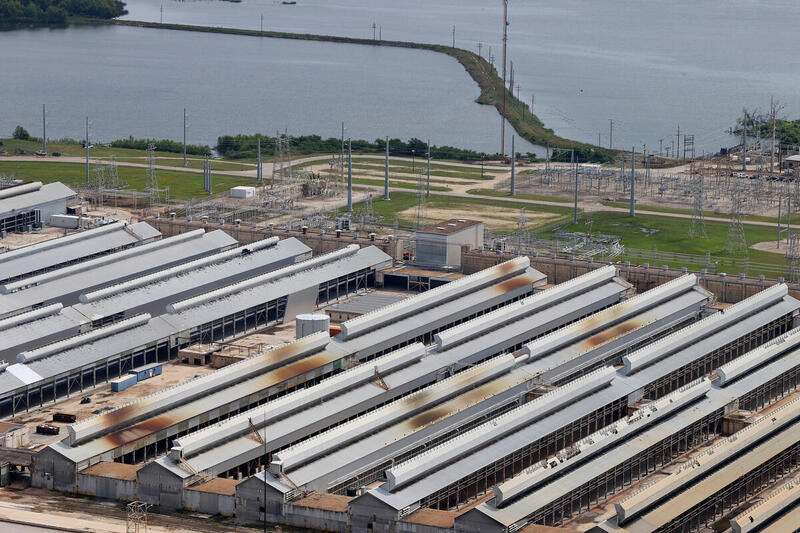
Greenpeace USA Endorses Bill to Assess AI Environmental Impact
Greenpeace USA endorses the Artificial Intelligence Environmental Impacts Act of 2024 introduced by Senator Ed Markey that would assess AI’s environmental footprint, and create a standardized system for tracking energy…
-
Greenpeace USA Commends the EIA’s Move to Collect Crypto Mining Energy Data
Greenpeace USA commends the EIA’s announcement on collecting data on energy use by Bitcoin mines in the U.S. Washington DC (February 1, 2024) – Yesterday, the U.S. Energy Information Administration…
-
In a huge win for Gulf Coast communities, Biden administration delays approval of “Climate Death Star” LNG Facilities
Now, let’s make the pause permanent. WASHINGTON, D.C. (January 26, 2024)–This morning, the Biden administration announced a pause on pending decisions for all new liquefied natural gas terminals, a series…
-
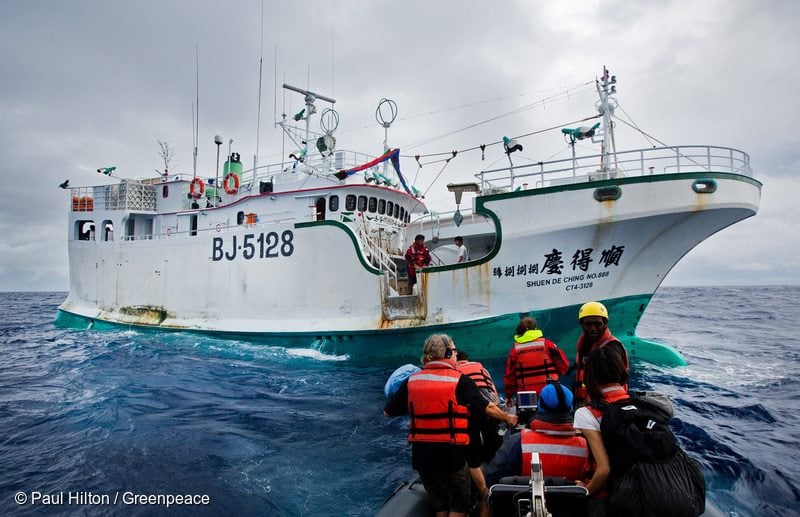
Greenpeace USA Supports Congressional Call to Action to Stop Overfishing and Protect Workers
Representative Jared Huffman, along with 21 congressional colleagues, publicly called on President Biden to take decisive action against illegal fishing and human rights abuses in the expansive seafood supply chain.…
-

New Bitcoin ETFs Will Make it Easier to Invest in Climate Destruction
The U.S. Securities and Exchange Commission’s (SEC) approves Bitcoin spot exchange-traded funds (ETF) despite widespread concerns about Bitcoins pollution. Washington, DC (January 10, 2024) – In response to the U.S.…
-
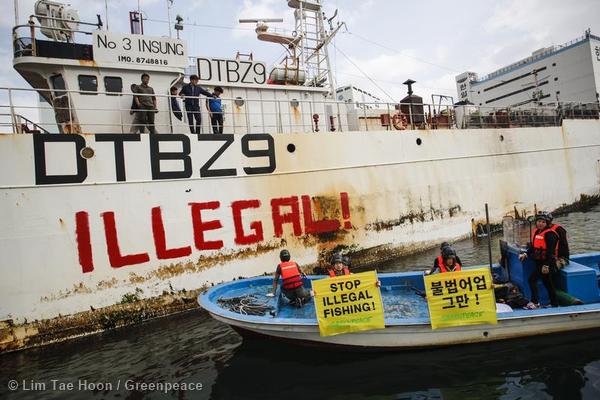
Greenpeace USA Urges Biden to Act as Study Reveals Alarming Human Impact on Oceans
This study makes it crystal clear just how extensive humans’ impact on the ocean has become. Healthy ocean ecosystems help regulate the climate, protect us from storms, and provide food…
-
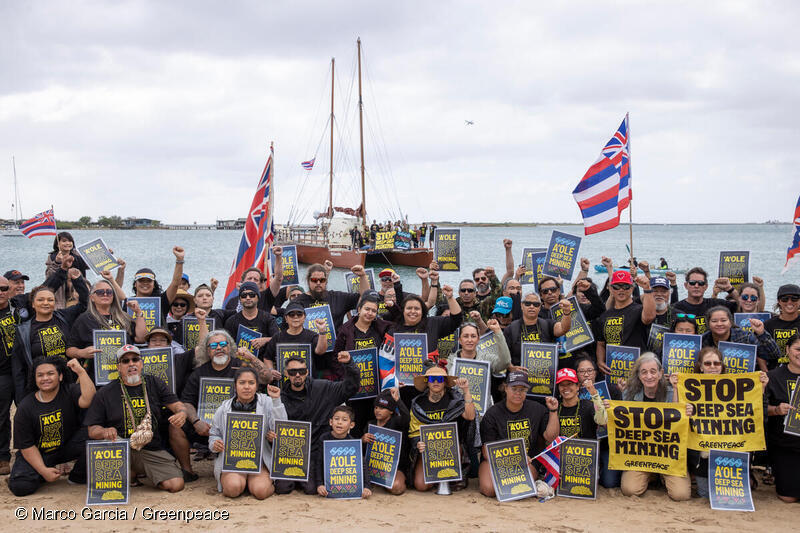
Native Hawaiian Environmental Activists and Greenpeace USA Protest for Ban on Deep Sea Mining
Today, Kānaka ’Ōiwi (Native Hawaiians) and Greenpeace USA peacefully protested Hidden Gem, a massive deep-sea mining vessel entering Hawaiian waters. The ocean-protectors “strongly oppose #DeepSeaMining and call to recognize the…
-

“A Bridge to Nowhere, A Bridge to More Suffering”: Greenpeace USA Illuminates National Mall to Demand President Biden Stop massive Methane Gas Project
The science is clear that any fossil fuel expansion is incompatible with preventing the worst impacts of climate catastrophe. Methane gas is not a bridge to clean energy Washington, DC…
-
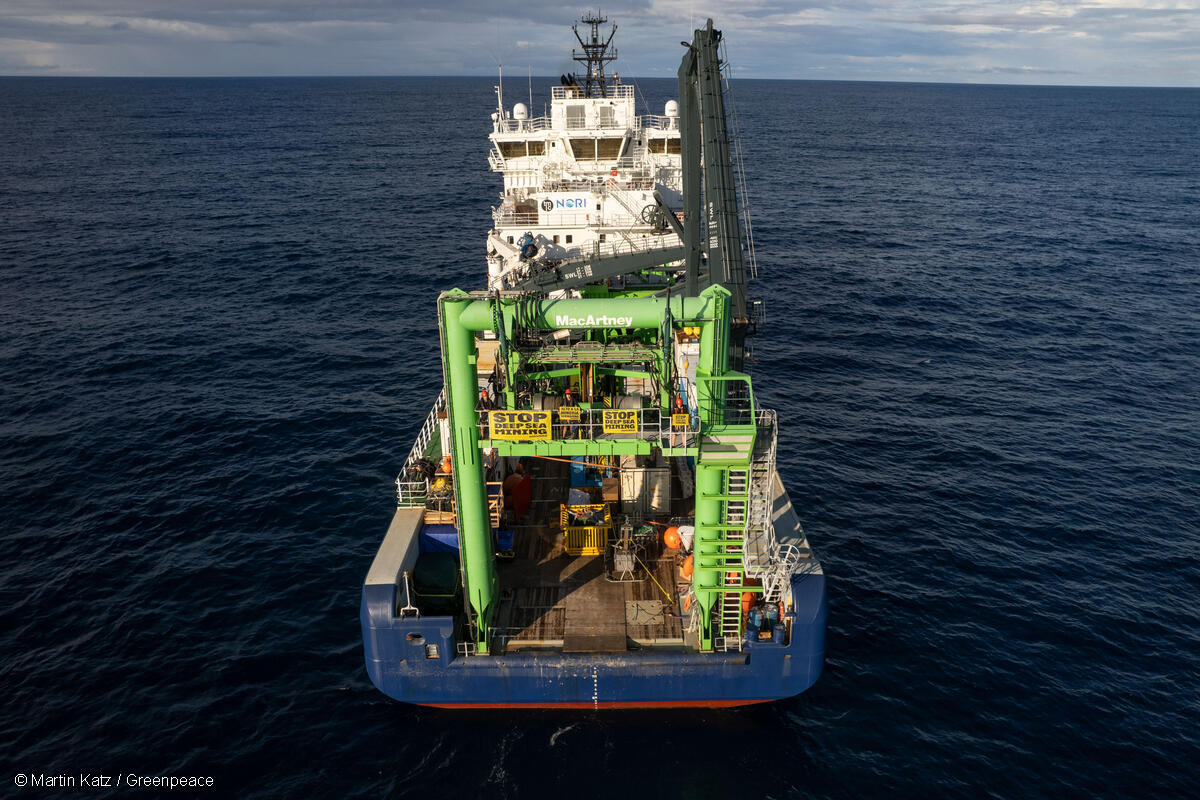
Court confirms Greenpeace right to peaceful protest as activists’ 200 hour long protest against deep sea mining in the Pacific continues
A Dutch court has largely rejected a request by a deep seabed mining company to issue an injunction against protest by Greenpeace International, stating that it is “understandable” the organisation…
-
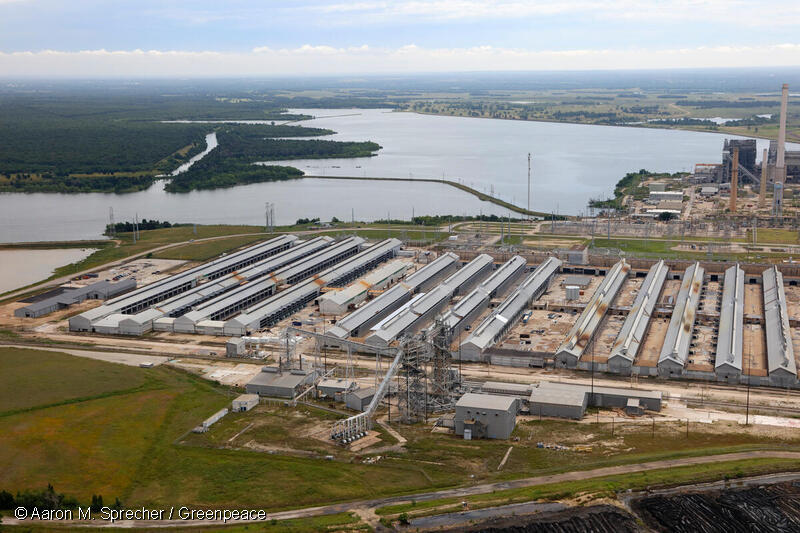
Impacted Communities and Enviro Advocates React to New Report Showing Cryptomining’s Massive Water Consumption
US Bitcoin mining consumes as much water as 300,000 households or Washington, D.C. An aerial view of the Bitdeer Bitcoin mining facility in Rockdale, Texas. Bitcoin mining operations in Rockdale,…
-

The Hollywood Sign ‘burns up’ as leaders begin United Nations climate negotiations
The projection, which occurred Tuesday evening, makes Greenpeace USA the first activist organization to transform the Hollywood Sign. LOS ANGELES, CALIFORNIA (November 30, 2023) – This morning, as United Nations…
-
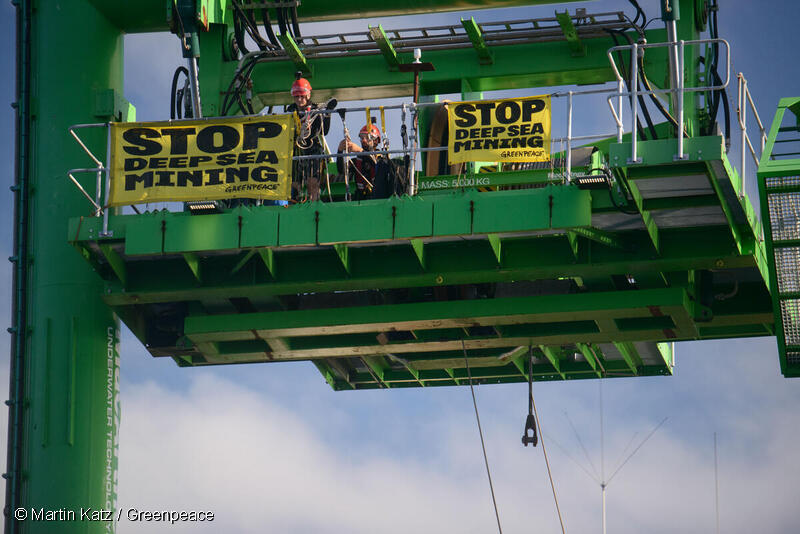
Deep sea miners take Greenpeace to court for peaceful protest at sea
Would-be deep sea miners The Metals Company has launched legal proceedings against Greenpeace International for an ongoing peaceful protest at sea in the Pacific Ocean, in an attempt to silence…
-
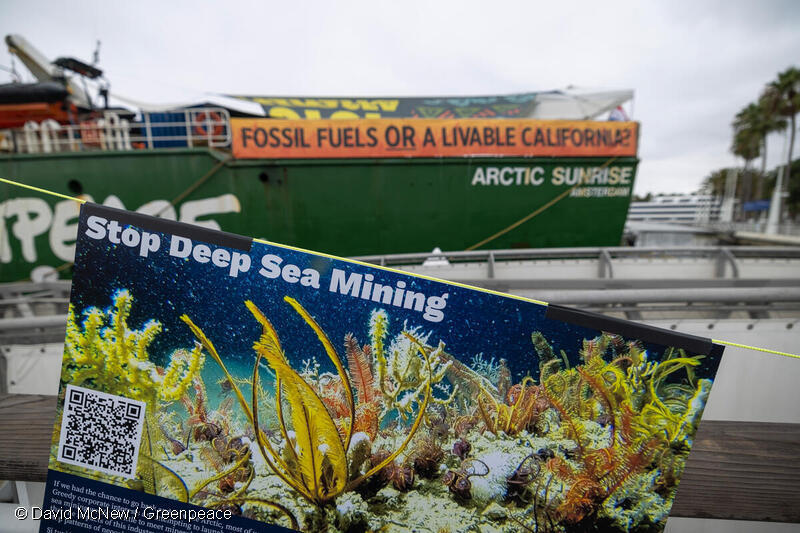
Greenpeace USA Urged Port of Long Beach to Deny Entry to Deep Sea Mining Vessel
Greenpeace USA has issued an urgent call to the Port of Long Beach to refuse entry to the Maltese-flagged deep sea mining vessel, the Hidden Gem, slated to arrive at…
-
Energy Transfer attempts to drag Indigenous and environmental justice advocates into meritless lawsuit
The operator of the Dakota Access Pipeline, Energy Transfer, is attempting to drag Indigenous and environmental justice advocates into this meritless lawsuit to stifle dissenting voices. Washington, D.C. (November 27,…
-

Greenpeace USA Welcomes Aviram Azari Sentencing, Calls for Investigation into Who Hired Him
“Today’s sentencing of a hacker-for-hire, who facilitated an international spear-phishing campaign, serves as a stark warning to those who seek to intimidate and silence climate activists. But this case will…
-
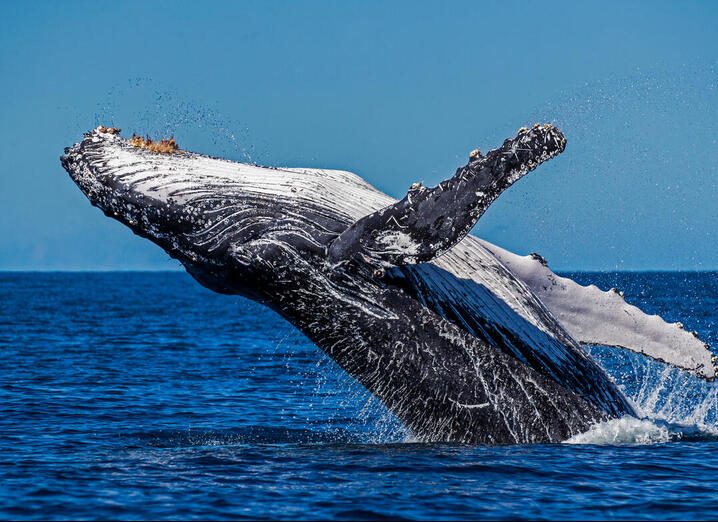
Greenpeace Arctic Sunrise Ship Crew Saves Humpback Whale Entangled in Fishing Gear
On October 21, the crew of the Greenpeace ship Arctic Sunrise rescued a humpback whale entangled in fishing gear. The rescue emphasizes the precarious situation that marine mammals face as…
-
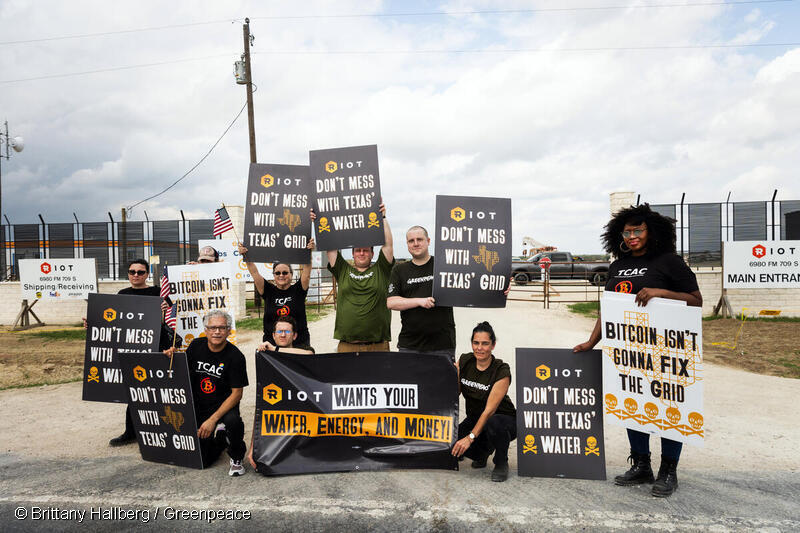
Texan Activists To Bitcoin Miners: Don’t Mess with Texas’ Water and Electricity
In a resounding call to action, activists, environmentalists, and concerned Texans have come together for a week-long campaign aimed at challenging the environmental repercussions of the world’s largest Bitcoin mining…
-

Guerilla Art Calls Out Toxic Plastic, Demands President Biden’s Support for a Strong Global Plastics Treaty
Today, Greenpeace USA took over the streets of Washington, D.C., with a guerilla advertising campaign highlighting the harmful effects of plastic toxicity on human health. The campaign includes a satirical…
-
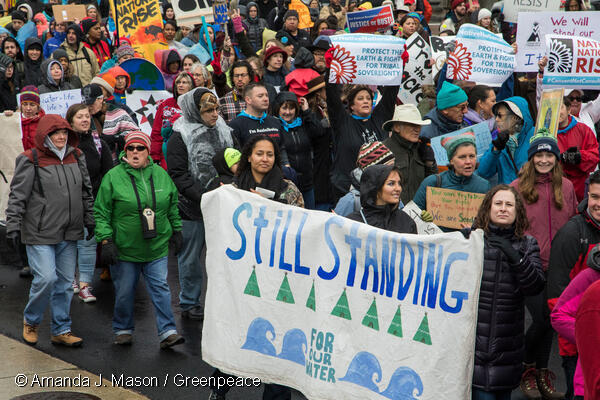
New Report: 60% of US Oil & Gas Production and Local Infrastructure Protected by Draconian Anti-Protest Laws
Our current climate emergency is a direct result of the oil and gas industry’s operations. Frontline activists should not face extreme, life-altering legal risks for putting their bodies on the…
-
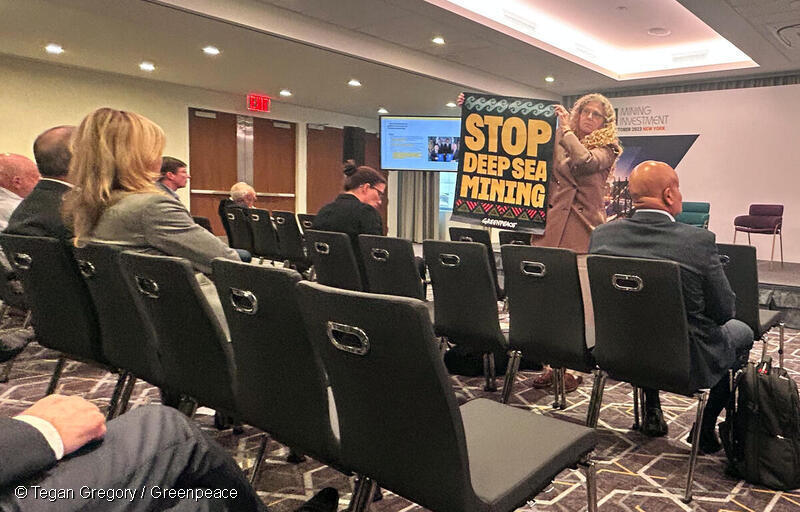
Greenpeace USA Confronts Deep Sea Mining Company at Investor Conference
“We cannot place the fate of one of our most important and life-sustaining ecosystems in the hands of industries and corporations like TMC that place profits before the interests of…
-
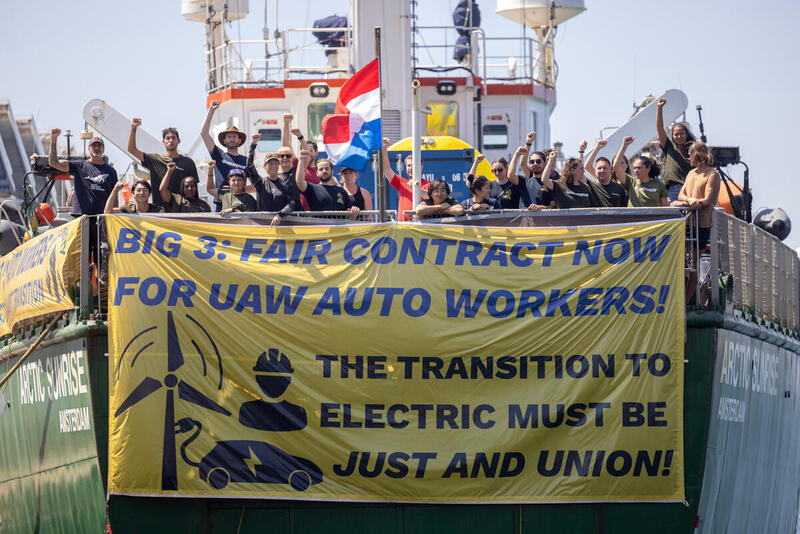
UAW Auto Workers Win Historic Commitment Toward a Just Transition
The Big 3 said electric vehicle worker protections were “impossible” – now they are becoming reality WASHINGTON, D.C. (October 6, 2023)–“We just won a just transition at General Motors,” UAW…
-
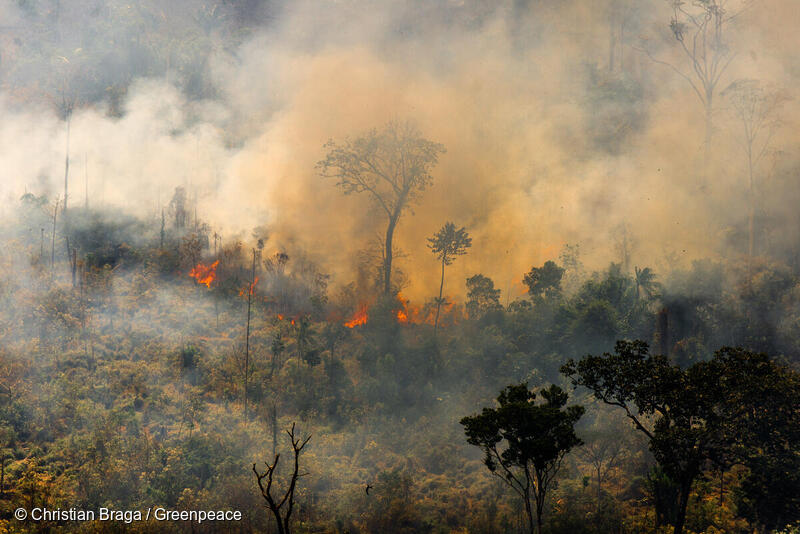
Despite the decrease in Amazon fires in September, smoke and drought in the region continue relentlessly
There was a 36 percent decrease in the number of fire hotspots in September, also showing a year-to-date drop. However, a severe drought and smoke from the present fires are…
-

President Biden Hands Out Another Hall Pass to Big Oil to Wreak Havoc on Our Planet
“If the Biden Administration truly wants to put us on a path to climate sanity, we cannot afford any new fossil fuel leases and infrastructure.” WASHINGTON, D.C. (September 29, 2023)–In…
-
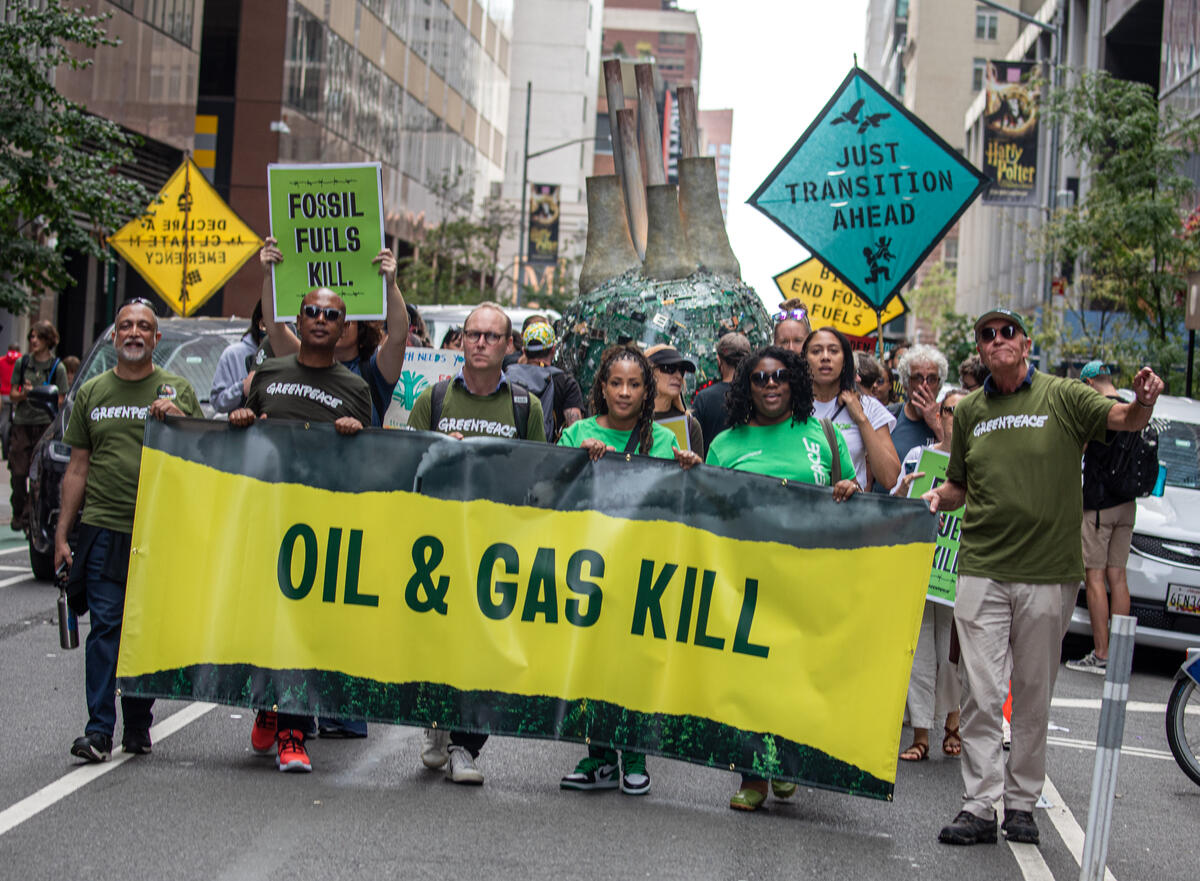
Greenpeace USA Urges President Biden to take Bold Action on Oil and Gas as he has on Oceans
On Wednesday at the UN Climate Ambition Summit, President Biden failed to address oil and gas phaseout. NEW YORK, NEW YORK (September 20th, 2023) – In response to the UN…
-
Greenpeace USA’s response to Presidents Biden’s September 19th Remarks to the UNGA
While we commend the Biden Administration’s investments in the energy transition to renewables, it is crucial to recognize that true climate leadership starts by tackling what’s fueling the crisis: unhinged…
-
California sues Big Oil for years of damages from climate-fueled disasters
The state of California has sued ExxonMobil, Chevron, Shell, BP, ConocoPhillips and the American Petroleum Institute for misinformation about climate change. SAN FRANCISCO, CA (September 16, 2023)–In response to California…
-
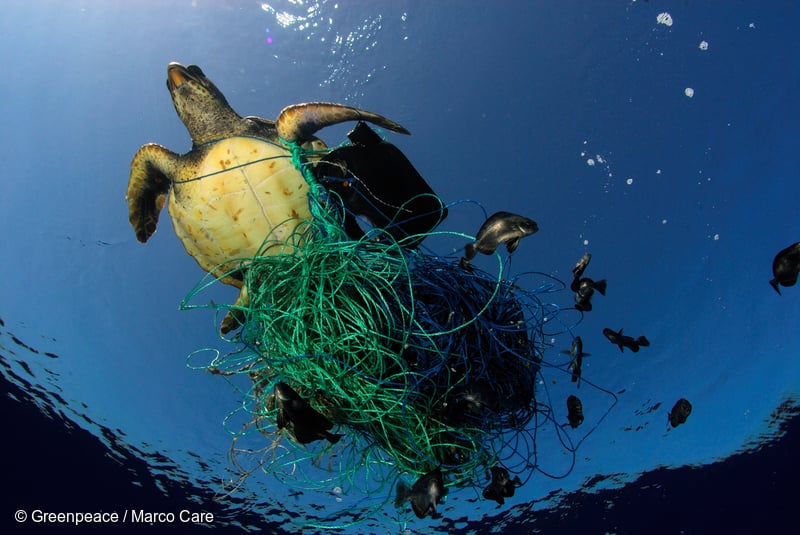
New Greenpeace International Report Reveals Shocking Extent of Threats to Ocean Health
Greenpeace Network calls for urgent protection under historic Ocean Treaty days before the Treaty opens for signature at the UN Greenpeace International today released a major analysis of the cumulative…
-

Riot Bitcoin Mines profits $31.7M While Texans Suffer Extreme Heat
While Texans suffered from record-breaking extreme heat this summer and sky-high electricity bills, Riot Platforms, a Bitcoin mining company, was getting paid by Electric Reliability Council of Texas (ERCOT) for…
-
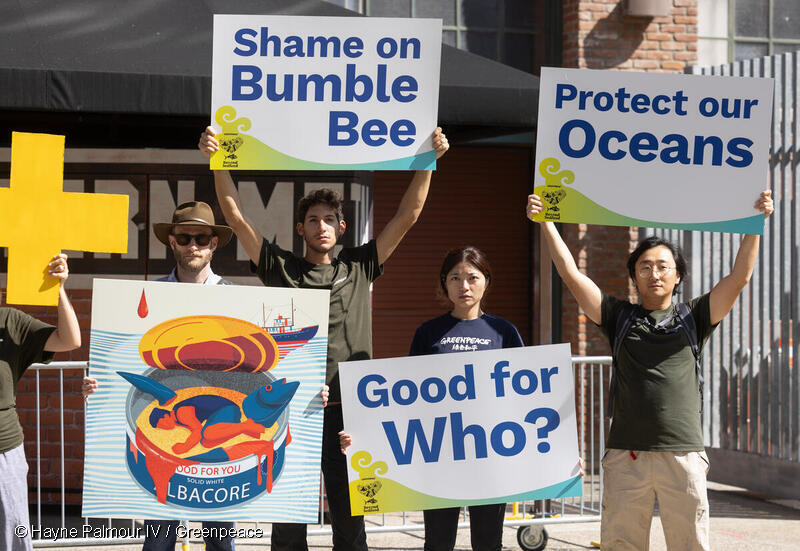
Greenpeace USA tells Bumble Bee to end Modern Slavery in its Supply Chain
Petition with over 51,000 signatures delivered to company’s headquarters Today, Greenpeace USA delivered a petition with over 51,000 signatures calling on Bumble Bee and its owners, Fong Chun Formosa (FCF),…
-
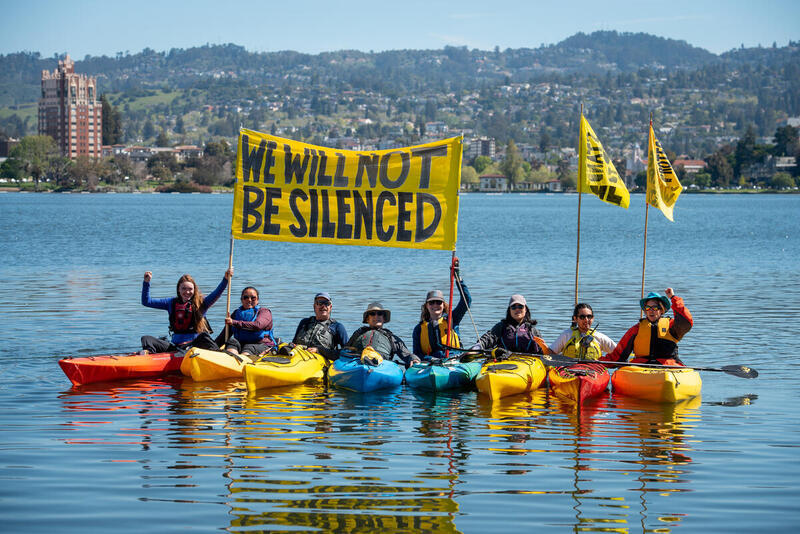
Greenpeace USA Pushes Back- This is NOT a Democracy
These actions pose serious threats to our democracy, and as such, our ability to advance climate justice. Through these harsh tactics, officials are protecting polluters and punishing activists. Washington, DC…
-

Kentucky Takes a Bold Step Against Bitcoin Mining
Across the country, Bitcoin mining companies have tried to make families foot the bill for Bitcoin’s enormous energy consumption. Kentucky regulators’ recent decision to reject a cryptocurrency mining subsidy sends …
-

Bitcoin ETF’s False ESG Claims
This decision could pave the way for new investment products that further impede efforts to meet our climate goals. Before jumping on the Bitcoin ETF bandwagon, financial institutions need to…
-
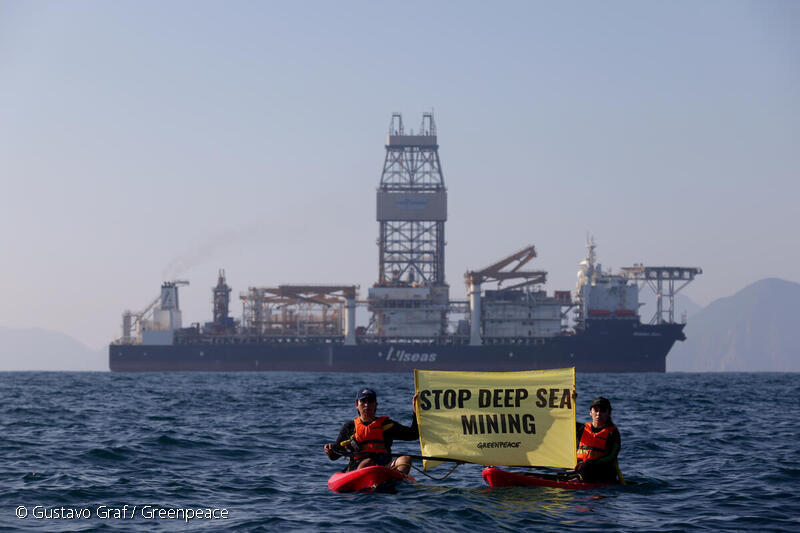
Greenpeace USA Slams Mining Company’s Plans to Circumvent International Political Processes
“The recent announcement by The Metals Company (TMC) to submit a deep sea mining application in 2024 goes against the growing wave of global objections to this destructive industry. It…
-
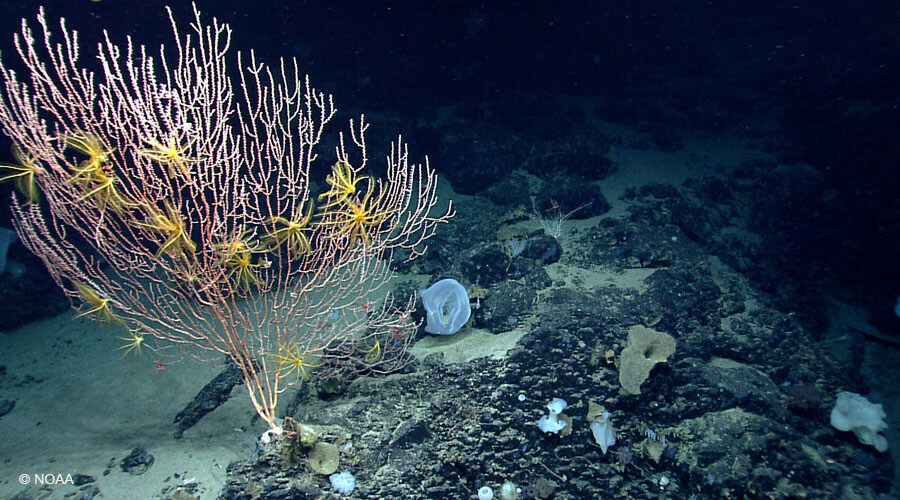
Climate Change Killing off Florida’s Coral Reefs
Politicians and Oil Companies Carry on Business as Usual When we allow oil and gas companies to continue to drive us deeper into climate chaos, it is not just a…
-

Deep sea mining industry fails to get green light but remains a threat
The International Seabed Authority (ISA) negotiations end today with deep sea mining companies failing to get an immediate green light to start plundering the oceans. Opposition to deep sea mining…
-
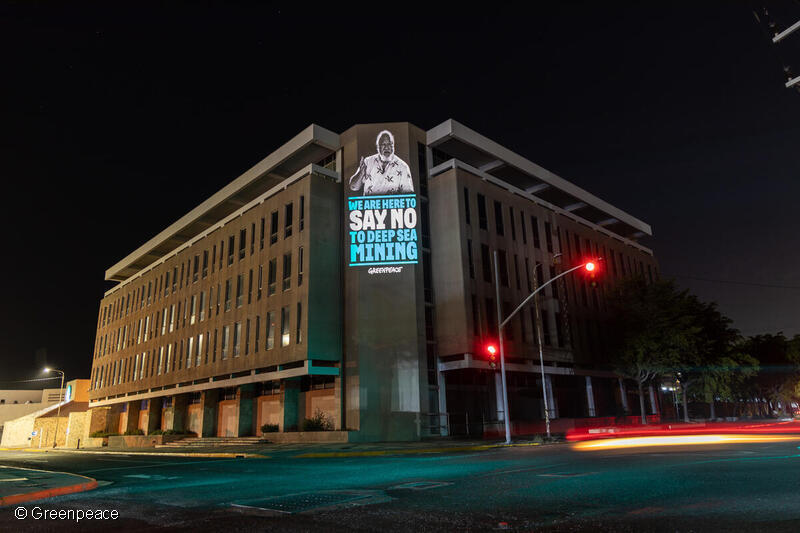
Indigenous Pacific Leaders Call on Countries to Support Ban on Deep Sea Mining
Video projections featuring civil society leaders from the Pacific region calling for a halt to deep sea mining were seen throughout the weekend in Mexico City, Mexico, Toronto, Canada, Dover,…
-

Greenpeace USA Exposes BlackRock and JPMorgan Chase CEO’s Affair With Climate Wrecking Bitcoin through Massive NYC Projections
Greenpeace USA unveiled the climate impacts of Bitcoin investments by financial giants JPMorgan Chase & Co. (Chase) and BlackRock through visual displays projected onto iconic structures in the heart of…
-
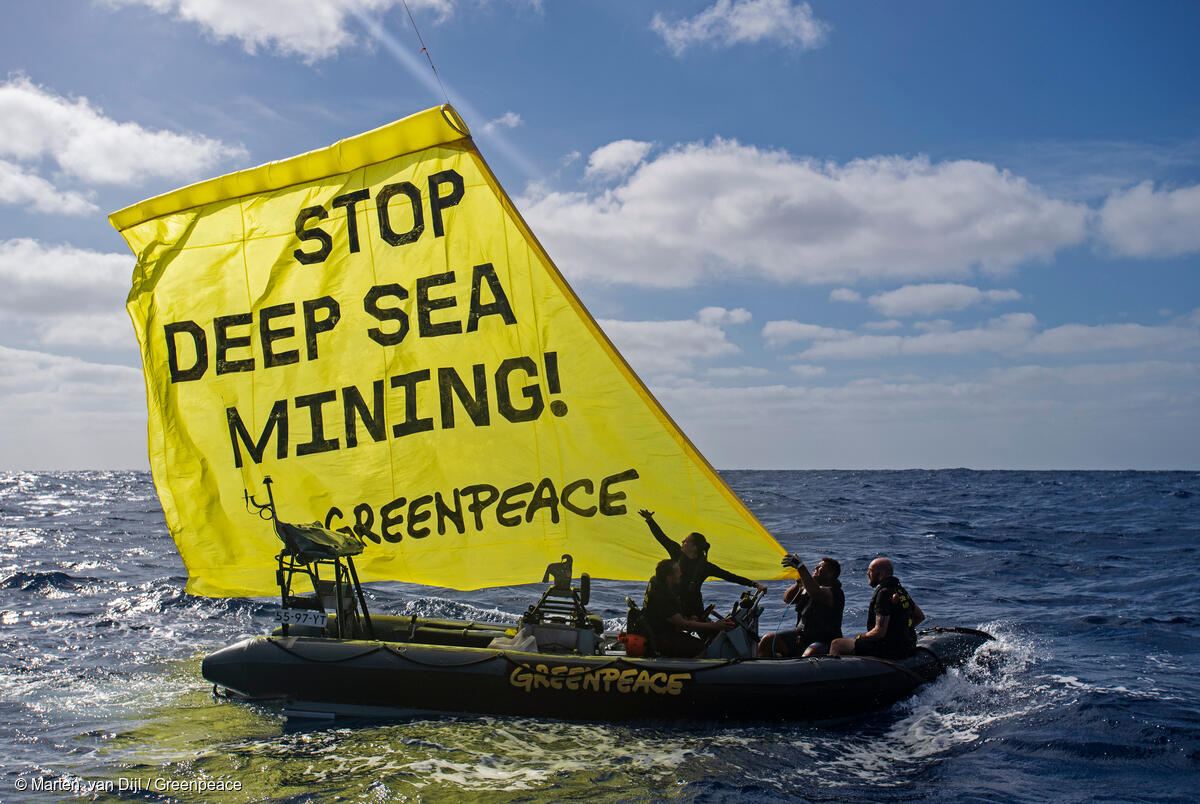
Greenpeace USA Welcomes Bills to Stop Deep Sea Mining
“All life on Earth depends on our oceans – we must ensure they are protected for generations to come.” WASHINGTON, DC (July 12, 2023)–In response to U.S. Congressman Ed Case’s…
-

Climate Pledges vs. Bitcoin Investments: Unveiling the $1.5 Billion Dollar Climate Bomb
Greenpeace USA’s new report exposes the financial institutions driving Bitcoin’s climate destruction. Click here for the full report Washington, DC (July 11, 2023)–Greenpeace USA’s new report exposes the financial institutions…
-
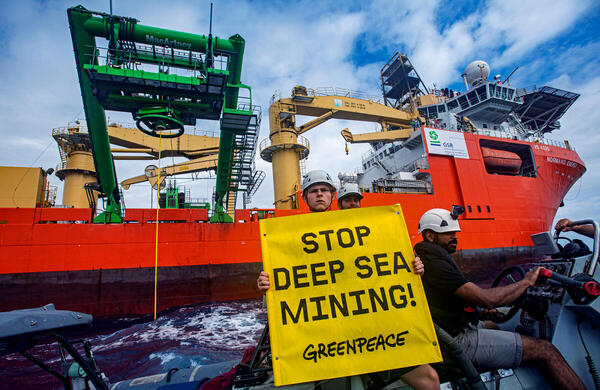
Critical deep sea mining meeting resumes as coalition of governments push for halt
The International Seabed Authority (ISA) will bring governments together in Kingston to discuss whether to allow deep sea mining to go ahead, in a meeting starting today. Because of a…
-

BlackRock Gambling Our Planet With Its Proposed Bitcoin ETF
Greenpeace USA’s forthcoming analysis of major banks and asset managers reveals BlackRock as one of Bitcoin’s biggest backers in the financial services industry. Washington, DC (June 30, 2023) – In…
-
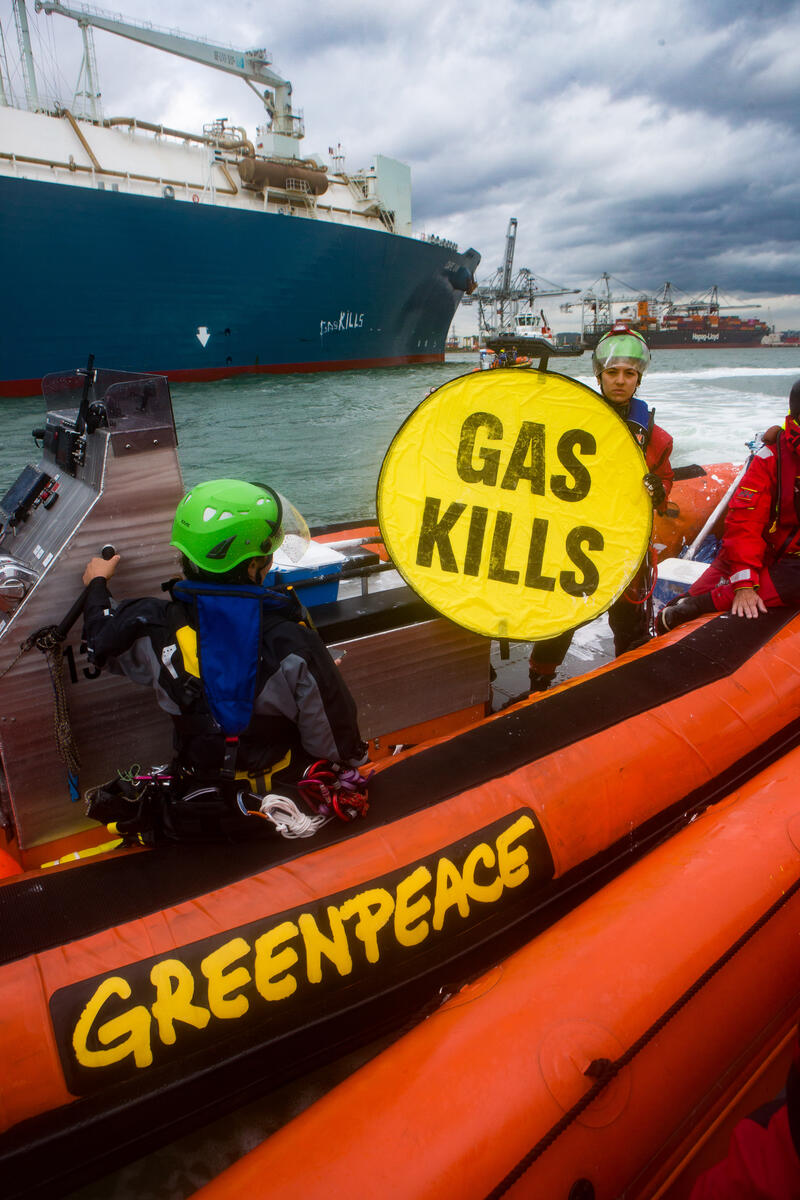
Venture Global Contract With German Energy Firm Locks In 20 Years Of Pollution
The contract means more than 13 million metric tons of CO2e emissions could be released every year. That’s equivalent to the annual emissions of roughly 3 million gasoline-powered cars. WASHINGTON…
-
The Climate Crisis is a Threat to Our Lives and the Economy – Greenpeace USA Response to the Dollars and Degrees Senate Hearing
In the 2022 election cycle, the oil and gas industry funneled more than $50 million to support their back-pocket candidates in the closest races. These same candidates continually present a…
-
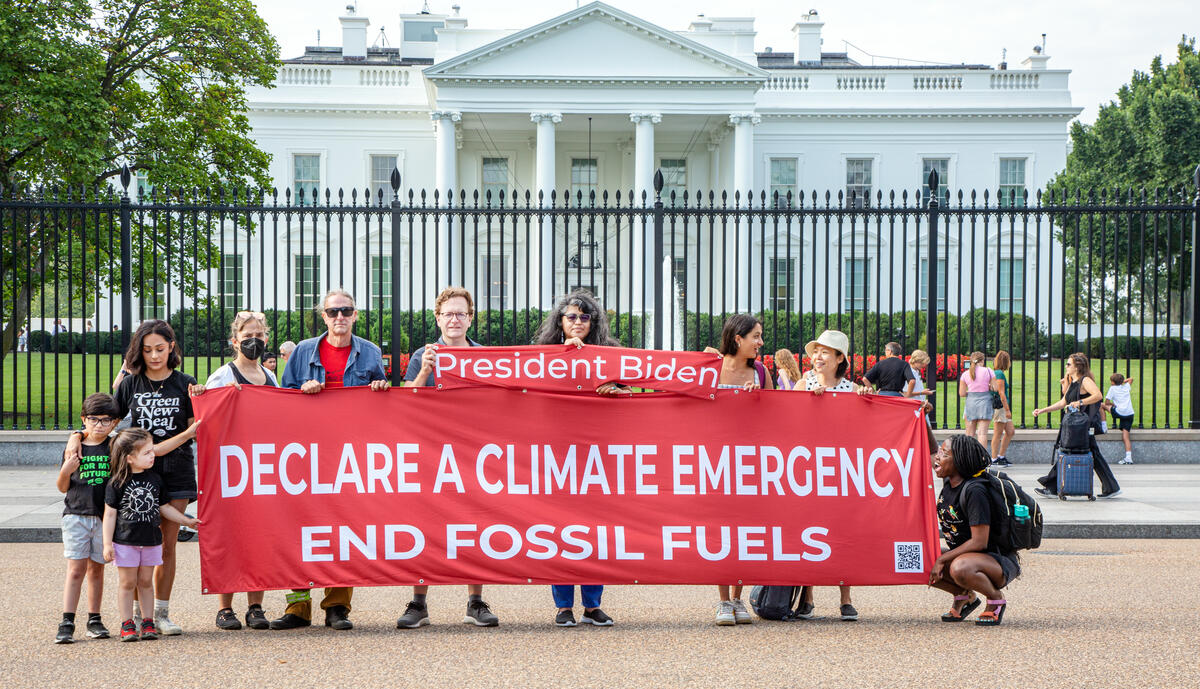
500+ International Groups: Biden Must Stop Fossil Fuel Expansion Ahead of September Climate Summit
Letter demands world’s top polluter take urgent action to phase out fossil fuel production, slow global climate catastrophe WASHINGTON, D.C. — More than 500 groups from six continents and 63…
-
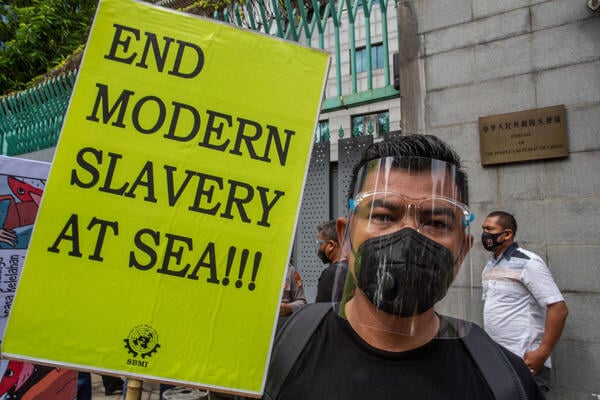
Greenpeace Condemns Biden Administration’s Top Tier Ranking of Taiwan in latest Trafficking in Persons Report
Today, the US government once again awarded Taiwan a Tier 1 ranking in the most recent edition of the Trafficking in Persons (TIP) report. The high placement was granted despite…
-
New Study: Fossil Fuels Disproportionately Impact Black, Brown, Indigenous, and Poor Communities Throughout The Supply Chain
Carbon Offsets, Cap-and-trade, CCS and Other “Carbon Centric” Policies Fail to Mitigate Air and Water Pollution The study concludes that policies solely focused on reducing greenhouse gas emissions without reducing…
-
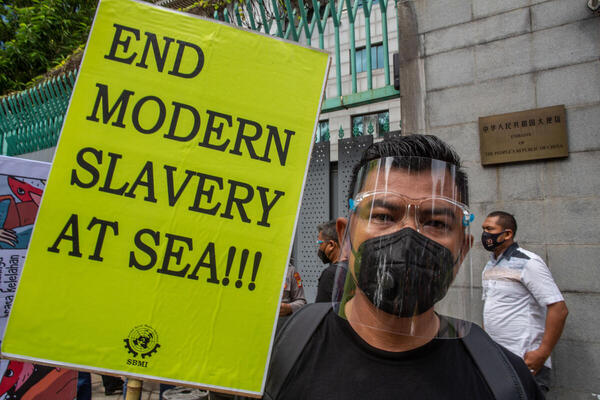
Ahead of TIP Report, Labor Rights Activists Urge U.S. to Call for Thailand and Taiwan to Protect Migrant Workers and End Forced Labor in Seafood Industry
Seafood Working Group Recommends U.S. Downgrading Taiwan to ‘Tier 2’ and Thailand to ‘Tier 2 Watchlist’ in the 2023 Trafficking in Persons Report Greenpeace USA, Global Labor Justice – International…
-
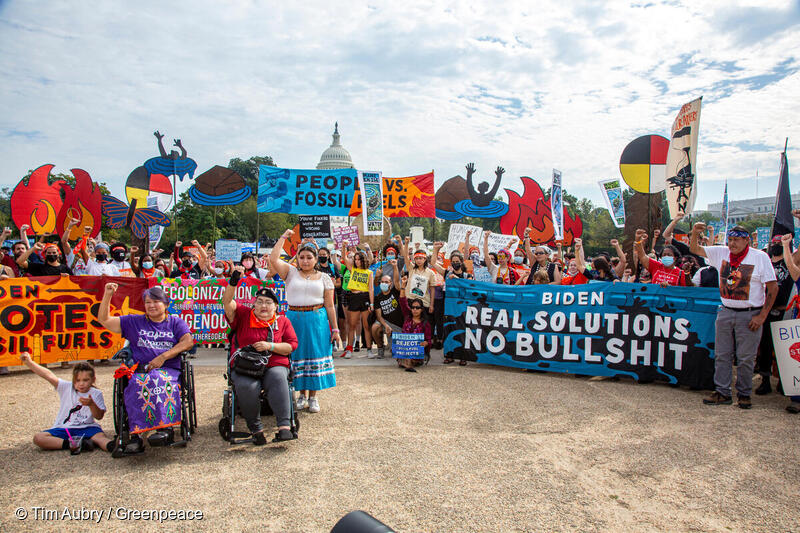
There Will Be No Economy On A Dead Planet
Once again our elected leaders have been fooled by the false choice between a healthy economy and a healthy planet. We will have neither if our government continues to sanction…
-

Congress Caves to GOP Blackmail over Debt Ceiling, Throwing Frontline Communities Under the Bus
None of these anti-democratic and pro-polluter measures have any place in a bill meant to raise the debt ceiling. Even the fundamental arguments in favor of gutting NEPA are flawed.…
-
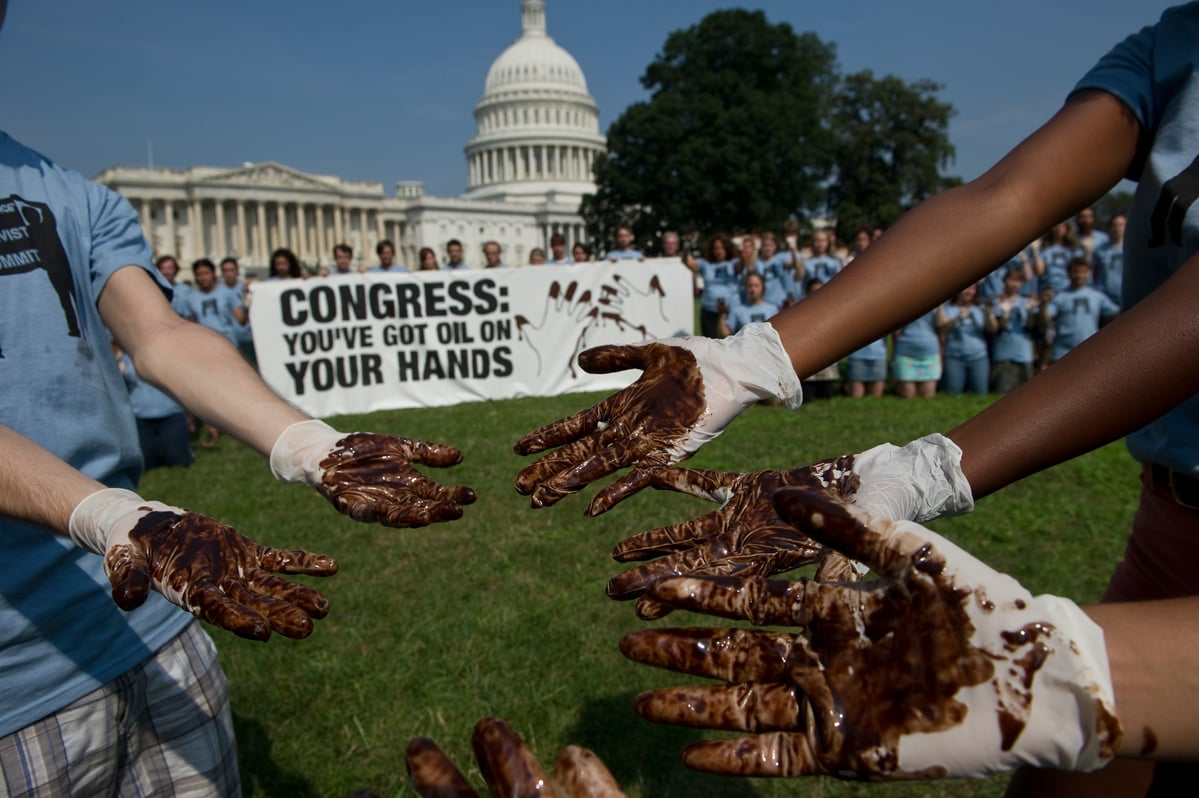
Senate Must Put a Halt to GOP Blackmail and Pass a Clean Debt Ceiling Bill
Speaker McCarthy and the House GOP were willing to threaten a catastrophic default in order to continue a cycle of exploitation against the working class and families trying to make…
-
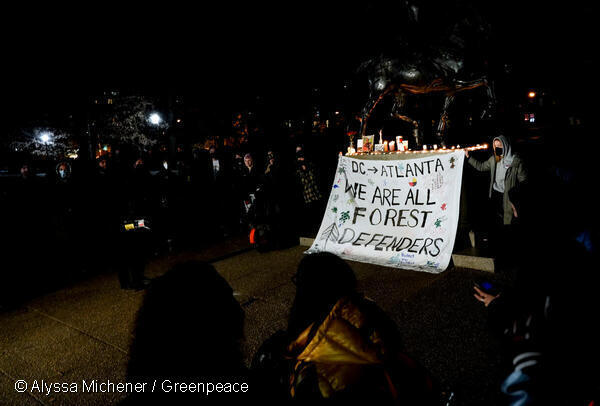
Greenpeace USA Stands in Solidarity with Three Arrested Activists
Greenpeace USA opposes this escalation of dirty tactics by the State of Georgia to scare activists that are using their voice to stop the Cop City development that many in…
-
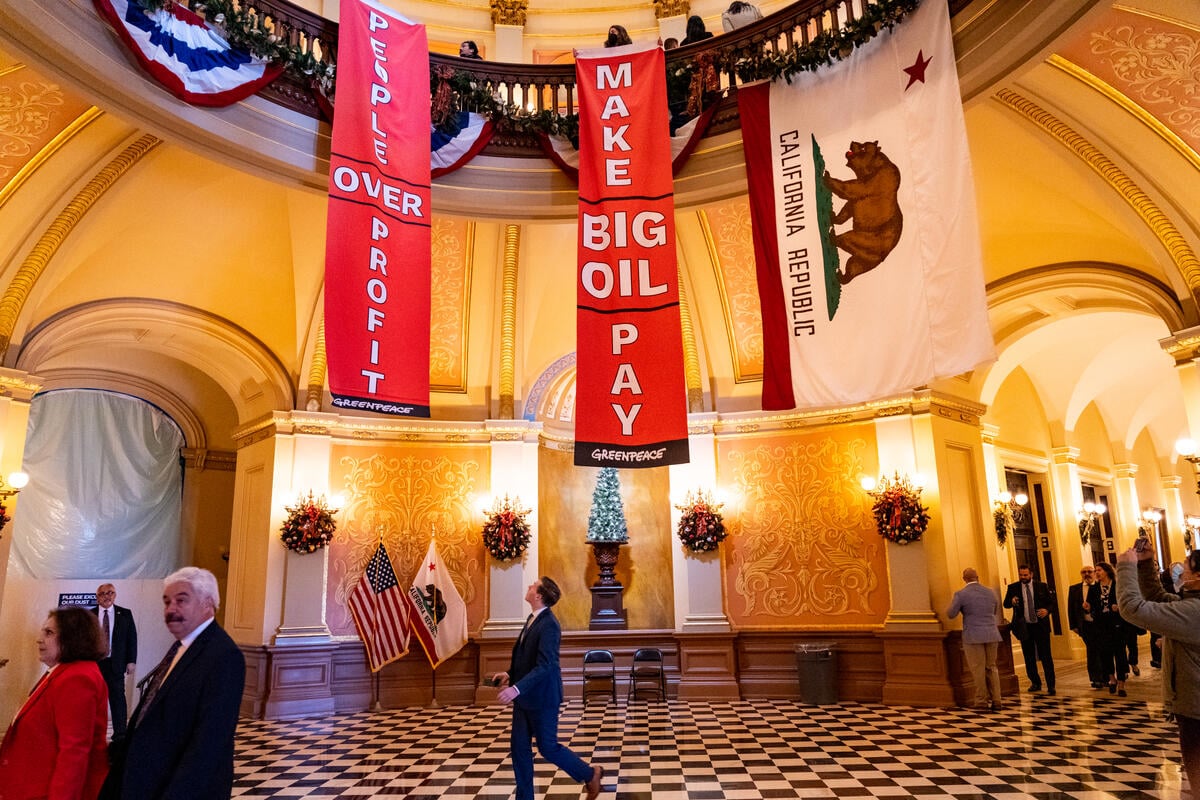
Referendum reform bill passes out of California Assembly
AB 421 passes the California Assembly, bringing the state one step closer to democratic reform SACRAMENTO, CA (May 31, 2023)–In response to Assembly Bill 421 passing the California Assembly, Ben…
-
House GOP Blackmails America to Favor Polluters
While holding the country hostage in debt ceiling negotiations, the House GOP crafted a deal that helps polluters and hurts already struggling families. WASHINGTON DC (May 30, 2023)–In response to…
-
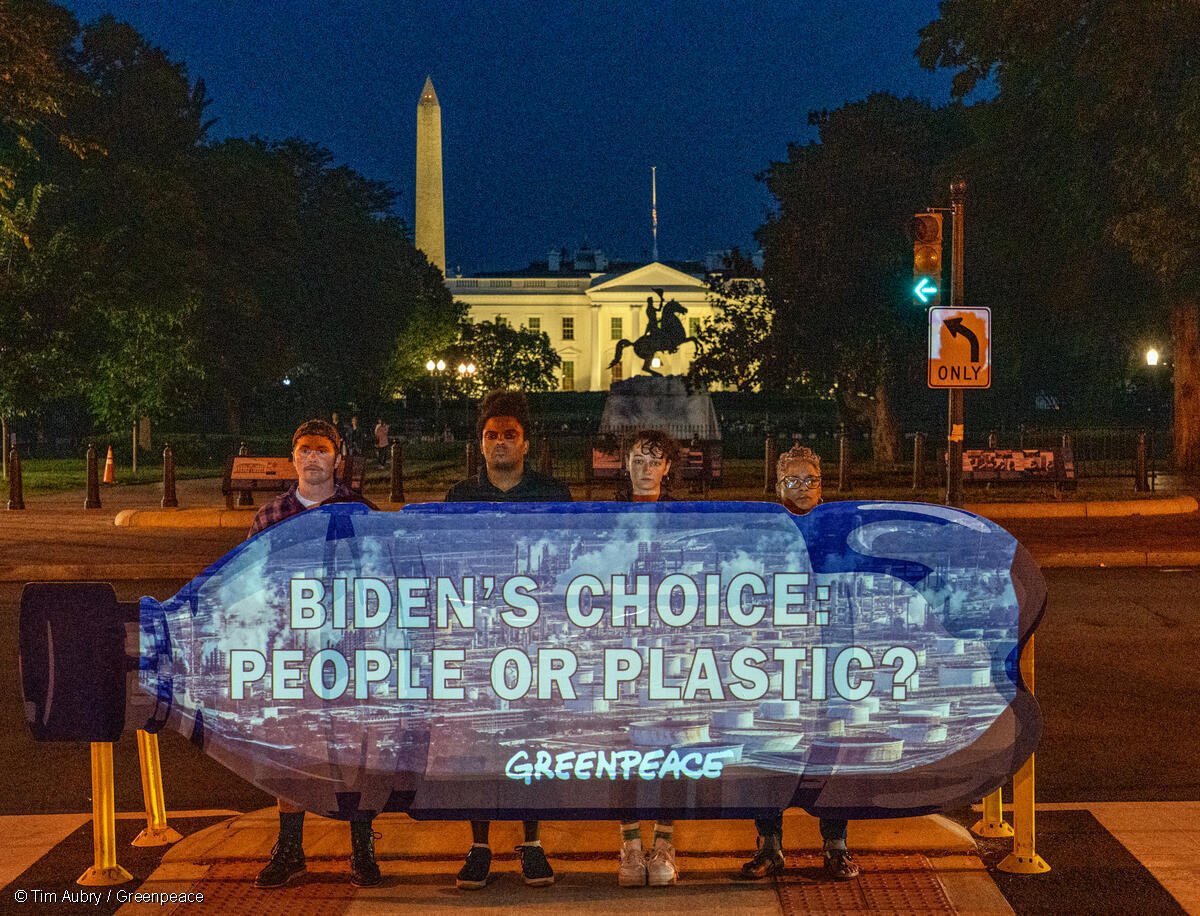
New Greenpeace Report Calls Out Toxic Hazards of Recycled Plastic as Global Plastics Treaty Negotiations Resume in Paris
Scientific evidence overwhelmingly points to an urgent need to reduce plastic production and use to meet social justice, health and environmental imperatives A new report from Greenpeace USA provides a catalog of peer-reviewed research and international studies concluding that recycling actually increases the toxicity of plastics. It highlights the threat that recycled plastics pose to…
-
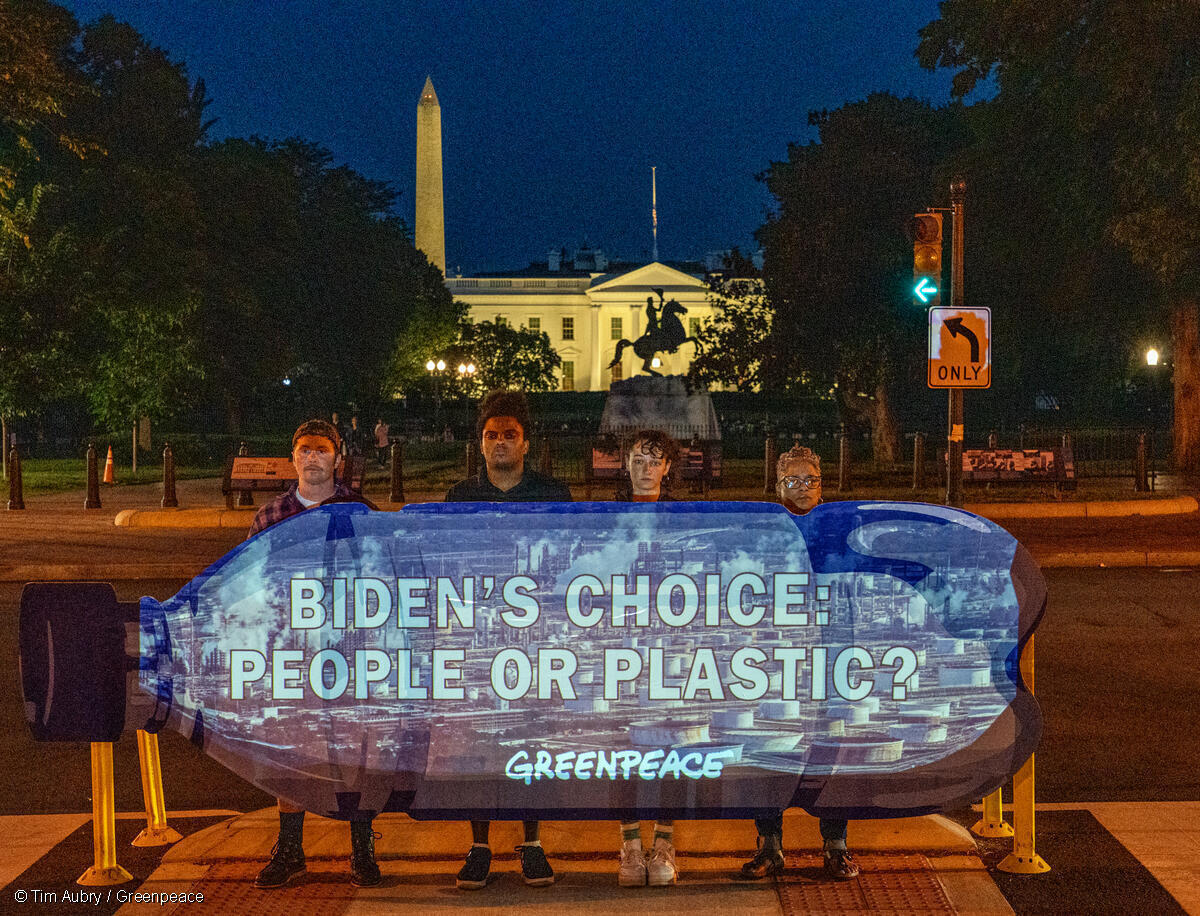
Jane Fonda, Jason Momoa, Joaquin Phoenix, and Other Celebrities Call on Biden Administration to Support a Strong Plastics Treaty Ahead of Negotiations in Paris
Today, Jane Fonda, Jason Momoa, Joaquin Phoenix, Shailene Woodley, Laura Dern, and other actors and activists renowned for their environmental advocacy joined Greenpeace USA and its Executive Director, Ebony Twilley…
-
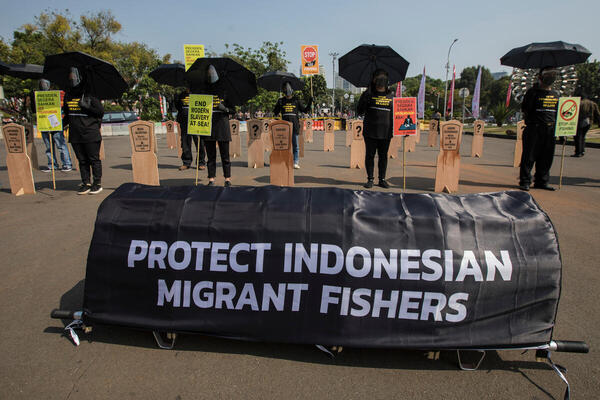
Greenpeace USA Welcomes ASEAN Declaration Protecting Migrant Fishers
Greenpeace USA welcomes the landmark adoption of the ASEAN Declaration on the Placement and Protection of Migrant Fishers during the 42nd ASEAN Summit held in Indonesia. The declaration represents a…
-

President Biden’s Proposed Crypto-Mining tax: a Step in the Right Direction
The DAME tax on crypto mining introduced by President Biden is a commendable first step towards addressing the climate and community impacts of this energy-intensive activity– however, it is not…
-

Greenpeace USA Applauds Hy-Vee for Transparency in Tuna Supply Chain
Hy-Vee, which placed fourth on the second edition of Greenpeace USA’s retailer report, committed to releasing its supplying vessel list in 2021 after consultation with Greenpeace USA and in partnership…
-
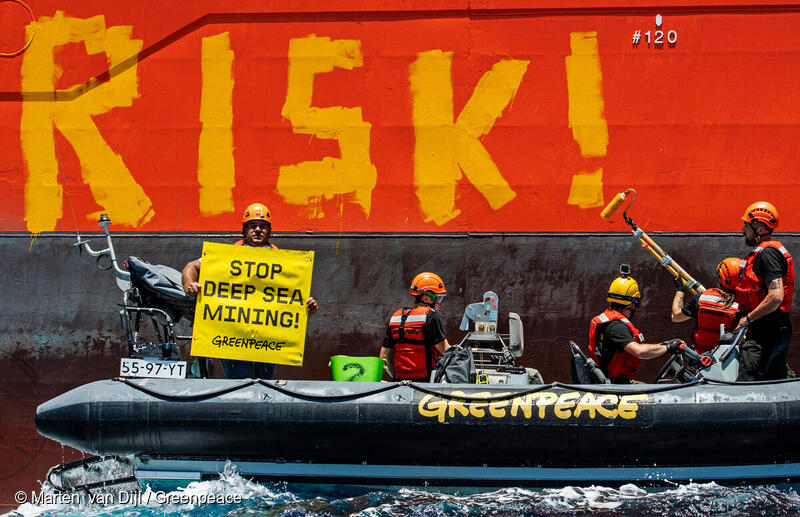
Another Company Drops Destructive Deep Sea Mining Industry
Maersk is the most recent major company to sell its seabed mining interests. Lockheed Martin sold UK Seabed Resources in March. Leading technology and electric vehicle companies Rivian, Renault, BMW,…
-
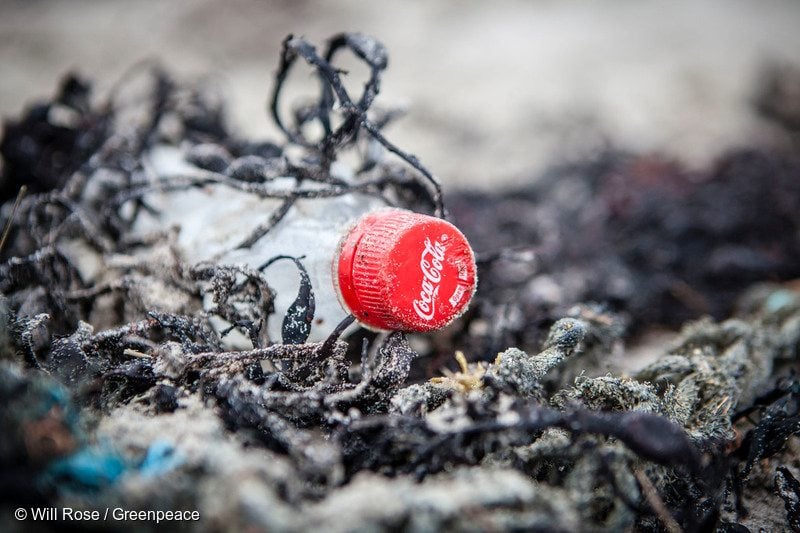
Coca-Cola Greenwashes Sustainability Claims
Increased single-use plastic bottles by 9 billion, refillables remain stagnant In 2021, Coca-Cola had approximately 4 billion refillable plastic bottles and 25 billion refillable glass bottles in circulation. These numbers…
-
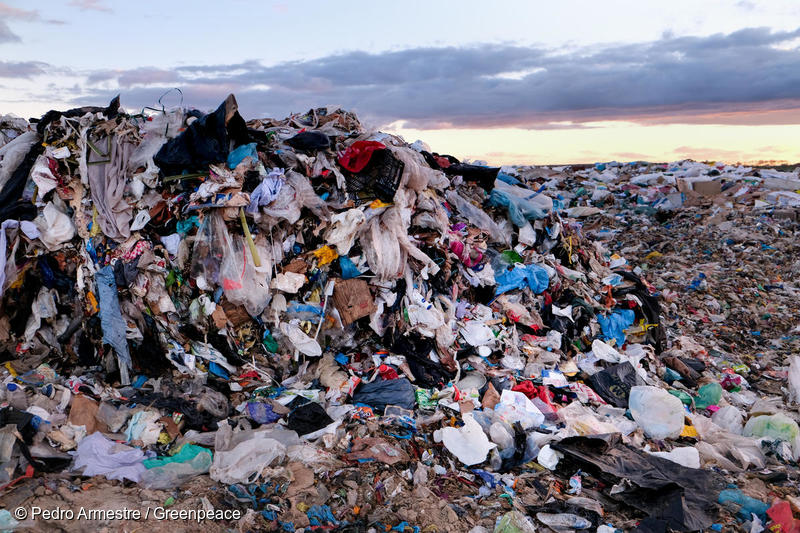
Environmental and Health Groups Call on the Federal Trade Commission To Stop Companies From Making False Plastic Recycling Claims
The commenting organizations are extremely concerned about the growing environmental and human health impacts associated with plastic production, waste, and pollution. Despite a dismal 5%-6% U.S. plastic recycling rate and…
-

A victory for free speech: Greenpeace USA defeats $100 million lawsuit
Today’s decision is a huge win for free speech, but more must be done to ensure that corporations can’t abuse the legal system. Not everyone can afford to litigate a…
-
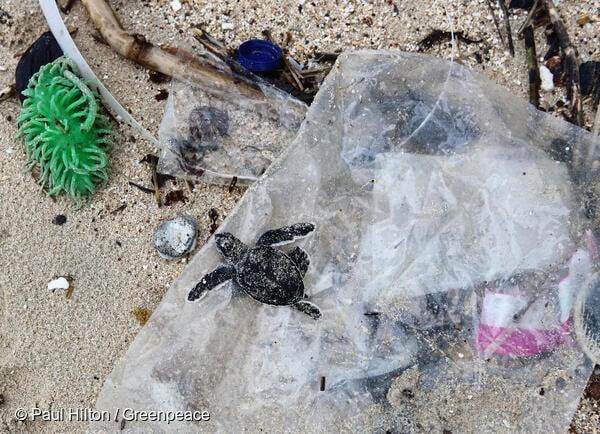
Biden’s EPA Proposes Action to Reduce Plastic Production
We can’t protect our communities or the environment from plastic pollution unless we drastically reduce plastic production and use, and this draft is a step in the right direction. Greenpeace…
-
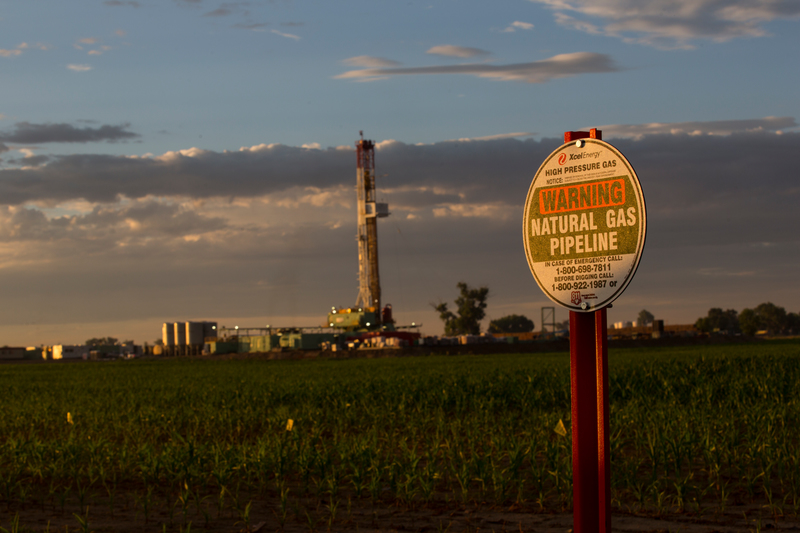
Approval of Rio Grande LNG and South Texas LNG Underscores Biden’s Climate Hypocrisy
Someone needs to show President Biden the latest IPCC report where it clearly says that we need to move away from dirty energy sources like LNG WASHINGTON DC (April 20,…
-
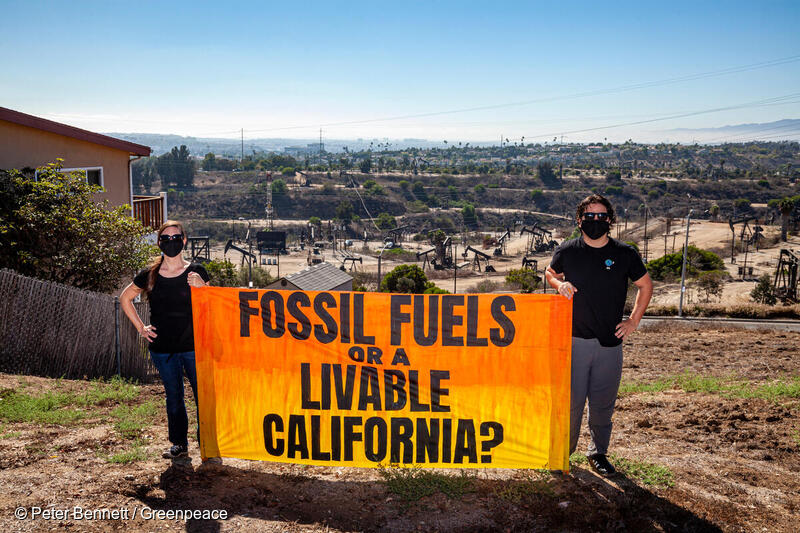
Oil and gas permitting continues to skyrocket in California’s neighborhoods as Q1 comes to a close
Over 500 permits have been approved within the 3,200-foot setback that was formerly protected by a popular drilling law. SACRAMENTO, CA (April 12, 2023)–In response to the news that CalGEM…
-
Federal Judge Allows Construction to Proceed in ConocoPhillips’ Willow Project in Alaska
Judge Denies Environmentalists’ Motion for Preliminary Injunction Allowing ConocoPhillips to bulldoze forward with construction of the largest oil and gas project on public lands before the lawsuits are settled is…
-

History in the Making: Greenpeace USA Announces Ebony Twilley Martin As Sole Executive Director
Throughout my journey, I have seen the devastating effects of environmental racism accelerate with the climate crisis. Black, Brown, Indigenous, and working class communities suffer first and worst. Simply put,…
-
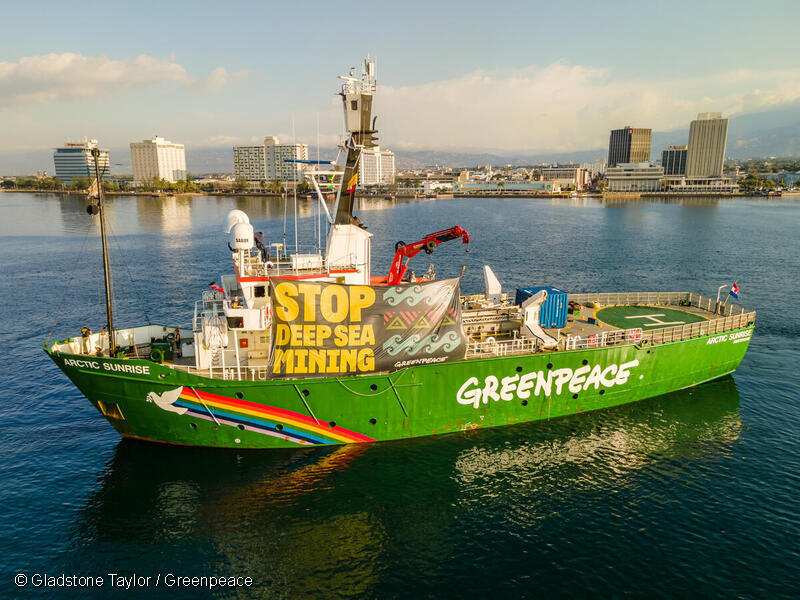
Governments leave door open to deep sea mining starting this year
Negotiations to stop deep sea mining from starting at the International Seabed Authority in Jamaica will end today. The disappointing outcome leaves the seabed at the dangerous mercy of a…
-
Greenpeace USA takes on Fidelity over Bitcoin’s dirty secret: Climate pollution!
Greenpeace USA activists brought an 11-foot tall art installation, the “Skull of Satoshi,” to two Fidelity Investments offices in New York City yesterday to demand Fidelity take accountability for its…
-
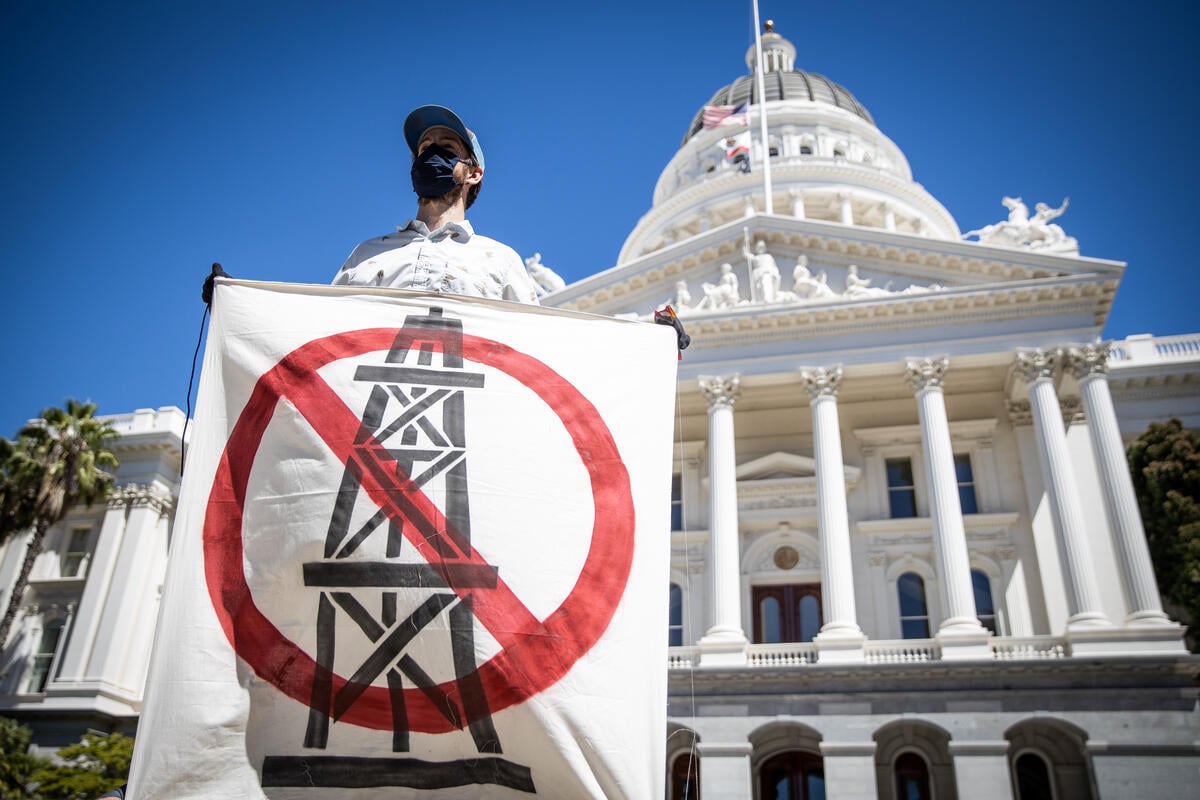
Oil and gas companies’ profits may soon face a cap in California, as first bill of its kind passes state legislature
SBX1-2 seeks to hold Big Oil accountable in California. SACRAMENTO, CA (March 27, 2023)–In response to the California Legislature passing a bill to hold California’s fossil fuel companies accountable for…
-
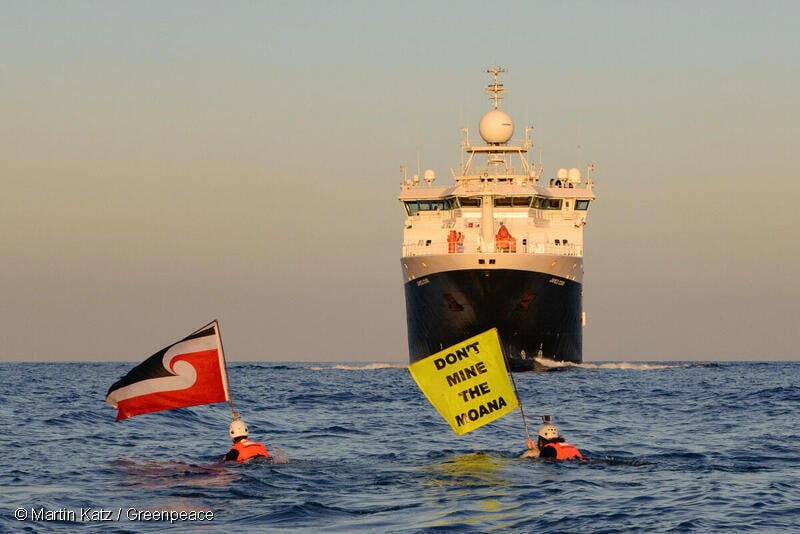
Greenpeace International confronts deep sea mining expedition in the Pacific Ocean
Greenpeace International activists peacefully confronted UK Royal Research Ship James Cook in the East Pacific as it returned from a seven-week-long expedition to a section of the Pacific Ocean targeted…
-
Artist Benjamin Von Wong & Greenpeace Unveil Giant Skull to Highlight Bitcoin’s Climate Impact
Art and activism merge in the striking art installation called the Skull of Satoshi, created by art activist Benjamin Von Wong and Greenpeace USA to highlight Bitcoin’s record of climate…
-
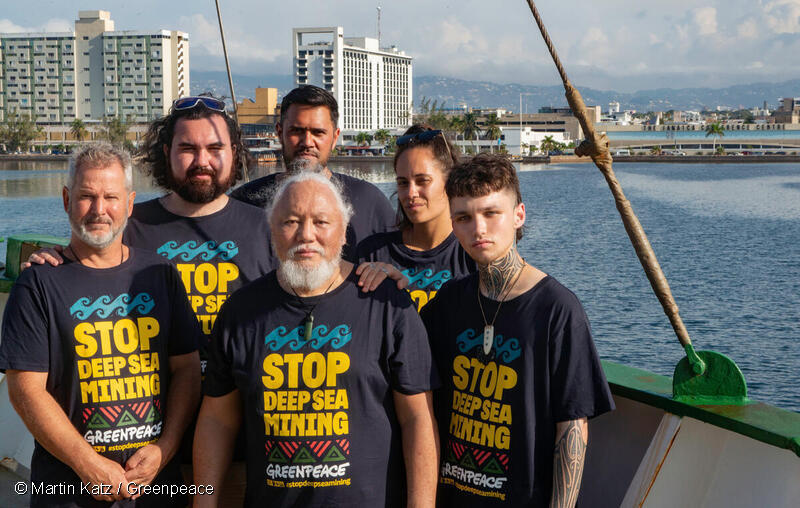
Indigenous Peoples from 34 nations call for total ban on deep sea mining
Indigenous activists have made clear that they don’t give their consent to deep sea mining. In a petition presented today to the International Seabed Authority (ISA), over 1,000 signatories from…
-
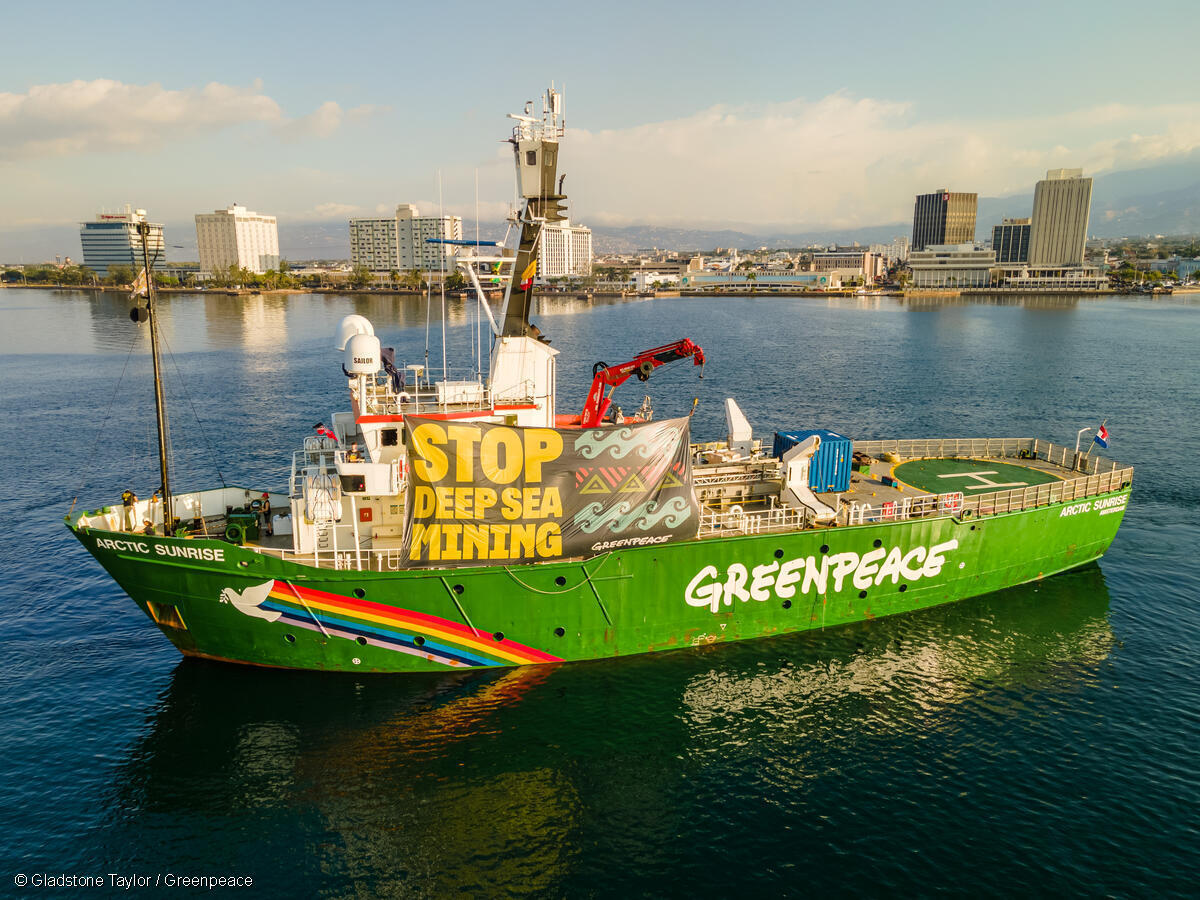
Governments must not undermine historic Global Ocean Treaty by greenlighting deep sea mining
The destructive deep sea mining industry could receive approval mere weeks after a historic Global Oceans Treaty was agreed at the United Nations. Delegates are convening today at the 28th…
-

Greenpeace USA Executive Director Tells President Biden: We’ll See You In Court
You have once again tried to sacrifice people who live in nearby communities to oil and gas company profits. Washington DC (March 15, 2023)–This morning Earthjustice filed a lawsuit on…
-
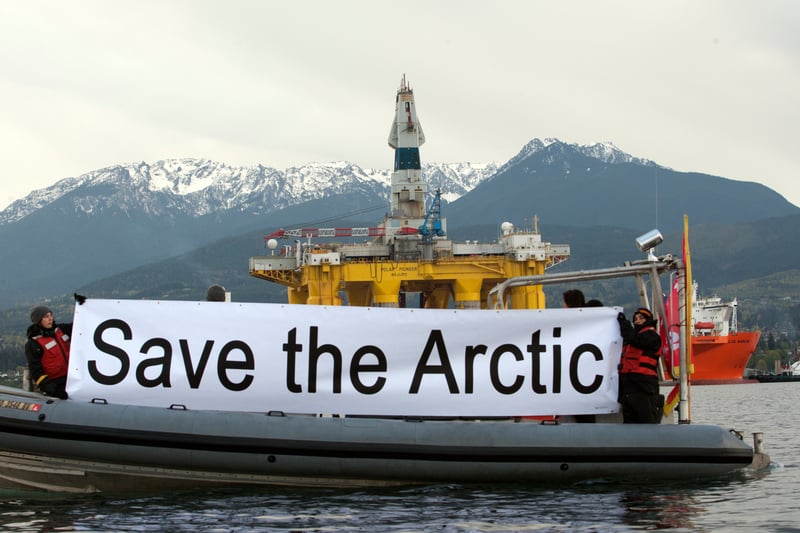
Greenpeace USA among groups suing to stop the Willow Oil Project in Alaska’s Western Arctic
Administration’s environmental review failed to account for project’s full climate impact ANCHORAGE, AK — Earthjustice filed a lawsuit today on behalf of conservation groups, together with NRDC (the Natural Resources…
-

Hundreds of new oil & gas permits in California looming near neighborhoods despite 2022 law prohibiting them
Oil and gas companies are being rewarded just weeks after popular neighborhood drilling law was paused. SACRAMENTO, CA (March 14, 2023)–In response to the news that the California agency in…
-

People vs Fossil Fuels Coalition Condemns Biden Administration’s Approval of the Willow Oil Drilling Project
Biden Administration Approves Major Oil Drilling Operation on Alaska’s Northern Slope People vs. Fossil Fuels, a national coalition of over 1,200 frontline, climate justice, and progressive organizations, strongly condemned the…
-
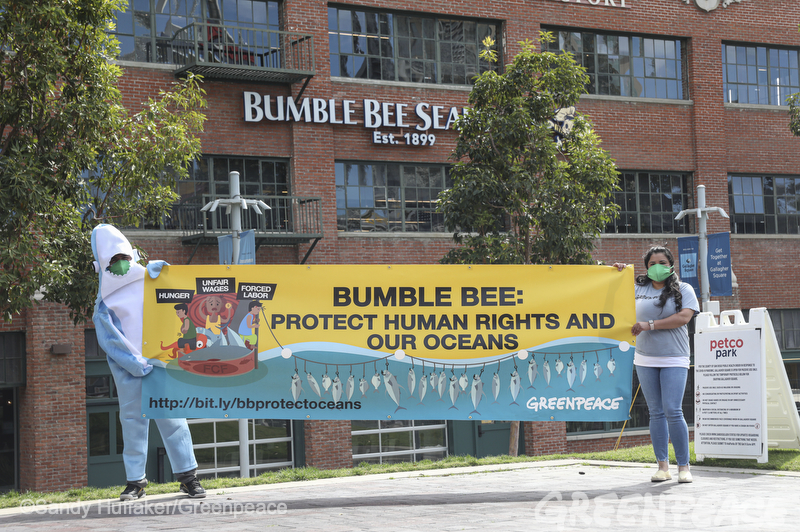
Greenpeace USA Welcomes Class Action Lawsuit Filed Against Bumble Bee Tuna Citing Misleading Sustainability Claims
Greenpeace East Asia’s Fake My Catch Report Cited A class-action lawsuit has been filed against Bumble Bee Foods and Conagra Brands over sustainability claims the companies have made regarding their…
-

A year after Russia’s invasion of Ukraine, a global fossil fuels bonanza could spark conflicts elsewhere
The answer to transitioning off of Russian oil and gas is not to outsource pain and suffering to another country but to accelerate the transition to renewable energy and rehabilitate…
-

Jane Fonda delivers 5.5 million signatures calling for a Global Ocean Treaty
It is at our own peril to delay any further. I urge you as a mother, a grandmother, and a citizen of this world. New York (February 21, 2023)-As the…
-
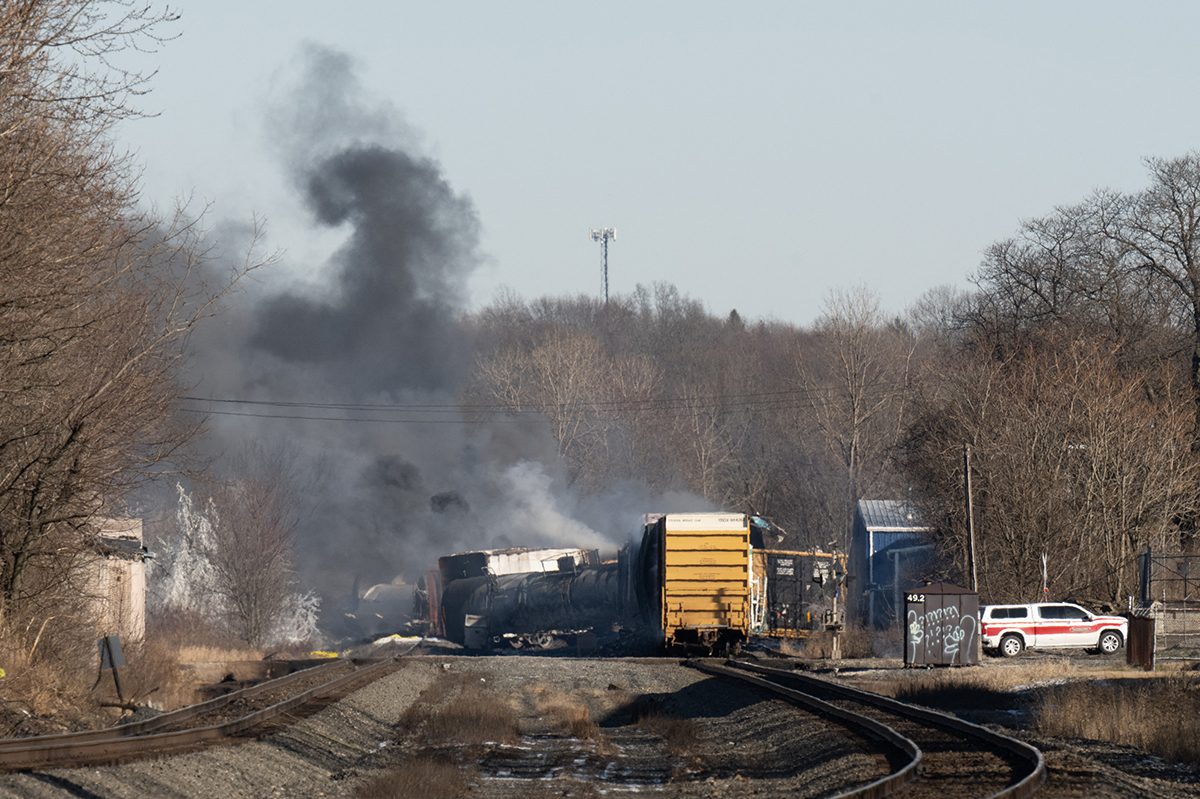
Greenpeace USA calls on Biden Administration to protect human health and environment from toxic plastic in wake of Ohio disaster
In response to the train derailment in East Palestine, Ohio, on February 3 that spilled at least four toxic chemicals hazardous to human health and the environment, John Hocevar, Greenpeace…
-
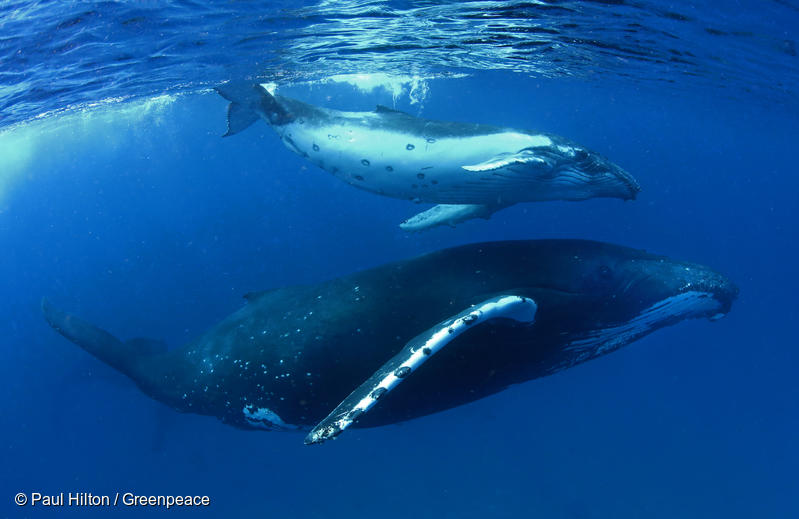
New report: Whales in danger as clock ticks towards deep sea mining
In the wake of baseless claims that offshore wind is a threat to whales, a new peer-reviewed report published today by the University of Exeter and Greenpeace Research Laboratories finds…
-
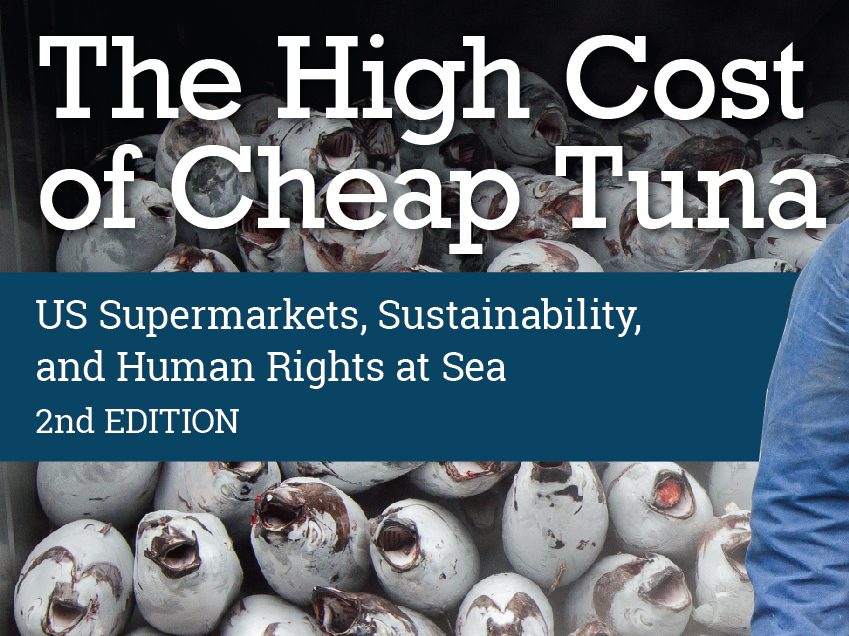
New Report: 16 Biggest U.S. Grocery Retailers Failed on Forced Labor and Human Rights Abuses When Sourcing Tuna—a US$42.2 Billion Industry
As UN negotiations for a global oceans treaty are set to resume, private-sector respect for basic human rights and environmental safeguards is still found lacking throughout the tuna supply chain…
-
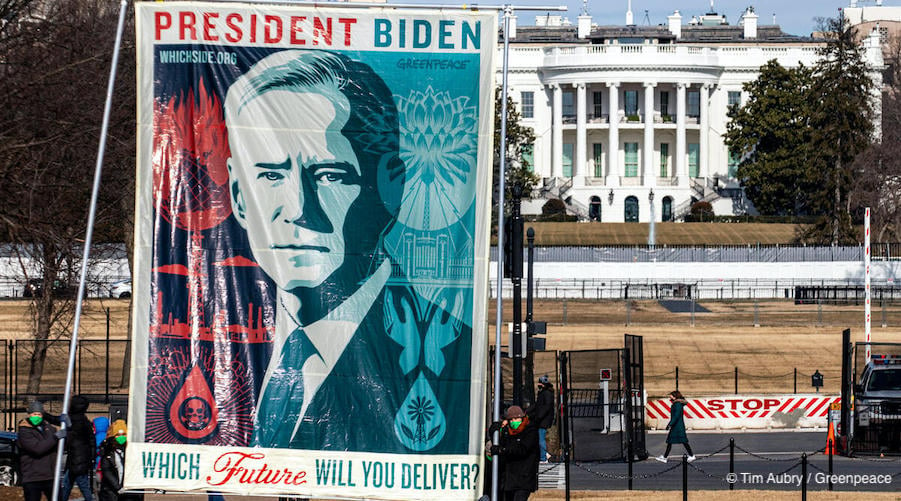
Greenpeace USA Tells Biden To Finish The Job, Deliver On Your Climate Promises
Biden: We need you to finish the job. Put the full force of your power as president behind your climate promises. WASHINGTON DC (Feb. 7, 2023)–In response to the State…
-
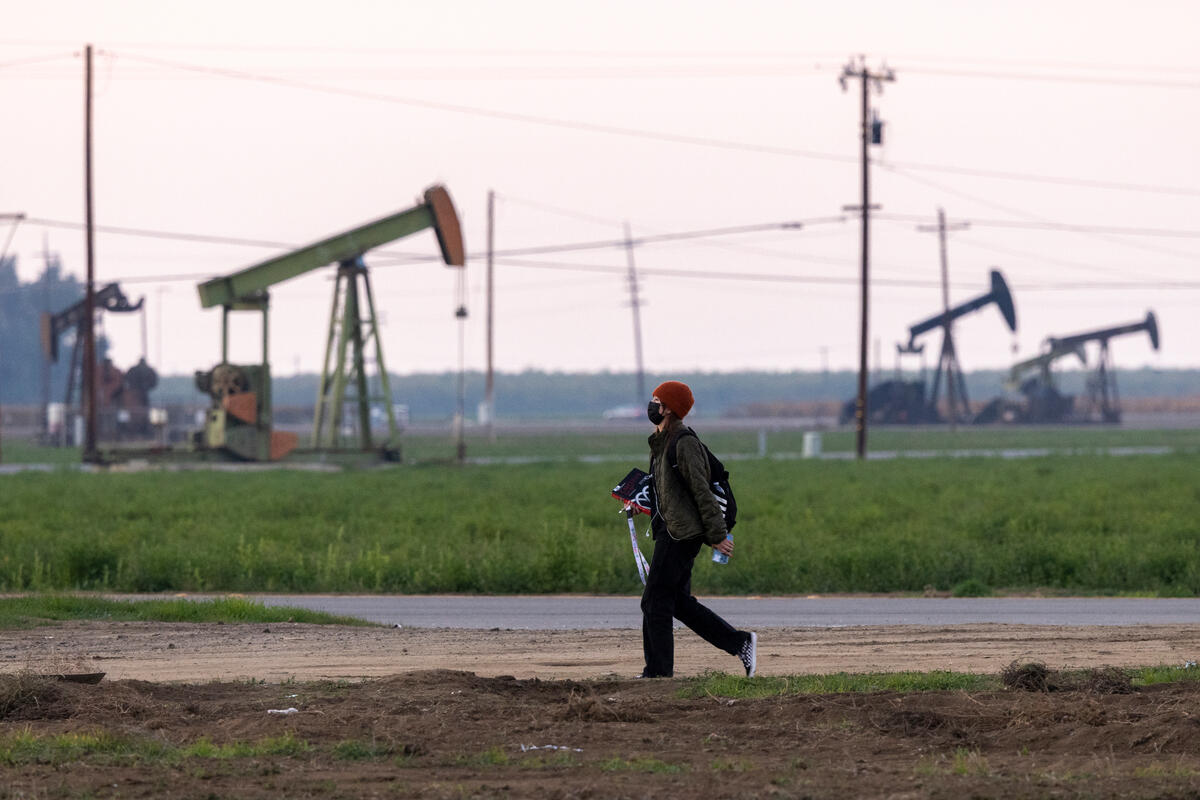
Big Oil Spends Millions to Block California Law Protecting Neighborhoods from Toxic Drilling
“Big Oil’s callous indifference to our democracy and our health, all in the name of growing their own profits, is on full display.” California law to end oil drilling in…
-
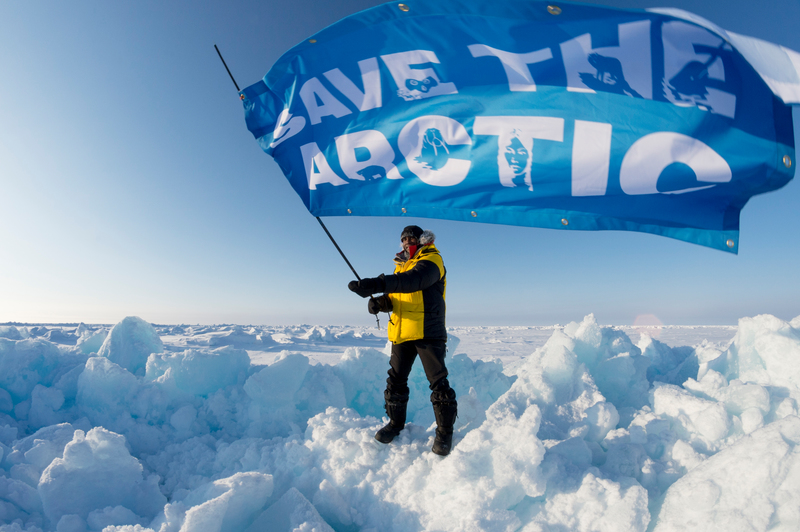
Greenpeace USA Joins Groups Urging Biden to Say No to ConocoPhillips’ Arctic Drilling Project
Interior just released another deficient environmental impact statement for the ConocoPhillips’ Willow oil and gas proposal. Biden can still uphold his climate promises by saying no to Willow. Overwhelming public…
-
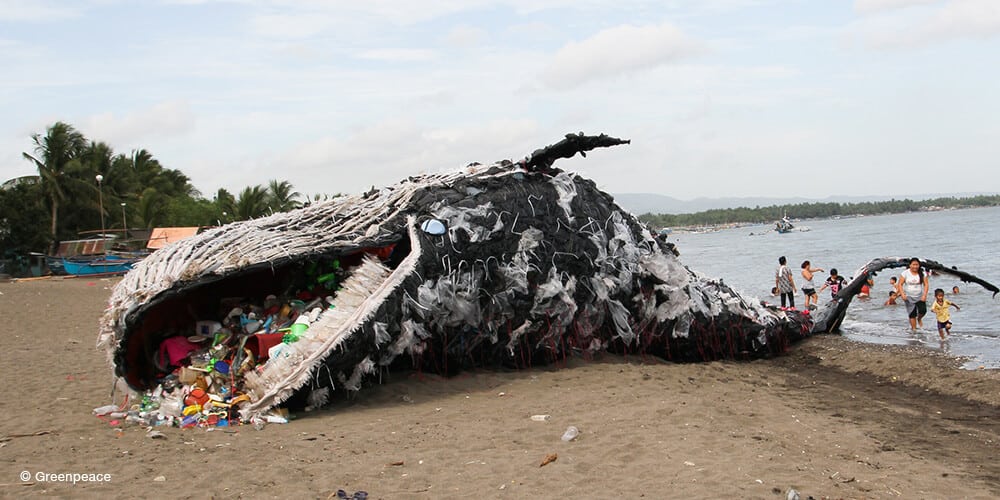
Greenpeace Calls for Ocean Protection to Address Whale Deaths
In response to reports of a spate of whale deaths off the North East Coast of the United States, Arlo Hemphill, Greenpeace USA’s Senior Oceans Campaigner, said: “The unusual number…
-

Biden administration restores the “Roadless Rule,” protecting our largest National Forest
The reinstatement of the 2001 conservation measure on the Tongass National Forest is a huge win in the face of its rollback by the Trump administration Washington, D.C. (Jan. 25,…
-

Greenpeace USA calls for solidarity in response to the police killing of Atlanta forest defender Manuel ‘Tortuguita’ Terán
“An environmental activist has been killed every other day for the past decade. This must end.” Atlanta, GA (Jan. 23, 2023)–In response to the police killing of Atlanta forest defender…
-
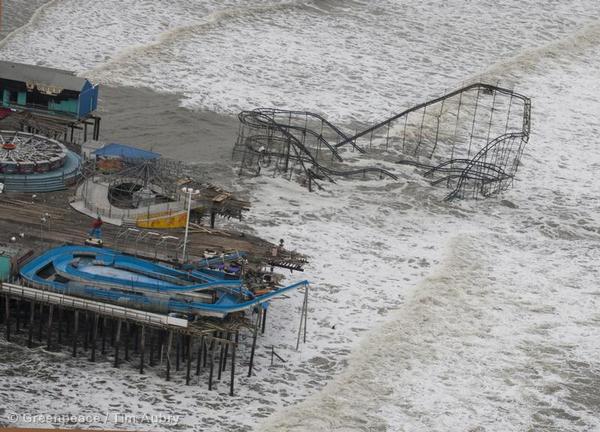
Extreme Weather Events Are Why President Biden Must Declare A Climate Emergency
How many more lives must be lost? How many more decimated homes must President Biden and Governor Newsom visit? San Francisco, CA (Jan. 19, 2023)–In response to President Biden’s visit…
-
Annie Leonard Steps Down; Ebony Twilley Martin Appointed Sole Greenpeace USA Executive Director
Annie’s work has positioned GPUSA well for the work ahead as we remain unwavering in our hope and will continue to be relentless in our pursuit of justice and liberation,…
-
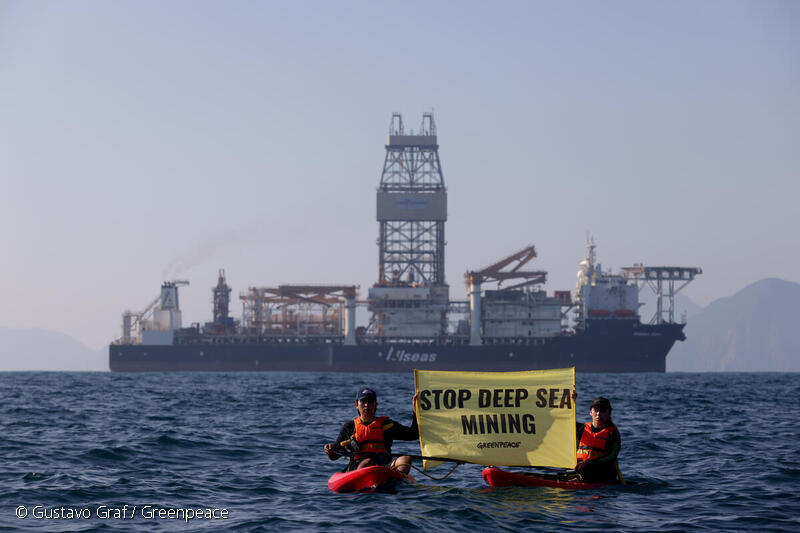
REVEALED: Undercover video shows deep sea mining tests tainted by pollution and flawed monitoring
Undercover footage of the latest deep sea mining tests in the Pacific Ocean by Canadian miner The Metals Company (TMC) and its Swiss operating partner and shareholder AllSeas shows that…
-
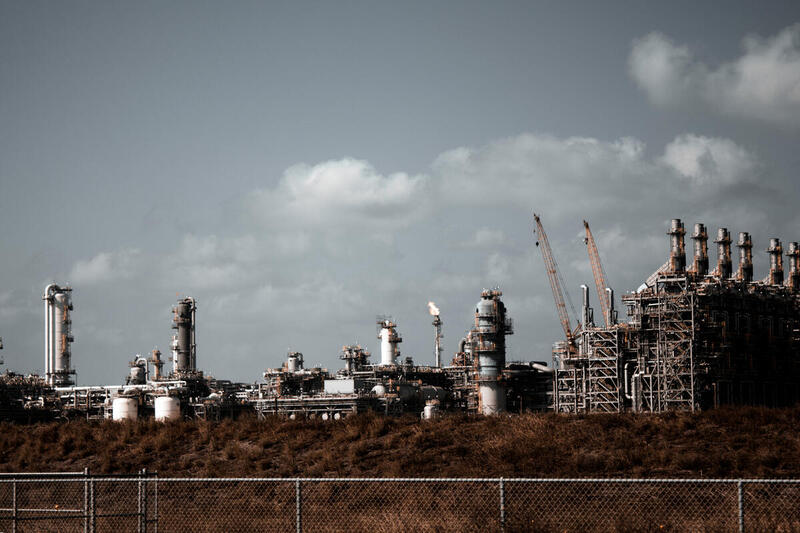
U.S. and Mexico must defuse North America’s Largest Carbon Bomb
MEXICO CITY (January 9, 2023) – Ahead of President Biden’s meeting with President López Obrador during the Three Amigos Summit, Greenpeace Mexico and Greenpeace USA called on Presidents Biden and…
-

Two Years After the January 6th Insurrection, Our Democracy Is Still in Danger
On the two year anniversary of the January 6th insurrection, Greenpeace USA Democracy Campaign Director Folabi Olagbaju said: President Donald Trump is visible on the jumbo screen addressing the Save…
-

Supporters Of Dirty Deal Are Sending A Clear Message: They Don’t Care About Our Lives
Endorsing this Dirty Deal is an assault on the health of the very same communities who canvassed, supported, and waited in line for hours to elect President Biden and a…
-
Greenpeace Applauds the Introduction of a Crypto Transparency Bill
The largest climate polluter in the industry is – by far – Bitcoin. The increased transparency required in this bill will be an important step to address Bitcoin’s carbon footprint.…
-
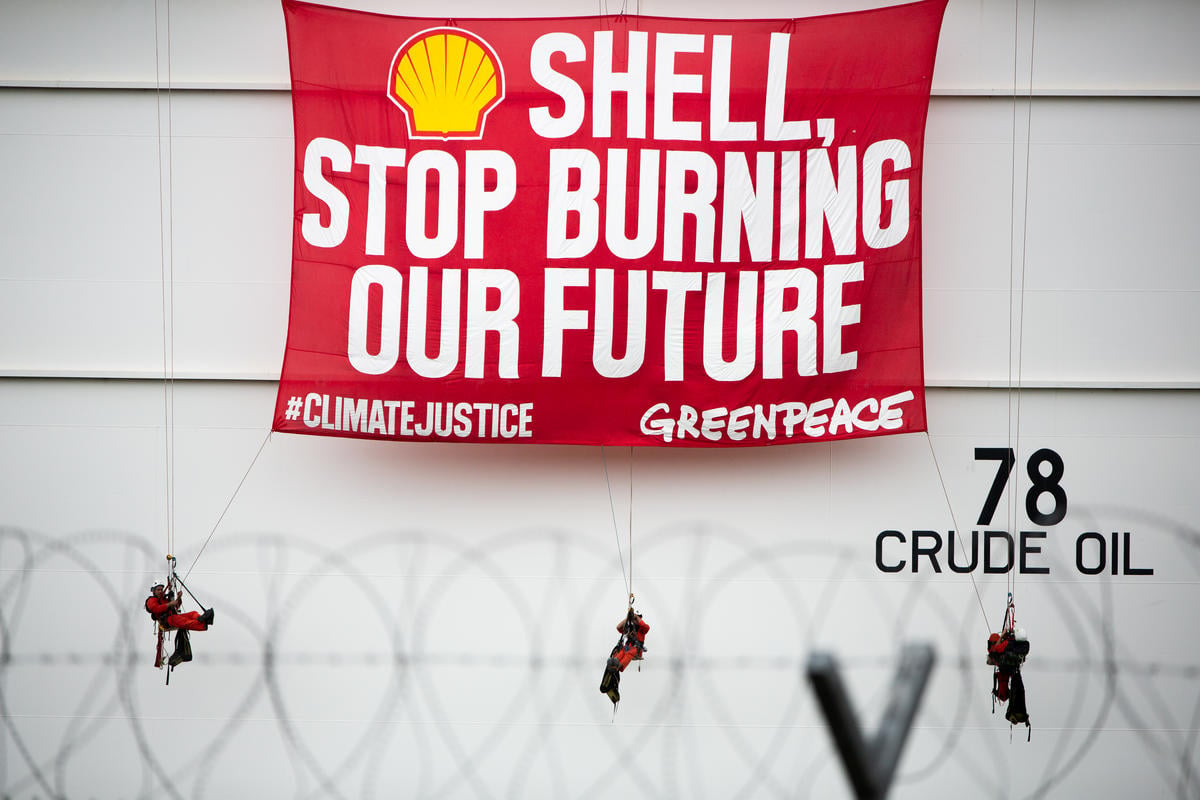
House Report Exposes Extent of Big Oil’s Disinformation
The House Oversight Committee report shows that Exxon, Chevron, Shell, and BP continue their decades-long campaign of roadblocking true, science-based climate solutions. Washington DC (Dec. 9, 2022)–In response to the…
-
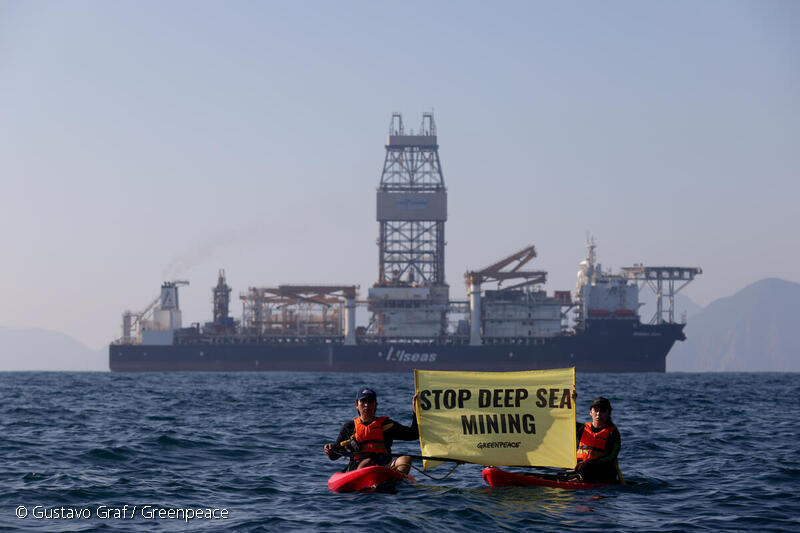
Doomed deep sea miner The Metals Company under huge pressure
The push to launch the deep sea mining industry received another blow on Monday, December 5, when the Nasdaq stock exchange issued a delisting notice to Canadian miners The Metals…
-
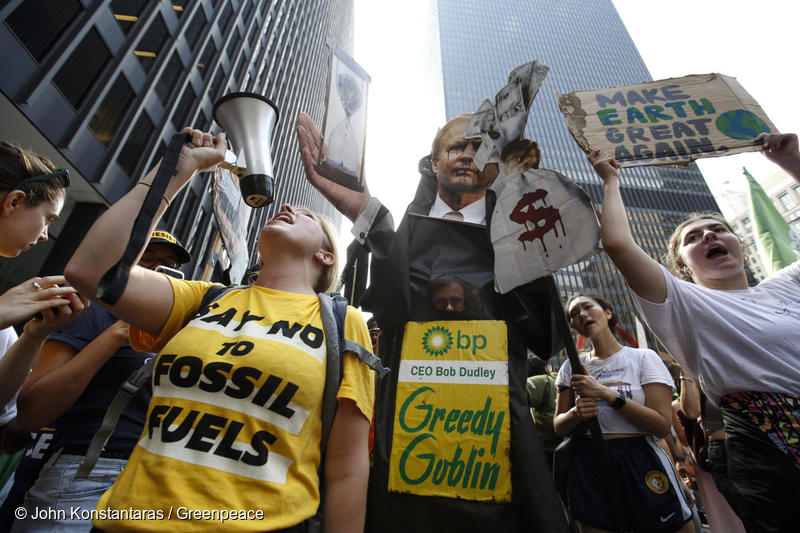
“Dirty Deal” Defeated Again — A Victory for People and Planet
In response to Senator Manchin and Senator Schumer’s dirty permitting deal being removed from the NDAA, Greenpeace USA Chief Program Officer Tefere Gebre said: “The will of the people triumphed…
-
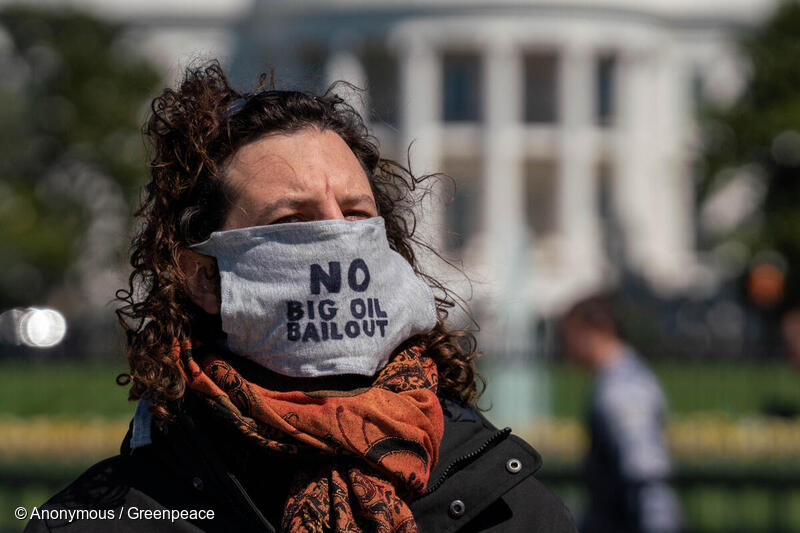
Will Schumer and Pelosi Throw Environmental Justice Communities Under the Bus?
This is an unconscionable attempt from a Senator who puts the wants and needs of oil and gas lobbyists above those of his own constituents and our country. WASHINGTON DC…
-
Activists Drop Banners in CA Capitol Demanding Legislators “Make Big Oil Pay”
California State Legislature reconvenes to discuss record high oil and gas profits in the state Activists demand that state legislators in California put people over profits. SACRAMENTO, CA (December 5,…
-
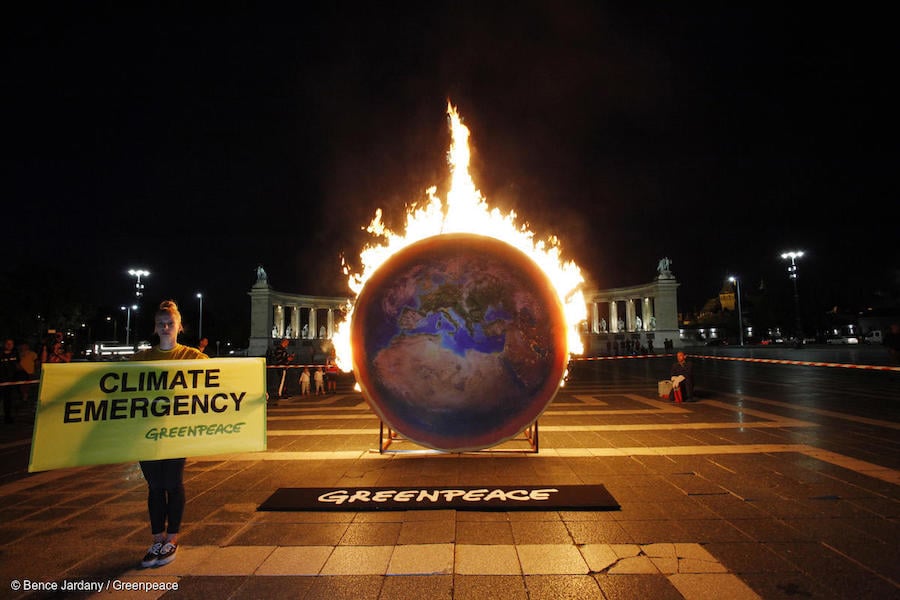
Greenpeace USA Applauds New York Governor Hochul’s Moratorium on Crypto “Mining”
We applaud the action taken by Gov. Hochul to address the environmental concerns over the energy-intensive activity of these ‘miners.’ Greenpeace Hungary displayed a burning Earth at Heroes’ Square, in…
-
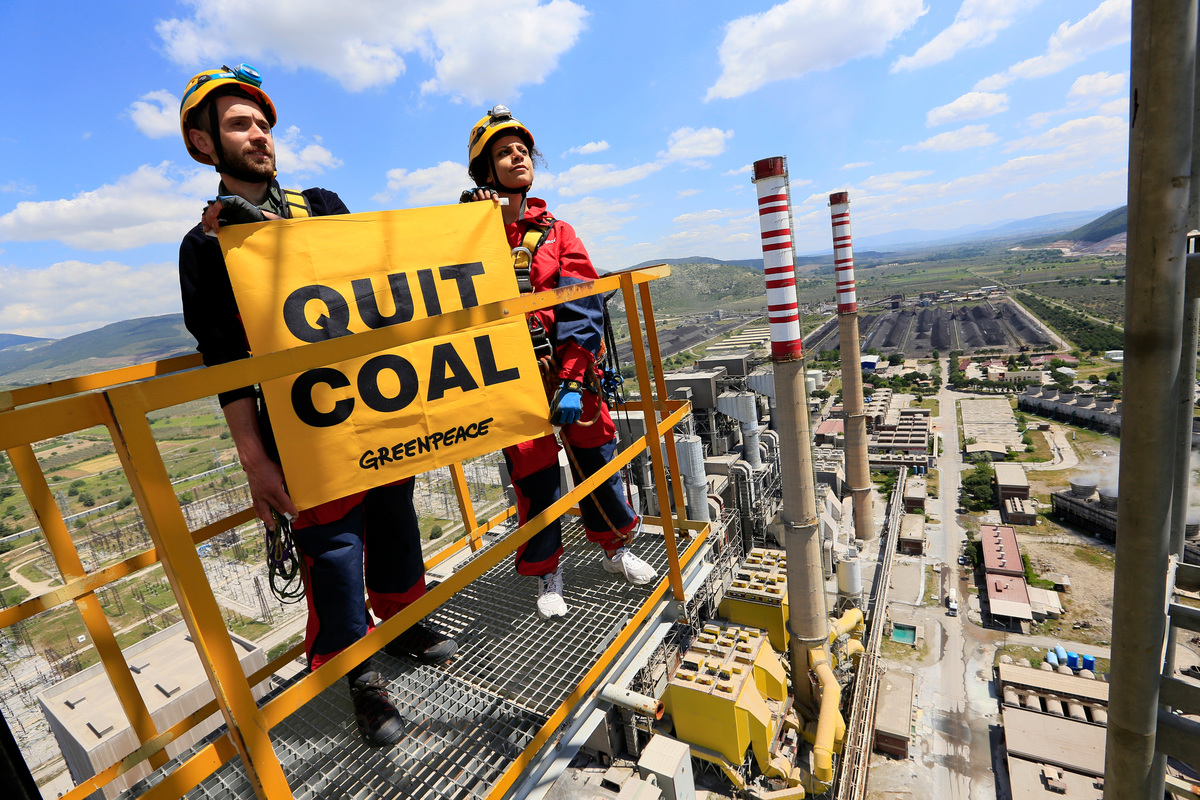
Approval of SPOT Shortens the Fuse on the World’s Largest Carbon Bomb
When we say oil and gas companies are sacrificing communities to make a buck this is exactly what we’re talking about. WASHINGTON DC (Nov. 21, 2022)–In response to the decision…
-
Bitcoin Falls Further Behind on Climate
Greenpeace USA’s response to the Ethereum Climate Platform (ECP) SAN FRANCISCO, CALIFORNIA (November 18, 2022) – In response to ConsenSys and 18 other firms releasing their Ethereum Climate Platform (ECP),…
-
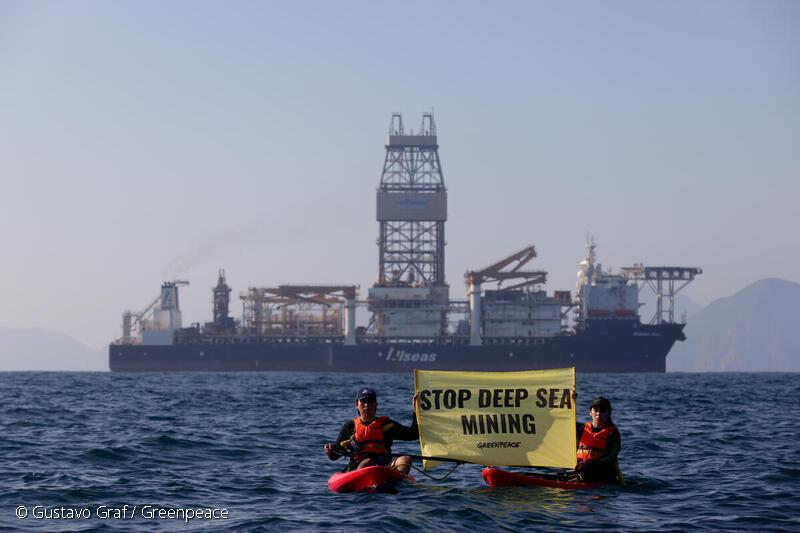
Greenpeace confronts deep sea mining vessel to highlight threat to ocean
Greenpeace activists from Mexico and Aotearoa (New Zealand) peacefully confronted a deep sea mining ship off the coast of Manzanillo, México as it returned to port from the Pacific on…
-
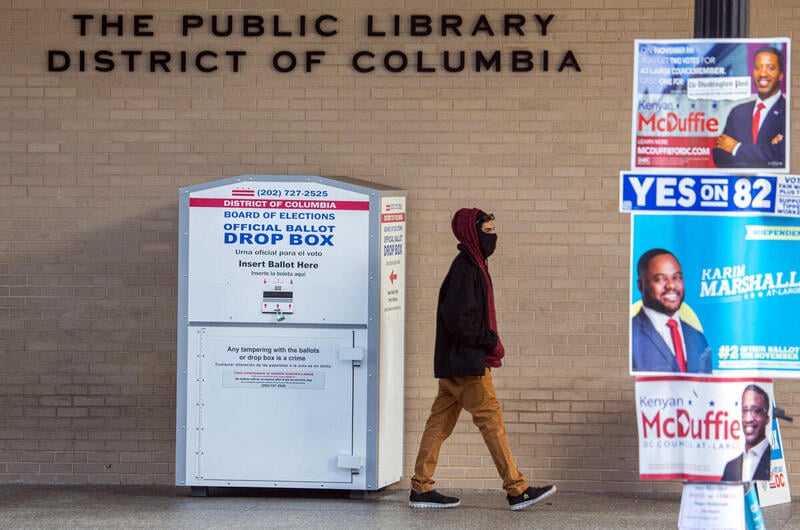
Pro-Climate Voters Stopped Extreme Politicians from Taking Control of Government
The checks and balances of the US government may not protect us from the worst and most harmful bills that would damage our planet and democracy. The time is ripe…
-
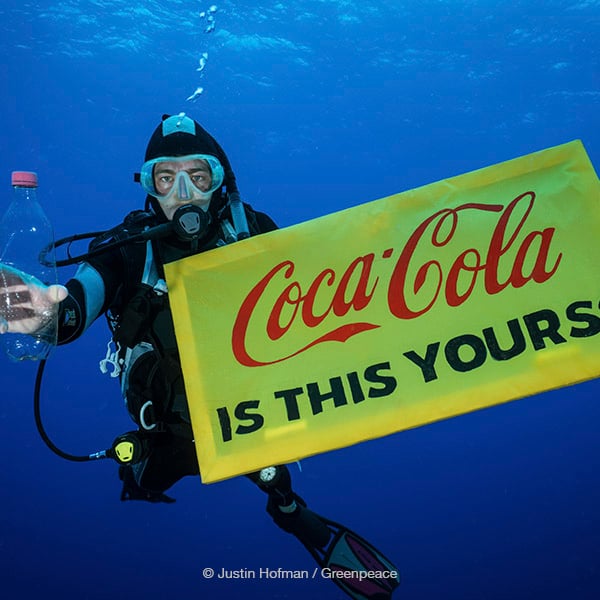
COP27 Sponsor The Coca-Cola Company named worst plastic polluter for five years in a row according to 2022 Brand Audit
COP27 Sponsor The Coca-Cola Company named worst plastic polluter for five years in a row according to 2022 Brand Audit The Coca-Cola Company, PepsiCo, and Nestlé come in as the…
-
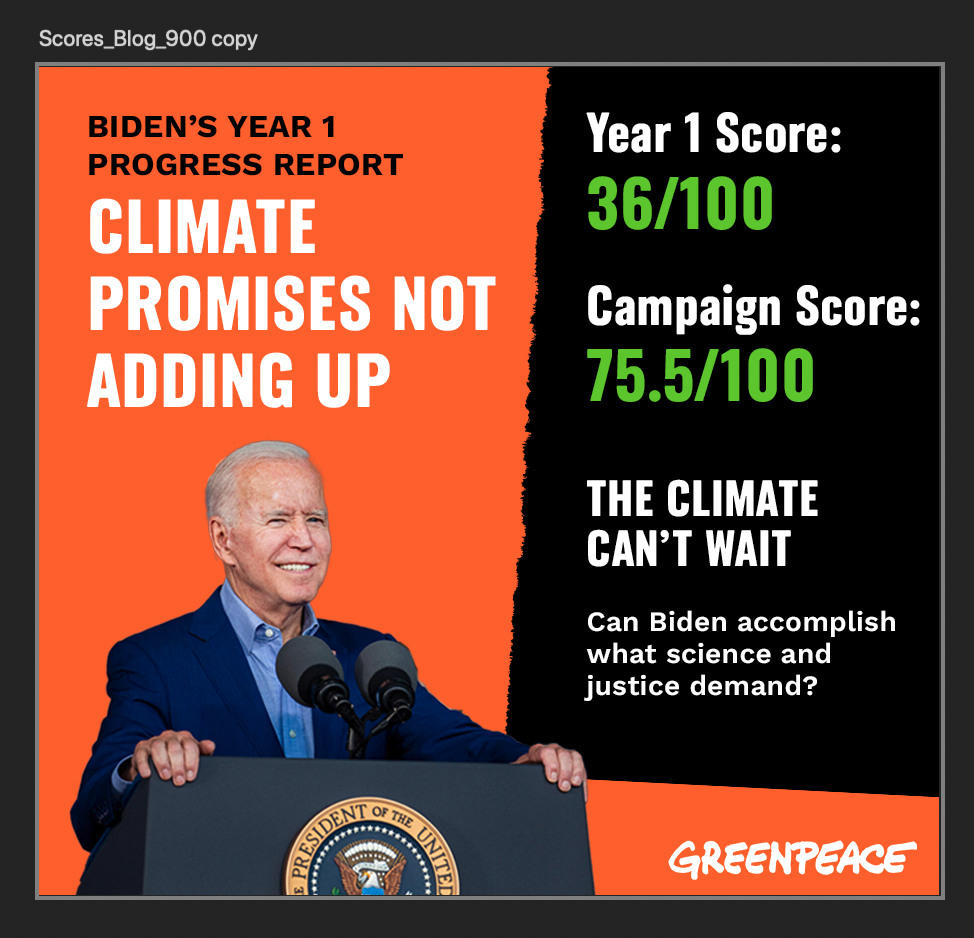
COP Out: President Biden Fails to Address Phasing Out the Fossil Fuels Cooking the Climate
If President Biden is serious about the U.S. doing its part to “avert climate hell”, he would commit to a plan to end the era of fossil fuels at COP…
-
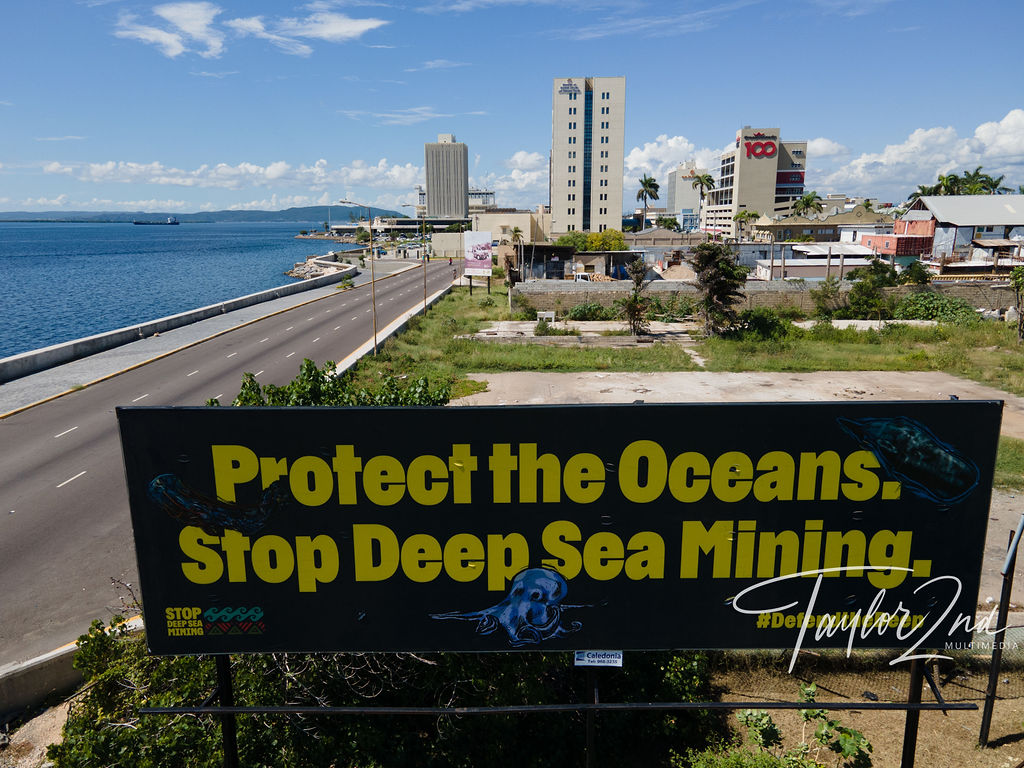
Greenpeace Urges Governments to Take Action to Stop the Launch of Deep Sea Mining
The number of governments opposing deep sea mining has multiplied in the past two weeks, with Pacific, Latin American and European states calling for a precautionary pause, moratorium or a…
-
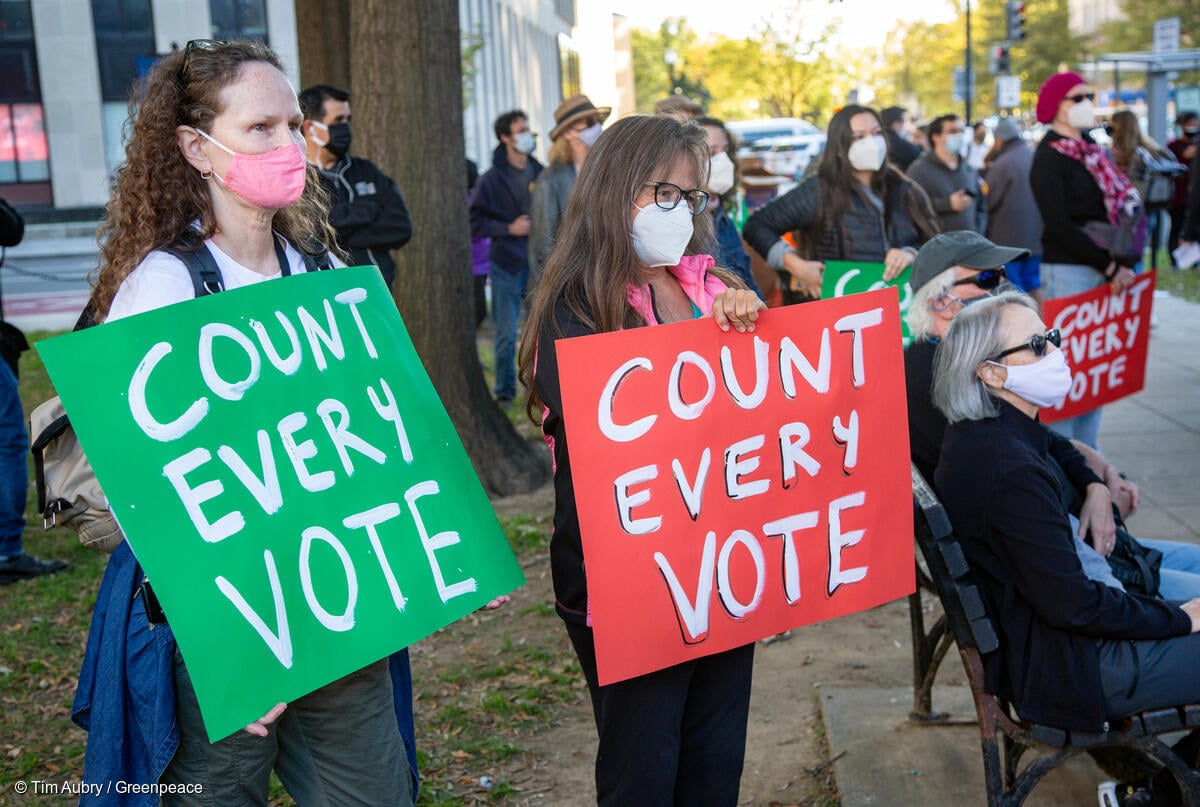
New Data: Oil and Gas Industry Has Spent an Average of $4.3 Million per Senate Seat and $490,000 per House Seat
Oil and gas executives and other powerful corporate interests want to keep us home by spreading misinformation and contributing to politicians supporting voter suppression efforts. In fact, new data shows…
-
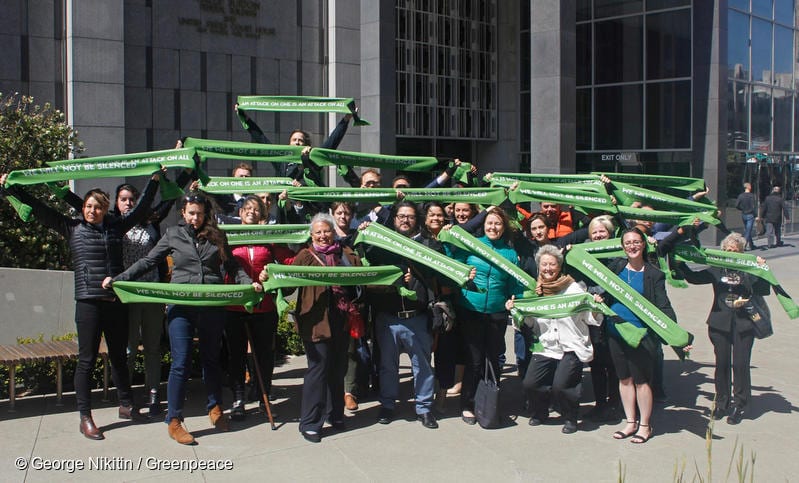
Logging Company Sanctioned in Lawsuit Against Greenpeace USA
A step towards deterring bullying tactics that silence environmental concerns Oakland, California (November 3, 2022)– Yesterday the United States District Court for the Northern District of California sanctioned Resolute Forest…
-

Greenpeace Brazil responds to election outcome
Brazilians chose not only democracy but also the candidate who said he would pursue a greener and more just Brazil. São Paulo, Brazil (October 31, 2022)–In response to the Brazilian…
-
Taxing Big Oil’s Obscene Profits is Only Fair
When profits are high, oil companies keep all the profits. When profits are low, taxpayers have to bail them out. It is simply not fair. WASHINGTON DC (Oct. 31, 2022)–In…
-
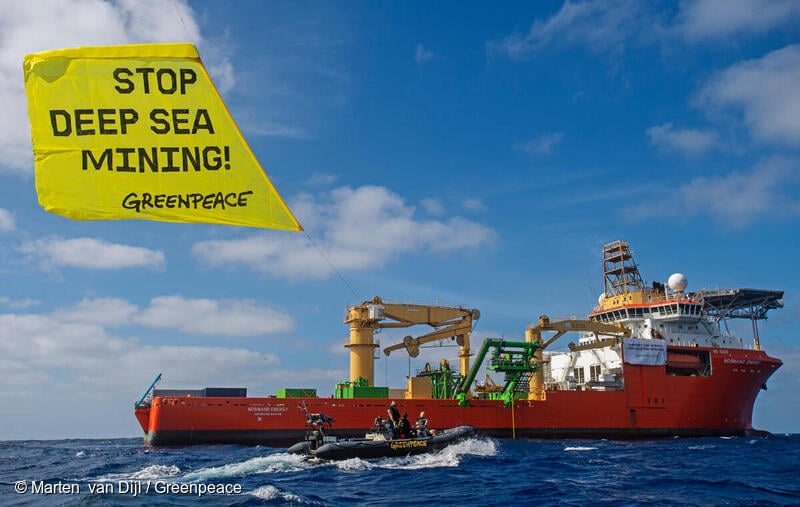
Greenpeace Urges Governments to Stop Deep Sea Mining at Upcoming Negotiations
The movement against deep sea mining is growing with the New Zealand government’s decision today to back a global moratorium on deep sea mining. The Greenpeace network is calling on…
-
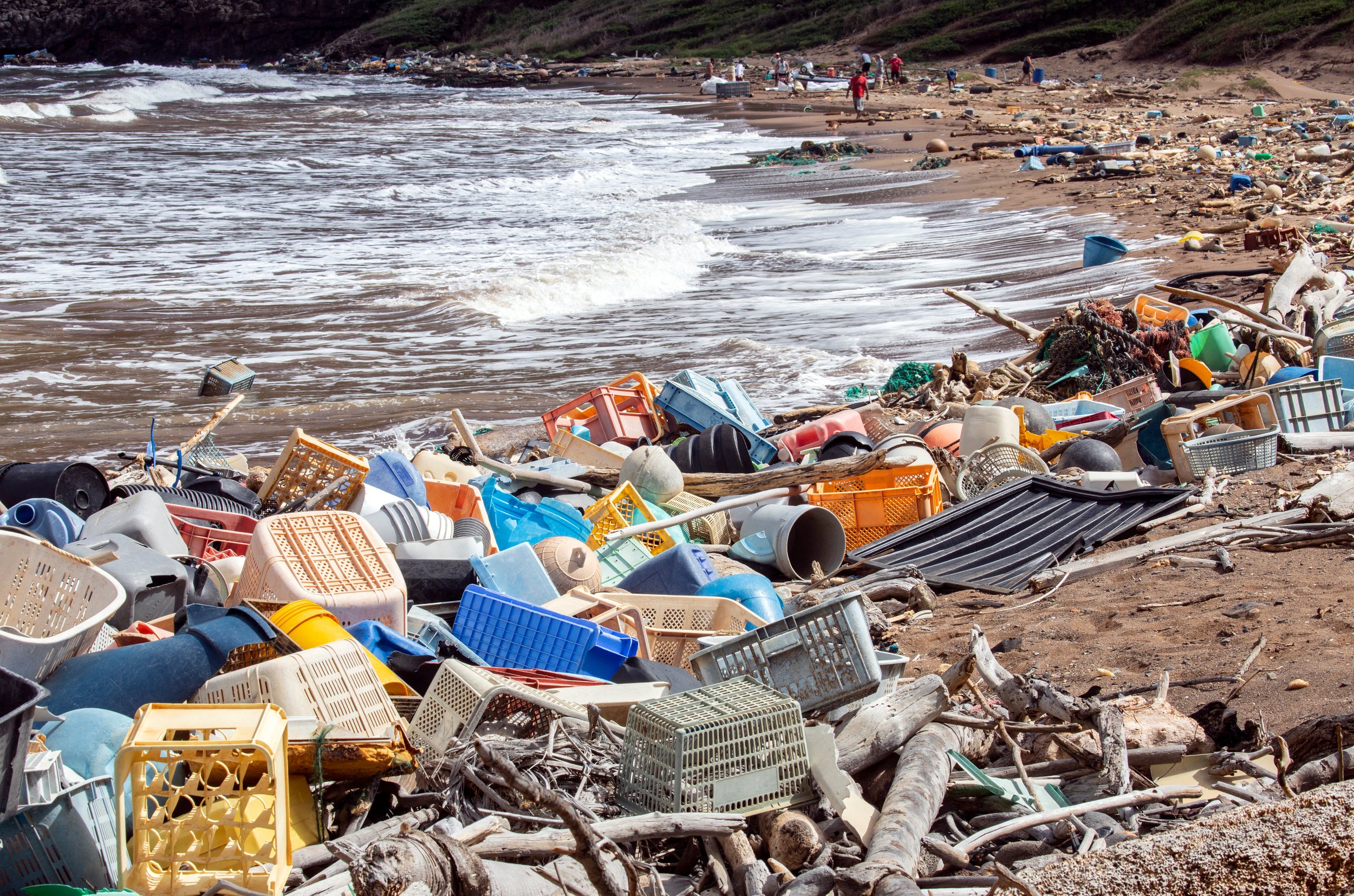
New Greenpeace Report: Plastic Recycling Is A Dead-End Street—Year After Year, Plastic Recycling Declines Even as Plastic Waste Increases
Paper, cardboard, and metals are all recycled at a high rate, but plastic continues to be trash Most plastic simply cannot be recycled, a new Greenpeace USA report concludes. Circular…
-

Greenpeace Slams Proposal from Business Advisory Group as Rollback of Transparency and Traceability in Seafood Supply Chains
A group of prominent US businesses, including Walmart, submitted a proposal to the US Government that would hide trade data used to trace labor abuses through the seafood supply chain.…
-

Record-breaking deforestation registered in the Amazon ahead of presidential elections in Brazil
An area larger than Belgium was deforested in the Amazon in the past three years, according to PRODES 2022 has seen record-breaking numbers of fires and deforestation MANAUS, BRAZIL (October…
-

“Bumble Bee: #GoodforWho?” Proclaims Banner at Padres Game
Greenpeace USA Call out Company’s Human Rights and Environmental Record Yesterday, Greenpeace USA activists unfurled a banner during a Padres home game at Petco Park Stadium in San Diego pointing…
-
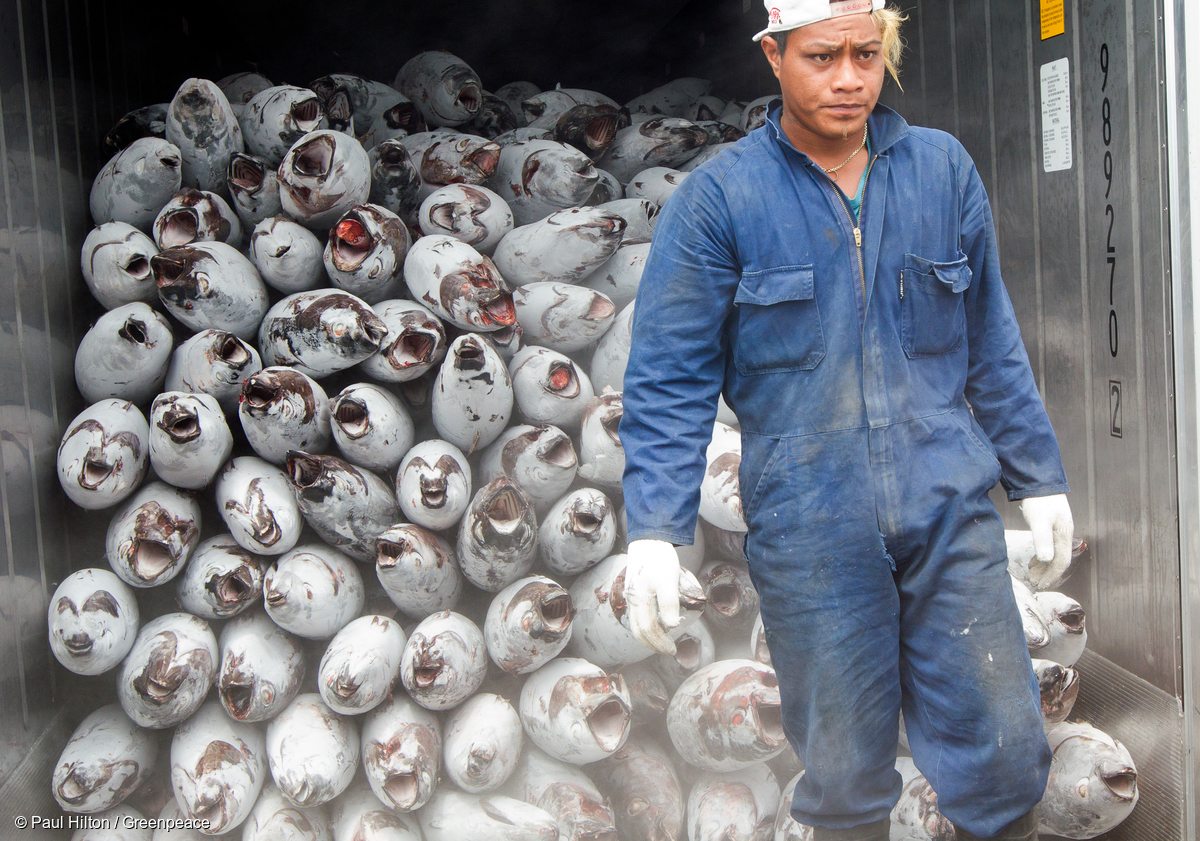
Taiwan-caught fish once again on Department of Labor’s (DOL) List of Goods Produced by Child Labor or Forced Labor
The U.S. Department of Labor (DOL) has again included Taiwan-caught fish in its List of Goods Produced by Child Labor or Forced Labor. Taiwan was first listed in the DOL’s…
-
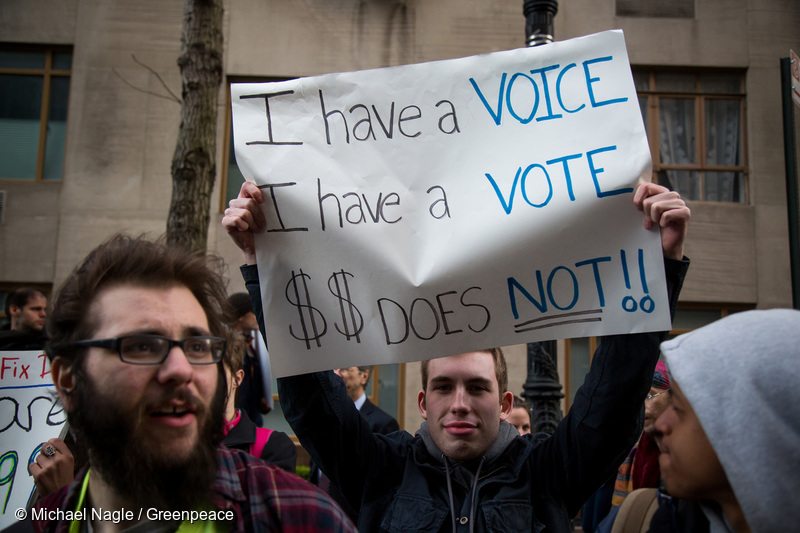
This Must be the End of Manchin’s Dirty Deal
This must signal an end to backroom deals that sacrifice the health and safety of our communities at the altar of Big Oil profits. Washington DC (Sept. 27, 2022)–In response…
-
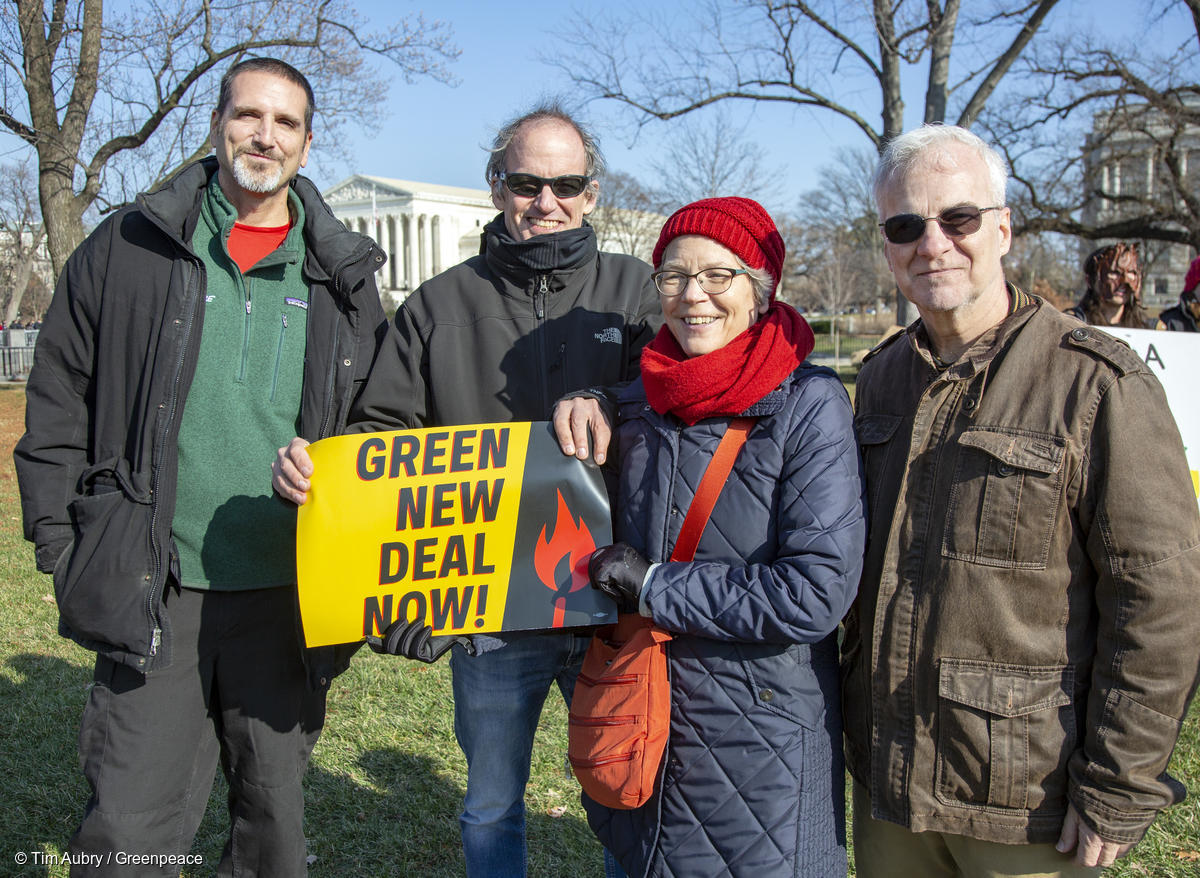
Environmental Leaders Sitting In on Capitol Hill to Protest Schumer/Manchin Permit Deal
Civil disobedience by directors of national and community environmental groups comes the day after the text of Manchin’s bill is released A group of 13 environmental and community leaders are…
-

Manchin’s Dirty Deal Would Sacrifice Lives And The Planet
This is not permitting reform. This is permitting a giveaway that benefits those who continue to line their pockets at the expense of those affected by climate disasters. Washington DC…
-

Destruction of Brazil’s forests and Indigenous Peoples’ lands highlighted in New York City ahead of Brazil President’s speech at the UN
Indigenous leaders from Brazil and civil society groups alert world leaders about deforestation and escalating violence at the hands of the current government | The Articulation of Indigenous Peoples of…
-
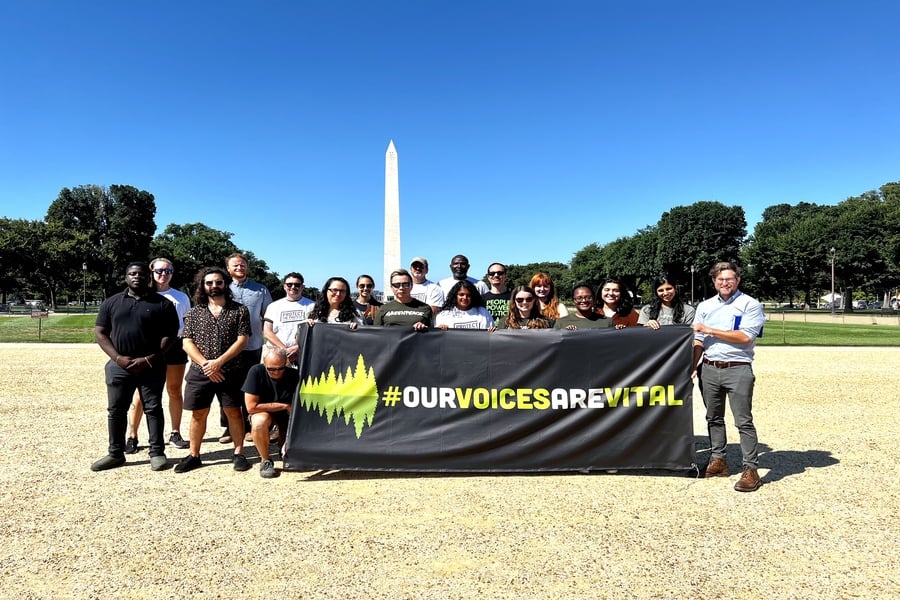
Representative Jamie Raskin Introduces the First Federal Bill to Deter Strategic Lawsuits Against Public Participation (SLAPPs)
New landmark bill to protect free speech from baseless legal attacks and combat Strategic Lawsuits Against Public Participation, commonly referred to as “SLAPPs. | Representative Jamie Raskin (MD-8) today introduced…
-

As Investigations Into Big Oil Continues, Manchin And Schumer Try To Push A Dirty Permitting Deal
This week three Congressional committees held hearings investigating Big Oil’s shady tactics to delay climate action, silence those who protect their communities, and sacrifice lives to grow their profits. Meanwhile,…
-
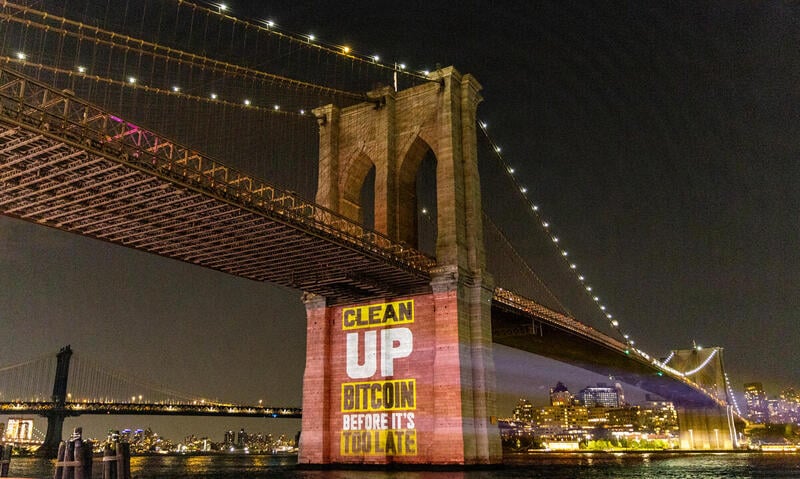
Climate groups to bitcoin: Cut the pollution, and the B.S.
Ethereum’s energy-efficient ‘merge’ leaves bitcoin as lone cryptocurrency climate polluter while new $1M ad campaign, pressure on bitcoin investors to meet or beat ethereum’s standard Ethereum’s long-awaited “merge” to a…
-
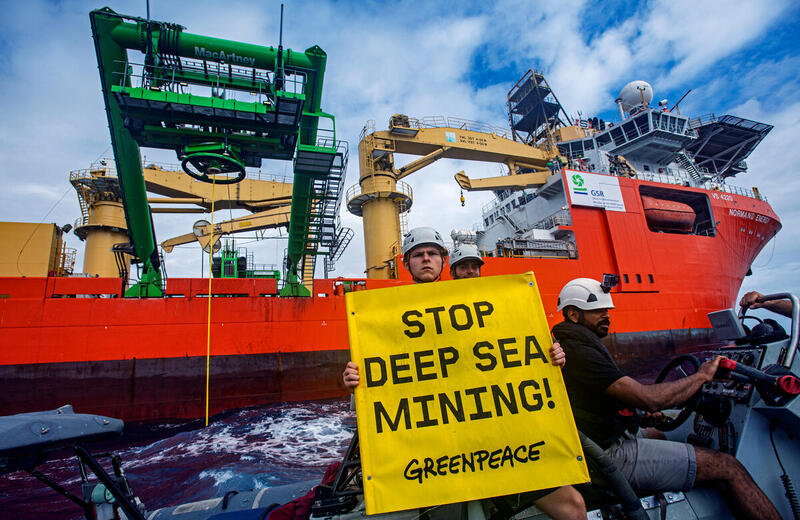
Greenpeace USA Slams Shock Decision to Green-light Deep Sea Mining
Deep sea mining could begin in the Pacific as early as this month after a shock decision from regulators to allow The Metals Company (TMC) to start mining the seafloor. Greenpeace…
-
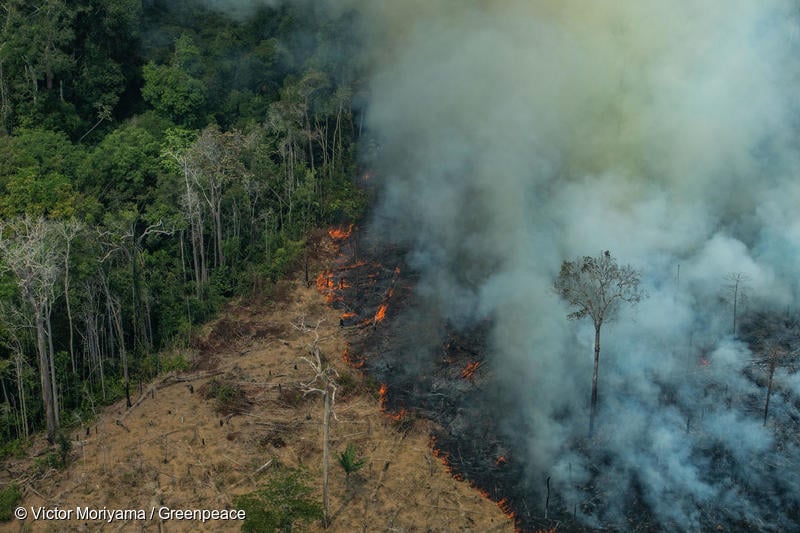
Amazon deforestation hits second highest rate ever recorded in August
“Time is of the essence for the Amazon and its people.” São Paulo, Brazil–According to new data from Brazilian Space Agency’s Program DETER (INPE), the month of August recorded 1,661…
-
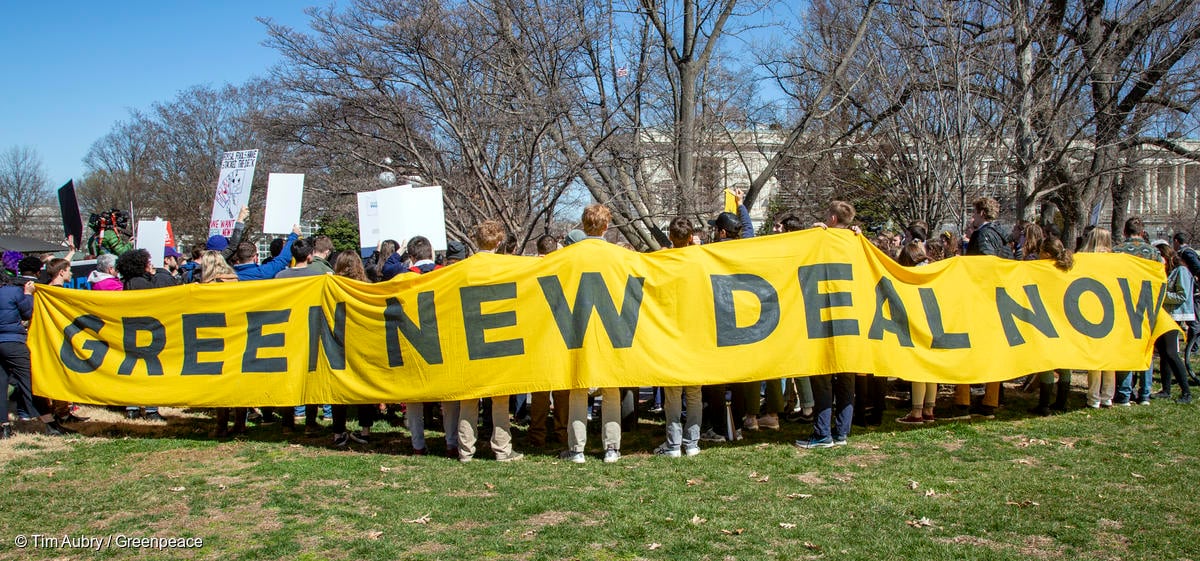
Greenpeace USA Supports Calls From Members Of Congress To Stop Dirty Permitting Deal
Let’s be perfectly clear, Manchin and Schumer’s Dirty Deal would allow the oil and gas industry which is responsible for over 1 in 5 premature deaths to fast track projects…
-
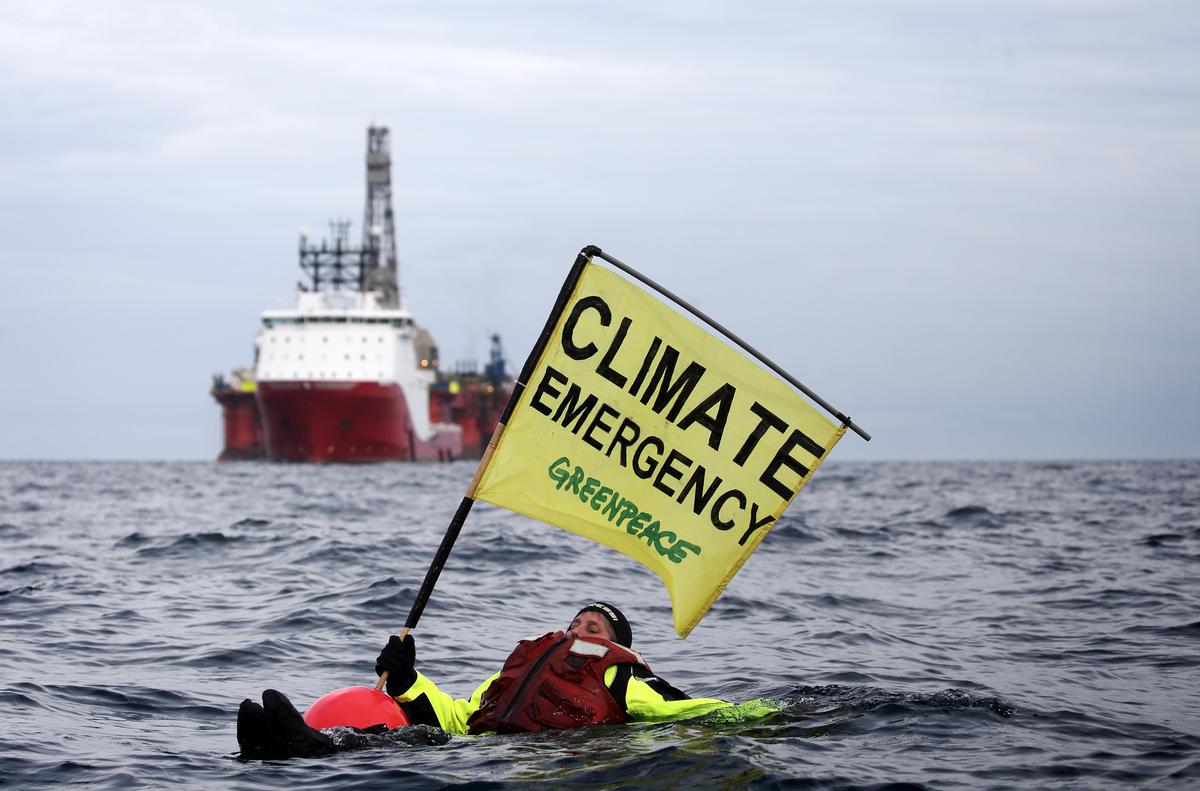
Democracy and Climate: The Clock is Ticking
There are two existential threats facing the country: the attack on democracy and catastrophic climate change. WASHINGTON, DC (September 1, 2022)–In response to President Joe Biden’s primetime address to the…
-

California State Legislature votes to end neighborhood drilling
After years of delays, communities in California finally win much-needed public health and safety setbacks – soon marking an end to toxic neighborhood drilling. SACRAMENTO, CA–In response to Senate Bill…
-
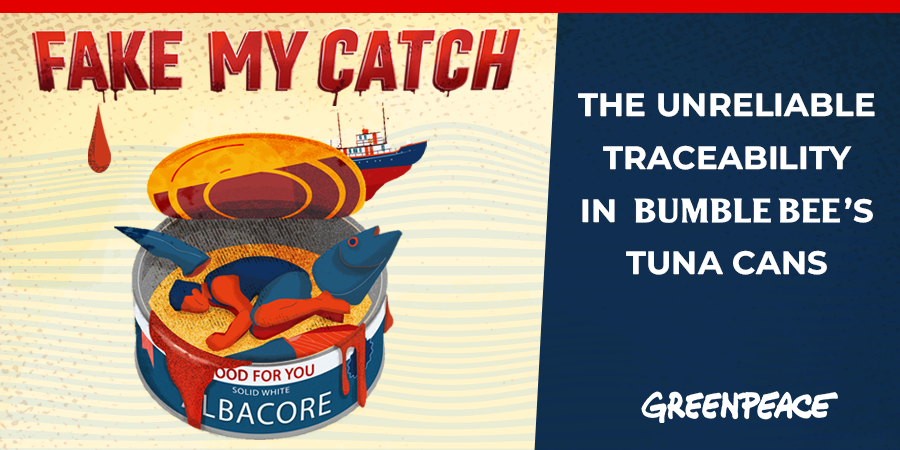
Bumble Bee Tuna Not as Wholesome as Company Claims
Greenpeace East Asia Report Uncovers Suspected Human Rights Abuse and Environmental Destruction in Company’s Supply Chain Major US seafood brand Bumble Bee is suspected of having environmentally harmful illegal fishing…
-
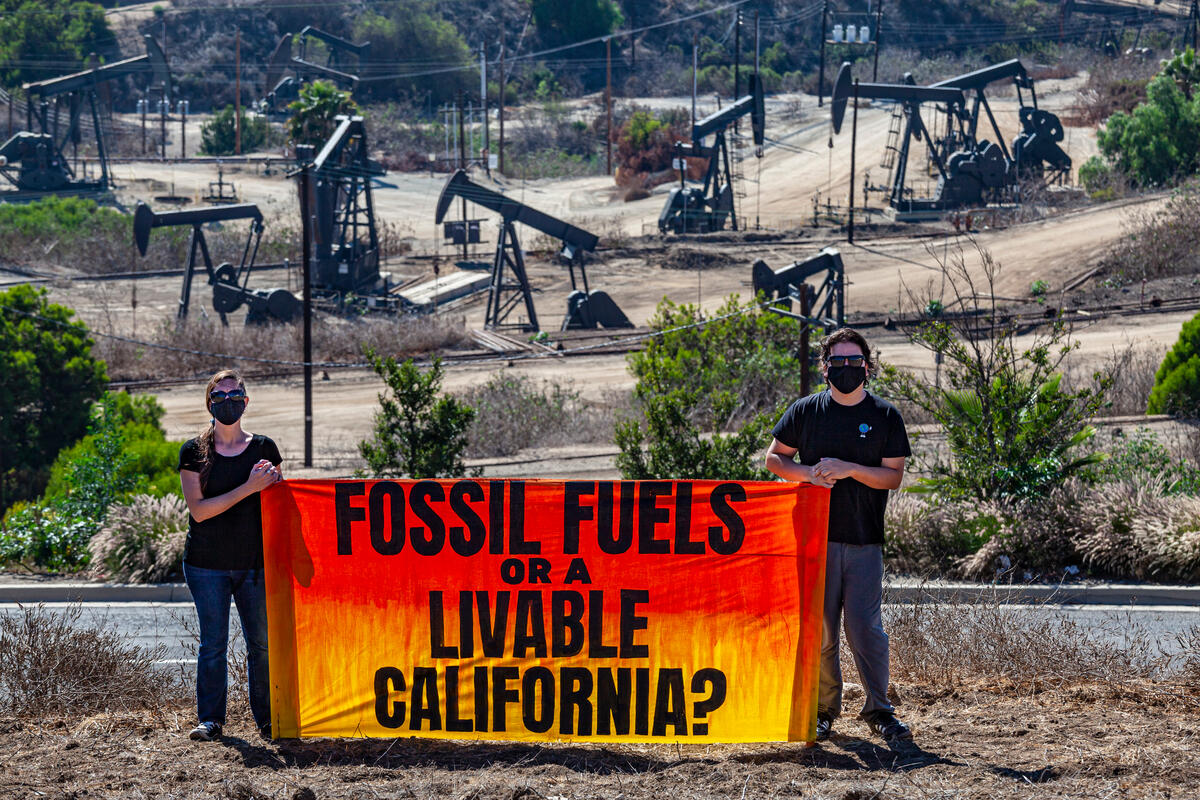
Labor and environmental justice advocates urge California government to end oil & gas drilling near communities
The letter called on California’s leaders to pass the measure and reject industry misconceptions that climate and public health action are opposed to worker’s rights. Sacramento, California (August 25, 2022)–Former…
-

Javier Bardem, Jane Fonda and other celebrities plea for ocean protection as UN Global Ocean Treaty negotiations enter last stages
Javier Bardem, Jane Fonda, Helen Mirren, and other celebrities renowned for their environmental advocacy joined with the Greenpeace network and several other civil society organizations from around the world to…
-
REPORT: Cheniere Energy’s Cargo Emissions Tags Undercount the Real Impact of American Gas Exports
The LNG Cargo tags, which Cheniere began issuing in June, are the gas industry’s latest greenwashing scheme Cheniere’s lifecycle emissions tags appear to be pinned to a misleading methane analysis…
-
Greenpeace Africa and Greenpeace USA call for the Protection of Forests & Peatlands and the End of Oil and Gas Expansion in DRC
You cannot extract oil from peatlands and protected areas while claiming to be a “solution country” for the climate crisis. Aerial view of Monboyo River and peatland forest of Salonga…
-
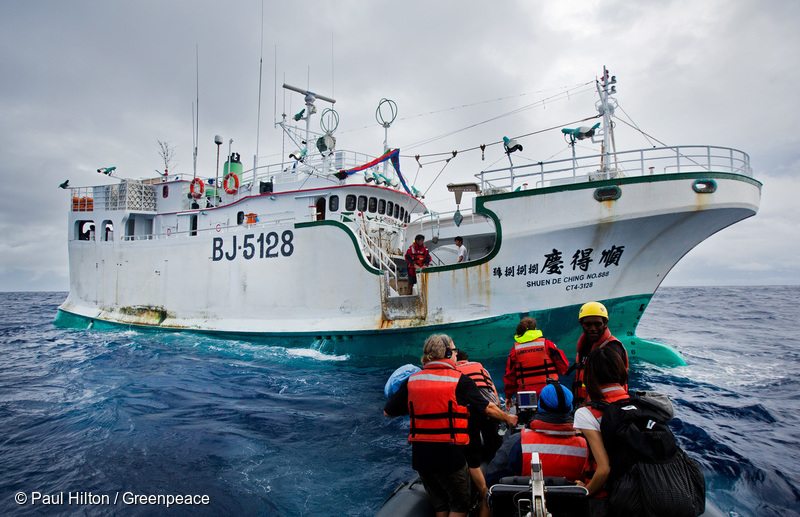
Greenpeace welcomes spotlight from Senators on environmental and human rights concerns in murky seafood supply chain
In response to the letter from Senators Feinstein, Merkley, and other colleagues to the Food and Drug Administration (FDA) outlining their concerns on seafood traceability, Mallika Talwar, Greenpeace senior ocean…
-
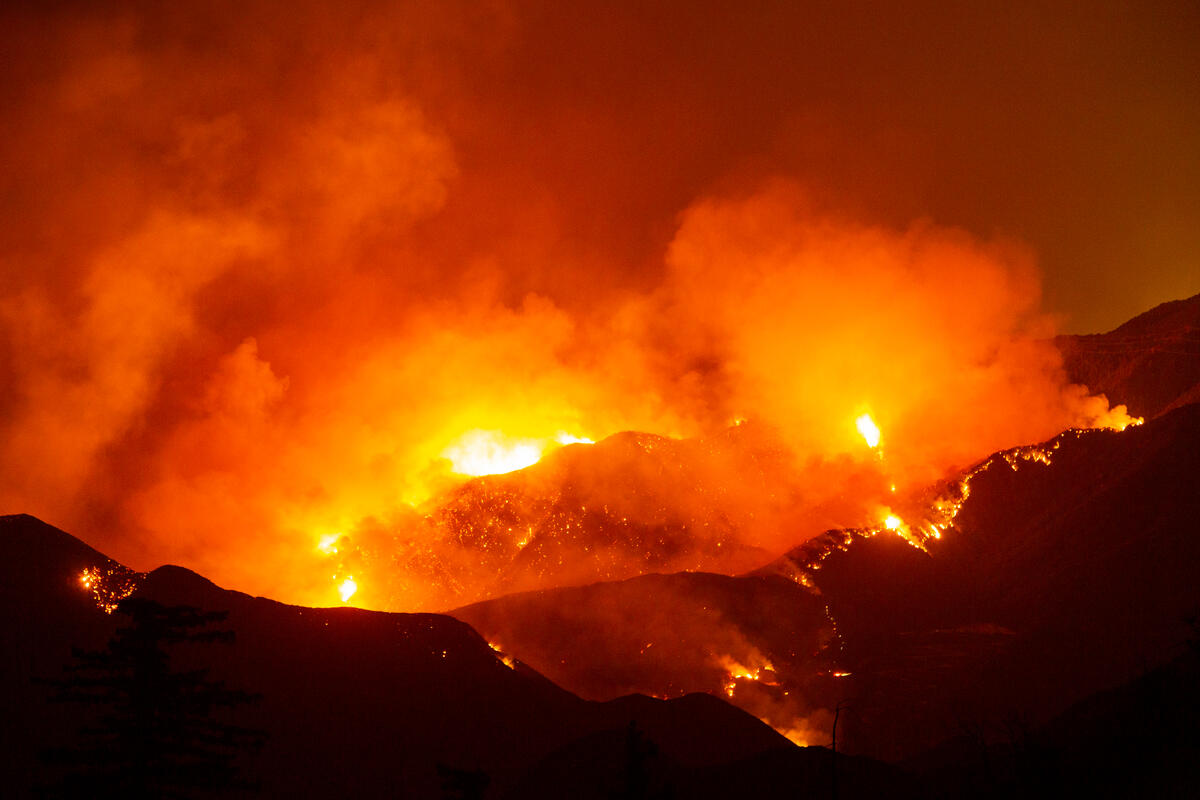
Inflation Reduction Act is Historic Climate Investment, but Pours Gasoline on the Flames
The Inflation Reduction Act includes much needed investment in renewable energy, and a down payment on the union jobs we need to propel a green economy. But it is also…
-
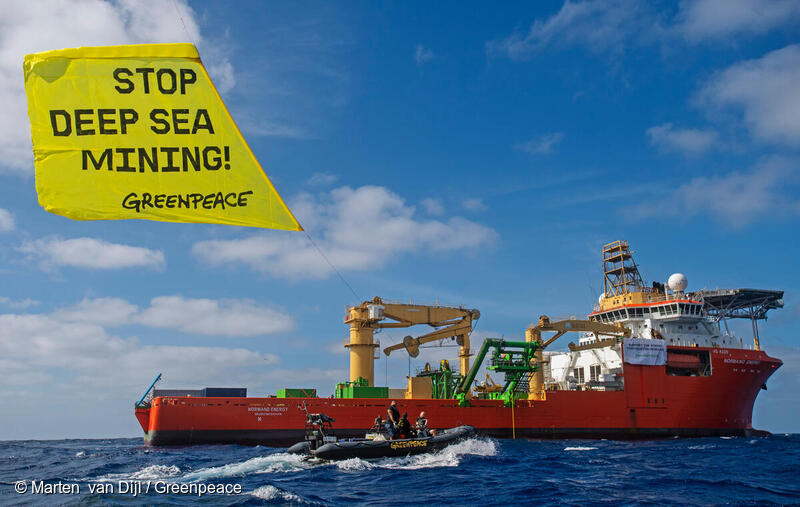
Key countries oppose deep sea mining as regulations advance to open the industry
As delegates in Kingston, Jamaica, wrap up three intensive weeks of negotiations at the International Seabed Authority (ISA) for rules that could launch the deep sea mining industry by summer…
-

Greenpeace USA urges seafood producers and retailers to keep endangered species out of their supply chains
New Zealand commercial fishing caught 58 protected turtles last year alone Greenpeace USA is calling on US seafood manufacturers and suppliers to stop environmental harm and biodiversity loss in their…
-
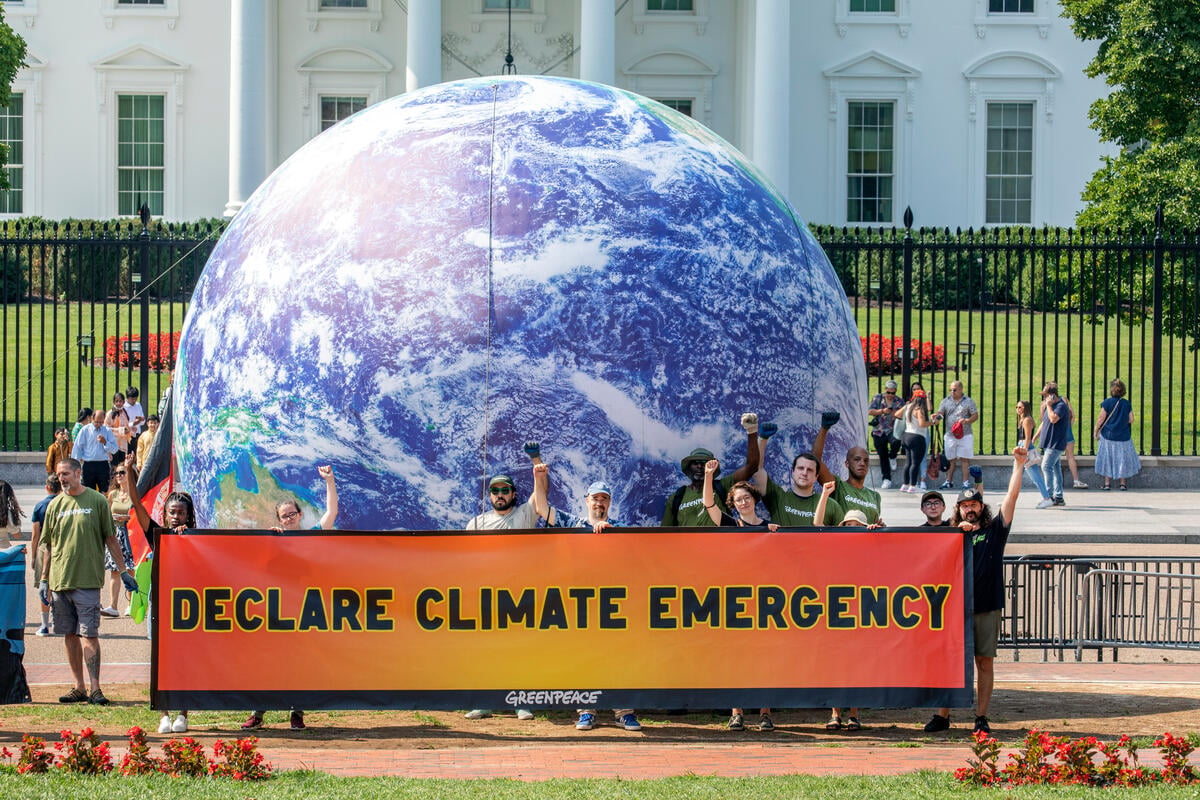
Activists Deliver 16-foot “Earth” into Biden’s Hands as Nearly Half A Million Demand He Declare Climate Emergency
Calls for President Biden to follow through on his climate promise continue to grow as the death tolls and long-term impacts from heatwaves, drought, floods, and other climate disasters rise. …
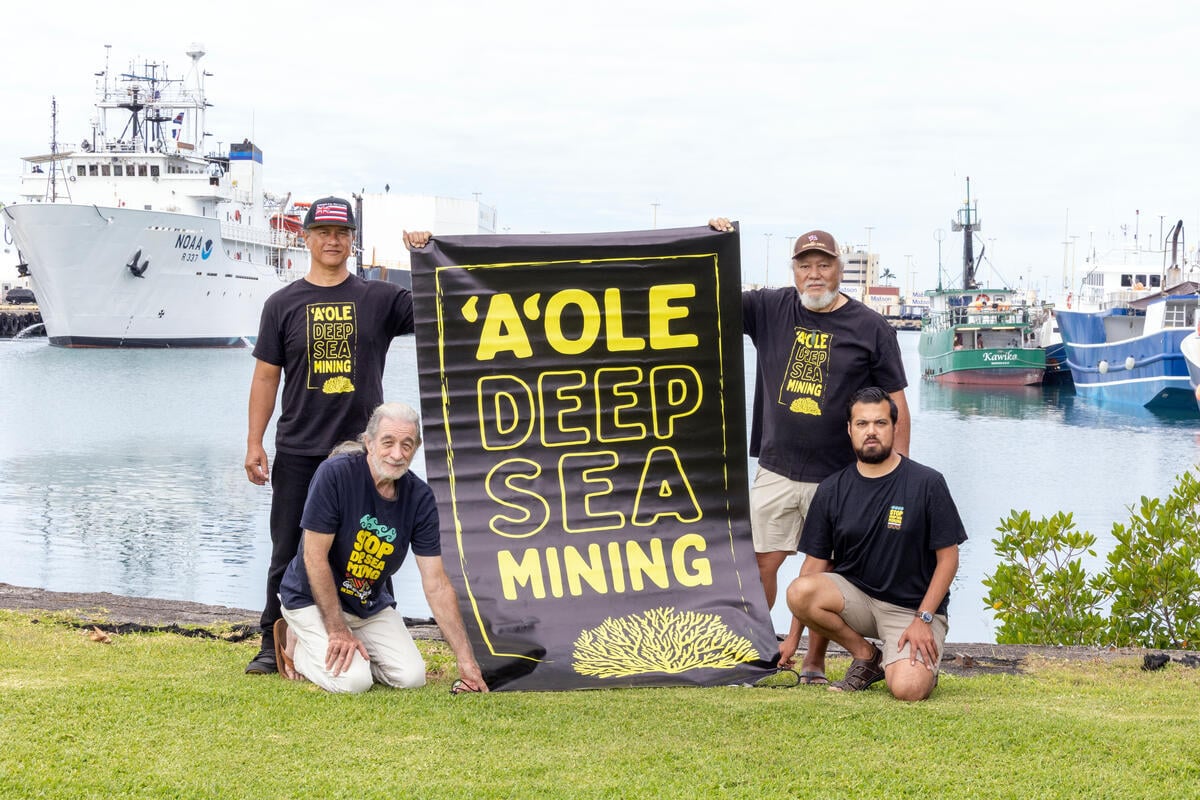
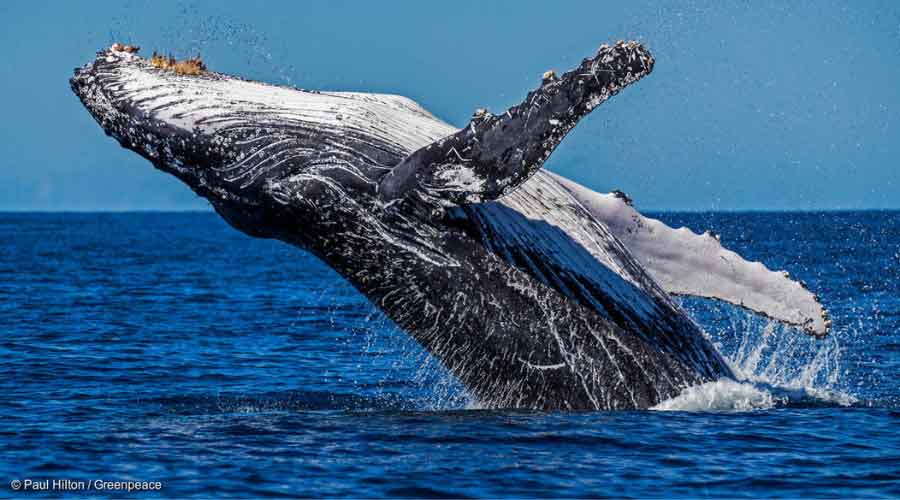
Media requests
For press inquiries, please contact: [email protected].